In five minutes
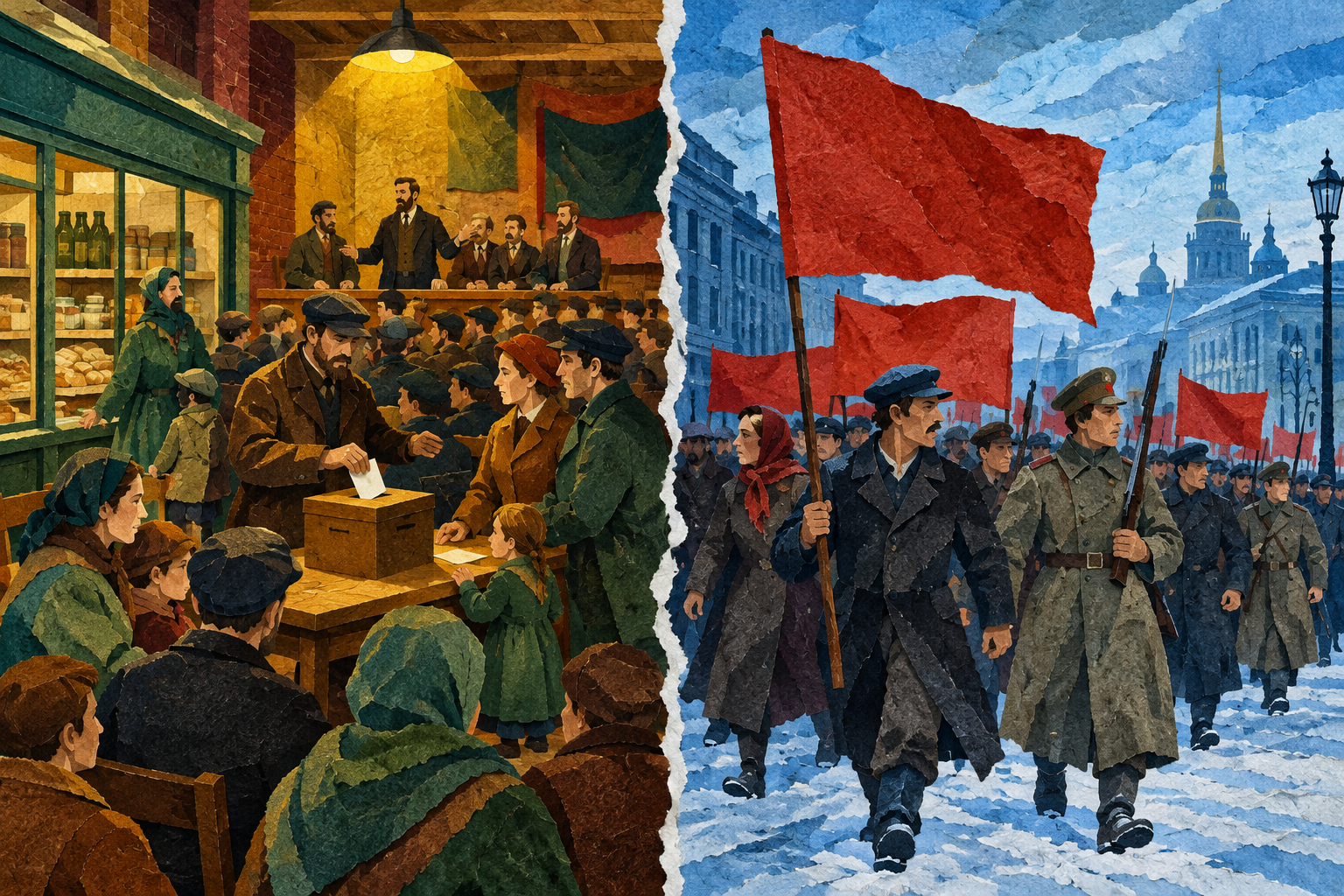
Liberalism is the belief that individual freedom comes first and that power, whether a king's, a church's or a government's, must be limited by law. In the 1800s, liberals asked for written constitutions, elected parliaments, free speech, religious toleration and open markets. They wanted to replace privilege based on birth with rights that apply to everyone before the law.
“Liberalism” is not one party or one country's doctrine, and its meaning has shifted over time. This article follows the nineteenth-century version, which people today often call classical liberalism. It is one of the big ideas covered in Ideas That Shaped the 19th Century, alongside socialism, nationalism and Darwin's theory of evolution.
A handy way to remember it is three questions that a nineteenth-century liberal would ask of any government. Does it protect individual rights? Is its power limited by a constitution and by law? Does it leave people as free as possible to speak, worship, work and trade?
Where the idea came from
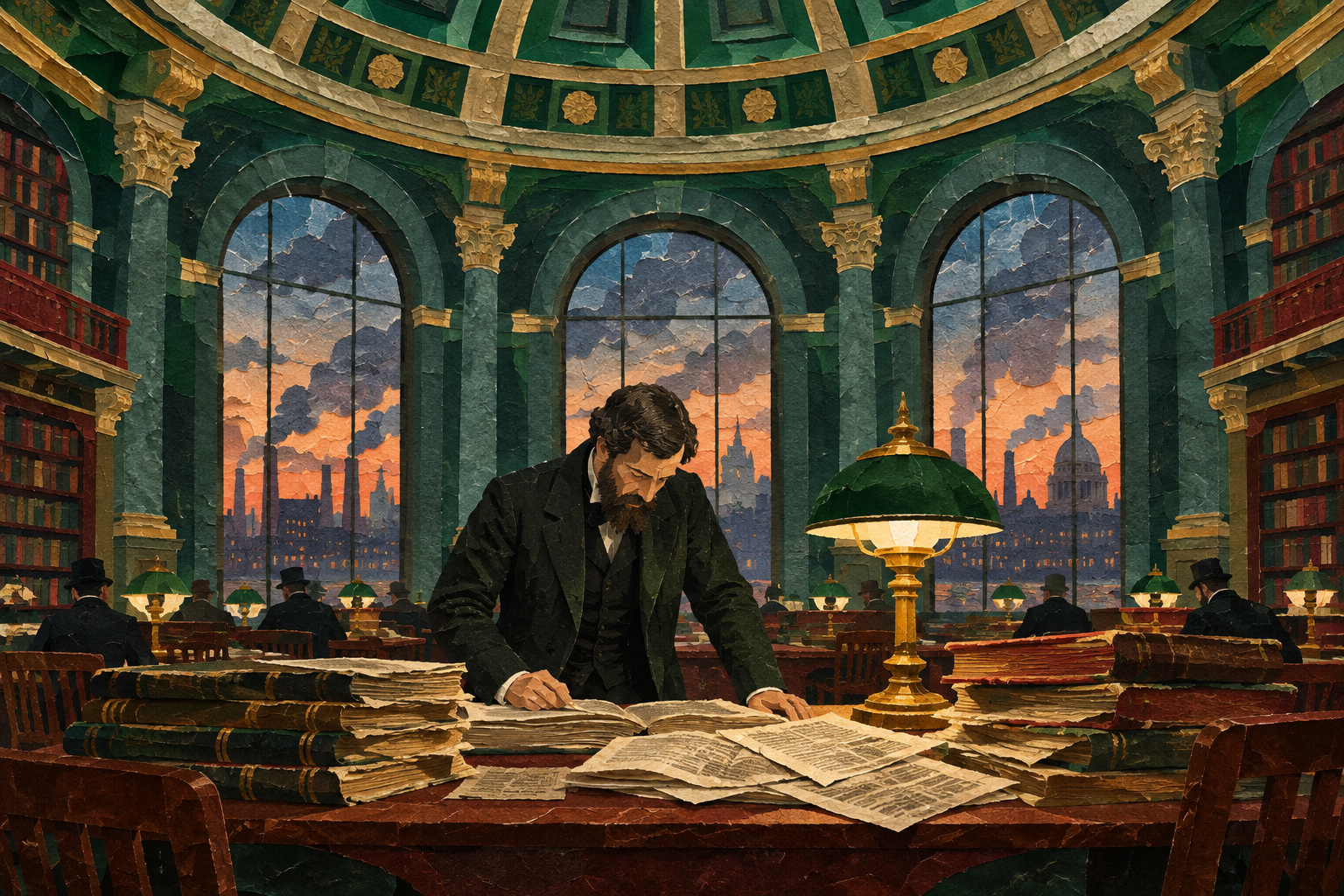
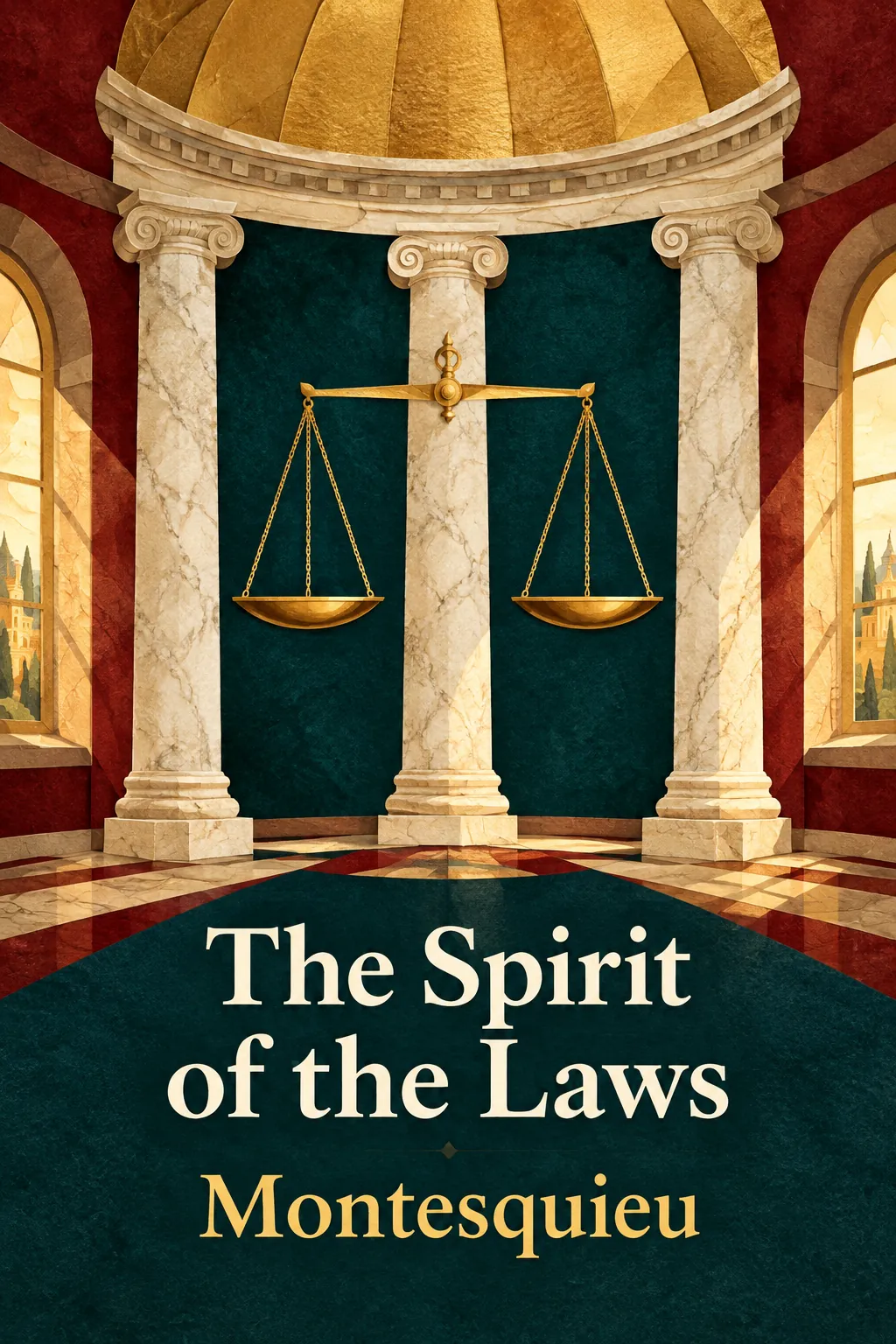
The roots lie in the 1600s and 1700s. After the English Civil War and the Glorious Revolution, John Locke argued in his Two Treatises of Government (1689) that people have natural rights to life, liberty and property. A government, he said, earns its power by protecting those rights, and people may resist it if it breaks that trust. Montesquieu's The Spirit of the Laws (1748) added the idea of dividing power between separate branches so that no one person holds all of it. Writers such as Voltaire pressed for religious toleration and freedom of expression.
Economic thinking ran alongside. Adam Smith's The Wealth of Nations (1776) argued that trade and production usually work better with less interference from the state. That line of thought later grew into laissez-faire economics.
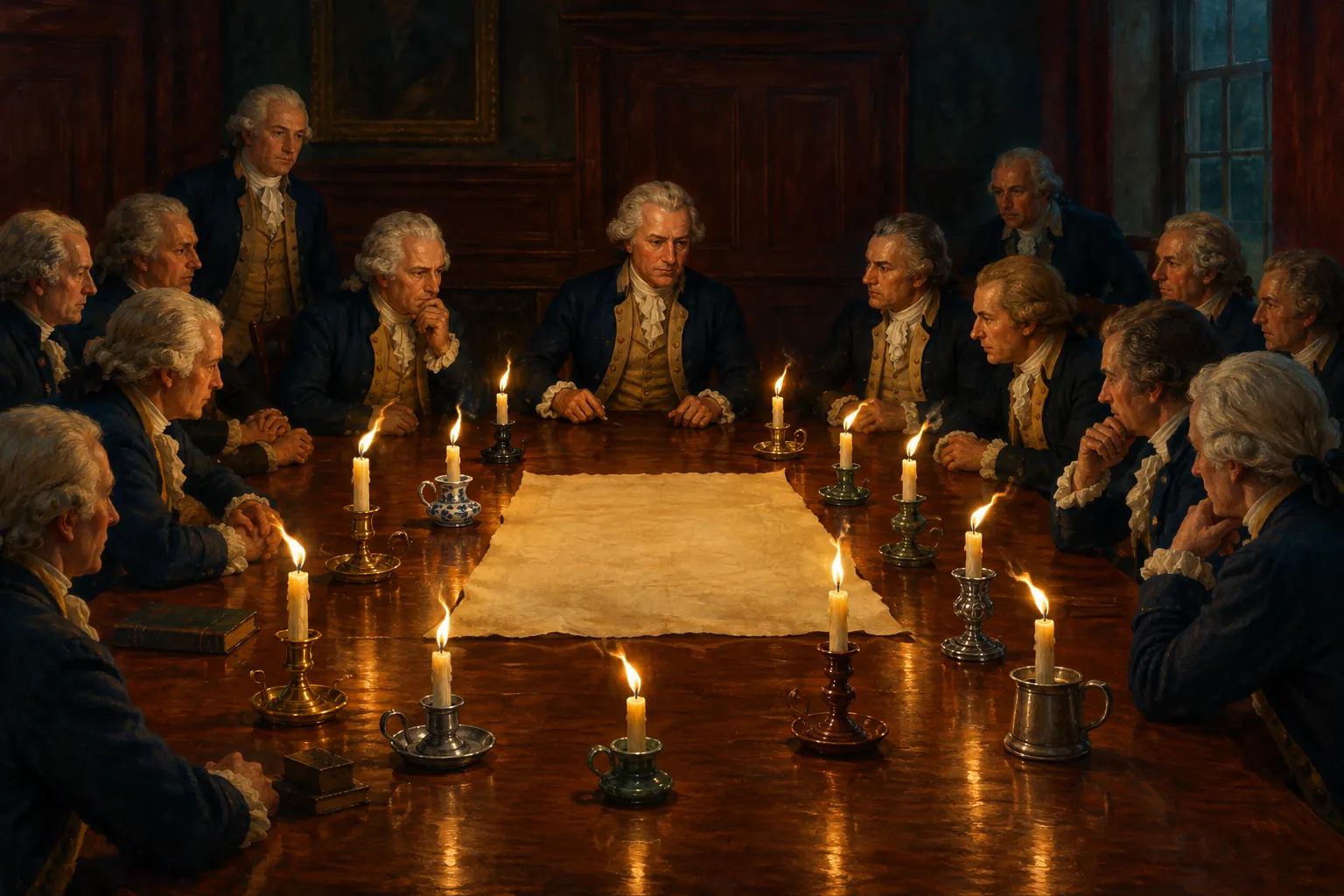
Two revolutions turned these ideas into public law. The American Declaration of Independence (1776) said that governments get their power from the consent of the governed. The French Declaration of the Rights of Man and of the Citizen (1789) stated that people are born free and equal in rights, and that the law must apply to everyone in the same way.
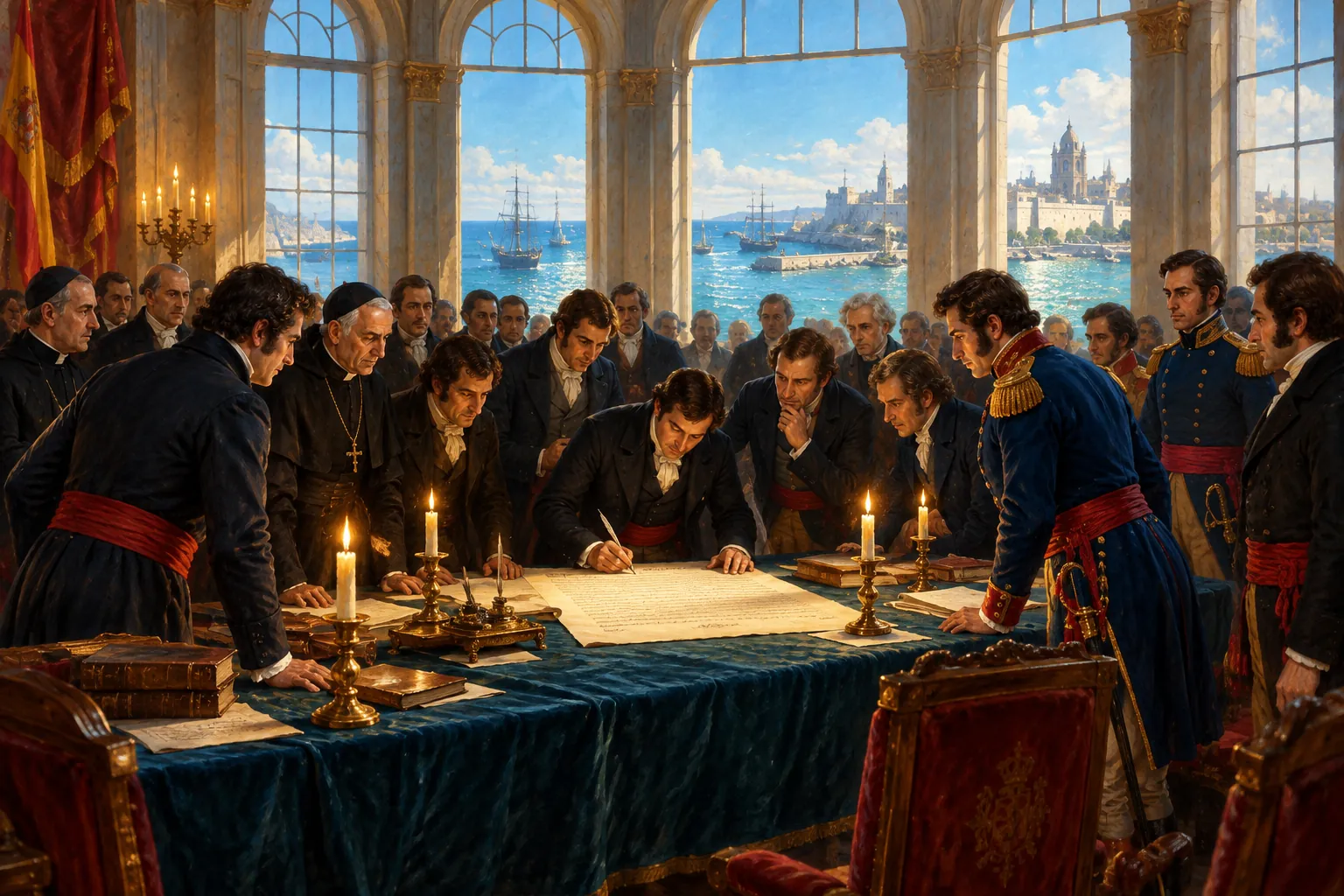
The political label came a little later. Around 1810 to 1812, Spanish politicians who gathered in Cádiz while Napoleon's armies held much of Spain wrote a constitution that limited the king and gave real power to an elected parliament. Their opponents and supporters called them liberales. The Constitution of 1812 became a model for liberal movements in Portugal, Italy and Latin America, and the word spread across Europe.
Why the idea took off in the 1800s
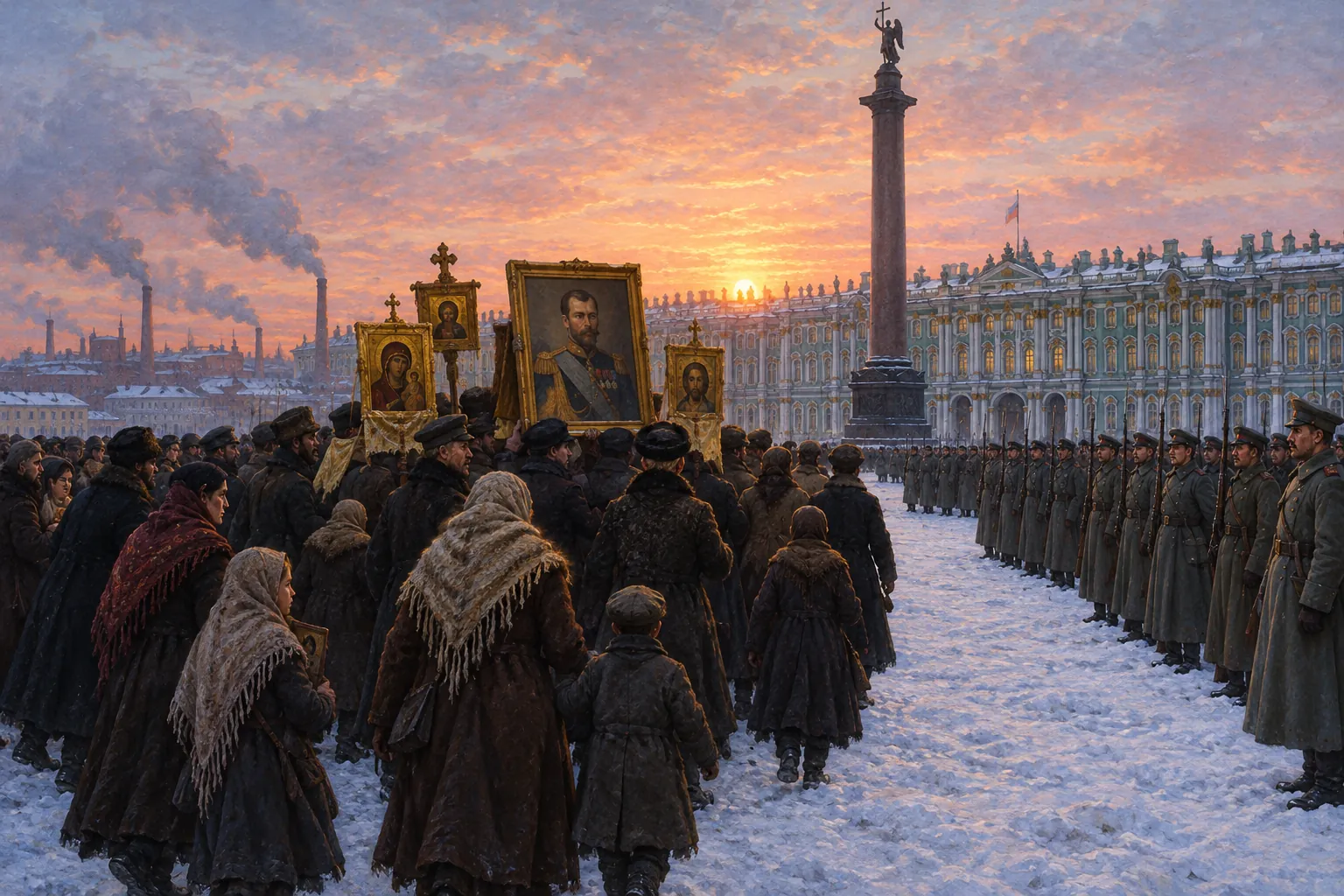
When Napoleon fell, the Congress of Vienna (1814 to 1815) tried to restore the old order. Kings returned to their thrones, and conservative statesmen such as Klemens von Metternich of Austria worked to stamp out revolutionary ideas. In this setting, liberals became the main opposition, often alongside early nationalists.
Liberalism also had a social base. Industry and trade were creating a growing middle class of merchants, factory owners, lawyers, doctors, teachers and journalists. Many were wealthy and educated, yet they were shut out of government by aristocratic privilege, censorship and electoral rules that favoured landowners. Liberalism gave their grievances a language: rights, merit, law and freedom.
What nineteenth-century liberals wanted
- A constitution and separated powers. The ruler should be bound by a written law. The French thinker Benjamin Constant argued in a lecture of 1819 that modern people value freedom in private life, safe from arbitrary power, more than the ancient freedom of taking part in every public decision.
- Civil liberties. Freedom of speech, of the press, of religion and of assembly, and protection from arbitrary arrest.
- Rule of law and property. Everyone is judged by the same law, and property cannot be seized at the ruler's whim.
- Representative government. Laws should be made by an elected parliament. Yet most liberals backed a limited vote, usually tied to property or taxes paid. Many feared that giving every adult a vote would let a poor majority threaten property, or that uneducated voters could be swayed by demagogues.
- Economic freedom. Fewer tariffs, no guild monopolies, and open trade. Liberals saw this as another form of personal liberty.
For a fuller treatment of the thinking behind these demands, see Classical Liberalism. Early in the century many liberals also supported nationalism, because they thought a free people should govern itself in its own state.
Liberalism in action, 1830 to 1859
1830. In France the July Revolution drove out the conservative king Charles X. The new king, Louis-Philippe, ruled under a revised charter with a larger but still property-based electorate, a regime often seen as the liberal monarchy of the middle class. In the same year the southern provinces of the Netherlands rose up and became Belgium, which adopted one of the most liberal constitutions of its day in 1831.
1832. In Britain the Reform Act redrew the electoral map. It removed many tiny “rotten boroughs” and gave seats to growing industrial towns, which brought more middle-class men into the electorate. The vote was still far from universal. Liberal-minded reformers also pushed through the abolition of slavery in the British Empire (the Act of 1833, taking effect in 1834).
1846. The Anti-Corn Law League, led by Richard Cobden and John Bright, campaigned for free trade in grain. Britain repealed the Corn Laws in 1846, a landmark victory for economic liberalism.
1848. Revolutions swept Europe. Liberals demanded constitutions, a free press and national parliaments. In the German states, the Frankfurt Parliament drafted a liberal constitution for a united Germany, but the Prussian king refused the crown it offered and conservative forces regained control. Liberals had shown their strength and their weakness: they could start a revolution, but they struggled to keep power.
1859. In Britain, Whigs, Peelites and radicals came together to form the Liberal Party, which later produced leaders such as William Gladstone.
John Stuart Mill and On Liberty
The most famous liberal text of the century is John Stuart Mill's On Liberty (1859). Its central claim is known as the harm principle: society may limit an individual's freedom only to prevent harm to others. A person's own good, physical or moral, is not enough reason to force them. Mill defended free discussion strongly, arguing that even false opinions are useful because they make people test and understand the truth. He also worried about the “tyranny of the majority”, where social pressure can crush unusual people even without a law. In 1869 he wrote in support of women's equal rights, a sign that liberal principles could be pushed further than most liberals of his time were willing to go.
Limits and criticisms
Liberalism changed Europe, but it had clear limits. The vote often stayed with property-owning men, so workers and women were left out. Factory towns produced severe poverty, and critics argued that legal freedom meant little to a worker who had to accept any wage. That criticism fed the rise of socialism, covered in the hub article. Liberal states also built colonial empires and often applied their principles only to some people.
Late in the century, a number of liberals changed course. Thinkers such as T. H. Green argued that real freedom needs education, health and a decent standard of living, so the state has a part to play. This “new liberalism” inspired the British Liberal governments of the early 1900s, which introduced measures such as national insurance in 1911.
Liberalism in Japan
Liberal ideas reached Japan in the Meiji era. Fukuzawa Yukichi introduced Western institutions in Seiyō jijō (1866 onward), and Nakamura Masanao translated Mill's On Liberty in 1872. The Freedom and People's Rights Movement (Jiyū Minken Undō) followed. In 1874 Itagaki Taisuke and others petitioned for an elected assembly, and in 1881 Itagaki founded the Liberal Party (Jiyūtō). The government promised a parliament in 1881 and issued the Meiji Constitution in 1889, but with strong powers kept by the emperor and the state.
What exams ask
- Conservatism versus liberalism. The Vienna System (1815) represents the conservative order; liberalism and nationalism are the forces that challenged it.
- Who it served. Know that 19th-century liberalism was mainly a middle-class movement that favoured a limited franchise.
- Key dates. 1830 (July Revolution, Belgium), 1832 (British Reform Act), 1846 (repeal of the Corn Laws), 1848 (revolutions), 1859 (On Liberty).
- Key terms. Natural rights, separation of powers, laissez-faire, harm principle, limited suffrage.
- AP-style significance. Explain how liberalism combined with industrialisation and nationalism to challenge absolutism, and how socialists later criticised it.
Read next
- Ideas That Shaped the 19th Century: the overview that places liberalism next to socialism, nationalism and Darwin.
- Classical Liberalism: a closer look at the thinkers and arguments behind the 1800s movement.
- Laissez-Faire Economics: how the liberal belief in free markets became an economic programme.
- What Is Nationalism?: the sister idea that often marched with liberalism before the two parted ways.