The Industrial Revolution, Modern World History
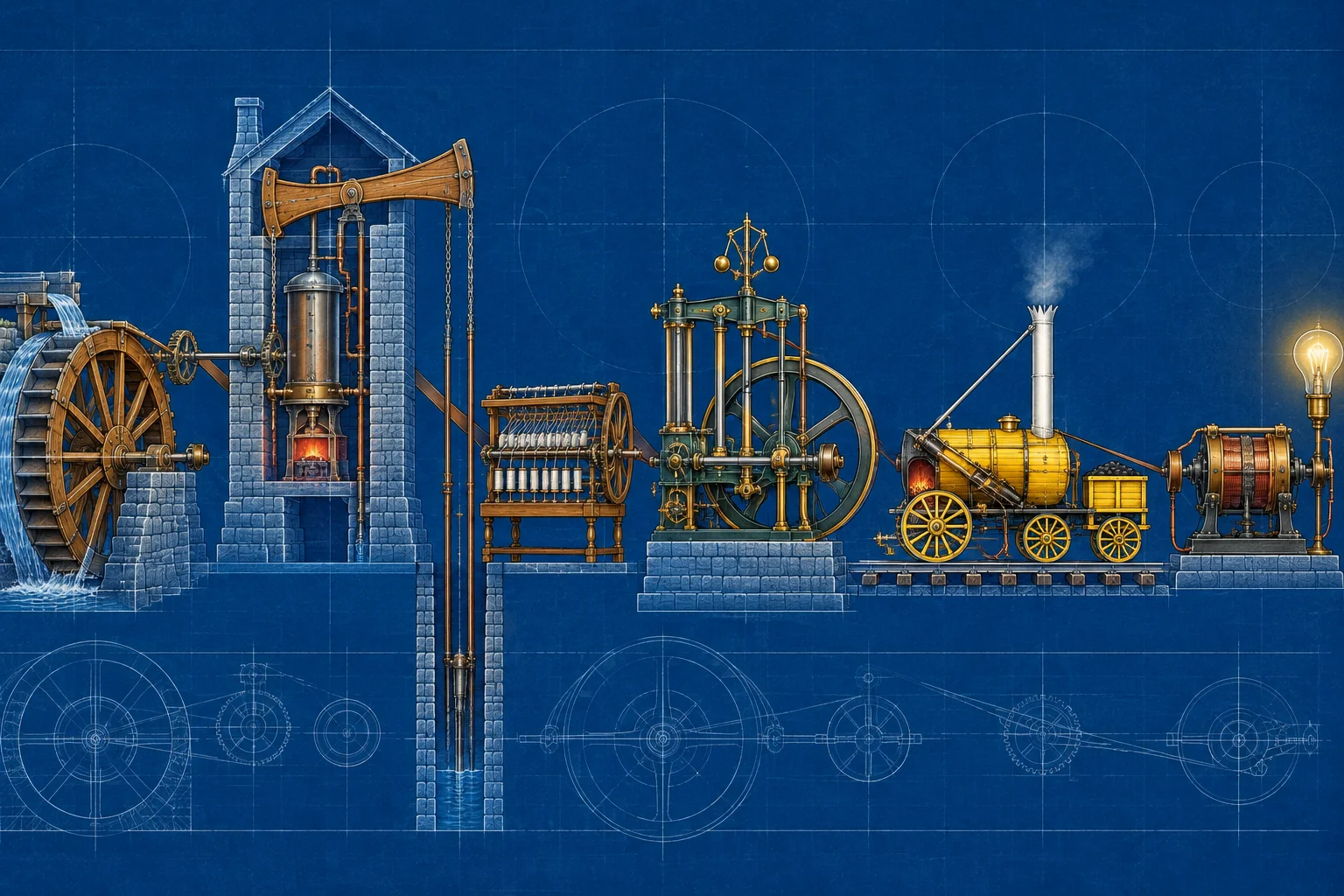
The Industrial Revolution Timeline
<p>The Industrial Revolution began in Britain around 1760 and, in its first phase, ran to roughly 1830–1840. This timeline follows the key steps from Newcomen's 1712 steam engine to railways, the 1833 Factory Act and the steel, electric and car age of 1850–1914.</p>
Jan 19, 2026
The Industrial Revolution, Modern World History
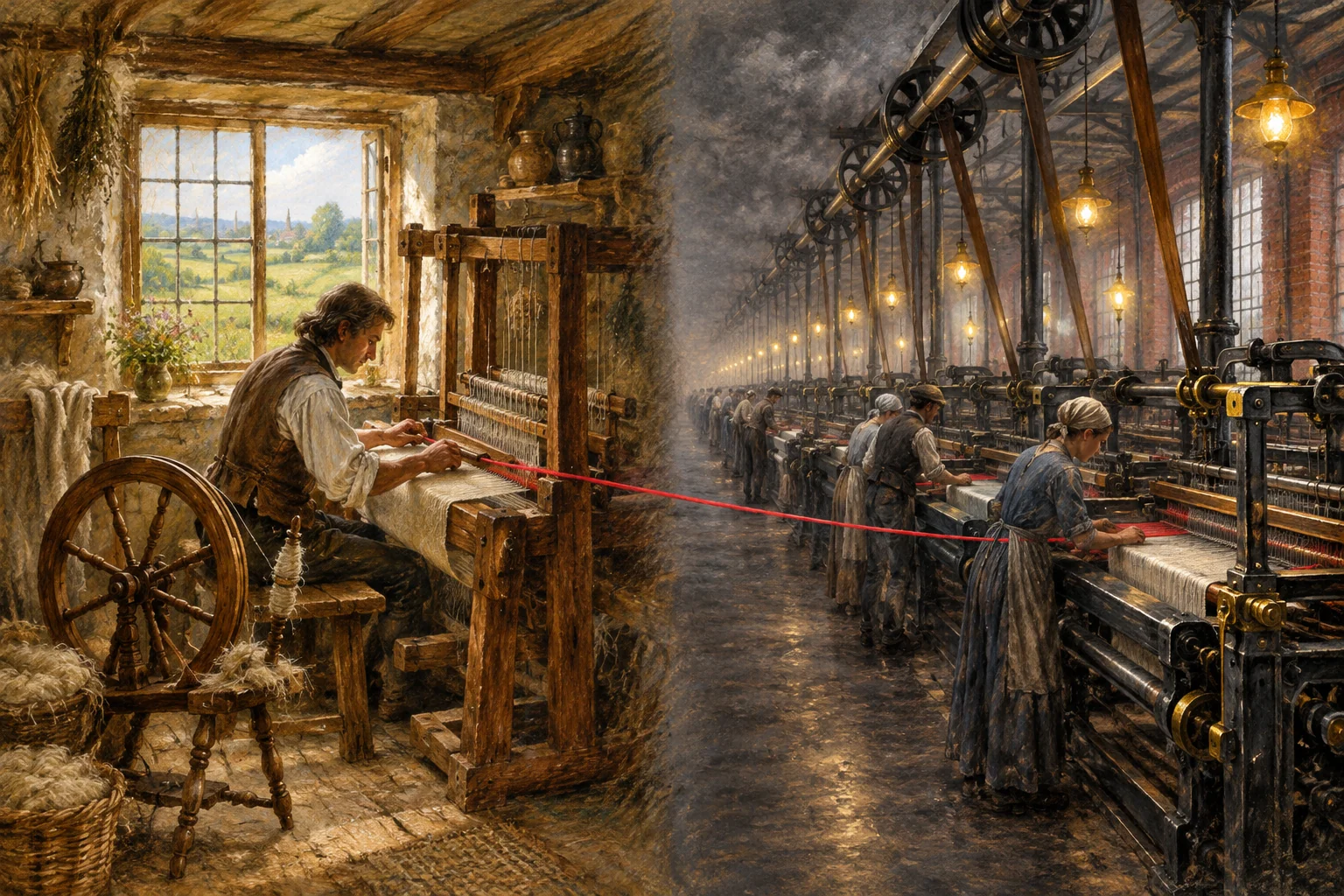
The Industrial Revolution Definition: An In-depth Look
<p>The Industrial Revolution was the shift from hand tools and muscle power to machines, steam engines and factories. It began in Britain around 1760, spread to Europe, the United States and Japan by about 1900, and changed where people lived, how they worked and how fast economies could grow.</p>
Jan 19, 2026
The Industrial Revolution, Modern World History
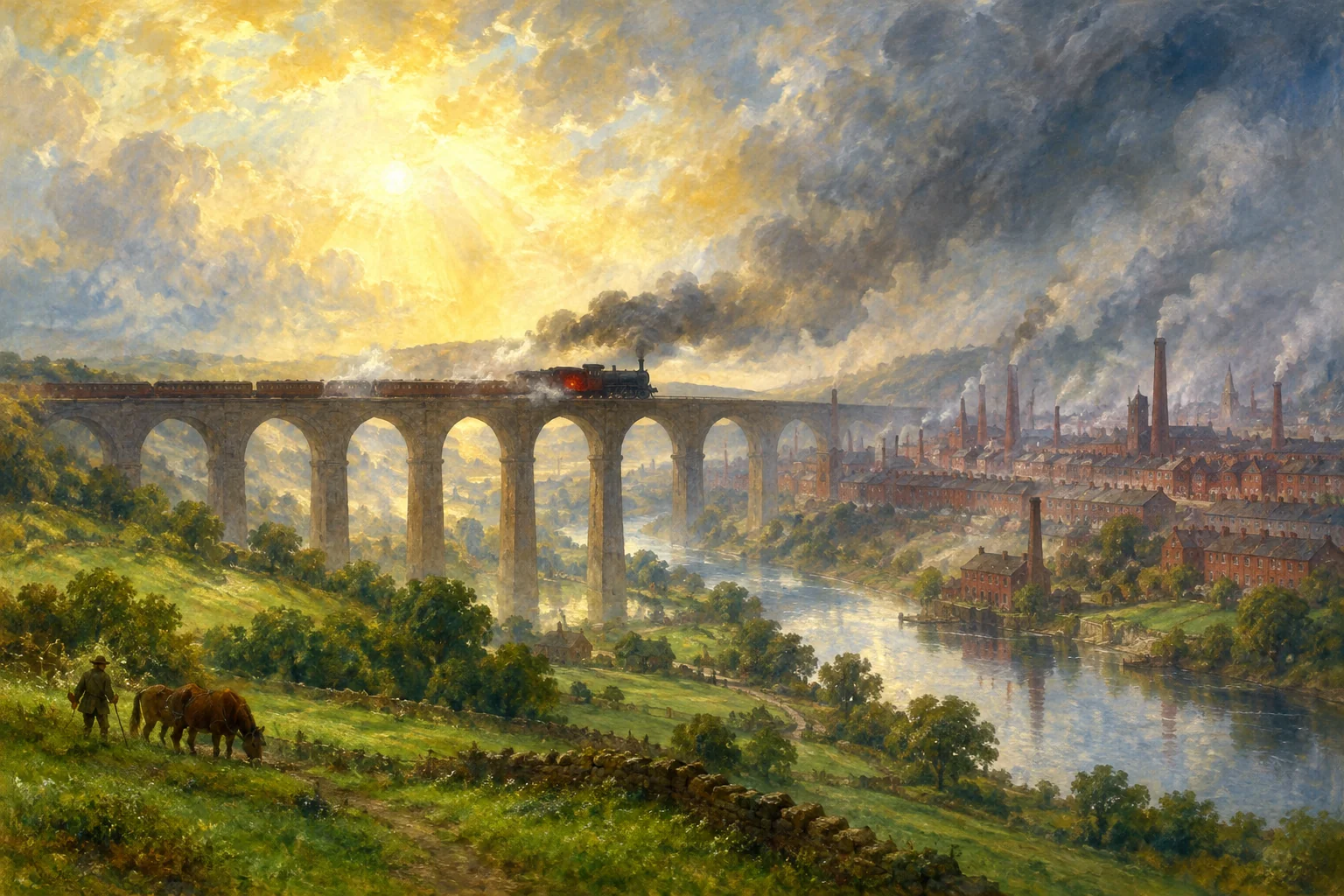
Unleashing Progress: The Far-Reaching Effects of the Industrial Revolution
<p>The Industrial Revolution's biggest effect was to move Britain, and later much of the world, from farm work to factory work. It raised output and living standards in the long run, pushed millions into crowded cities, created new classes and labour laws, and began the rise in carbon emissions that still shapes our climate.</p>
Jan 19, 2026
The Industrial Revolution, Modern World History
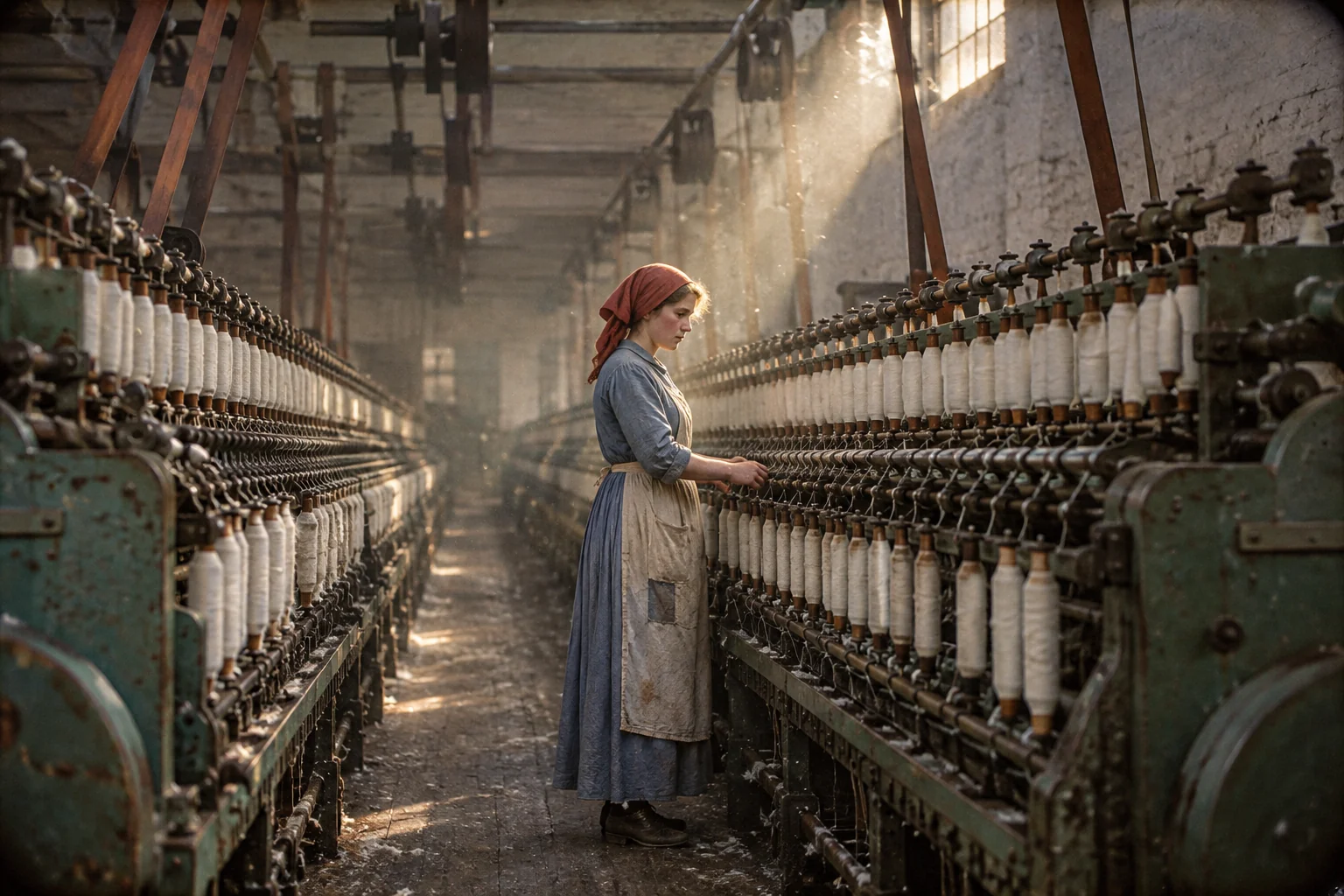
Struggles and Sacrifices: The Story of Industrial Revolution Working Conditions
<p>In Britain's early factories, adults and children often worked 12 to 14 hours a day, six days a week, beside unguarded machines. Low wages, a crowded labor market and a ban on unions explain why. Protest and investigation led to a series of Factory Acts between 1802 and 1847 that limited hours and child labor.</p>
Jan 19, 2026
The Industrial Revolution, Modern World History
Shaping Astounding History: Uncovering the 10 Causes of the Industrial Revolution
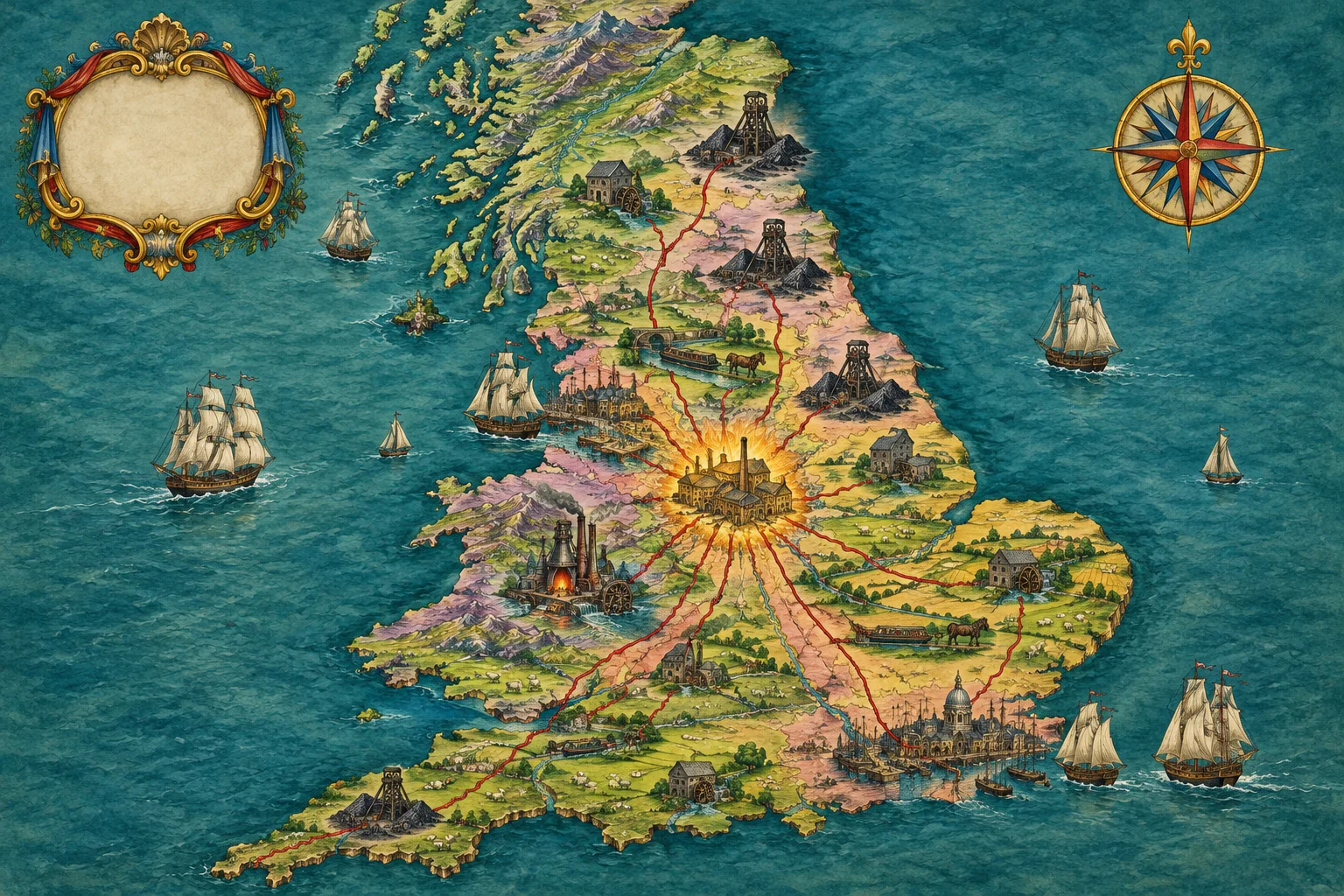
<p>The Industrial Revolution began in Britain because ten conditions overlapped: farms that freed workers, a growing population, cheap coal and iron, high wages, easy credit, stable law, overseas trade, canals and roads, skilled craftsmen and a hungry consumer market. No single cause explains it, and historians still debate their weight.</p>
Jan 19, 2026