Science Fiction
14 books
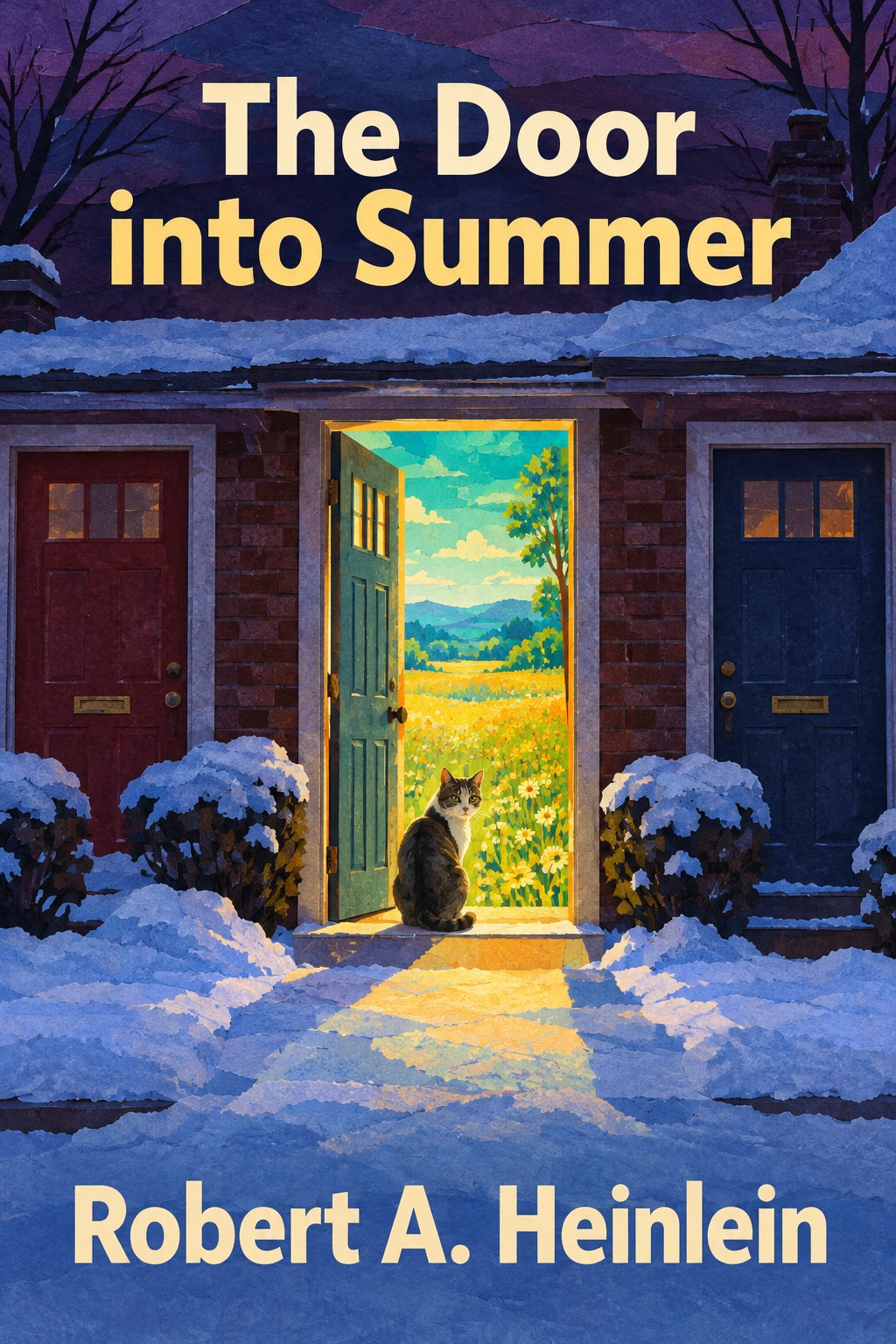
The Door into Summer
by Robert A. Heinlein
The Door into Summer is a 1957 science fiction novel about Dan Davis, an inventor in 1970 who builds household robots and loses his company to a business partner and a fiancée he trusted. Betrayed, he ends up in cold sleep and wakes in the year 2000, where he must find out what was done to him and what became of his work. His cat Pete, who believes every house hides a door into summer, is the heart of the story.
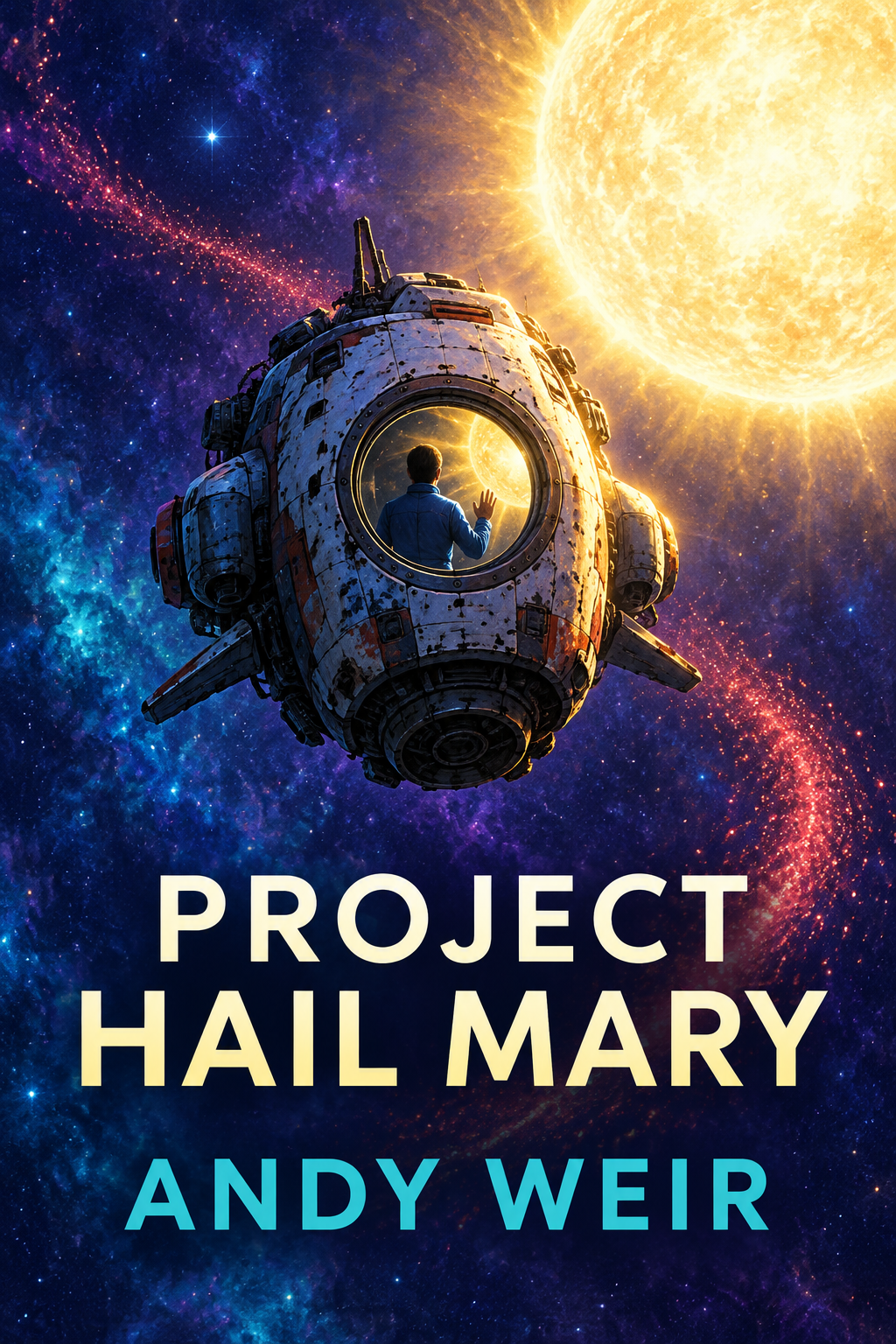
Project Hail Mary
by Andy Weir
Project Hail Mary is a science-fiction novel about a junior high science teacher who wakes up on a spaceship light-years from Earth with no memory of who he is. His two crewmates are dead. Bit by bit he remembers why he is there: a microbe called Astrophage is eating the Sun's energy, and Earth faces an ice age. His mission is to find out why one nearby star, Tau Ceti, is immune, and to send the answer home before it is too late.
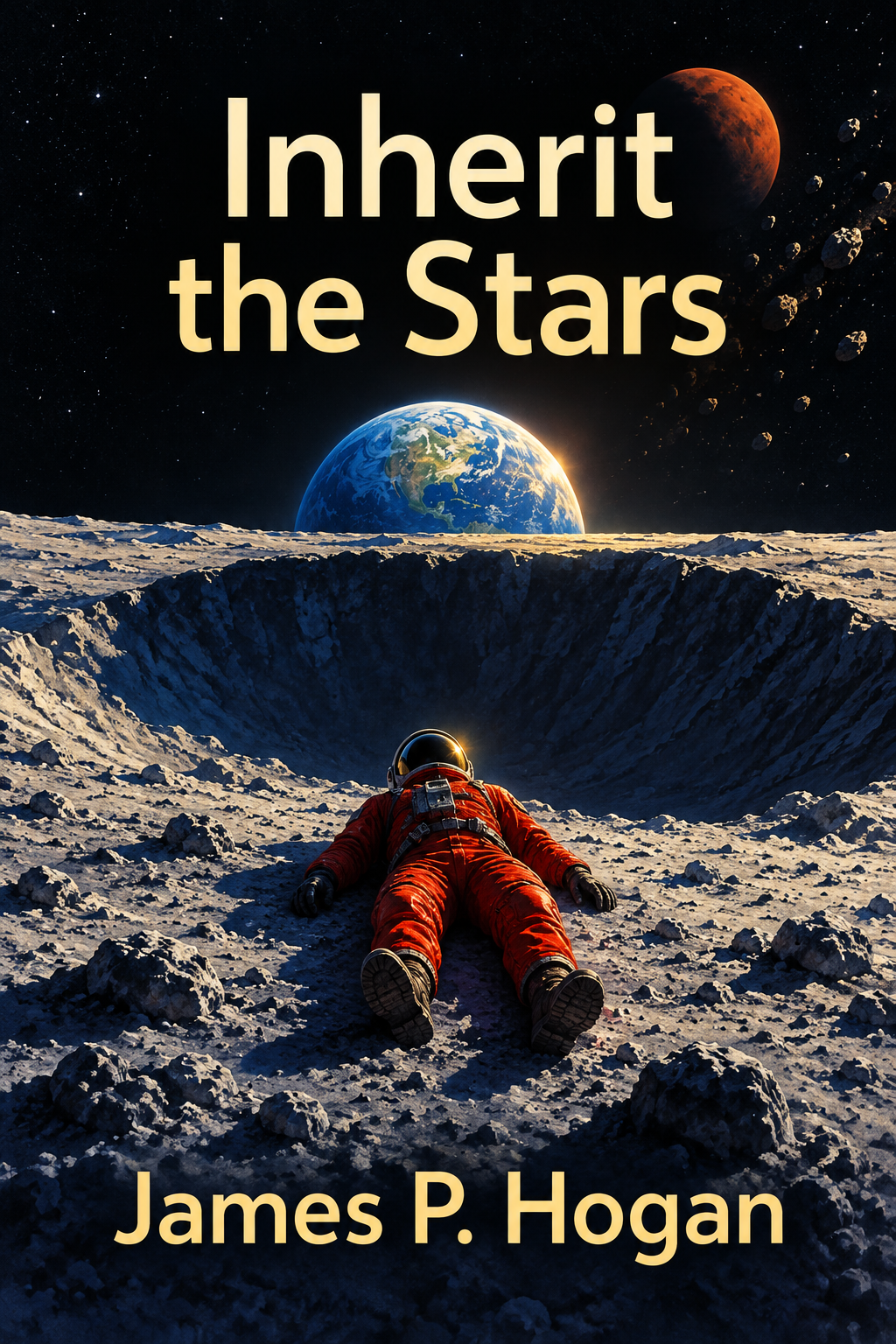
Inherit the Stars
by James P. Hogan
Inherit the Stars is a 1977 science-fiction mystery by James P. Hogan about a dead man found on the Moon. He wears a spacesuit unlike any the UN space agency has built, and he died about 50,000 years ago. Physicist Victor Hunt and biologist Christian Danchekker examine his body and belongings. Every explanation they try fits some clues and breaks on others, so the book becomes a detective story about evidence.
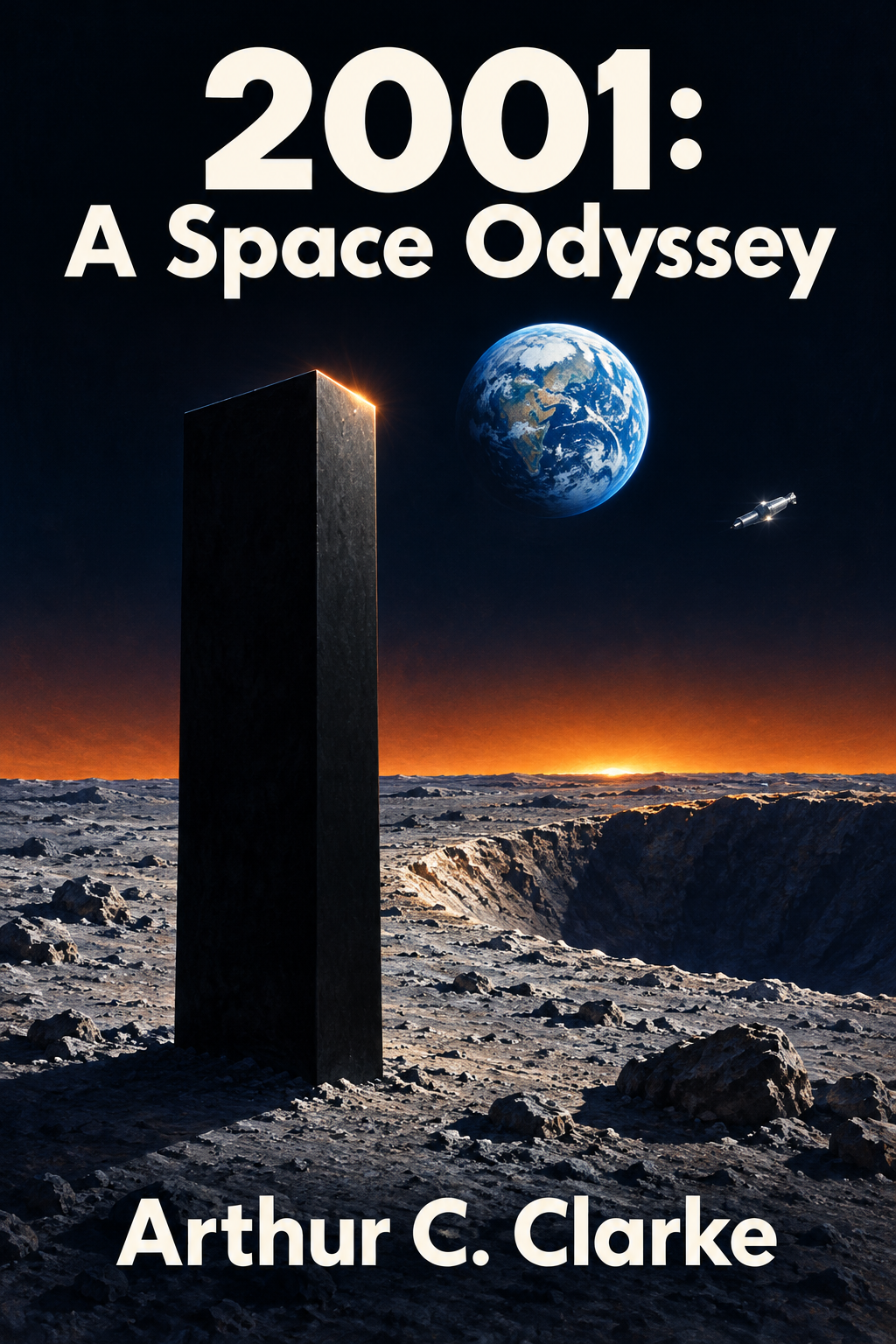
2001: A Space Odyssey
by Arthur C. Clarke
Arthur C. Clarke's novel follows humanity from tool-using apes to a spaceship bound for Saturn, in six parts. A black slab teaches the apes. Millions of years later, another slab is dug up on the Moon and sends a signal outward. The crew of the spaceship Discovery, including astronauts David Bowman and Frank Poole and the talking computer HAL 9000, is sent to follow it.
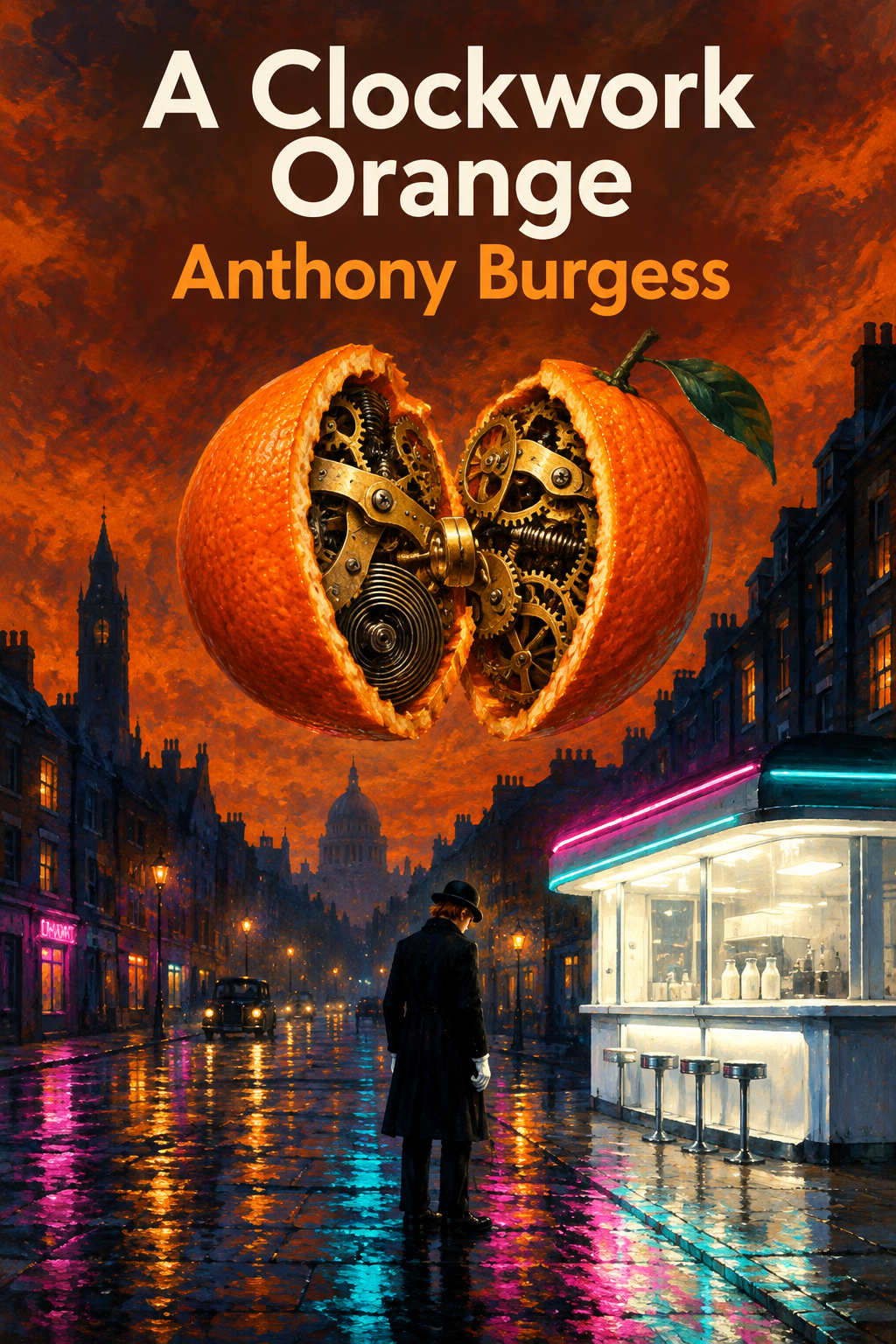
A Clockwork Orange
by Anthony Burgess
A Clockwork Orange is a 1962 novel by Anthony Burgess, narrated by Alex, a fifteen-year-old gang leader in a near-future England. Alex speaks Nadsat, a slang invented for the book, and tells his violent nights with cheerful zest. After he is caught, the state offers him a treatment that makes him sick at the thought of violence. The novel asks what a person is worth when he can no longer choose to be good.
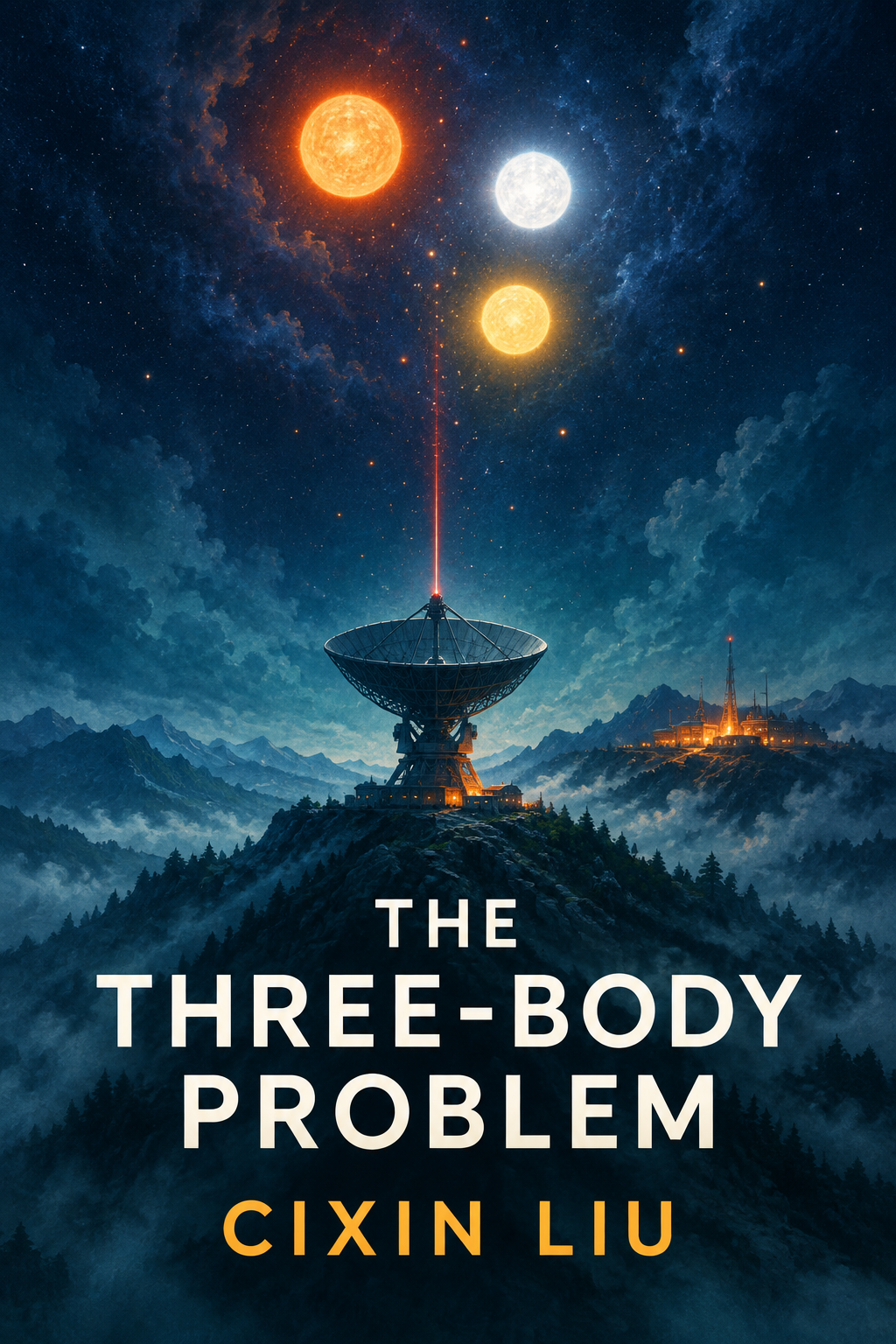
The Three-Body Problem
by Cixin Liu
The Three-Body Problem, the first novel in Cixin Liu's trilogy, opens in China during the Cultural Revolution. There, astrophysicist Ye Wenjie watches her father die and later makes a secret decision, which begins with a message sent into space and reaches far beyond Earth. Decades on, nanotechnologist Wang Miao is drawn into a mystery: prominent scientists are dying by suicide, and clues point to a virtual reality game called Three Body. The story pairs a tense investigation with a larger question: how far can humanity trust its own science?
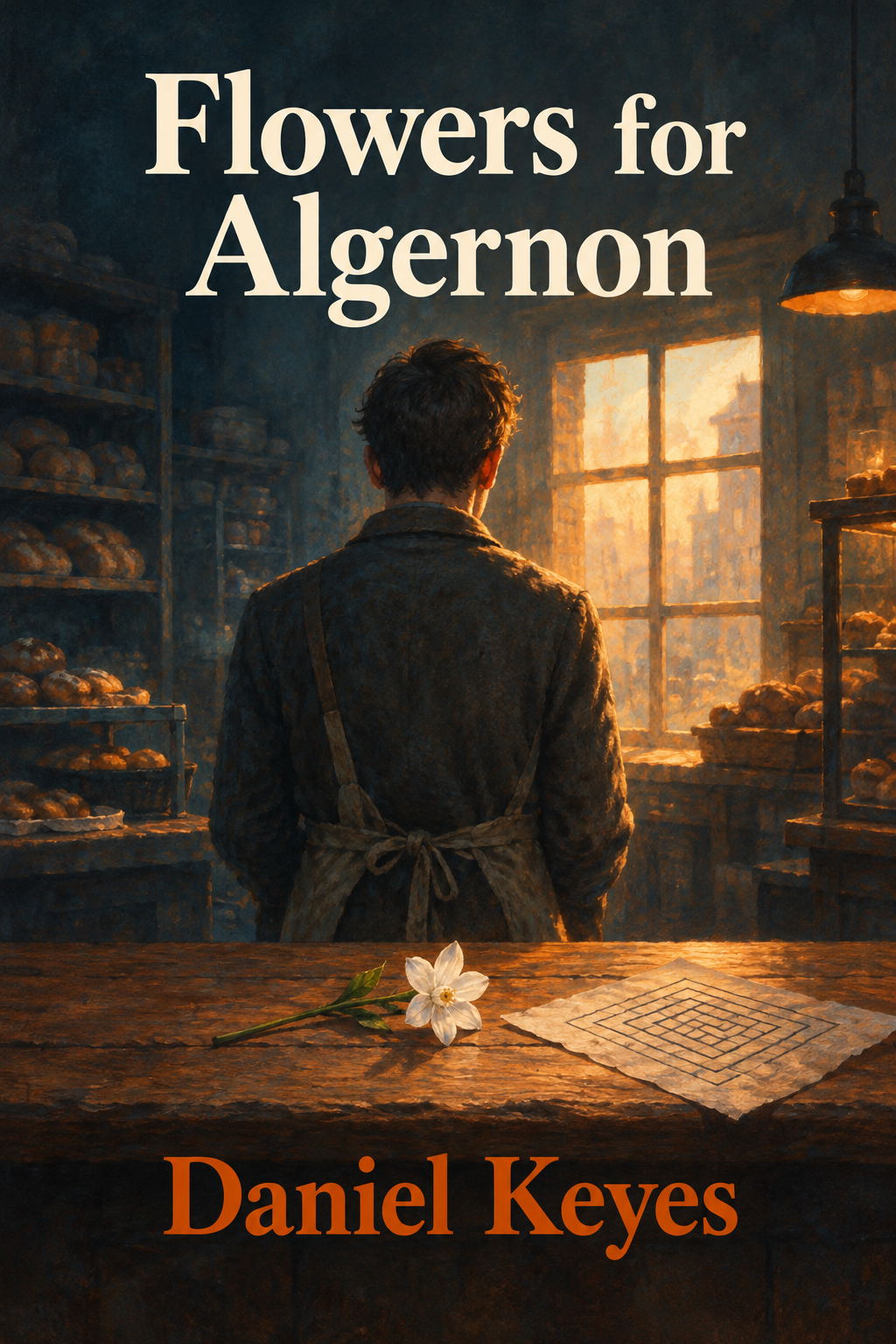
Flowers for Algernon
by Daniel Keyes
Flowers for Algernon is a novel about Charlie Gordon, a 32-year-old man with a low IQ who works at a bakery and attends an adult literacy class. Recommended by his teacher, Alice Kinnian, Charlie becomes the first human to undergo an experimental brain operation, and his intelligence rises fast. The story is told through his own progress reports, so readers see his thinking change on the page. A laboratory mouse named Algernon, who had the operation first, hints at what may come next.
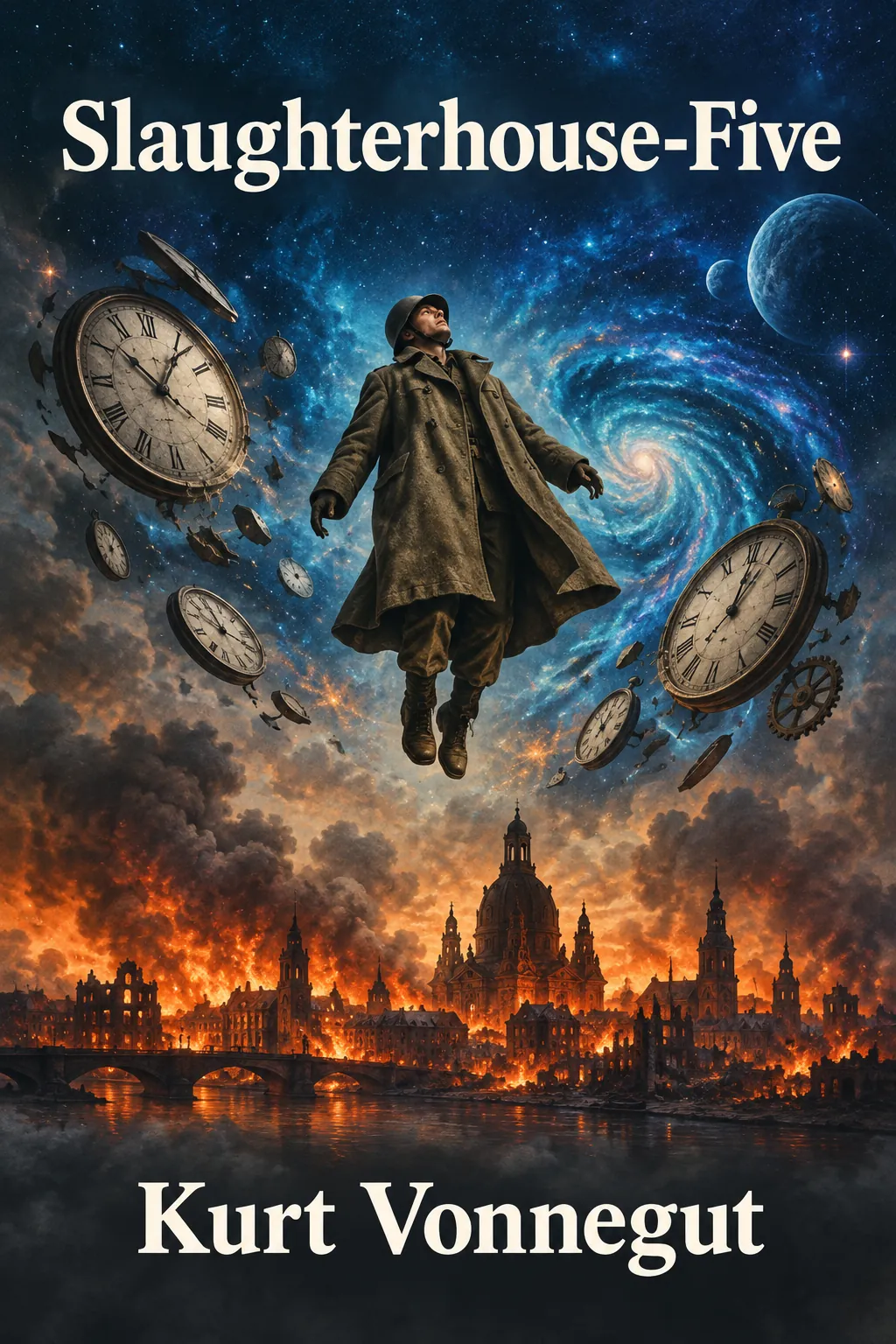
Slaughterhouse-Five by Kurt Vonnegut
by Kurt Vonnegut
Billy Pilgrim experiences his life non-linearly, jumping between his time as a POW in Dresden, his suburban life, and an alien zoo on Tralfamadore. Through this fragmented journey, the book examines the trauma of war and the absurdity of human existence.
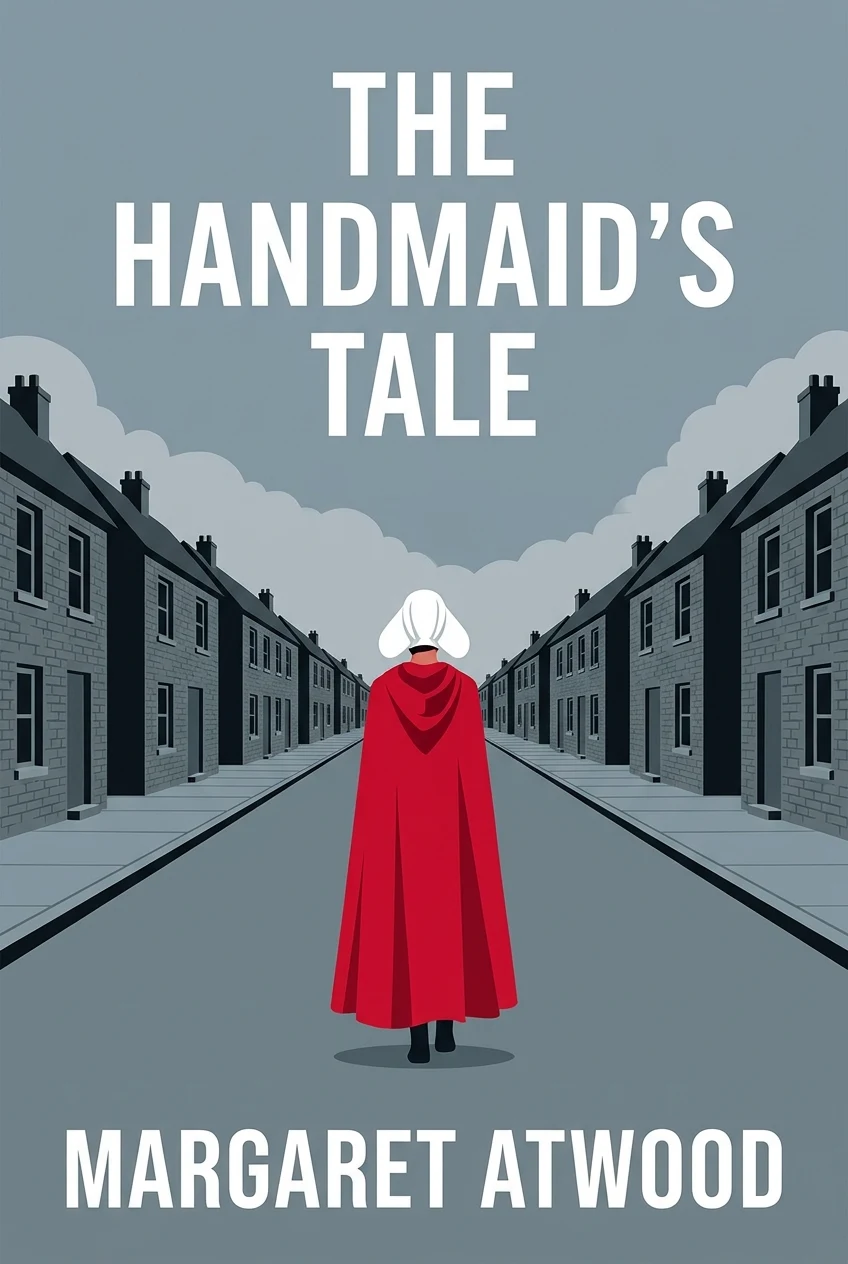
The Handmaid's Tale by Margaret Atwood
by Margaret Atwood
Set in the theocratic Republic of Gilead, the story follows Offred, a woman forced into reproductive servitude. As she navigates a world of strict surveillance and systemic oppression, she attempts to preserve her identity and find a way to escape.
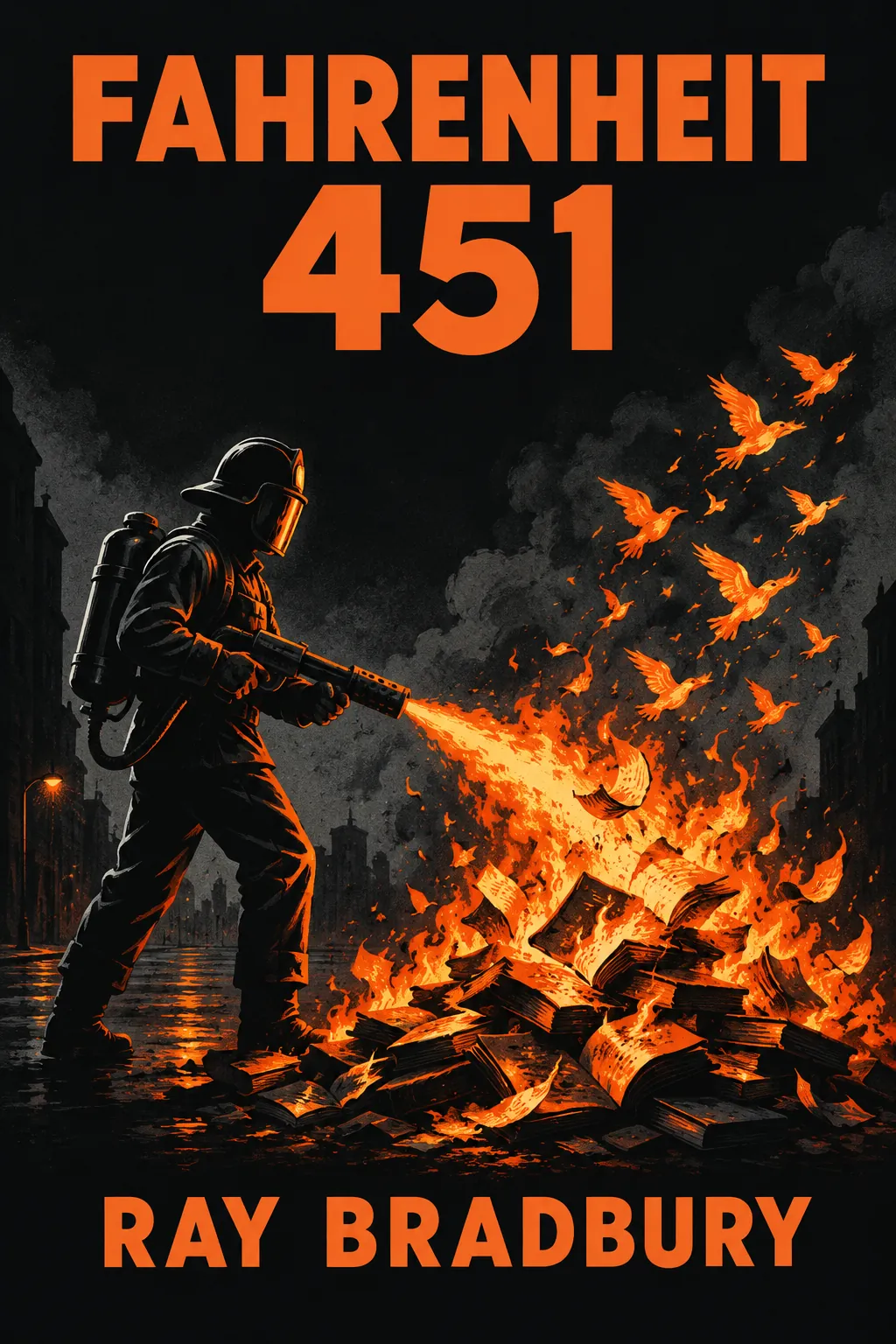
Fahrenheit 451 by Ray Bradbury
by Ray Bradbury
A fireman in a futuristic society where books are banned and burned discovers the emptiness of his life and rebels against the state. After meeting a free-thinking girl and a retired professor, he flees the city to join a secret community dedicated to memorizing literature to save human history.
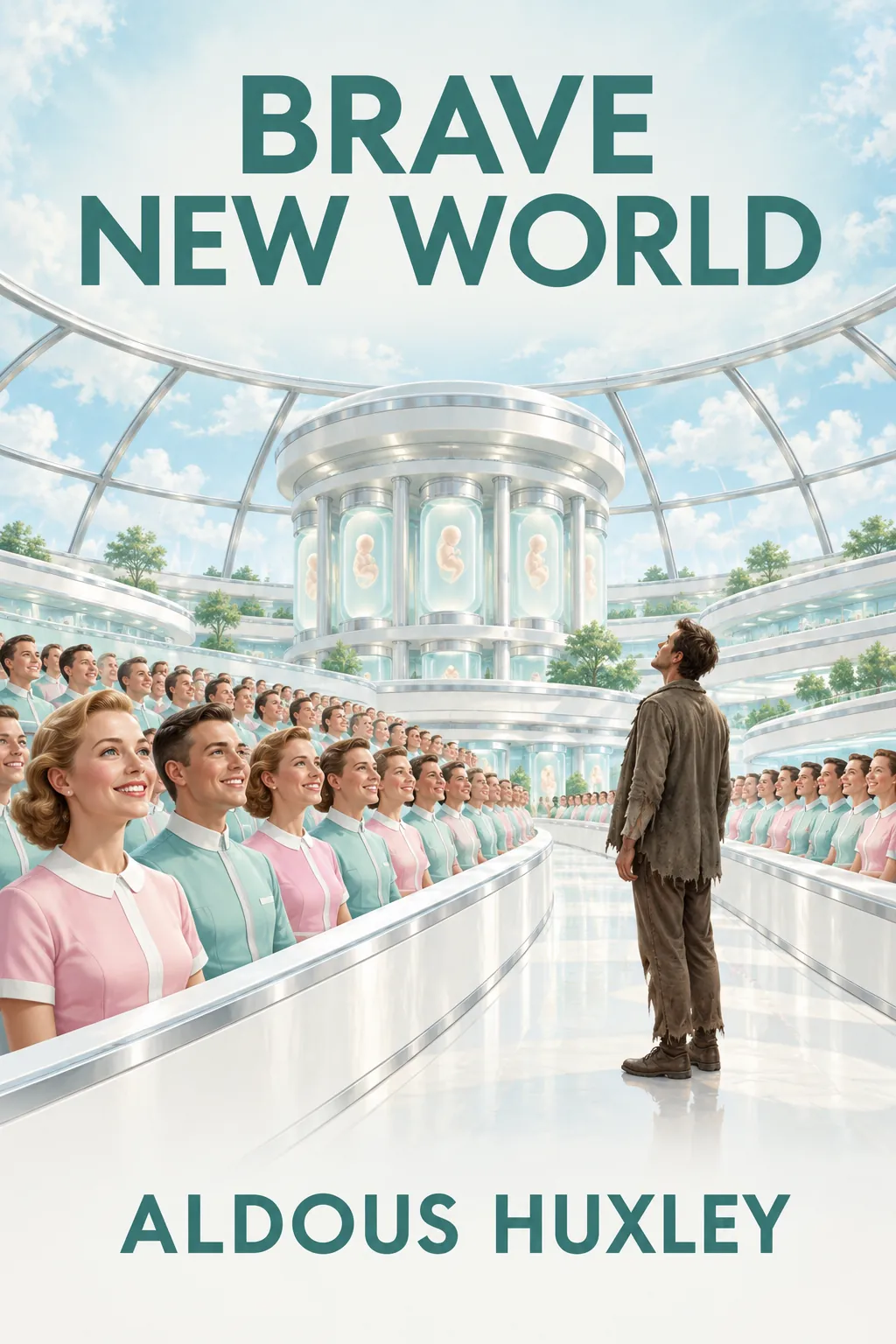
Brave New World by Aldous Huxley
by Aldous Huxley
In a future where humans are genetically engineered and conditioned into castes, a 'Savage' from a reservation is brought into a sterile society. He finds their painless existence abhorrent, leading to a tragic clash between authentic human suffering and synthetic contentment.
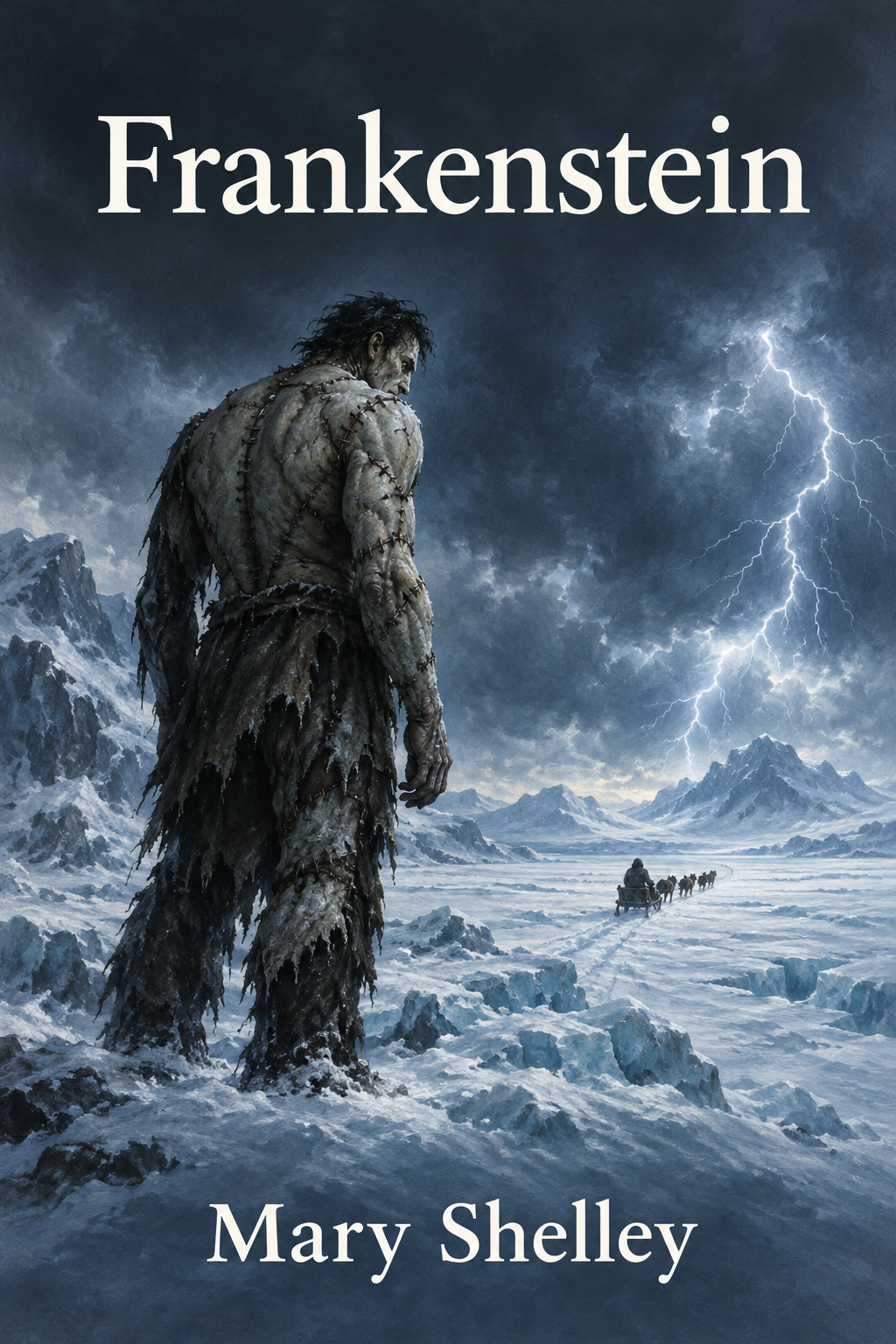
Frankenstein by Mary Shelley
by Mary Shelley
Victor Frankenstein creates a sentient being from dead matter but abandons it in horror. Rejected by society and heartbroken by his creator's betrayal, the creature turns to violence and revenge. The novel explores the ethics of science and the devastating impact of isolation and abandonment.