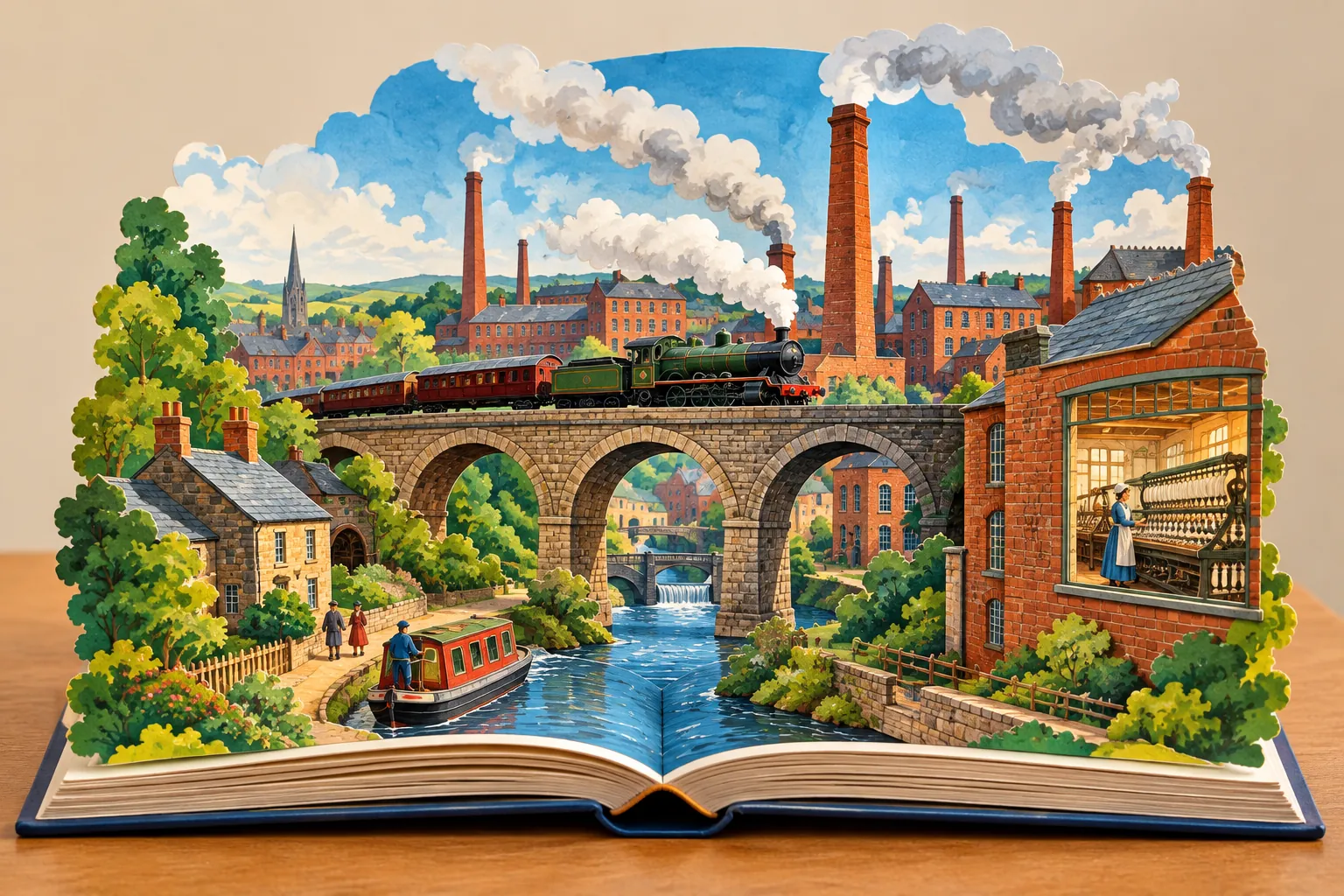
The Industrial Revolution
The Industrial Revolution: the events, people and ideas explained in five minutes each, with timelines, key facts and quizzes.
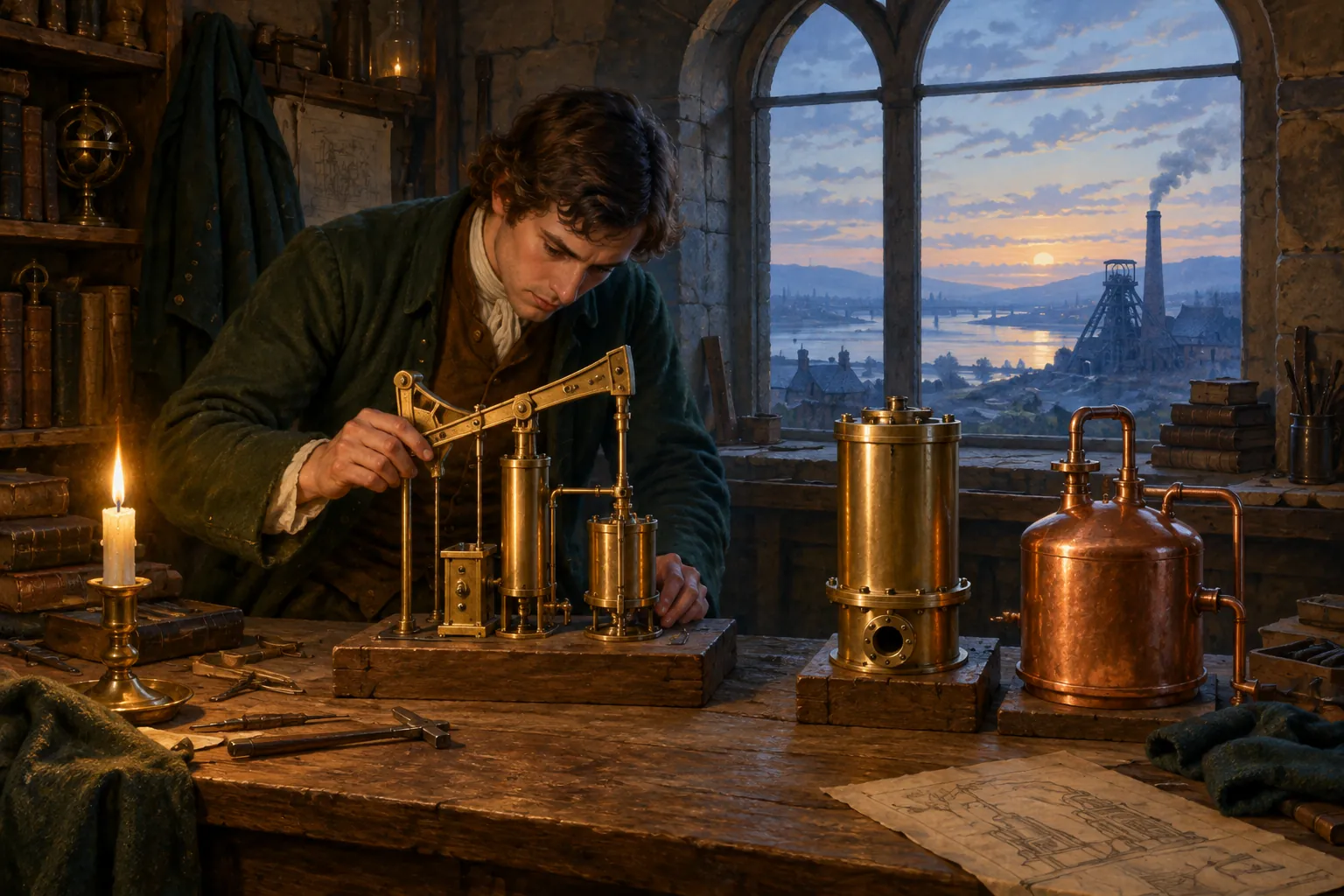
James Watt: What Did He Invent?
James Watt (1736–1819) was a Scottish engineer who did not invent the steam engine but made it far more efficient. His separate condenser, patented in …
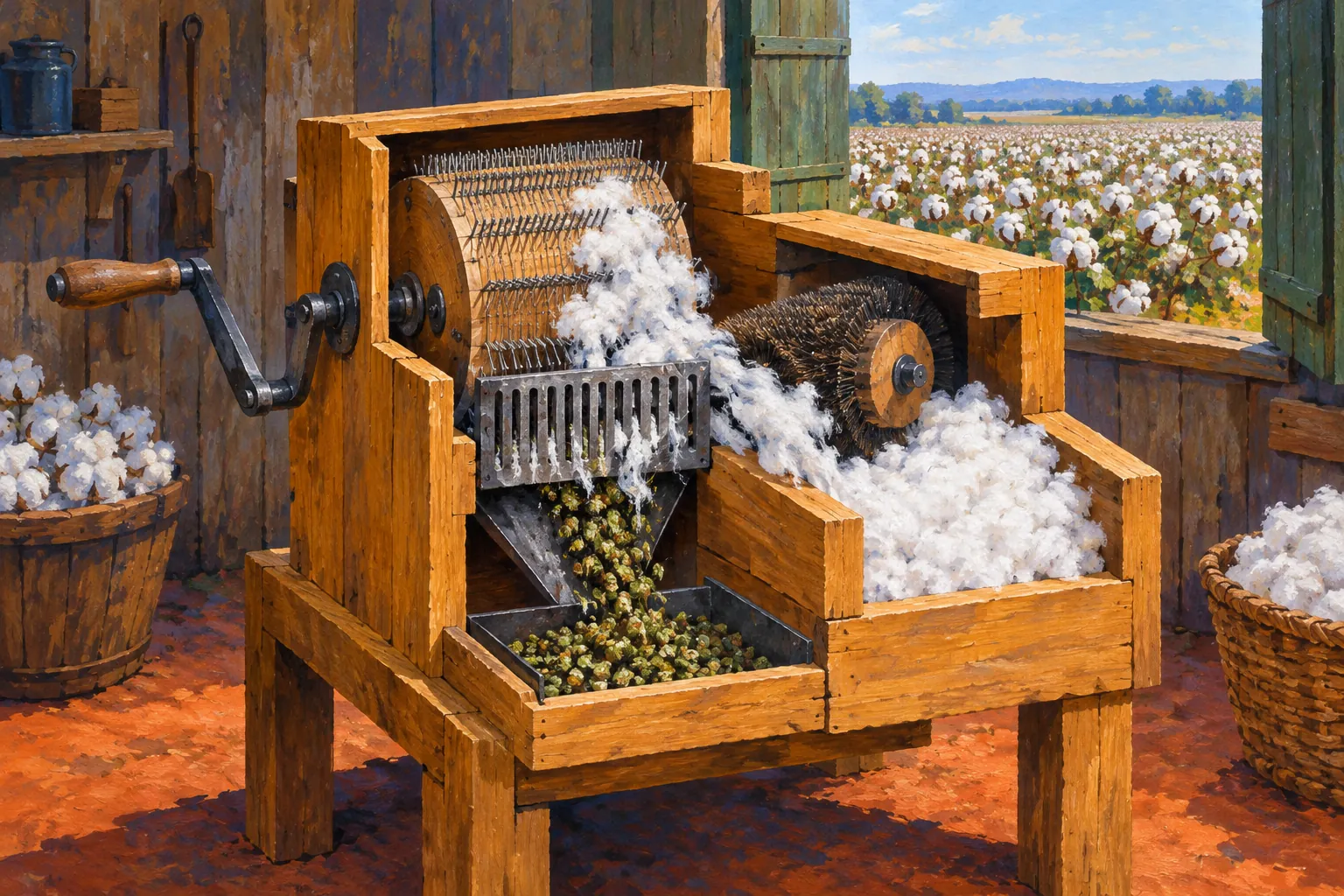
Eli Whitney's Cotton Gin: What It Did and Why It Mattered
The cotton gin is a machine that separates cotton fibre from its seeds. Eli Whitney built a hand-cranked version in 1793 and patented it in …
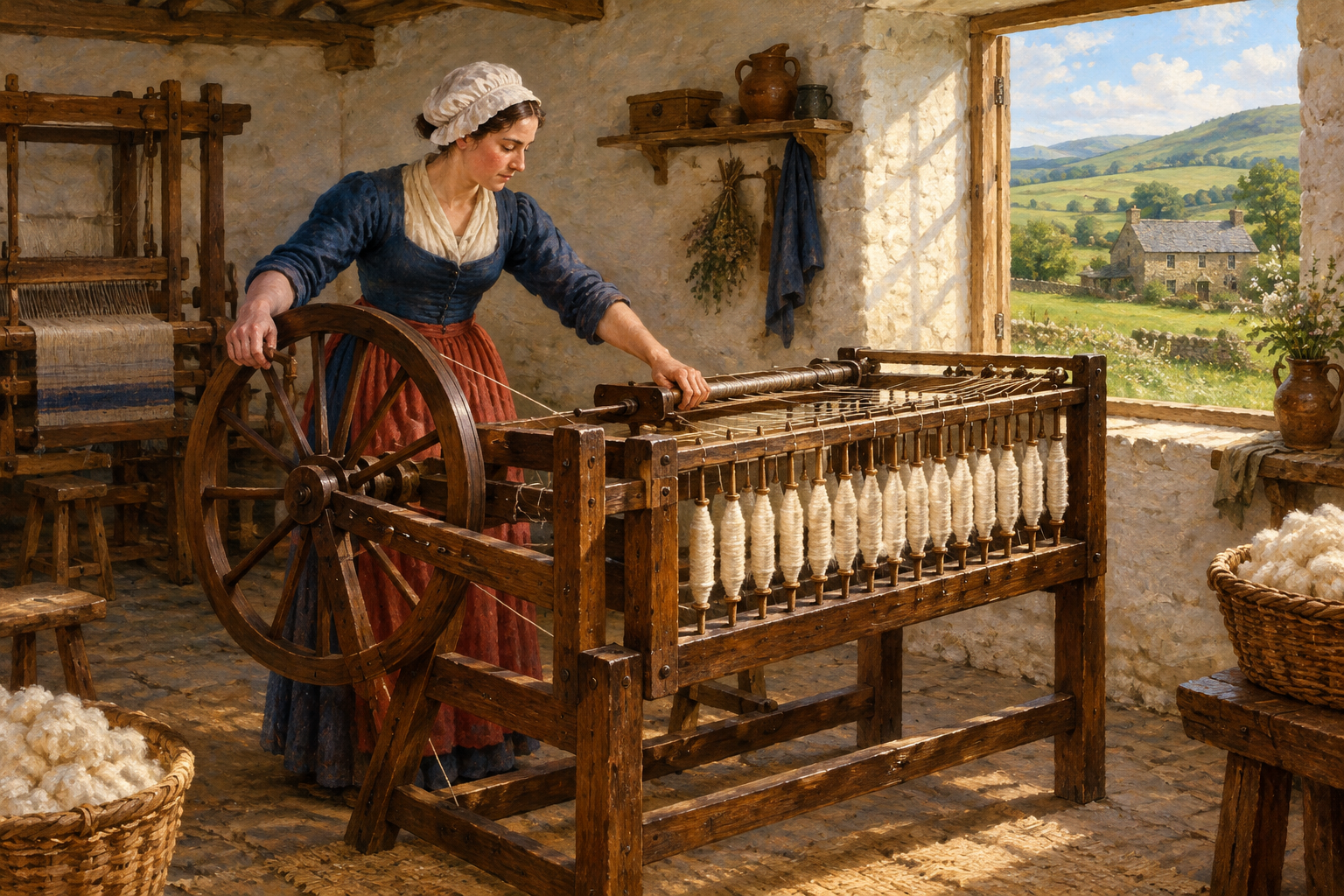
The Spinning Jenny
The spinning jenny was a hand-cranked machine, invented by James Hargreaves in the 1760s, that spun several threads at once instead of one. It made …
The Steam Engine: Who Invented It and How It Worked
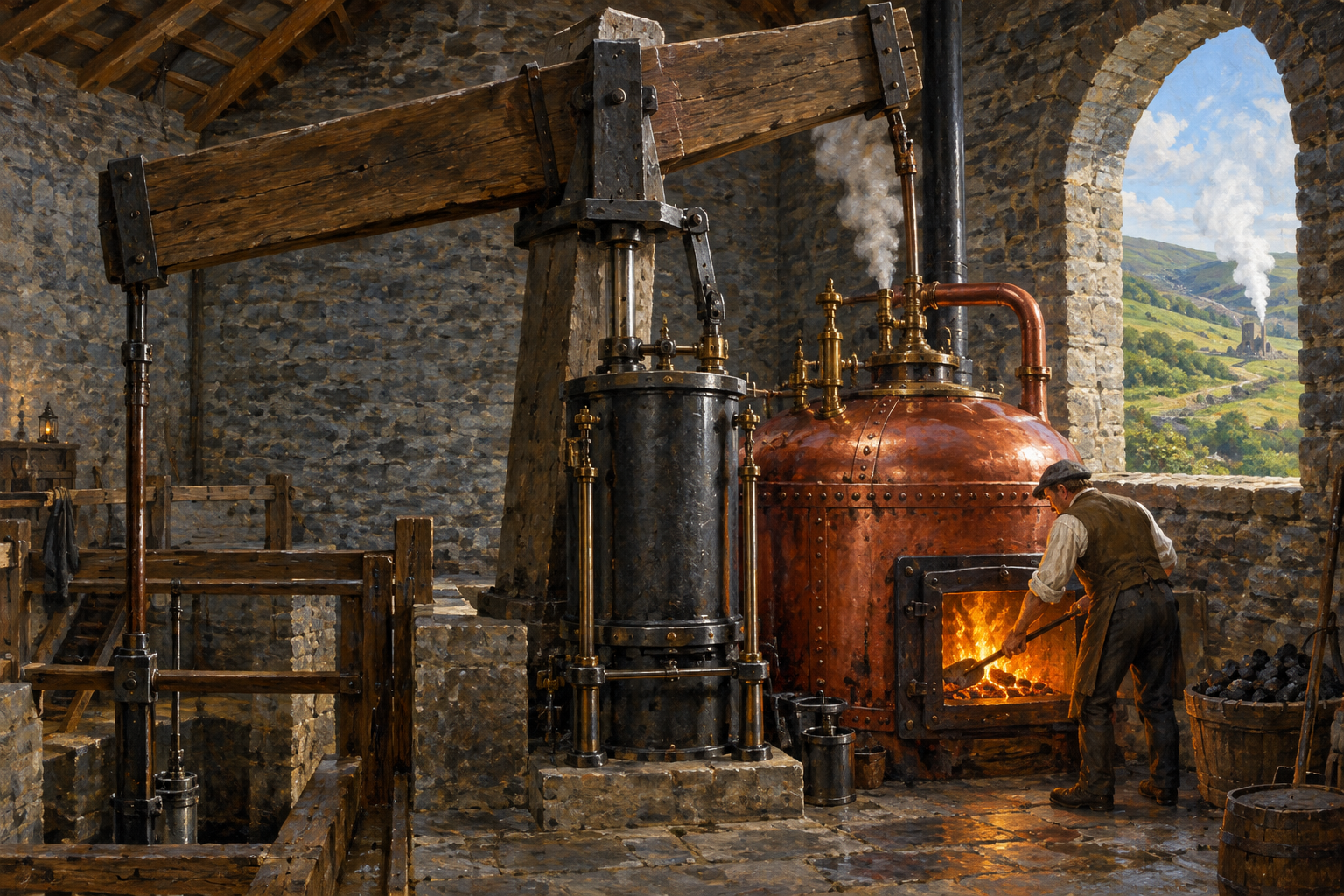
The steam engine turns heat into motion by using steam to push a piston. No single person invented it: Thomas Savery, Thomas Newcomen and James …
The Industrial Revolution Timeline
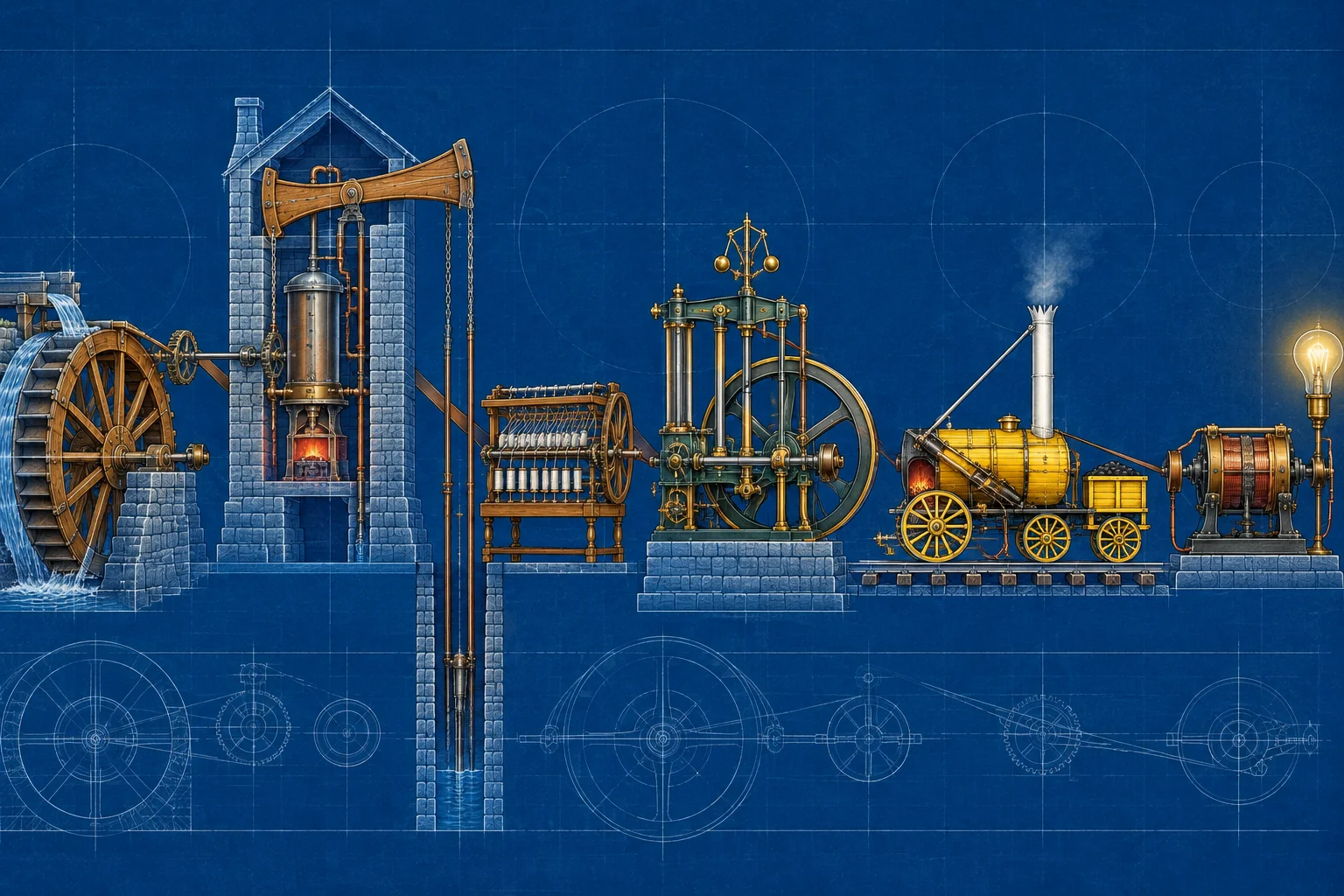
The Industrial Revolution began in Britain around 1760 and, in its first phase, ran to roughly 1830–1840. This timeline follows the key steps from Newcomen's …
The Industrial Revolution Definition: An In-depth Look
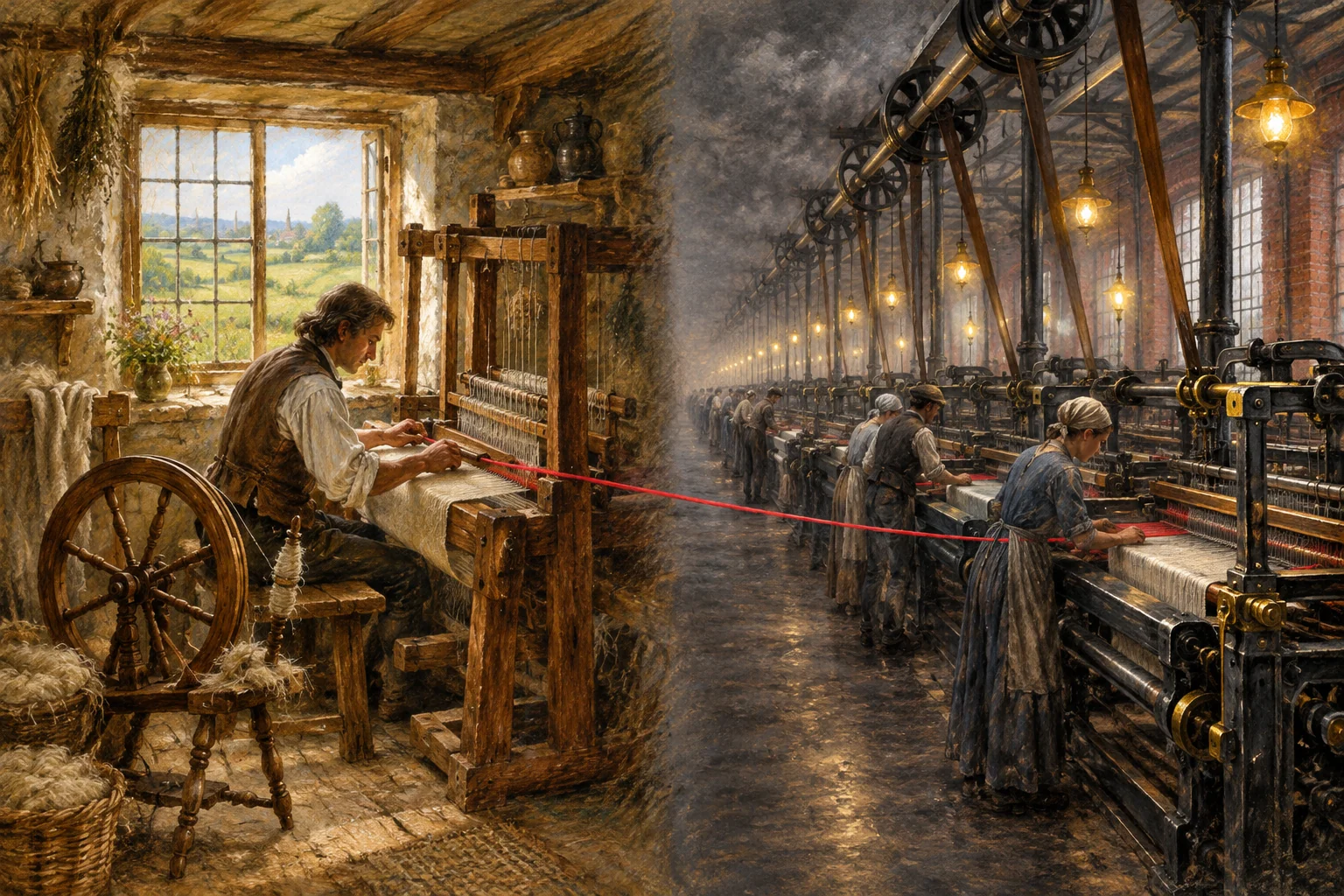
The Industrial Revolution was the shift from hand tools and muscle power to machines, steam engines and factories. It began in Britain around 1760, spread …
Unleashing Progress: The Far-Reaching Effects of the Industrial Revolution
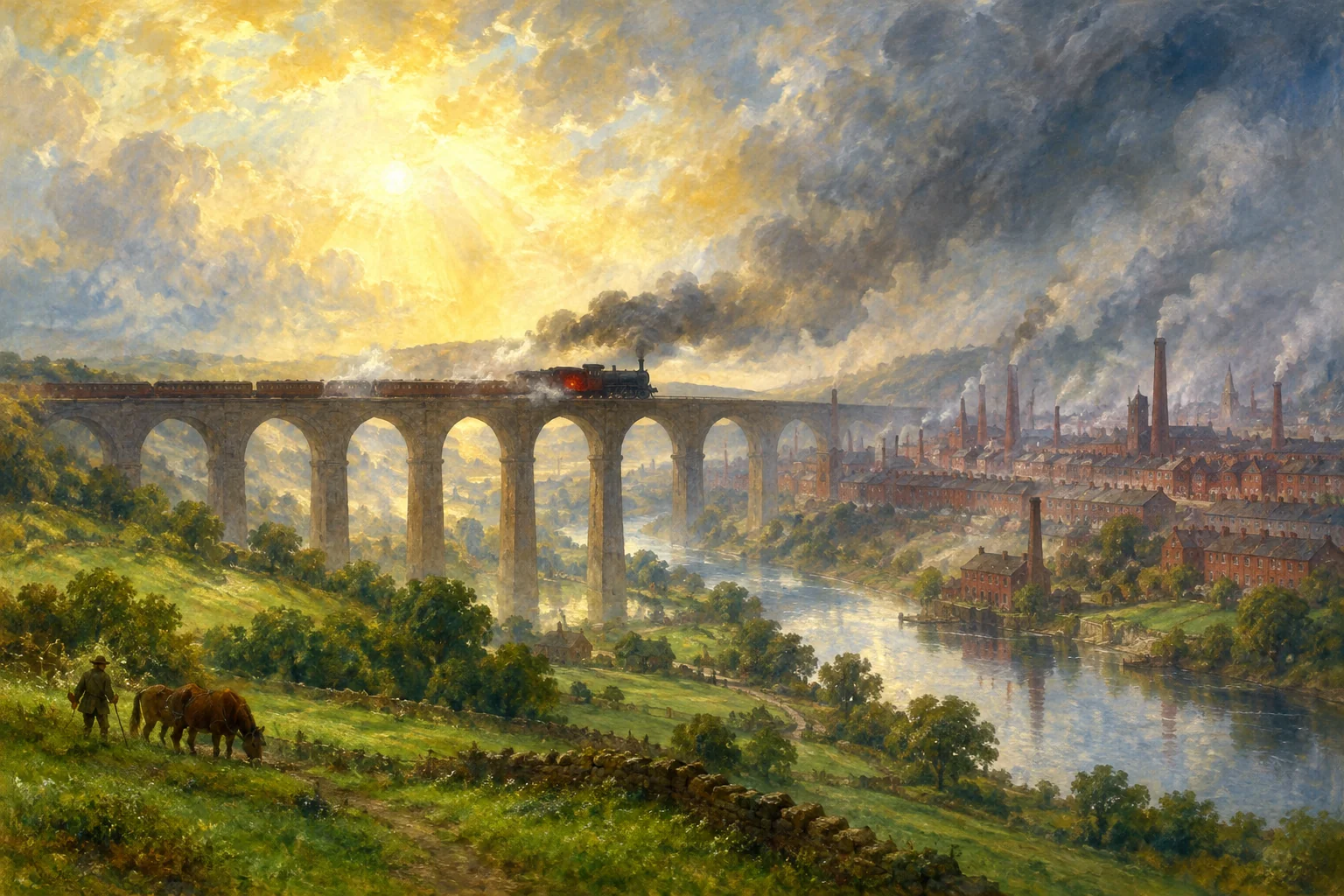
The Industrial Revolution's biggest effect was to move Britain, and later much of the world, from farm work to factory work. It raised output and …
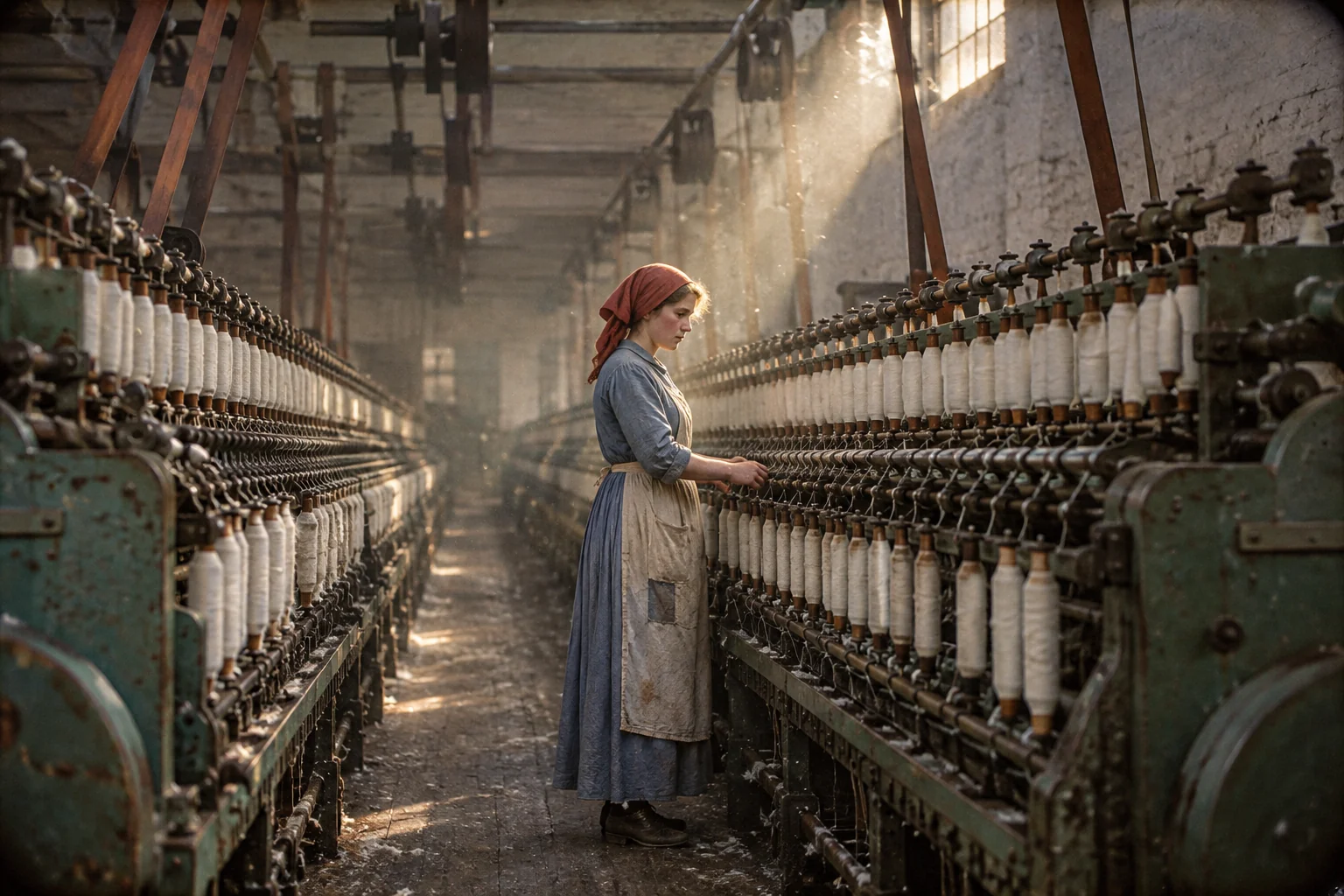
Struggles and Sacrifices: The Story of Industrial Revolution Working Conditions
In Britain's early factories, adults and children often worked 12 to 14 hours a day, six days a week, beside unguarded machines. Low wages, a …
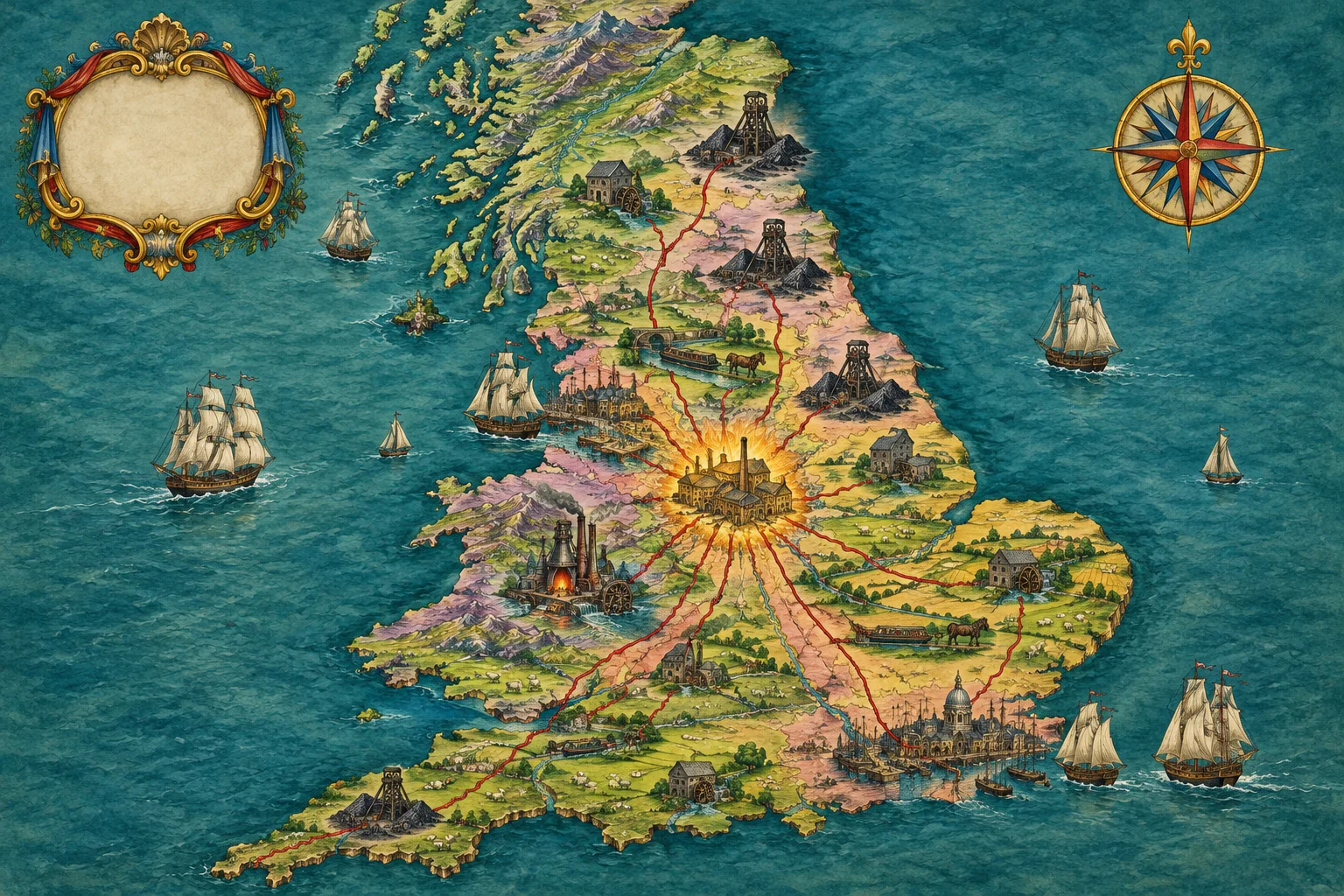
Shaping Astounding History: Uncovering the 10 Causes of the Industrial Revolution
The Industrial Revolution began in Britain because ten conditions overlapped: farms that freed workers, a growing population, cheap coal and iron, high wages, easy credit, …