The Great Gatsby by F. Scott Fitzgerald
by F. Scott Fitzgerald
Nick Carraway enters the orbit of Jay Gatsby, a mysterious millionaire obsessed with reclaiming his past love, Daisy Buchanan. Amidst the decadence of the Jazz Age, Gatsby's pursuit of an impossible dream leads to a tragic collision of class, love, and betrayal.
The Big Idea
"The American Dream is a destructive illusion because it promises that wealth can erase the past and grant entry into an exclusive social caste that will always reject the self-made."
Key Insights
The Class Divide
The distinction between 'Old Money' (East Egg) and 'New Money' (West Egg) is insurmountable; wealth alone does not grant social acceptance.
Tom Buchanan's visceral disgust for Gatsby's 'nouveau riche' mannerisms despite Gatsby's immense wealth.
The Illusion of Time
Gatsby believes the past can be repeated through willpower and money, ignoring the reality of human change and growth.
Gatsby's shocked reaction when Nick tells him, 'You can't repeat the past.'
Moral Decay
The 'Roaring Twenties' wealth masked a profound spiritual emptiness and a lack of accountability among the elite.
Tom and Daisy retreating into their wealth after causing the deaths of others, leaving Nick to clean up the wreckage.
The Valley of Ashes
Industrialization and capitalism create a hidden underclass that suffers to support the luxury of the upper class.
The bleak, grey landscape of George Wilson's garage contrasting with the gold and glitter of Gatsby's parties.
The Symbolism of the Green Light
The green light represents an unattainable goal that keeps the dreamer moving forward but ultimately leads to disappointment.
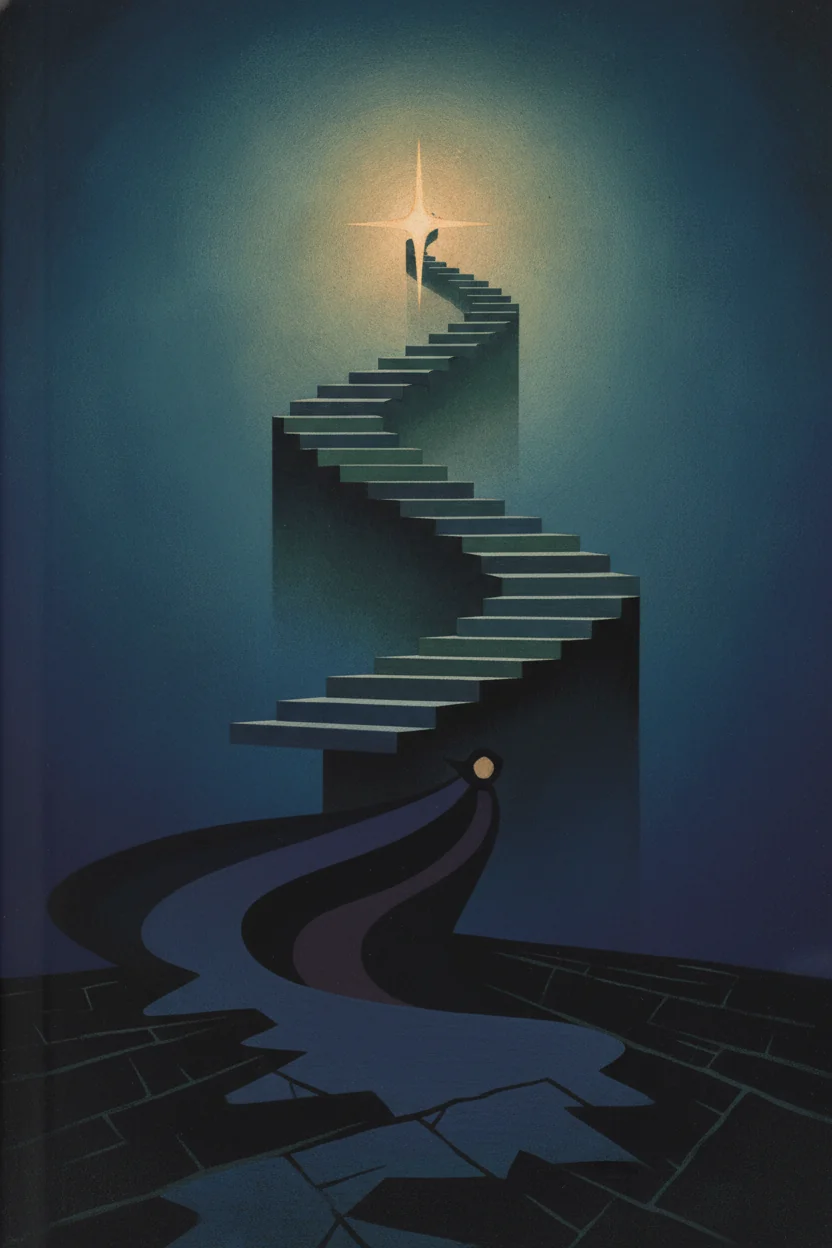
Gatsby reaching out toward the light across the bay, symbolizing his longing for Daisy and a lost version of himself.
Chapter Breakdown
The World of East Egg and West Egg
F. Scott Fitzgerald constructs a meticulously layered social geography in The Great Gatsby, using the landscape of Long Island to illustrate the rigid hierarchies of the American class system. The story is narrated by Nick Carraway, a Yale graduate and bond salesman who serves as the reader's moral compass and observer. Nick settles in West Egg, a community of the 'nouveau riche'—those who have acquired wealth quickly and ostentatiously. Across the bay lies East Egg, the bastion of 'old money,' where families like the Buchanans possess wealth that is inherited and effortless. While West Egg is characterized by gaudy displays of success, East Egg is defined by a polished, cold indifference.
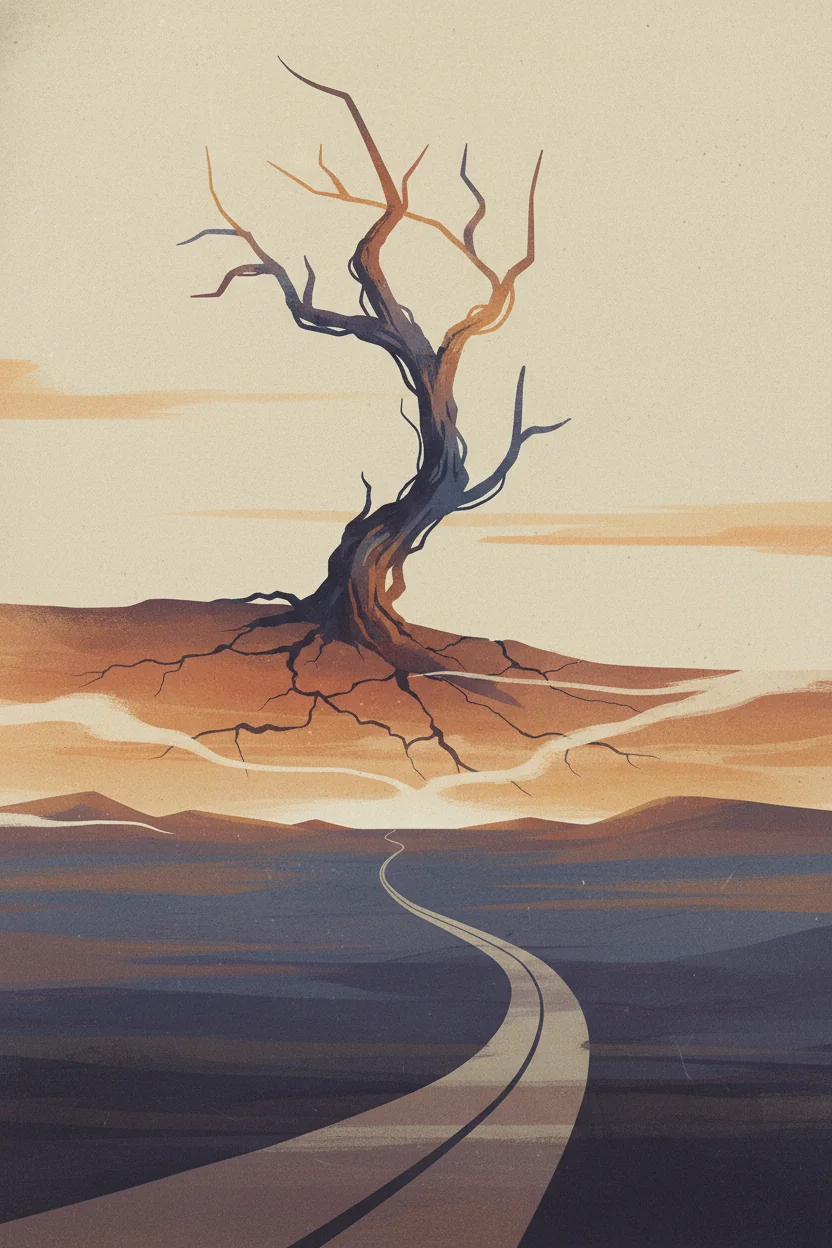
Between these two worlds of excess lies the Valley of Ashes, a desolate industrial wasteland where the poor, like George Wilson, live in the shadow of the wealthy. This grey landscape serves as a stark allegory for the human cost of capitalism; it is the dumping ground for the waste produced by the leisure class. Overlooking this bleak vista are the fading eyes of Doctor T.J. Eckleburg on a weathered billboard, representing a silent, judging God who watches over a society that has replaced spiritual values with material greed.
Who Is Jay Gatsby?
Jay Gatsby is the novel's central enigma. He is the host of the most lavish parties in New York, yet he remains a ghost at his own festivities. Guests speculate wildly about his origins—some say he was a German spy, others that he killed a man. In reality, Gatsby is the invention of James Gatz, a poor farm boy from North Dakota who reinvented himself through sheer will and a touch of criminality. Gatsby's entire persona—the mansion, the library of uncut books, the pink suits—is a carefully curated stage set designed to attract one person: Daisy Buchanan.
The most potent symbol of Gatsby's longing is the green light at the end of Daisy's dock. To Gatsby, the light is not just a beacon for the woman he loves, but a physical manifestation of his goals. It represents the proximity of his dream and the agonizing distance that still separates him from the social status required to win Daisy back.
The Dream and the Reunion
Gatsby and Daisy shared a passionate romance five years prior, but Gatsby was a penniless soldier while Daisy was a socialite. Believing that money was the only barrier between them, Gatsby spent years accumulating a fortune to prove he was 'worthy' of her. When Nick facilitates their reunion, the scene is fraught with tension and desperation. Gatsby does not simply want Daisy; he wants to erase the last five years. He demands that she tell her husband, Tom, that she never loved him.
This reveals the fundamental flaw in Gatsby's psyche: he believes the past is a tangible thing that can be bought, sold, or reconstructed. He is not in love with the actual Daisy—who is flighty and morally shallow—but with the idea of her and the status she represents. For Gatsby, Daisy is the ultimate trophy of the American Dream.
The Crash: When the Dream Meets Reality
The tension peaks during a sweltering afternoon at the Plaza Hotel, where Tom Buchanan exposes Gatsby as a bootlegger. Tom does not attack Gatsby out of moral outrage, but out of class contempt; to Tom, Gatsby is nothing more than a 'commoner' playing dress-up. The psychological collapse of Gatsby's illusion leads to a physical tragedy. While driving back from New York, Daisy—driving Gatsby's car—strikes and kills Tom's mistress, Myrtle Wilson, in the Valley of Ashes.
In a final act of misguided chivalry, Gatsby takes the blame for the accident. Tom, ever the predator, directs Myrtle's grieving husband, George, toward Gatsby. The novel concludes with the brutal irony of Gatsby's death: he is murdered in his own pool, waiting for a phone call from Daisy that will never come. The 'careless people' of East Egg, Tom and Daisy, simply retreat back into their money, leaving Nick to bury Gatsby alone.
What the Green Light Really Means
The green light is the definitive symbol of the American Dream as an illusion. Fitzgerald argues that the promise of upward mobility is a lie; no matter how much money James Gatz made, he could never bridge the gap between 'new money' and the ancestral prestige of the Buchanans. The tragedy of Gatsby is his belief that the future is something you can chase, when in reality, he was trying to sail back into a past that no longer existed.
Fitzgerald’s critique is a devastating autopsy of the 1920s. He portrays a world where morality is discarded in favor of pleasure and where the wealthy are insulated from the consequences of their actions. The novel endures because it captures the universal human experience of longing for something unattainable and the crushing realization that some gaps—whether of class, time, or spirit—can never be crossed.
Take Action
Practical steps you can implement today:
-
Distinguish between goals based on genuine growth and goals based on recreating a lost past.
-
Recognize that material success is not a substitute for authentic social or emotional connection.
-
Analyze the 'hidden costs' of luxury and success—who is paying the price for the 'Valley of Ashes' in modern society?
-
Understand that status is often a performance; don't mistake outward opulence for inner stability.
-
Practice critical detachment when observing social hierarchies to avoid being manipulated by 'careless' personalities.
Notable Quotes
"So we beat on, boats against the current, borne back ceaselessly into the past."
— F. Scott Fitzgerald
"Can't repeat the past? Why of course you can!"
— F. Scott Fitzgerald
"Her voice is full of money."
— F. Scott Fitzgerald
"They were careless people, Tom and Daisy — they smashed up things and creatures and then retreated back into their money."
— F. Scott Fitzgerald
"In my younger and more vulnerable years my father gave me some advice that I've been turning over in my mind ever since."
— F. Scott Fitzgerald
Who Should Read This
Anyone who has ever chased a dream that kept moving further away. Students of American literature, the Jazz Age, or the Roaring Twenties. Readers who want to understand what 'the American Dream' actually means — and why Fitzgerald thought it was a lie. Anyone who has watched the film adaptations and wants to understand the novel's depth of social criticism.
Summary Written By
Software Engineer & Writer
Software engineer with a passion for distilling complex ideas into actionable insights. Writes about finance, investment, entrepreneurship, and technology.
View all summaries →Reviews
No reviews yet. Be the first to share your thoughts!