The Sun Also Rises by Ernest Hemingway
by Ernest Hemingway
An American journalist and a group of expatriates navigate love, loss, and alcohol in 1920s Paris and Spain. The story centers on Jake Barnes' impossible love for Brett Ashley and their shared spiritual emptiness following World War I.
The Big Idea
"The struggle to find meaning and authentic connection in a disillusioned, post-war world where traditional values have collapsed."
Key Insights
The Lost Generation
The post-war era created a vacuum of purpose, leading people to seek distraction through hedonism.
The characters' constant drinking and travel from Paris to Pamplona as a way to avoid facing their internal voids.
The Iceberg Theory
Meaning is often found in what is left unsaid rather than what is explicitly stated.
The terse dialogue between Jake and Brett that hides deep agony and resignation.
The Code Hero
True dignity is found in professionalism, courage, and stoicism in the face of inevitable failure.
Pedro Romero's disciplined approach to bullfighting despite the danger and the chaos surrounding him.
Physical vs. Spiritual Sterility
Physical injuries can mirror a deeper, existential inability to connect with others.
Jake's war wound making him physically unable to be with Brett, symbolizing the broader emotional paralysis of his peers.
The Cycle of Existence
Life is a repetitive cycle of rise and fall, and peace is found in accepting this indifference.
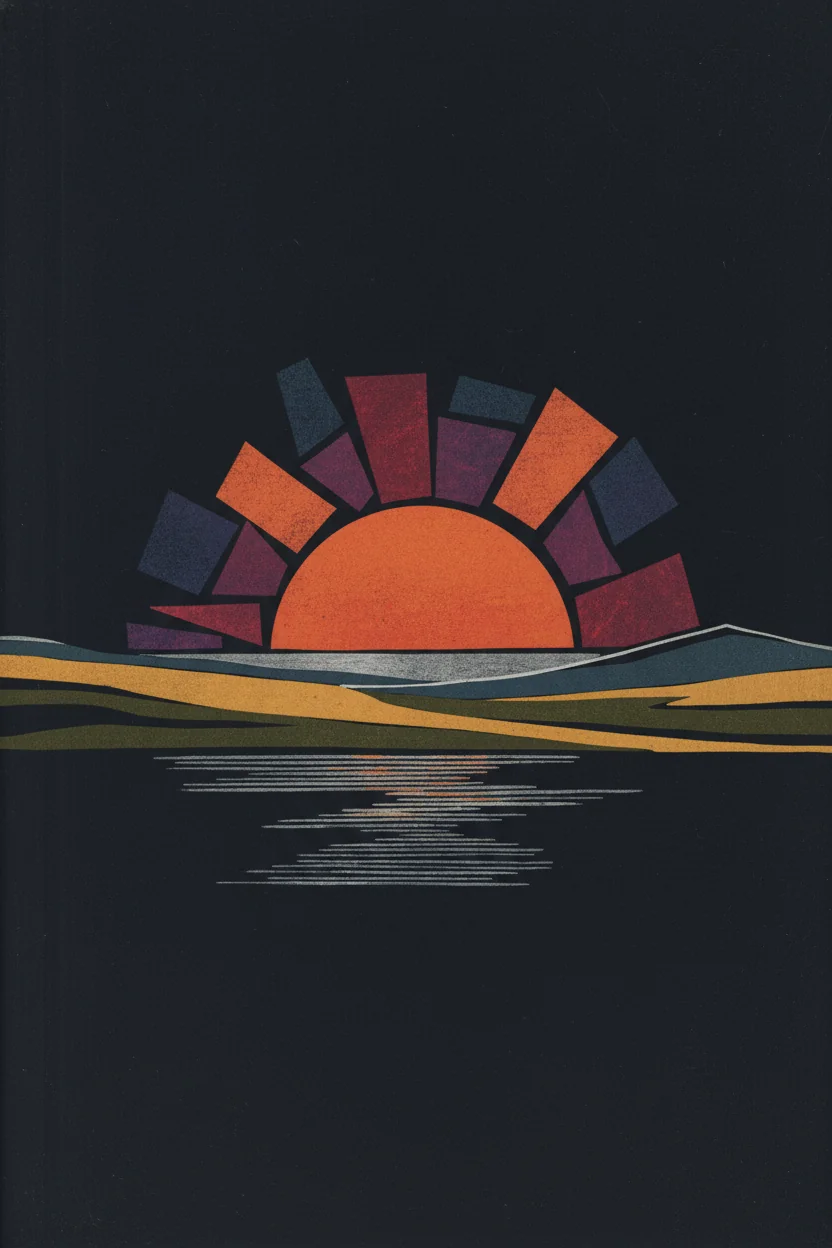
The biblical allusion in the title suggesting that while individuals suffer, the world continues its eternal rhythm.
Chapter Breakdown
The Lost Generation and the Aftermath of War
Published in 1926, The Sun Also Rises serves as the definitive portrait of the 'Lost Generation'—a term Hemingway borrowed from Gertrude Stein to describe the cohort of young people who came of age during World War I. The novel is set in the 1920s, a decade characterized by hedonism, jazz, and a desperate attempt to forget the horrors of the trenches. The characters are expatriates living in Paris and Spain, drifting through a cycle of drinking, socializing, and traveling. They are physically and emotionally scarred, wandering through a world that feels devoid of traditional meaning or moral grounding. The background is one of profound disillusionment, where the old Victorian values of honor and duty have been replaced by a cynical, superficial existence.
A Journey of Displacement and Desire
The plot follows Jake Barnes, an American journalist living in Paris. Jake is a veteran of the Great War who suffered a war wound that has left him impotent. This physical trauma serves as a central metaphor for the spiritual sterility of his generation. Jake is deeply in love with Lady Brett Ashley, a twice-divorced socialite who loves him in return but cannot be with him because of his injury. Their relationship is a tragic loop of longing and impossibility. Brett seeks validation and excitement through a series of fleeting affairs with various men, including the naive Robert Cohn, a wealthy Jewish writer who is obsessively in love with her.
The narrative shifts from the cafes of Paris to the rugged landscapes of Pamplona, Spain, for the Festival of San Fermín. Jake, Brett, and their circle of friends travel to witness the running of the bulls. Here, the tension peaks as Robert Cohn's jealousy clashes with Brett's erratic behavior. Amidst the chaos, they meet Pedro Romero, a young, talented bullfighter. Romero represents the 'code hero'—a man of discipline, courage, and authenticity. Brett becomes infatuated with Romero, leading to a volatile love triangle that culminates in a violent confrontation and a sense of inevitable loss.
Major Themes: Masculinity, Nature, and Sterility
At its core, the novel explores the crisis of masculinity. Jake's impotence is not just a medical condition but a symbol of the modern man's inability to act meaningfully in a broken world. Robert Cohn represents a failed version of masculinity: he is overly emotional, clinging to a romanticized, outdated notion of chivalry that Brett finds repulsive. In contrast, Pedro Romero embodies a traditional, stoic masculinity, where value is found in the mastery of one's craft and the bravery faced in the presence of death.
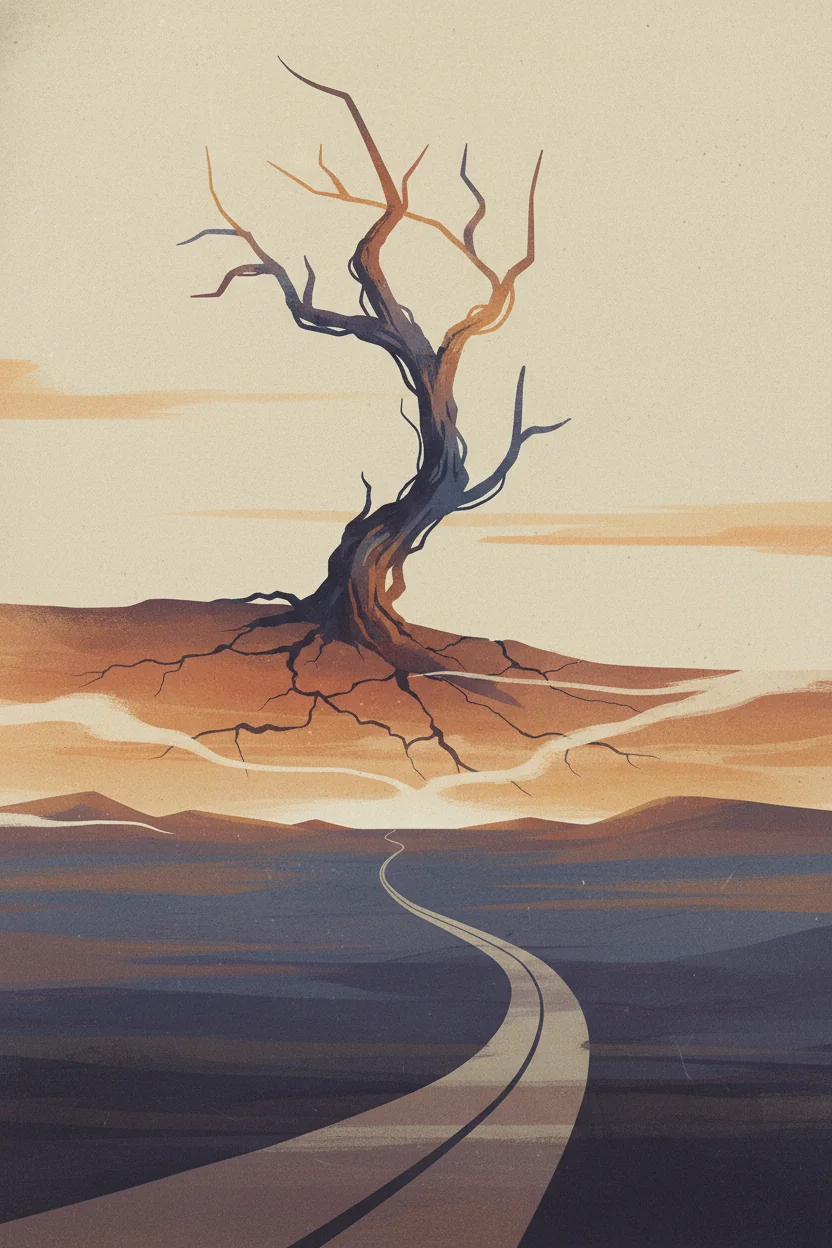
The theme of nature and escapism is also prominent. The characters flee Paris for the mountains and rivers of Spain, seeking a purity that the city lacks. Fishing in the Irati River provides Jake with a momentary sanctuary of peace and authenticity. However, this escape is temporary. The recurring motif of the 'sun also rises' suggests a cyclical, indifferent universe where human suffering is repeated across generations, and the only way to survive is to find a personal code of conduct.
Key Scenes and the Weight of Silence
One of the most poignant scenes is the dialogue between Jake and Brett at the end of the novel. As they ride through Madrid, Brett laments that they could have had a wonderful time together if it weren't for Jake's injury. Jake's response—'Isn't it pretty to think so?'—is one of the most famous lines in literature. It is a moment of brutal honesty where Jake acknowledges that their incompatibility is not just physical, but fundamental. He realizes that even without his injury, their relationship would likely have failed because of Brett's inherent restlessness.
Another pivotal sequence is the bullfight. The spectacle of the corrida is not merely a sporting event but a ritual of life and death. Romero's grace under pressure stands in stark contrast to the drunken, fragmented lives of the expatriates. The violence of the ring mirrors the internal violence of the characters' hearts, stripping away their pretenses and leaving them exposed in their loneliness.
Legacy and Enduring Relevance
The Sun Also Rises is critical because it pioneered the 'Iceberg Theory' of writing. Hemingway strips away unnecessary adjectives and explicit emotional explanations, forcing the reader to feel the tension beneath the surface of the dialogue. By focusing on action and external observation, he captures the internal void of his characters more effectively than a traditional psychological novel would.
The novel remains a powerful study of trauma and recovery. It captures the feeling of being 'lost'—not in a geographical sense, but in a moral and emotional one. By contrasting the sterility of the city with the raw energy of the bullfight, Hemingway suggests that while the world may be indifferent and cruel, there is dignity in facing it with courage and integrity. It is a foundational text of modernism that continues to resonate with anyone who has felt alienated from the society around them.
Take Action
Practical steps you can implement today:
-
Practice 'grace under pressure' by maintaining composure and discipline during high-stress situations.
-
Recognize when a relationship is based on a romanticized fantasy rather than reality ('Isn't it pretty to think so?').
-
Seek out 'sanctuaries' in nature or hobbies to recharge from the noise of modern social expectations.
-
Understand that healing from trauma often requires acknowledging the void rather than trying to fill it with distractions.
-
Value authenticity and skill (craftsmanship) over social status or superficial charm.
Notable Quotes
"Isn't it pretty to think so?"
— Ernest Hemingway
"I don't want to be a part of it. I want to be a part of the thing."
— Ernest Hemingway
"The sun also rises and sets like a tide."
— Ernest Hemingway
"You can't give away your happiness."
— Ernest Hemingway
Who Should Read This
This book is ideal for readers interested in early 20th-century literature, those who appreciate minimalist writing styles, and anyone exploring themes of trauma, masculinity, and the search for identity in a fragmented world.
Summary Written By
Software Engineer & Writer
Software engineer with a passion for distilling complex ideas into actionable insights. Writes about finance, investment, entrepreneurship, and technology.
View all summaries →Reviews
No reviews yet. Be the first to share your thoughts!