A Tale of Two Cities by Charles Dickens
by Charles Dickens
Set during the French Revolution, the novel follows the intersecting lives of Lucie Manette, Charles Darnay, and Sydney Carton. As Paris descends into the Reign of Terror, a cynical lawyer finds ultimate redemption by sacrificing his life to save the man his beloved loves.
The Big Idea
"The cycle of systemic oppression inevitably leads to violent revolution, but individual redemption and selfless sacrifice can break the chain of hatred."
Key Insights
The Danger of Extreme Inequality
When a ruling class ignores the suffering of the poor, they create a vacuum of desperation that is filled by violent extremism.
The starving peasants of Saint Antoine turning into a bloodthirsty mob during the storming of the Bastille.
The Concept of 'Recalled to Life'
Trauma and imprisonment can strip a person of their identity, but love and family can facilitate a psychological rebirth.
Dr. Manette's transition from a broken prisoner in the Bastille to a devoted father in London.
The Blindness of Revenge
Vengeance, when pursued without mercy, transforms the victim into the oppressor.
Madame Defarge's relentless pursuit of the entire Evrémonde bloodline, regardless of individual innocence.
Redemption through Sacrifice
A life perceived as wasted can be given ultimate meaning through a single, selfless act of love.
Sydney Carton choosing to die in place of Charles Darnay to ensure Lucie's happiness.
The Duality of Human Nature
Individuals often struggle between their lowest impulses (cynicism, hate) and their highest aspirations (love, sacrifice).
The contrast between Sydney Carton's self-loathing habits and his noble final act.
Chapter Breakdown
Historical Context and the Shadow of the Guillotine
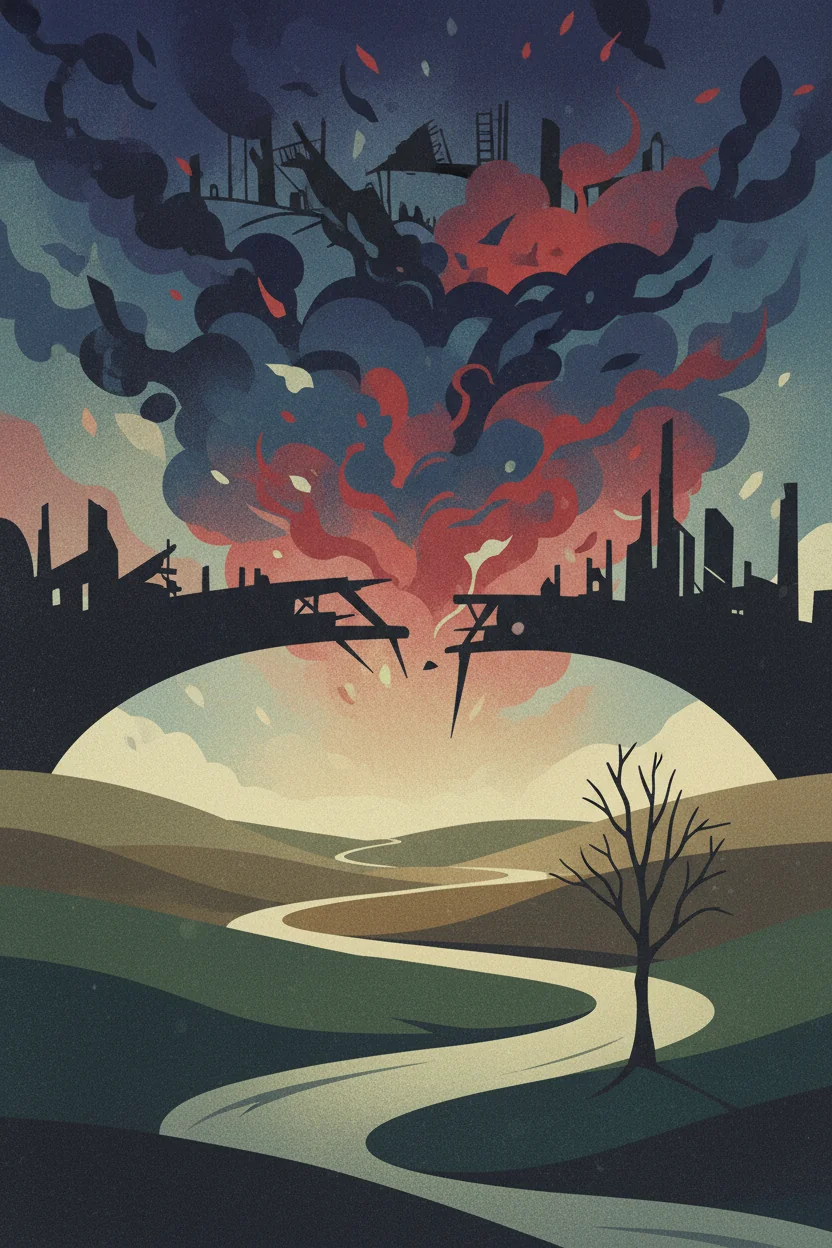
Set against the tumultuous backdrop of the late 18th century, A Tale of Two Cities juxtaposes the lives of people in London and Paris. The story unfolds during the French Revolution, a period of extreme social upheaval where the long-suppressed rage of the peasantry finally erupted against the decadent aristocracy. Dickens meticulously portrays the disparity between the two cities: London represents a relative, though flawed, stability, while Paris is a powder keg of hatred and starvation. The narrative serves as a warning about the dangers of systemic injustice; Dickens suggests that when a government ignores the basic needs of its people for too long, the resulting explosion of violence is inevitable and indiscriminate.
Plot Overview: A Web of Secrets and Sacrifice
The story begins with the release of Dr. Alexandre Manette from the Bastille after eighteen years of unjust imprisonment. He is reunited with his daughter, Lucie, who brings him back to London to begin a new life. The plot thickens with the introduction of Charles Darnay, a French aristocrat who has renounced his cruel family legacy to live as a tutor in England. Darnay and Lucie fall in love and marry, but their happiness is shadowed by Sydney Carton, a cynical, alcoholic lawyer who sees in Darnay a reflection of what he could have been. Carton’s selfless love for Lucie becomes the emotional anchor of the novel.
As the French Revolution reaches its peak—the Reign of Terror—Darnay is lured back to Paris to save a former servant. Upon arrival, he is arrested as an emigrant aristocrat. The revolutionary tribunal, fueled by the bloodlust of the mob and the opportunistic cruelty of figures like Madame Defarge, condemns him to death. The climax reaches a fever pitch as Dr. Manette, once again a prisoner of the state, attempts to use his influence to save his son-in-law. In a final, breathtaking act of redemption, Sydney Carton switches places with Darnay in the Conciergerie, sacrificing his own life so that Lucie and her family can find peace and happiness.
Major Themes: Resurrection and Social Injustice
The central theme of the novel is resurrection, both literal and spiritual. Dr. Manette is 'recalled to life' after his imprisonment, and Sydney Carton finds a spiritual rebirth through his ultimate sacrifice. This theme highlights the possibility of redemption even in the darkest of circumstances. Parallel to this is the theme of social injustice. Dickens does not excuse the brutality of the revolutionaries, but he provides the context for it. The cruelty of the Monseigneurs—who would run over peasants with their carriages and show no remorse—creates the monster that eventually consumes the aristocracy.
Additionally, the novel explores the concept of duality. The 'two cities' are not just geographical locations but symbolic opposites: order versus chaos, love versus hate, and the individual versus the mob. The cyclical nature of violence is also prominent; the oppressed become the oppressors, proving that hatred only begets more hatred.
Key Scenes and the Power of the Mob
One of the most visceral scenes is the storming of the Bastille, where the hunger and desperation of the Parisian people transform into a mindless, violent force. The image of the 'guillotine' becomes a character in its own right—a cold, efficient machine of death that levels all social distinctions. Another pivotal moment is the confrontation between Lucie and Madame Defarge. While Lucie represents the capacity for forgiveness and love, Madame Defarge represents an unyielding, vengeful memory. Her knitting, which records the names of those to be executed, serves as a chilling metaphor for the inevitable arrival of justice—or revenge.
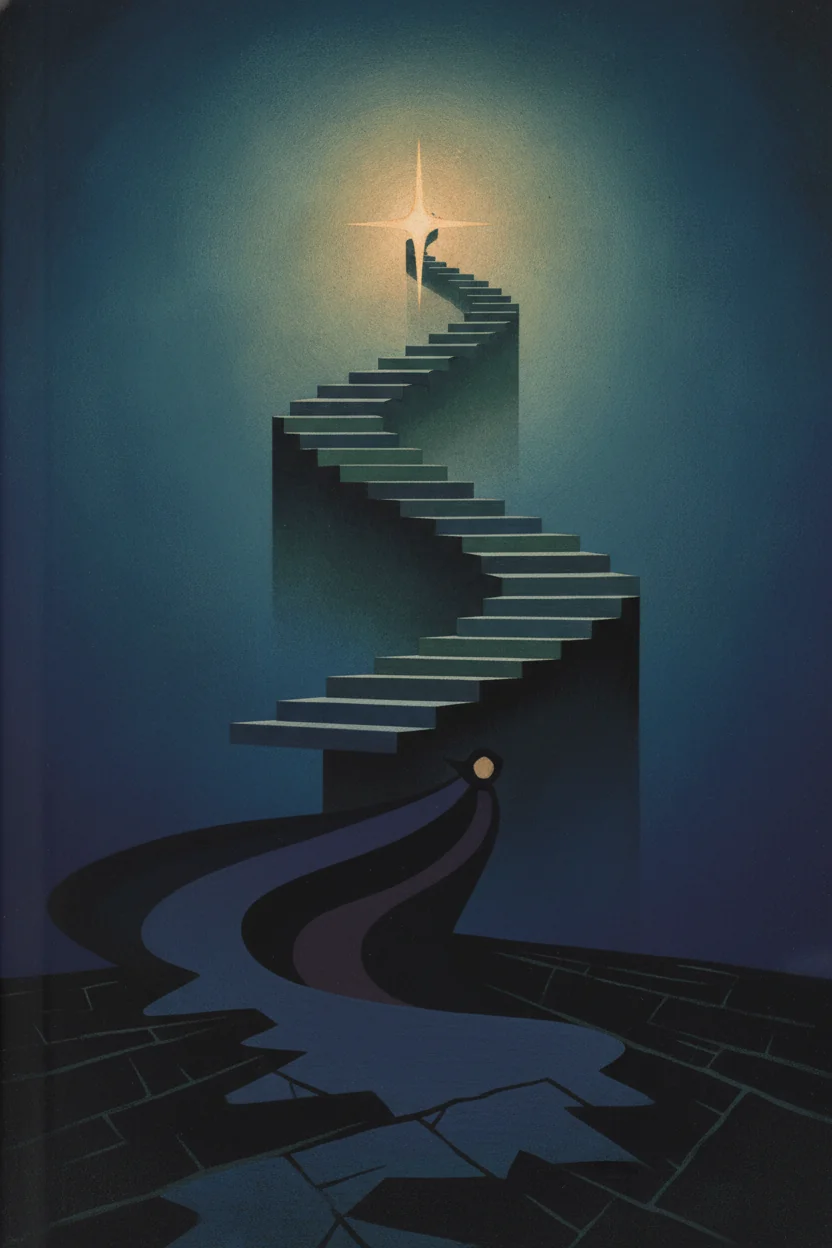
The final scene, where Carton ascends the scaffold, is the emotional peak of the book. His internal monologue reveals that his death is not a tragedy but a victory, as he finally achieves a purpose and a legacy of love that he lacked throughout his wasted life.
Legacy and Why the Story Endures
A Tale of Two Cities remains a masterpiece because it transcends its historical setting to speak to universal truths about human nature. It warns us that systemic inequality is a seed for violence and that the only true antidote to hatred is sacrifice and compassion. By weaving together a personal love story with a global political catastrophe, Dickens ensures that the reader feels the human cost of ideological extremism. The novel's enduring legacy lies in its reminder that even in an era of darkness and blood, a single act of selfless love can provide a light for others to follow.
Take Action
Practical steps you can implement today:
-
Recognize that systemic injustice creates long-term instability that eventually affects everyone, regardless of class.
-
Understand that true redemption often requires a complete surrender of ego for the benefit of others.
-
Avoid the trap of collective hatred; remember that individuals are not always responsible for the sins of their ancestors.
-
Cultivate empathy for the marginalized to prevent the growth of resentment and social volatility.
-
Value the power of emotional support and love as the primary tools for healing deep psychological trauma.
Notable Quotes
"It was the best of times, it was the worst of times"
— Charles Dickens
"Recalled to Life"
— Charles Dickens
"It is a far, far better thing that I do, than I have ever done"
— Charles Dickens
"Crush human hearts, and you will have your revenge"
— Charles Dickens
Who Should Read This
This book is essential for readers interested in historical fiction, social commentary, and stories of personal redemption. It is a must-read for those who enjoy complex character arcs and want to understand the psychological drivers behind social revolutions and the timeless struggle between love and hate.
Summary Written By
Software Engineer & Writer
Software engineer with a passion for distilling complex ideas into actionable insights. Writes about finance, investment, entrepreneurship, and technology.
View all summaries →Reviews
No reviews yet. Be the first to share your thoughts!