Catch-22 by Joseph Heller
by Joseph Heller
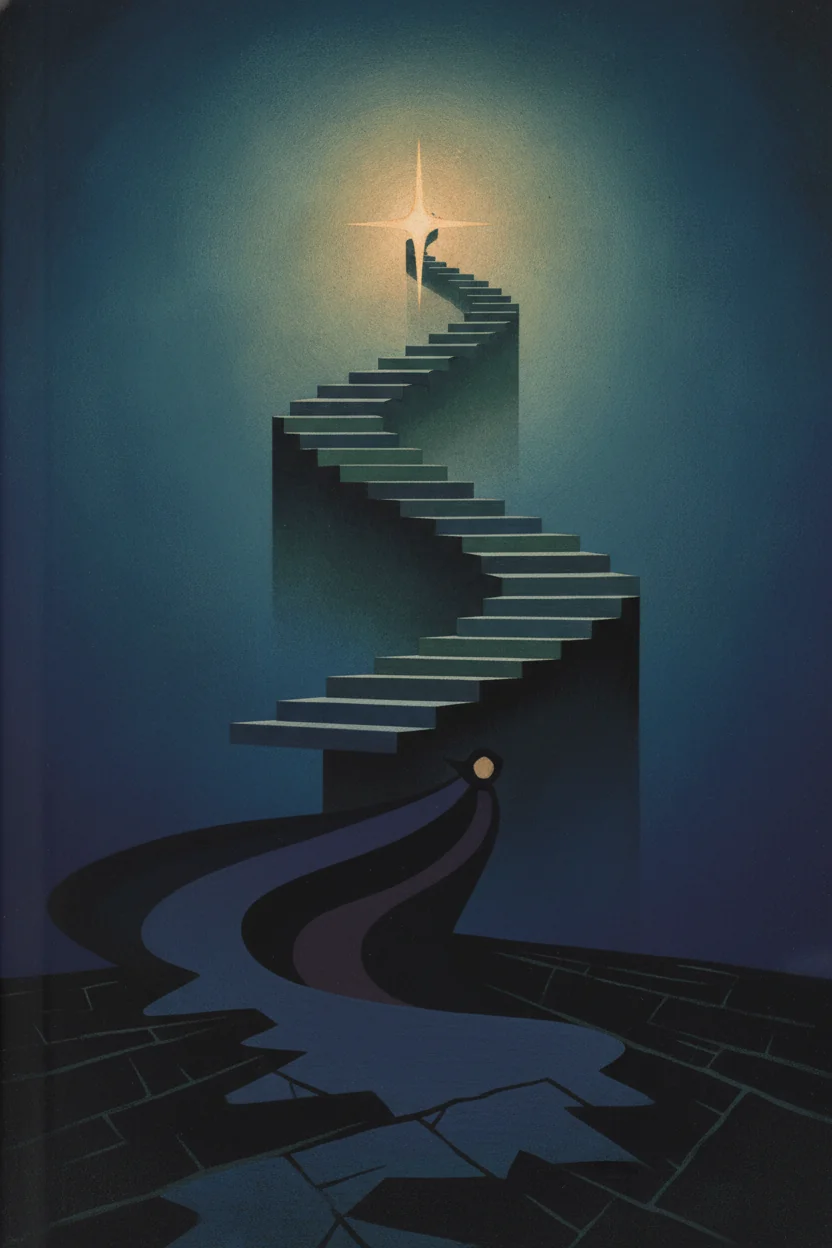
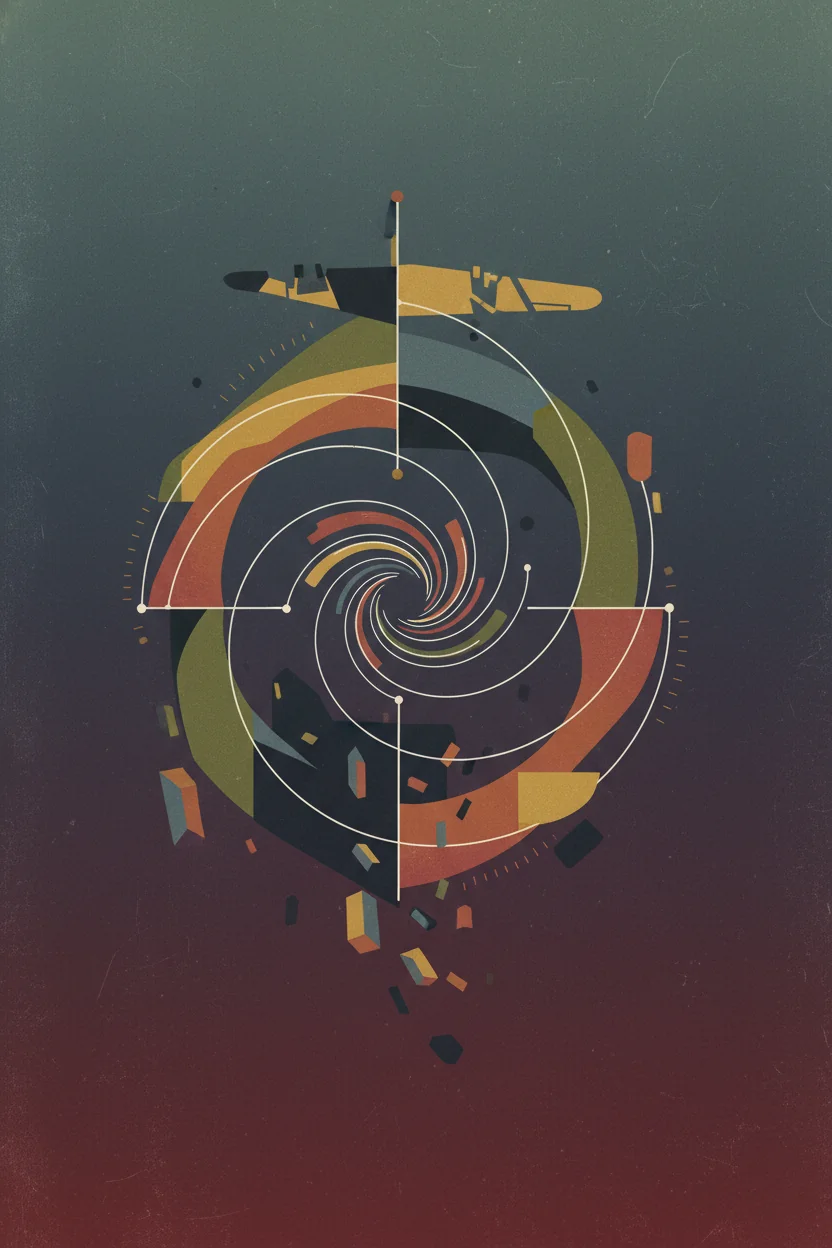
Captain Yossarian attempts to survive WWII by avoiding dangerous missions, only to find himself trapped by 'Catch-22,' a paradoxical military rule. The novel satirizes the absurdity of bureaucracy, war, and the loss of individual identity.
The Big Idea
"The individual is trapped in a paradoxical system where the only way to survive is to recognize the insanity of the rules and refuse to comply with them."
Key Insights
The Nature of the Paradox
Catch-22 represents a logical loop where the solution to a problem is blocked by the very conditions of the problem itself.
A pilot is insane if he flies, but if he asks to stop, he is sane and must keep flying.
Bureaucratic Dehumanization
Institutions prioritize their own internal logic and the status of their leaders over the lives of the people they employ.
Colonel Cathcart repeatedly raises the mission count to look better to his superiors, regardless of the casualties.
War as Business
Conflict often creates a vacuum where profit motives supersede moral or national loyalty.
Milo Minderbinder creates a syndicate that trades with the enemy to maximize profit.
The Illusion of Choice
The system provides the appearance of rules and fairness to mask a reality of total unpredictability and cruelty.
The military's 'justice' system is applied arbitrarily based on who is useful to the command.
Existential Survival
In a world gone mad, the only sane act is to prioritize one's own existence over the goals of a corrupt system.
Yossarian's eventual decision to desert is his only logical path to freedom.
Chapter Breakdown
The Absurdity of War: Context and Background
Published in 1961, Catch-22 is a satirical masterpiece that examines the harrowing experience of World War II through a lens of surrealism and dark comedy. Set primarily on the island of Pianosa in the Mediterranean, the novel focuses on the B-25 bomber squadron of the United States Army Air Forces. Joseph Heller wrote the book during a period of growing American bureaucracy and the looming shadow of the Cold War, using the historical setting of the 1940s to critique the timeless nature of institutional insanity. The narrative is non-linear, mirroring the fragmented and disorienting experience of war, where time feels circular and logic is inverted. The 'Catch-22' itself has since evolved from a literary device into a global idiom, describing a paradoxical situation from which an individual cannot escape because of contradictory rules.
A Descent into Madness: Plot Overview
The story follows Captain John Yossarian, a bombardier who is profoundly exhausted by the war and terrified of dying. Yossarian's primary goal is not to win the war, but to survive it. However, he is trapped by a military hierarchy that views soldiers as expendable assets. The central conflict revolves around the number of missions required before a soldier can be sent home. Every time Yossarian nears the target, his superior, Colonel Cathcart, raises the quota to further his own career ambitions. This creates a cycle of desperation. Yossarian attempts various ruses to be grounded, including faking illness or claiming insanity. It is here that he encounters the infamous Catch-22: a regulation stating that a pilot is considered insane if he willingly continues to fly dangerous combat missions, but if he asks to be grounded for insanity, the act of asking proves he is rational and therefore fit for duty. The plot meanders through the lives of his eccentric comrades, such as Milo Minderbinder, who turns the war into a global corporate enterprise, and Major Major Major Major, a man who refuses to see anyone in his office unless he is absent.
The Machinery of Logic: Major Themes
- The Paradox of Bureaucracy: Heller explores how systems created to maintain order often result in total chaos. The military bureaucracy in the novel is not interested in victory or safety, but in the adherence to arbitrary rules and the promotion of officers.
- The Individual vs. The State: Yossarian represents the struggle of the individual to maintain their humanity and sanity in a system that treats people as numbers. His rebellion is not political, but existential.
- The Commodification of War: Through the character of Milo, the novel critiques capitalism and war profiteering. Milo's 'syndicate' eventually reaches a point where he is buying and selling resources to both the Allies and the Axis powers, proving that profit often outweighs patriotism.
- Mortality and Fear: The omnipresent threat of death drives the narrative. Yossarian's fear is the only honest emotion in a world of fake bravery and strategic lies.
Defining Moments: Key Scenes and Quotes
One of the most poignant sequences is the death of Snowden. This event serves as the catalyst for Yossarian's psychological breakdown and his subsequent obsession with survival. As Snowden dies in Yossarian's arms, the physical reality of a human body falling apart strips away all the romanticism of war. Another pivotal scene is the 'Soldier in White,' where a patient is wrapped entirely in bandages, becoming a nameless symbol of the military's failure to care for its own. The dialogue throughout the book is characterized by recursive loops, such as the conversations between Yossarian and the army doctors, where the logic of Catch-22 is meticulously explained and then weaponized against the soldier. The climax sees Yossarian's decision to desert, realizing that the only way to win a rigged game is to stop playing entirely.
The Eternal Echo: Legacy and Why It Matters
Catch-22 remains vital because it captures the feeling of helplessness when facing an uncaring system. It transitioned from a war novel to a universal critique of organized insanity. By blending tragedy with farce, Heller demonstrates that the only rational response to an irrational world is a sense of humor, however dark it may be. The book's influence is seen in countless modern works that deal with dystopian bureaucracy and the absurdity of corporate life. It teaches the reader that questioning authority is not just a right, but a necessity for survival when that authority has lost its moral compass. Ultimately, the novel is a plea for the preservation of the individual soul against the crushing weight of the collective machine.
Take Action
Practical steps you can implement today:
-
Question systemic logic when it contradicts common sense or basic human morality.
-
Recognize 'Catch-22' situations in your professional life to avoid wasting energy on impossible goals.
-
Maintain your individual identity and values when immersed in a high-pressure group environment.
-
Understand that bureaucracy often serves its own preservation rather than its stated purpose.
-
Use humor and satire as a coping mechanism to maintain mental health during stressful periods.
Notable Quotes
"I am a crazy person, and I would like to stop flying."
— Joseph Heller
"There was only one thing that bothered him about the infantry: they marched everywhere."
— Joseph Heller
"The Texan turned out to be good-natured; he was only trying to do his duty."
— Joseph Heller
"That's the catch. Catch-22."
— Joseph Heller
Who Should Read This
This book is ideal for readers who enjoy dark satire, fans of dystopian literature, and anyone who has ever felt crushed by the illogical nature of corporate or government bureaucracy. It is also a must-read for those interested in the psychological effects of war and the philosophical struggle between the individual and the state.
Summary Written By
Software Engineer & Writer
Software engineer with a passion for distilling complex ideas into actionable insights. Writes about finance, investment, entrepreneurship, and technology.
View all summaries →Reviews
No reviews yet. Be the first to share your thoughts!