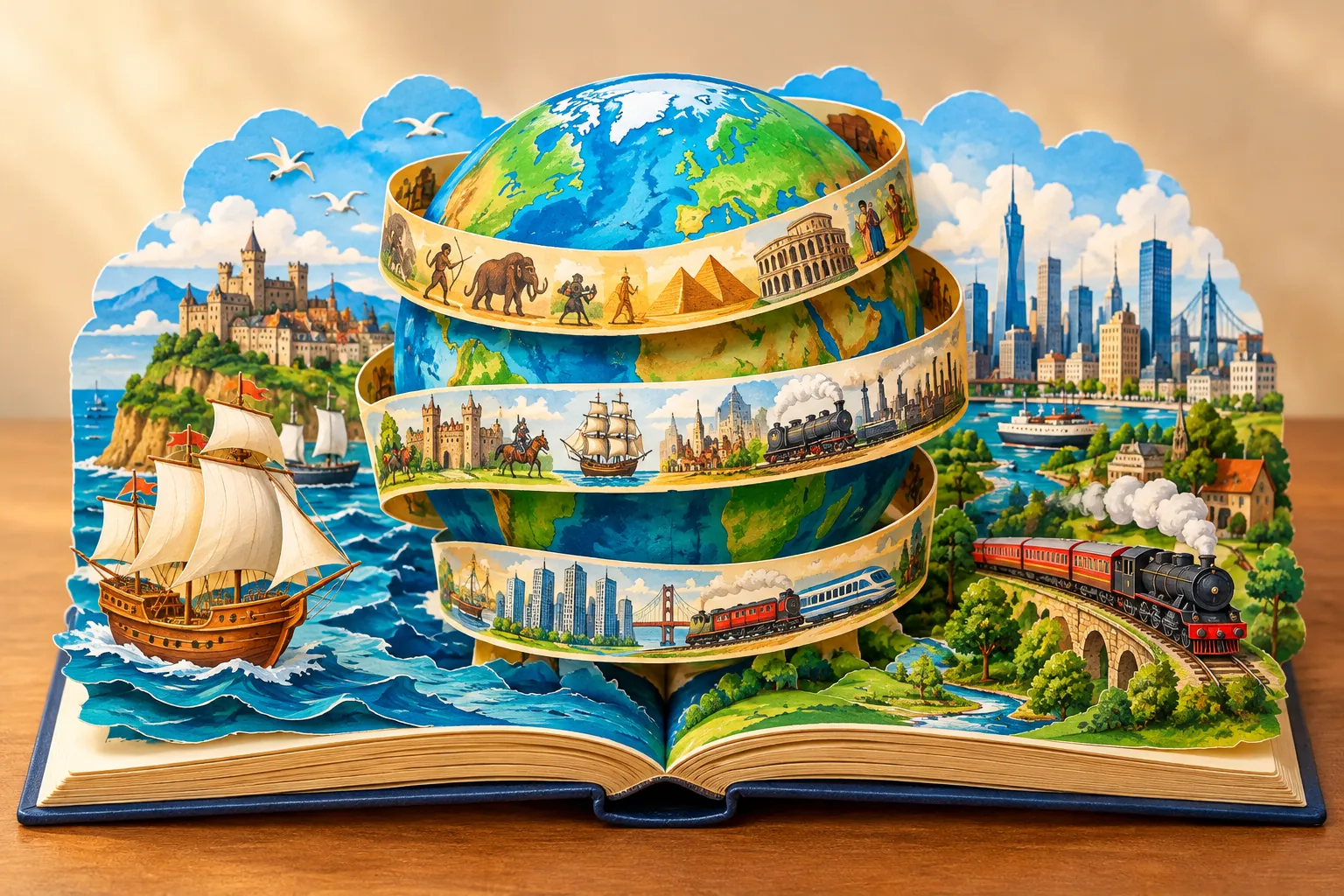
Modern World History
Explore the transformative events that shaped our modern world from 1500 AD to the present day. From the Industrial Revolution to world wars, discover the pivotal moments in human history.
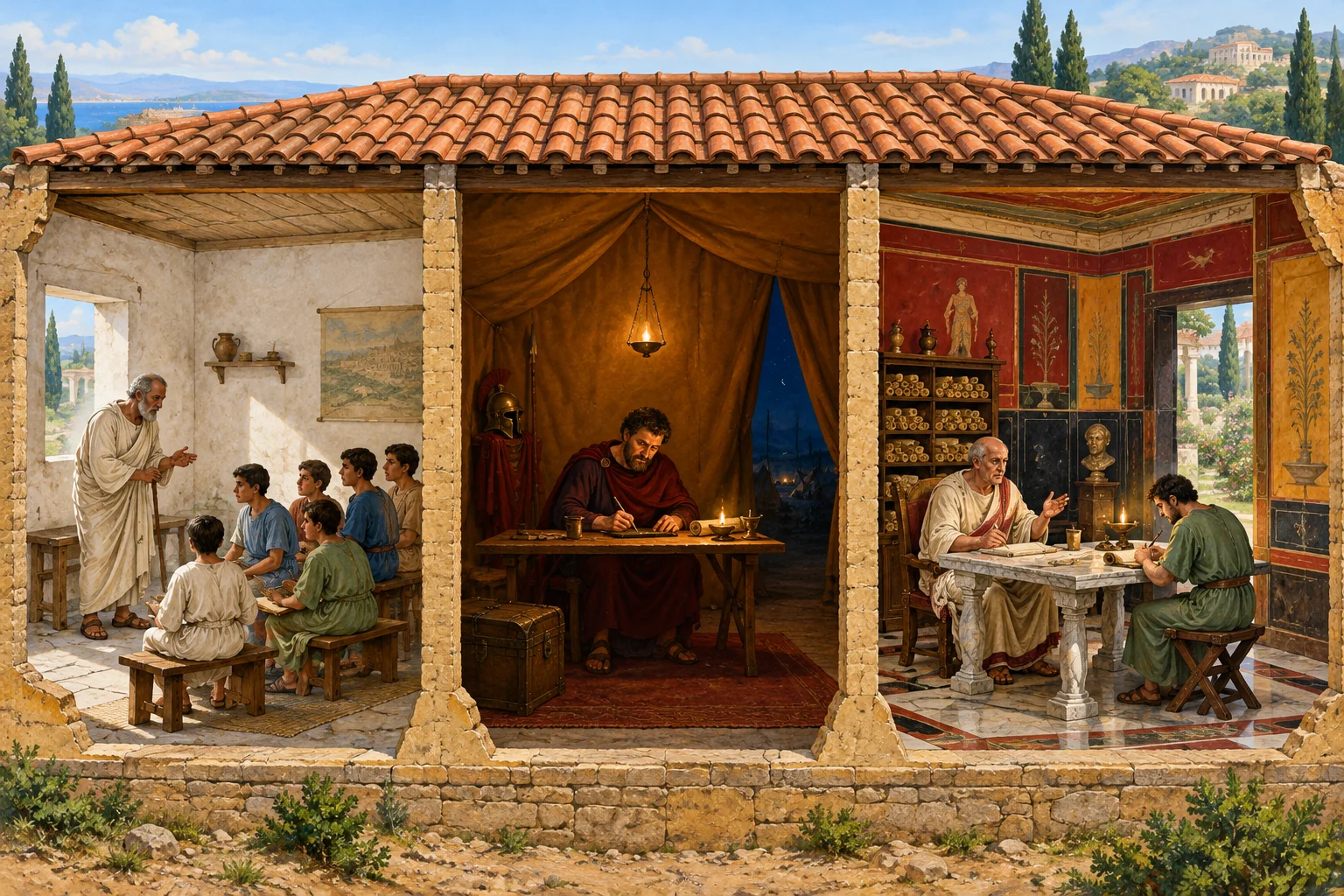
Epictetus, Marcus Aurelius and Seneca: Three Ways into Stoicism
Epictetus, Marcus Aurelius, and Seneca offer three distinct entry points into ancient Stoicism. By comparing Epictetus's classroom handbook, Marcus's private reminders, and Seneca's polished letters, …
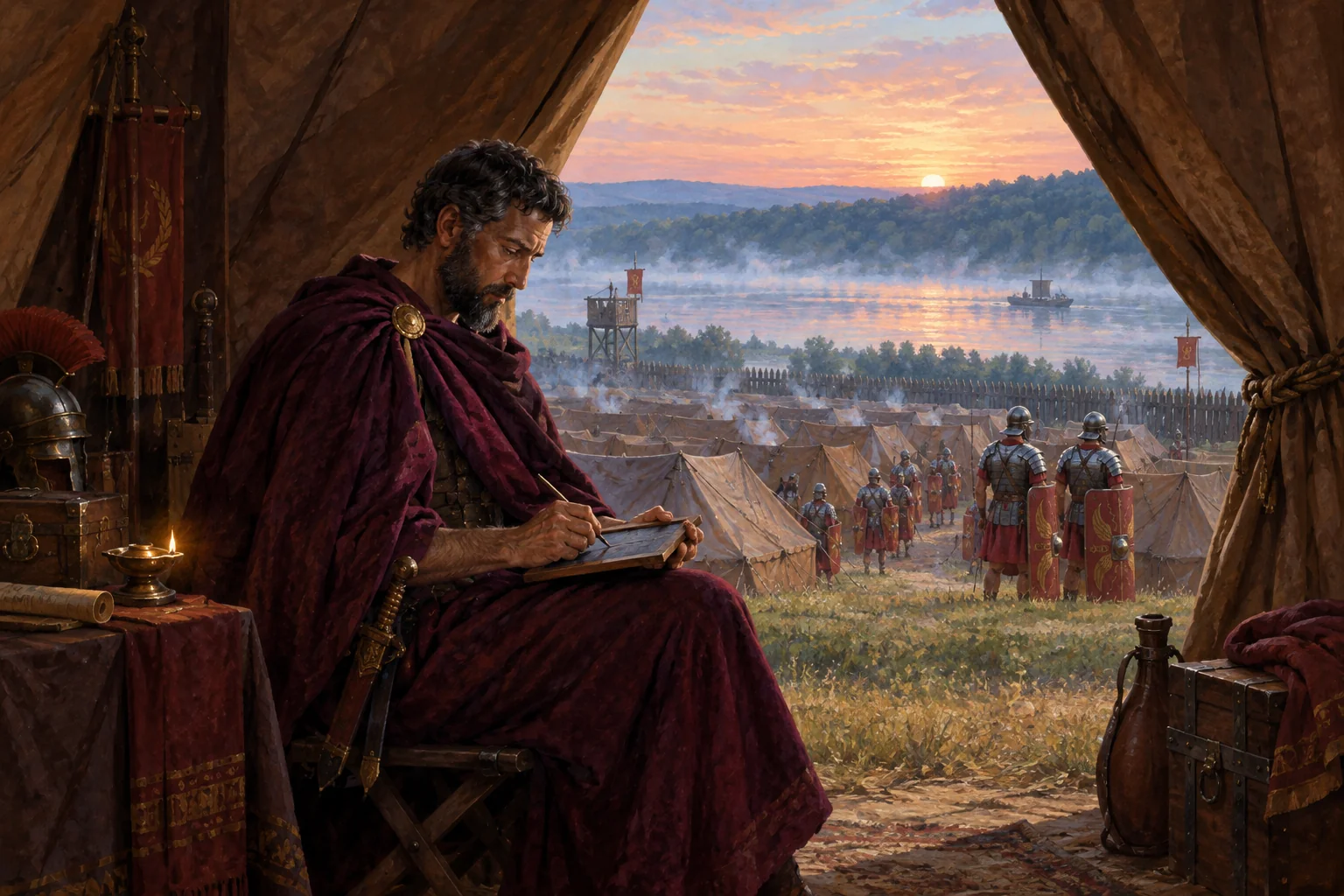
Meditations Book 2 explained: preparation for a difficult day
A close reading of Meditations Book 2, focusing on how to prepare for difficult interactions, manage distractions, and focus on the present moment.
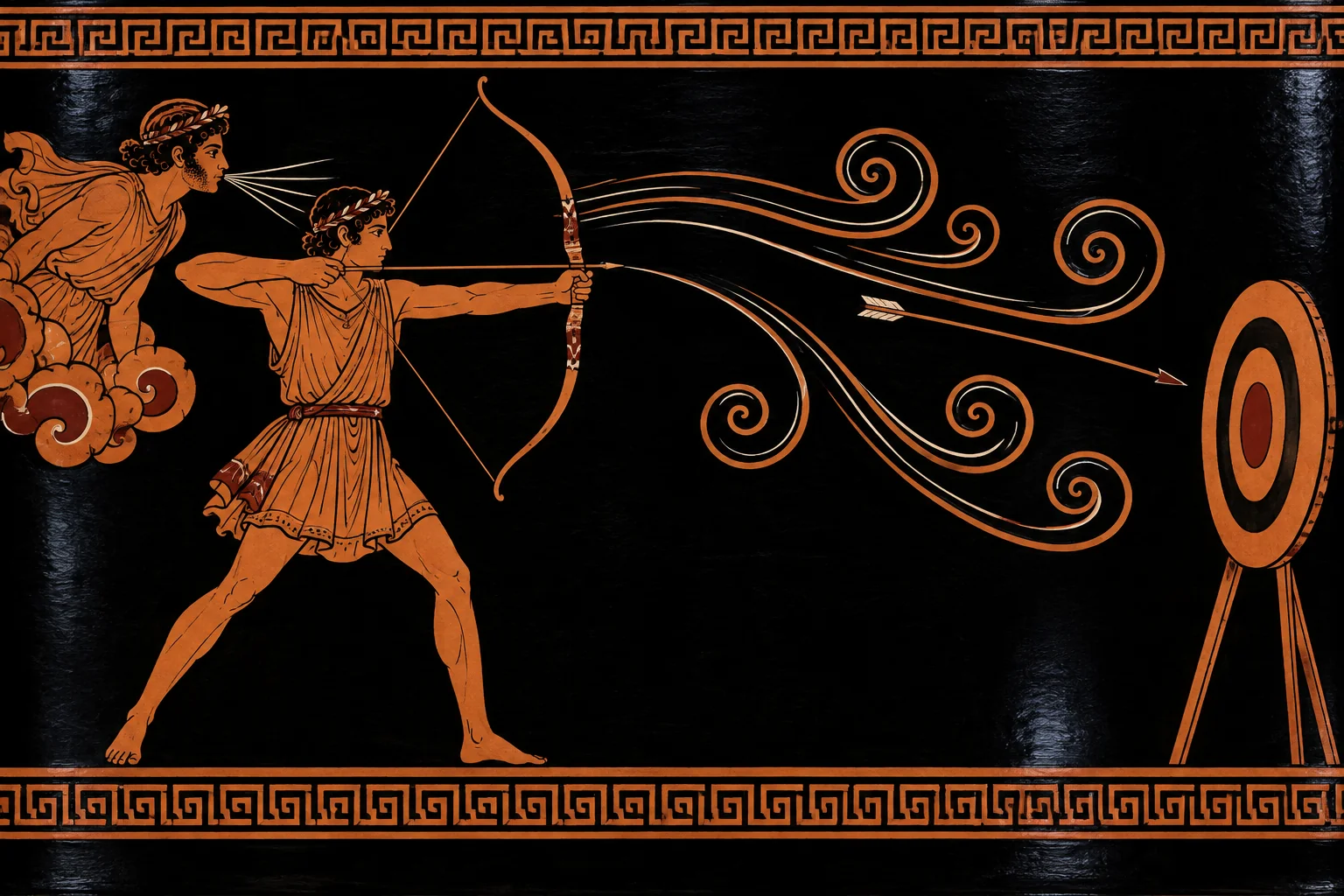
Stoic control: what depends on you, and what still needs action
Epictetus separates our judgments and choices from outcomes we cannot command. A rejected project shows how to act within real constraints.
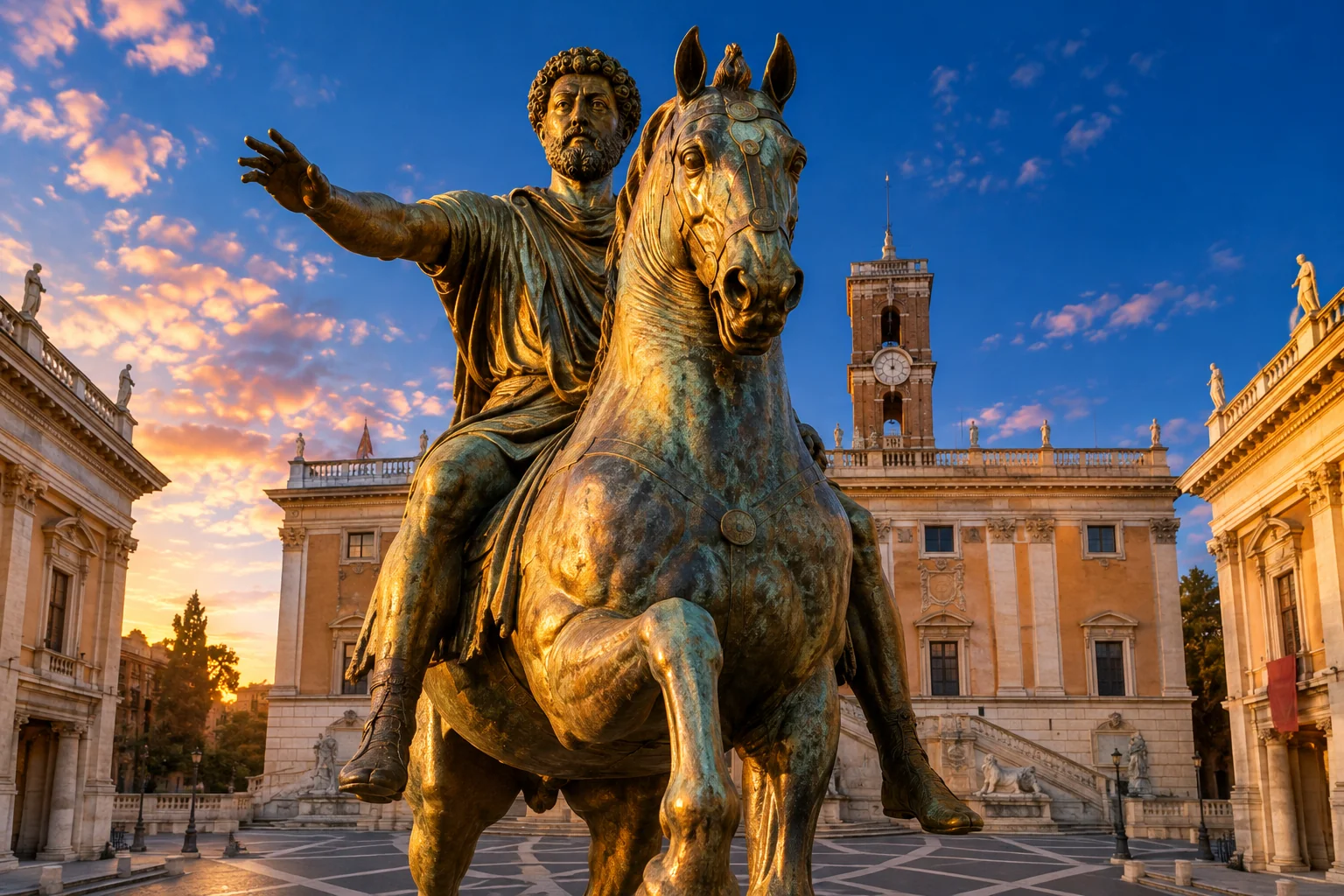
Who Was Marcus Aurelius? The Roman Emperor Behind Meditations
Marcus Aurelius was a second-century Roman emperor who practiced Stoic philosophy, leaving behind a collection of private notes known today as Meditations.
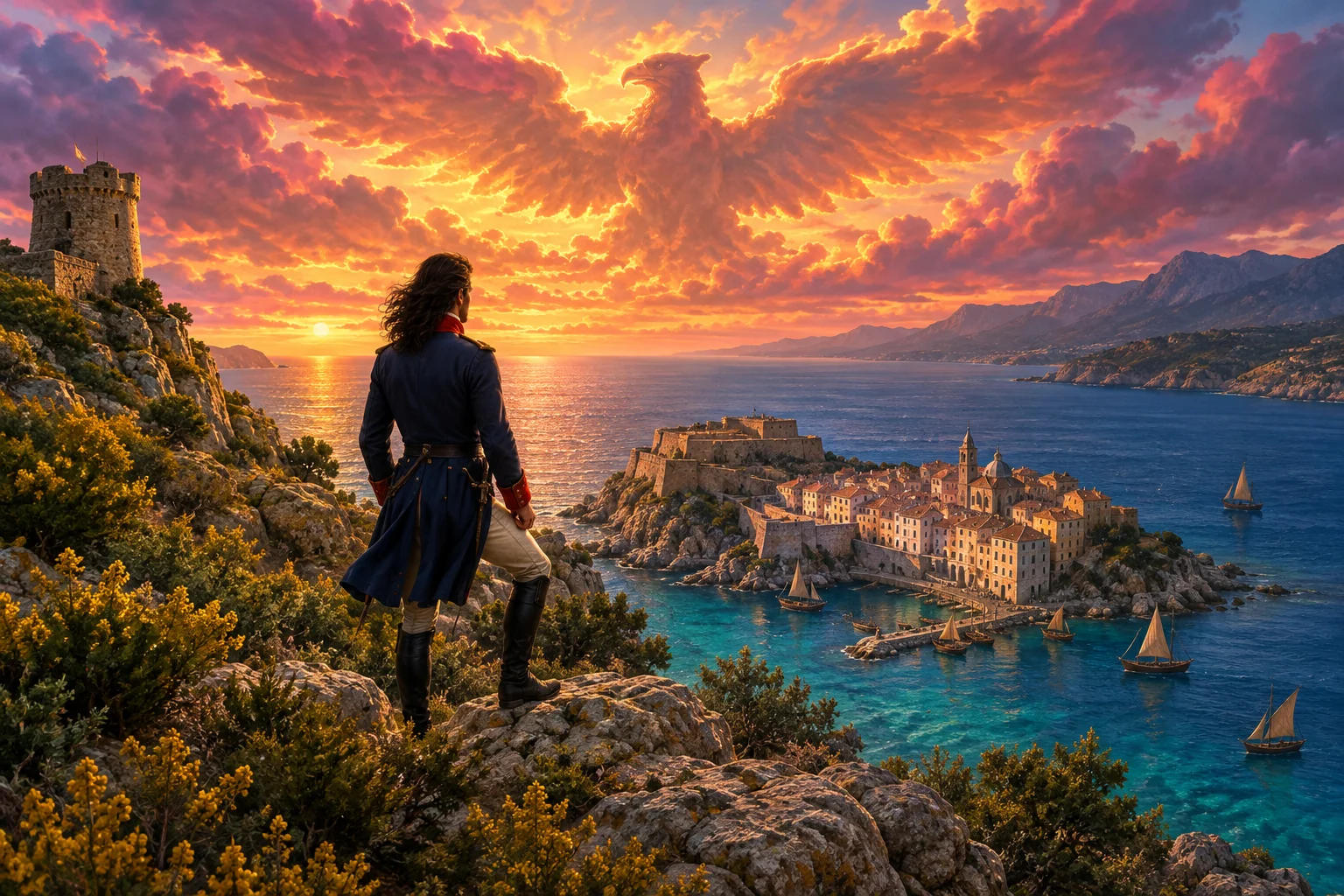
Who Was Napoleon Bonaparte: A Journey from Corsica to Immortal Legacy
Napoleon Bonaparte was a Corsican-born officer who rose through the French Revolution and crowned himself Emperor of the French in 1804. His wars reshaped Europe, …
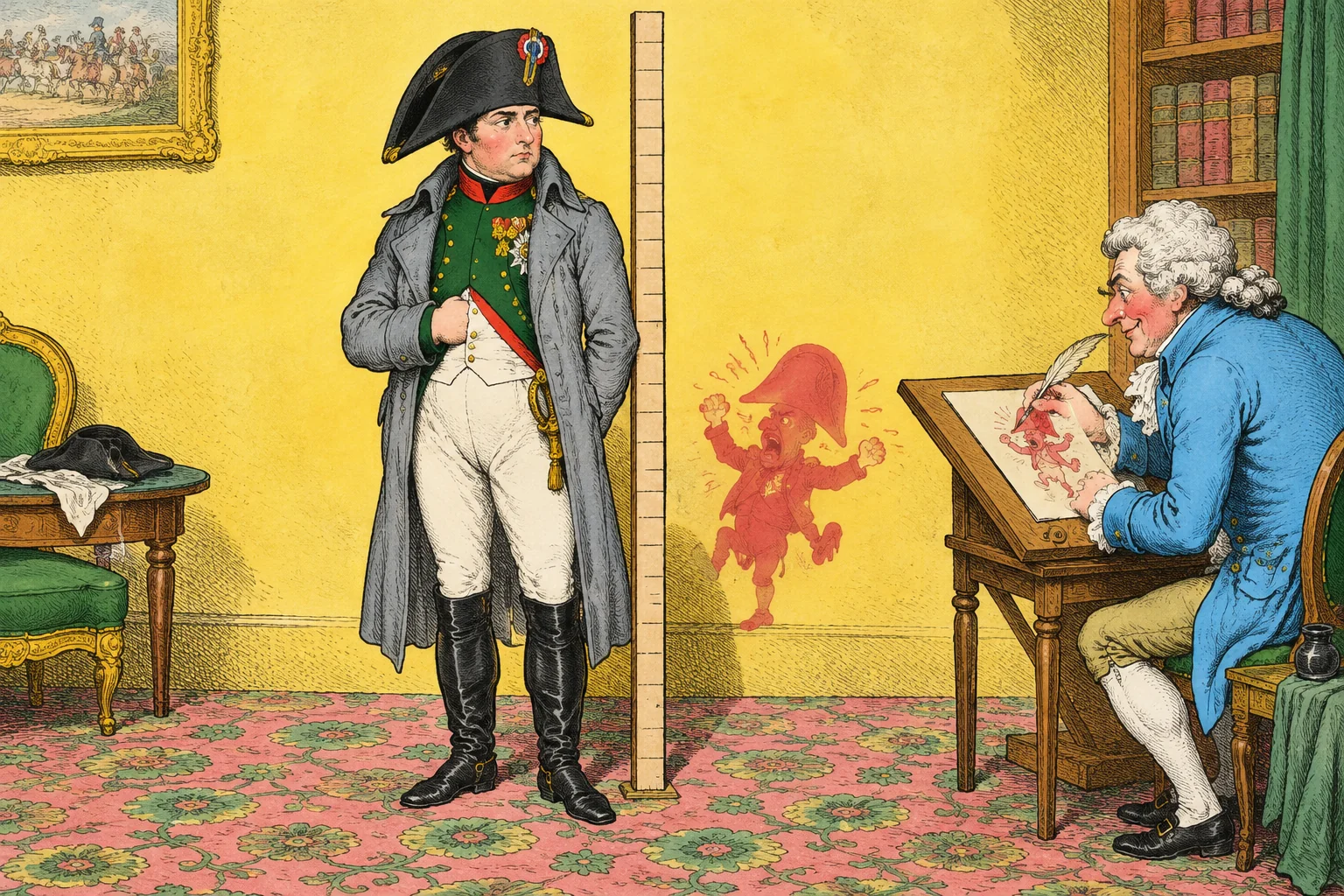
Napoleon Bonaparte Height: Unraveling the Myth
Napoleon Bonaparte was about 1.69 metres tall, within the range of French infantry conscripts of his time. The myth of the tiny emperor grew from …
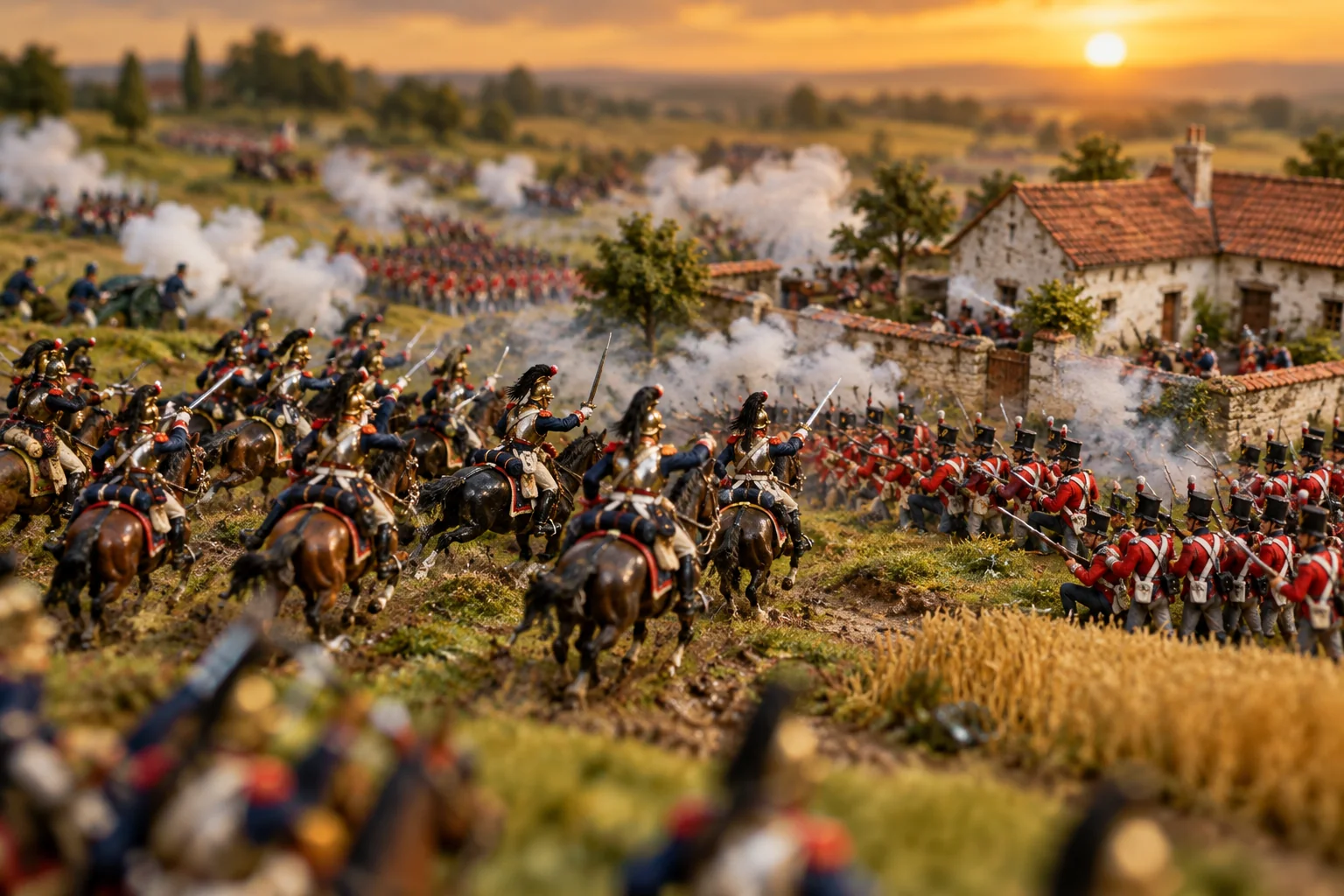
Battle of Waterloo: A Turning Point in European History
The Battle of Waterloo, fought on 18 June 1815 in present-day Belgium, ended Napoleon's last bid to rule France. Wellington's Anglo-allied army and Blücher's Prussians …
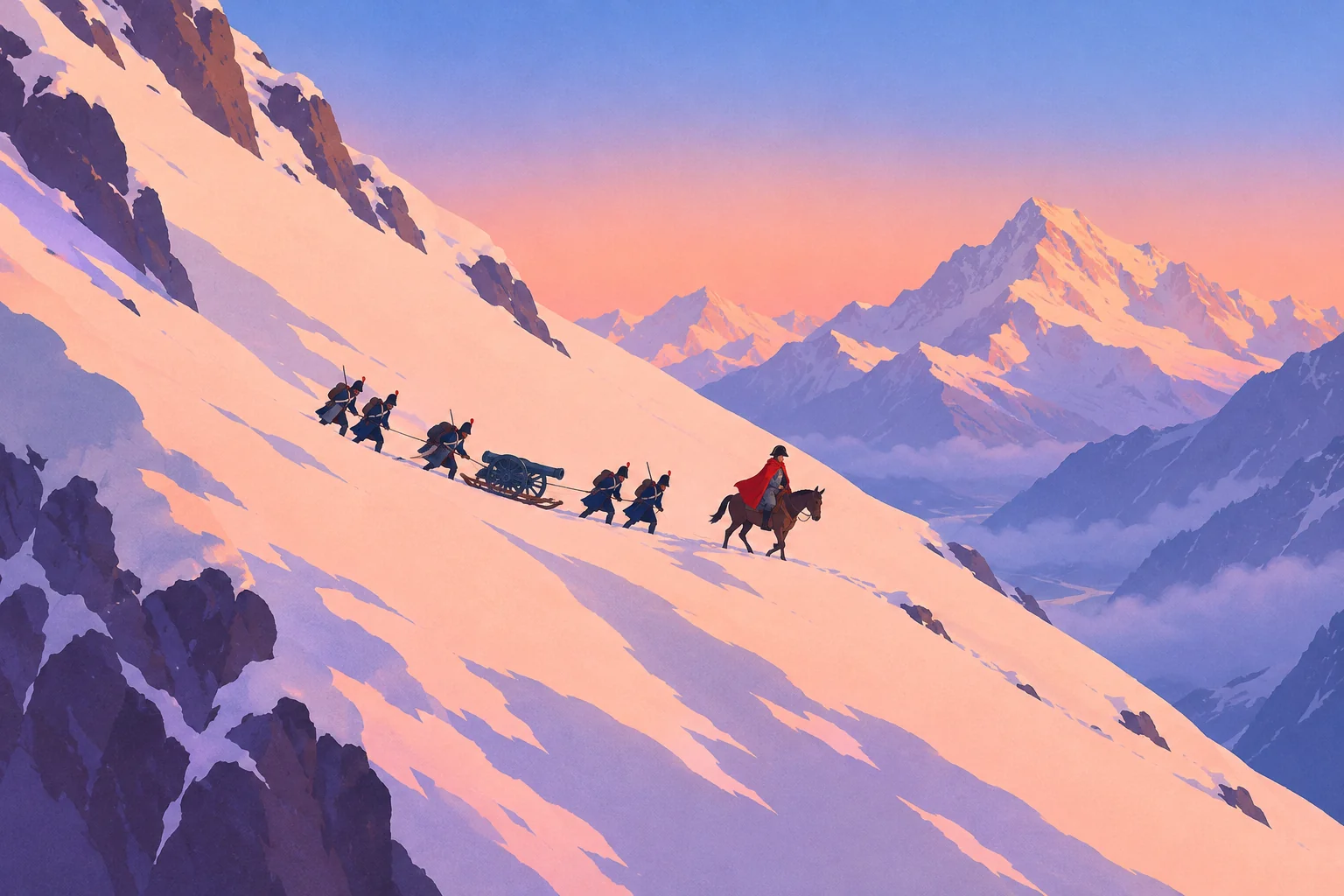
Napoleon Bonaparte Quotes: Words of a Military Genius
Most Napoleon quotes circulate on posters and social feeds without a source. This page looks at two that can be traced to documents from 1805 …
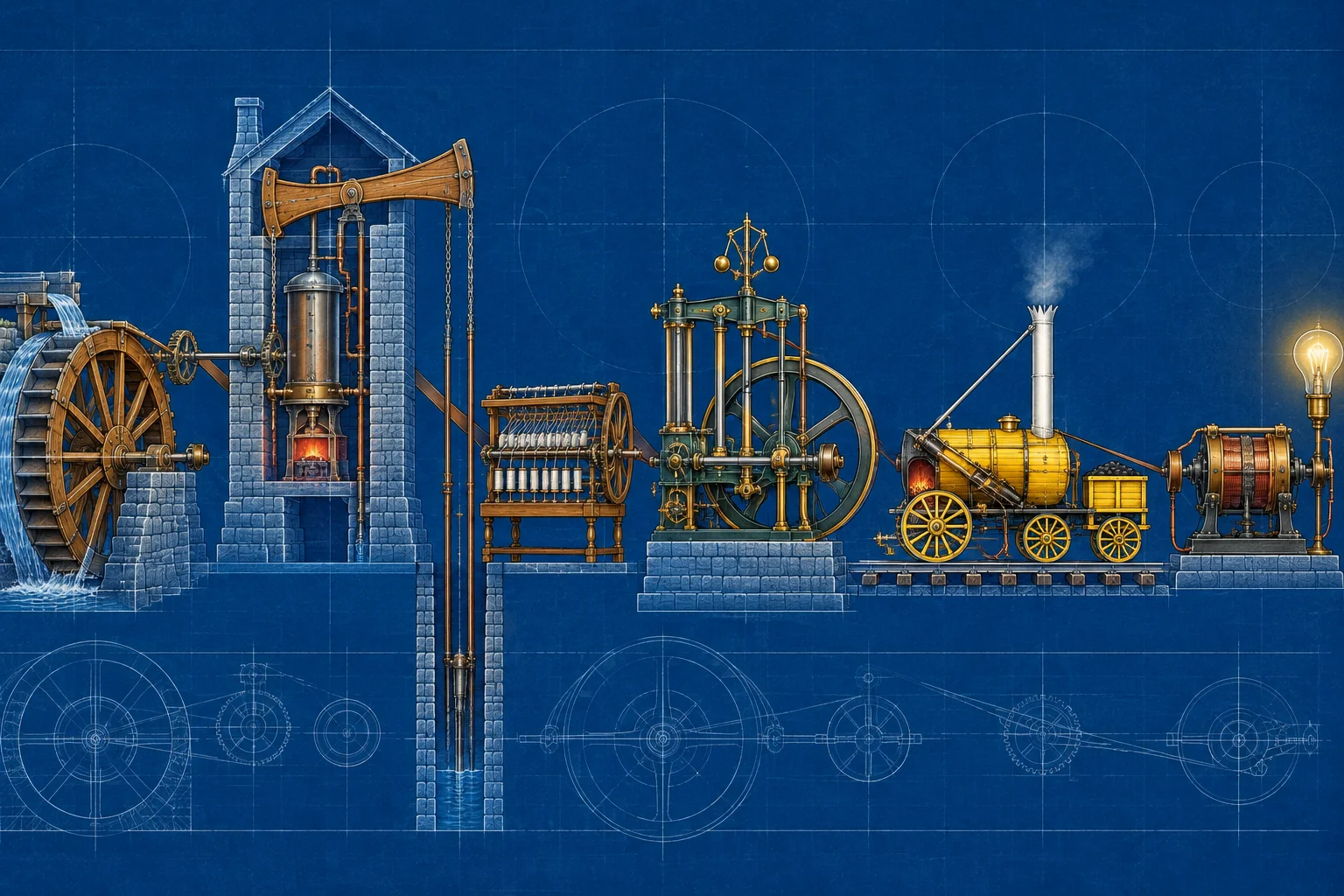
The Industrial Revolution Timeline
The Industrial Revolution began in Britain around 1760 and, in its first phase, ran to roughly 1830–1840. This timeline follows the key steps from Newcomen's …
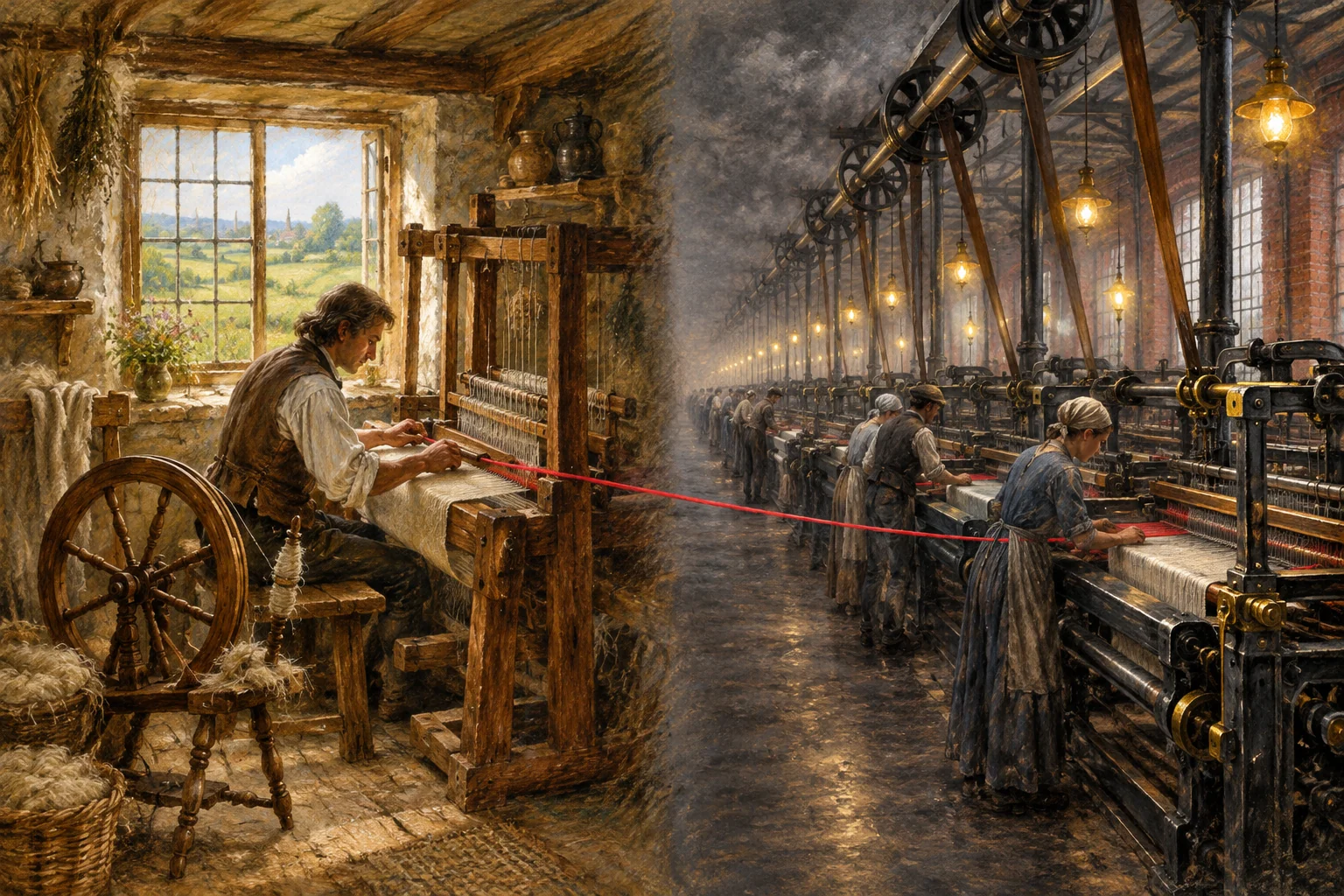
The Industrial Revolution Definition: An In-depth Look
The Industrial Revolution was the shift from hand tools and muscle power to machines, steam engines and factories. It began in Britain around 1760, spread …
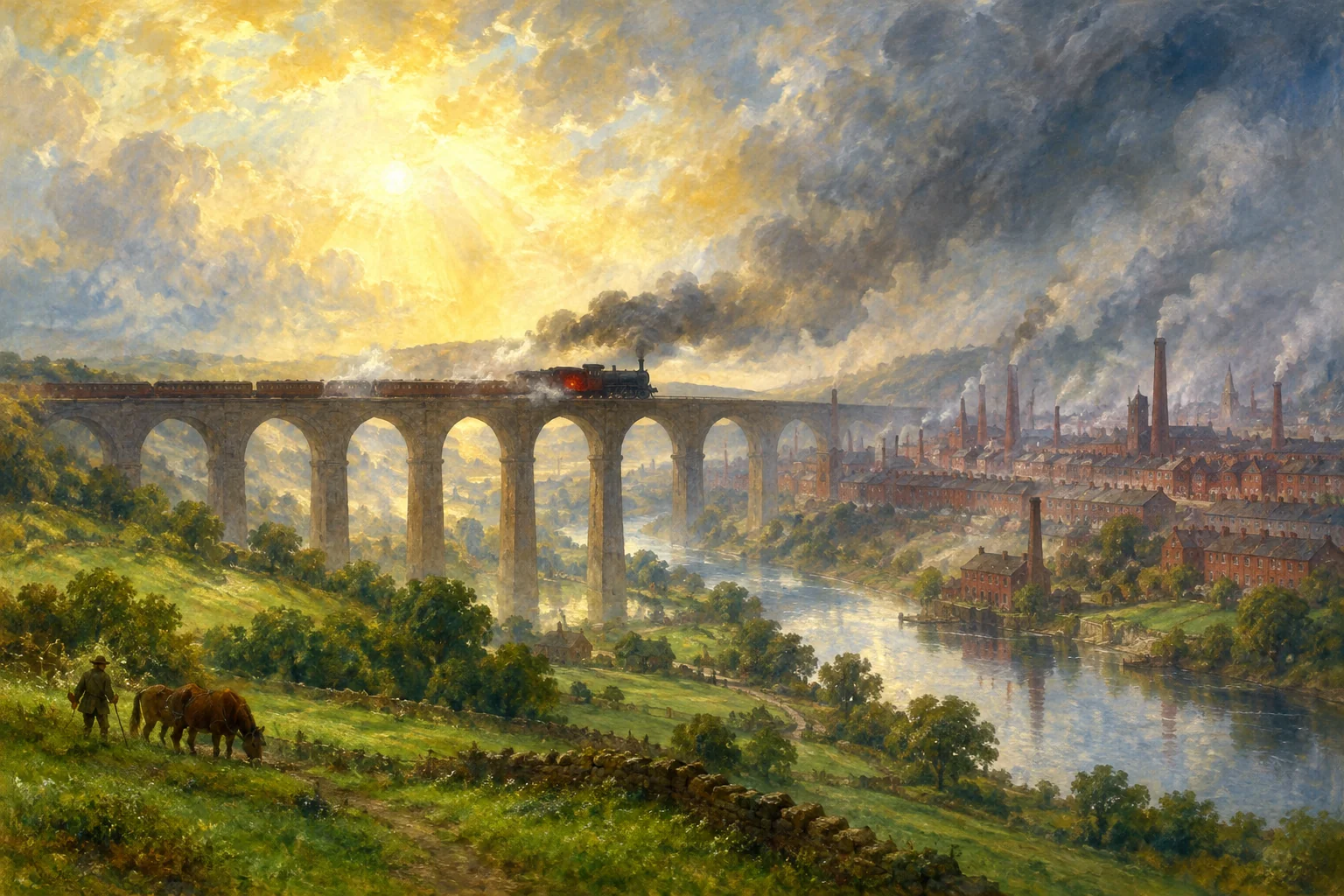
Unleashing Progress: The Far-Reaching Effects of the Industrial Revolution
The Industrial Revolution's biggest effect was to move Britain, and later much of the world, from farm work to factory work. It raised output and …
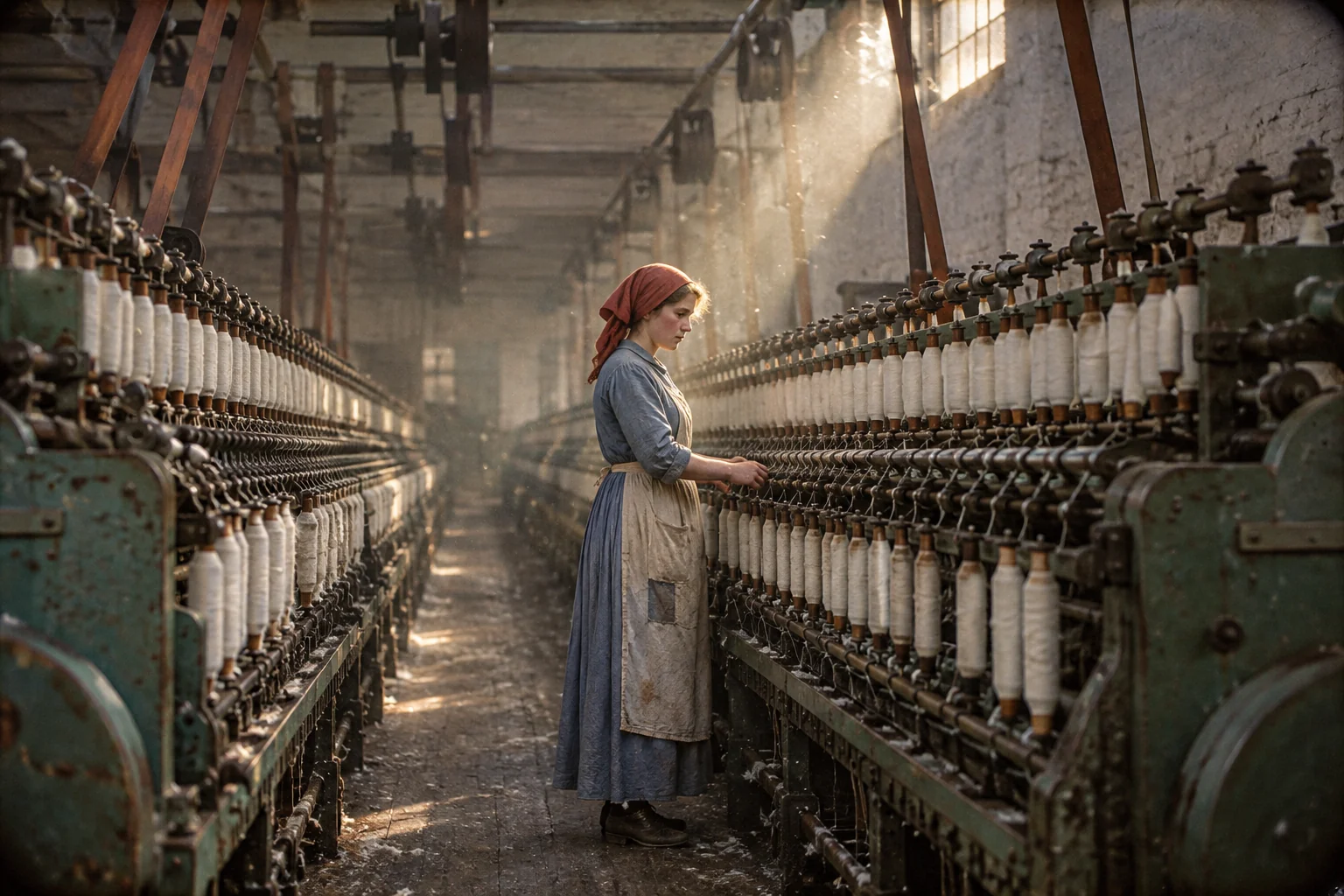
Struggles and Sacrifices: The Story of Industrial Revolution Working Conditions
In Britain's early factories, adults and children often worked 12 to 14 hours a day, six days a week, beside unguarded machines. Low wages, a …