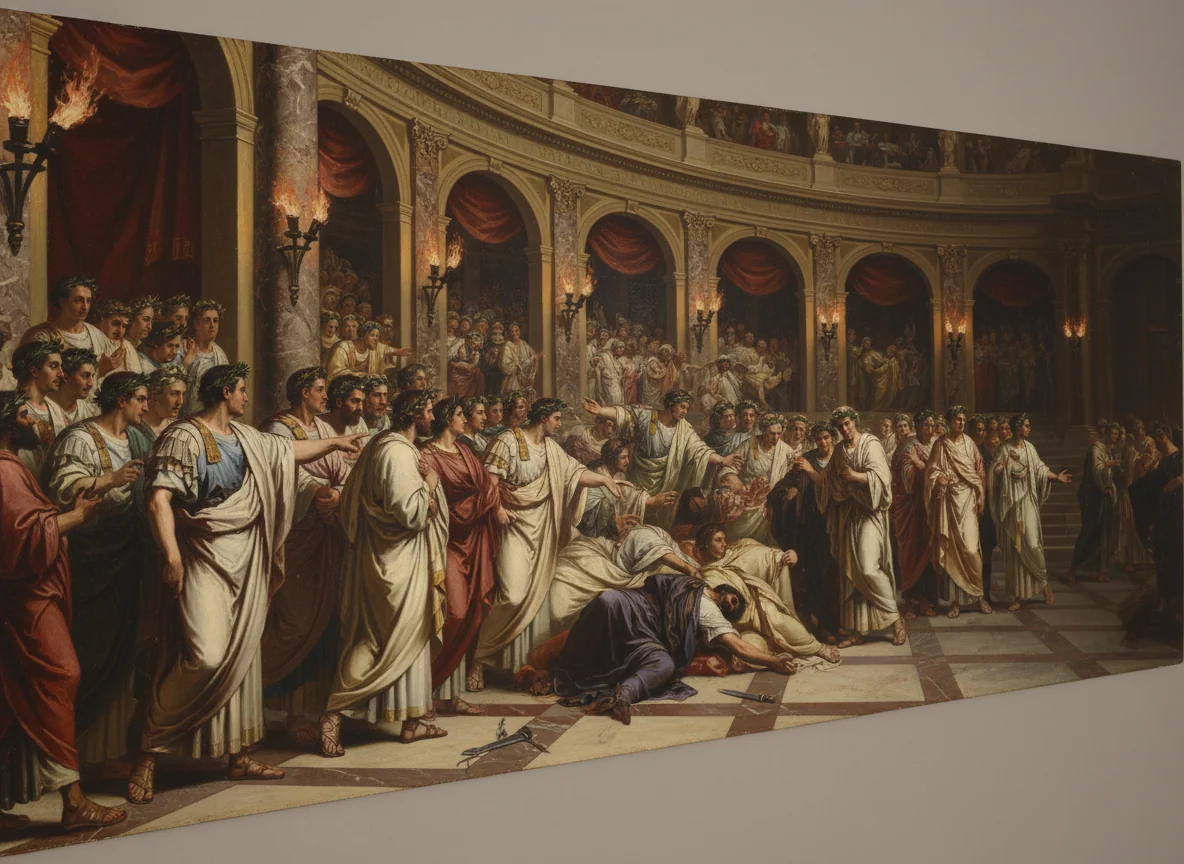
Epictetus, Marcus Aurelius and Seneca offer different entrances into ancient Stoicism, not three rival schools or personality types. Their surviving works ask how to judge, choose and live with other people. The clearest comparison begins with who is speaking to whom: a teacher’s instruction, reminders addressed to oneself, or a philosophical letter. Those forms change how a reader encounters the argument.
Different circumstances, connected texts
Epictetus spent part of his life enslaved before gaining freedom and teaching in Rome and Nicopolis. His teachings survive through works associated with Arrian: the fuller Discourses and compressed Enchiridion, or Handbook. Marcus Aurelius was a Roman emperor; his Meditations contains self-directed moral reminders. Seneca served as Nero’s tutor and adviser. His letters to Lucilius develop arguments through a literary voice, not an unfiltered transcript of private life.
Marcus was not Epictetus’s classroom pupil. In Meditations 1.7, he thanks Rusticus for lessons in improving character, reading carefully and gaining access to Epictetus’s teachings. This is textual inheritance, not evidence of a meeting. The historical contrast matters, but a former enslaved teacher does not write only for enslaved people, nor an emperor only for leaders. Social position is context, not a complete explanation of a philosophy.
Epictetus: a compact rule needs its context
Handbook 1 distinguishes our judgments, pursuits, desires, aversions and actions from body, property, reputation and office. Its concern is ethical agency: what choice belongs to us, rather than whether we can command every result. Calling the body outside our control does not make injury imaginary or prove that feelings can be switched off. Read the distinction as an ancient philosophical proposal, not a finding from modern psychology.
In section 4, the bathhouse supplies a concrete test. A visitor may be splashed, pushed, insulted or robbed. Epictetus asks the reader to hold two aims together: bathing and maintaining a choice in accordance with nature. The second aim should not disappear when the first is obstructed. It is not a promise that anticipating trouble prevents it.
Section 46 shifts from rules to conduct. Sheep digest grass and produce wool and milk rather than displaying the grass to the shepherd. Likewise, philosophical learning should appear in actions, not a performance of impressive theories. These short instructions are why the Handbook can be an accessible entry point, but compression can also hide the reasoning a reader needs to question. See the Handbook in Elizabeth Carter’s English translation.
Marcus Aurelius: reading someone’s self-correction
The Meditations is neither a chronological personal diary nor a systematic textbook. Its repeated reminders are addressed to the writer himself. They do not establish that Marcus always behaved as he urged himself to behave. A reminder to practise an ideal is not a record of having achieved it.
In 2.1, Marcus anticipates difficult people and connects their wrongdoing with ignorance of good and evil. He then appeals to shared rational kinship: hands, feet and rows of teeth are made to cooperate. This is an argument about social responsibility within an ancient view of nature. It does not establish that another person is harmless, or guarantee a calm response to mistreatment. The interesting question is how an expected difficulty relates to one’s duties toward others.
Read 1.7 and 2.1 in George Long’s translation alongside our Meditations summary. For the historical context rather than the text’s argument, see who Marcus Aurelius was.
Seneca: argument through a letter
A letter allows Seneca to address a reader, admit a shortcoming and return to a practical problem. In Letter 1, he asks Lucilius to reclaim his time. He cannot say he wastes none; he can account for what he loses. This admission gives the advice a self-examining voice without proving that the literary speaker is a complete autobiography.
Letter 2 criticizes restless movement among authors and recommends lingering long enough to digest a thought. Seneca takes an idea from Epicurus, outside his own school. This is reading counsel, not an experiment proving one learning method or a ban on broad inquiry. The question is whether a reader is examining an argument or merely collecting more material.
Letter 47 asks for humane treatment of enslaved household members, appealing to common humanity and mortality. It still works within a hierarchical household, rather than presenting an abolition manifesto. Ethical concern and historical limitation need to be read together. The linked English letters are Richard Mott Gummere’s translations.
FMR fictional example: a cancelled equipment pickup
Nora has arranged to borrow equipment for a community workshop. The lender cancels the pickup slot. FMR’s following questions are inspired by the passages above; they are not the authors’ anecdotes or a three-step method they prescribed.
- Epictetus: What can Nora actually decide? She can ask what happened and whether another arrangement exists. She cannot command the lender’s answer. The equipment problem remains real.
- Marcus: What does she owe the participants? She can give an honest update and check what can safely be offered with available resources. Cooperation is a responsibility to examine, not a guarantee that the other party will cooperate.
- Seneca: Where has her time gone since the cancellation? She can compare time spent composing complaints with time spent contacting the lender, without treating every rest or feeling of disappointment as waste.
Cost, access or time may make postponement necessary. Asking these questions guarantees neither a successful workshop nor relief from frustration. Nora need not take on every burden herself or pretend the cancellation causes no loss.
Choose a passage before an edition
Try Handbook 1 and 4, Meditations 1.7 or 2.1, and Seneca’s Letter 2. For each, identify the speaker, intended addressee, central argument and a limit to its application. This is FMR’s reading suggestion, not a validated learning technique. Check an edition’s introduction, translator and contents before assuming a selected collection includes the passages you want. Our beginner’s Stoicism reading guide maps the broader choices.
Sources and scope
This comparison paraphrases selected passages, not the entire works. Historical and literary context is checked against Stanford’s entries on
Stanford Encyclopedia of Philosophy: Epictetus; Marcus Aurelius; Seneca.