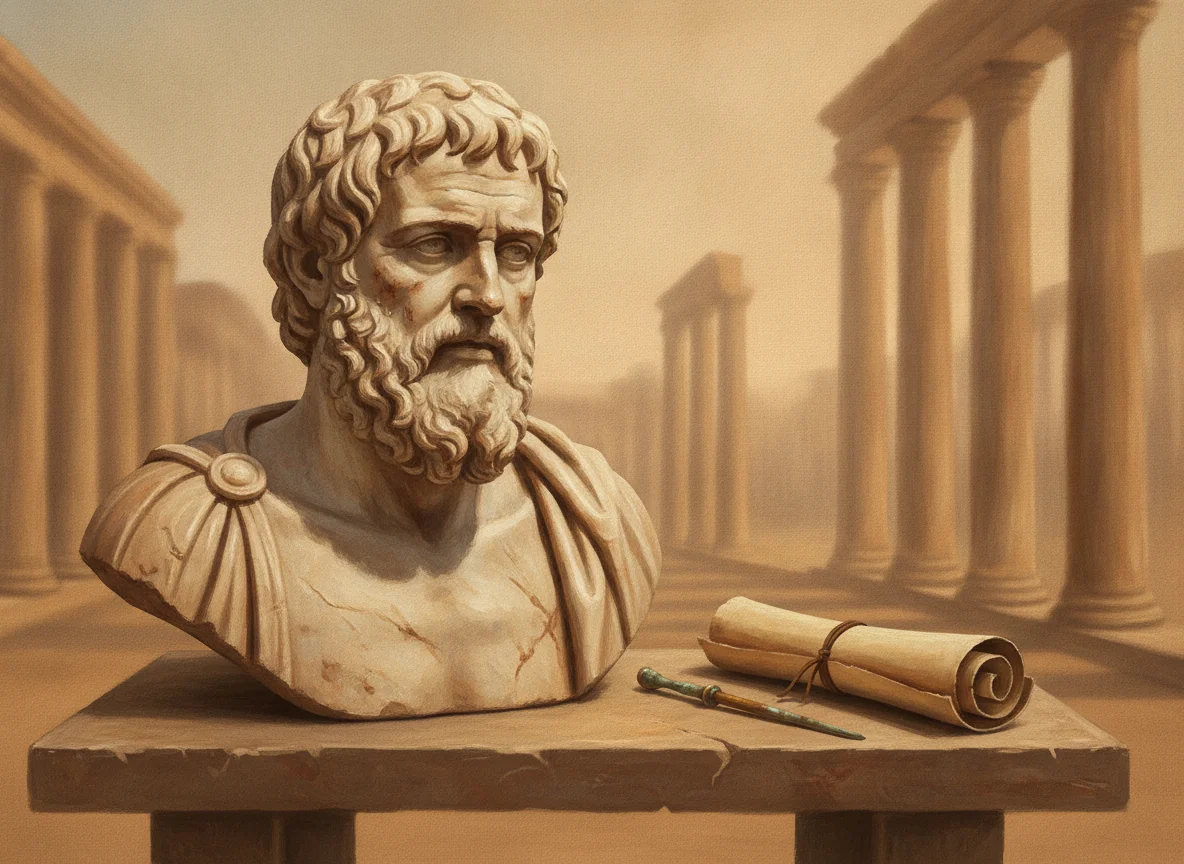
Marcus Aurelius was a Roman emperor who ruled from 161 to 180 CE and is widely remembered as a practitioner of Stoic philosophy. Born in 121 CE, he succeeded his adoptive father, Antoninus Pius, to lead the Roman Empire during a turbulent period marked by frontier warfare and a devastating plague. Marcus Aurelius left behind a collection of private, self-reflective notes written in Greek. These writings, never intended for publication, are known today as the Meditations. They reveal a ruler constantly struggling to align his daily actions with his philosophical principles.
Who Was Marcus Aurelius: A Concise Timeline
To understand his life, it helps to look at the key milestones of his journey from a young noble to the leader of the Roman world.
| Year | Event | Historical Significance |
|---|---|---|
| 121 CE | Birth of Marcus Aurelius | His life began decades before his accession. |
| 161 CE | Ascension to Emperor | Succeeded his adoptive father, Antoninus Pius, beginning his reign. |
| 161–180 CE | Imperial Reign | Governed the empire while managing frontier warfare and a major plague. |
| 180 CE | Death | His death marked the end of his reign. |
What is the Meditations?
The book we know as the Meditations was never meant to be a public memoir or a systematic textbook. According to historical analyses of his life, such as those found in the Stanford Encyclopedia of Philosophy, these texts were personal notes and exercises written to himself. Written in Greek, the language of philosophy at the time, the collection serves as a record of self-correction. The notes reveal that he was not naturally immune to anger, frustration, or despair. Instead, they show an emperor actively reminding himself to remain patient, perform his duties, and maintain his integrity amidst the immense pressures of ruling an empire.
Three Core Ideas in Meditations
Throughout his private journals, Marcus Aurelius returned to several key themes of Stoic philosophy. These ideas were not abstract theories, but practical tools for daily living.
1. Cooperation with Others
In Book 2 of his notes, Marcus Aurelius stresses the necessity of cooperation with other people, even when they are difficult, ungrateful, or hostile. He argued that human beings are made to work together, like feet, hands, and eyes, as detailed in the translation of Meditations Book 2.
Our illustration: In a modern workplace, you might encounter a difficult colleague who constantly disagrees with your ideas. Instead of reacting with anger, you can view their cooperation as essential to the project's success, recognizing that human friction is a natural part of working in any group.
2. Judgment and Change
In Book 4, he examines how our internal judgments shape our experience of external events. He argued that our judgments shape our distress about events. That philosophical claim does not mean physical harm is unreal or that every difficulty can be solved by thinking differently. He also emphasized that change is a natural and necessary part of the universe, as explored in Meditations Book 4.
Our illustration: If you experience a sudden career transition, you might initially view it as a disaster. However, by changing your internal judgment, you can separate its concrete consequences from your first assumptions, then consider what response is available. This does not remove the practical costs of the change.
3. Mortality and Fame
Marcus Aurelius frequently reminded himself of the fleeting nature of life and the emptiness of seeking posthumous fame. He noted that both those who remember and those who are remembered will soon be forgotten.
Our illustration: In the digital age, it is easy to chase temporary validation through social media likes or public praise. Remembering mortality helps us shift our focus away from fleeting external approval and toward meaningful, immediate actions in our daily lives.
The Limits of the Philosopher-Emperor
His private notes are evidence of the standards he set himself, not a verdict on every decision he made as emperor. A person can write about patience and justice while struggling to act on those ideals. His reign also involved warfare and plague, so reading him only as a source of reassuring slogans misses the responsibilities attached to his position. Our reading should distinguish a useful ethical exercise from an endorsement of imperial rule. Meditations offers access to his efforts at self-correction; it cannot, by itself, establish that he governed perfectly.
Frequently Asked Questions
Did Marcus Aurelius write Meditations for the public?
No, the writings were private journals intended solely for his own self-improvement and reflection, not for publication.
What language did he write his notes in?
He wrote his personal notes in Greek, which was the standard language for philosophical study in the Roman world.
Did Stoicism mean he had no feelings?
No, Stoicism does not advocate for suppressing all emotions or having no feelings. Instead, it focuses on managing our judgments and responses to those feelings so we are not ruled by them.
Who did Marcus Aurelius succeed as emperor?
He succeeded his adoptive father, Antoninus Pius, in 161 CE.
What major challenges did he face during his reign?
His reign was marked by significant difficulties, including ongoing frontier warfare along the northern borders and a devastating plague that swept through the empire.
Further Reading and Sources
- Read the comprehensive overview of his life and philosophy in the Stanford Encyclopedia of Philosophy.
- Explore the primary text of Meditations Book 2 on cooperation and duty.
- Read his reflections on change and judgment in Meditations Book 4.
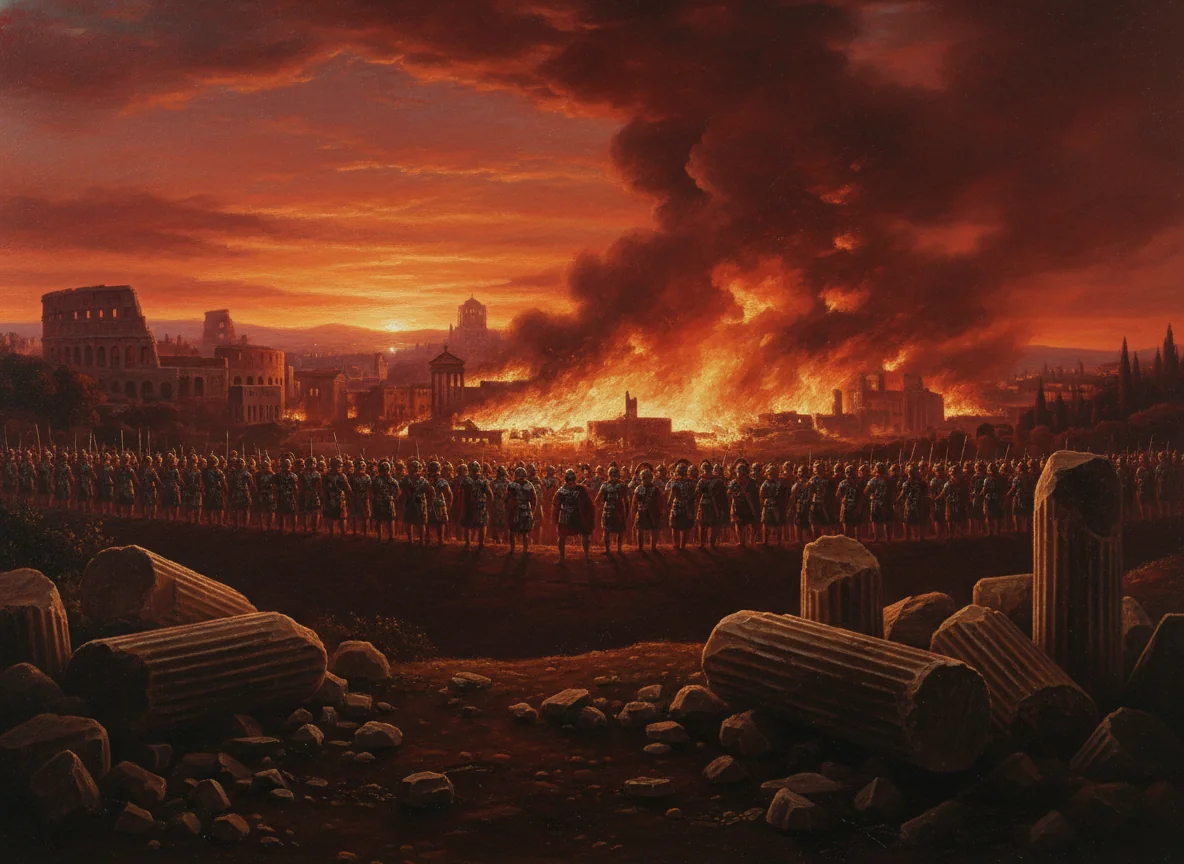
- Learn about the broader historical context of Roman leadership and the Fall of the Roman Empire.
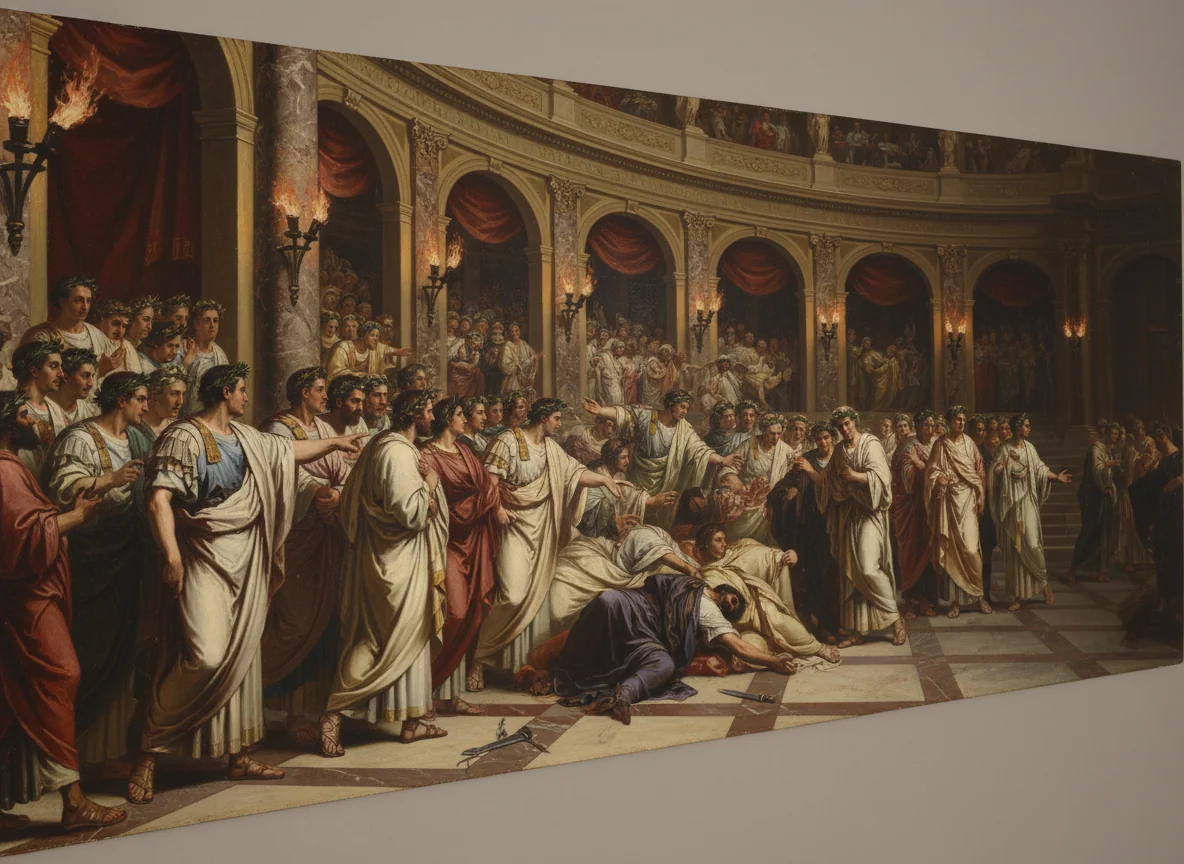
- Discover how previous Roman leaders shaped the empire's history in our article on the Julius Caesar Assassination.