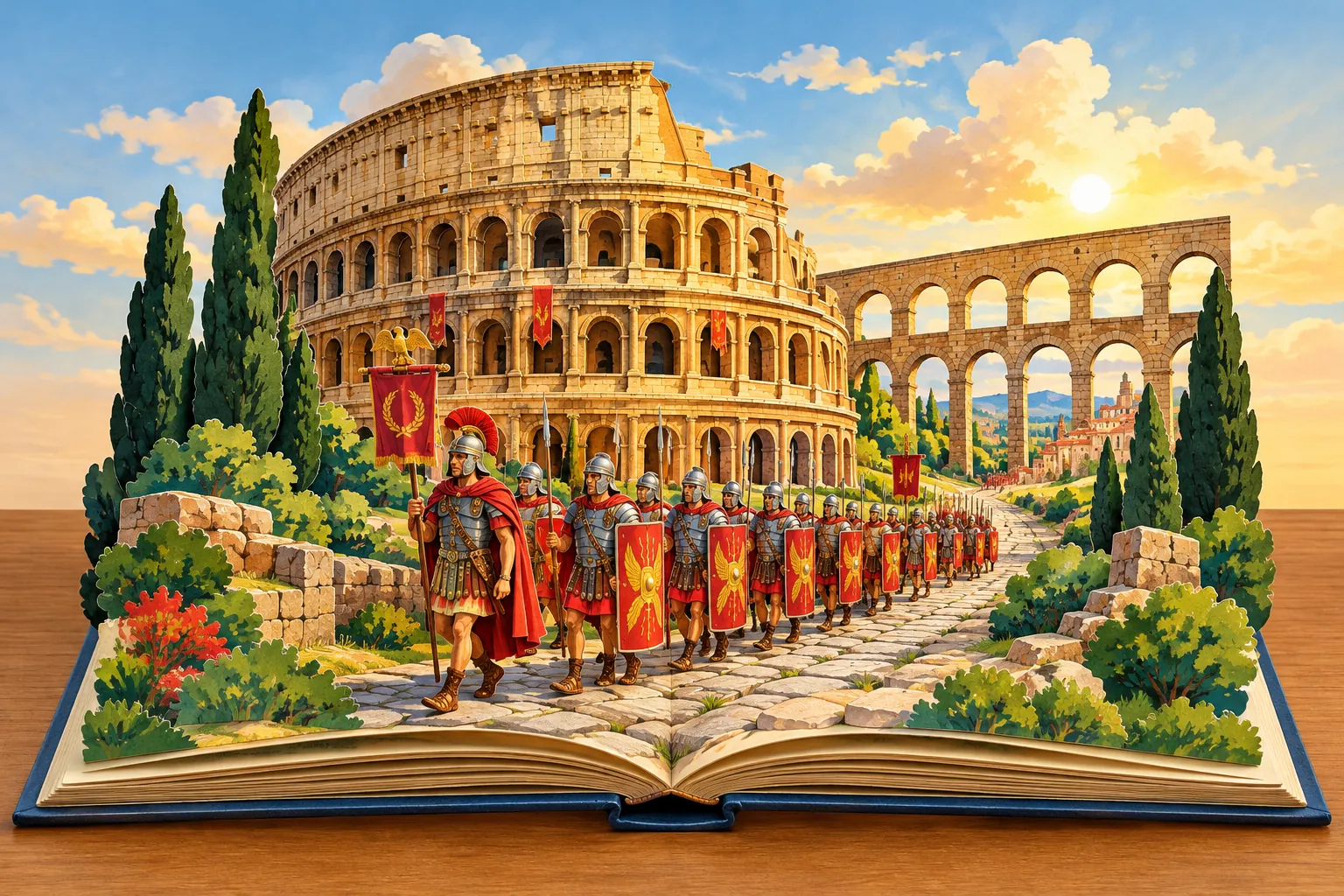
Roman Empire
The rise, reign, and fall of the greatest empire of the ancient world — from the seven hills of Rome to the collapse of the Western Empire in 476 AD.
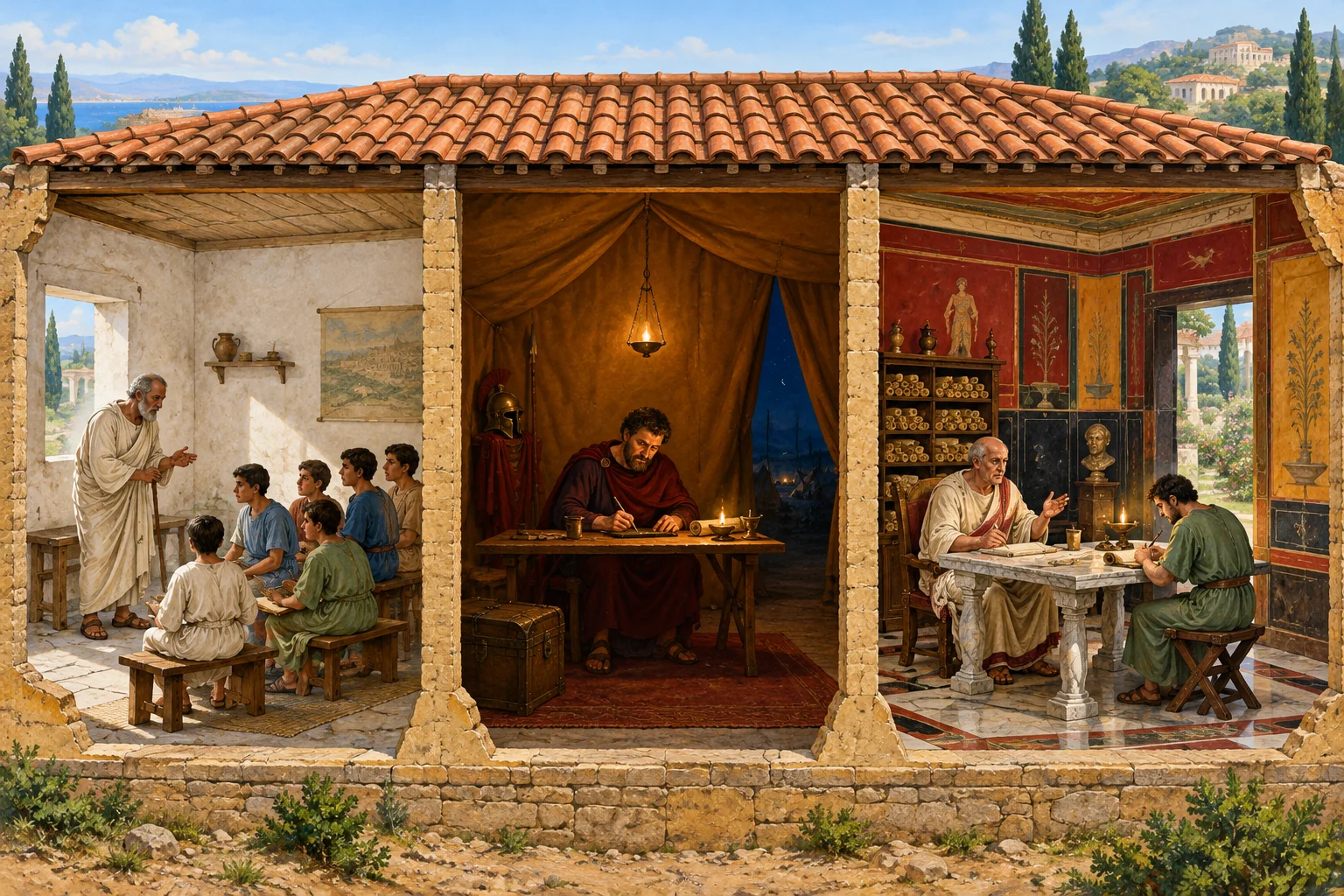
Epictetus, Marcus Aurelius and Seneca: Three Ways into Stoicism
Epictetus, Marcus Aurelius, and Seneca offer three distinct entry points into ancient Stoicism. By comparing Epictetus's classroom handbook, Marcus's private reminders, and Seneca's polished letters, …
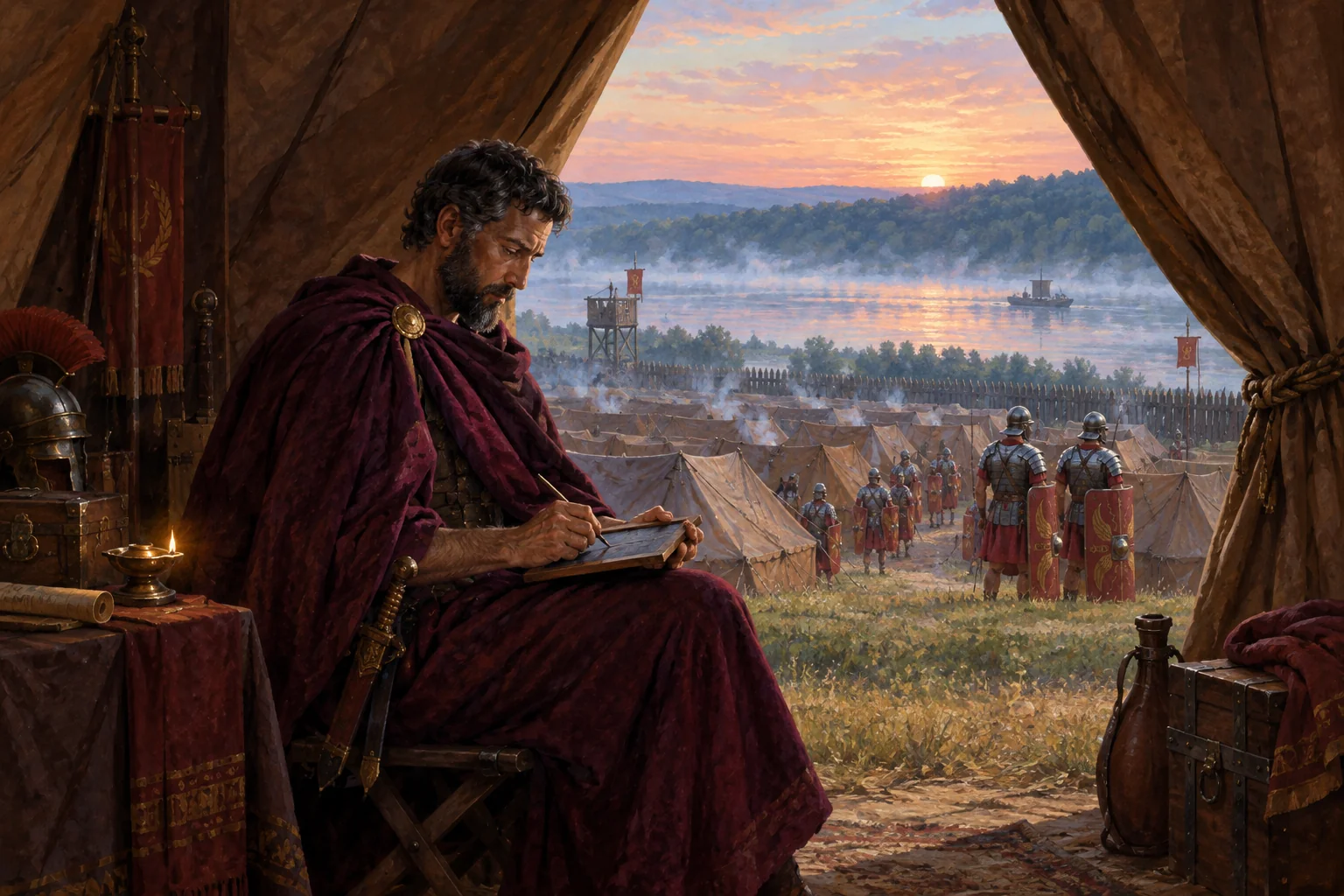
Meditations Book 2 explained: preparation for a difficult day
A close reading of Meditations Book 2, focusing on how to prepare for difficult interactions, manage distractions, and focus on the present moment.
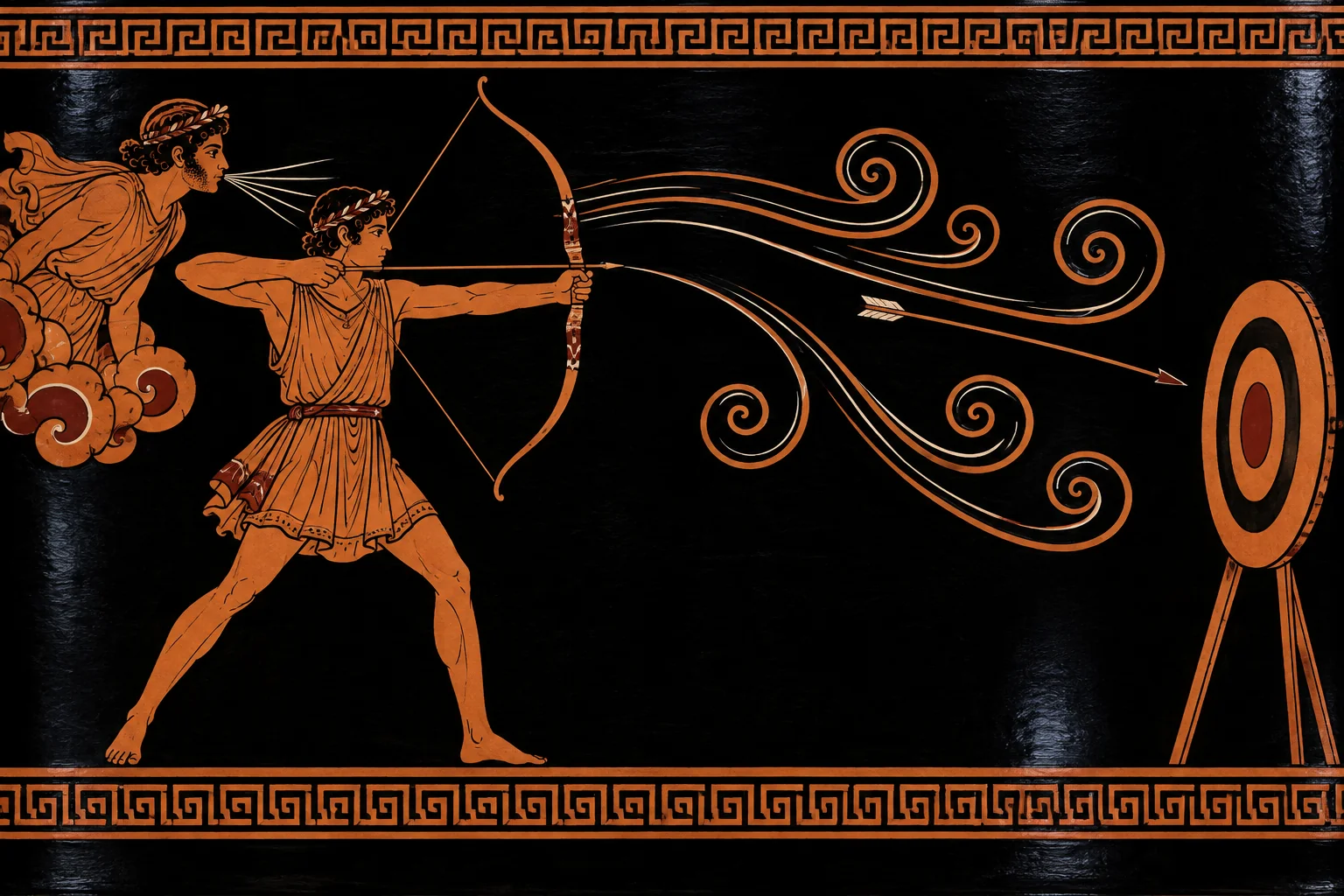
Stoic control: what depends on you, and what still needs action
Epictetus separates our judgments and choices from outcomes we cannot command. A rejected project shows how to act within real constraints.
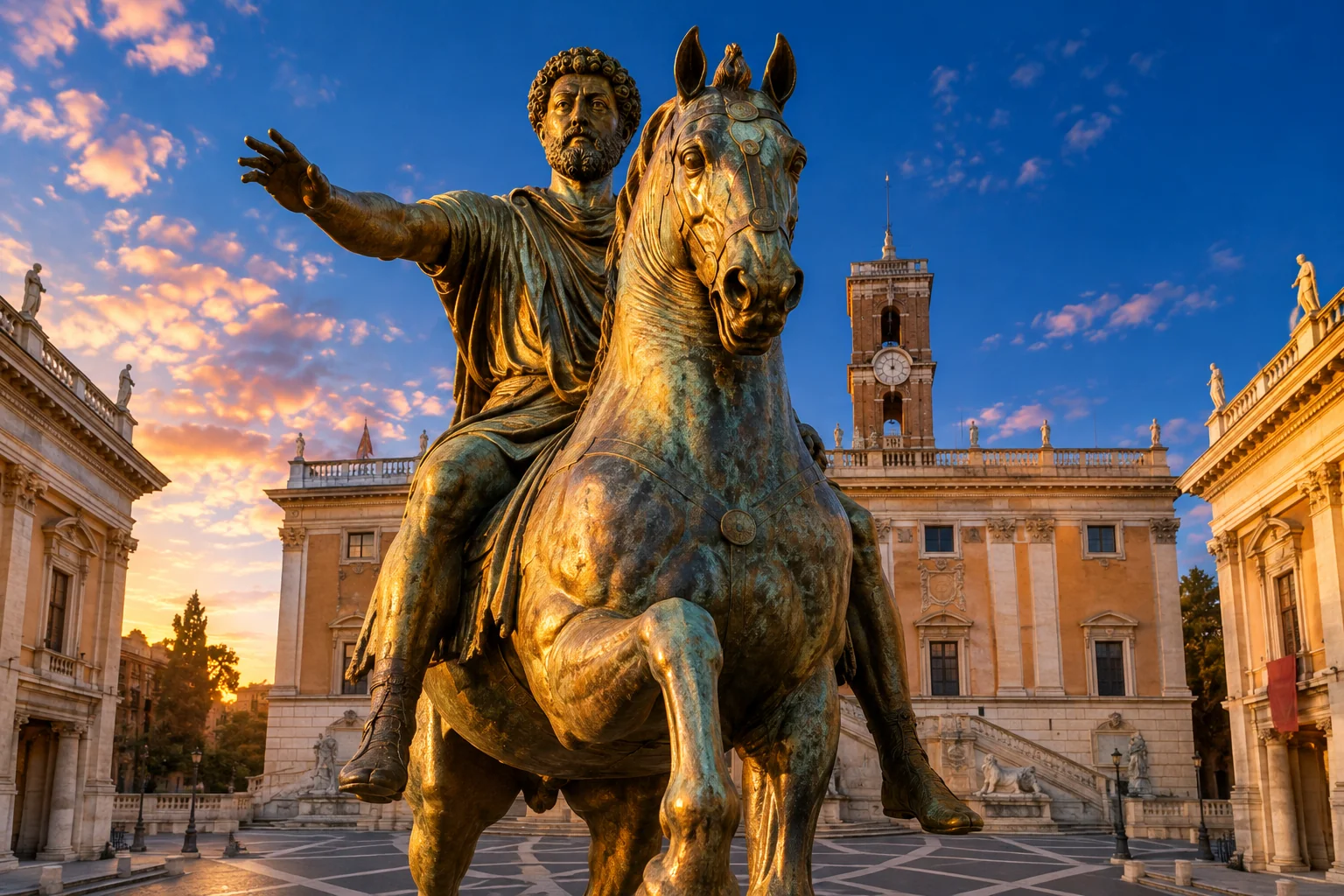
Who Was Marcus Aurelius? The Roman Emperor Behind Meditations
Marcus Aurelius was a second-century Roman emperor who practiced Stoic philosophy, leaving behind a collection of private notes known today as Meditations.
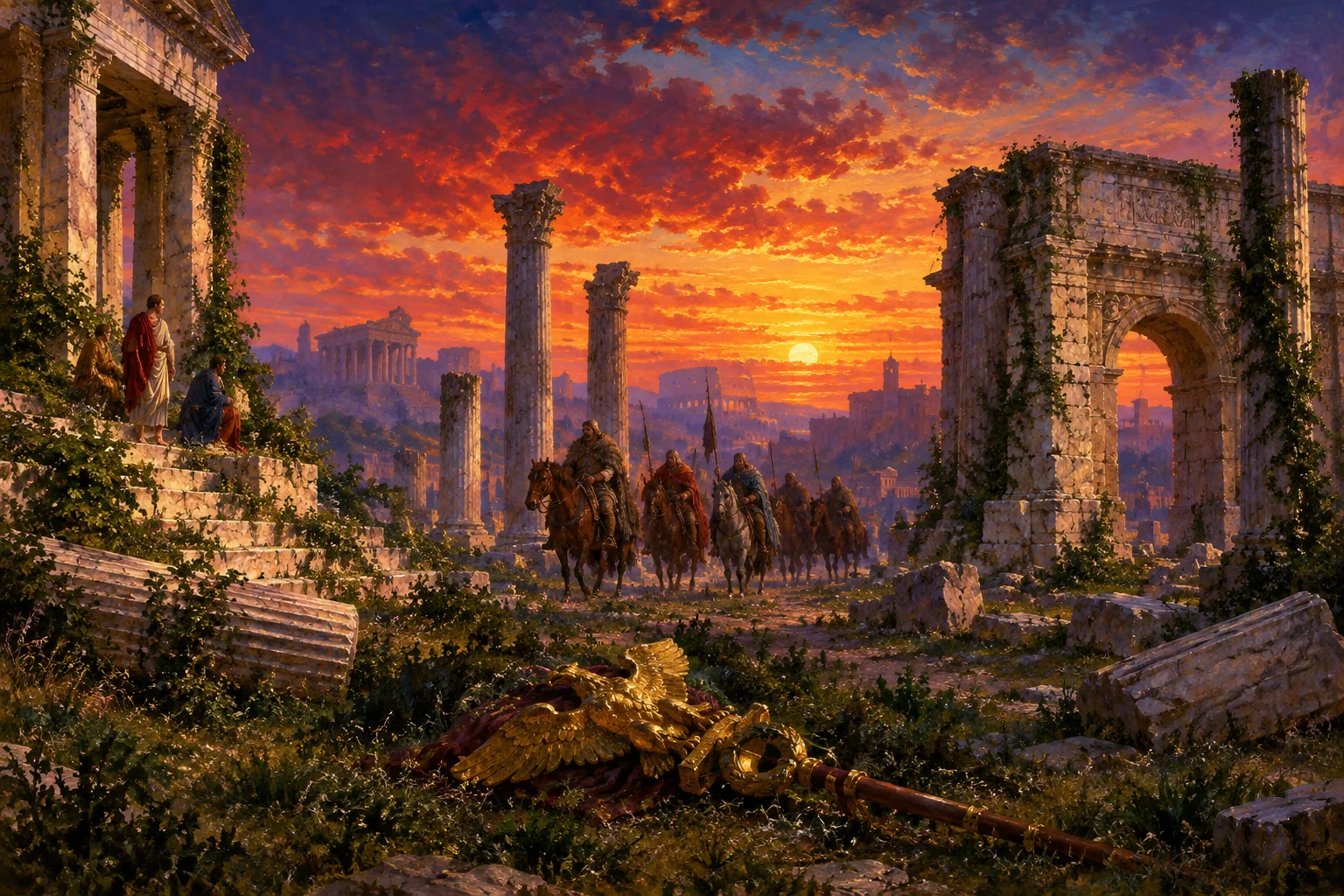
The Fall of the Roman Empire: How the Greatest Power in History Collapsed
For a thousand years, Rome ruled the known world. Then it didn't. Discover the real reasons behind the most dramatic collapse in history — political …
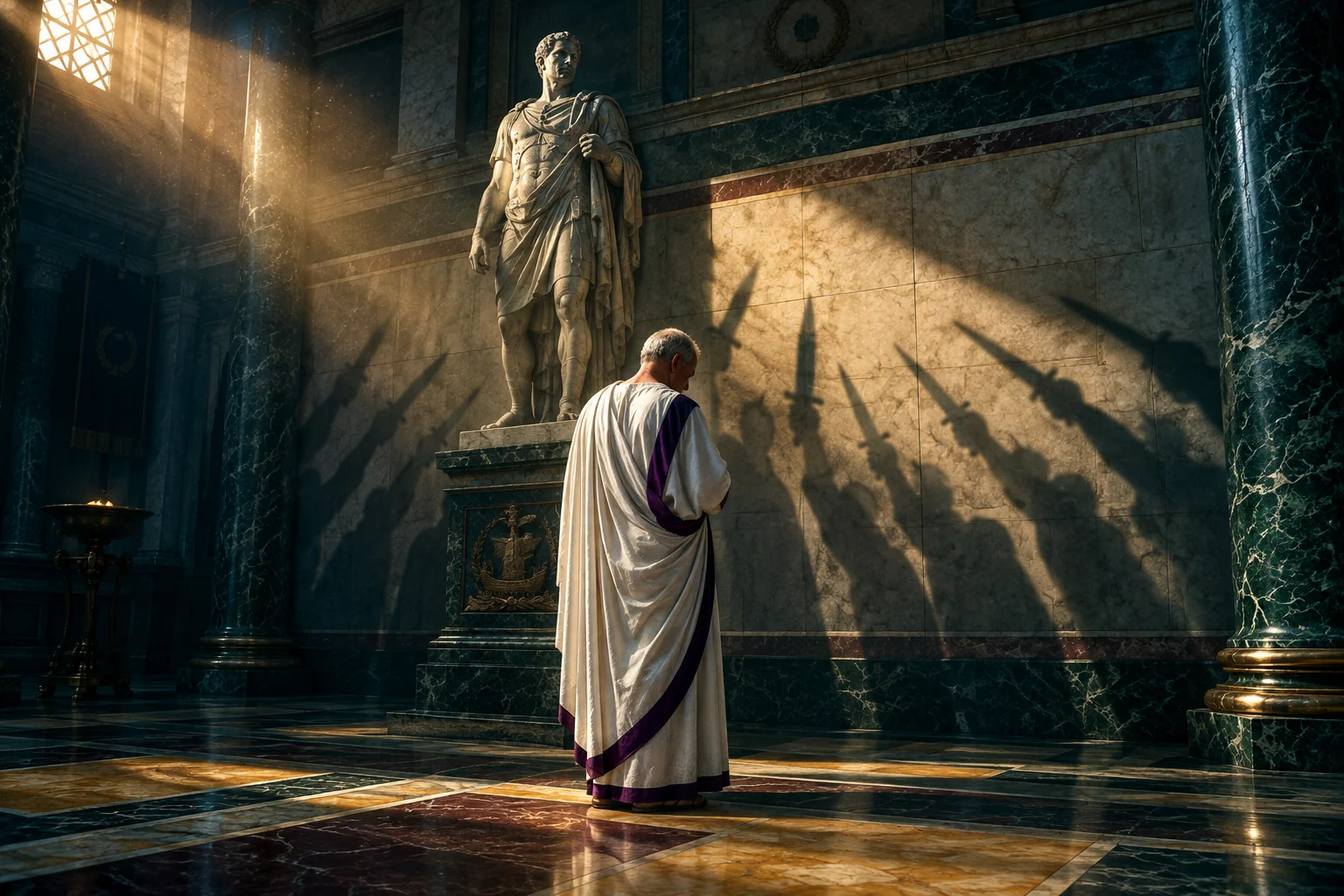
The Assassination of Julius Caesar: The Ides of March Explained
On March 15, 44 BC, the most powerful man in the world walked into a meeting room and was stabbed 23 times by men he …