0% • 11 min left

The Second Opium War (Arrow War, 1856–1860)

October 30, 2026
The Second Opium War, also called the Arrow War, pitted Britain and France against Qing China from 1856 to 1860. The treaties that ended it opened more ports, effectively legalised the opium trade, let foreign envoys live in Beijing and handed part of Kowloon to Britain.

Part of: Qing China, Japan and the West (1793–1912)

The Second Opium War (Arrow War, 1856–1860)

Key facts

When
1856–1860
Where
Canton, the Taku Forts, Tianjin and the Beijing area
Who
Britain and France against Qing China
Trigger
The seizure of the Arrow at Canton, 8 October 1856
Key treaties
Tianjin (26 June 1858); Peking (24–25 October 1860)
Outcome
More ports, foreign envoys in Beijing, opium trade effectively legalised, part of Kowloon ceded to Britain
Also called
Arrow War

Timeline

Tap a step for details. Arrow keys move between steps.

  1. 1856 (8 October)

    Qing officials board the Arrow at Canton

    The Arrow was a Chinese-owned ship registered in Hong Kong, and Qing officials seized twelve of its fourteen Chinese crew. The Qing side said the registration had lapsed a few days earlier, so the seizure was lawful. Britain treated the boarding as an insult and used it to press its demands.

  2. 1856 (late October)

    British warships bombard Canton

    The Royal Navy bombarded Canton in late October and breached the city walls on 29 October. Governor-General Ye Mingchen released nine of the twelve crew, kept three and rejected the British demands. Sources disagree on the exact start of the bombardment.

  3. 1857 (1 June)

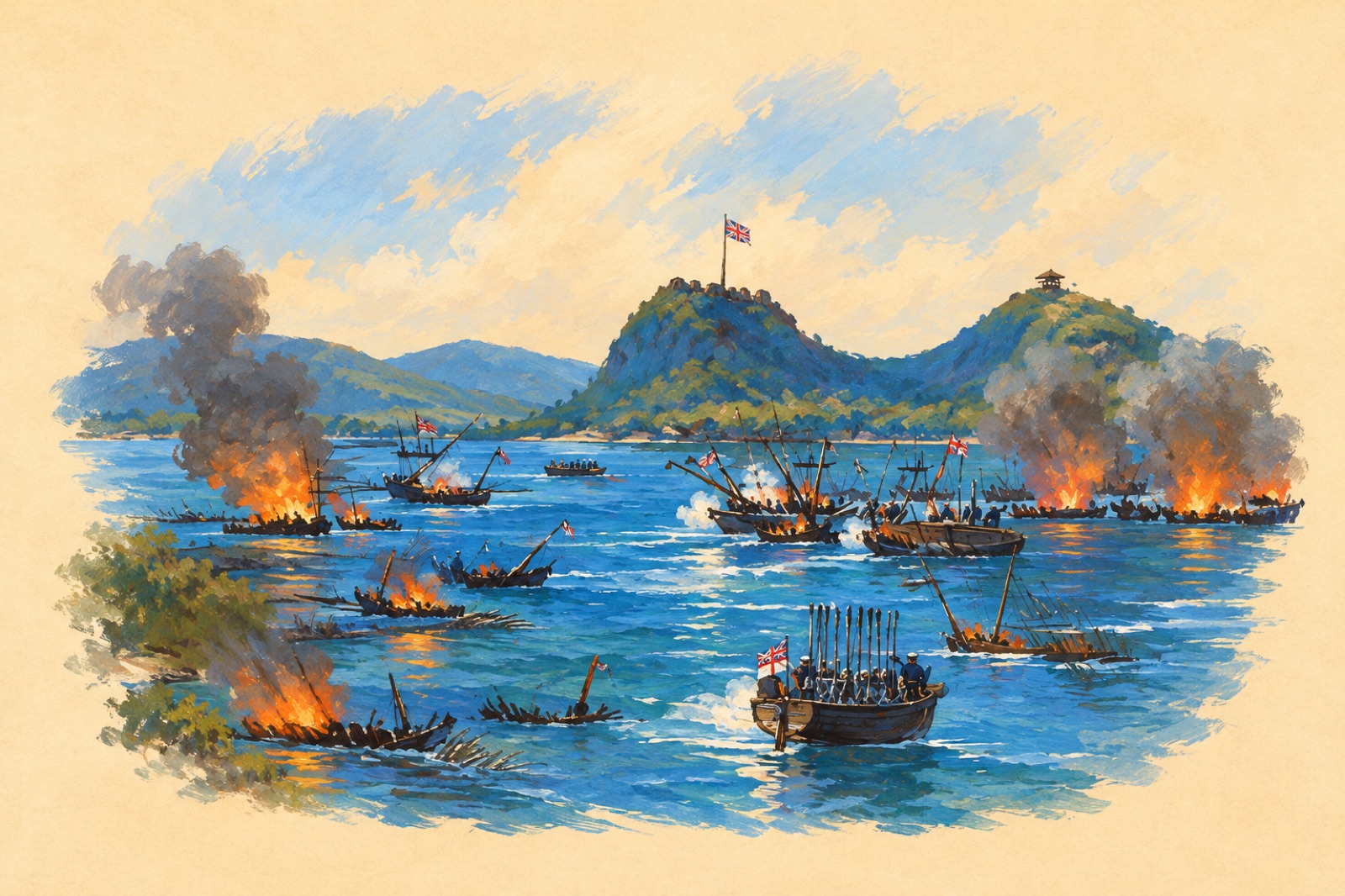
    Royal Navy defeats Chinese war junks at Fatshan Creek

    Rear-Admiral Sir Michael Seymour attacked the Chinese fleet at Fatshan Creek and won. British losses were 13 killed and 44 wounded. The victory cleared the way for the advance on Canton.

    Also in 1857:More from 1857

  4. 1857 (December) to 1858 (1 January)

    Allied forces take Canton

    The allies stormed Canton in December 1857 and captured it on 1 January 1858, with fewer than 6,000 troops by one account. The city became a base for the next stage of the war. The Qing court still refused to accept foreign envoys in Beijing.

  5. 1858 (20 May)

    British forces capture the Taku Forts

    Allied forces captured the Taku Forts guarding the mouth of the Hai River, which opened the way towards Tianjin. The Qing court then came to terms. The later peace treaty returned the forts to the Qing army.

  6. 1858 (26 June)

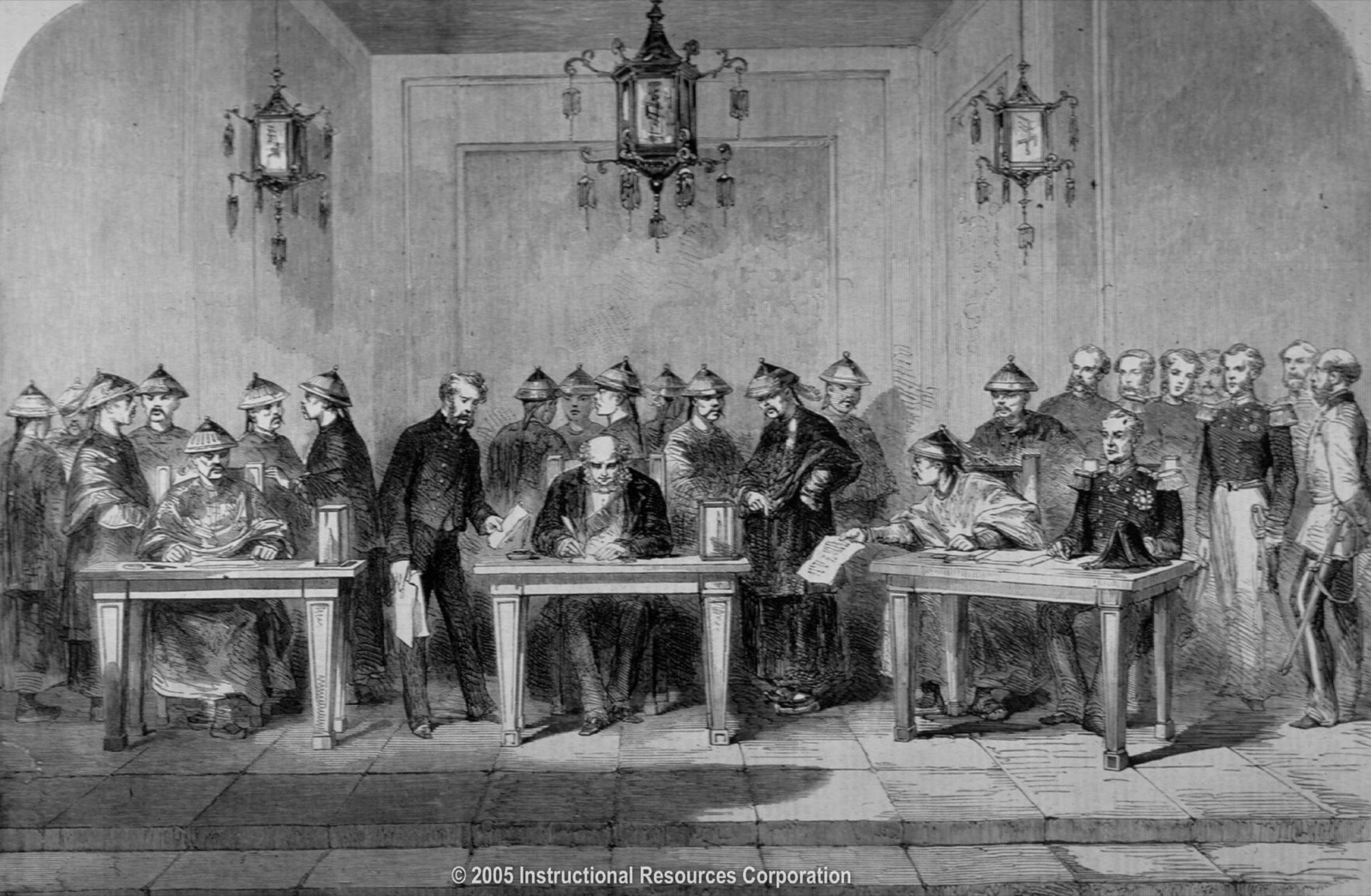
    Treaty of Tianjin signed with Britain

    Illustrated London News engraving of the signing of the Treaty of Tientsin, with Hwa-Sha-Na, the Earl of Elgin and Kwei-Leang.
    Illustrated London News [ 1 ], public domain, via Wikimedia Commons

    Lord Elgin signed the British treaty at Tianjin on 26 June 1858. The treaties allowed foreign envoys to live in Beijing, opened about ten more ports and let foreigners travel inside China with passports. Russian, American and French treaties followed in June.

  7. 1859 (25 June)

    The second attack on the Taku Forts fails

    Admiral James Hope led a British fleet up the Hai River to force a passage past the forts. Heavy Qing fire and the river's mud left many gunboats stranded or sunk. British casualty estimates vary widely, from about 81 to 519 killed and 345 to 456 wounded, depending on the historian.

    Also in 1859:More from 1859

  8. 1860 (late July to early August)

    The allied army lands at Beitang

    The Anglo-French army landed at Beitang, about 16 kilometres north of the Taku Forts, avoiding the river mouth that had failed the year before. Sources give slightly different start dates. One account says the whole force was ashore by 7 August.

  9. 1860 (21 August)

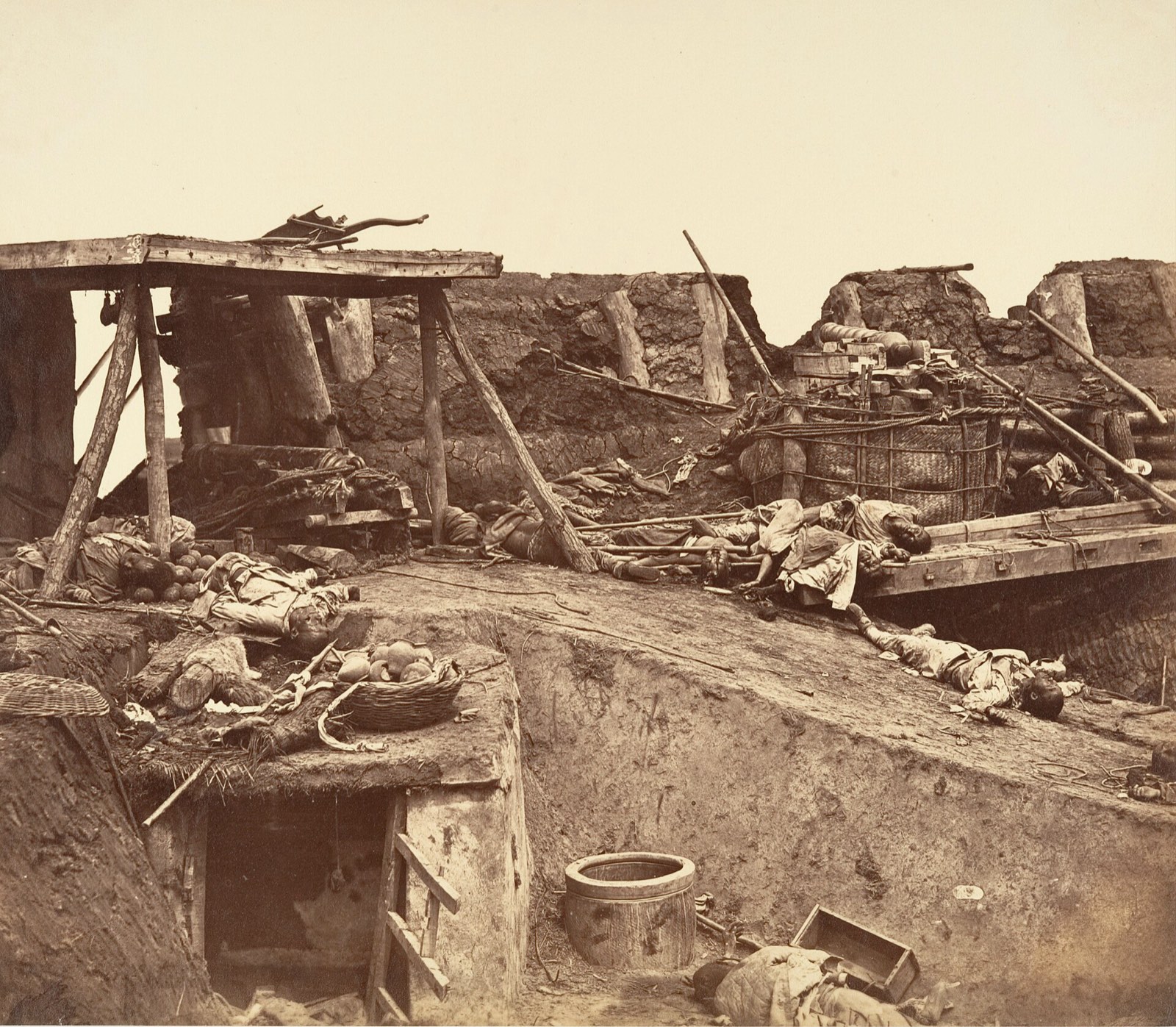
    Allies capture the Taku Forts

    Felice Beato photograph of a Taku fort after its capture by Anglo-French troops, August 1860.
    Felice Beato, public domain, via Wikimedia Commons

    The allies assaulted the Taku Forts on 21 August, and the other forts fell or surrendered soon after. The defenders were about 7,000 men, including some 2,000 cavalry, with at least 45 guns. British losses were 201 and French losses 158, and seven Victoria Crosses were awarded for the day.

  10. 1860 (18 September)

    Allied negotiators are arrested

    Harry Parkes and other members of an allied negotiating party were arrested by Qing forces. Many of the captives died in custody. The survivors were released on 8 October, and the mistreatment led Lord Elgin to order the burning of the Old Summer Palace.

  11. 1860 (21 September)

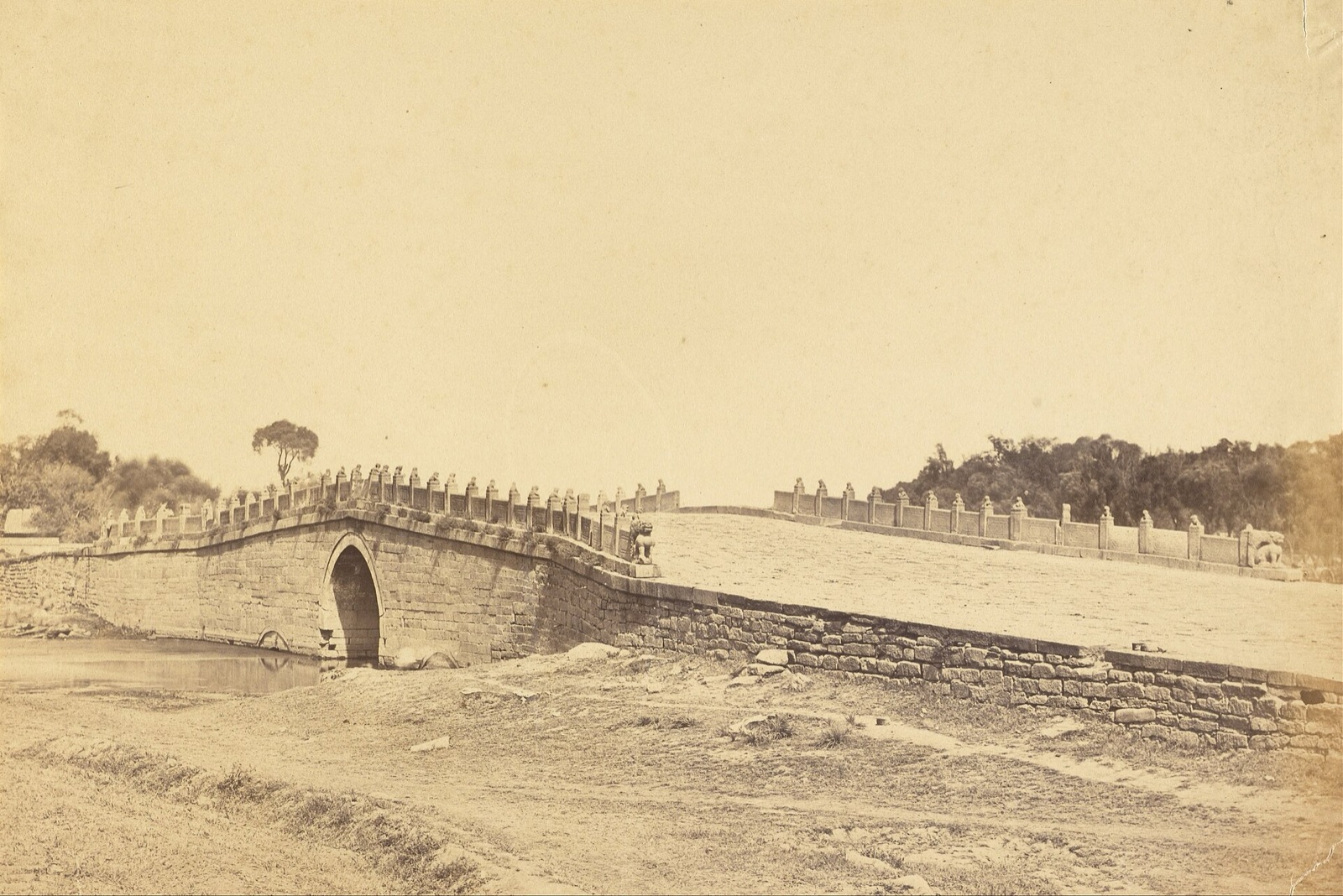
    Battle of Baliqiao (Palikao)

    Felice Beato photograph of the bridge at Pa-li-k'um (Baliqiao), the scene of the fight with Imperial Chinese troops.
    Felice Beato, public domain, via Wikimedia Commons

    Allied forces attacked the Qing army on the road to Beijing, where Sengge Rinchen's Mongol cavalry were posted. The Qing line broke and the road to Beijing opened. Allied losses were light, with 2 British and 3 French killed. Qing losses are usually given as about 1,200, though figures are unreliable.

  12. 1860 (early October)

    Allied troops loot the Old Summer Palace

    French troops entered the Yuanmingyuan, the Old Summer Palace, around 6 October, and British troops followed a day later. Over the following days, soldiers from both armies looted its treasures. The looting came before Elgin ordered the palace burned.

  13. 1860 (18 October)

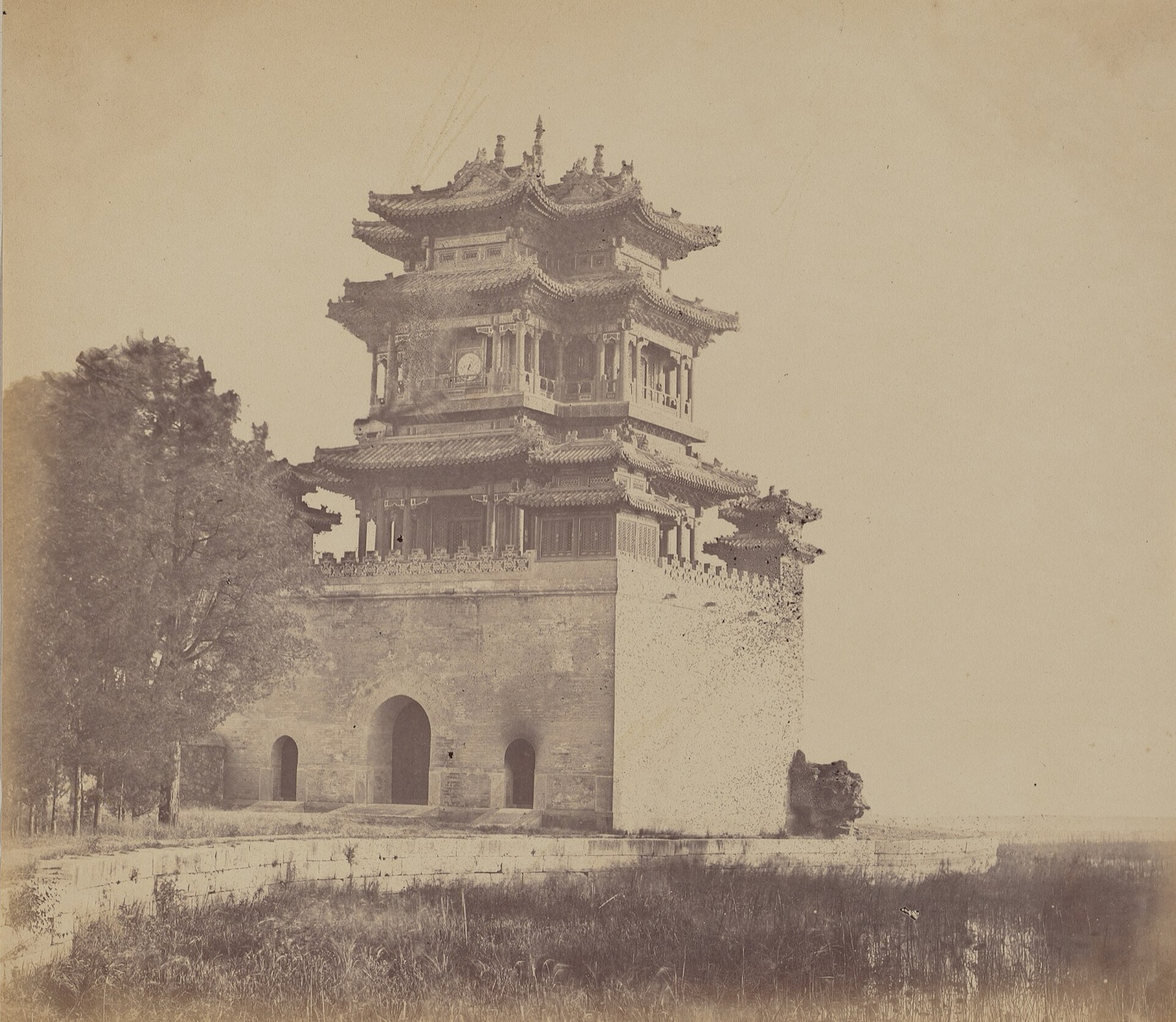
    Lord Elgin orders the Old Summer Palace burned

    Felice Beato photograph of the Imperial Summer Palace at Yuanmingyuan, Peking, before it was burned on 18 October 1860.
    Felice Beato, CC0, via Wikimedia Commons

    British soldiers burned the palace on Elgin's order as retaliation for the treatment of the captured negotiators. The French declined to take part. The fires lasted two to three days and left the palace in ruins. The photograph shows the palace before the fire.

  14. 1860 (24 October)

    Convention of Peking signed

    Prince Gong signed the Convention with Lord Elgin on 24 October, and the French convention followed on 25 October. The Convention confirmed the Tianjin treaty and ceded the part of Kowloon south of Boundary Street to Britain. The indemnity rose to 8 million taels each for Britain and France.

  15. 1865 (18 May)

    Sengge Rinchen is killed in Shandong

    Sengge Rinchen was ambushed by Nian rebels in a tavern at Heze in Shandong and killed. He had led the Mongol cavalry at Baliqiao in 1860, and his death ended his career as a Qing commander.

Maps

Tap a map to zoom

  • Nineteenth-century map of the Anglo-French march from the Peiho coast to Peking in 1860, with a second panel of the Pehtang and Taku forts and the allied positions.

    The 1860 march to Peking, with the allied positions at Pehtang and the Taku Forts. From H. B. Loch's account, published 1869.

    H. B. Loch, public domain, via Wikimedia Commons

  • Sketch map of the operations of the allied armies around the Taku Forts, 1–21 August 1860.

    Allied operations around the Taku Forts, 1–21 August 1860.

    Allgood, public domain, via Wikimedia Commons

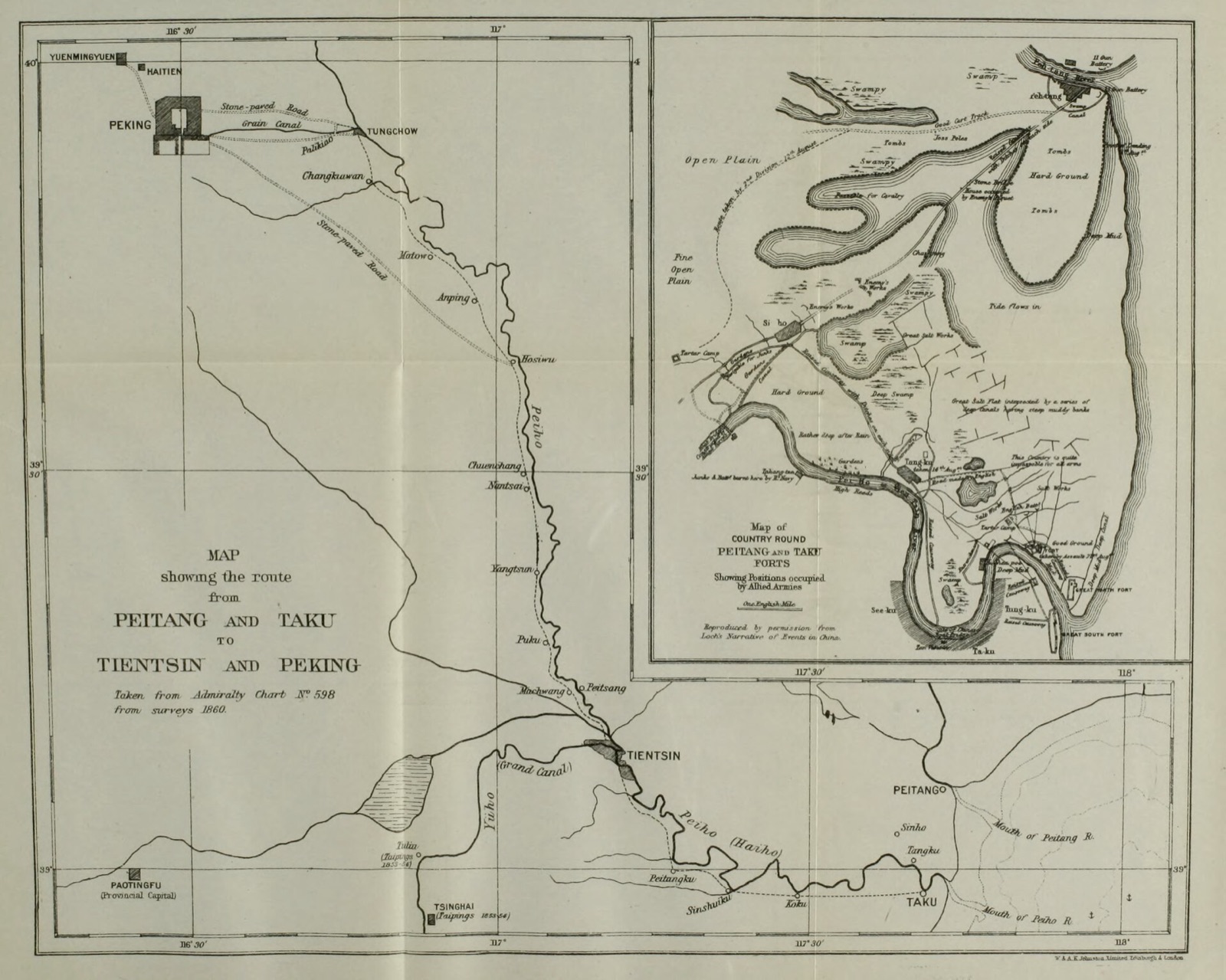
  • Map of the 1860 route from Peitang and Taku to Tientsin and Peking, with a second map of the country round Peitang and the Taku Forts showing the allied armies' positions.

    The allied route from the coast to Tientsin and Peking, 1860.

    Unknown author, public domain, via Wikimedia Commons

  • British War Office sketch map showing the preparations to breach the Peking city wall near the Temple of the Earth, 11–12 October 1860.

    British plan for breaching the Peking wall, 11–12 October 1860. Lithographed by the War Office Topographical Department.

    Great Britain. War Office. Topographical Department, public domain, via Wikimedia Commons

The Second Opium War, also called the Arrow War, was fought from 1856 to 1860 between Qing China on one side and Britain and France on the other. The allies wanted better trade terms, foreign envoys living in Beijing and a secure legal footing for the opium trade. Their march on Beijing ended with the burning of the Old Summer Palace and the Convention of Peking. This article is part of our Qing China, Japan and the West topic.

The Second Opium War in five minutes

A ship seizure at Canton gave Britain its reason to fight in 1856, and France joined the campaign. The allies took Canton, then moved north to the Taku Forts, which guarded the mouth of the Hai River and the water route to Tianjin. The Treaty of Tianjin in 1858 opened China much further to foreigners, but the Qing court delayed ratifying it, and a British attack on the Taku Forts in 1859 failed. In 1860 the allies marched on Beijing, won at Baliqiao, burned the Old Summer Palace and forced the Convention of Peking. A dispute over one ship had grown into a war that reshaped China's treaty system.

Causes: the Arrow incident and the road to war

On 8 October 1856, Qing officials at Canton boarded the Arrow, a Chinese-owned vessel registered in Hong Kong, and seized twelve of its fourteen Chinese crew members. Chinese officials later argued that the ship's registration had lapsed a few days earlier, which made the seizure lawful. British officials treated the boarding as an insult to their flag and used it to press their demands.

The Arrow was the trigger, not the whole cause. The Treaty of Nanking (1842), which ended the First Opium War, had opened several ports, but most foreign trade still ran through Canton, and foreign diplomats had no secure right to live in Beijing. Britain wanted a resident envoy in the capital, more ports, freedom to travel inside China and clearer terms on the opium trade. The Qing court had little appetite for these changes.

Ye Mingchen, the governor-general at Canton, released nine of the twelve crew members, kept three and refused the British demands. The Royal Navy bombarded Canton in late October 1856 and breached the city walls on 29 October. Sources differ on the exact start of the bombardment, so this article gives only the late-October date.

Who was fighting and why

Britain led the campaign, and its aims were commercial and diplomatic: trade access, envoys in Beijing and treaty revisions that the 1842 settlement had not delivered. France had its own grievances and joined the British effort. The Qing court's priority was to keep foreign envoys out of Beijing, and it was also fighting the Taiping Rebellion, a civil war that drained its resources.

Two Qing leaders shaped the war. Sengge Rinchen, a Mongol prince, commanded the cavalry and led the defence at the Taku Forts in 1859 and at Baliqiao in 1860. Prince Gong, the Xianfeng Emperor's brother, handled the diplomacy in 1860. On the allied side, Lord Elgin ran the negotiations, Lieutenant-General Sir James Hope Grant led the British land forces and General Cousin-Montauban commanded the French corps.

Why the war dragged on

The Arrow incident explains how the war started, but not why it lasted until 1860. Historians often point to two reasons. The first is the gap between treaty text and practice: after the 1842 settlement, foreigners still could not live in Beijing, and trade remained concentrated at Canton. For the Qing court, resident envoys in the capital touched the core of its control. The second is slow ratification. The Qing delayed putting the 1858 treaty into effect, so Britain and France concluded that only a show of force near the capital would secure their terms. That is why the 1858 treaties did not end the fighting, and why the war moved from Canton to the Taku Forts and then to Beijing.

Fatshan Creek and the fall of Canton

On 1 June 1857, a Royal Navy force under Rear-Admiral Sir Michael Seymour attacked a Chinese fleet of war junks at Fatshan Creek, near Canton, and won. British losses were 13 killed and 44 wounded. The Chinese lost a fort, about 25 guns and 70 to 80 war junks, which were captured. The victory opened the way to Canton.

By one account, fewer than 6,000 troops took Canton at the turn of 1857 and 1858, with the capture dated to 1 January 1858. Taking the city did not end the war. The allies still needed the Qing court to accept envoys in Beijing, and Canton was far from the capital. They therefore moved north towards the Taku Forts.

1858: the Taku Forts and the Treaty of Tianjin

The Taku (Dagu) Forts controlled the mouth of the Hai River and the route to Tianjin and Beijing. Allied forces captured them on 20 May 1858, and the Qing then came to terms. Lord Elgin signed the British treaty at Tianjin on 26 June 1858. According to one account, the Russian, American and French treaties were concluded on 13, 18 and 27 June 1858.

The Treaty of Tianjin allowed foreign envoys to live in Beijing, opened about ten more ports, let foreign ships use the Yangtze and let foreigners travel inside China with passports. It also barred China from treating Christianity as a harmful superstition. Indemnities totalled 6 million taels: 4 million for Britain, half of it for military costs and half as compensation for British merchants, and 2 million for France. Revised tariffs effectively legalised the import of opium.

The Qing court was slow to ratify these terms. When British envoys tried to take the ratifications to Beijing by the Hai River route, they ran into the Taku Forts, and that blockage led directly to the next battle.

1859: the failed attack on the Taku Forts

On 25 June 1859, Admiral James Hope led a British fleet up the Hai River to force a passage past the forts. Heavy Qing fire, together with the river's mud and shallows, left many gunboats stranded or sunk, and the attack failed.

Hope had about 1,160 men ashore, with eleven gunboats and four steamships. The Qing defenders numbered about 4,000 troops, with 60 guns in six forts, under Sengge Rinchen. British casualty estimates vary widely between historians, from about 81 to 519 killed and 345 to 456 wounded, so the combined dead and wounded are best given as roughly 430 to nearly 1,000. The French lost 12 killed and 23 wounded.

The American Commodore Josiah Tattnall, although his country was neutral, towed loaded boats into the battle to help the British. Many historians regard this as arguably a breach of neutrality. For the Qing, the victory was a relief, but it did not settle the dispute. Britain began preparing a far larger expedition for 1860.

1860: the allied march on Beijing

The 1860 expedition avoided the river mouth. The Anglo-French army landed at Beitang, about 16 kilometres north of the Taku Forts, between late July and early August 1860. One account says the whole force was ashore by 7 August. Allied strength is commonly given as about 11,000 British, including roughly 1,000 cavalry, and 6,700 French.
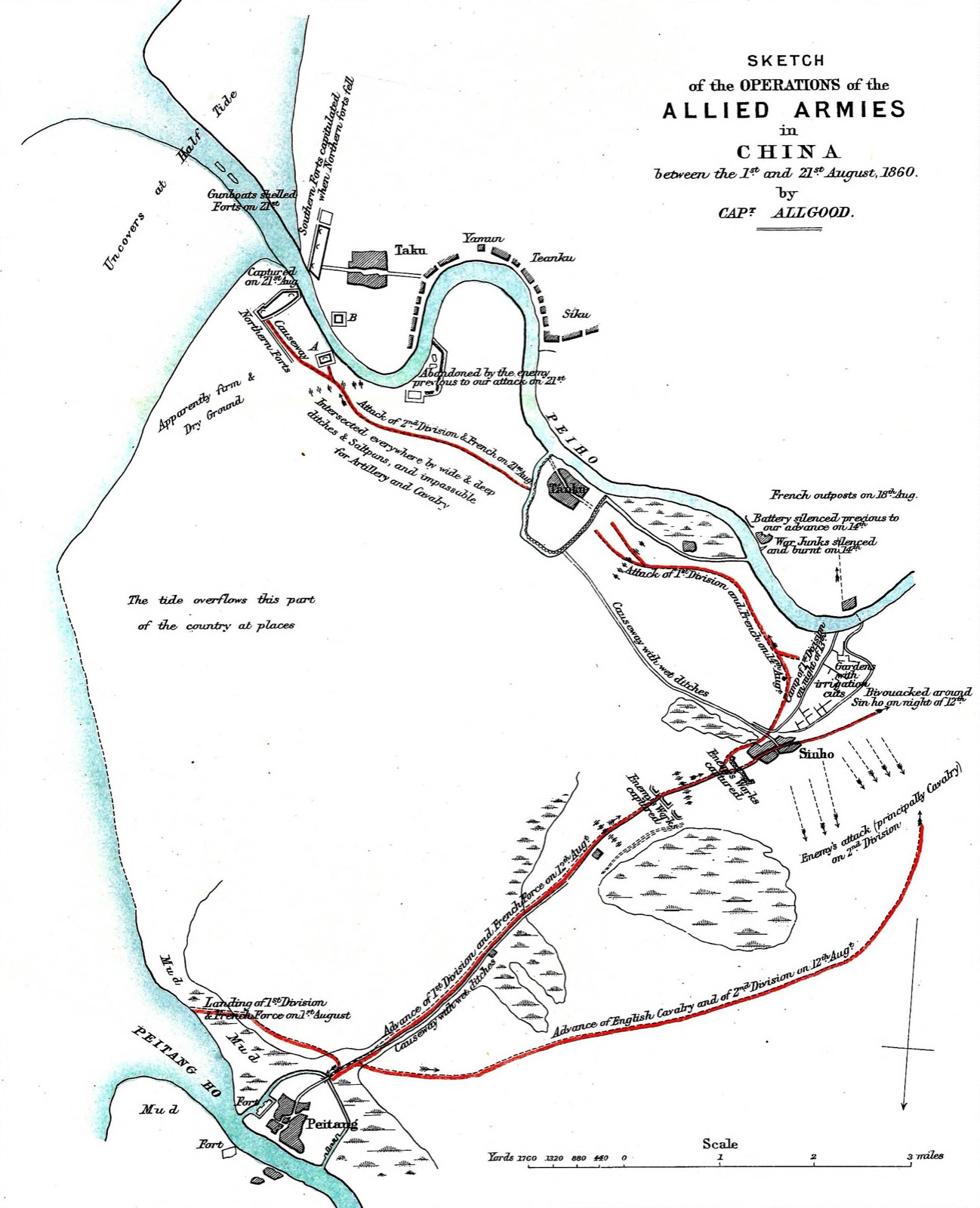
Sketch map of the operations of the allied armies around the Taku Forts, 1–21 August 1860.
Allied operations around the Taku Forts, 1–21 August 1860. Allgood, public domain, via Wikimedia Commons

On 21 August 1860, the allies assaulted the Taku Forts. The defenders were about 7,000 men, including some 2,000 cavalry, with at least 45 guns. British losses were 201 and French losses 158. Seven Victoria Crosses were awarded for the day's fighting, to men of the 44th and 67th Regiments.

From Taku the army moved on through Tianjin towards Beijing, and a Qing army stood in its path.
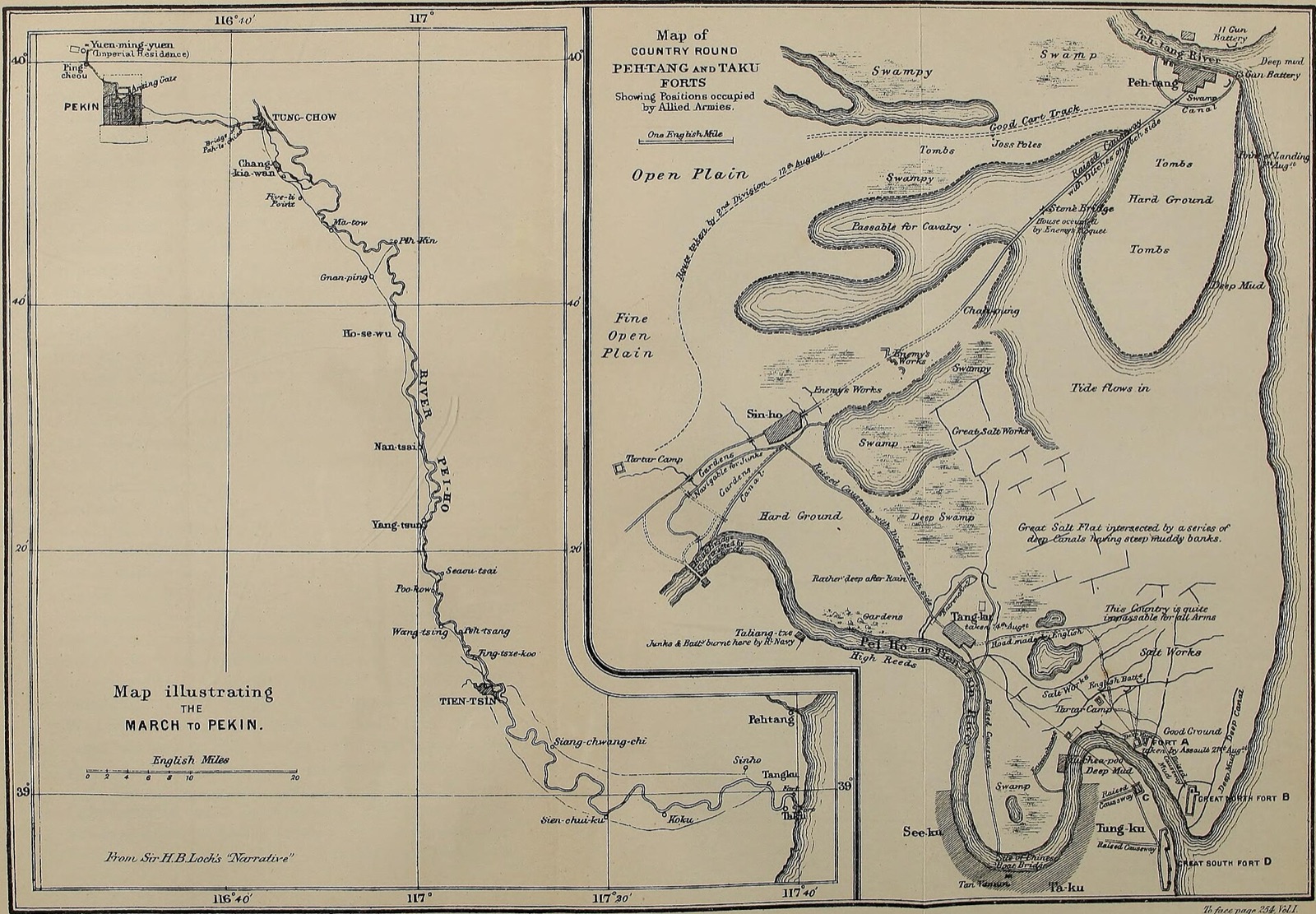
Nineteenth-century map of the Anglo-French march from the Peiho coast to Peking in 1860, with a second panel of the Pehtang and Taku forts and the allied positions.
The 1860 march to Peking, with the allied positions at Pehtang and the Taku Forts. From H. B. Loch's account, published 1869. H. B. Loch, public domain, via Wikimedia Commons
Map of the 1860 route from Peitang and Taku to Tientsin and Peking, with a second map of the country round Peitang and the Taku Forts showing the allied armies' positions.
The allied route from the coast to Tientsin and Peking, 1860. Unknown author, public domain, via Wikimedia Commons

Zhangjiawan and the battle of Baliqiao (Palikao), September 1860

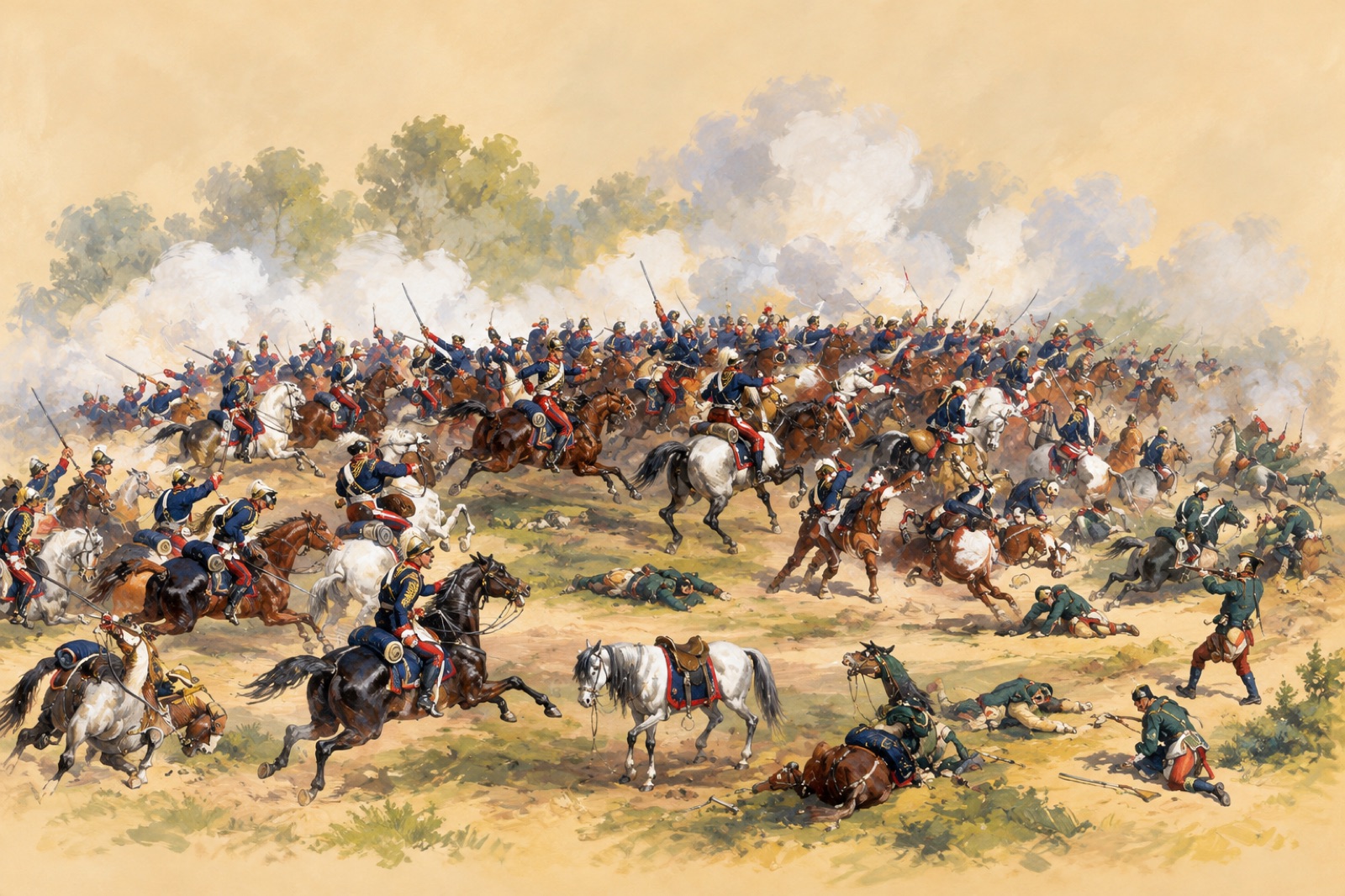
On the morning of 18 September 1860, British cavalry won a fight against Mongol cavalry at Zhangjiawan (Changkiawan), east of Tongzhou and close to Beijing. The King's Dragoon Guards charged the Qing horsemen there under Lieutenant-Colonel Sayers. The battle is dated to 18 September, but some British accounts give 20 or 21 September for the charge itself, so the exact day should be read with care.

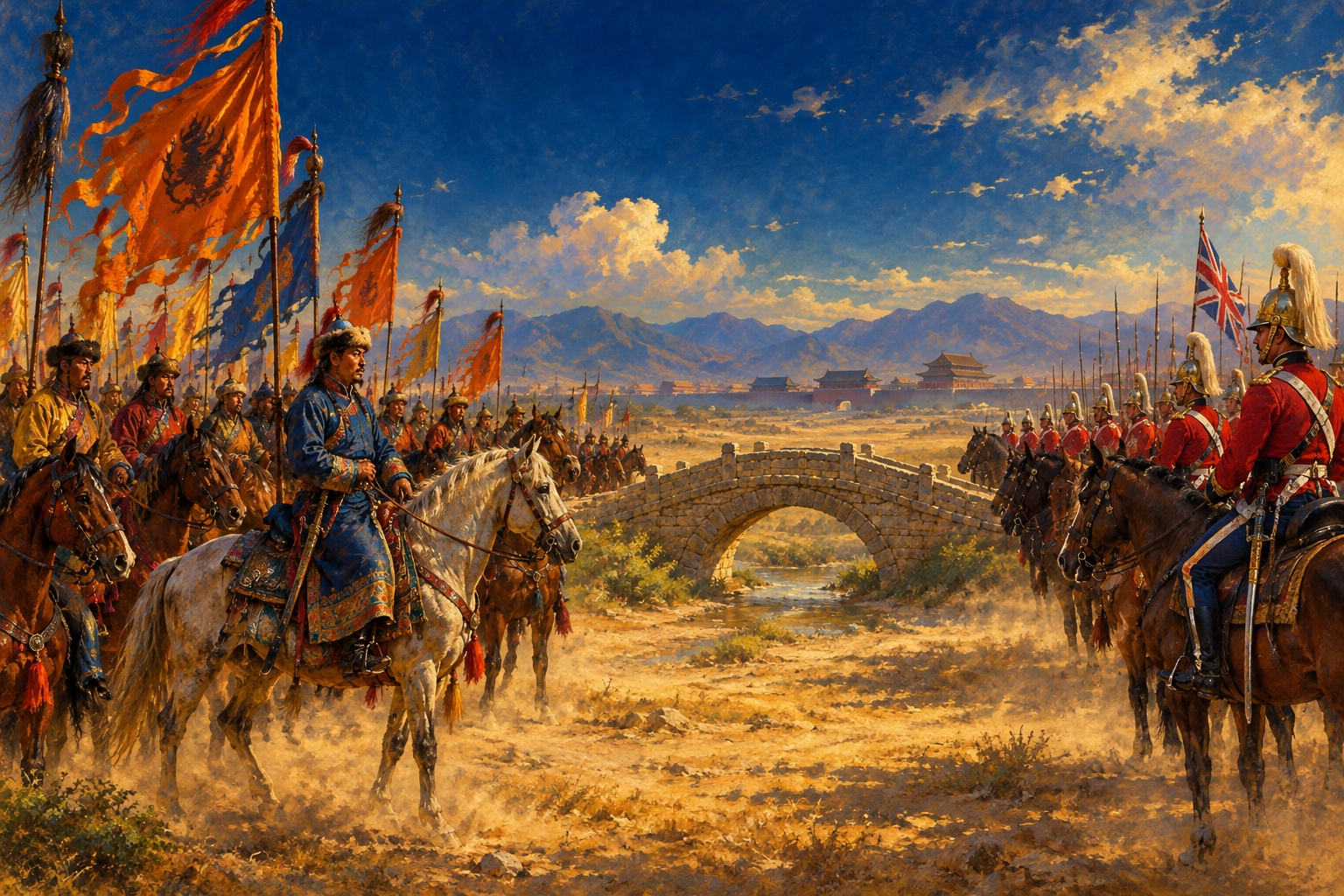
Baliqiao, known to the British as Palikao or Eight Mile Bridge, lay on the road to Beijing. On 21 September 1860, the Qing army was waiting there, with Sengge Rinchen's Mongol cavalry among its troops. The allies had about 10,000 men by most estimates. Qing forces are put anywhere between about 20,000 and 50,000 men, depending on the source. Allied cavalry attacked from the left and forced the Qing back over the two bridges. The Qing line broke, and the road to Beijing lay open.

Hope Grant commanded the British forces and Cousin-Montauban the French. Allied losses were light: the British lost 2 killed and 29 wounded, and the French 3 killed and 18 wounded. Qing losses are usually given as about 1,200, but figures for this battle are unreliable. Cousin-Montauban was later made Count of Palikao for the victory.

The burning of the Old Summer Palace

On 18 September 1860, Harry Parkes and other members of an allied negotiating party were arrested by Qing forces. Many of the captives died in custody, and the survivors were released on 8 October. Lord Elgin treated the mistreatment as something that demanded punishment, and he chose retaliation over further negotiation. A British War Office sketch shows plans to breach the walls of Beijing on 11 and 12 October.
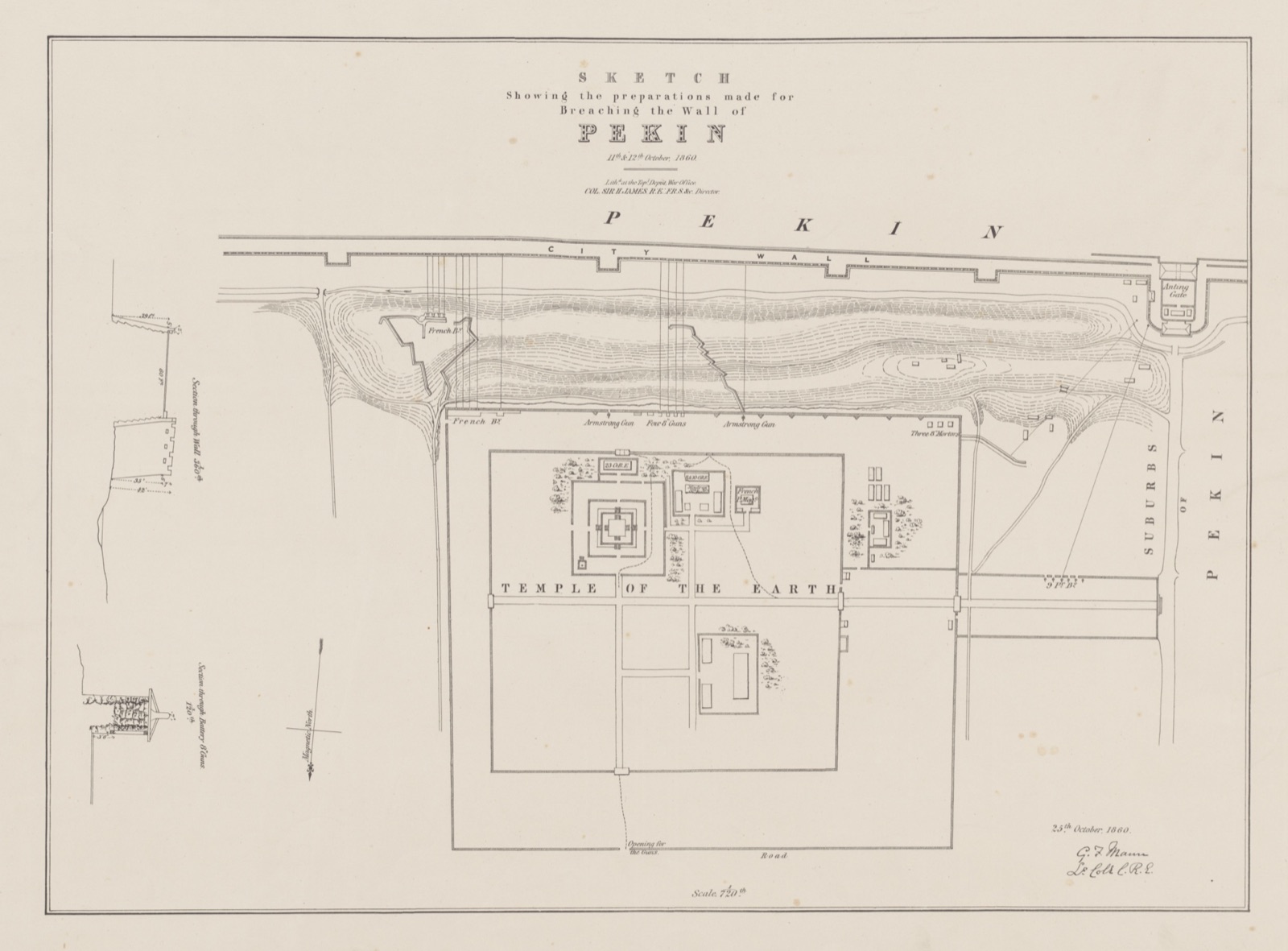
British War Office sketch map showing the preparations to breach the Peking city wall near the Temple of the Earth, 11–12 October 1860.
British plan for breaching the Peking wall, 11–12 October 1860. Lithographed by the War Office Topographical Department. Great Britain. War Office. Topographical Department, public domain, via Wikimedia Commons

Allied troops entered the Yuanmingyuan, the Old Summer Palace, in early October 1860 and looted its treasures over the following days. French troops went in around 6 October, and British troops a day later. On 18 October British soldiers burned the palace on Elgin's order, and the French declined to take part. The fires lasted two to three days and left the palace in ruins.

The Convention of Peking, October 1860

Prince Gong signed the Convention of Peking with Lord Elgin on 24 October 1860. The French convention followed on 25 October, although some accounts date both to 24 October. The Convention confirmed the Treaty of Tianjin, ceded the part of Kowloon south of Boundary Street to Britain in perpetuity, and raised the indemnity to 8 million taels each for Britain and France.

The French convention also required the return of church and charitable property confiscated from Christians. On 14 November 1860, a separate Russo-Chinese treaty, pressed on the Qing by Nikolay Ignatyev, gave Russia the territory east of the Ussuri River.

What changed afterwards

Foreign envoys could now stay in Beijing, and foreign trade was no longer confined to one port. In 1861 the Qing set up a new office to handle foreign affairs, the Zongli Yamen. The opium trade had been effectively legalised, and the treaty pattern begun in 1842 spread to more powers and more ports.

Sengge Rinchen fought on for the Qing. In May 1865, Nian rebels ambushed him in a tavern at Heze in Shandong, and he was killed on 18 May. His death ended the career of the cavalry commander who had led the defence at Baliqiao.

Arrow War or Second Opium War?

Both names describe the same conflict. The Arrow War takes its name from the 1856 Arrow incident that started it. The Second Opium War places it after the First Opium War (1839–1842) and stresses that the opium trade lay at the heart of the dispute. Reference works use both names, so you will see them side by side.

What exams ask

For AP-style questions, focus on why the war mattered, not just the order of events. Strong answers link the Arrow incident and the trade demands to the treaties, and then to the unequal treaty system and to foreign influence in China.

  • Causes: the Arrow incident, limits on trade at Canton and demands for access to Beijing.
  • Key events: Tianjin (1858), the failed Taku attack (1859), the advance on Beijing (1860).
  • Results: the Convention of Peking, part of Kowloon, more ports and the legal opium trade.
  • Comparison: how the Second Opium War extended the terms set by the Treaty of Nanking.

Keep the Treaty of Tianjin (1858) and the Convention of Peking (1860) separate in your notes, because exam questions often test which treaty did what.

Read next

  • The Treaty of Nanking (1842) ended the First Opium War and is the best starting point for seeing what the allies wanted to change.
  • The Unequal Treaties explains the pattern of terms that Qing China accepted in the 1840s and 1850s.
  • The First Opium War (1839–1842) covers the conflict that came before this one.
Armies and units

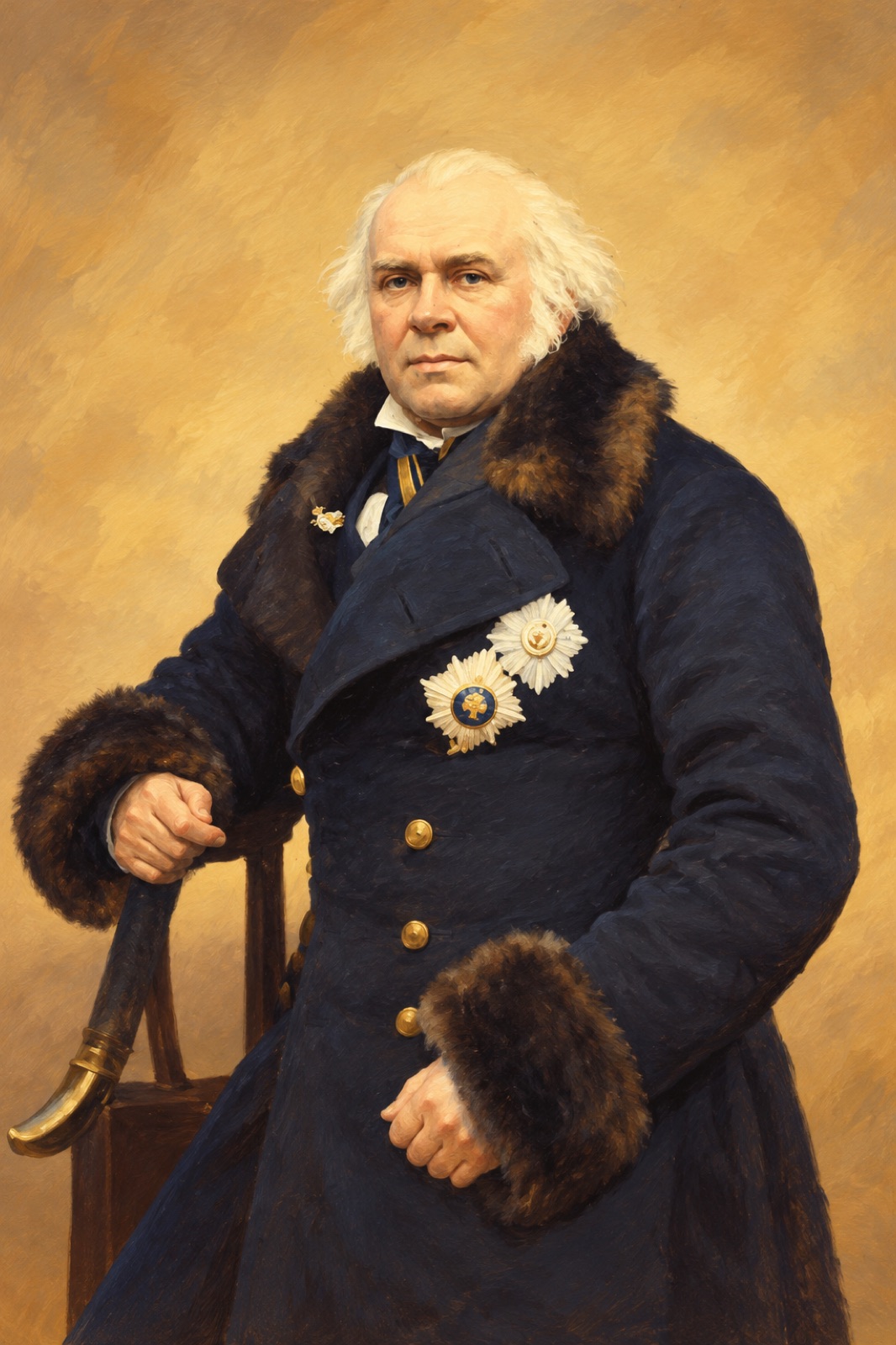
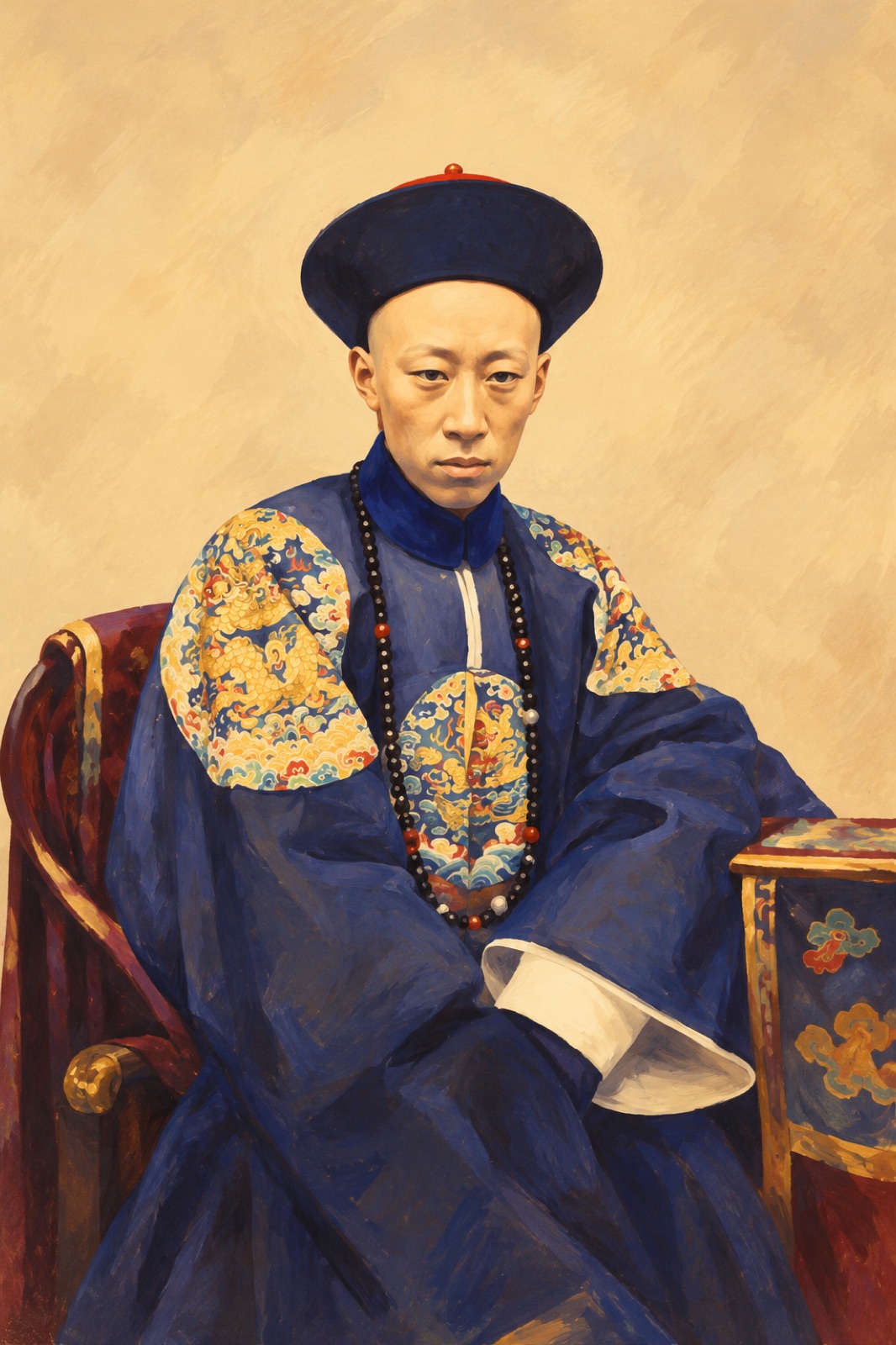
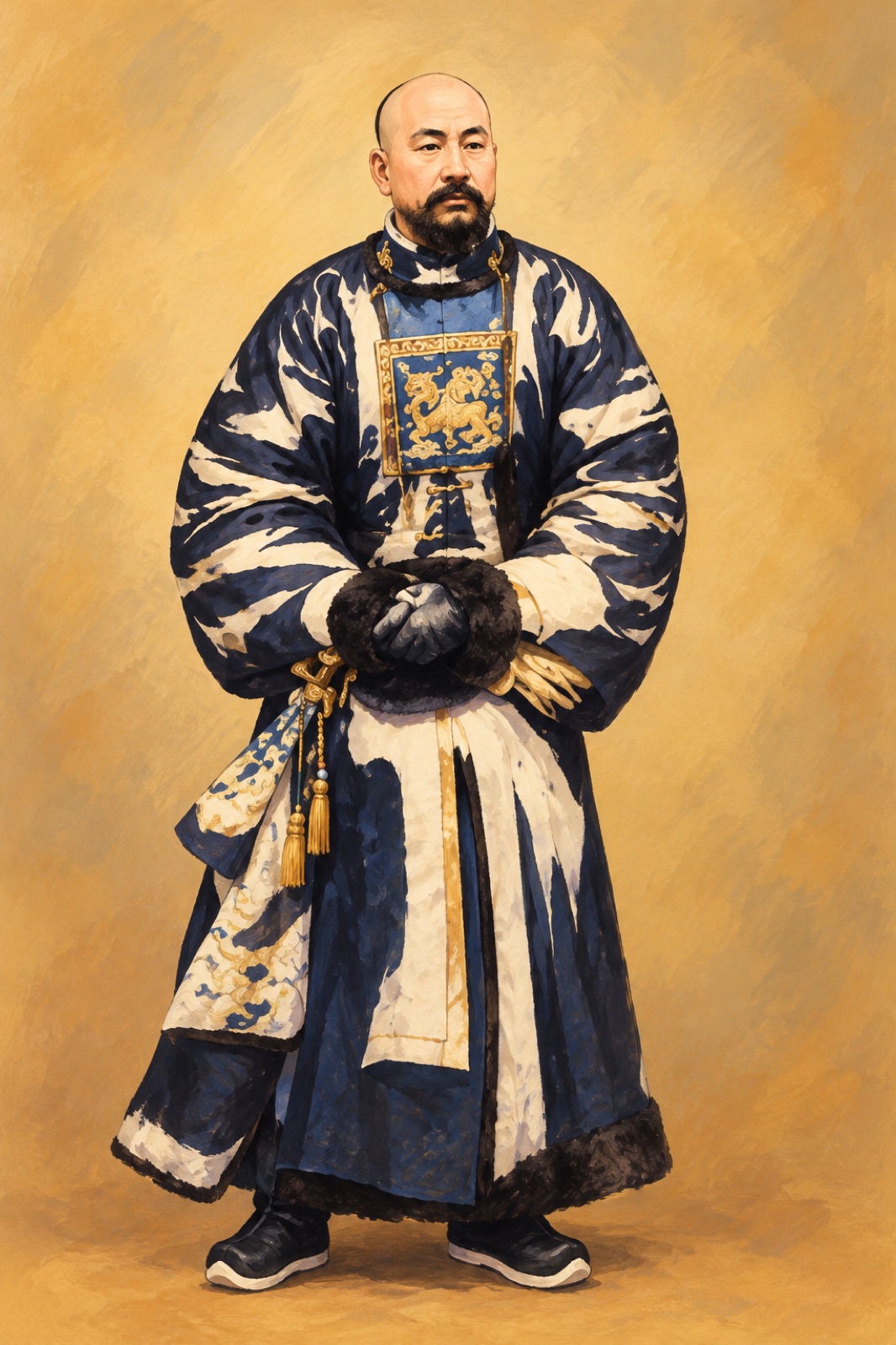
  • Portrait of the Qing Mongol commander Sengge Rinchen. (illustration) Commander Illustration

    Qing China

    Sengge Rinchen (Senggelinqin)

    Mongol prince and Qing general. He defeated the British and French at the second Taku attack in 1859 and led the Mongol cavalry at Baliqiao in 1860. He was killed in 1865 while fighting the Nian rebels in Shandong.

    Illustration after http://military.china.com/zh_cn/history2/06/11027560/20050610/12390594.html, public domain · Original

  • Engraving of British dragoons closing with Qing cavalry in a charge near Peking in 1860. (illustration) Cavalry Illustration

    Britain

    King's Dragoon Guards at Zhangjiawan (Changkiawan)

    The King's Dragoon Guards charged Qing horsemen at Zhangjiawan, east of Tongzhou, in September 1860, under Lieutenant-Colonel Sayers. The battle is dated to 18 September, and some British accounts date the charge to 20 or 21 September. The card uses a restyled 1860 press engraving of the charge.

    Illustration after "From a sketch by our special artist in China", public domain · Original

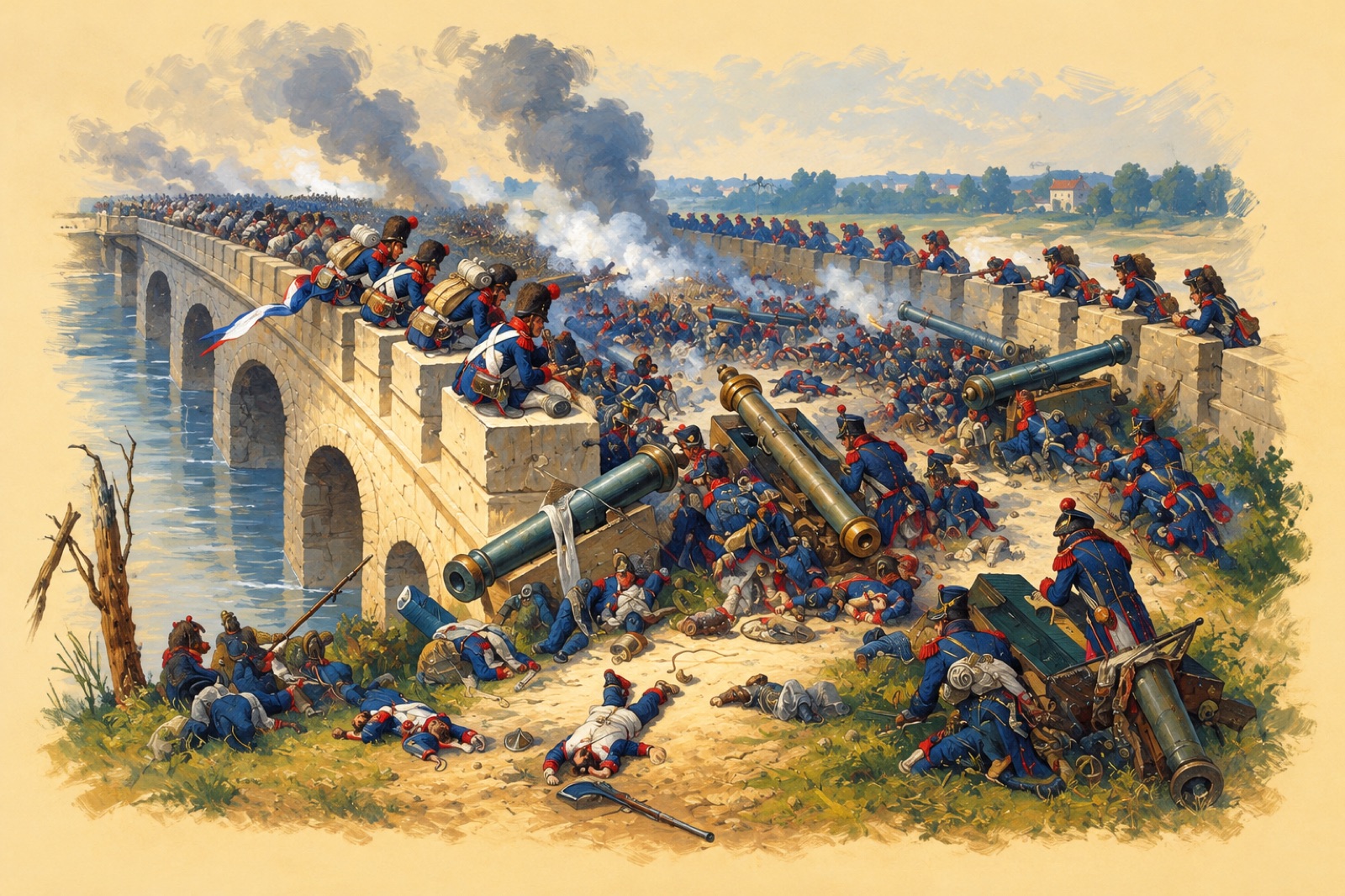
  • Engraving by Émile Bayard of the bridge at Palikao on the evening of the battle, 21 September 1860. (illustration) Infantry Illustration

    France

    French troops at the Palikao bridge

    Émile Bayard's engraving of the Baliqiao bridge on the evening of the battle, 21 September 1860.

    Illustration after Émile Bayard, public domain · Original

  • Photograph of Lord Elgin by Felice Beato, November 1860. (illustration) Commander Illustration

    Britain

    Lord Elgin (James Bruce, 8th Earl of Elgin)

    The British High Commissioner who negotiated the Treaty of Tianjin in 1858 and signed the Convention of Peking in October 1860.

    Illustration after Felice Beato, public domain · Original

  • Photograph of Prince Kung (Prince Gong) by Felice Beato, November 1860. (illustration) Commander Illustration

    Qing China

    Prince Gong (Yixin)

    The Xianfeng Emperor's brother, who led the Qing negotiators and signed the Convention of Peking in October 1860. He was a chief negotiator, not a field commander.

    Illustration after Felice Beato, public domain · Original

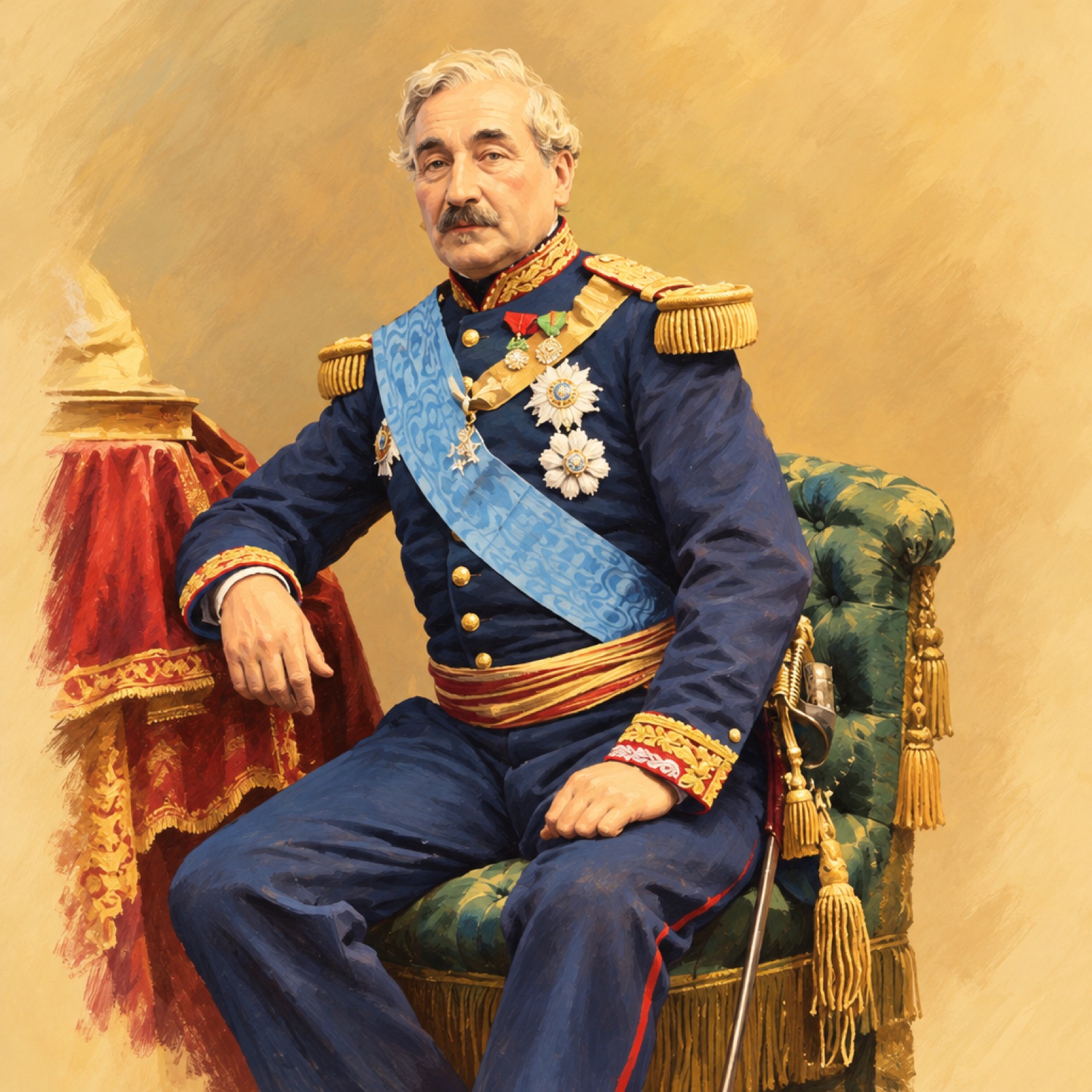
  • Portrait of General Charles Cousin-Montauban, Count of Palikao, circa 1863. (illustration) Commander Illustration

    France

    General Cousin-Montauban

    Commander of the French expeditionary corps in 1860. He was made Count of Palikao after the victory at Baliqiao.

    Illustration after Eugène Disdéri, public domain · Original

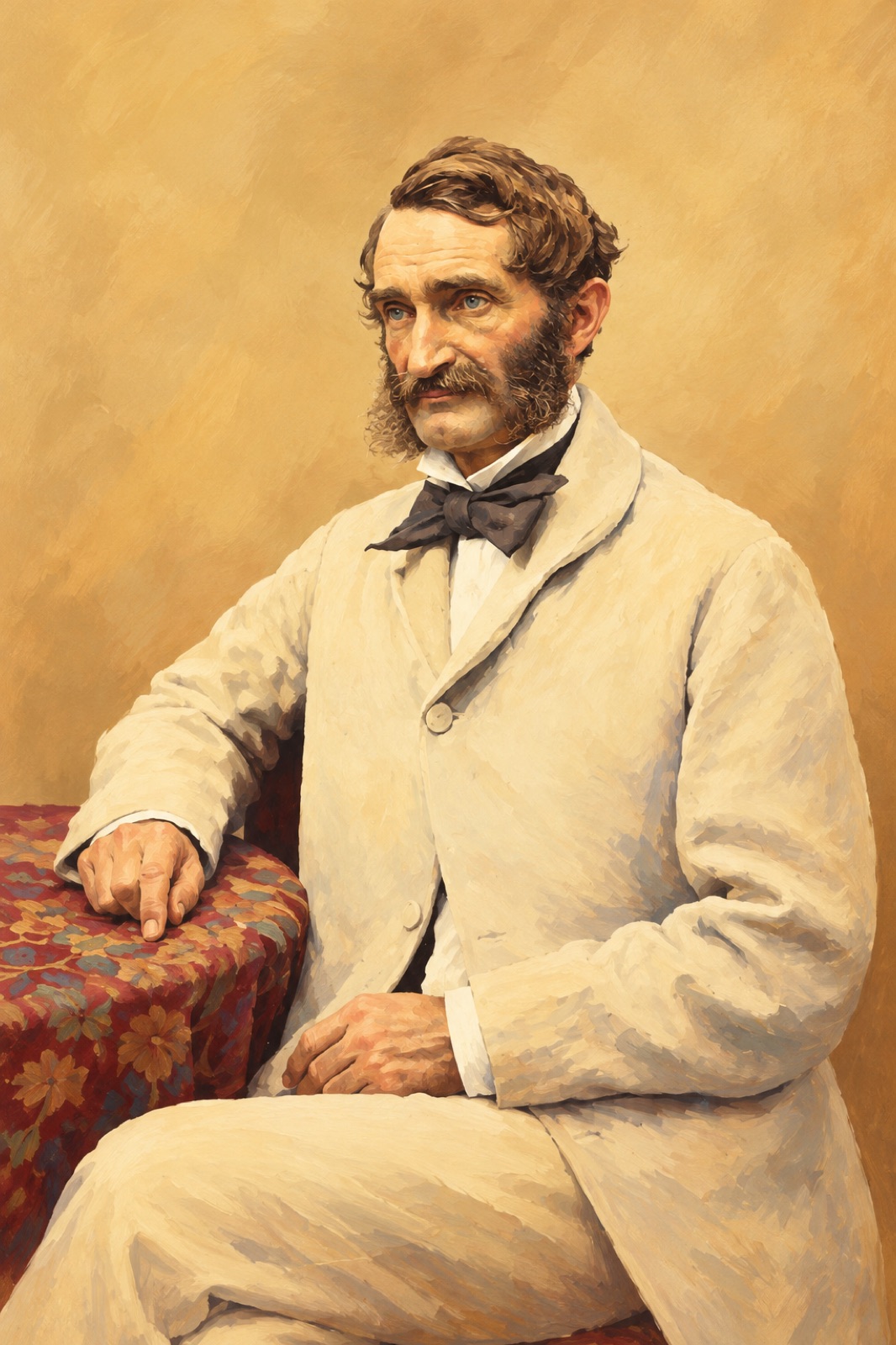
  • Photograph of Lieutenant-General Sir Hope Grant, attributed to Felice Beato. (illustration) Commander Illustration

    Britain

    Lieutenant-General Sir James Hope Grant

    Commander of the British land forces during the 1860 march on Beijing, who led the British army at Baliqiao.

    Illustration after Felice Beato, public domain · Original

  • Period print of Royal Navy boats attacking Chinese war junks at Fatshan Creek in 1857. (illustration) Navy Illustration

    Britain

    Royal Navy gunboats at Fatshan Creek

    Royal Navy boats attacked Qing war junks at Fatshan Creek on 1 June 1857, an early naval engagement in the Second Opium War.

    Illustration after Harry Edmund Edgell, public domain · Original

Frequently Asked Questions

When did the Second Opium War take place?

It ran from 1856 to 1860. It began with the seizure of the Arrow at Canton in October 1856 and ended with the Convention of Peking in October 1860. The main campaigns came between 1857 and 1860, when the allies fought at Canton, the Taku Forts and Baliqiao before reaching Beijing.

Why is it called the Arrow War?

The name comes from the Arrow incident of 8 October 1856, when Qing officials boarded a Chinese-owned ship registered in Hong Kong and seized twelve of its crew. Britain used the incident as its main reason to press for a wider treaty, and the war took its name from it.

What did the Treaty of Tianjin change?

The 1858 treaty allowed foreign envoys to live in Beijing, opened about ten more ports, let foreign ships use the Yangtze and let foreigners travel inside China with passports. It set indemnities of 6 million taels in total and, through revised tariffs, effectively legalised the opium trade.

Why was the Old Summer Palace burned?

After Qing forces arrested an Anglo-French negotiating party in September 1860, many of its members died in custody. Lord Elgin ordered the palace burned on 18 October as retaliation. Soldiers looted it first, and the French declined to take part in the burning.

How was it different from the First Opium War?

The First Opium War (1839–1842) ended with the Treaty of Nanking, which opened several ports. The Second Opium War went further. The treaties of Tianjin and Peking put envoys in Beijing, opened more ports and handed part of Kowloon to Britain.

Check Your Understanding

Pick an answer for each question to see if you were right.

  1. Which incident is usually cited as the trigger for the Second Opium War?

  2. Which treaty was signed by Lord Elgin at Tianjin on 26 June 1858?

  3. What happened at Baliqiao (Palikao) on 21 September 1860?

  4. Why did Lord Elgin order the Old Summer Palace burned?

  5. Which part of Kowloon did the Convention of Peking cede to Britain?

More in Asia & the West

See the full topic guide →
Share:

About the Writer

Alex Ng
Alex Ng

Software Engineer & Writer

Software engineer with a passion for distilling complex ideas into actionable insights. Writes about finance, investment, entrepreneurship, and technology.

Read more →

Keep reading

Explore the topic: Asia & the West

Articles

Summaries