In five minutes
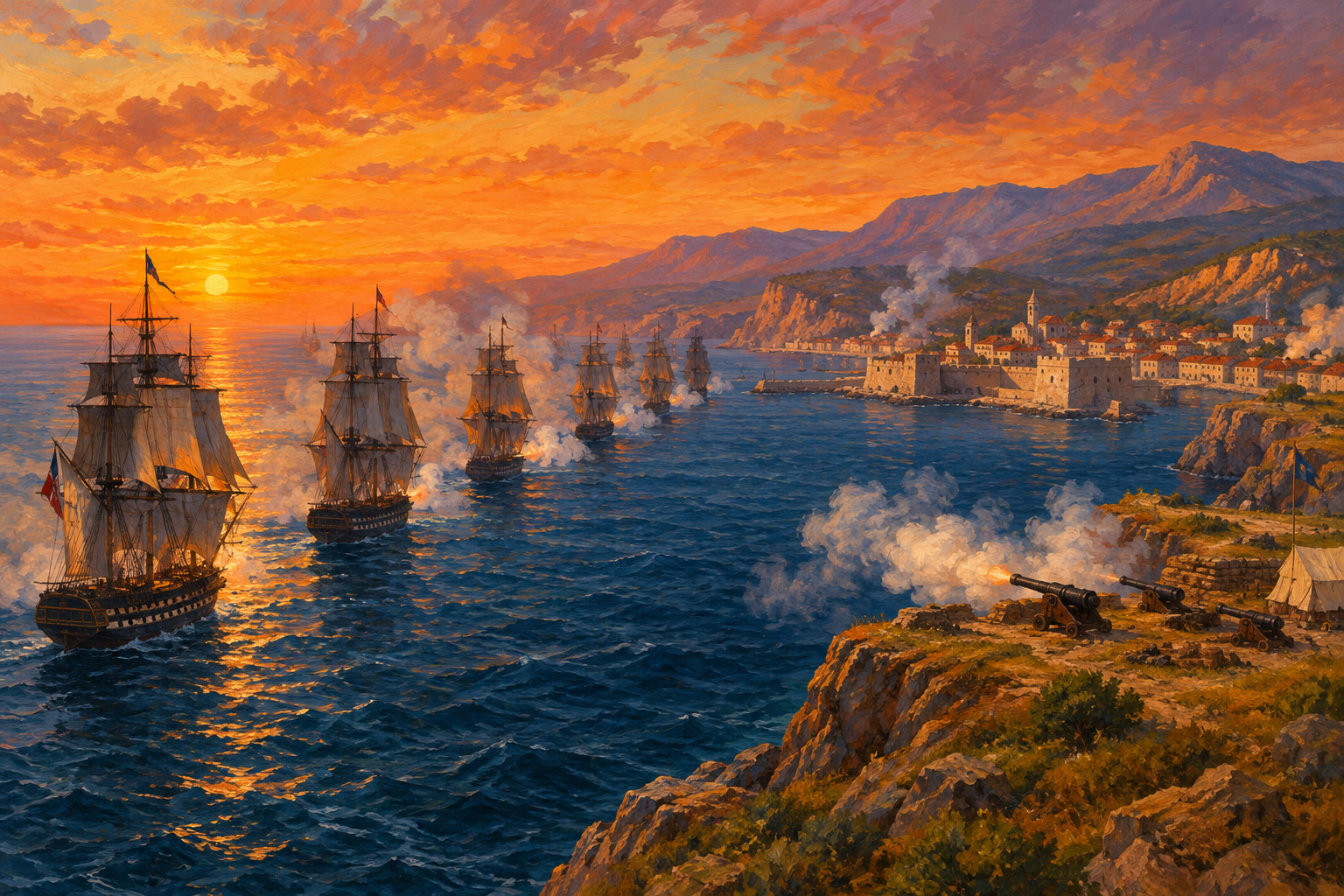
The Opium War was fought between Britain and the Qing dynasty of China from 1839 to 1842. Japan was not a party to the war, and no British force attacked a Japanese port. Even so, the war changed how the Edo bakufu handled foreign ships, and it helped shape the road that led to Japan's opening in the 1850s. The impact on Japan was indirect, but it was real.
Japan felt the Opium War through policy and information rather than battles. Many Japanese scholars regarded China as a great centre of learning, so news that the Qing had lost to a Western navy was hard to ignore. The bakufu had to ask whether its old rules for turning away foreign ships still made sense.
Before the war, the rule was clear. The 1825 Edict to Repel Foreign Vessels told coastal domains to drive away foreign ships that came close to shore. It was tested in 1837, when the American merchant ship Morrison, which was carrying Japanese castaways home, was fired on as it approached Japan. The incident drew sharp criticism, and in 1839 the scholars Watanabe Kazan and Takano Chōei were punished for their writings about the bakufu's handling of foreign affairs. The Opium War came into this already tense setting. For the wider picture of Qing China and the West, see our hub, Qing China, Japan and the West (1793–1912).
1842: from expulsion to supply
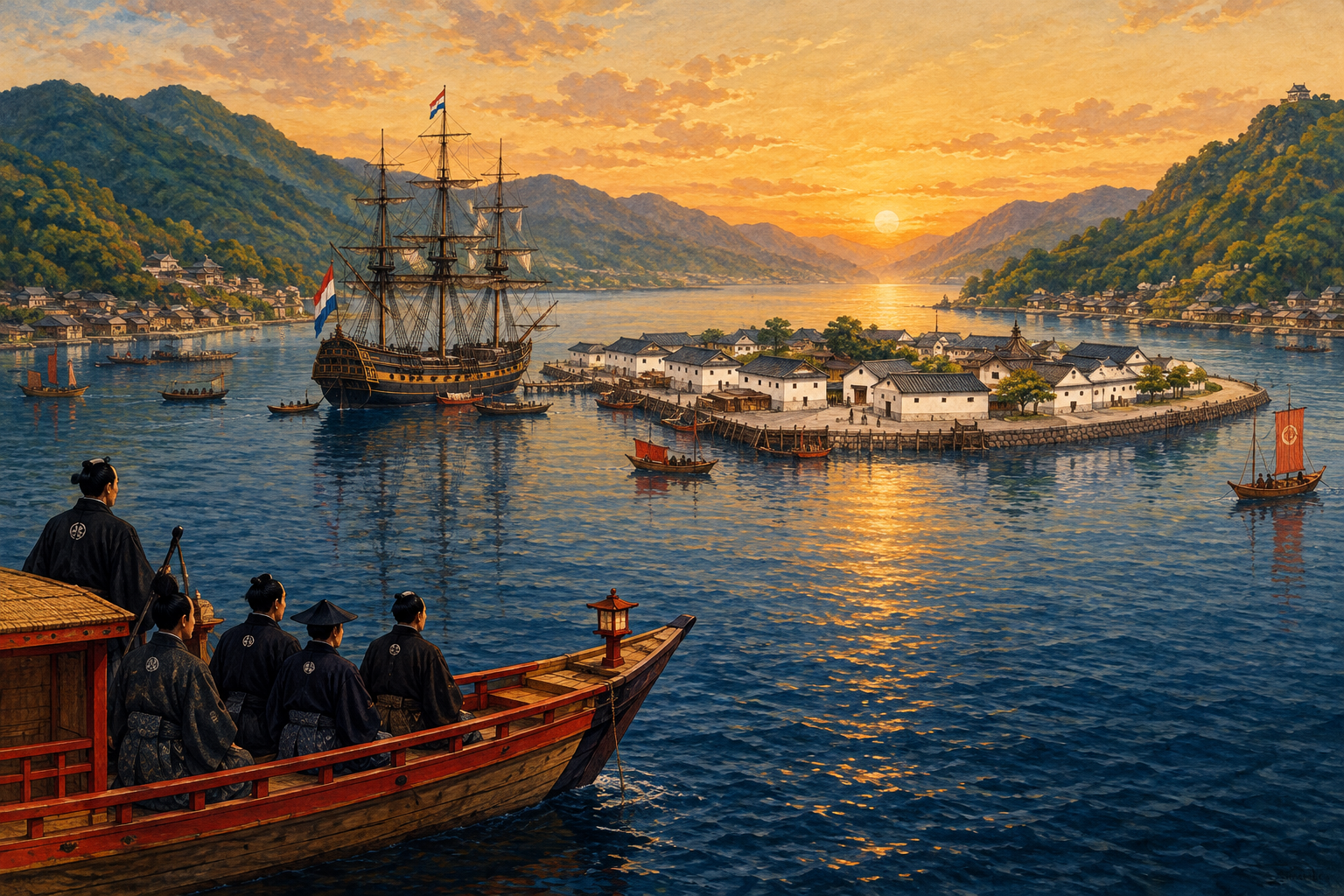
News of the Qing defeat reached Japan through Dutch traders at Nagasaki and through Chinese sources. Many officials concluded that British naval power was too strong to meet head on. In 1842 the bakufu issued an order on supplying firewood and water, usually called the 薪水給与令. It replaced the expulsion policy with a narrower one: foreign ships in real need, short of fuel, water or food, could receive supplies and then leave.
The order did not permit trade and did not open any port. Trade stayed limited to the Dutch and Chinese at Nagasaki, as before. Historians often describe the change as caution rather than welcome. The old order had been a threat of force; the new one was a limited form of help meant to avoid an armed clash.
The bakufu had used a similar, softer approach in 1806, so the change could look like a return to an older practice. What made 1842 different was the reason. Officials had seen what a modern navy could do in China, and that lesson was not forgotten. The change is best read as a practical answer to a new kind of threat, not as a sign that Japan was ready to open.
How news of the war reached Japan
Japan had almost no direct view of events in China, so information arrived indirectly. At Nagasaki, Dutch merchants at Dejima submitted reports on world affairs to the bakufu each year. Chinese sources and books also circulated among scholars. These channels were slow and partial, but they were enough to show that the Qing had lost.
The most influential book was 海国図志 (Haiguo tuzhi, read Kaikoku zushi in Japanese), a world geography in 50 volumes that Wei Yuan published in 1842. Wei Yuan drew on materials that Lin Zexu had entrusted to him, and he argued that China should learn Western techniques in order to master the West. The book reached Japan late in the Edo period, and later Japanese reformers read it.
Many readers took a lesson broader than the war itself. The world, they realised, contained powerful states across the sea, and a country that wanted to defend itself had to understand them. That shift in outlook mattered as much as any single edict.
The Dutch king's letter and the bakufu's answer
On 15 February 1844, King William II of the Netherlands signed a letter addressed to the Japanese shogunate. It argued that peace for Japan depended on friendly trade with other countries, and it pointed to the changing situation in East Asia. The ship carrying the letter reached Nagasaki in August 1844, which was the seventh month of Tenpō 15 in the Japanese calendar.
The bakufu did not act on the advice. Its formal reply came in 1845, and it did not open the country. Historians disagree about the Dutch purpose. Some read the letter as a clear push toward opening. Others argue it was a test of whether Japanese officials understood the new situation and whether they wanted wider trade. Both readings lead to the same result: Japan kept its system in place for the time being.
The pressure was not coming only from the Dutch. From 1844 to 1846, British and French warships visited the Ryukyu Islands and Nagasaki to request trade relations. The bakufu was receiving signals from several directions, and the old rules were becoming harder to defend.
Long-term impact on Japan
The Opium War did not open Japan on its own. Its effect was to shift the argument inside the bakufu and among scholars. Historians usually point to four lasting results:
- The expulsion rule was no longer seen as workable against modern navies.
- Foreign knowledge, from Dutch reports and books such as 海国図志, spread among thinkers and reformers.
- The debate between opening the country and resisting foreign ships grew sharper.
- Commodore Matthew Perry's 1853 arrival at Uraga, with a letter from the United States, turned the debate into a crisis.
The first treaties followed. The Treaty of Peace and Amity with the United States, signed in 1854, opened the ports of Shimoda and Hakodate for supplies. The Treaty of Amity and Commerce in 1858 opened ports for trade. Perry's arrival was the immediate trigger, but the Opium War had already shaped how Japanese officials and scholars understood the danger. That is why it is usually treated as one step on the road to the 1850s, not the single cause.
What exams ask
Questions on this topic usually test cause, event and consequence. Useful points:
- Why did the bakufu change its order in 1842? Britain's success against the Qing showed the strength of a Western navy, so the bakufu chose limited supply over expulsion.
- Why does the Treaty of Nanking matter here? It opened five Chinese ports and ceded Hong Kong to Britain. It is often used as an early example of the unequal treaties imposed on China.
- How did news reach Japan? Through Dutch annual reports at Nagasaki, Chinese sources and books such as 海国図志.
- Why did the 1844 letter fail? The bakufu declined the advice, so the ports stayed closed until the 1854 and 1858 treaties.
A strong answer uses a three-step chain: cause (the war), event (the 1842 order and the 1844 letter), and consequence (the treaties of the 1850s).
Read next
Three related pages go deeper:
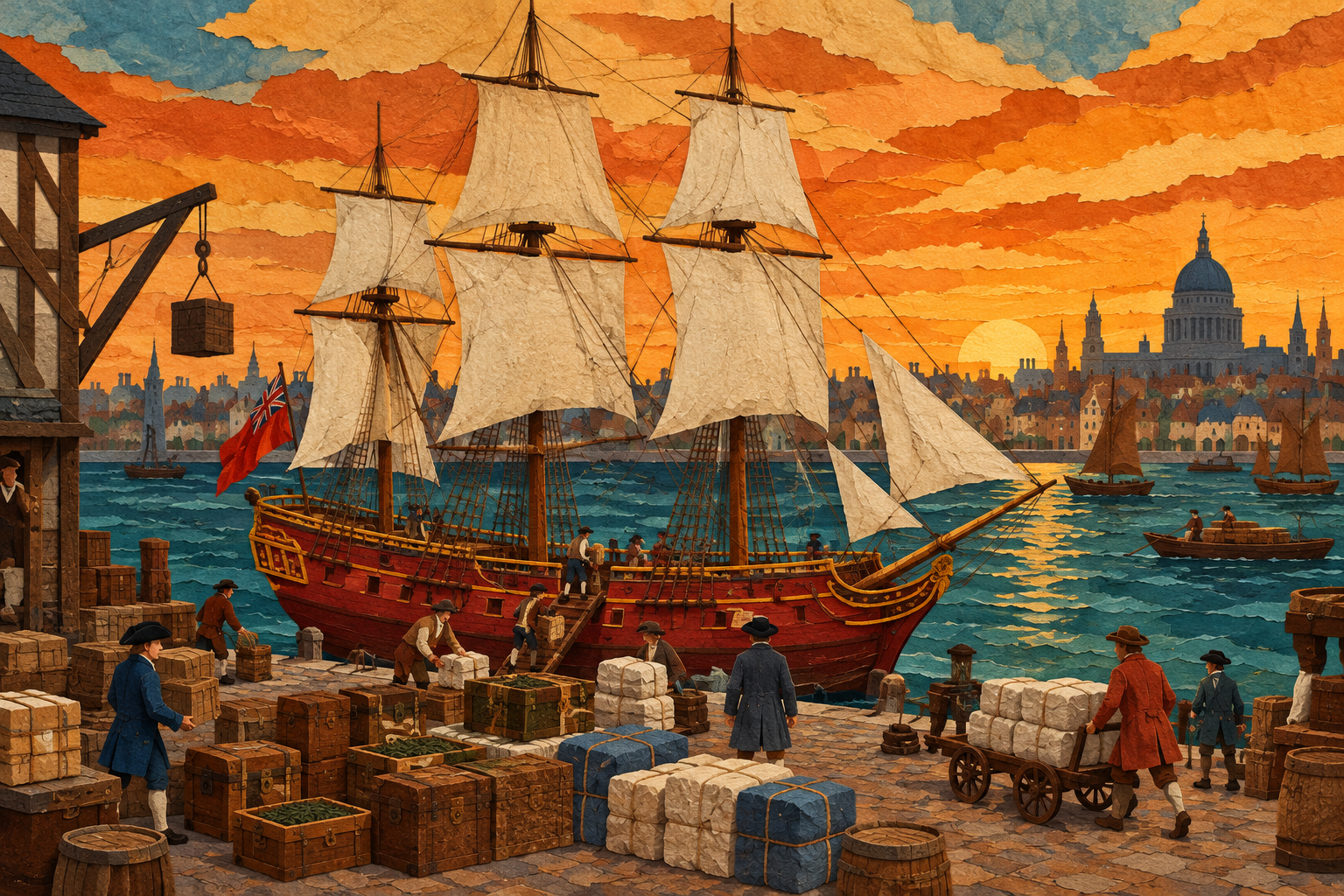
- The Asian Triangular Trade: Tea, Opium and Silver explains the trade system behind the war.
- The Treaty of Nanking (1842) covers the terms that ended the fighting.
- The First Opium War (1839–1842) tells the military story.