In five minutes
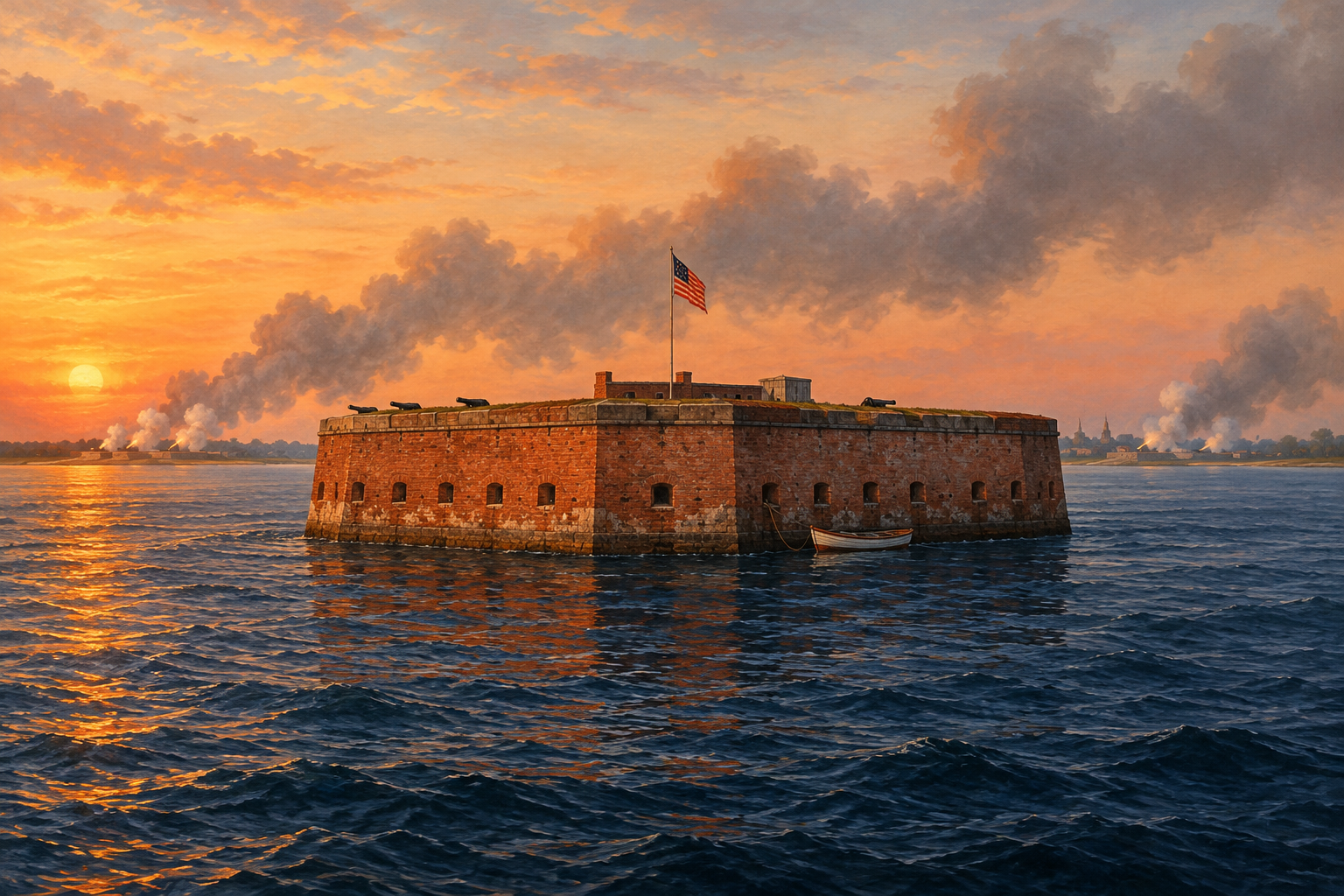
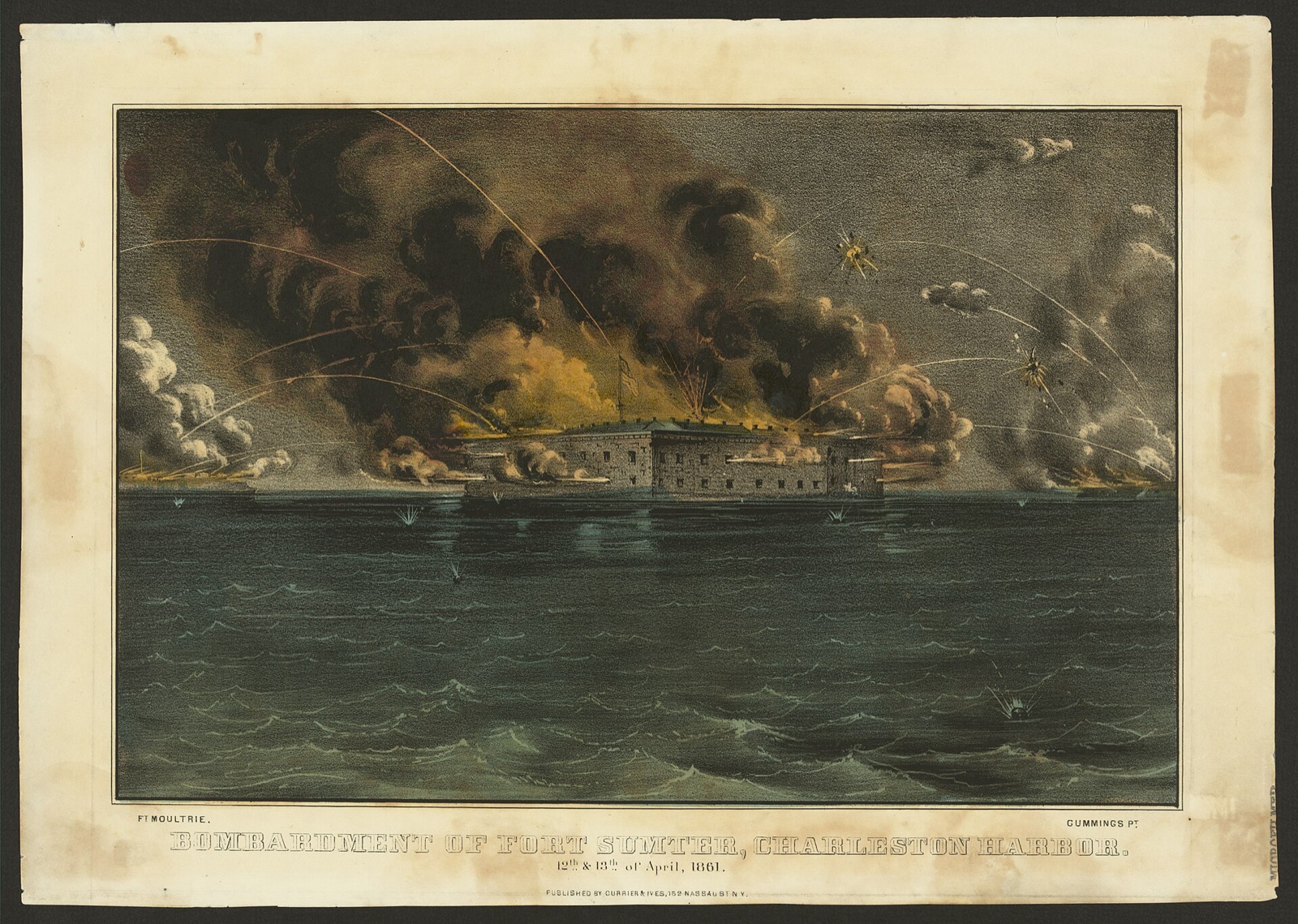
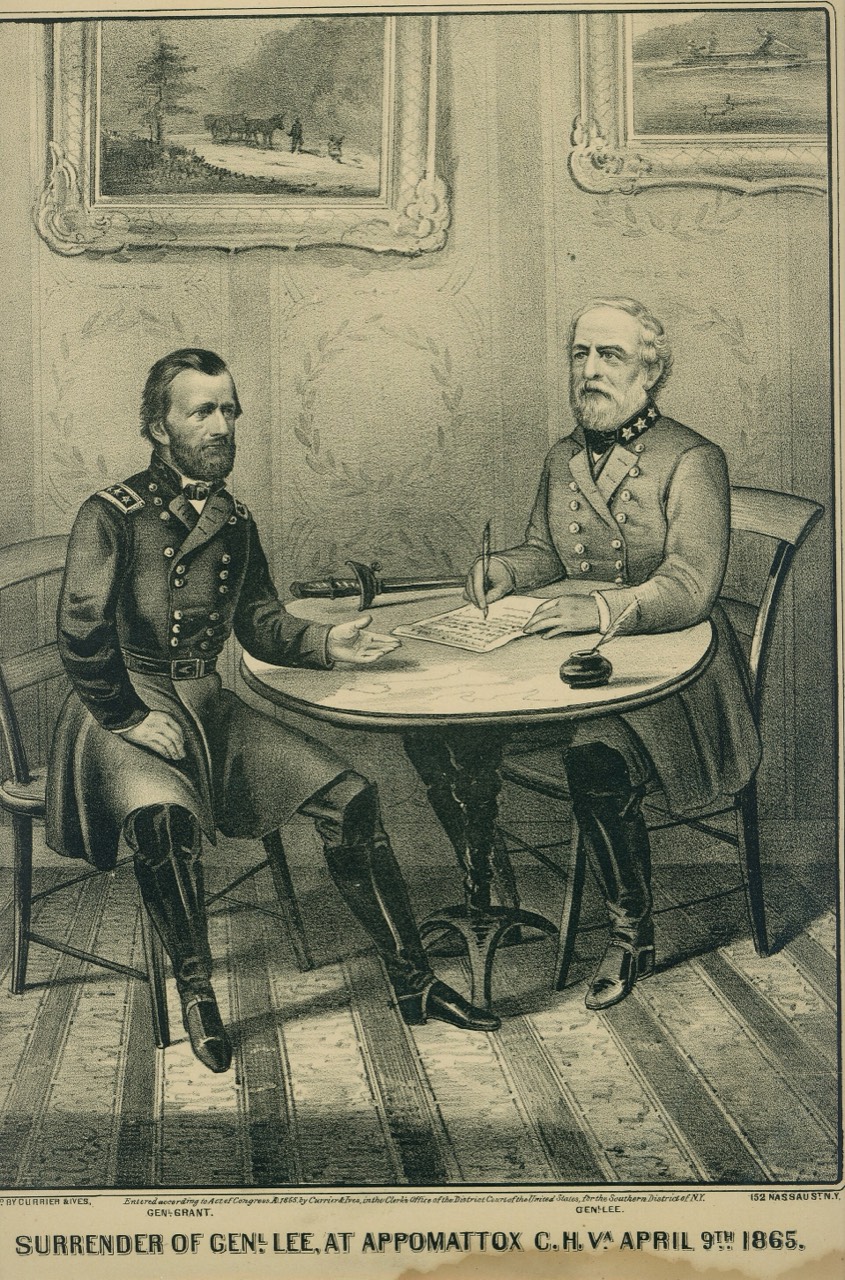
The American Civil War was fought from 1861 to 1865 between the Union, the northern states led by President Abraham Lincoln, and the Confederacy, a group of southern states that had broken away from the United States. It began on 12 April 1861, when Confederate forces fired on Fort Sumter in Charleston Harbor. It ended in practice on 9 April 1865, when General Robert E. Lee surrendered to General Ulysses S. Grant at Appomattox Court House in Virginia. The Union won. The war also led to the end of slavery across the country, and it remains the deadliest conflict in American history.
The war grew out of a long argument over slavery, which came to a head after Lincoln won the presidency in November 1860. Seven southern states left the Union before he took office, and eleven eventually joined the Confederacy. Four years of fighting followed, across two main theaters: the East, between Washington and Richmond, and the West, along the Mississippi River and through Tennessee and Georgia.
This guide covers when the war started and ended, why it began, how the North and South compared, how the fighting unfolded and what the war changed. For wider context, see our 19th-century America hub.
When did the Civil War start and end?
The war started on 12 April 1861, and the main fighting ended in April 1865. Historians point to several end dates, and each answers a slightly different question.
- Start: 12 April 1861. Confederate batteries opened fire on Fort Sumter at 4:30 in the morning. Major Robert Anderson, who commanded the Union garrison, surrendered the fort on 13 April after about 34 hours of bombardment.
- Effective end: 9 April 1865. Lee surrendered at Appomattox. Confederate soldiers were paroled and allowed to go home, and the main Confederate army stopped fighting.
- Last major surrender: 2 June 1865. Edmund Kirby Smith, who commanded the Confederate forces west of the Mississippi, signed his surrender aboard a Union ship in Galveston Bay.
- Legal end of slavery: 6 December 1865. Georgia’s ratification gave the 13th Amendment the three-quarters of the states it needed. The amendment banned slavery across the United States except as punishment for a crime.
What caused the Civil War?
Most historians see slavery as the central cause. The question was whether slavery would spread into the new western territories and states, and whether the national government could limit it. Many southern leaders came to fear that a Republican president would move against slavery, and the 1860 election turned that fear into action. Our causes of the Civil War article follows the chain of events in more detail, and slavery in the United States covers the background.
Lincoln was elected president on 6 November 1860. He won about 40 per cent of the popular vote and a majority in the Electoral College, even though his name was not on the ballot in most southern states. His election was the immediate trigger for secession in the Deep South.
South Carolina seceded on 20 December 1860, when a convention in Charleston voted 169 to 0 to leave the Union. Six more states followed by 2 February 1861. In early February, delegates from the seceding states met at Montgomery, Alabama, adopted a provisional constitution and chose Jefferson Davis of Mississippi as president, with Alexander Stephens of Georgia as vice president. Sources give different days for the key votes, somewhere between 4 and 9 February. The Confederacy eventually included eleven states.
How did the North and South compare?
The two sides differed in people, money and industry. The 1860 census counted 31,443,321 people in the United States, and 3,953,760 of them were enslaved, almost all in the slave states. Our Union vs Confederacy comparison covers the political and military side in more detail. The main contrasts were these:
- Manpower. The Union enlisted 2,672,341 men, according to the National Park Service. Confederate enlistment is harder to count, because many records were lost or incomplete. The NPS gives a range of 750,000 to 1,227,890.
- Industry and railways. Most of the country’s factories were in the North. In 1861 the northern states had 22,385 miles of railroad, against 8,783 miles in the Confederacy, according to the NPS. The South depended on farming and had little capacity to make weapons, locomotives or rails.
- Aims. The Union fought to keep the country together. The Confederacy fought for independence and for a society built on slavery.
Who won the Civil War?
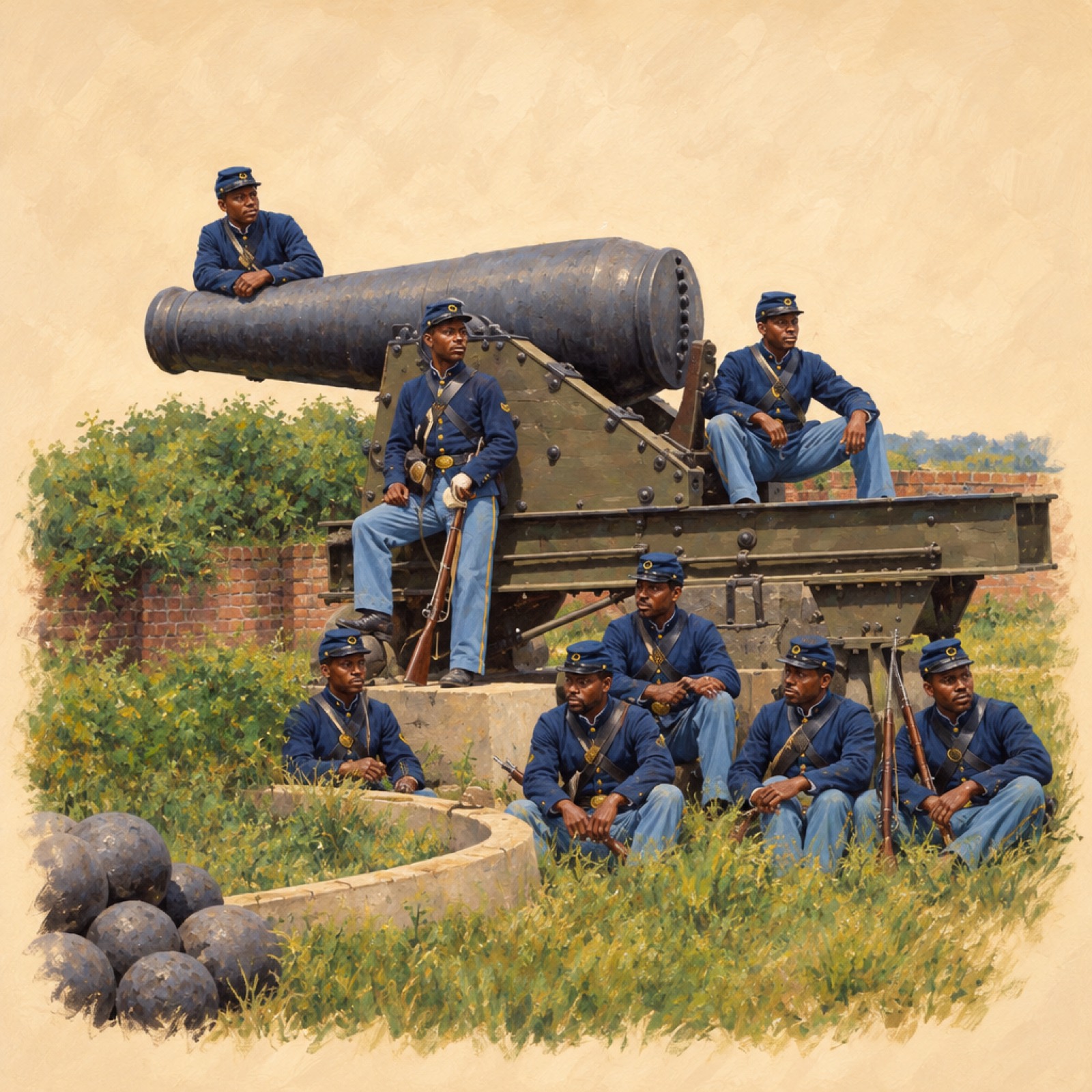
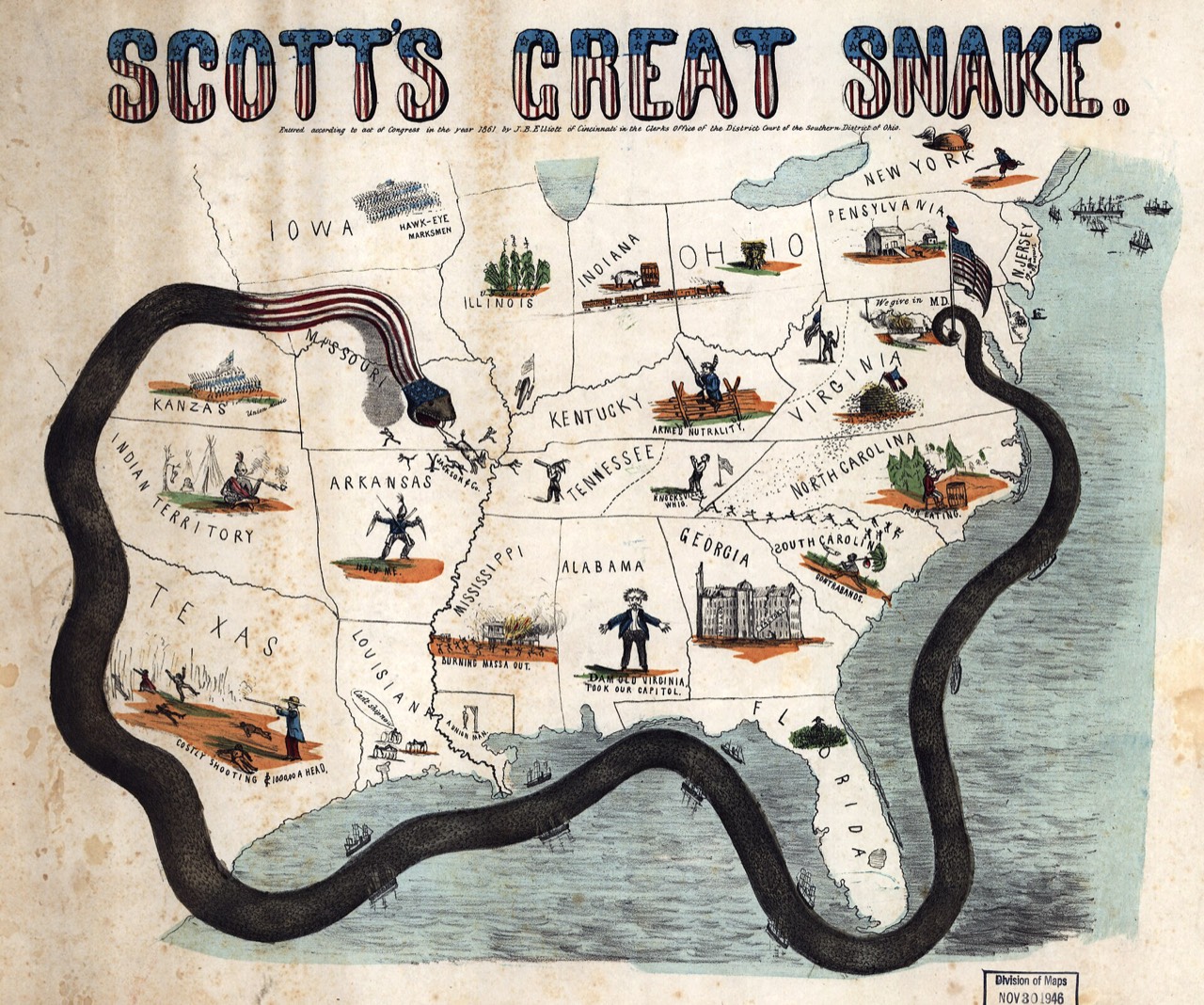
The Union won. Its advantages were in population, industry, railways and control of the sea. A naval blockade of southern ports, part of the plan associated with General Winfield Scott, cut the Confederacy off from much of its trade. The Union army also grew when it began to enlist Black soldiers. The National Park Service records 178,975 African American soldiers in the Union army, nearly 179,000 men who helped the Union keep fighting into 1865.
How the war unfolded
The fighting took place in two main theaters. In the East, the armies clashed in Virginia, between Washington and the Confederate capital at Richmond. In the West, the fighting moved along the Mississippi River and through Tennessee and Georgia.
1861: Sumter, Bull Run and the Anaconda Plan
The first large battle was fought at Bull Run, near Manassas in Virginia, on 21 July 1861. The Confederates won, and the Union army fell back toward Washington. Total casualties were nearly 5,000. Some sources give 20 July as the date, so treat the exact day with care.
Winfield Scott, the Union general-in-chief, proposed a strategy that became known as the Anaconda Plan. It combined a naval blockade of the Confederate coast with control of the Mississippi River. The 1861 cartoon map below shows the idea as a giant snake squeezing the South.
1862: Ironclads, Antietam and the road to emancipation
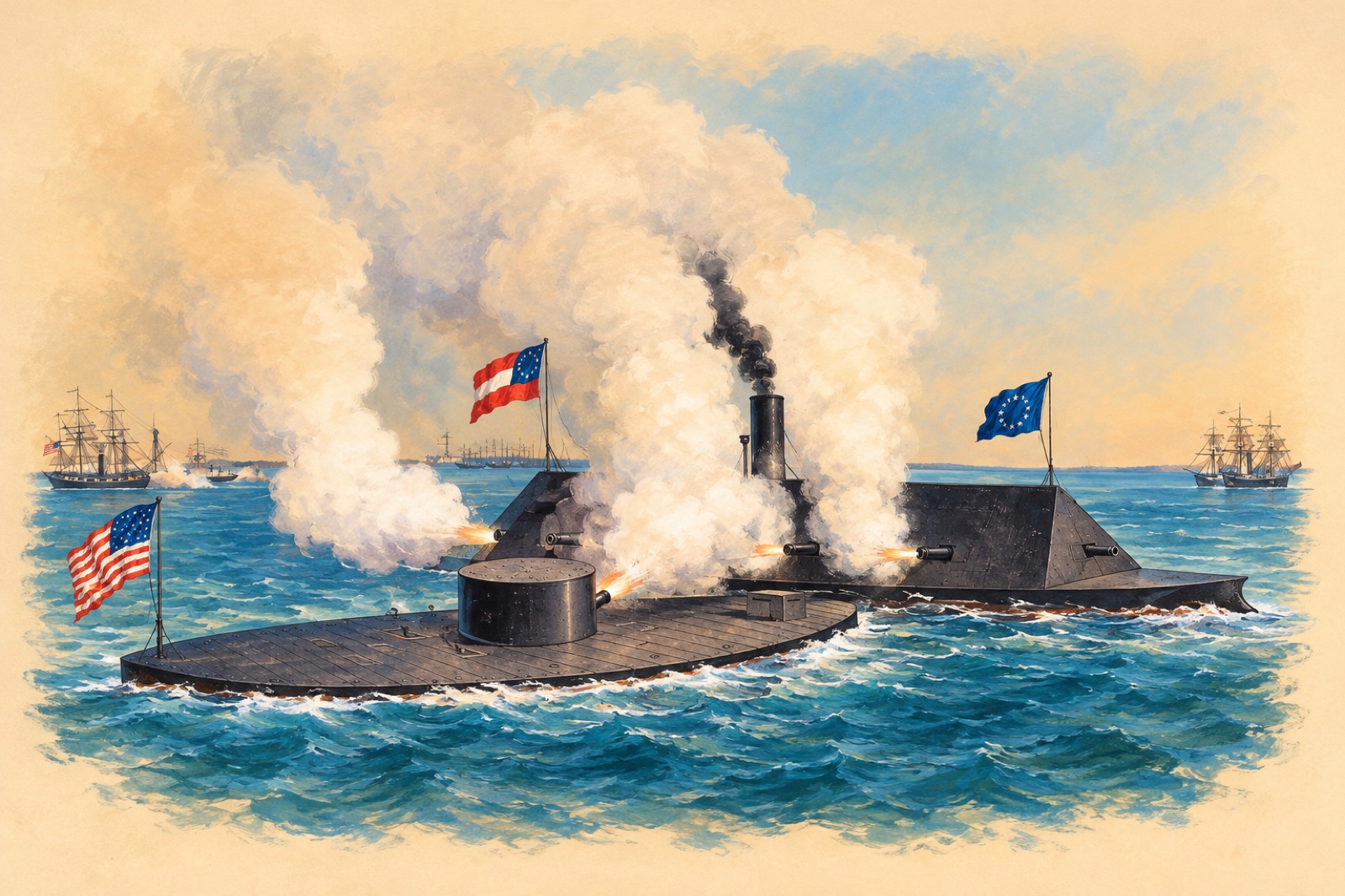
On 8 March 1862 the Confederate ironclad Virginia, built on the hull of the former USS Merrimack, sank two Union ships at Hampton Roads, Virginia. The next day the Union ironclad Monitor, with its revolving gun turret, fought the Virginia to a draw. It was the first battle between ironclad warships.
In September 1862 Lee took his army north into Maryland. On 17 September the two armies fought at Antietam Creek, the bloodiest single day of the war. The battle is usually counted as a tactical victory for the Union. Five days later, on 22 September, Lincoln issued a preliminary Emancipation Proclamation, warning that he would free the enslaved people in any state still in rebellion on 1 January 1863.
1863: Emancipation takes effect, Gettysburg and Vicksburg
On 1 January 1863 Lincoln issued the final Emancipation Proclamation. It applied only to the states still in rebellion, so it did not free every enslaved person in the country at once. It did, however, make ending slavery an explicit war aim, and it opened the way for Black men to join the Union army.
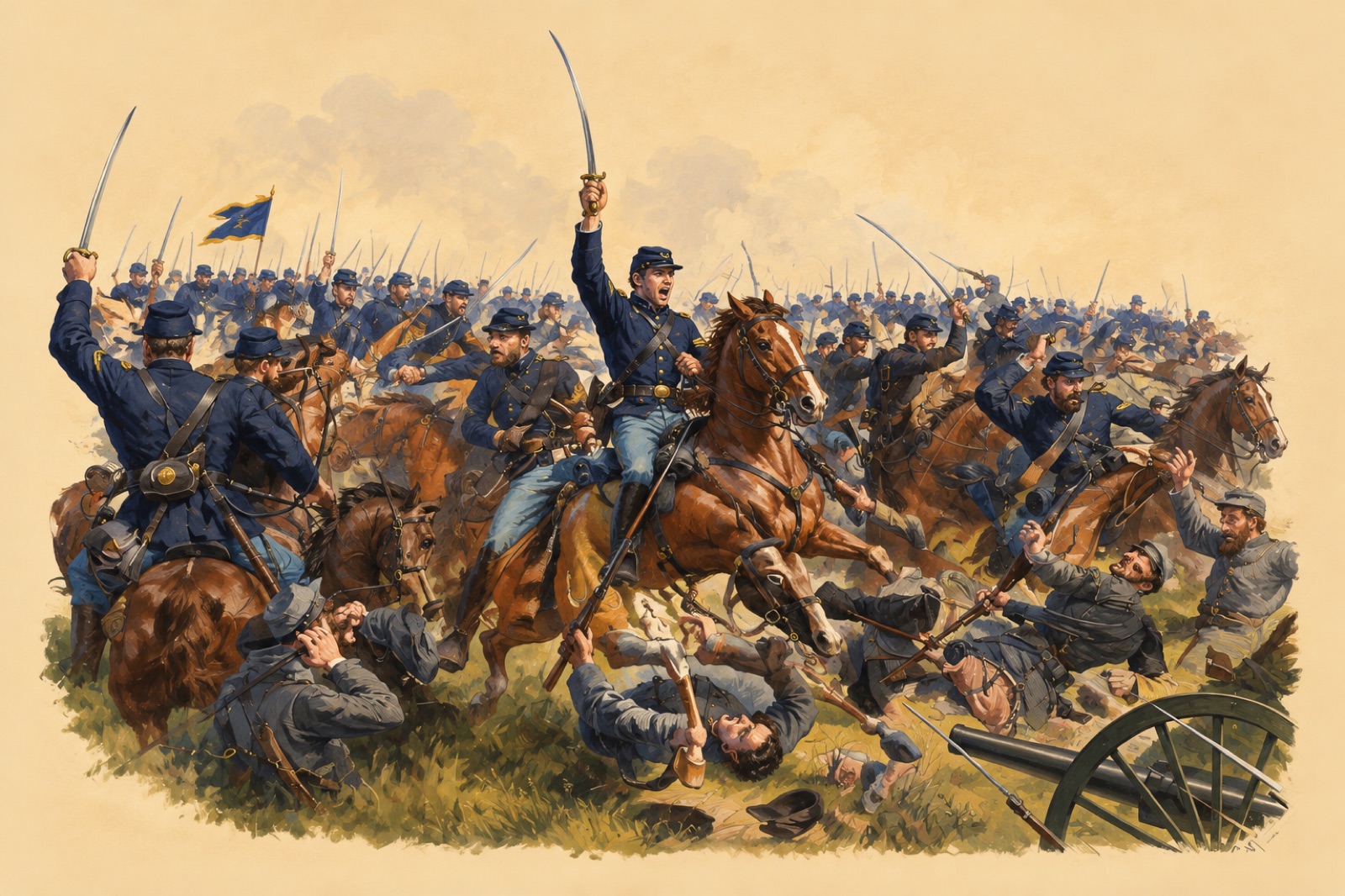
The war turned at Gettysburg, Pennsylvania, from 1 to 3 July 1863. Lee had invaded the North, and his army met the Union army on the ridges and farms around the town. Battlefields.org gives 93,921 Union and 71,699 Confederate troops engaged, with about 23,000 Union and 28,000 Confederate casualties. Older accounts give about 88,000 Union and 75,000 Confederate troops, so the figures are best read as ranges. On the third day about 12,500 Confederates under General James Longstreet attacked the Union center on Cemetery Ridge in what became known as Pickett’s Charge. The attack failed, and Lee began his retreat on 4 July.
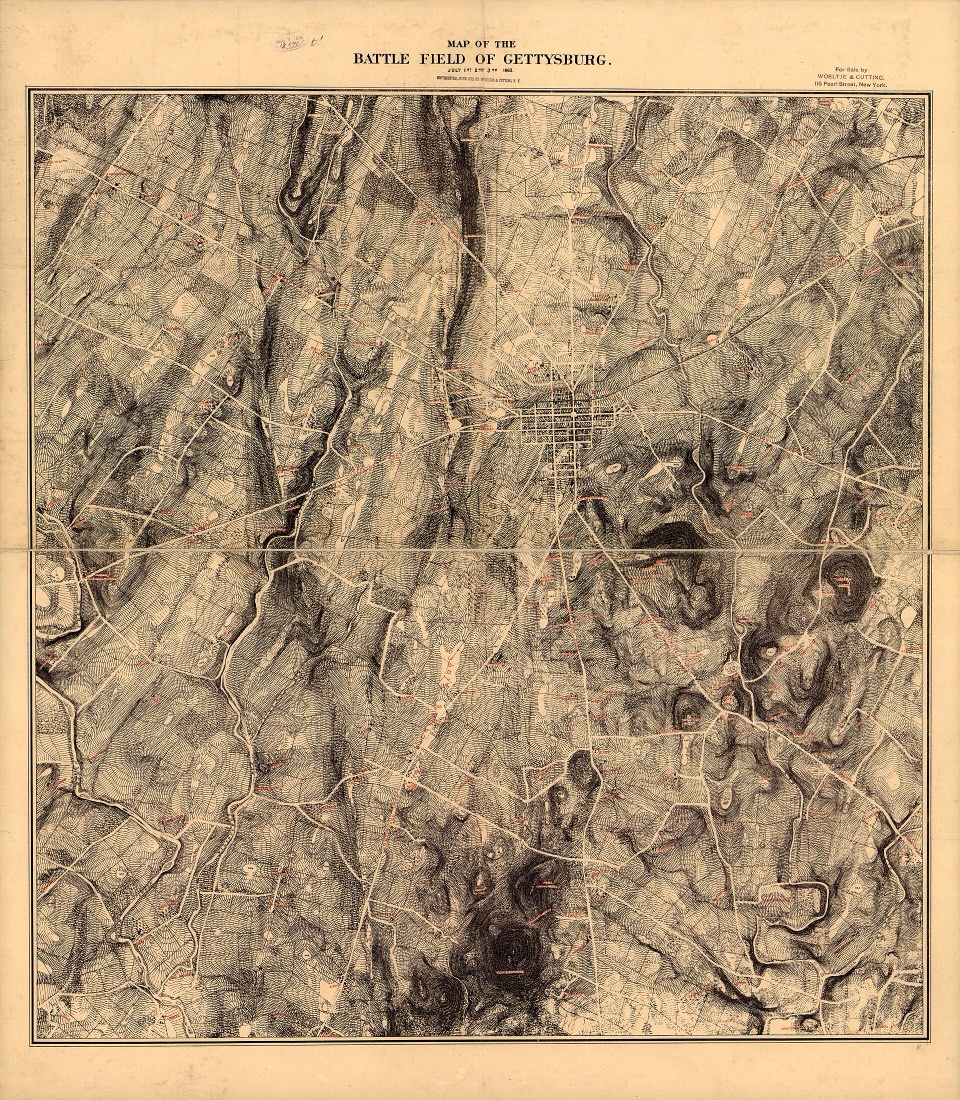
On the same day, 4 July 1863, Vicksburg, Mississippi, surrendered to Grant’s army after a long siege. With the river stronghold lost, Union control of the Mississippi River became much firmer, which was one of the aims of the Anaconda Plan.
1864: Grant, Sherman and the long campaigns
In March 1864 Ulysses S. Grant became commander of all Union armies. His Overland Campaign against Lee began on 4 May, when Union forces crossed the Rapidan River. The fighting was costly. The battle at Cold Harbor ran from 31 May to 12 June, and Grant later wrote in his memoirs that his greatest error of the war was the frontal assault of 3 June. Afterward he moved south of the James River toward Petersburg, a railway hub that supplied Lee’s army. A siege began there in June 1864 and lasted until April 1865.
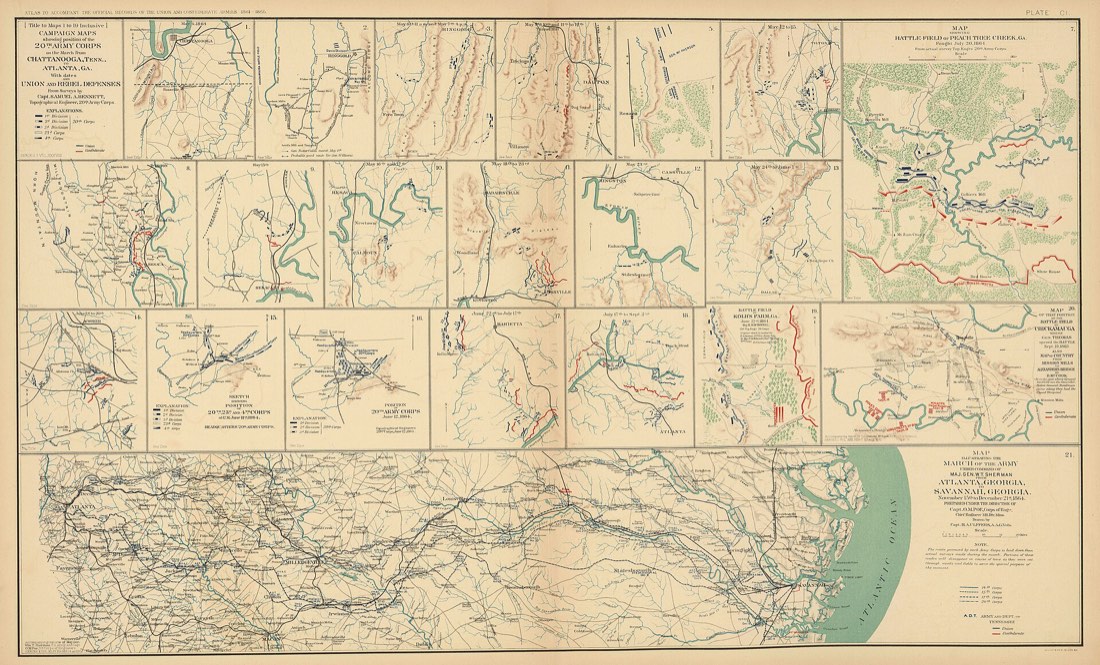
In the West, William T. Sherman’s army took Atlanta, a major rail hub, at the start of September 1864. The Confederates had left the city at the end of August and in early September, and sources differ on the exact days. In mid-November Sherman left Atlanta with roughly 62,000 men and marched toward the coast. The campaign is known as the March to the Sea, and the army reached Savannah, Georgia, on 21 December 1864. The War Department map below shows the route.
1865: Appomattox and the end of the war
Richmond fell on 3 April 1865, and Lee’s army retreated west from the capital. On 9 April Lee surrendered to Grant in the parlor of Wilmer McLean’s house at Appomattox Court House. Grant allowed Confederate soldiers to be paroled and go home. Estimates of the number paroled range from about 27,800 to 28,400, so roughly 28,000 men went home.
Five days later, on the night of 14 April, John Wilkes Booth shot President Lincoln at Ford’s Theatre in Washington. Lincoln died the next morning, 15 April. On 2 June Edmund Kirby Smith surrendered the last major Confederate army, the forces west of the Mississippi.
Key people
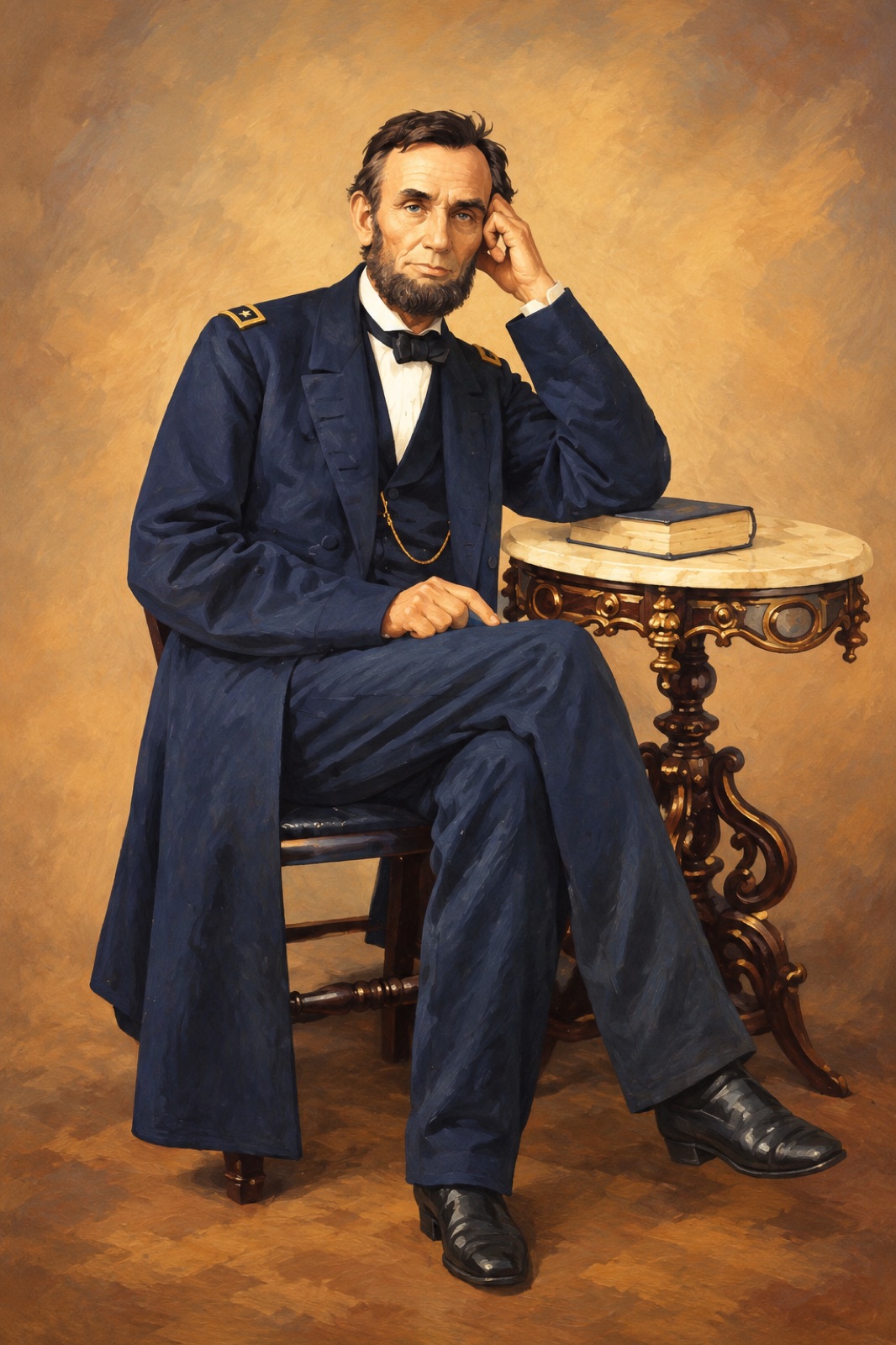
- Abraham Lincoln, the Union president. He was elected in 1860, issued the Emancipation Proclamation and was assassinated in April 1865.
- Jefferson Davis, the Confederate president, chosen by the Montgomery convention in February 1861.
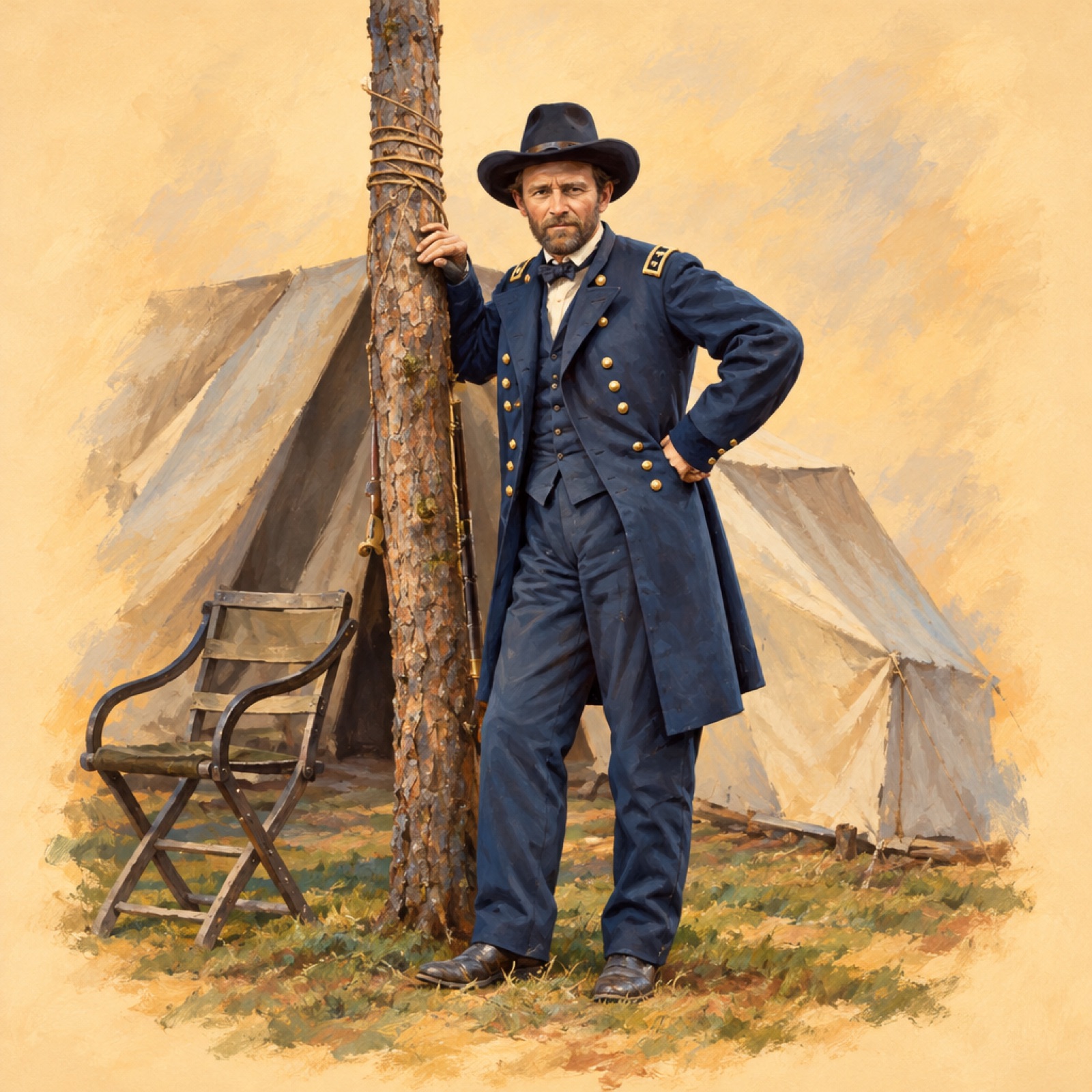
- Ulysses S. Grant, commander of Union armies from March 1864, who accepted Lee’s surrender.
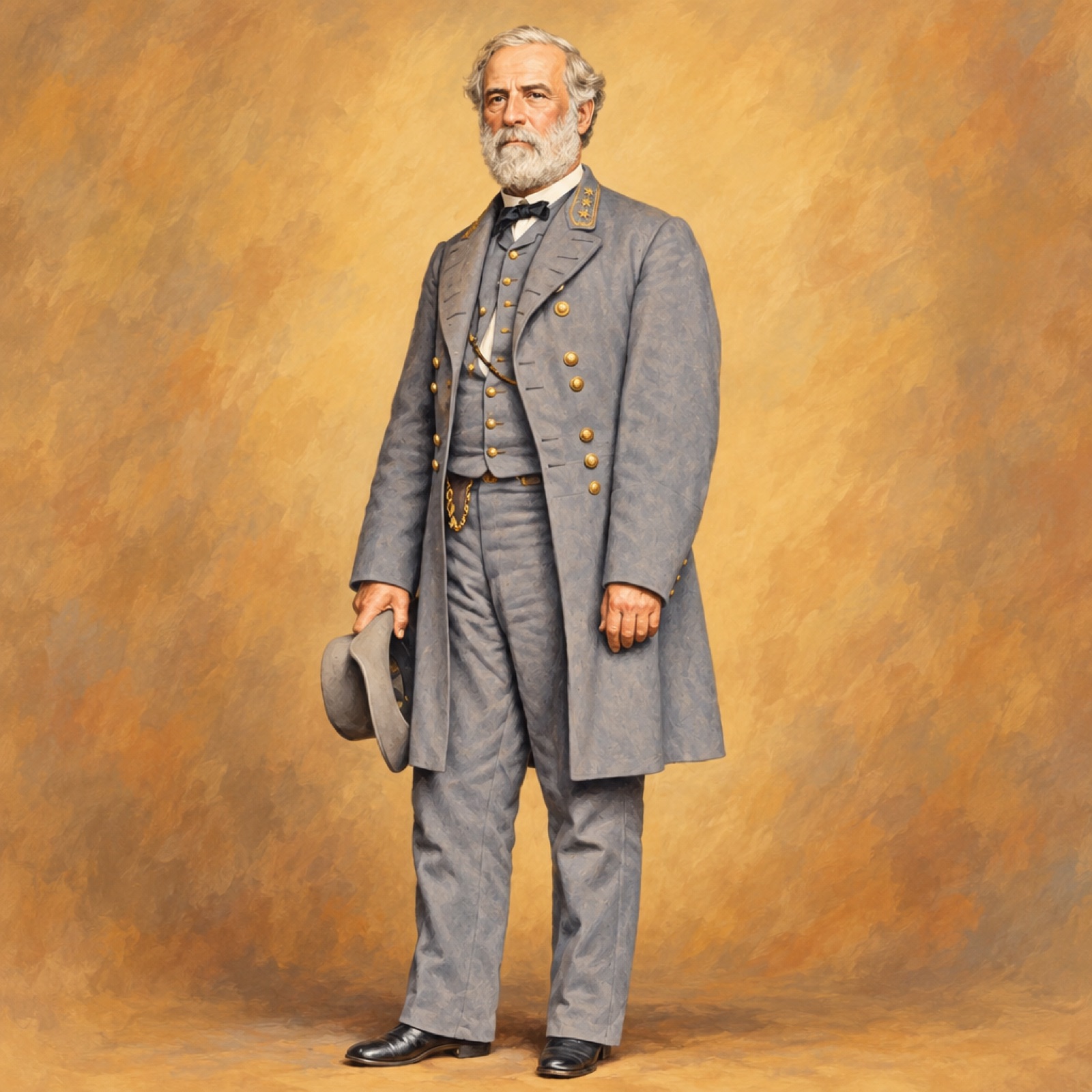
- Robert E. Lee, commander of the Army of Northern Virginia, who surrendered at Appomattox.
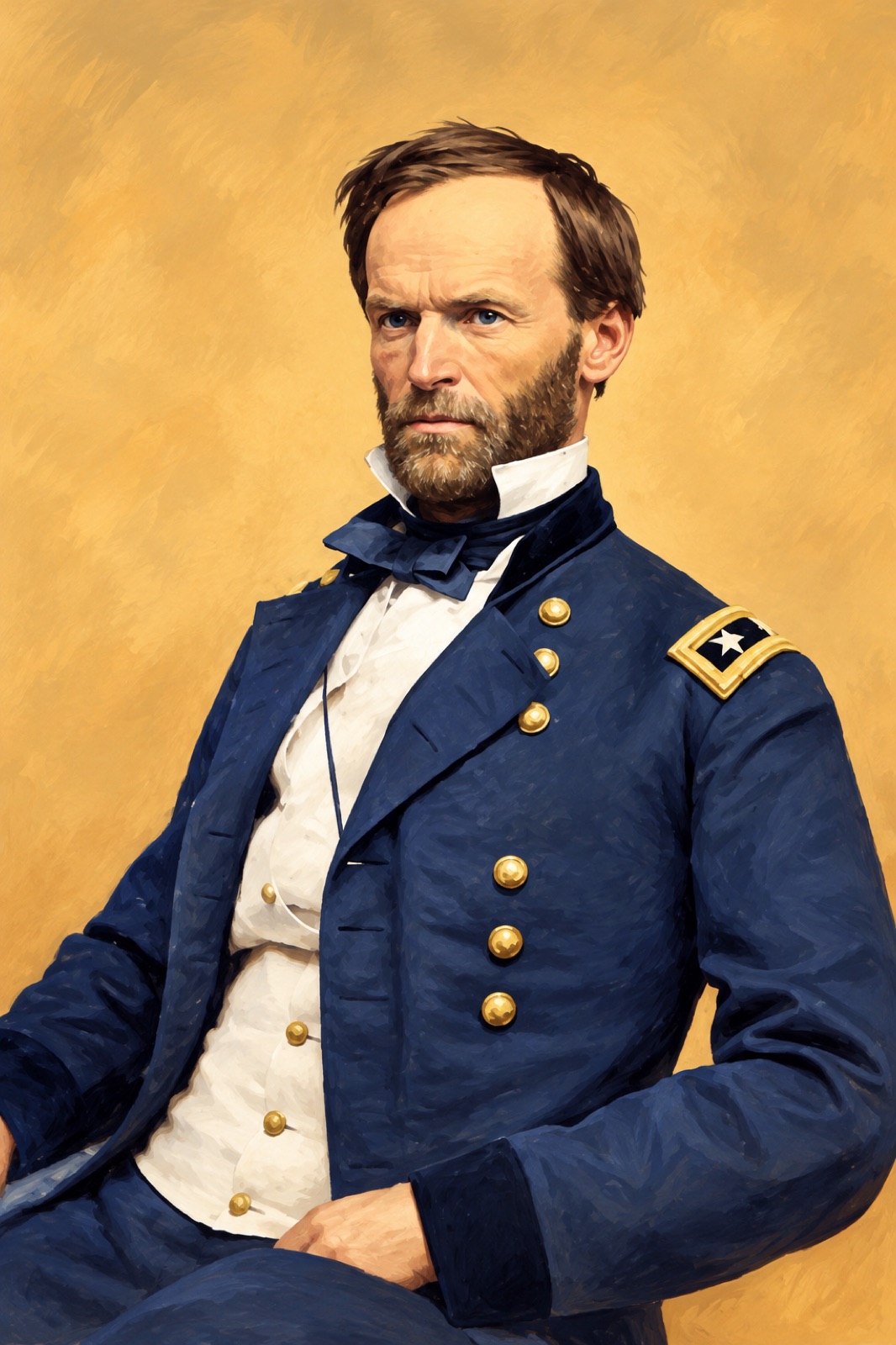
- William T. Sherman, who took Atlanta and led the March to the Sea.
Death toll and cost
For about a century the usual figure was roughly 620,000 soldiers who died in total, and most of them died of disease rather than in battle. In 2011 the historian J. David Hacker estimated from census records that the true total was about 750,000, with a range of 650,000 to 850,000. Many historians now regard the higher figure as plausible, but no estimate can be exact.
The National Park Service lists battle deaths of 110,100 Union and 94,000 Confederate, disease deaths of 224,580 Union and 164,000 Confederate, and prisoner deaths of 30,218 Union and 25,976 Confederate. Adding those figures gives about 649,000. That is our own sum, and it sits near the lower end of the newer range. Disease killed more men than combat did, according to these figures.
What the war changed
The 13th Amendment passed the Senate on 8 April 1864 by 38 votes to 6, and the House on 31 January 1865 by 119 votes to 56. It was ratified on 6 December 1865. The war ended slavery, but it did not end racial inequality. The Reconstruction period that followed brought new constitutional amendments and bitter disputes over the rights of formerly enslaved people, and those disputes shaped the country for generations.
What AP exam questions usually ask
In AP US History, the Civil War falls in the period that also covers Reconstruction. Expect questions on the causes of secession, the advantages each side brought to the war and how emancipation changed the war’s aims. A strong answer names specific events and explains why they mattered, rather than listing dates.
Read next
- Causes of the American Civil War: how the argument over slavery led to secession in 1860 and 1861.
- Union vs Confederacy: North and South Compared: population, industry and the two sides’ goals.
- Who Was Abraham Lincoln?: the president who led the Union through the war.
- Gone with the Wind: a novel set in Georgia during the Civil War.