The War of 1812 in five minutes
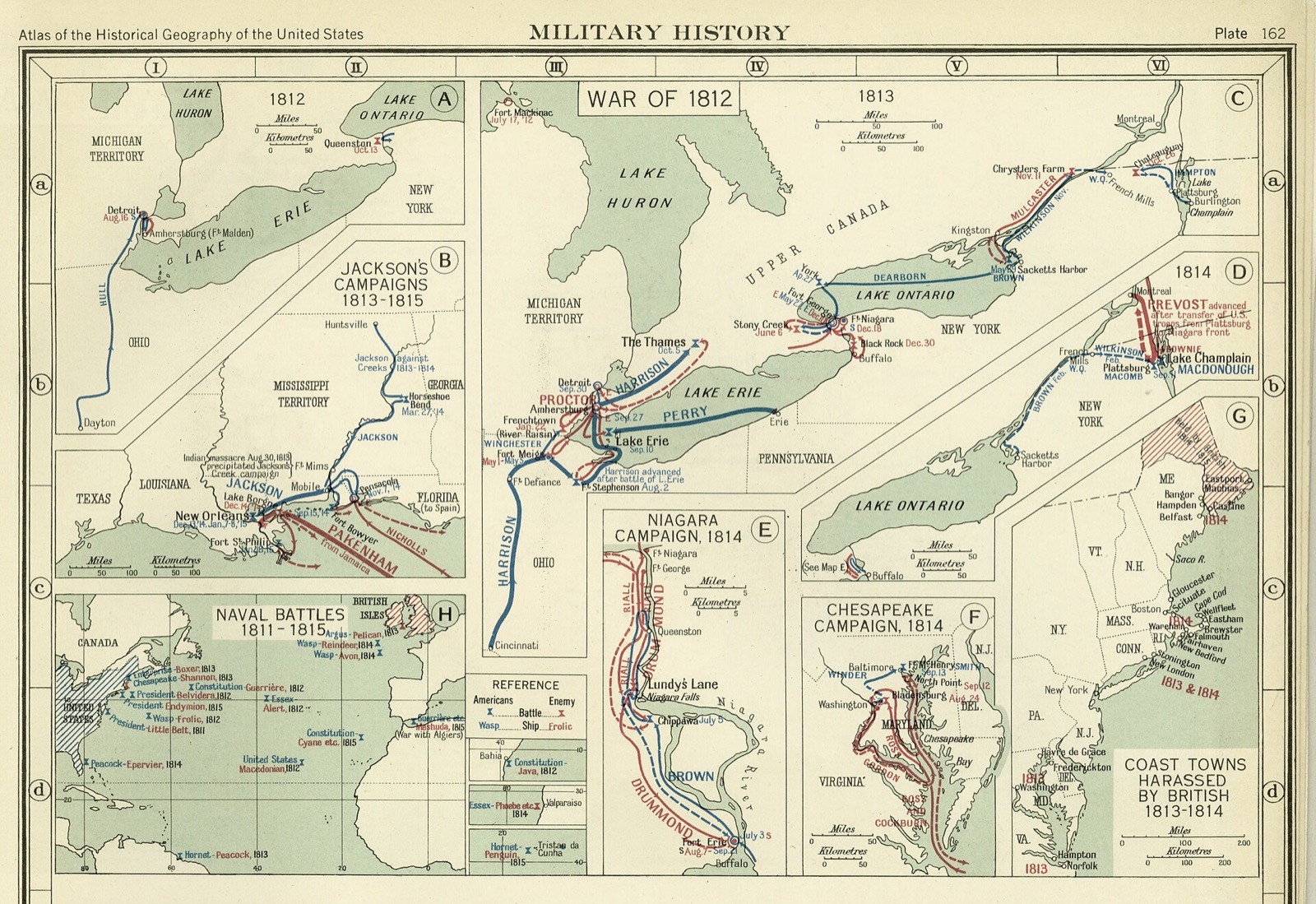
The War of 1812 was a war between the United States and Britain, fought from June 1812 to early 1815 on the Great Lakes, along the Canadian border, in Chesapeake Bay, on the open ocean and on the Gulf coast. Congress declared it on 18 June 1812. The main reasons were British interference with American shipping, the Royal Navy's practice of taking sailors off American ships, and American anger over British support for Native nations resisting the push west. It ended with the Treaty of Ghent, signed on 24 December 1814, which put the borders back where they had been before the war.
Nobody gained territory, yet the war mattered. Americans came away with a stronger national feeling and a few heroes, and they sometimes call it a second war of independence. Canadians remember it as the war in which they were not absorbed by their neighbour. Native nations, who had fought to keep a homeland between the two powers, lost their best chance of one. The war came about three decades after the events described in The American Revolution: Causes, War and Independence, and many Americans saw it as a test of whether the young republic could really stand on its own.
Why the war began
Three grievances pushed the United States toward war, and they overlapped. For a fuller treatment, see Causes of the War of 1812.
Trade caught between two empires
Britain and France were locked in the Napoleonic Wars. Each tried to starve the other of trade, Britain through its blockade and Orders in Council, Napoleon through his Continental System. American merchant ships, which carried goods for both sides, were caught in the middle. Both powers seized American vessels, though Britain, with the stronger navy, took more of them. Thomas Jefferson's Embargo Act of 1807 tried to hit back by stopping American exports, but it hurt American ports and farmers more than it hurt Britain.
Impressment
The Royal Navy needed sailors badly and stopped neutral ships to look for British deserters. In practice it also took men who were American citizens. The best-known incident came on 22 June 1807, when HMS Leopard fired on the American frigate USS Chesapeake off Virginia, killing three sailors, and removed four men. Americans saw impressment as an insult to their independence, because it treated their flag as no protection at all.
The western frontier
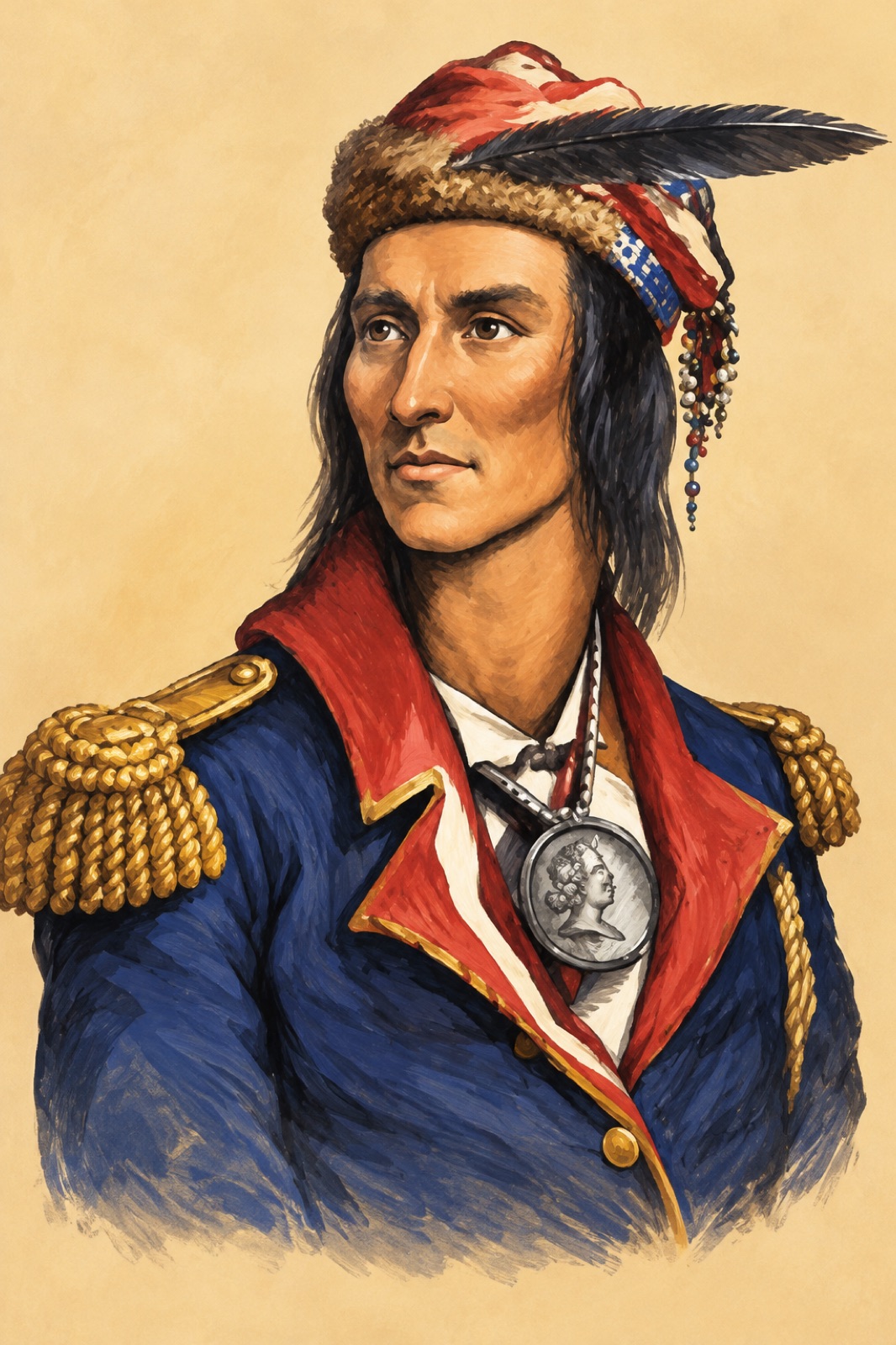
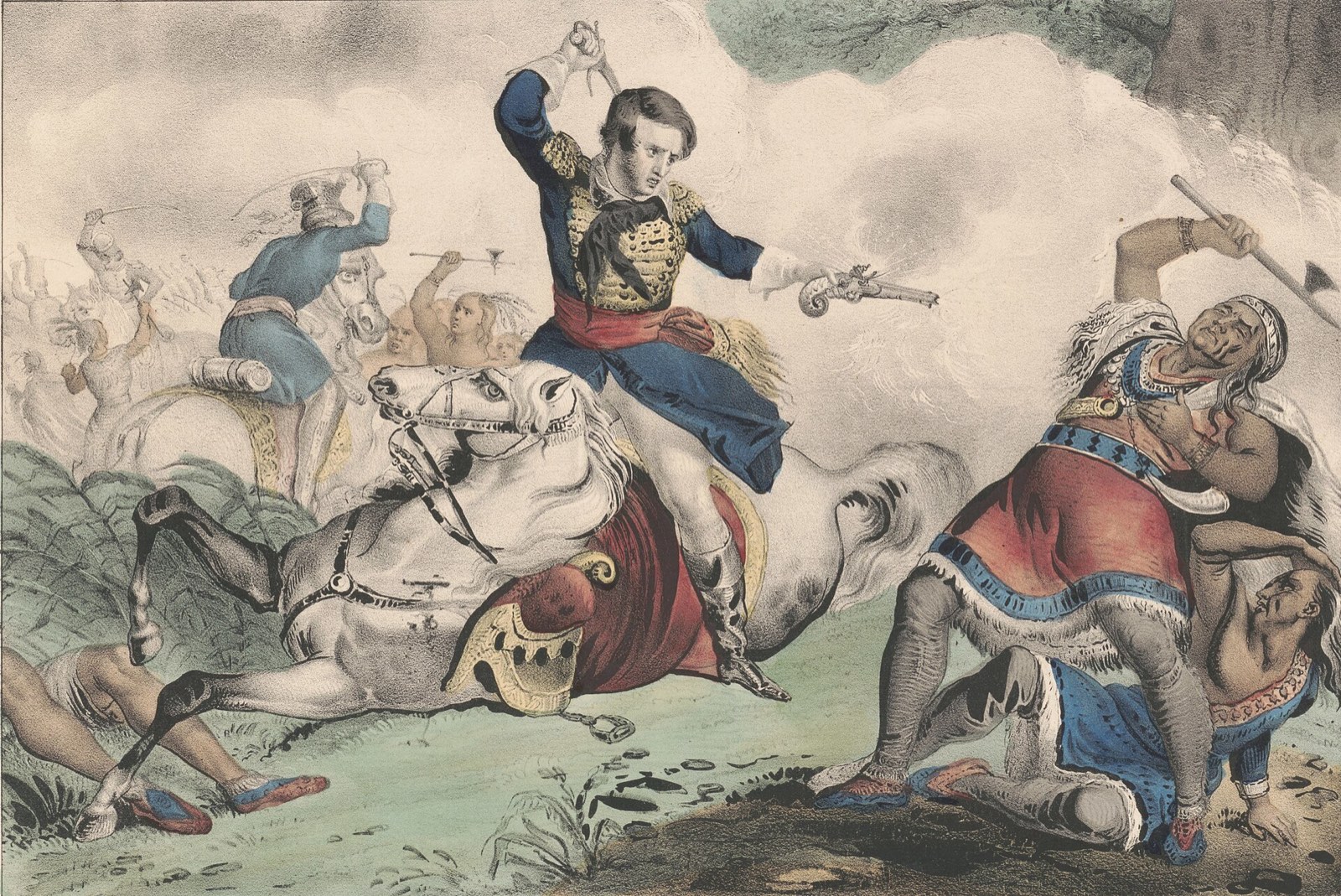
In the Northwest, the Shawnee leader Tecumseh and his brother Tenskwatawa, known as the Prophet, were building a confederacy to stop settlers taking more Native land. On 7 November 1811 forces under William Henry Harrison fought the Prophet's followers at Tippecanoe. Many Americans believed that British officials in Canada were arming the confederacy, and a group of young congressmen known as the War Hawks, including Henry Clay and John C. Calhoun, pressed for war. Some of them hoped to take Canada.
The vote was far from united. The House voted 79 to 49 and the Senate 19 to 13, and Federalists in New England mostly opposed the war. President James Madison signed the declaration on 18 June 1812. Britain had suspended its Orders in Council on 23 June, only days later, but news crossed the Atlantic slowly and the war was already under way.
1812: failed invasions and a few sea victories
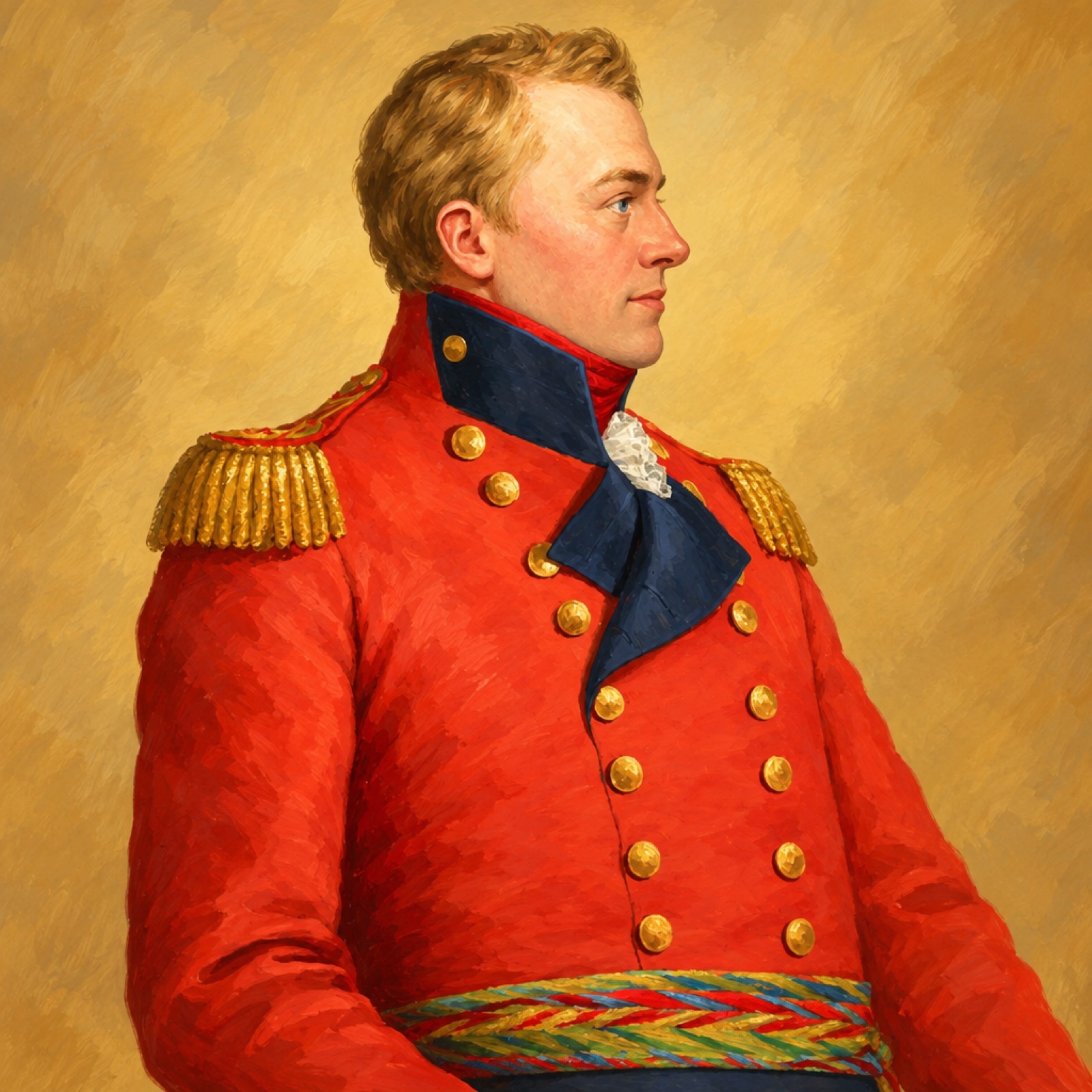
The American plan was to invade Canada at several points. It was badly carried out. The regular army was small, much of the fighting depended on militia, and many senior officers were poor. In July, General William Hull crossed from Detroit into Canada, then fell back. On 16 August 1812 he surrendered Detroit to the British general Isaac Brock, who had Tecumseh's warriors with him, almost without a fight.
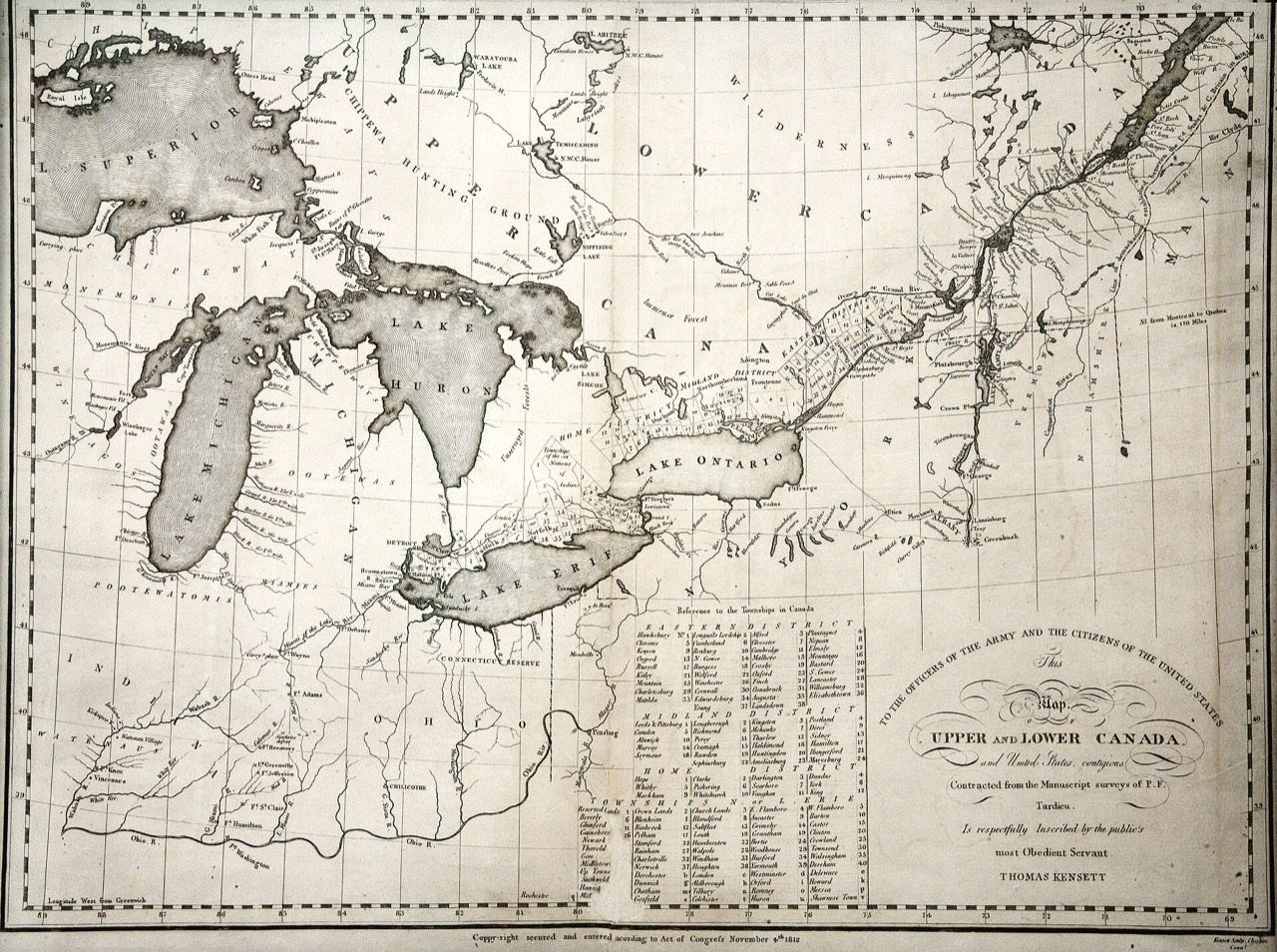
At Queenston Heights, on the Niagara River, American troops crossed on 13 October 1812. Brock was killed leading a counterattack, but the British and their Native allies won the day, and the American force was beaten. Brock became the hero of Upper Canada.
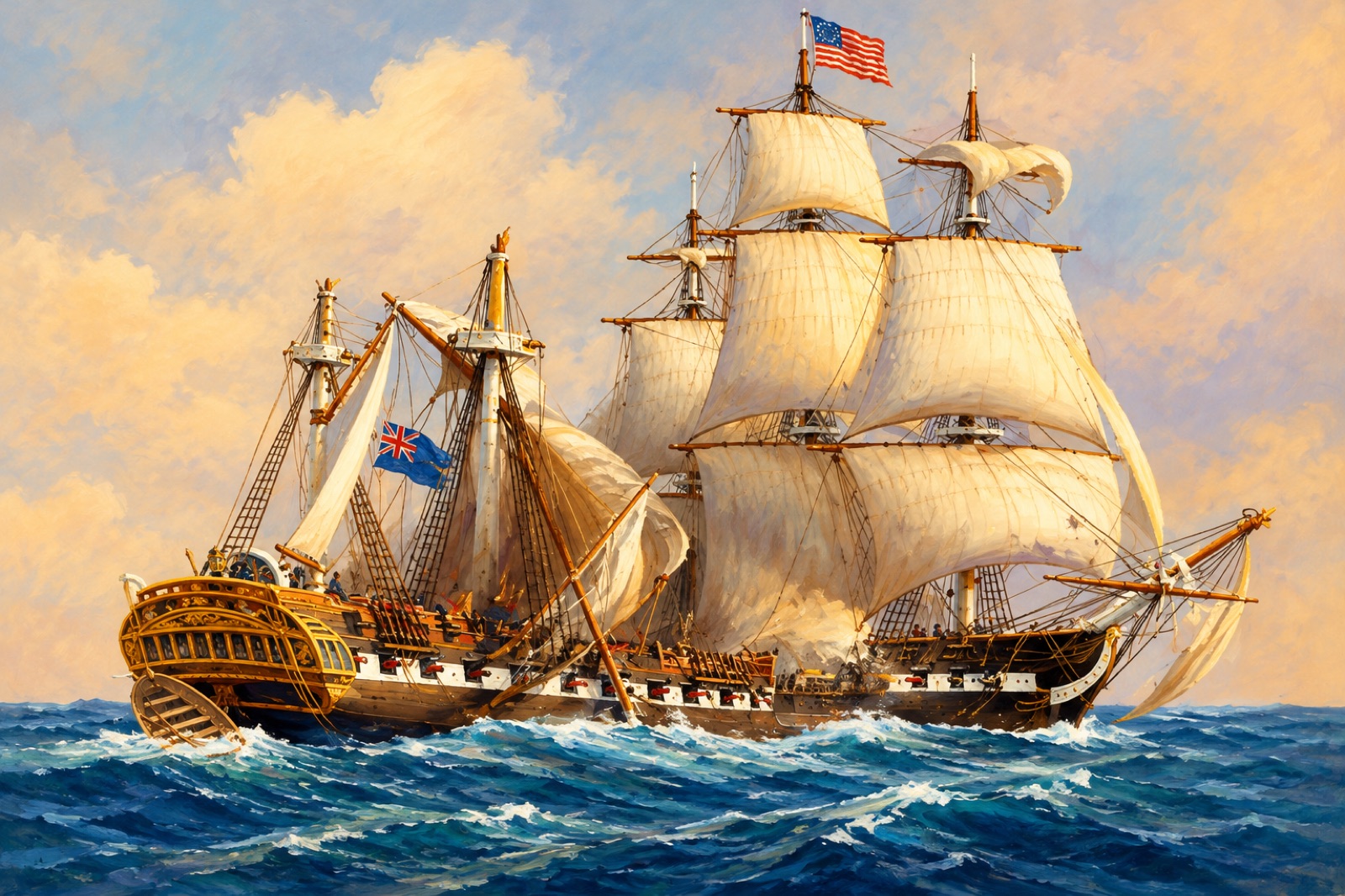
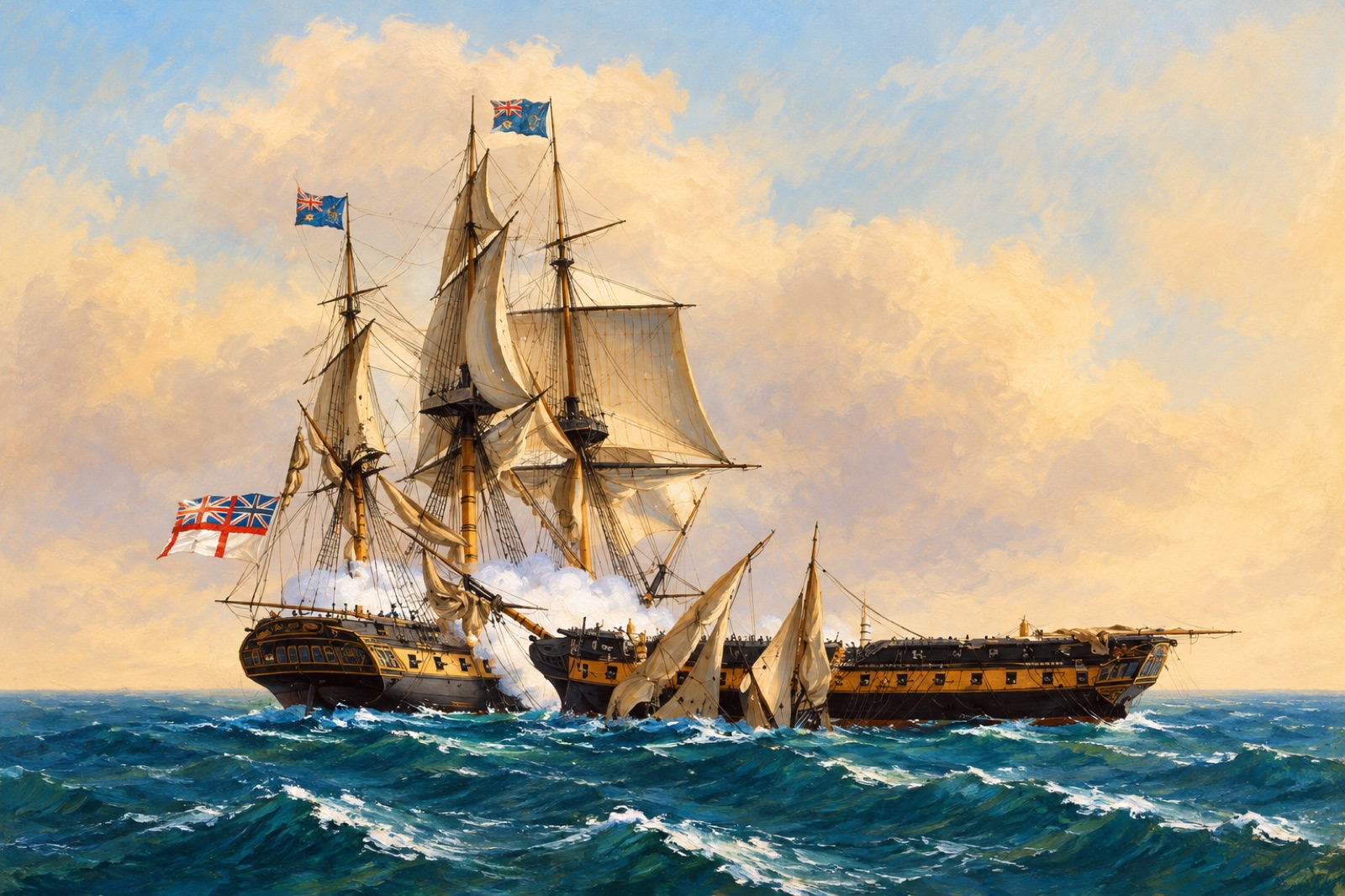
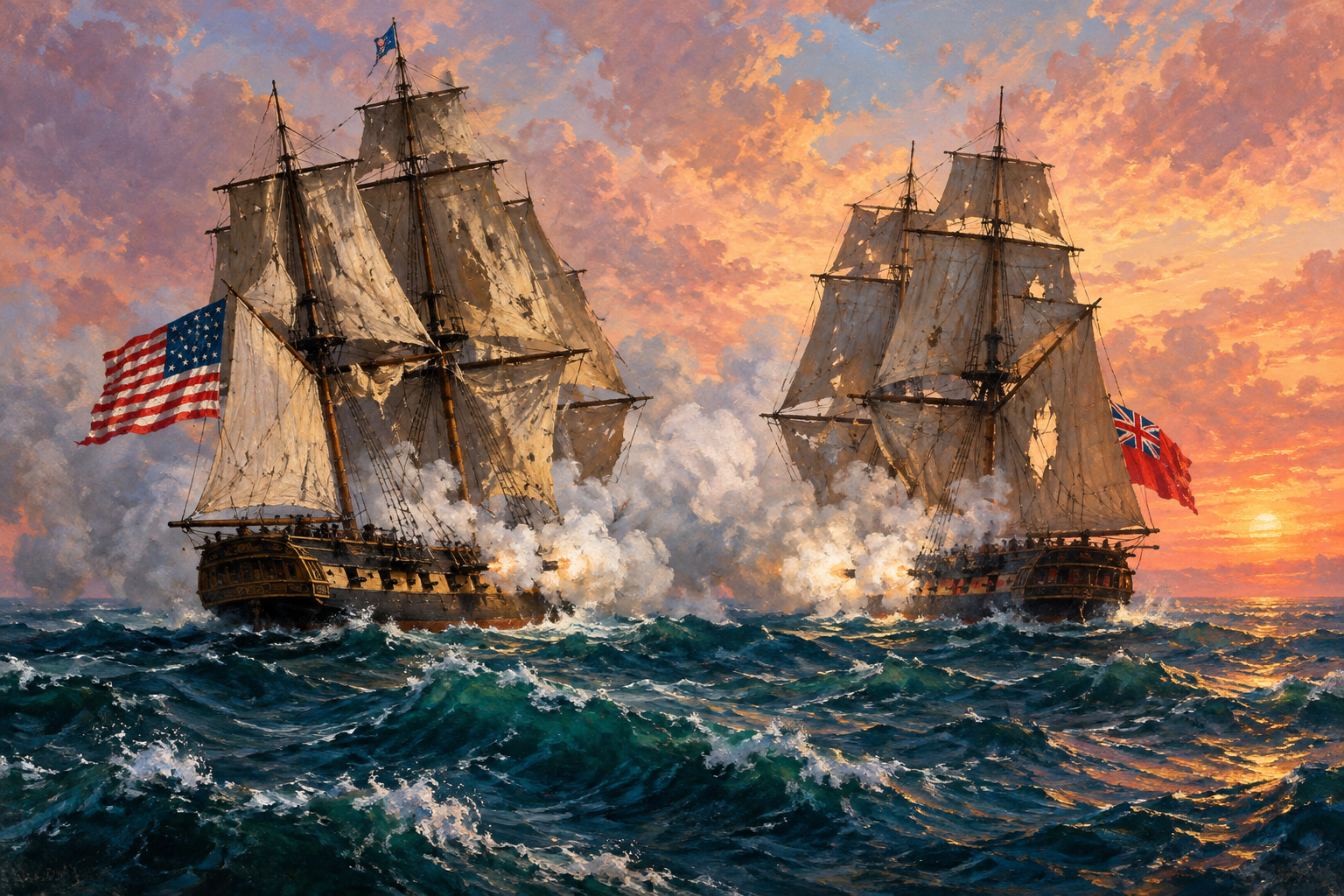
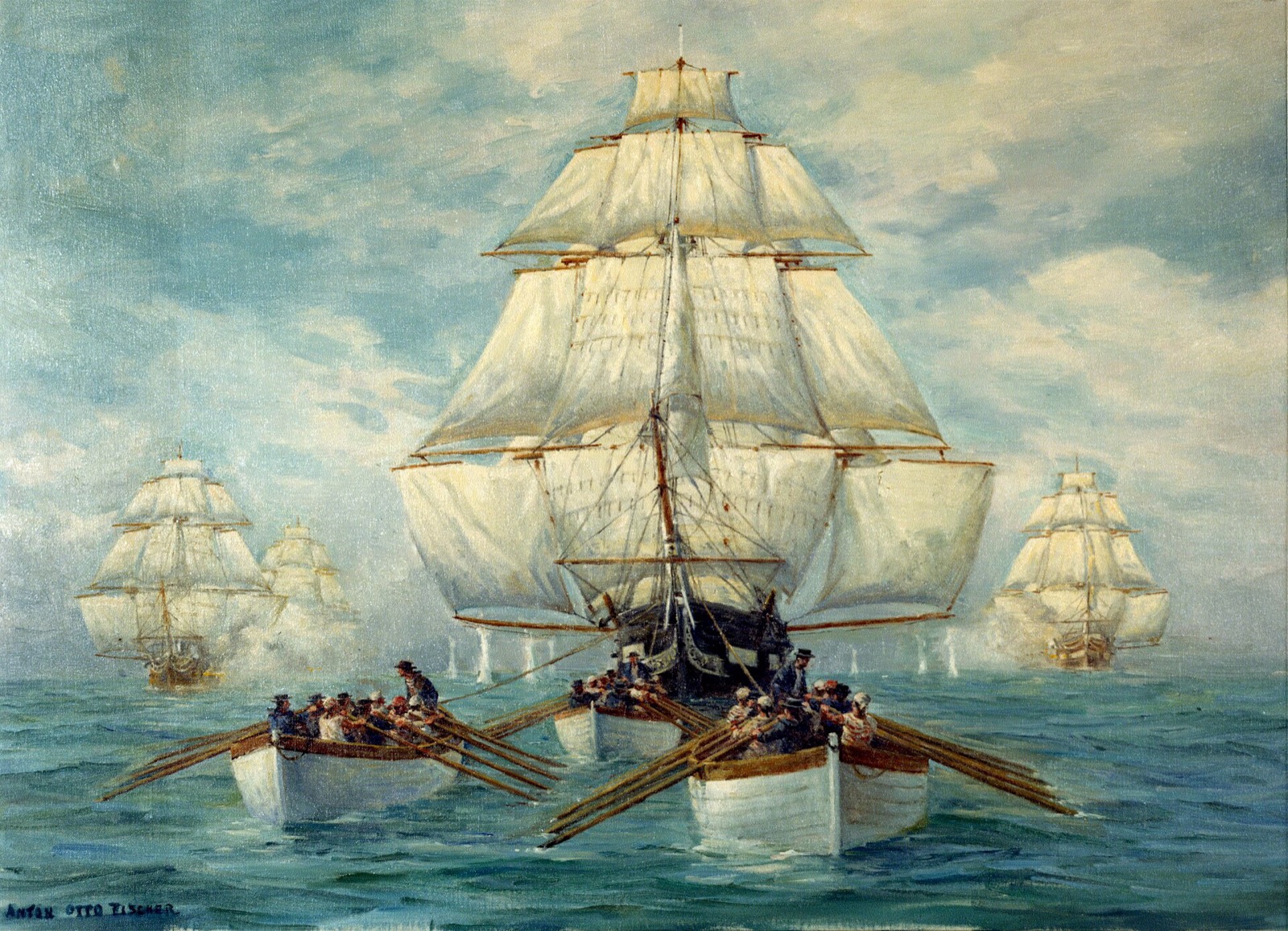
The sea told a different story. On 19 August 1812 the American frigate USS Constitution defeated HMS Guerriere in a short, fierce fight, and the British ship was left a dismasted wreck. The victory shocked a Royal Navy used to winning, and it earned the Constitution the nickname Old Ironsides. A few single-ship wins could not break British sea power, but they gave Americans something to celebrate in a bad year.
1813: the Lakes and the Thames
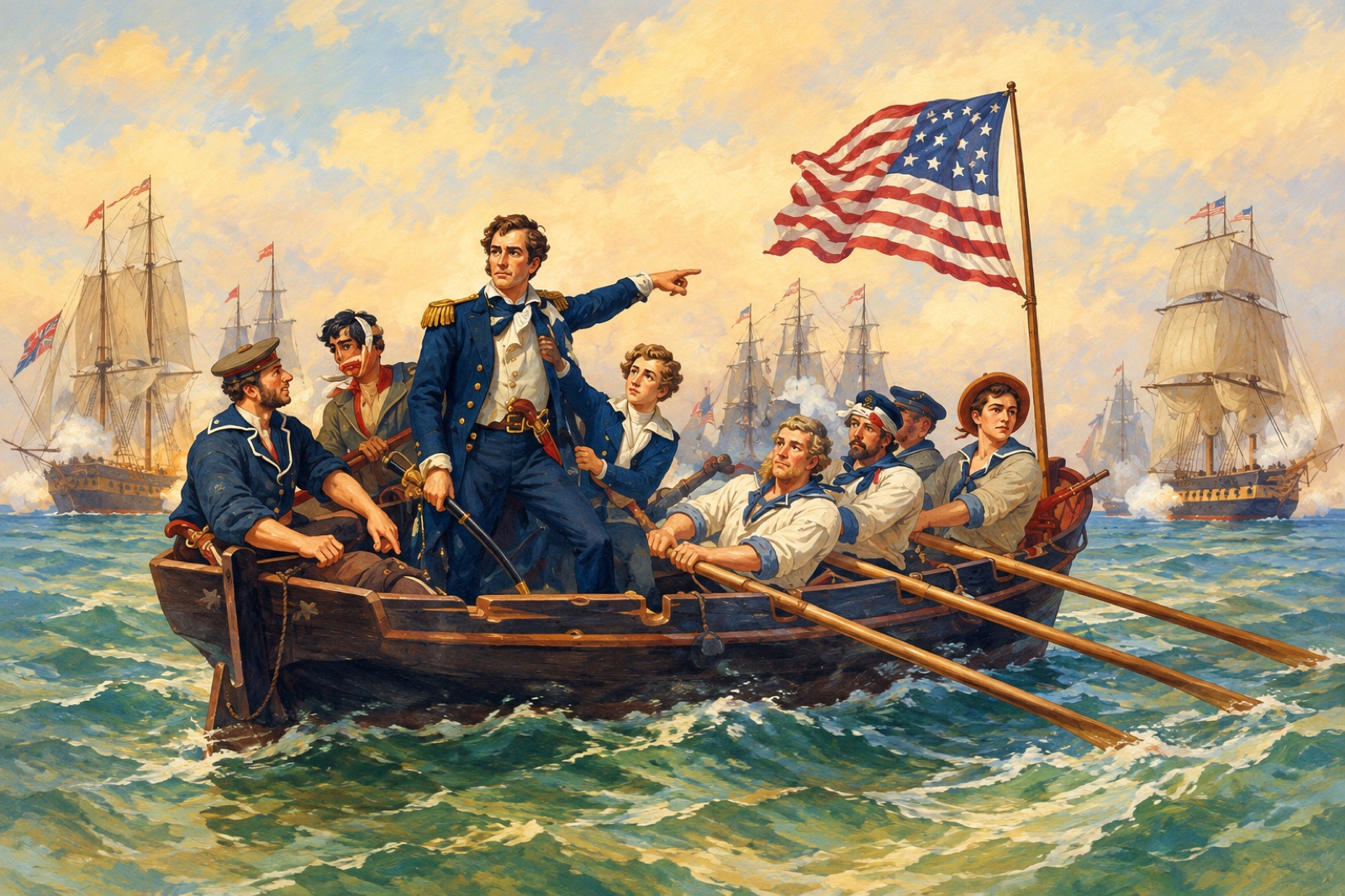
Control of the Great Lakes decided who could move troops and supplies in the west. In April 1813 American troops raided York, the capital of Upper Canada, and burned public buildings there. That raid was later cited by the British as one reason for the burning of Washington. On 10 September 1813 Oliver Hazard Perry's squadron defeated the British squadron on Lake Erie. His report is famous: "We have met the enemy and they are ours." The victory gave the Americans control of the lake.
With the lake lost, the British and their allies fell back from Detroit. Harrison pursued them, and on 5 October 1813 he defeated General Henry Procter's force at the Battle of the Thames in Upper Canada. Tecumseh was killed there. His death broke the confederacy he had built, and with it the hope of a Native buffer state in the Northwest. In the south, the Creek War ran alongside the larger conflict, and on 27 March 1814 Andrew Jackson's army defeated the Red Stick Creeks at Horseshoe Bend.
1814: Washington burns, Baltimore holds
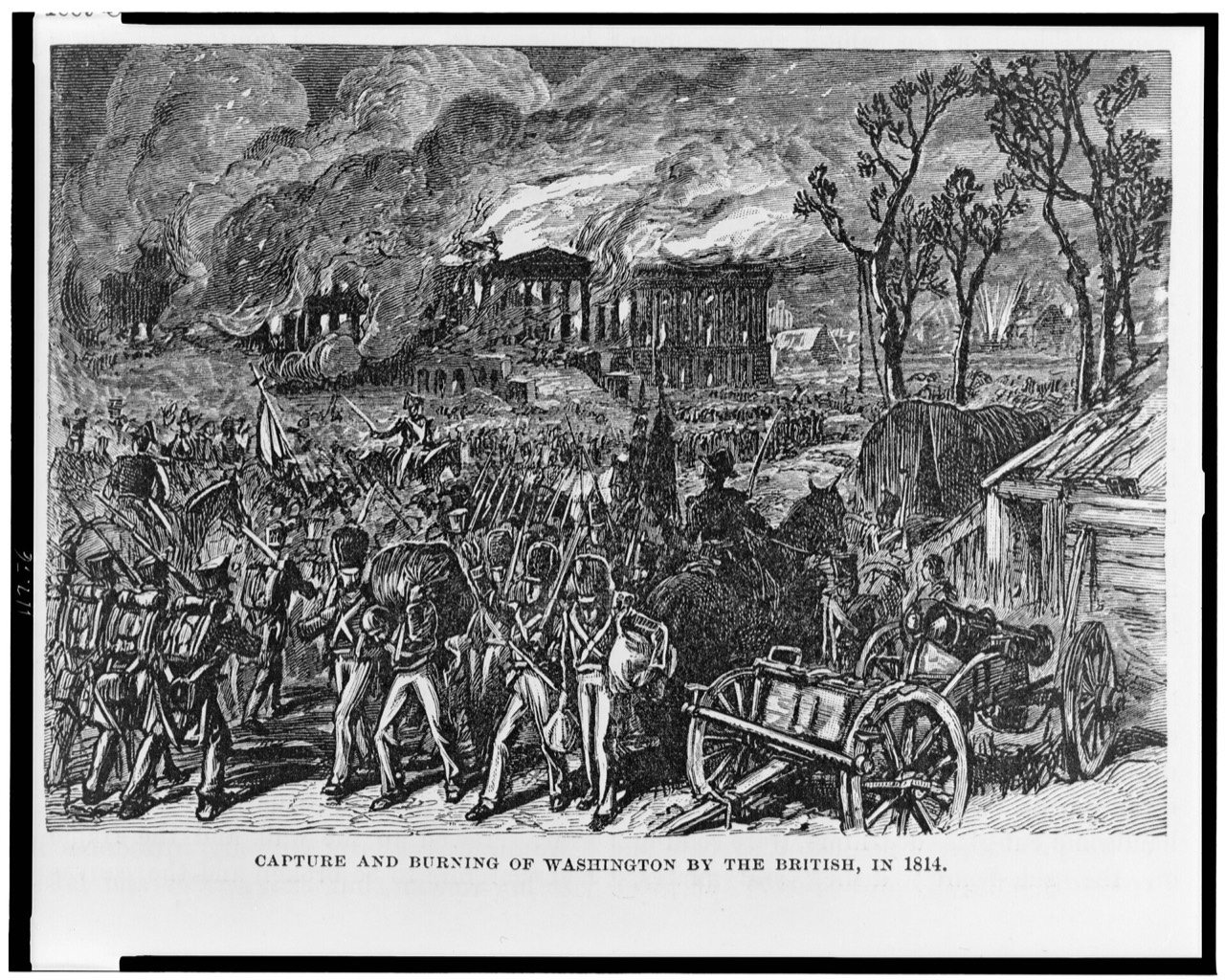
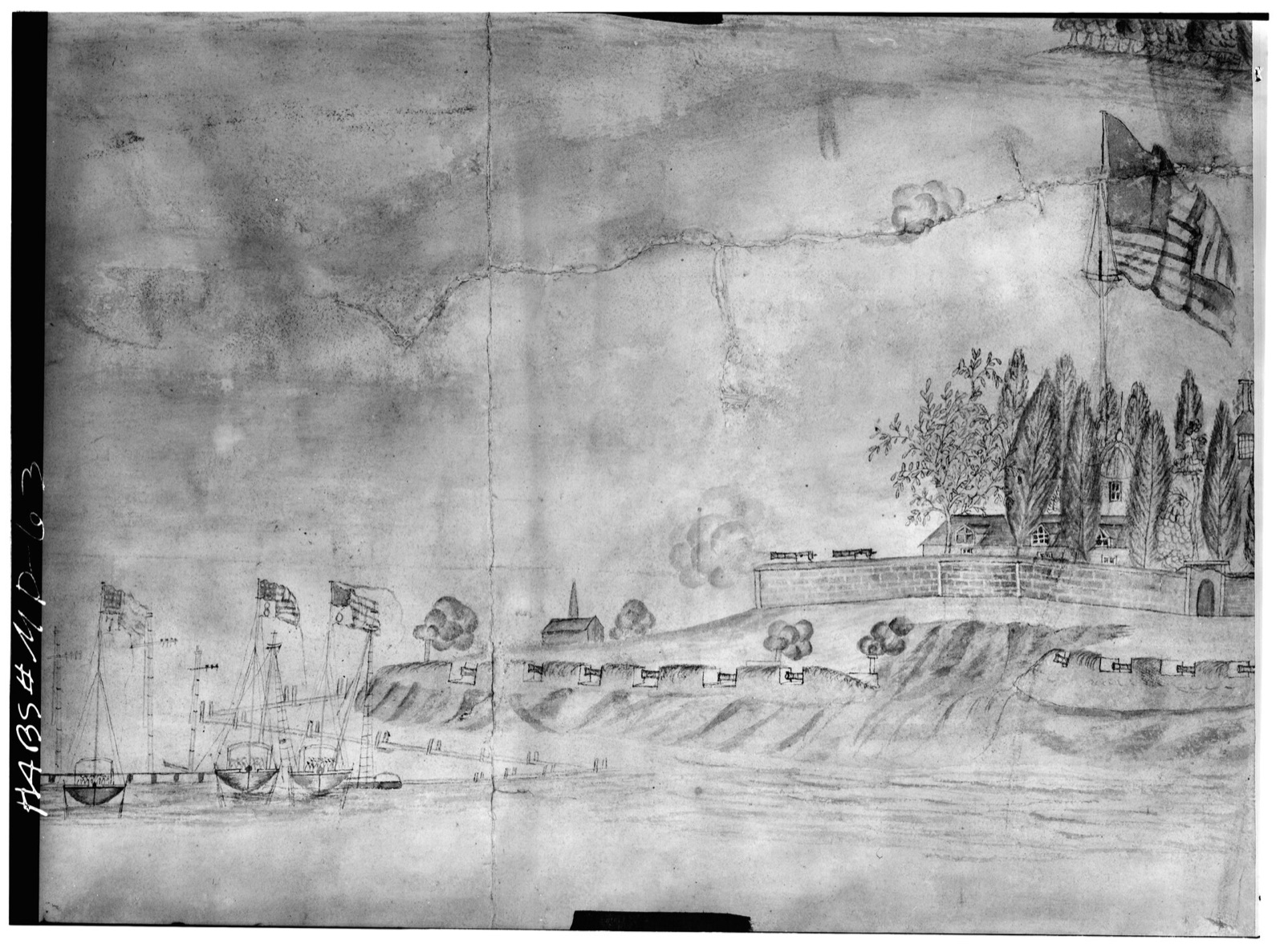
In April 1814 Napoleon abdicated, and Britain could send more troops and ships across the Atlantic. The Royal Navy tightened its blockade of the American coast, and the British planned several attacks. In the Chesapeake, a force under General Robert Ross landed in August with Admiral George Cockburn's squadron. On 24 August the British scattered American militia at Bladensburg, Maryland, and entered Washington that evening. They burned the Capitol and the President's House, along with other public buildings, on 24 and 25 August. It was the only time a foreign army has captured and burned the American capital.
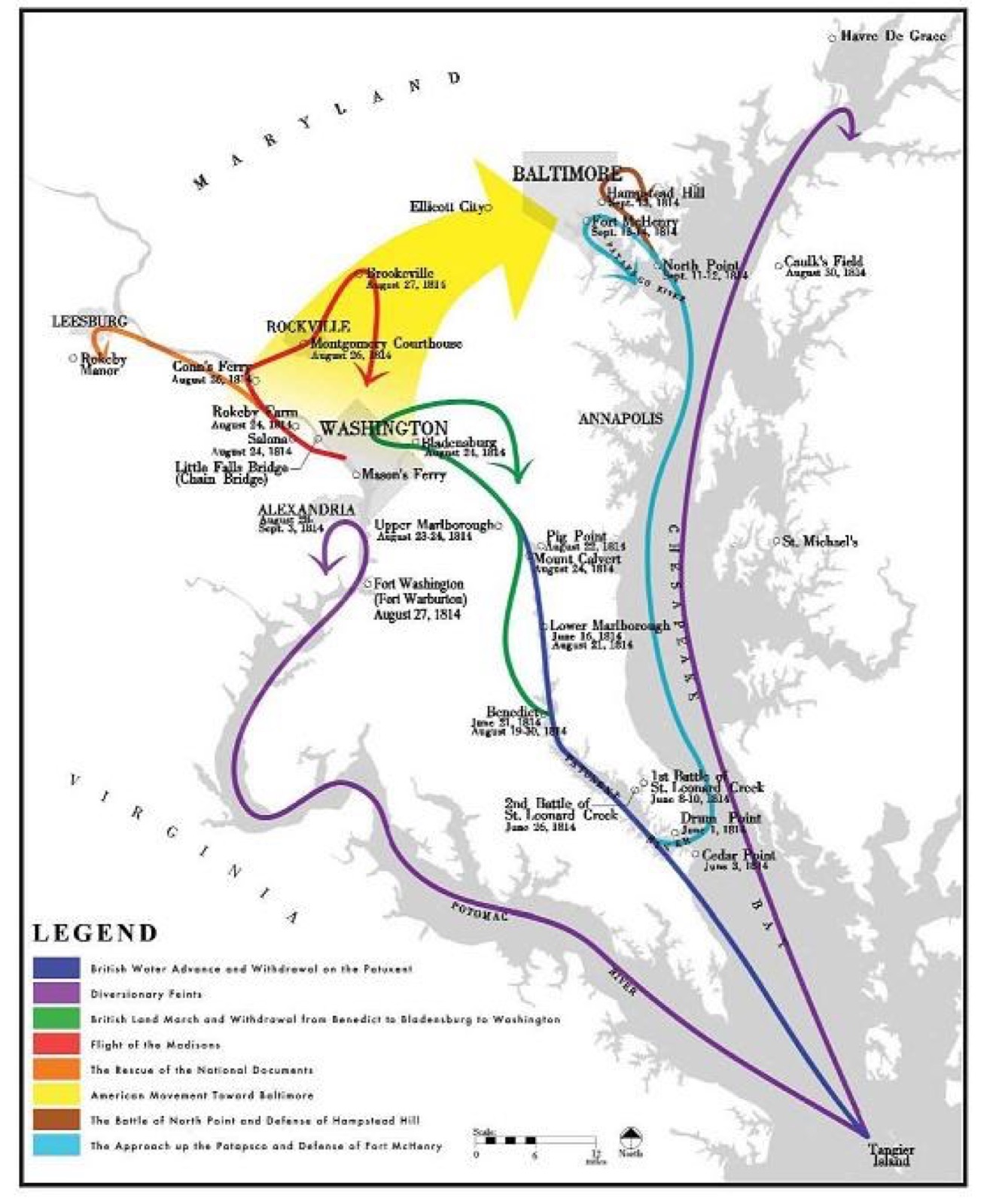
Baltimore was next, and this time the defenders held. Ross was killed in the fighting at North Point on 12 September, and the British fleet bombarded Fort McHenry on 13 and 14 September without forcing it to surrender. A young lawyer, Francis Scott Key, watched the bombardment from a ship in the bay. His poem about the flag still flying in the morning became "The Star-Spangled Banner", adopted as the national anthem in 1931.
In the north, a British invasion down Lake Champlain was turned back at Plattsburgh, New York, on 11 September 1814, when Thomas Macdonough's American squadron won the naval fight on the lake. Together, Baltimore and Plattsburgh left Britain with less reason to demand land at the peace table.
The Treaty of Ghent and New Orleans
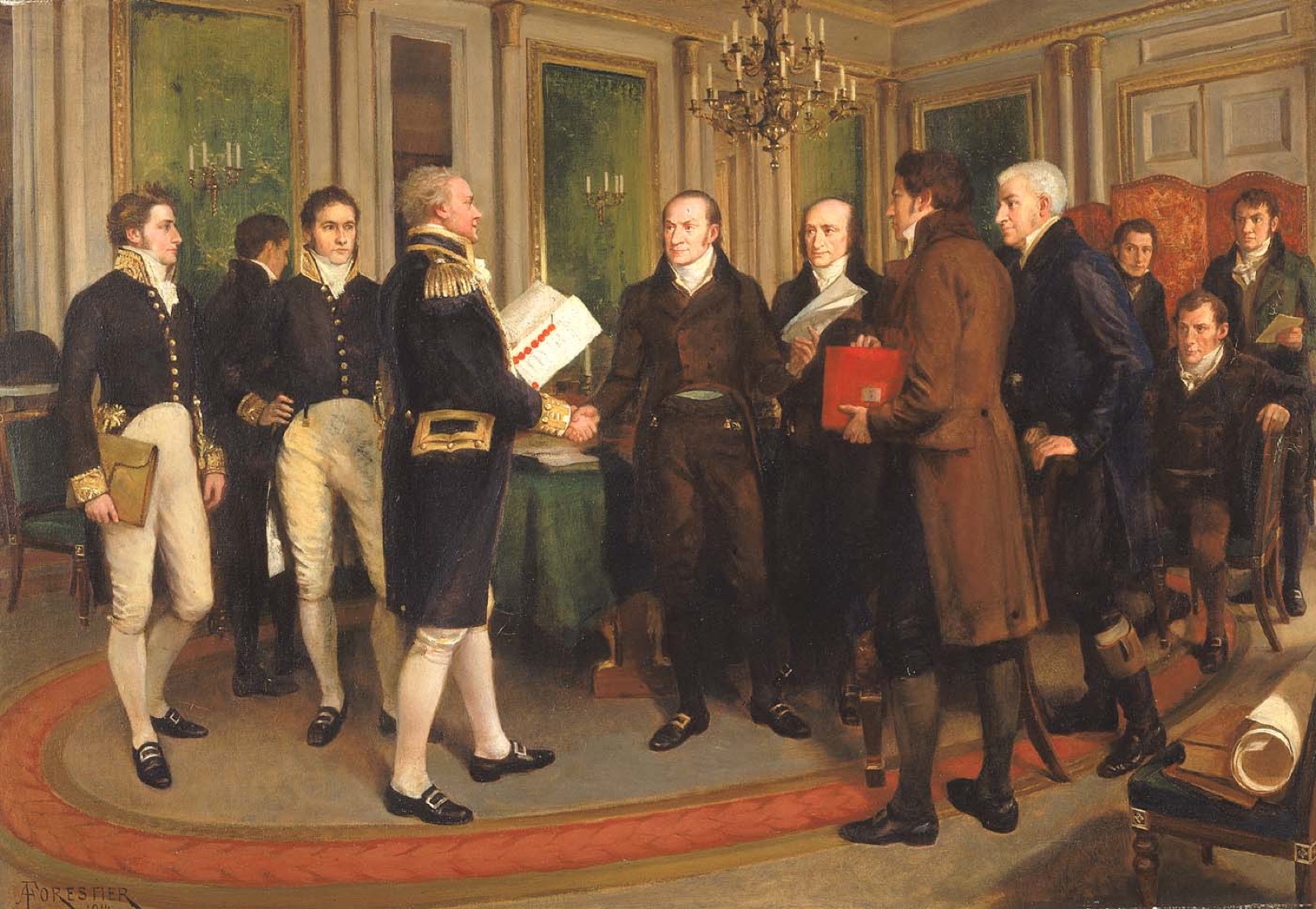
American and British commissioners had been talking in Ghent, in what is now Belgium, since August 1814. The Americans included John Quincy Adams, Henry Clay and Albert Gallatin. Britain had begun with demands for a Native buffer state and border changes, but it was tired after twenty years of war with France and it dropped them. The treaty, signed on 24 December 1814, simply restored the pre-war situation, known as status quo ante bellum. It said nothing about impressment, which had faded as an issue once Napoleon was beaten.
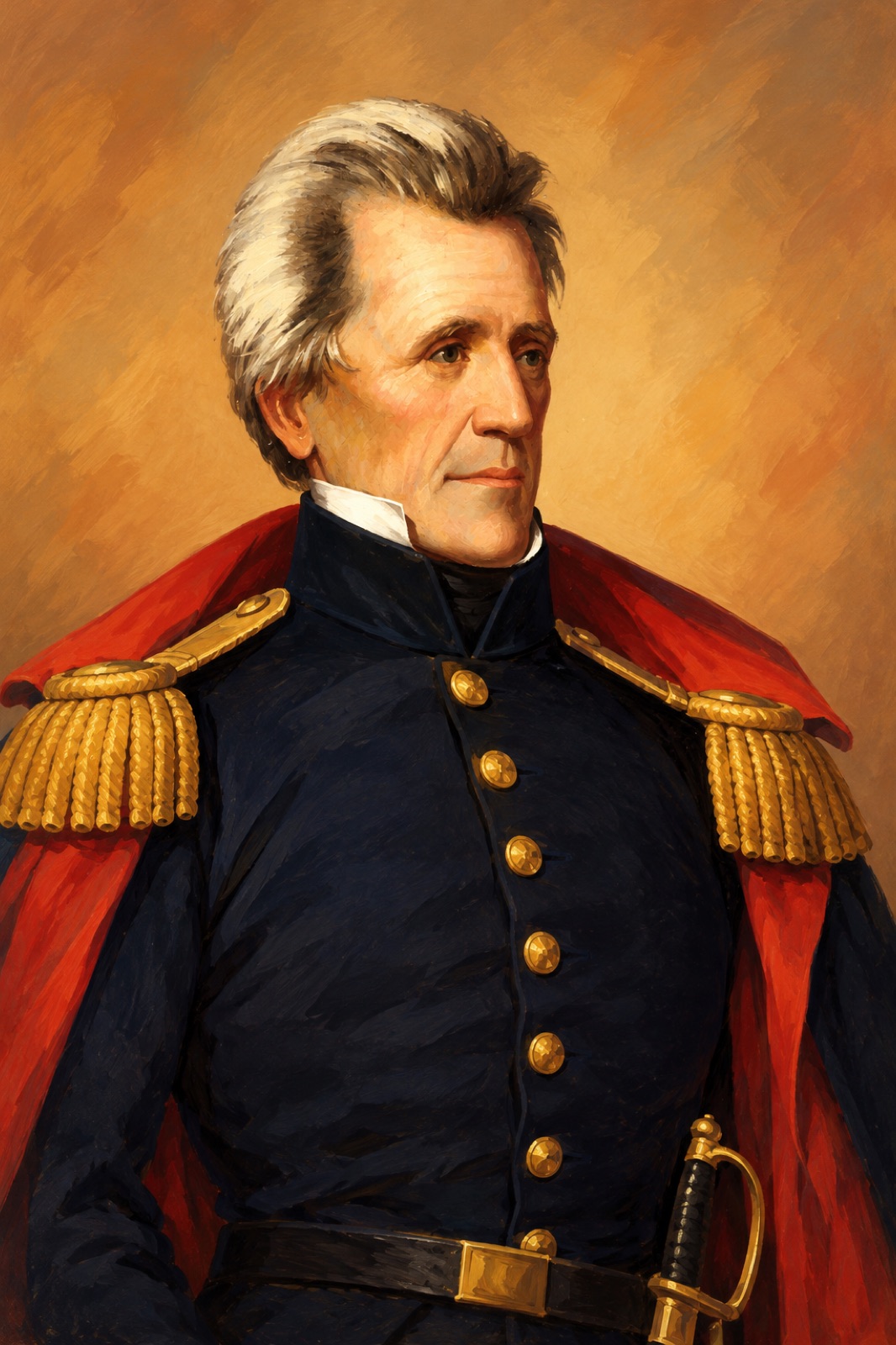
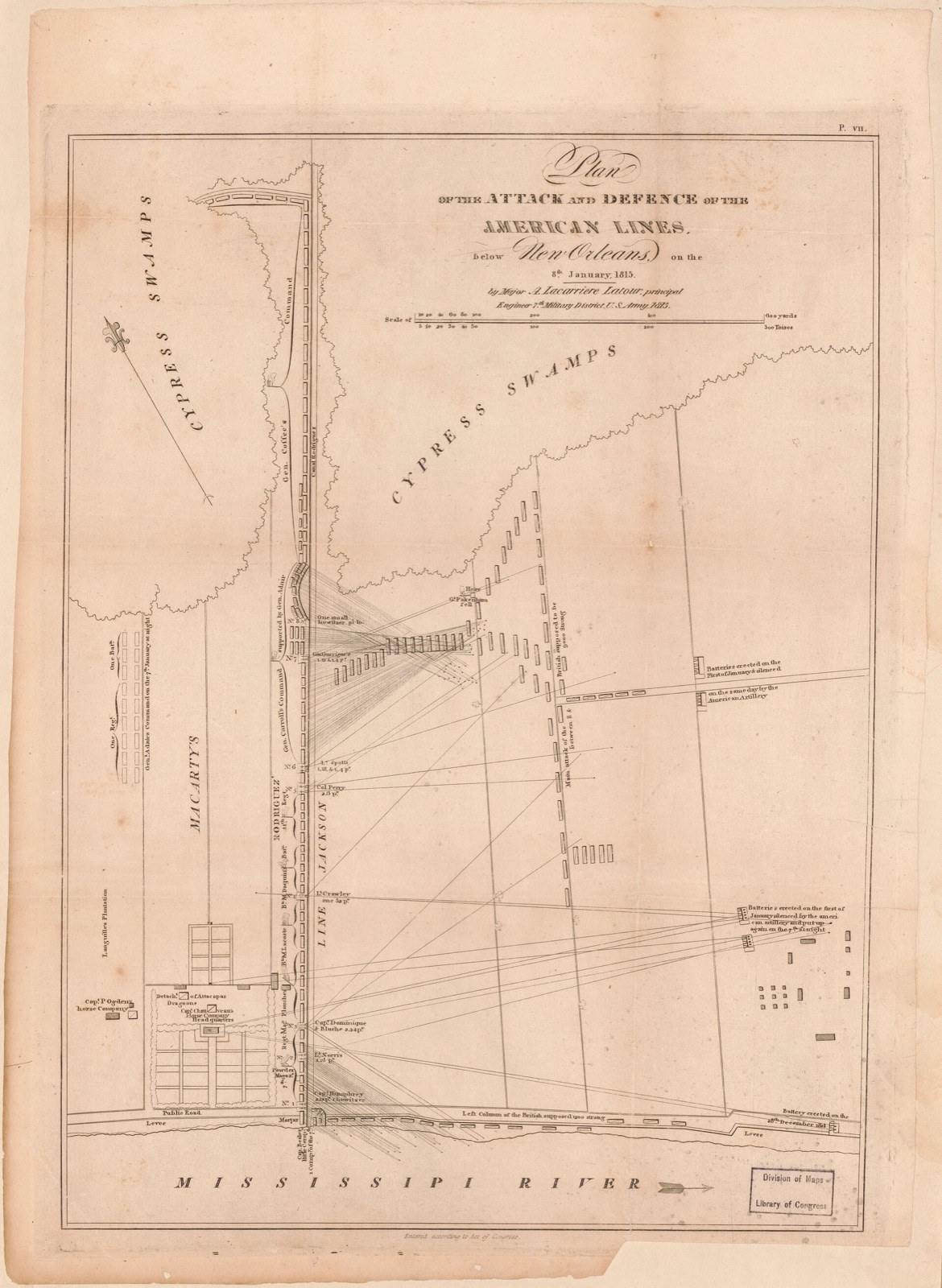
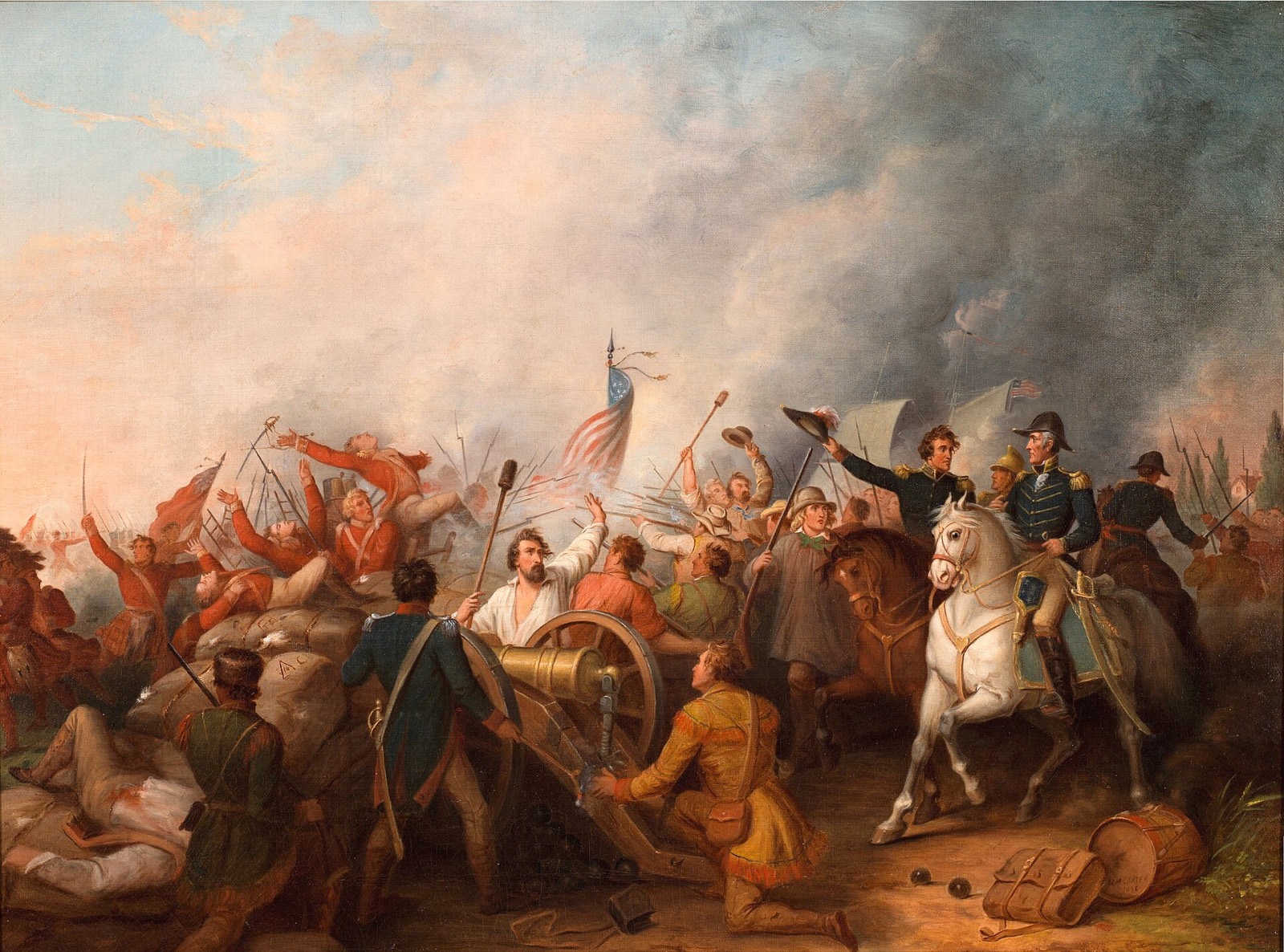
News had not yet crossed the ocean when the British attacked New Orleans. On 8 January 1815 Andrew Jackson's army, which was roughly 4,000 to 5,000 strong and made up of regulars, militia, free Black volunteers and others, held a line of earthworks and beat back the British assault. The British commander, General Edward Pakenham, was killed. British casualties were about 2,000 men, American losses fewer than 100. The battle came after the treaty had been signed, so it did not change the terms, but it made Jackson a national hero.
The treaty took effect only after ratification. The US Senate approved it unanimously on 16 February 1815, and the exchange of ratifications followed on 17 February.
What the war changed
For the United States, the main result was confidence. Americans remembered New Orleans, the Constitution and Fort McHenry, and forgot the failed invasions. The Federalist Party, which had opposed the war and whose New England delegates met at the Hartford Convention in December 1814 and January 1815, was discredited, and it faded away. The years that followed, under President James Monroe, were called the Era of Good Feelings. The British blockade had cut off imports and pushed capital into American manufacturing, and after the war Congress created the Second Bank of the United States in 1816.
For Native nations the war was a disaster. With Tecumseh dead and British support withdrawn, the confederacy never recovered, and settlers moved into the Old Northwest and the South with less resistance. After the Creek War, the Treaty of Fort Jackson took more than 20 million acres from the Creek. Andrew Jackson, who had led that campaign, later became president.
For Canada, the war became a founding memory: Upper and Lower Canada, with British regulars, militia and Native allies, had defended their land. For Britain, a war against the United States was a sideshow beside Napoleon. The two countries later settled the border with care. The Rush-Bagot Agreement of 1817 limited warships on the Great Lakes, and the Convention of 1818 set much of the boundary along the 49th parallel.
What exams ask
In AP US History, the War of 1812 is usually tested through causes, outcomes and consequences. Be ready to explain these points:
- Causes: impressment, British trade restrictions during the Napoleonic Wars, and conflict with Native nations on the frontier, along with the push of the War Hawks.
- The Treaty of Ghent: it restored pre-war borders and did not address impressment, so it is described as a draw rather than a clear victory.
- The Hartford Convention: New England Federalists met in protest, and their party collapsed once the war ended well for the nation.
- Consequences: a rise in nationalism, the Era of Good Feelings, early industrial growth, the Second Bank of the United States, and weaker Native resistance in the Old Northwest.
- The timing trap: the Battle of New Orleans (8 January 1815) happened after the treaty was signed.
Read next
- The American Revolution: Causes, War and Independence: the hub for this topic and the first war against Britain that this one is often compared with.
- Causes of the War of 1812: a closer look at impressment, trade and the frontier.
- Why Did the Articles of Confederation Fail?: why the young republic struggled with weak central government, a theme that returns in 1812.
- The Declaration of Independence Explained: the document behind the independence that Americans felt they were defending again.