In five minutes
The Congress of Vienna was the diplomatic meeting that settled Europe after Napoleon. It ran from autumn 1814 to June 1815, and its aim was a balance of power that would stop any single country from dominating the continent again. The victorious powers wrote the new order, and the Final Act of 9 June 1815 recorded it. The meeting is also remembered for its parties and for a joke that the delegates danced a great deal but got little done.
This page is part of The Napoleonic Era (1799–1815), the hub for this topic.
When did the Congress meet?
Sources differ on the exact start. Some give 1 November 1814 as the opening date, while others date the start to September 1814. Most general accounts describe the talks as running from autumn 1814 to the Final Act of 9 June 1815, so a single opening day tells you little about how the work was done.
The real bargaining happened in small groups among the great powers, not in one big assembly. Then Napoleon's escape from Elba forced the delegates to finish quickly. The Congress lasted under a year, yet in that time it redrew much of the map of Europe.
Before Vienna: Napoleon's empire and its fall
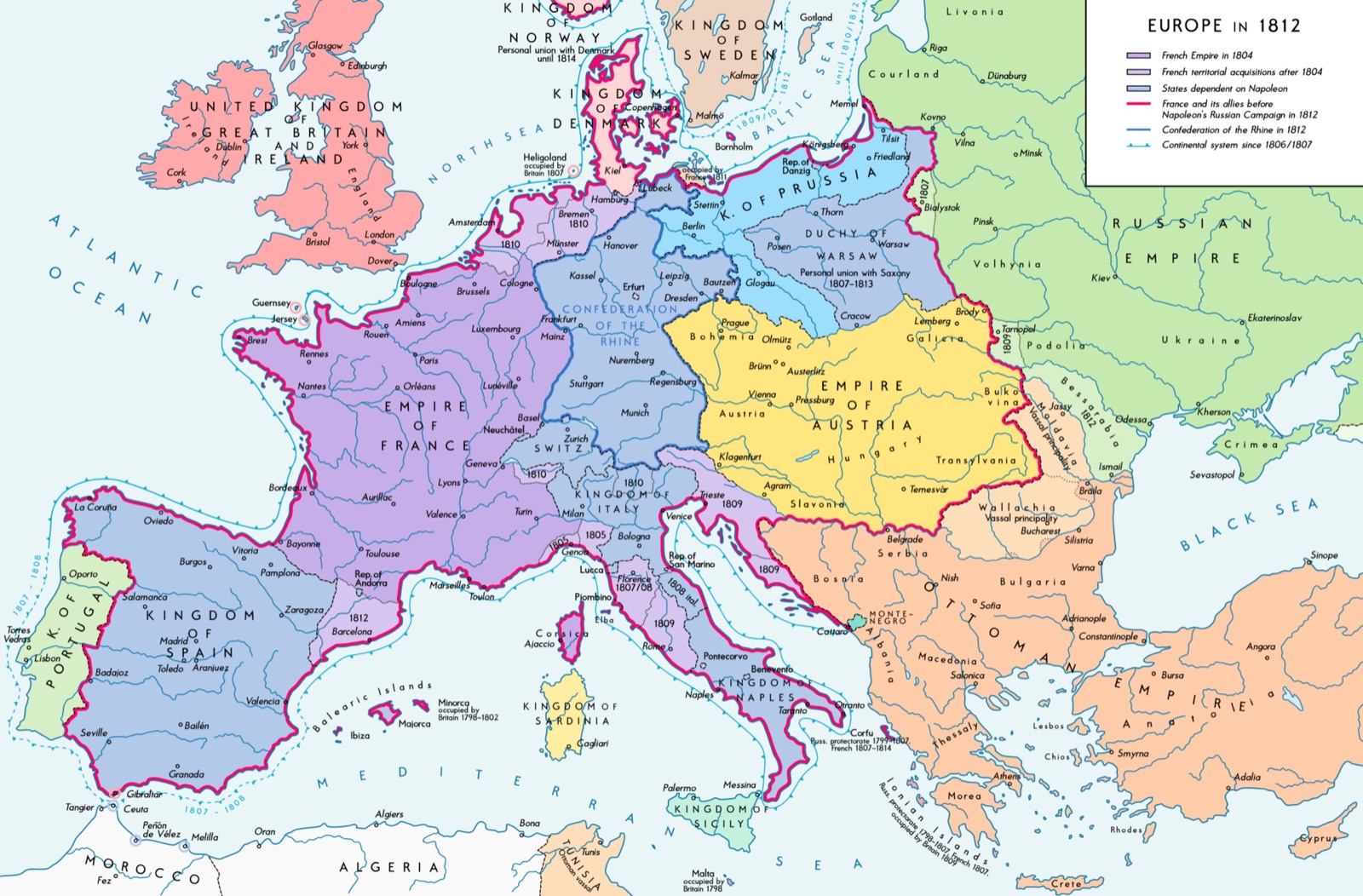
By 1812 Napoleon controlled or dominated most of continental Europe. French power reached through the Low Countries, Germany and Italy, and many of the states around France were run by Napoleon's family or allies. The map below shows that starting point, the baseline the Congress had to undo.
The invasion of Russia in 1812 went badly for Napoleon, and from 1813 a new coalition pushed into Germany. He abdicated in April 1814 and went into exile on the island of Elba. On 30 May 1814 the First Peace of Paris ended the war between France and the Sixth Coalition. Its terms were lenient towards France, partly because the Allies hoped a restored monarchy would make a steadier neighbour.
The treaty ended the fighting, but it did not settle the big questions. Poland, Saxony, Germany and much else were still open, so the great powers gathered in Vienna to decide them. The ideas behind the conflict also mattered. The French Revolution had spread claims of popular sovereignty and liberty, but Napoleon's rule tied those ideas to conquest, and many delegates feared them. They wanted to restore monarchy and order.
Who came to Vienna
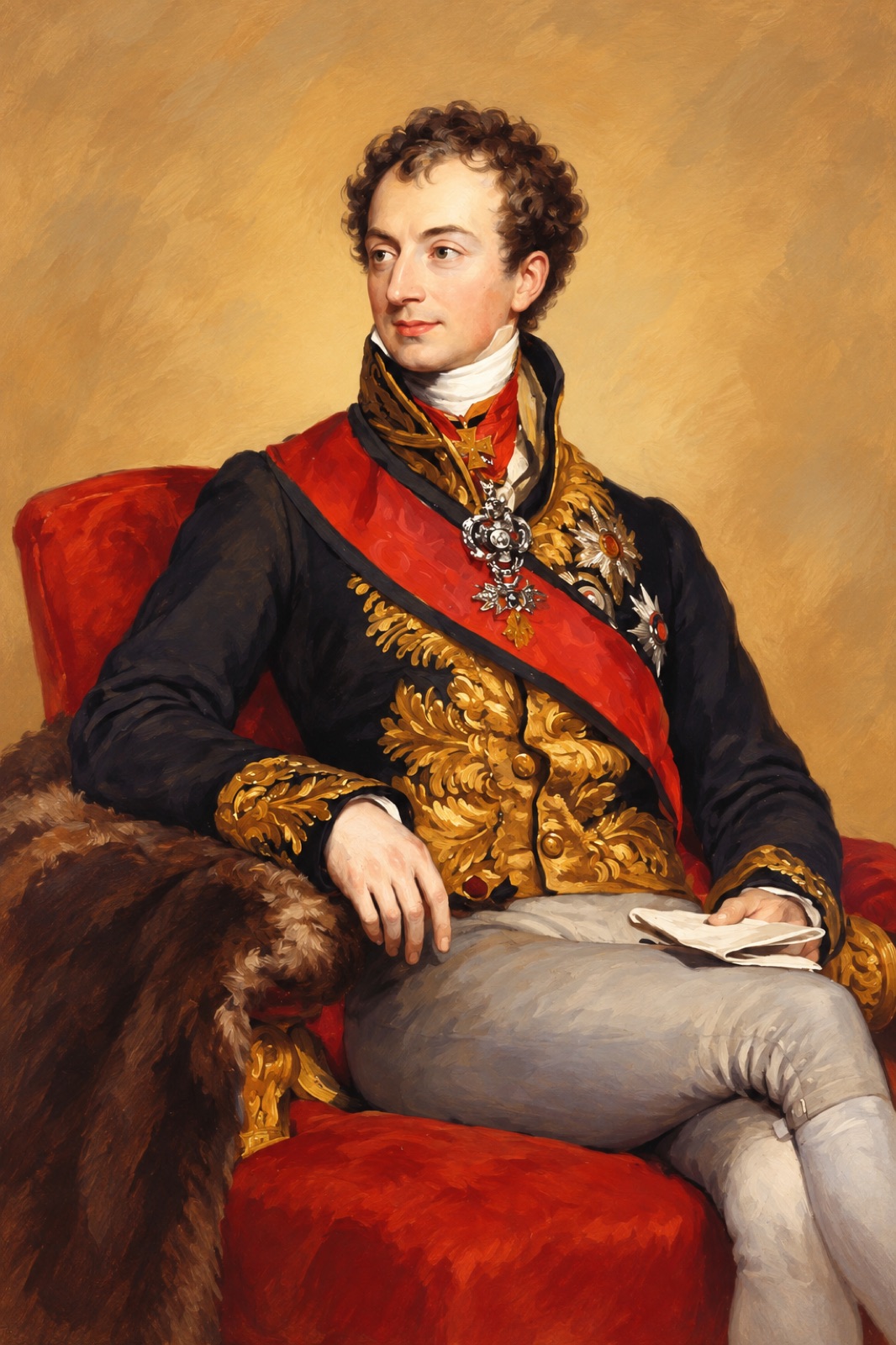
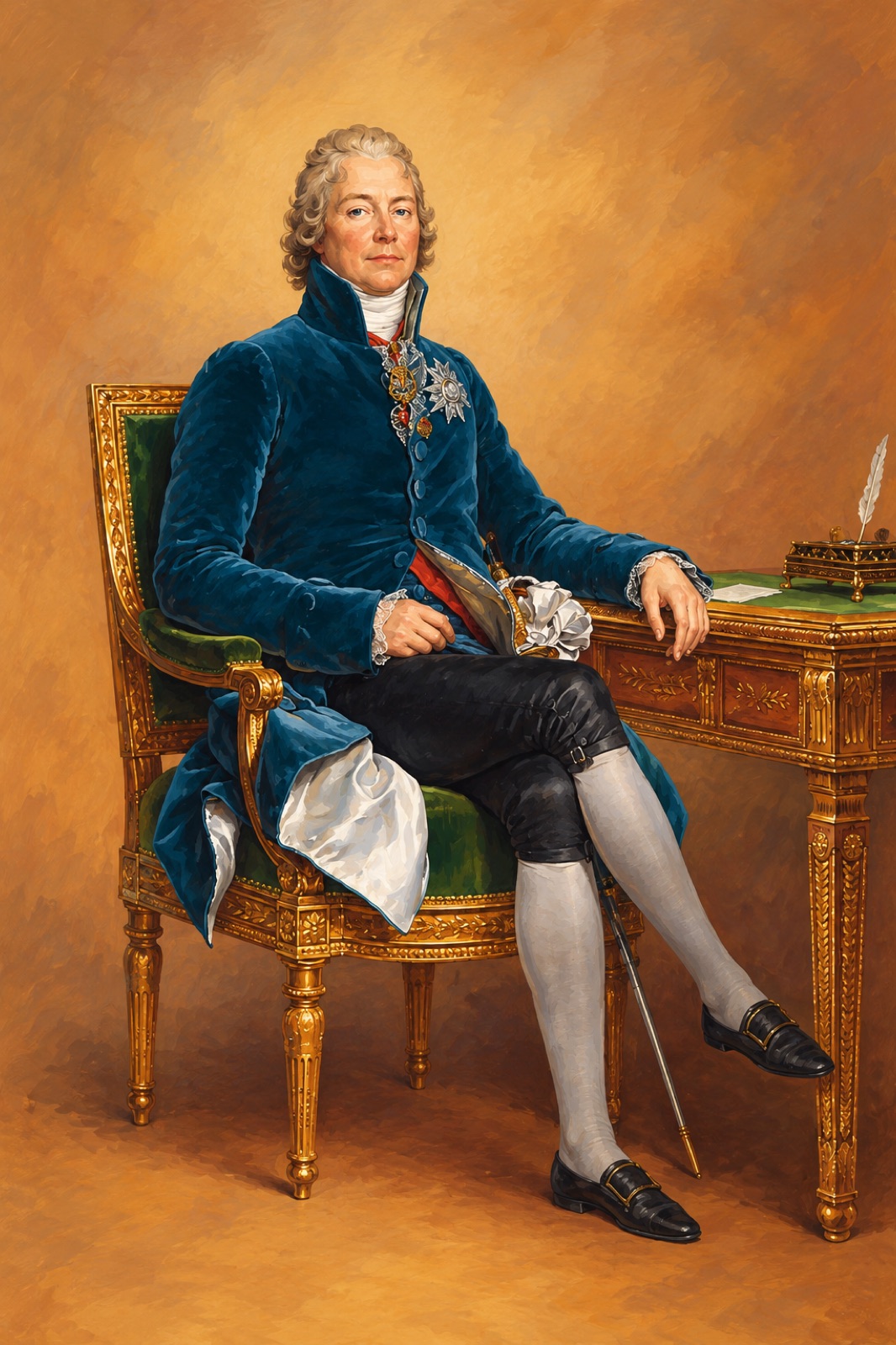
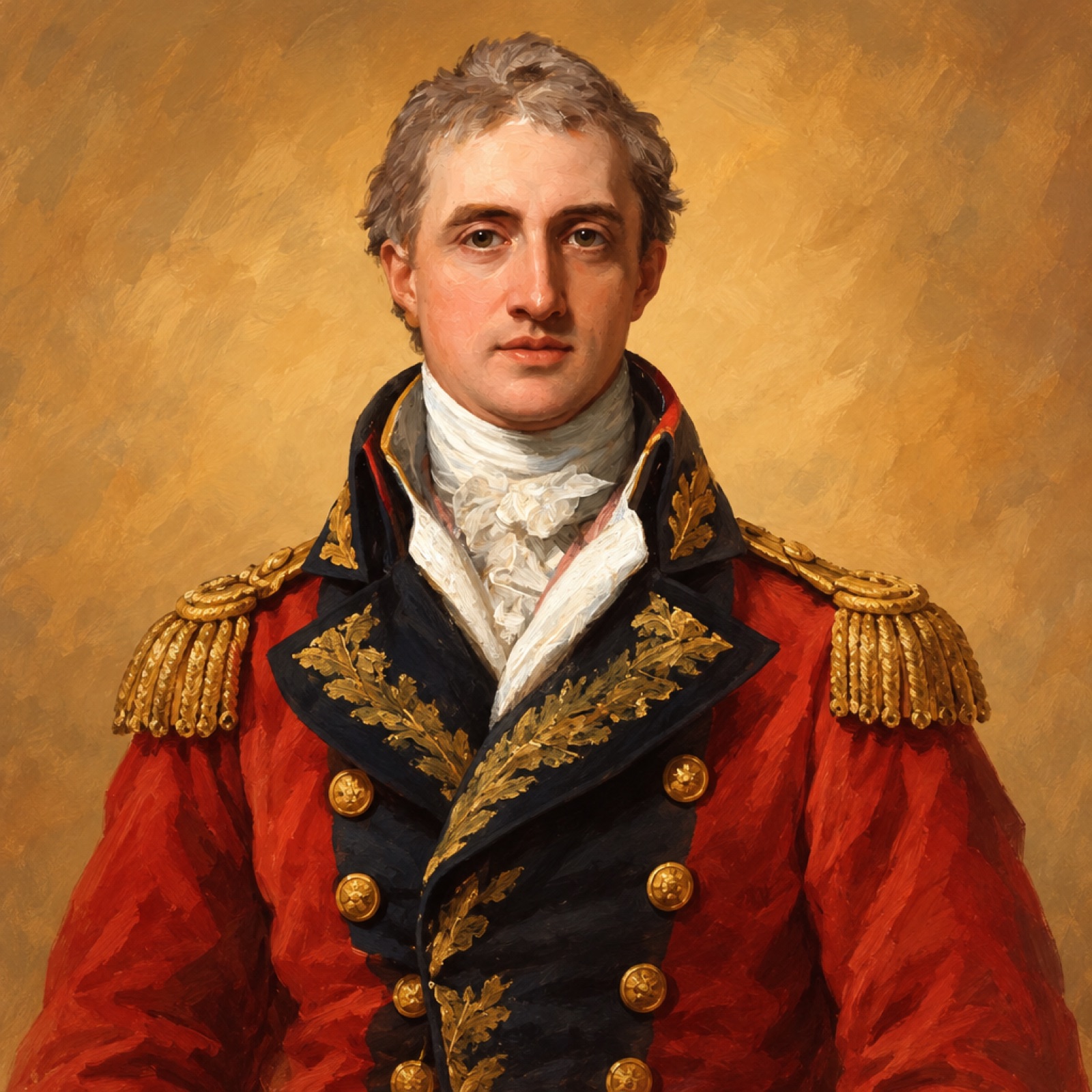
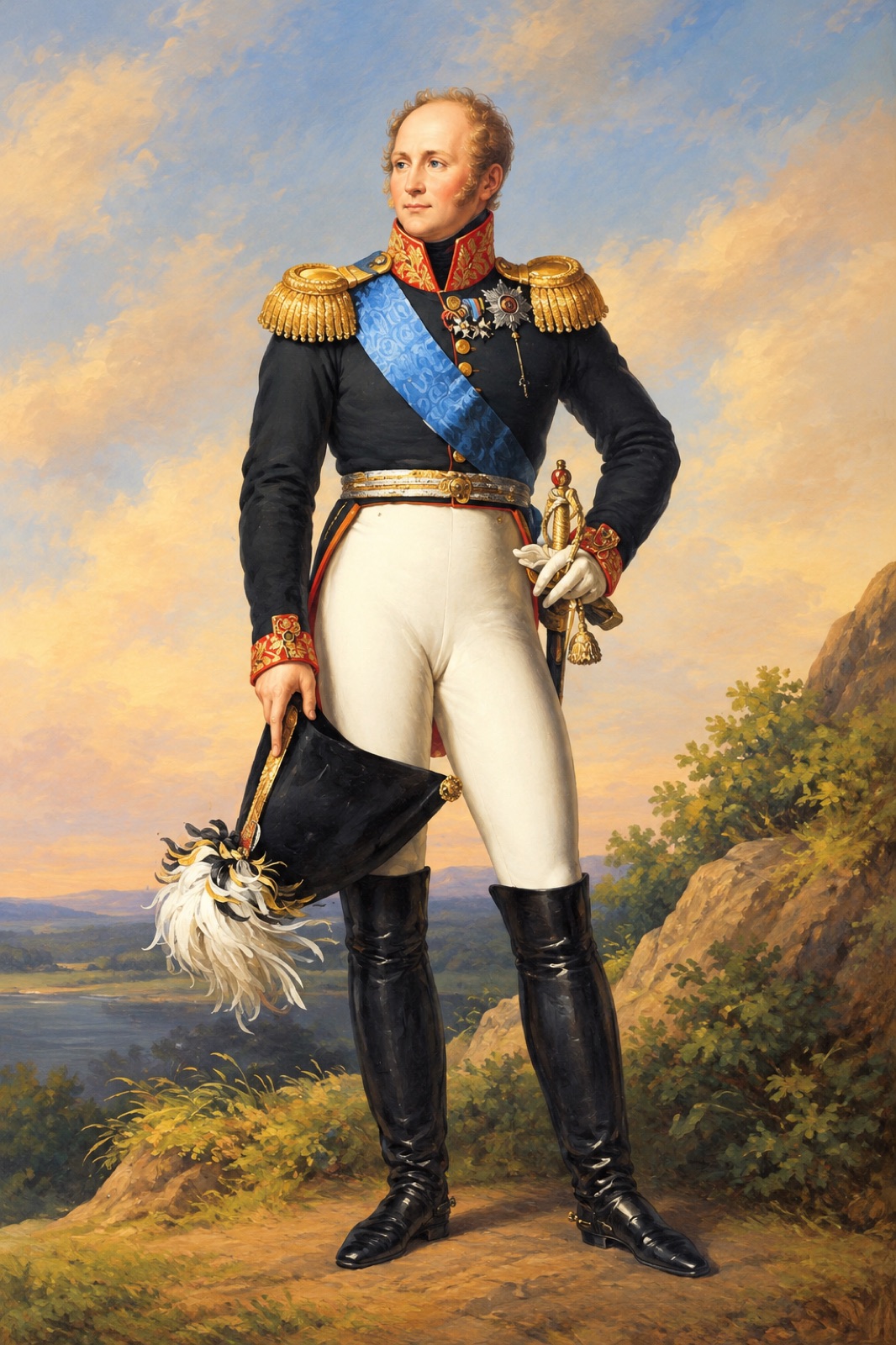
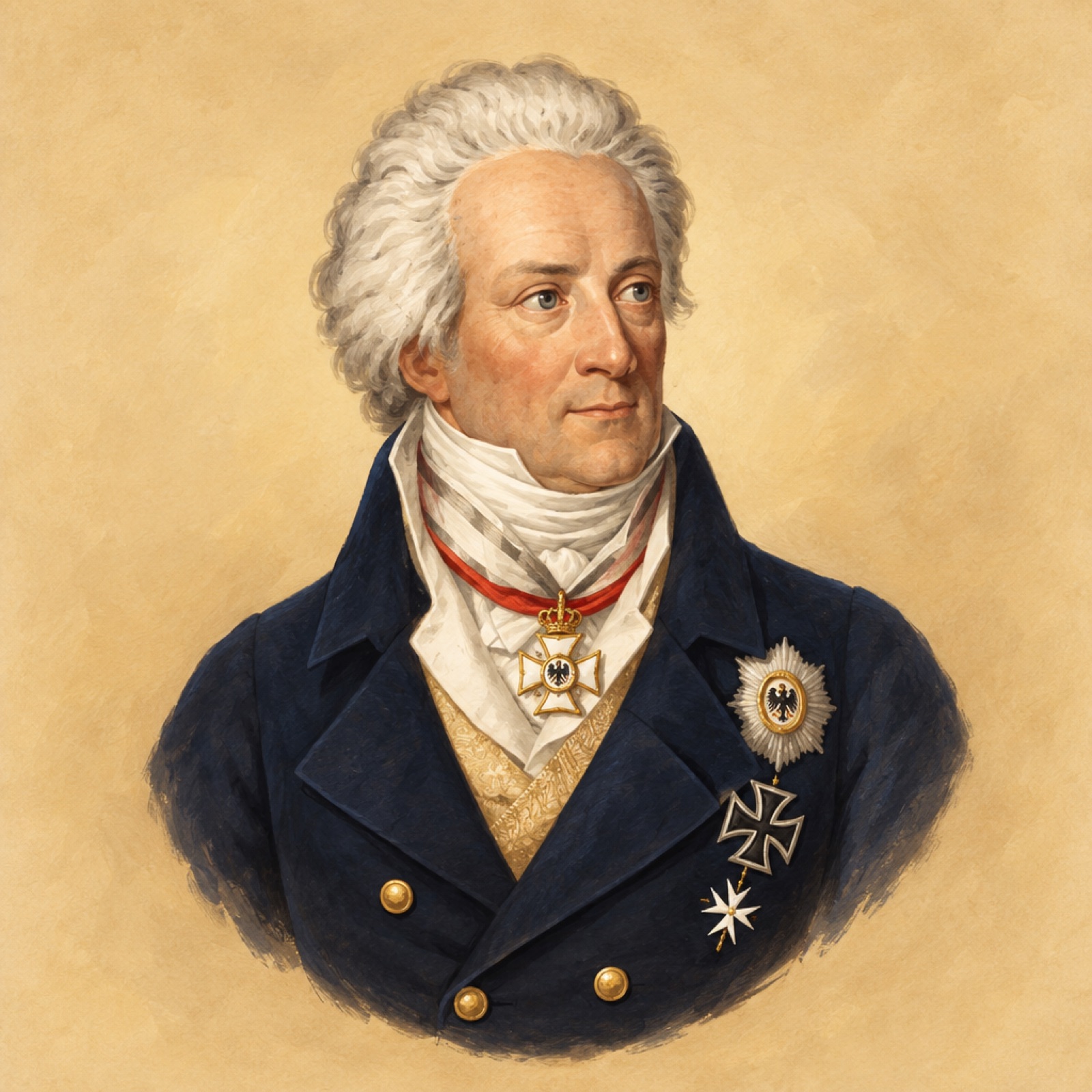
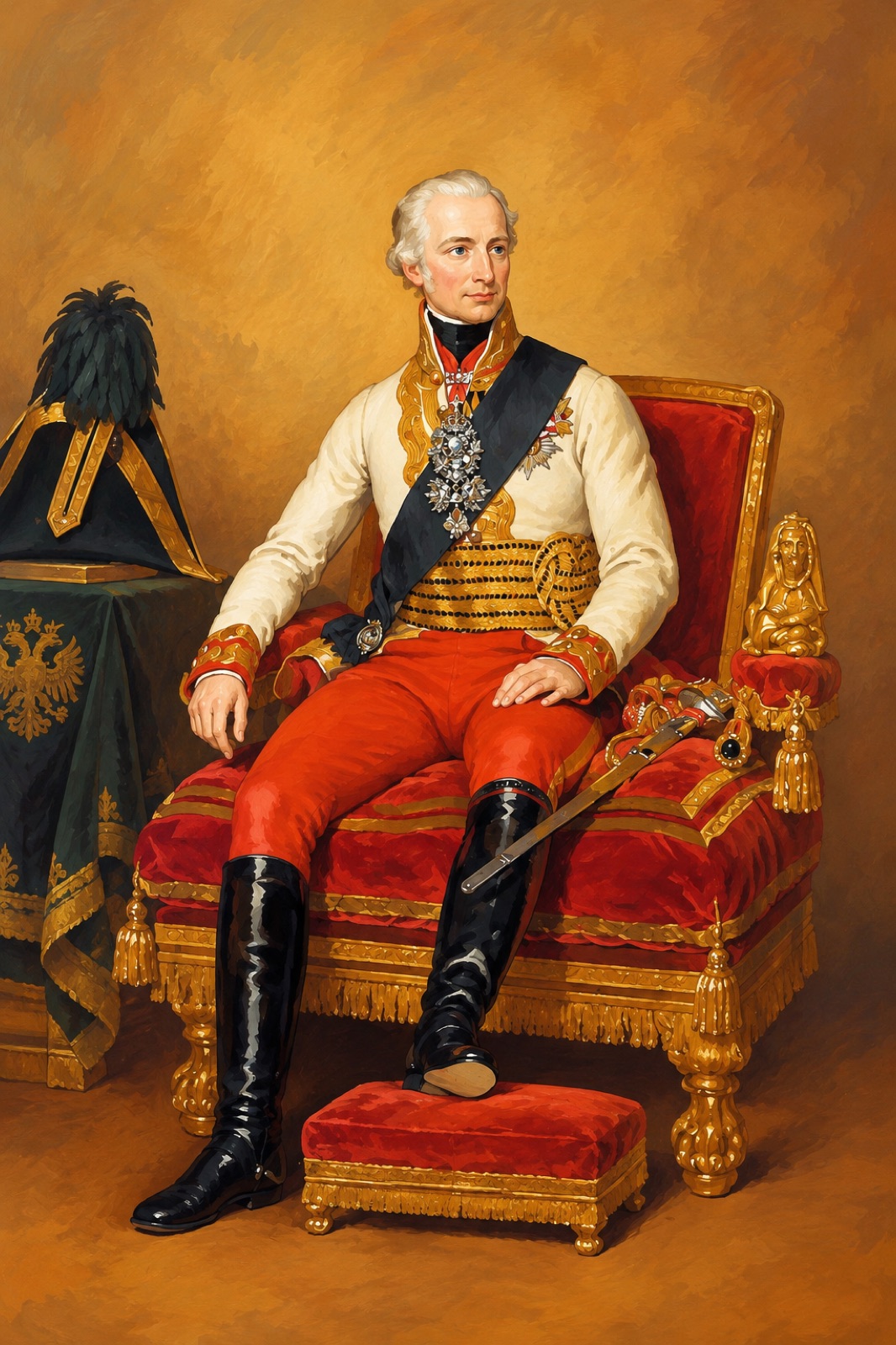
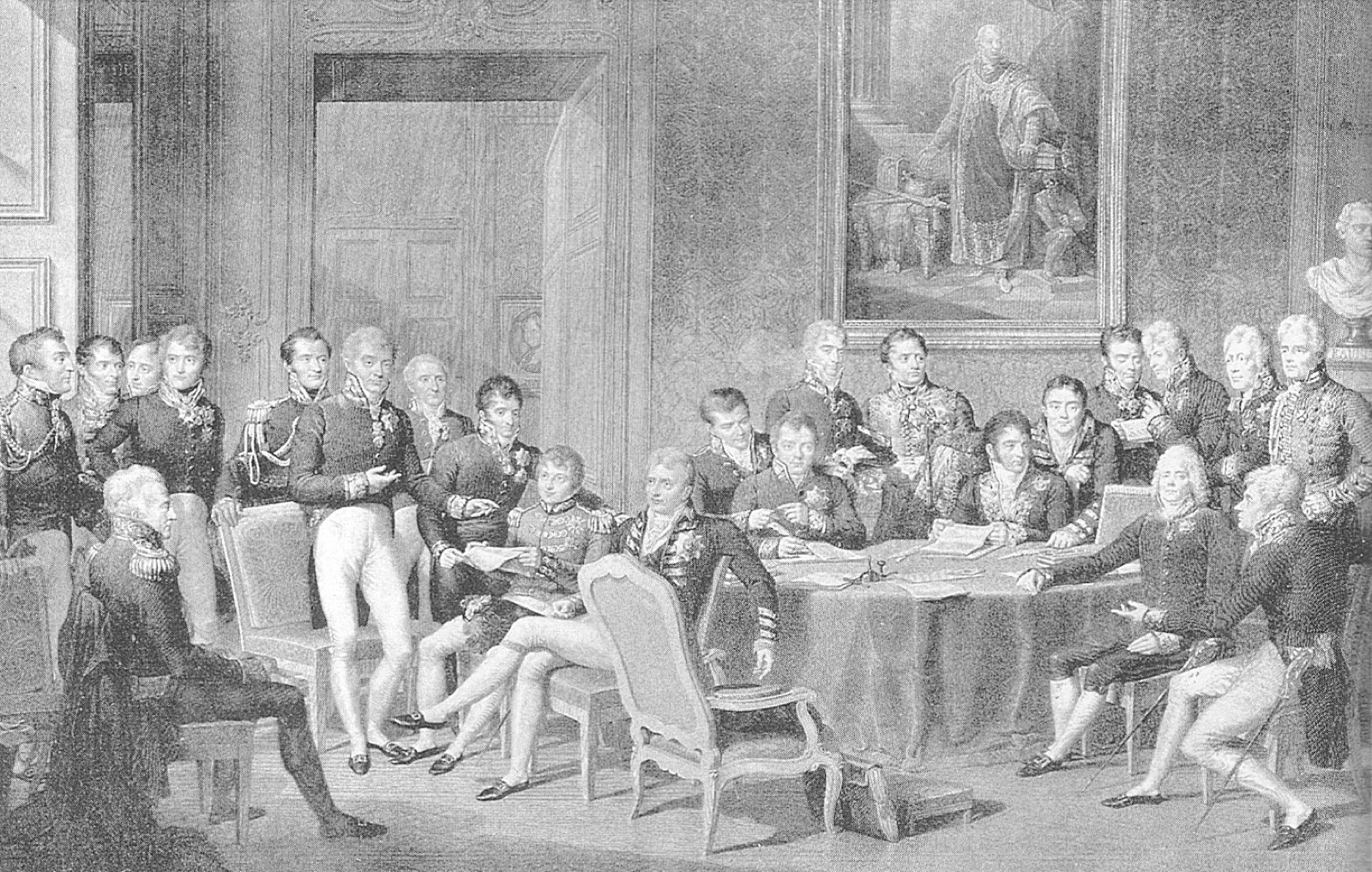
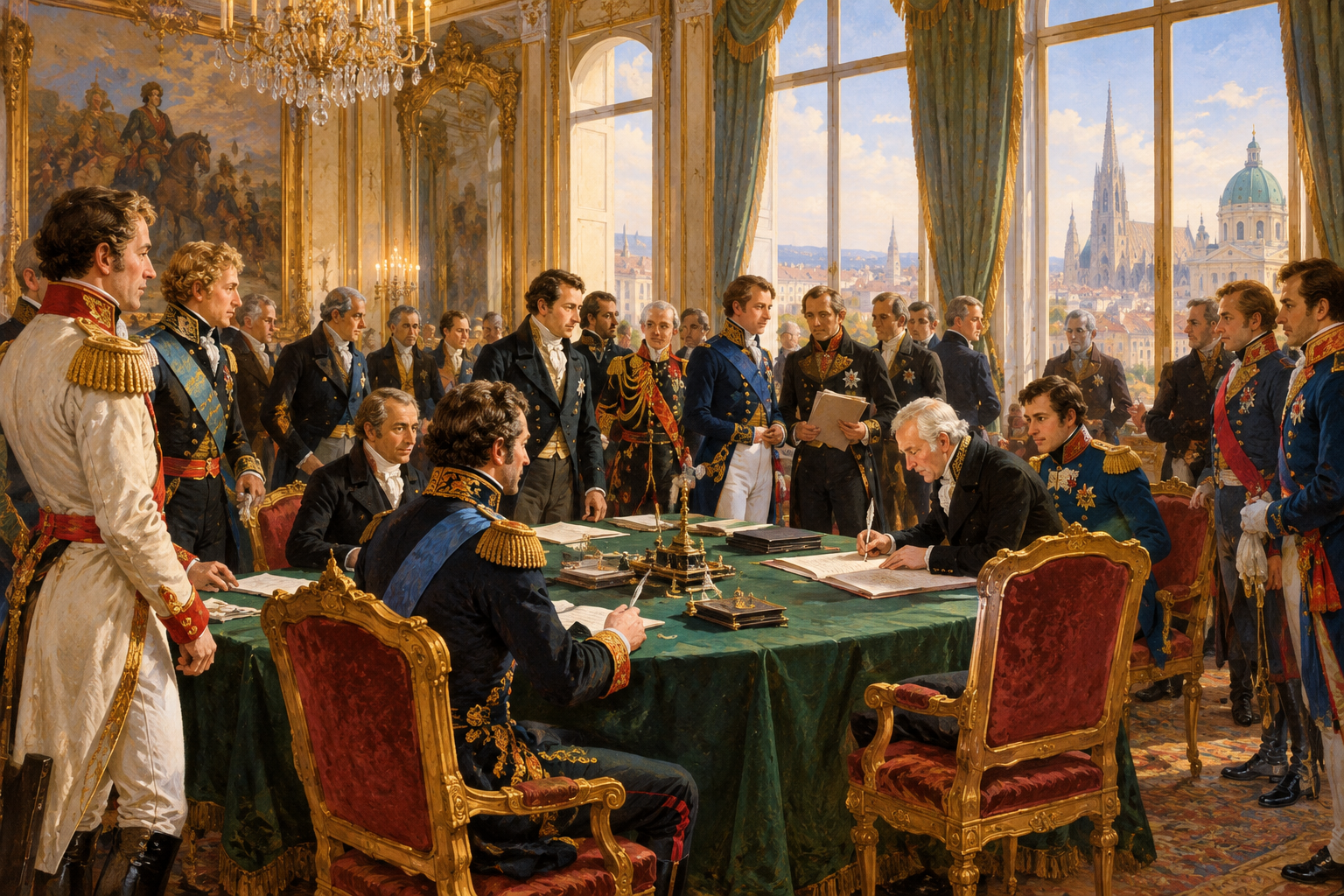
Austria was the host. Emperor Francis I gave the Congress its setting, and his foreign minister, Klemens von Metternich, chaired its work and set much of its agenda. Metternich wanted a stable central Europe in which no single power dominated. Tsar Alexander I of Russia came in person and pressed hard for his own aims. Britain sent Viscount Castlereagh, its foreign secretary, who wanted a settlement that would last. Prussia was led by Chancellor Karl August von Hardenberg. Charles-Maurice de Talleyrand represented France under the restored Bourbon king, Louis XVIII, and argued that France should be treated as an equal.
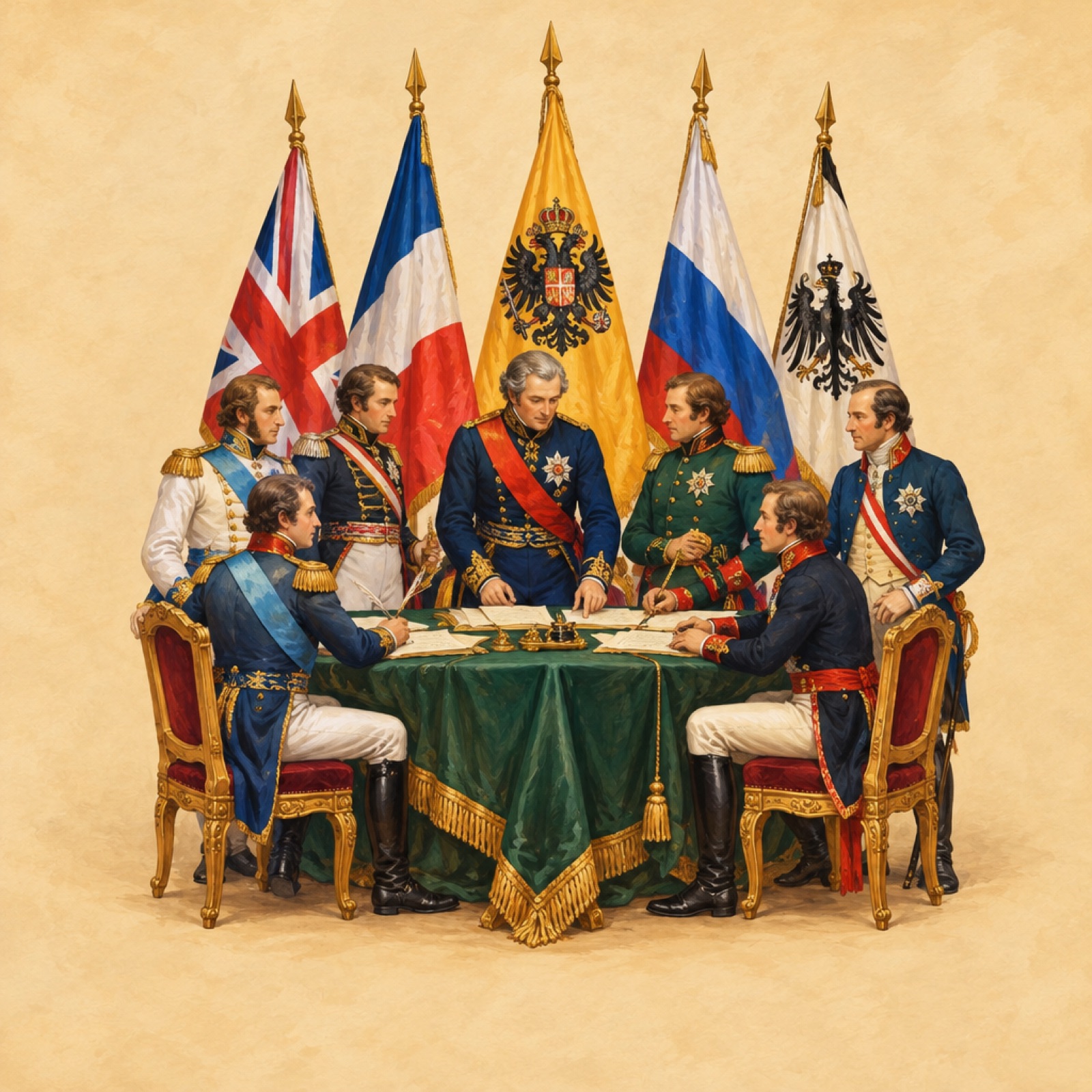
Accounts often note that more than 200 states and princely houses were represented at the Congress. Most of the real bargaining, though, happened in small groups and private talks, not in one formal assembly where everyone voted. The five great powers, Austria, Britain, France, Prussia and Russia, shaped the outcome, and the smaller states largely followed their lead.
The fights behind the table
Two disputes dominated the talks. The first was Poland. Napoleon had created the Duchy of Warsaw, and Alexander wanted most of it, to be ruled as a Kingdom of Poland with the tsar as king. The second was Saxony. Prussia wanted to absorb it, and its king had sided with Napoleon. Britain and Austria did not want Russia to grow too strong in central Europe, and they were wary of Prussia's ambitions too.
The quarrels grew serious enough that, on 3 January 1815, Austria, Britain and France signed a secret treaty against the demands of Russia and Prussia. For Talleyrand it was a breakthrough: France had moved from defeated power to a partner in the decisions. The compromises satisfied few fully, and the grievances outlived the meeting.
The Congress dances
Vienna in 1814 and 1815 was a city of salons, banquets and balls. Hosts vied to entertain visiting princes and ministers, and a large part of the work was carried on informally in exactly these settings, so the dancing became almost as famous as the diplomacy. Visiting royalty were gripped by a craze for the waltz. Waltzing was not allowed in the presence of the emperor and his court, though the rules were relaxed for foreign princes and diplomats.
The most famous line about all this is a French quip usually attributed to Charles-Joseph, Prince de Ligne, a soldier and writer who was in Vienna during the meeting. The version most often quoted is 'Le Congrès ne marche pas, il danse', roughly 'the Congress does not march, it dances', meaning that it dances but gets nowhere. Other French wordings circulate, and the sources do not settle when the line first appeared in print. Prince de Ligne died in Vienna in December 1814, so he did not see the Congress end.
Historians still ask whether the dancing was a distraction or a form of diplomacy. Relaxed evenings gave ministers private access to one another, and that access mattered in a meeting with no single chamber where the real decisions were taken. The joke survived because it captured how the meeting looked from outside: a great deal of festivity and slow progress.
Napoleon returns: the Hundred Days
The Congress was interrupted in early 1815. On 26 February Napoleon left Elba with about a thousand men, and on 1 March he landed at Golfe-Juan, between Cannes and Antibes. Louis XVIII fled Paris, and Napoleon reached the capital on 20 March, which marks the start of the Hundred Days.
On 13 March the powers meeting in Vienna had already issued a declaration. It said Napoleon had broken the terms that had let him keep Elba, and it placed him outside the protection of the law. The return changed the Congress's priorities. Armies had to be raised, and the deals had to be finished before the next battle.
Napoleon's last decisive defeat came at Waterloo on 18 June 1815, nine days after the Final Act was signed. The German Federal Act had been adopted on 8 June, just before the Final Act. Waterloo meant the settlement could be carried out without another war against France on the same scale.
What the Final Act decided
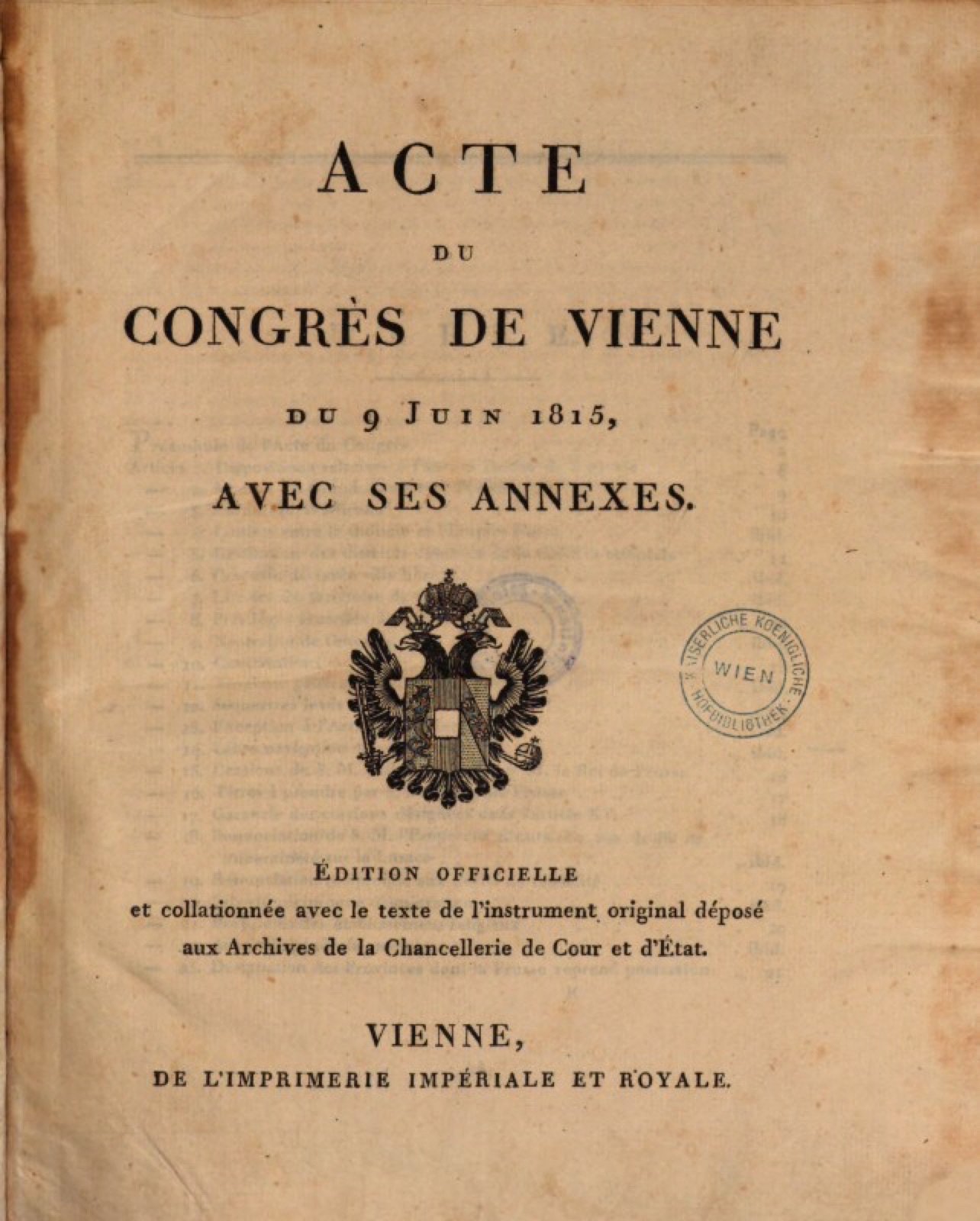
The Final Act was signed on 9 June 1815. It was a bundle of agreements and annexes rather than one neat treaty, and it reshaped the map in several places.
- The German Confederation. The German states were linked in a loose union whose constitution was adopted on 8 June 1815. Sources usually count 39 member states, although some joined later in the summer.
- The Kingdom of the Netherlands. Set up in 1815, during the Congress, it was meant as a buffer between France and the German states. William of Orange took the royal title in March 1815.
- Congress Poland. Most of the old Duchy of Warsaw became a kingdom linked to Russia, with the tsar as its king.
- Prussia's gains. Prussia took a large part of Saxony, and the Saxon king kept the rest.
The Final Act did not give everyone what they wanted. Poles, German liberals and people hoping for self-government in Italy saw much of their hope postponed. The tension between the settlement and national feeling would run through the rest of the century.
Reading the maps: 1812 and 1815
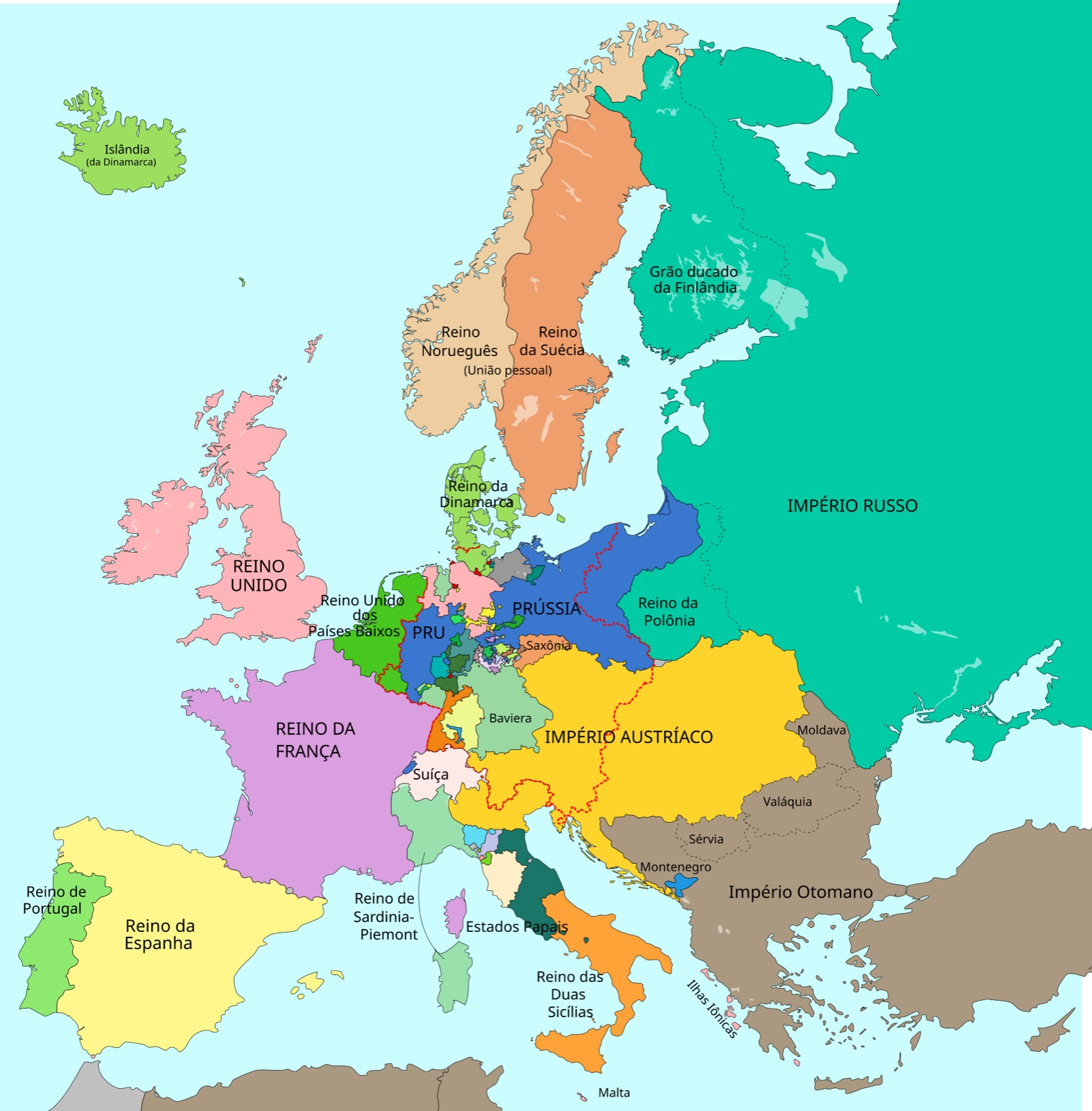
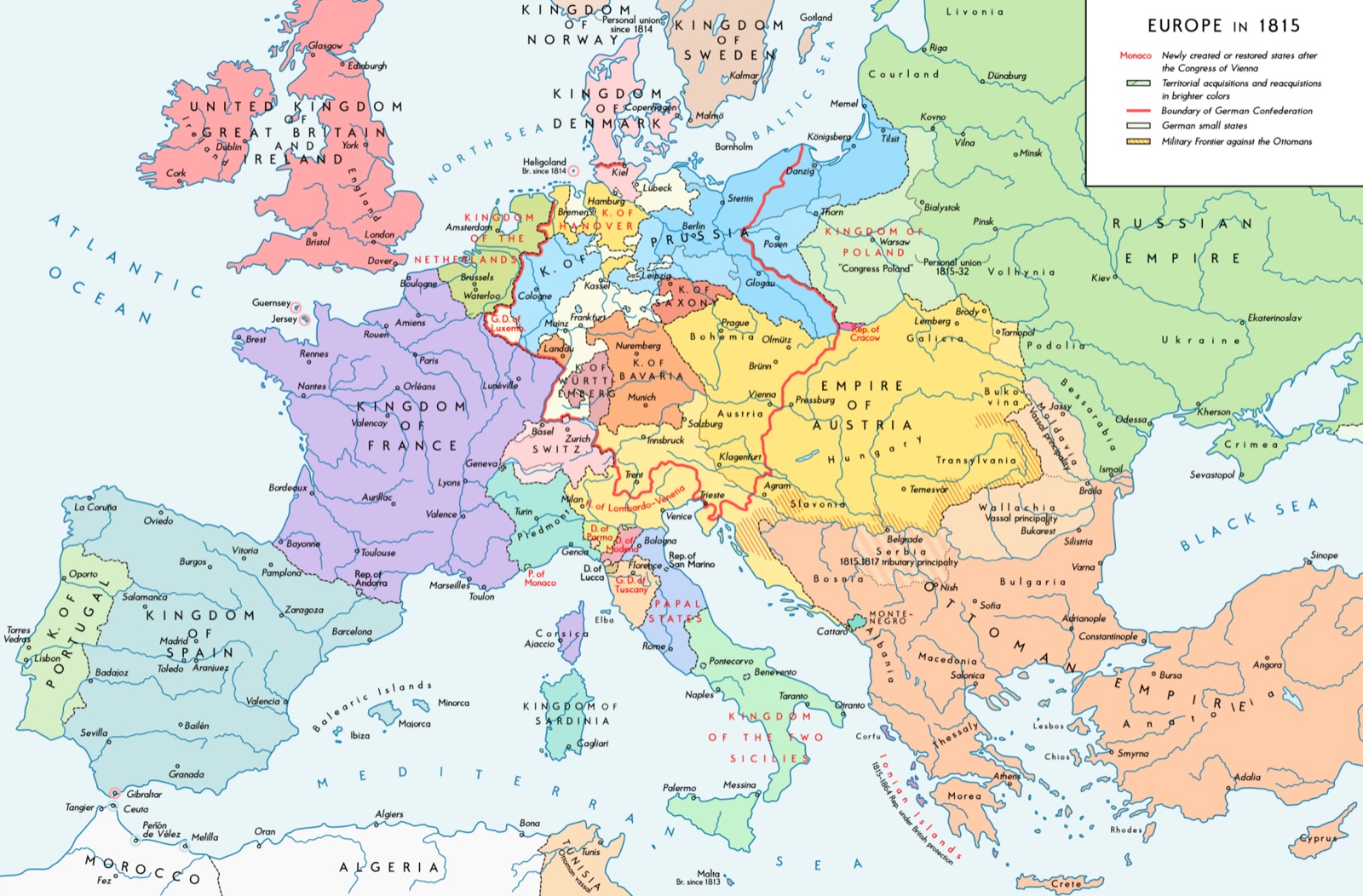
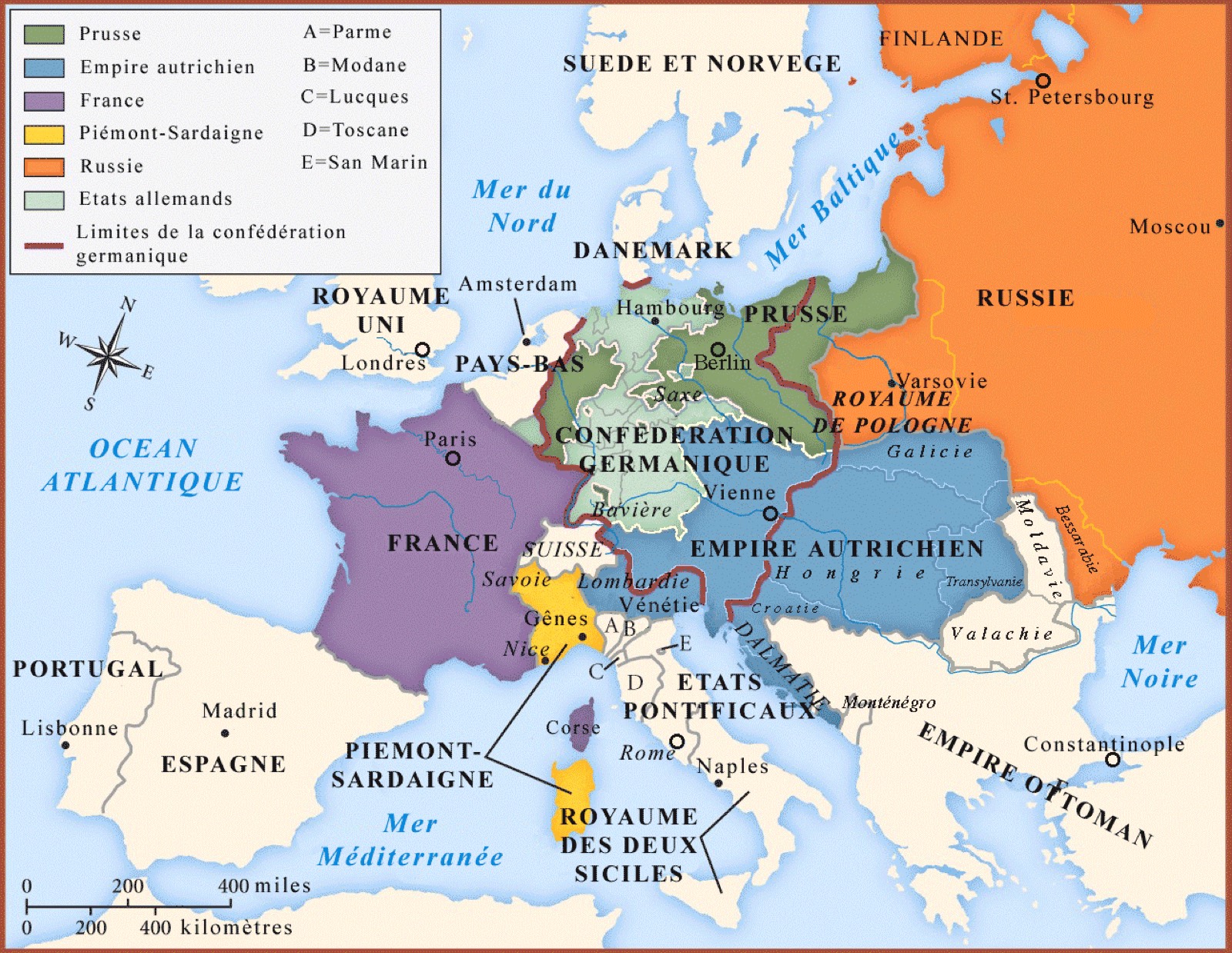
Placed side by side, the 1812 and 1815 maps show the scale of the change. In 1812 France and its satellite states covered much of central Europe. By 1815 France had shrunk back towards its own frontiers, and the German Confederation and the Kingdom of the Netherlands sat to its east and north.
The map with French labels, below, marks the territorial changes made at the Congress. Use it to see which states gained land and which lost it. Treat any map as a summary, though, since borders on paper were often less clear than the lines suggest.
The Holy Alliance and the balance that followed
On 26 September 1815, in Paris, Alexander I, Francis I and Frederick William III signed the Holy Alliance. It pledged the monarchs to rule by Christian principles and to help one another keep order. It was more a statement of values than a treaty with clear duties, and Britain's government did not sign it. Liberals and nationalists later saw it as a symbol of the conservative order that followed.
The wider system of meetings is often called the Concert of Europe. Great powers gathered in conferences to deal with crises, with the aim of avoiding general war. Historians often link it to the Vienna System, which shaped European politics until the revolutions of 1848.
Common misreadings
- 'The Congress redrew the world map.' Its centre was Europe's territory and order. It did not create a global system.
- 'Waterloo was decided in Vienna.' Waterloo was won on the battlefield. The Final Act had been signed nine days before, and it did not decide the battle.
- 'The Congress decided nothing.' It was slow and became a joke, but it produced concrete results, including the German Confederation and the Kingdom of the Netherlands.
Why it matters
The Congress was a conservative answer to the age of revolution. It defended monarchy and legitimacy, the principle that rightful dynasties should return, and it tried to stop any one state from dominating. Historians often credit the settlement with keeping the great powers from a general European war for about four decades after 1815.
That strength had a cost. The order suppressed many liberal and national demands, and the tension broke out in the revolutions of 1830 and 1848. The Congress kept the peace among governments, but it did little to satisfy the people who wanted a say in their own states.
What exams ask
Exam answers usually need three ideas: the balance of power, legitimacy, and the link between the settlement and later conservatism. Be ready to explain how the Congress responded to the French Revolution and Napoleon, and to compare it with later peace conferences, such as the one after the First World War, which punished the defeated more harshly.
Keep the dates in sequence: the Peace of Paris in May 1814, the dancing and the Polish and Saxon disputes, Napoleon's return in March 1815, the Final Act on 9 June, and Waterloo on 18 June.
Read next
Continue with The Vienna System and the Concert of Europe to see how the settlement worked in practice. For the costs of the wars that made the meeting necessary, read Effects of the Napoleonic Wars. To understand the man whose defeat set the agenda, read Who Was Napoleon Bonaparte?