In five minutes
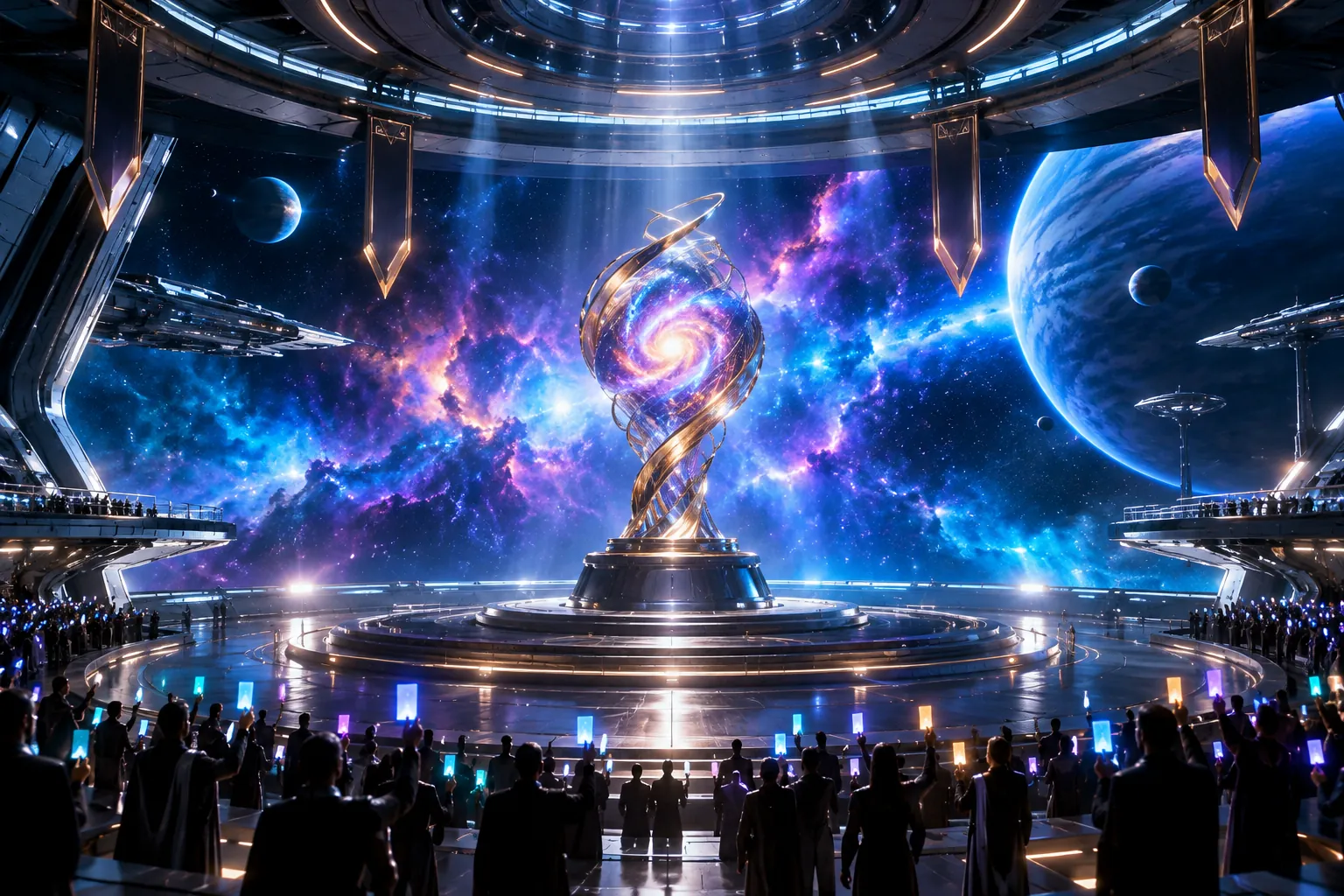
The Seiun Award (星雲賞, Seiun-shō) is a science fiction prize chosen by fans. It began in 1970 and is usually described as the oldest SF award in Japan. There is no jury of experts. People who register for the annual Japan SF Convention vote, and the works with the most votes win. That is why the list of winners works as a record of what Japanese SF readers were excited about in each year.
The award covers much more than novels. Japanese novels and short stories, translated books from abroad, film and television, comics, illustration, nonfiction and one-off special honours all have a place. A single year can give a prize to a Japanese disaster epic, a Chinese space saga and a manga series.
The word seiun means "nebula". The award is not connected to the American Nebula Award, even though the name echoes it. If you only remember one fact, remember this: the Seiun is to Japan roughly what the Hugo is to the Worldcon, a prize given by the fans themselves. Part of: History of Science Fiction.
How the award works
The Science Fiction Fan Groups' Association of Nippon, a network of fan groups, handles the paperwork of counting votes and presenting the award. The winners are decided by the members of the Japan SF Convention (Nihon SF Taikai) held each year. Anyone registered for that convention can take part, and since 2005 voting has also been possible online.
Voters get a list of "reference candidates" to help them remember the year's works. It is a memory aid, not an official shortlist like the Hugo's finalists, and voters may write in a work that is not on it. Eligible works are professional works that appeared in the previous year.
Results are announced at the convention, and the committee of that year's convention chooses the supplementary prize that goes with the award. Fans run it and fans pick the winners, which gives the award a close, personal feel.
Why fan voting matters
A fan-voted prize measures something different from a juried prize. A jury tends to look for craft and may lean towards books that critics admire. A crowd of fans votes for the stories it enjoyed reading, talked about with friends and wanted to see honoured. That does not make the result less serious. People who follow a genre closely often know it very well. They read across many years, they follow new translations, and they notice which ideas are changing the field.
Fan voting also explains why one ceremony can reward a long space opera, a disaster novel and a manga series together. The voters are not judging one kind of writing against a single standard. They are celebrating a whole culture of enjoyment around science fiction. The trade-off is that popularity can favour familiar names, so the winners are best read as a snapshot of taste in a given year, not as a final verdict on quality.
Where the name and the award come from
The name comes from Seiun, a magazine published in 1954 that is often called Japan's first SF magazine. It is also the ordinary Japanese word for a nebula, so it doubles as a nod to the Nebula Award.
The first Seiun Awards were given in 1970 at the 9th Japan SF Convention. The model was the Hugo Award, which Worldcon members have voted on since 1953. In that first year Yasutaka Tsutsui won both Japanese categories, for the novel Primates Go South and the story "Full Nelson". J. G. Ballard's The Crystal World took the translated novel prize, and Thomas M. Disch's "The Squirrel Cage" won for translated short fiction.
The categories
- Japanese long work and Japanese short story: novels and stories written in Japanese.
- Translated long work and translated short story: foreign fiction published in Japanese translation. This is where non-Japanese authors win.
- Media: films, television, anime and stage works. It started as a film and theatre category.
- Comic: manga, added in 1978.
- Artist: illustrators and cover artists.
- Nonfiction: added in 1985, covering books and essays about SF and science.
- Free category: added in 2002 for achievements that fit nowhere else, plus special awards.
Winners worth knowing
- 1974: Japan Sinks by Sakyo Komatsu won best Japanese long work. It imagines the Japanese islands breaking apart under earthquakes and volcanoes.
- 1988: Yoshiki Tanaka's space opera Legend of the Galactic Heroes won in the Japanese long work category.
- 2009: Harmony by Project Itoh won best Japanese long work. It is a novel about a future society obsessed with health.
- 2012: Paolo Bacigalupi's The Windup Girl won best translated long work.
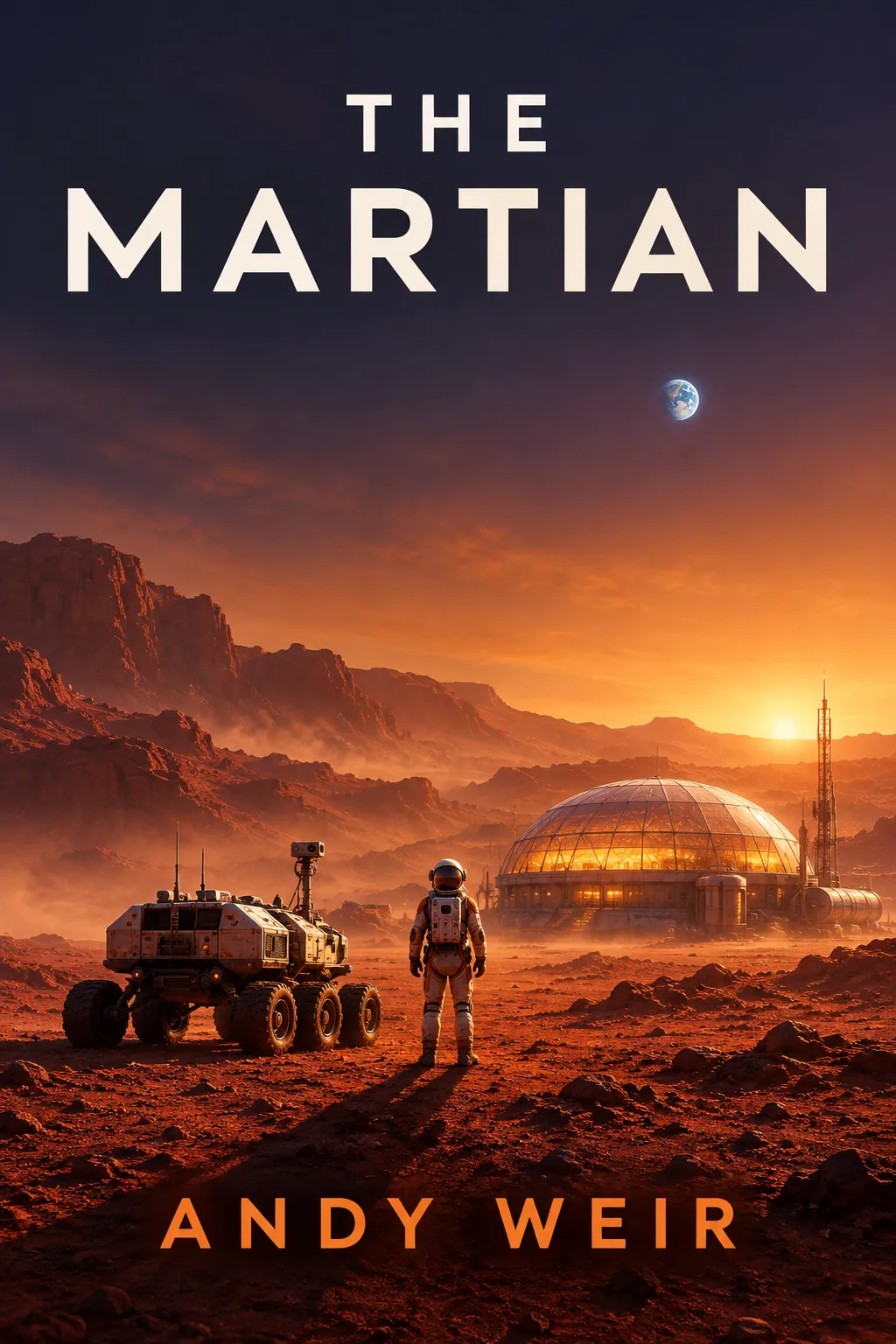
- 2015: Andy Weir's The Martian won best translated long work.
- 2020: Liu Cixin's The Three-Body Problem won best translated long work, in a Japanese translation by Touya Tachihara, Nozomi Omori, Sakura Mitsuyoshi and Wang Chai.
- 2023: Liu Cixin's short story "The Wandering Earth" shared the best translated short story prize in a tie.
Notice how many winners come from abroad. Japanese fans have often voted for books that reached them in translation, and the results show that taste clearly.
What the winners tell us
Read the list in order and a few patterns appear. The Japanese winners range from large-scale disaster and space-war stories in the 1970s and 1980s to a quiet, unsettling novel about a future built around health in 2009. Together they show that Japanese SF has never been limited to one theme or one mood.
The translated winners show a second pattern. They include a strange, dreamlike story about a crystallising jungle, a near-future tale of biotechnology, a survival story on Mars and a Chinese epic about first contact. Fans clearly welcome books from very different countries and traditions, as long as a Japanese edition exists for them to read.
A third pattern is the mix of formats. The same award that honours Japan Sinks also has categories for comics, art, media and nonfiction. That wide view helps explain why the Seiun feels less like a literary contest and more like a yearly celebration of the whole SF community.
Seiun and Hugo: how they differ
Both are voted by convention members, so they are cousins. The main difference is the pool of works. The Hugo is open to works from anywhere, in any language, though in practice most winners are in English. The Seiun is aimed at works published in Japan, either written in Japanese or translated into it. A foreign book usually cannot win a Seiun until a Japanese edition exists.
The Seiun also has separate translated categories, so a foreign novel competes against other translations, not against Japanese novels. The Hugo has no such split by language. For a full look at the American prize, read our page on the Hugo Award.
Where it shows up in fiction
The award is not a fictional device, so it has no starring role in novels. What it does is point you towards books. If you want a first step into Japanese SF, the Japanese long work winners are a good reading list, starting with Japan Sinks. If you prefer translated books, the translated winners show what Japanese fans loved, from Ballard's strange The Crystal World to Liu Cixin's epic about first contact.
How to use the award as a reading guide
If you are new to the Seiun, a simple plan works well. First, choose a category that matches your taste: Japanese long work for novels written in Japan, translated long work for foreign novels, or comic and media for something lighter. Second, pick a winner from a year you find interesting and read or watch it. Third, look at what else won in the same year, because the contrast between a novel, a manga and a film often tells you about the mood of the time.
Remember that a win means many fans enjoyed the work, not that it is the right book for everyone. Treat the list as a friendly set of recommendations from other readers. If one winner suits you, try its neighbours in the list and see where your own taste goes.
Common misconceptions
- "It is the Japanese Nebula Award." No. The name means nebula, but the award is its own thing. The American Nebula is voted on by writers, while the Seiun is voted on by fans.
- "Only Japanese authors can win." No. Foreign authors win every year in the translated categories.
- "It only covers books." No. Media, comics, art and nonfiction all have their own categories.
- "The reference list is a shortlist." Not quite. It is a guide, and voters can choose works outside it.
Read next
- Hugo Award: the fan-voted prize that served as the Seiun's model.
- Sakyo Komatsu: the author of Japan Sinks, an early Seiun winner and a giant of Japanese SF.
- History of Science Fiction: the wider story behind the genre.