Việt and Đức in five minutes
Việt and Đức were brothers born joined at the lower body in Vietnam in 1981. After a medical emergency brought them to Japan for treatment in 1986, they returned to Vietnam. Two years later, doctors in Ho Chi Minh City separated them with support from Japanese medical workers.
The brothers’ lives are often discussed alongside the legacy of the Vietnam War. The war ended before they were born, but its consequences continued to shape the country in which they grew up. Their story also shows how a relationship that began with medical care developed into years of cooperation and public conversations about peace.
The older brother, Nguyễn Việt, lived with serious complications following an illness in childhood and died in 2007. Nguyễn Đức married, became a father and has spoken publicly about his life. He has asked audiences to see him as he is today as well as to consider the suffering left by war.
Early life and a medical emergency
Việt and Đức were born on 25 February 1981 in Vietnam’s central highlands. As conjoined twins, they were two people whose bodies were connected. They spent part of their childhood at Từ Dũ Hospital in Ho Chi Minh City, where medical staff cared for them.
Their circumstances became known in Japan through television and other reporting. Supporters formed a group to help the brothers’ development, and Japanese people contributed practical assistance. A specially made wheelchair, for example, helped the boys move about together. The gift mattered because daily care involved much more than the prospect of an operation: the brothers also needed ways to play, move and grow.
A wheelchair also gives a different view of cooperation from an operating room. It points to ordinary needs that continue between hospital visits: moving from place to place, spending time with others and taking part in daily life. A gift can be small in the scale of international history yet significant to the people who use it. Medical care and practical support were connected parts of the brothers’ childhood.
In 1986 Việt developed acute encephalopathy, a serious illness affecting the brain. Because the twins were joined, the crisis threatened both boys. A Japanese Red Cross medical team went to Vietnam to help, and the brothers were transferred to the Japanese Red Cross Medical Center in Tokyo for further treatment. Their condition stabilized and they returned to Vietnam later that year.
Separation was considered during their stay in Japan, but it did not take place there. The decision involved difficult medical and ethical questions. The operation that eventually separated the brothers was performed in Vietnam, not during their 1986 visit to Tokyo.
The 1986 emergency and the 1988 operation answer different questions. The first was a response to an immediate illness; the second required a plan for two children whose bodies were connected. Keeping those events apart makes it easier to see both the urgency of treatment and the long preparation involved in later care. The brothers were not simply passengers in a story about nations: their health and daily lives were at the center of decisions made by the people caring for them.
The 1988 separation operation
On 4 October 1988, a Vietnamese medical team operated at Từ Dũ Hospital in Ho Chi Minh City. Japanese Red Cross medical personnel assisted. The separation was a demanding procedure, planned around the brothers’ connected bodies and the need to care for each child. Both survived the operation.
Describing the result simply as a successful separation can obscure what came afterward. Surgery gave each brother a separate body, but it did not erase the effects of Việt’s earlier illness or end the need for medical care. Việt lived with severe aftereffects and died in 2007. Đức’s later life included further treatment and rehabilitation.
The operation also had a wider significance. Vietnamese clinicians led the work in their own hospital, while Japanese medical workers and supporters contributed resources and expertise. The cooperation grew from relationships established before the operation and continued through care and exchange afterward.
War, Agent Orange and what can be established
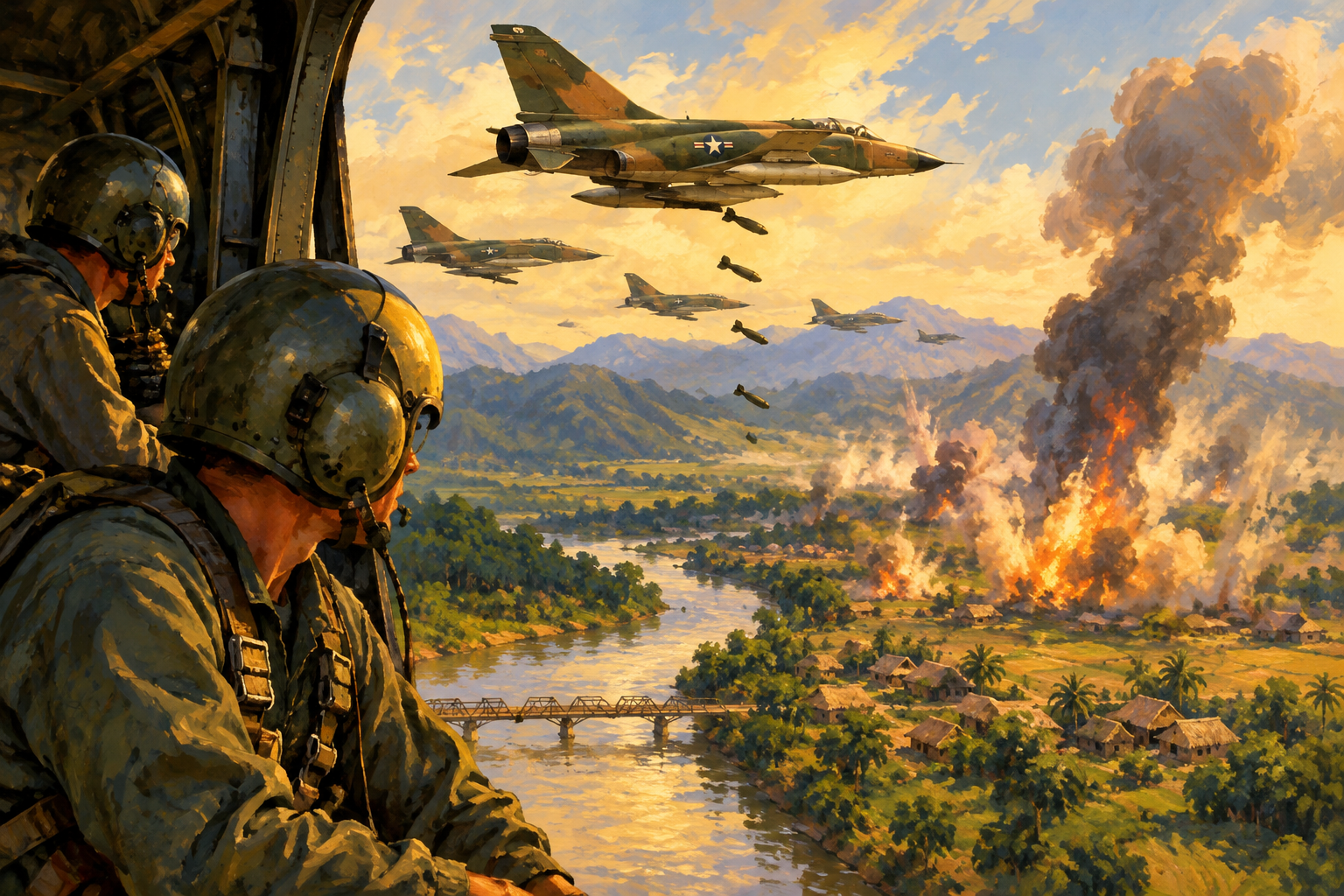
During the Vietnam War, the United States military sprayed herbicides to remove vegetation and destroy crops. One mixture, Agent Orange, was contaminated with a highly toxic dioxin. The environmental and health consequences have remained subjects of research and public concern long after the fighting ended. The Agent Orange guide explains the chemical and its legacy in more detail.
The brothers’ births have often been linked in reporting to wartime herbicide exposure, and Đức himself has described his disability as connected to the war. That is an important part of his public account. At the same time, a specific cause of their being conjoined has not been established for this individual case. A possible connection should not be presented as a proven medical finding.
This distinction helps readers hold two ideas together: chemical exposure can have serious consequences for communities, while an individual diagnosis requires its own evidence. It also prevents the brothers’ lives from being reduced to a single explanation. Their experiences include illness, care, family relationships and choices made over many years.
The timeline also helps distinguish a historical sequence from proof of a cause. The war ended before the twins were born, and concerns about chemical exposure continued afterward. Those facts explain why their story became part of a larger public conversation, but chronology alone cannot establish why a particular condition occurred. Listening to Đức’s account and making careful claims about causation can both be part of that conversation.
Đức’s life and connection with Japan
Đức married in 2006 and became a father in 2009. In an interview, he described the happiness he felt at the birth of his children. He has also worked in a hospital and taken part in activities connecting Vietnam and Japan.
Visits to Japan have given him opportunities to speak with students and other audiences about his experiences and the value of peace. In 2024 he attended an event in Tokyo for a documentary about his life. He said he wanted people to see his present life as it is and to understand suffering left by war.
That request changes the way to read the familiar childhood nickname. The child called Đức grew up into a person who can speak for himself. Listening to his account means recognizing his family and work alongside the medical history that first made him widely known.
For readers encountering the story for the first time, the name used in childhood may bring a familiar television image to mind. Looking beyond that image means asking what the brothers’ lives were like after the cameras turned away. It also means allowing Đức’s own account of family, work and peace to shape how his life is understood.
Japanese involvement was not limited to one dramatic day. Supporters helped with equipment and care, while medical teams worked across borders. The relationship also sits within a broader history of Japanese responses to the conflict, explored in Japan and the Vietnam War.
What to remember
Keep the dates and locations distinct: the brothers were born in 1981, treated in Japan in 1986 and separated in Vietnam in 1988. The Vietnamese team led the operation with Japanese support. Việt died in 2007; Đức has continued to speak about his own life and peace.
For a history or citizenship discussion, connect the story to the long aftermath of war, international medical cooperation and the way people with disabilities represent their own experiences. Avoid treating a reported possible cause as a proven diagnosis, or assuming that a surgical result tells the whole story of either brother’s life.
Read next
Agent Orange: What It Was and Its Legacy in Vietnam explains the herbicide and the questions surrounding its effects.
Japan and the Vietnam War places Japanese responses and connections in a wider historical setting.
The Vietnam War Explained introduces the conflict whose consequences continued after 1975.