In five minutes: what was South Vietnam?
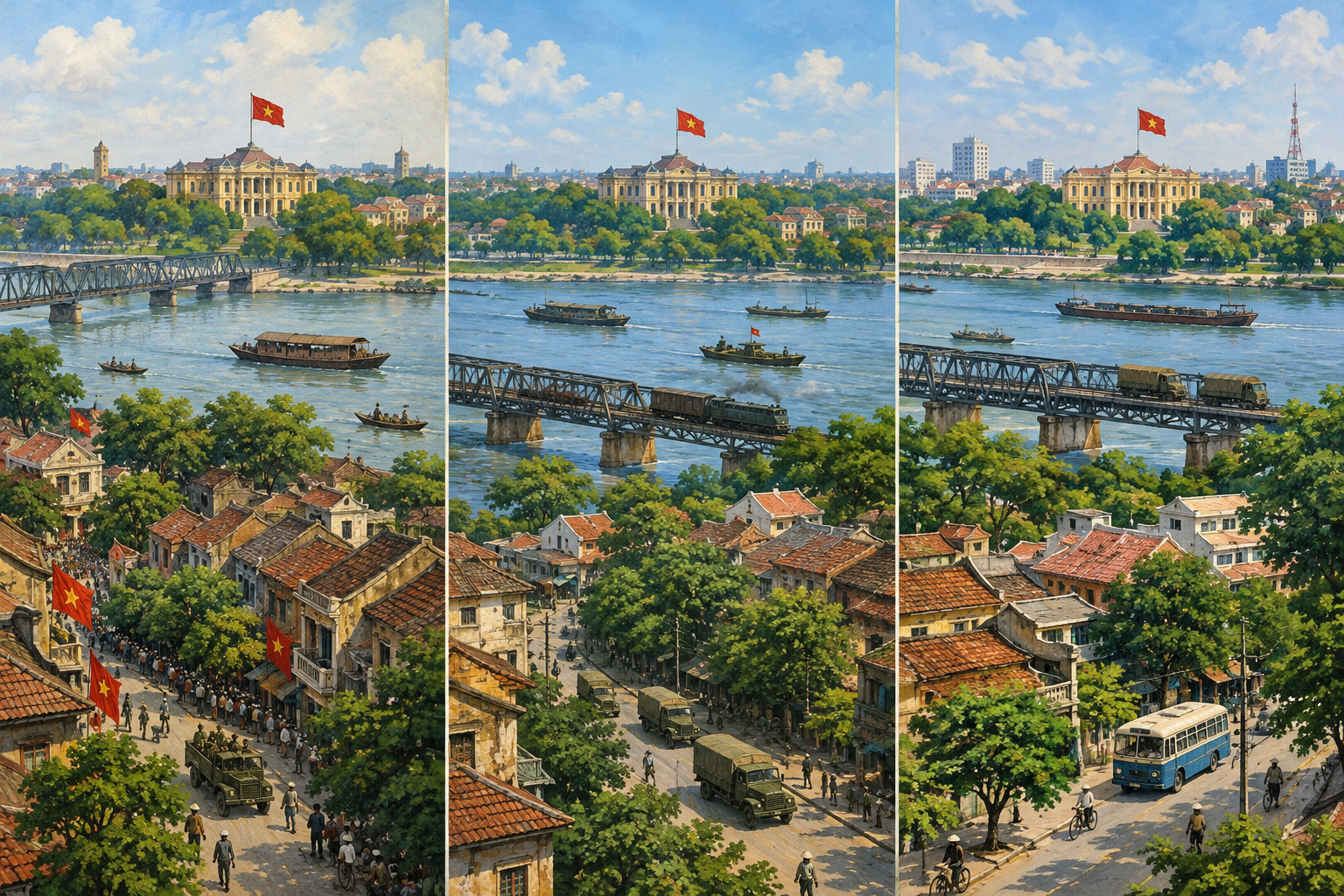
South Vietnam was the common name for the Republic of Vietnam, a state based in Saigon from 1955 to 1975. It claimed to represent the southern part of Vietnam after the country’s division in the wake of the First Indochina War. Its story is not just a chapter in US foreign policy: Vietnamese leaders, soldiers, religious communities, journalists, students, and families shaped its politics and society while living through prolonged war.
The Republic began under President Ngô Đình Diệm, who removed former emperor Bảo Đại from power in 1955. Diệm’s government pursued an anti-communist state, but it faced opposition and struggled to establish broad political legitimacy. After a 1963 coup and years of military-led governments, a new constitution and elections brought Nguyễn Văn Thiệu to the presidency in 1967. War continued, and US support strongly influenced the government’s military and economic position. The Republic ended when North Vietnamese forces entered Saigon on April 30, 1975.
To place the state among the longer histories of the region, see Saigon and Southern Vietnam: A History from Funan to 1975. For the other government claiming to represent Vietnam, read North Vietnam: The Democratic Republic of Vietnam.
Why the Republic emerged
Vietnam’s division followed the defeat of French forces in the First Indochina War. At Geneva in 1954, negotiators arranged a ceasefire and a temporary military regrouping line near the 17th parallel. The Democratic Republic of Vietnam, led by Hồ Chí Minh, governed north of the line. The State of Vietnam, associated with Bảo Đại and prime minister Ngô Đình Diệm, administered the south. The settlement anticipated a nationwide election on reunification in 1956, but the election did not happen. The United States and the State of Vietnam did not sign the final declaration.
In October 1955, Diệm organized a referendum on whether Bảo Đại should remain chief of state. The official result gave Diệm an overwhelming victory, but US diplomatic reporting at the time described the result as difficult to assess and recorded an intensive government campaign against Bảo Đại. On October 26, Diệm proclaimed the Republic of Vietnam and became its first president. The vote and declaration were part of a larger effort to establish a separate southern government, not a simple handover from a stable national authority.
The new state faced the challenge of building institutions while asserting independence and confronting its communist rivals. It was strongly anti-communist and received extensive US support, yet its political life cannot be reduced to foreign control. Political groups competed, religious organizations had influence, and officials and citizens debated what kind of Vietnamese nation the Republic should become. The linked account of the Geneva Accords and the 17th parallel explains the settlement that shaped this starting point.
The First Republic and the crisis of 1963
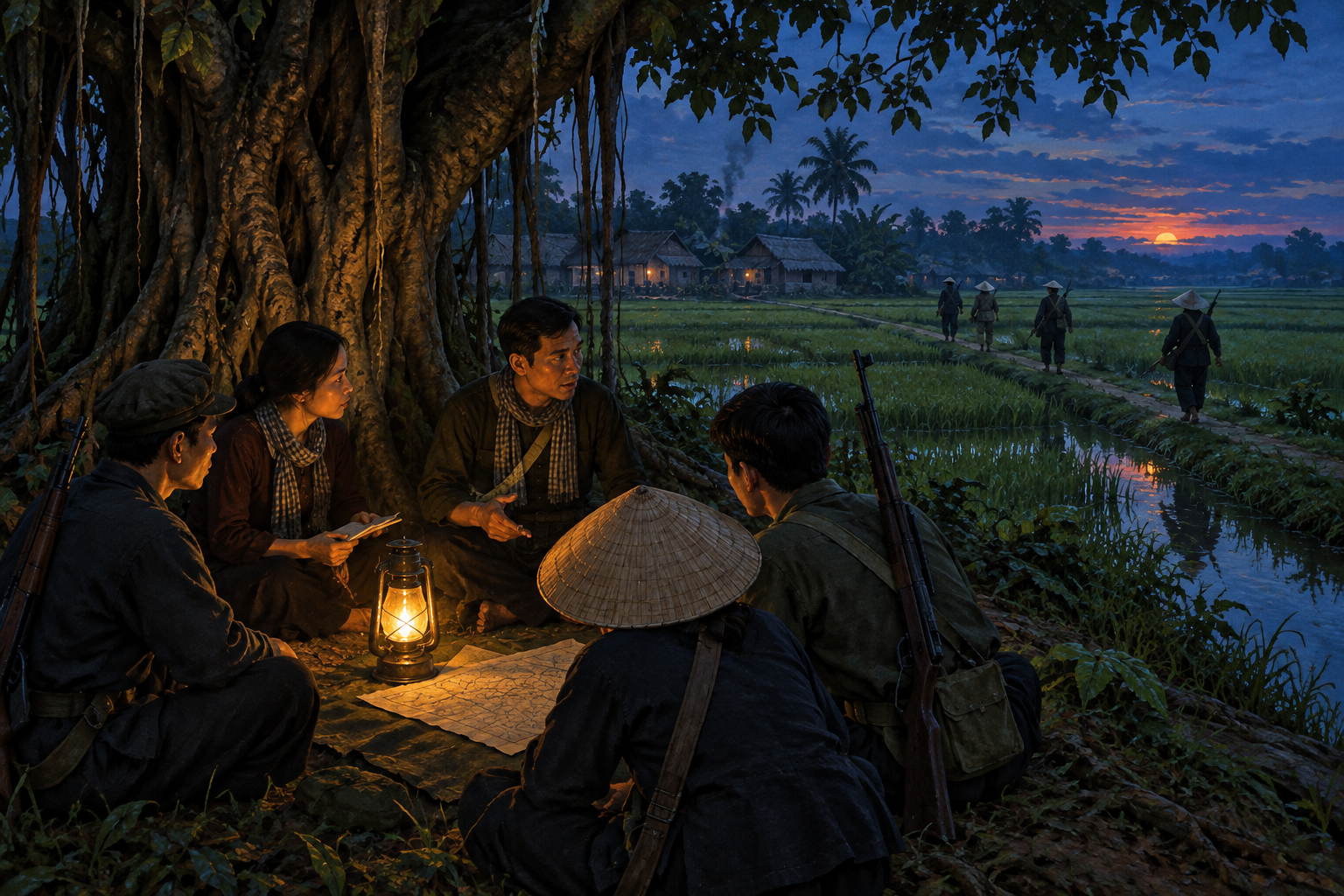
Diệm’s government centralized power around the presidency and his family’s political network. It promoted national development and anti-communism, while critics objected to restrictions on political opposition and the concentration of authority. In the late 1950s and early 1960s, armed resistance grew. The National Liberation Front, formed in 1960 and often called the Viet Cong, fought the southern government; North Vietnam supported the insurgency. The conflict therefore involved competing Vietnamese political projects as well as outside powers.
Religious and political tensions became especially visible in 1963. Buddhist protests challenged government policy and the treatment of Buddhist communities. The crisis damaged Diệm’s standing at home and abroad. On November 1, military officers mounted a coup; Diệm and his brother Ngô Đình Nhu were killed the next day. The coup removed the president but did not create an enduring political settlement. A series of military governments followed, with repeated changes in leadership and continuing pressure from the war.
The key point is that the 1963 coup was both an end and a beginning. It ended Diệm’s First Republic, but it did not end the Republic of Vietnam or the war. It opened a period of political uncertainty in which military leaders, civilian politicians, religious groups, and other citizens all tried to influence the state’s direction.
The Second Republic: elections, war, and society
A constituent assembly drafted a new constitution, and the Republic held national elections in 1967. Nguyễn Văn Thiệu became president, with Nguyễn Cao Kỳ as vice president. Historians often call the years from 1967 to 1975 the Second Republic. Its government had constitutional institutions and elections, but it operated under wartime conditions and relied heavily on military power. Political competition existed alongside restrictions, coercion, and the extraordinary pressures of conflict.
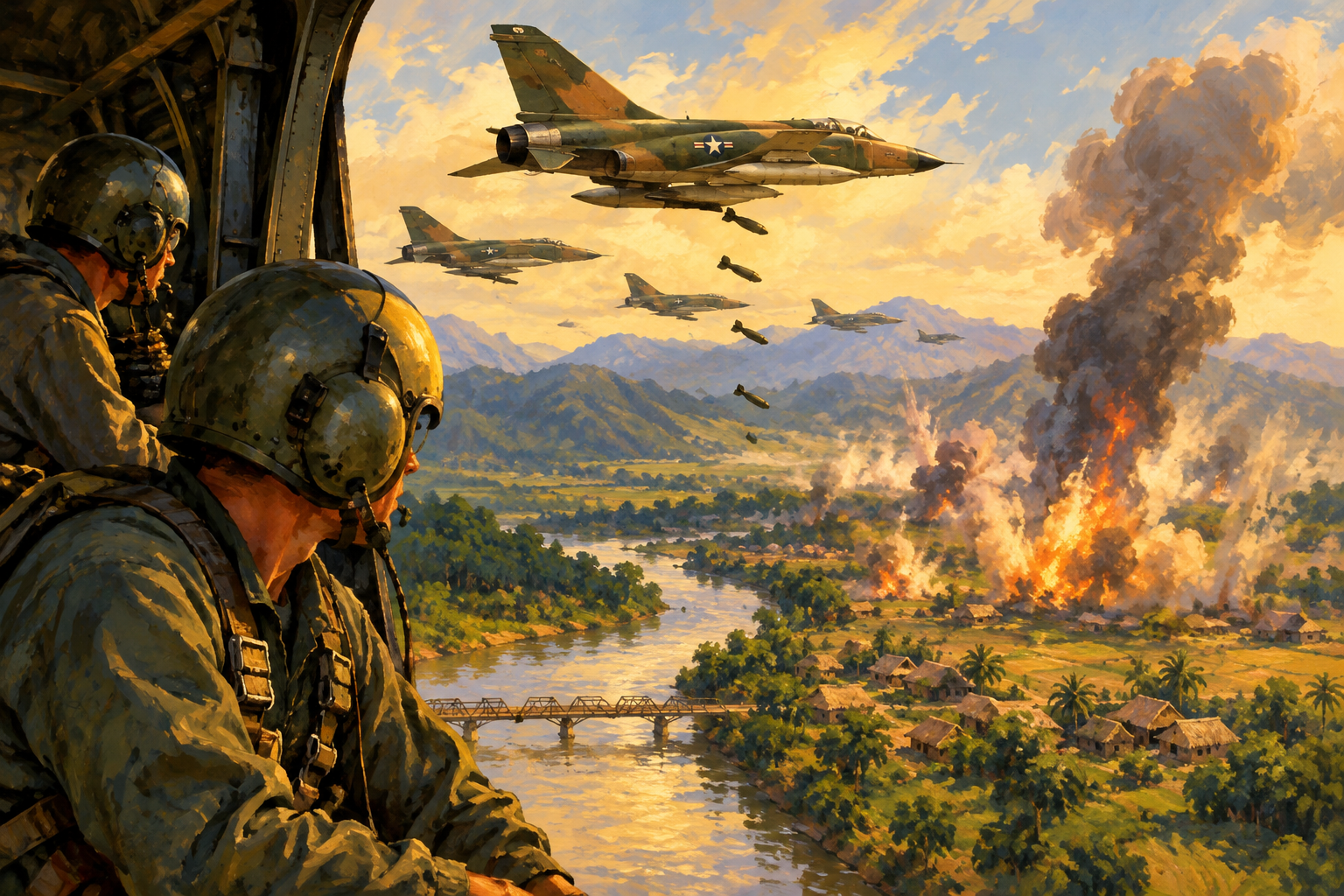
The Tet Offensive of 1968 brought coordinated attacks to cities and towns across South Vietnam. North Vietnamese and National Liberation Front forces did not hold most of the places they attacked, but the scale and reach of the offensive challenged public assurances that the war was nearing a successful end. The fighting shaped everyday life well beyond the front: families were displaced, cities absorbed people fleeing combat, and people faced conscription, insecurity, loss, and political division.
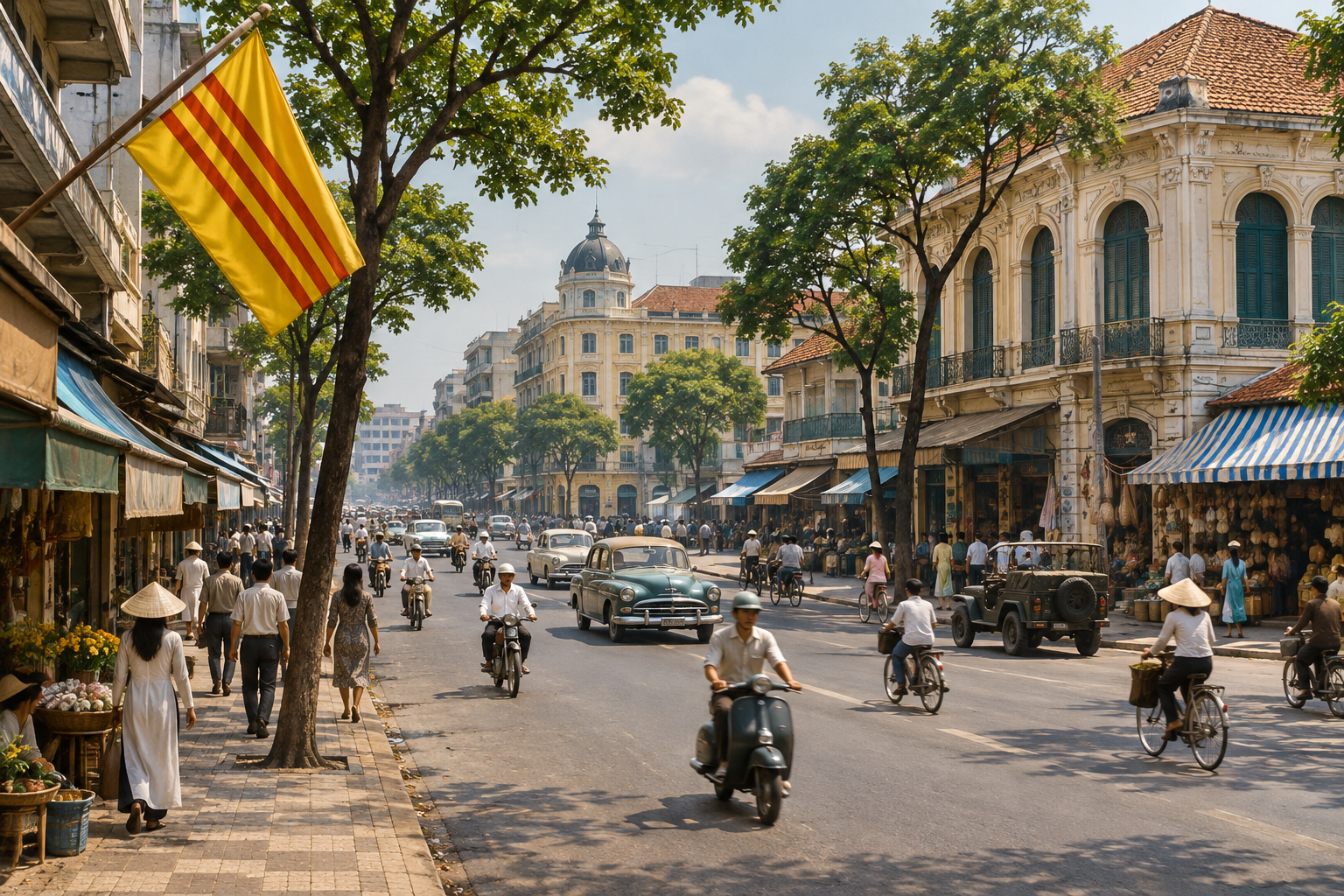
The Republic was also a society with institutions and cultural life of its own. Saigon’s newspapers, universities, publishers, religious organizations, and music scenes formed part of a vigorous, if war-strained, public sphere. This history matters because portrayals of South Vietnam as merely an American creation can erase the choices and work of its citizens. At the same time, recognizing local agency does not erase the government’s dependence on US military and economic assistance, or the limits and abuses of its political system. Both facts belong in a balanced account.
From the Paris agreement to the fall of Saigon
The Paris Peace Agreement was signed on January 27, 1973. It provided for a ceasefire and the departure of US combat forces, among other provisions. It did not settle the political conflict between the Republic of Vietnam and the communist-led forces, and fighting continued. The agreement is therefore a turning point in US involvement, but not a straightforward end to the Vietnamese war.
In 1975, North Vietnamese forces advanced through the south. The Republic’s army and government faced rapid military defeats and a severe loss of territory. Thiệu resigned on April 21. Dương Văn Minh took over as president during the final days. On April 30, North Vietnamese forces entered Saigon and Minh announced surrender. The Republic of Vietnam ceased to exist as a government. Vietnam was formally reunified as the Socialist Republic of Vietnam in 1976.
The fall of the Republic also began a new history for millions of people. Some Vietnamese left the country as refugees; others remained through major political and social changes. For many families, the end of the state meant separation, displacement, or difficult choices about safety and belonging. A concise political timeline should not flatten these different experiences into a single victory or loss.
Understanding South Vietnam alongside North Vietnam
South Vietnam usually refers to the Republic of Vietnam, the Saigon-based state established in 1955. North Vietnam refers to the Democratic Republic of Vietnam, proclaimed in 1945 and led by Hồ Chí Minh. The 1954 Geneva settlement set a temporary military demarcation line near the 17th parallel; it did not establish a permanent international border or create the Republic of Vietnam. That Republic was proclaimed the following year. These distinctions help explain why “South Vietnam” may mean either a region or the state that governed it, depending on context.
The Paris Peace Agreement of 1973 reduced direct US military involvement, but did not end fighting between Vietnamese forces. The Republic fell in 1975, and national reunification followed in 1976. For a balanced account, consider the governments’ competing political goals, foreign involvement, and the different experiences of people living through the conflict. The Geneva Accords and the 17th parallel explain how the temporary division began.
Read next
North Vietnam: The Democratic Republic of Vietnam explains the rival state and its political goals. Ngô Đình Diệm: South Vietnam’s First President follows the leader who founded the Republic. The Geneva Accords and the 17th Parallel sets out the 1954 arrangement that preceded division. For the broader regional context, continue with Saigon and Southern Vietnam: A History from Funan to 1975.