In five minutes
World War I (1914–1918) was fought between two groups of countries. The Allied Powers were led by Britain, France and Russia, and were joined by Italy and Japan and, in 1917, by the United States. The Central Powers were mainly Germany, Austria-Hungary, the Ottoman Empire and Bulgaria. The war began with the murder of Archduke Franz Ferdinand in Sarajevo, but the alliances, arms race and rivalries already in place turned a regional crisis into a war across Europe, the Middle East, Africa and the seas. It ended with an armistice on 11 November 1918, and the peace treaties of 1919 and 1920 settled the new map.
For the wider picture, read our world history 1700–1918 hub first. It covers the revolutions, industry and empires that shaped the war.
Causes: why one murder led to a world war
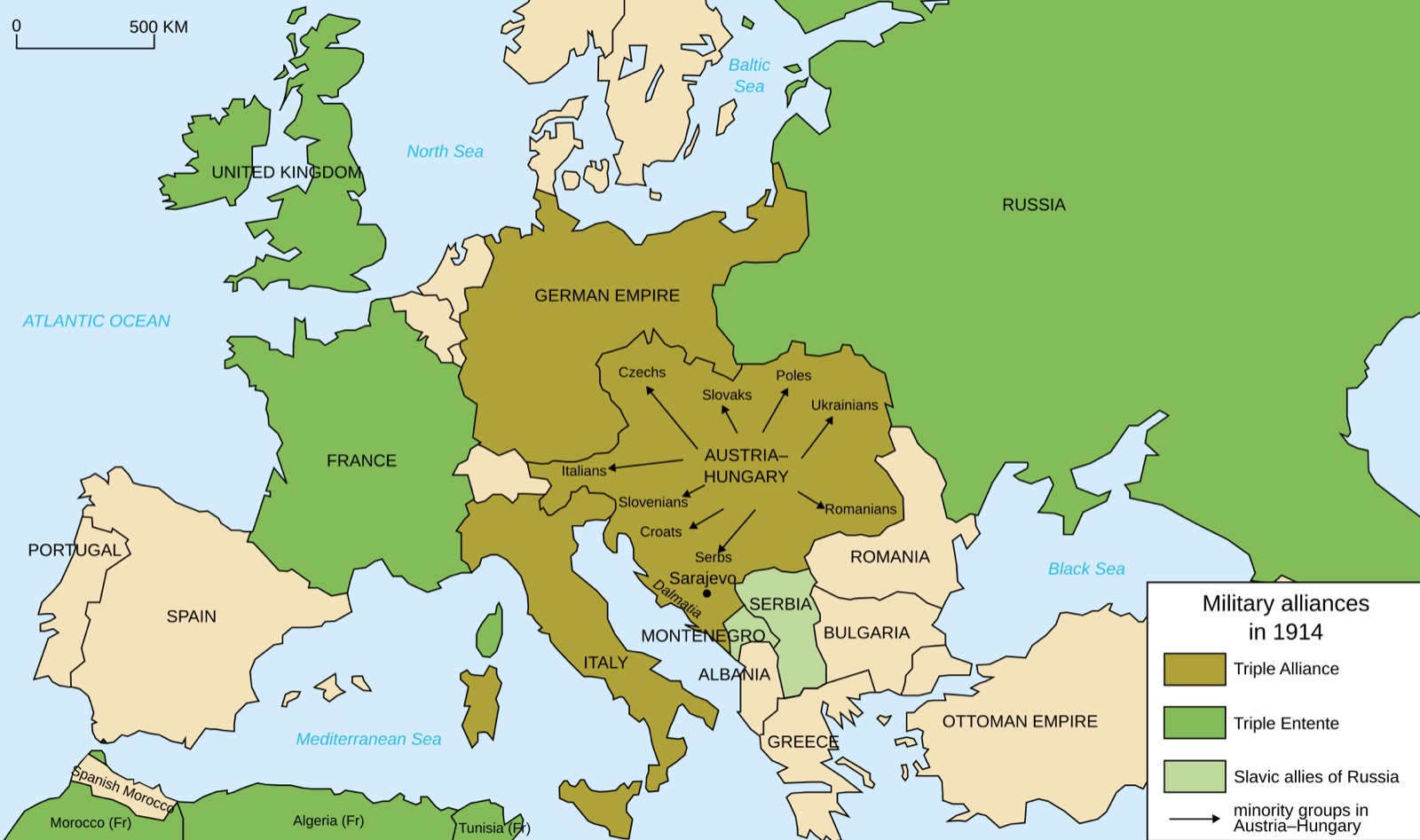
Historians often group the long-term causes into militarism, alliances, imperialism and nationalism. By 1914 the great powers were arming against each other and bound by promises of support. Britain, France and Russia formed the Triple Entente. Germany and Austria-Hungary were allies in the Triple Alliance with Italy, although Italy stayed neutral when the war broke out.
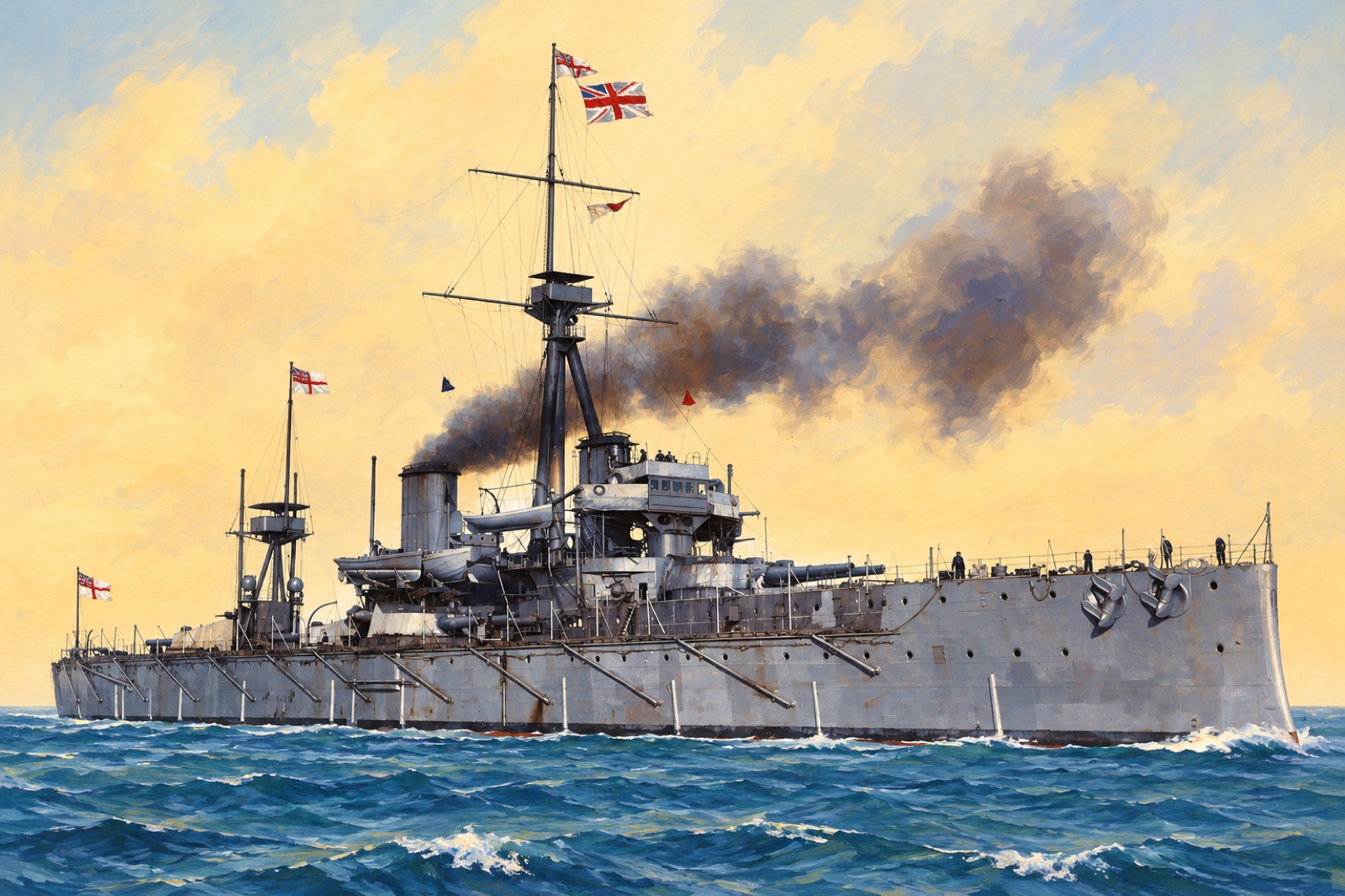
Naval rivalry sharpened the mood. HMS Dreadnought, launched on 10 February 1906, gave its name to a new type of battleship armed only with big guns. Her launch set off a building race between Britain and Germany, and warships became a public symbol of national strength.
The Balkans were the most dangerous region. Serbian nationalists wanted to unite the South Slav peoples, and Austria-Hungary feared that its southern lands would be pulled away. Russia saw itself as Serbia's protector. Every crisis in the Balkans pushed the great powers closer to war.
How the war spread in 1914
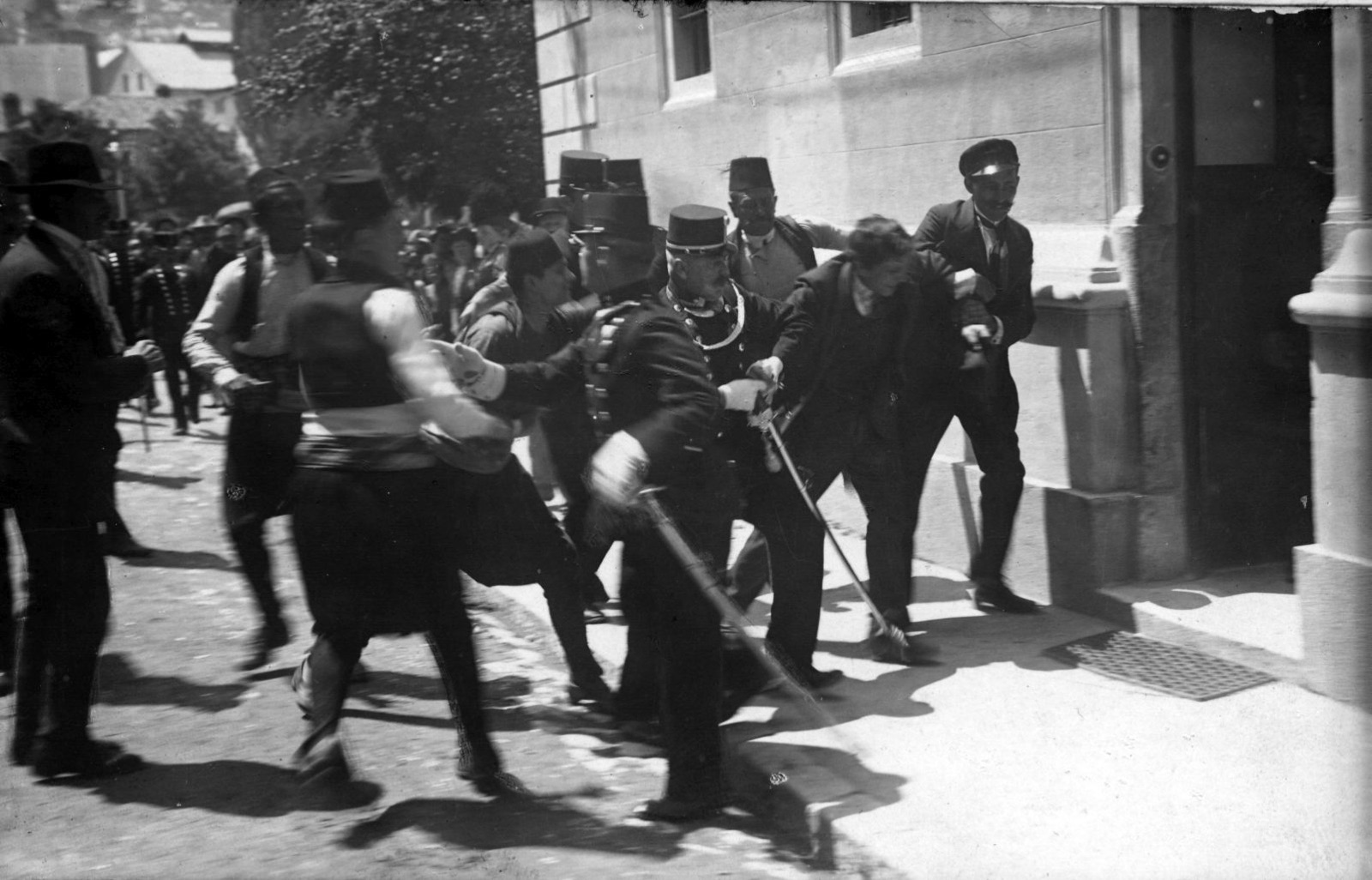
On 28 June 1914, Gavrilo Princip, a young Bosnian Serb, shot Franz Ferdinand, heir to the Austro-Hungarian throne, and his wife Sophie in Sarajevo. Vienna blamed Serbia. On 23 July it sent Belgrade a ten-point ultimatum with a 48-hour deadline. Serbia accepted most of the demands but not all, and on 28 July Austria-Hungary declared war on Serbia.
The alliances then pulled in the great powers. Russia began mobilising to support Serbia. Germany declared war on Russia on 1 August and on France on 3 August. Its war plan, usually called the Schlieffen Plan, relied on defeating France quickly through Belgium before turning east, so German troops crossed into neutral Belgium on 4 August. Britain had promised to defend Belgian neutrality, and it declared war on Germany later that day.
Belgium's forts at Liège held up the German advance for a short time. From about 12 August, German siege guns, including the 42 cm howitzers nicknamed Big Bertha, battered the forts. Namur's forts surrendered between 21 and 25 August. Japan declared war on Germany on 23 August, and its forces took the German base at Qingdao in China later that year.
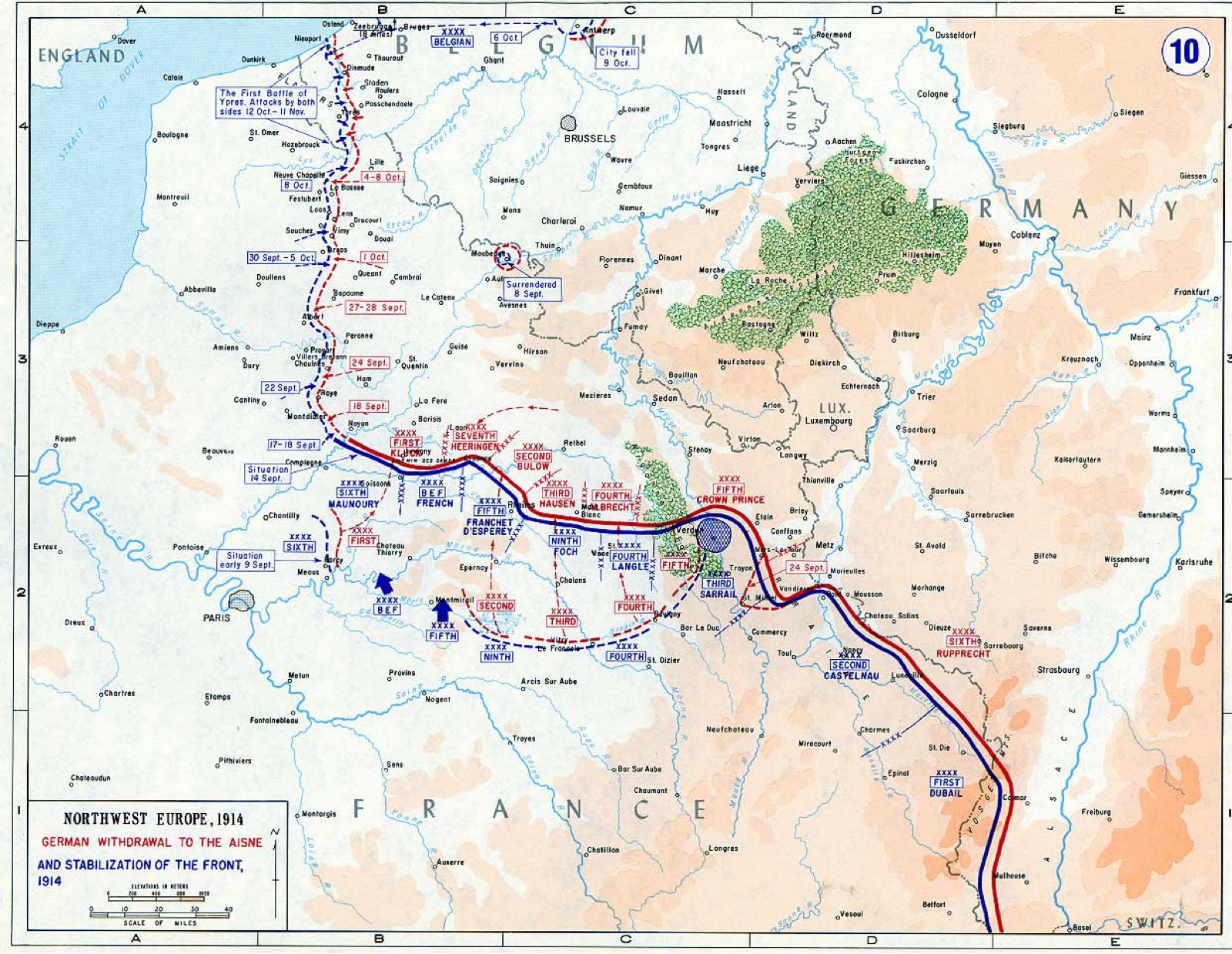
By early September the German army was about 30 miles from Paris. Between 5 and 12 September 1914, French and British forces counterattacked at the Marne and forced the Germans back to the Aisne River. The hope of a quick German victory in the West collapsed. Both sides dug in, and the Western Front became a line of trenches from the North Sea to the Swiss border.
Trench warfare, 1915–1917
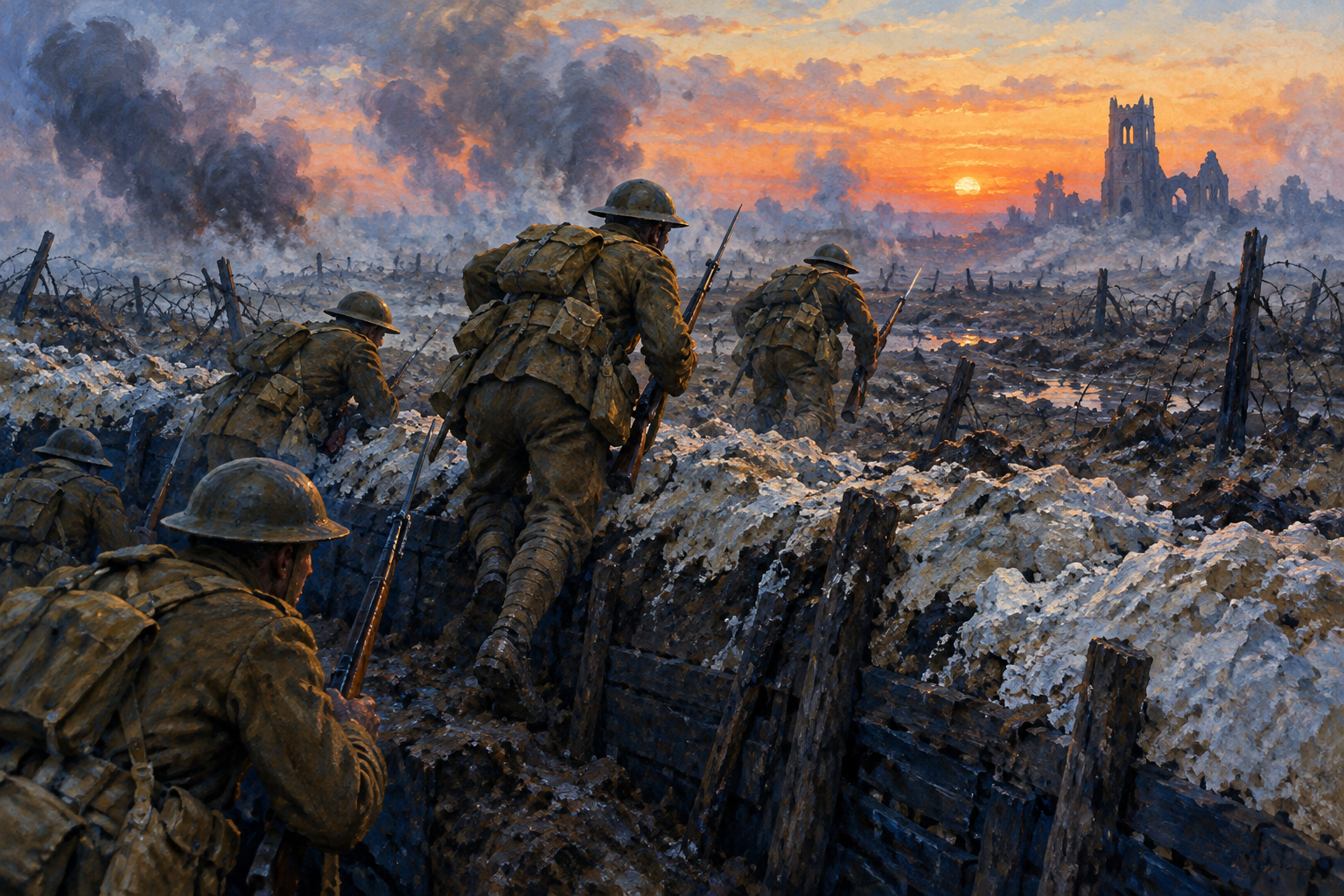
From late 1914 most fighting on the Western Front was between trench lines protected by barbed wire and machine guns. Attacks across open ground often failed. Both sides tried new methods to break the deadlock, and each new weapon brought new dangers.
Gas at Ypres, 1915
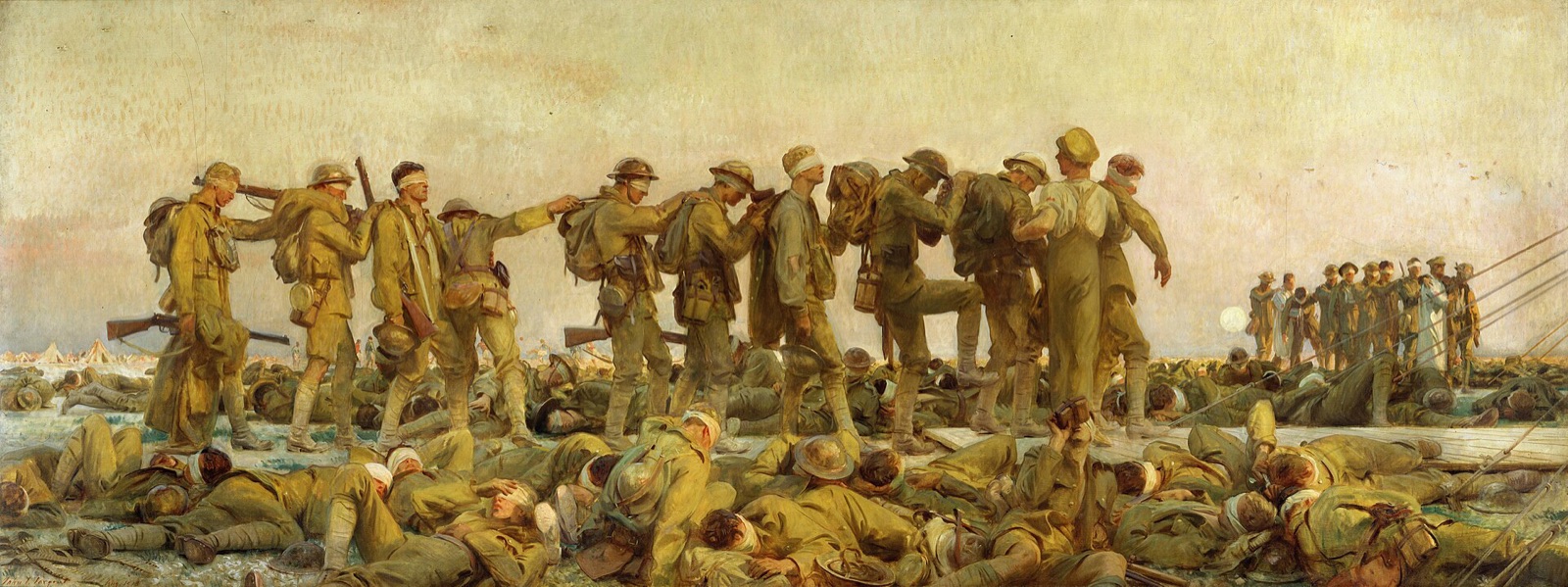
On 22 April 1915, German troops released chlorine gas from cylinders at Ypres in Belgium. It was the first large-scale lethal gas attack of the war and caused heavy casualties. Britain and France soon began using gas themselves. In July 1917 Germany first used mustard gas at Ypres, which caused severe burns to the skin and tissue.
Verdun and the Somme, 1916
The Battle of Verdun began on 21 February 1916, when Germany attacked the French fortress city, and lasted until 18 December. A 2000 study by Heer and Naumann counts about 714,000 casualties in total, roughly 377,000 French and 337,000 German.
On 1 July 1916 British troops attacked on the Somme in northern France. According to the Imperial War Museum, more than 57,000 men became casualties that day, including 19,240 killed, which makes it the bloodiest day in British military history. The battle continued until 18 November 1916.
Tanks at Cambrai, 1917
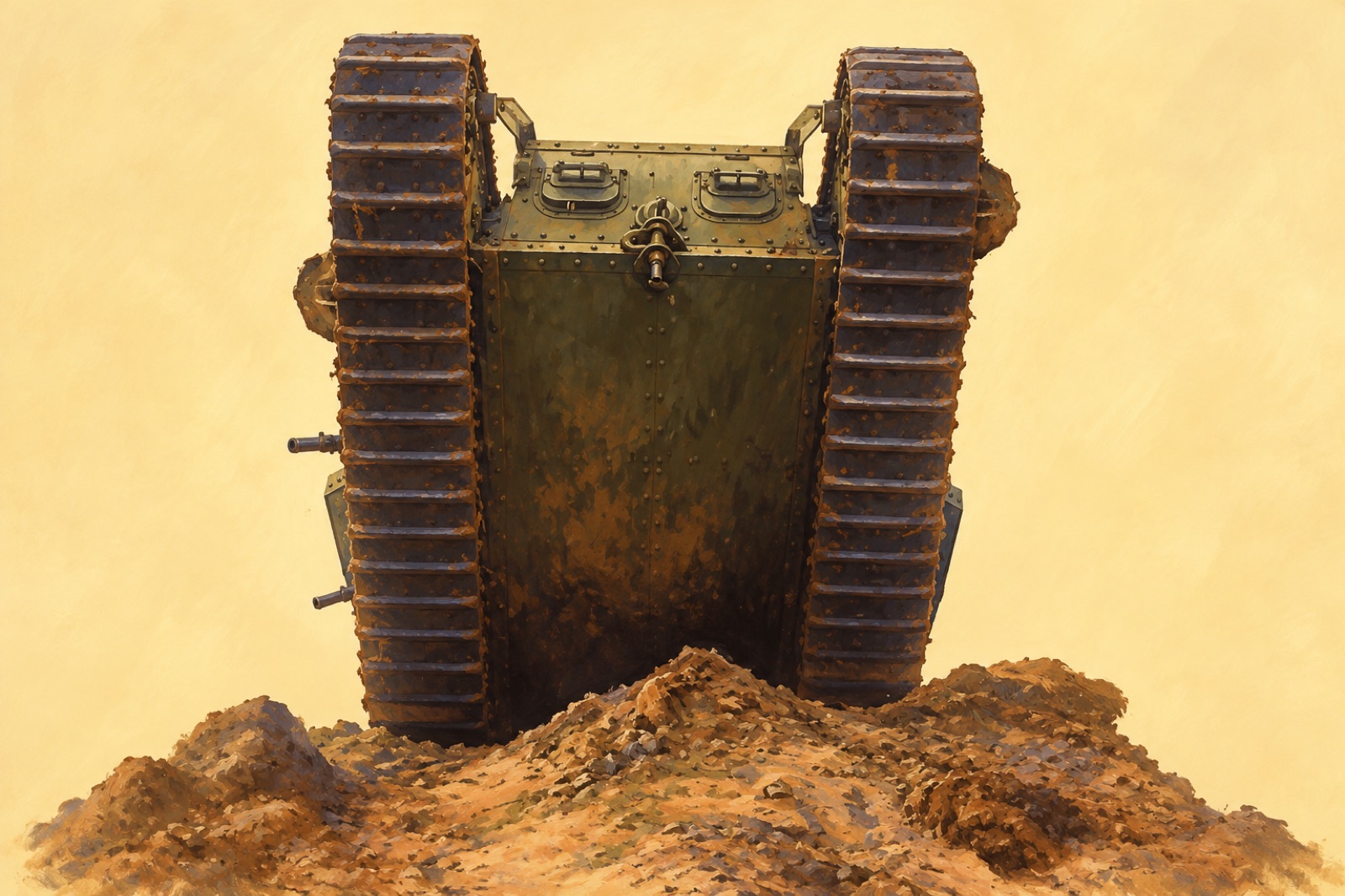
Tanks first appeared in 1916 as slow and unreliable machines. At Cambrai, starting on 20 November 1917, about 380 fighting tanks led a surprise attack without the long artillery bombardment that had come before earlier battles. The first day gained ground quickly. Many tanks were knocked out or broke down during the day, and German counterattacks won back much of the ground in the following weeks. The battle ended on 7 December 1917.
The weapons of the war
Several new or improved weapons shaped the battlefield, and each one changed how the war was fought.
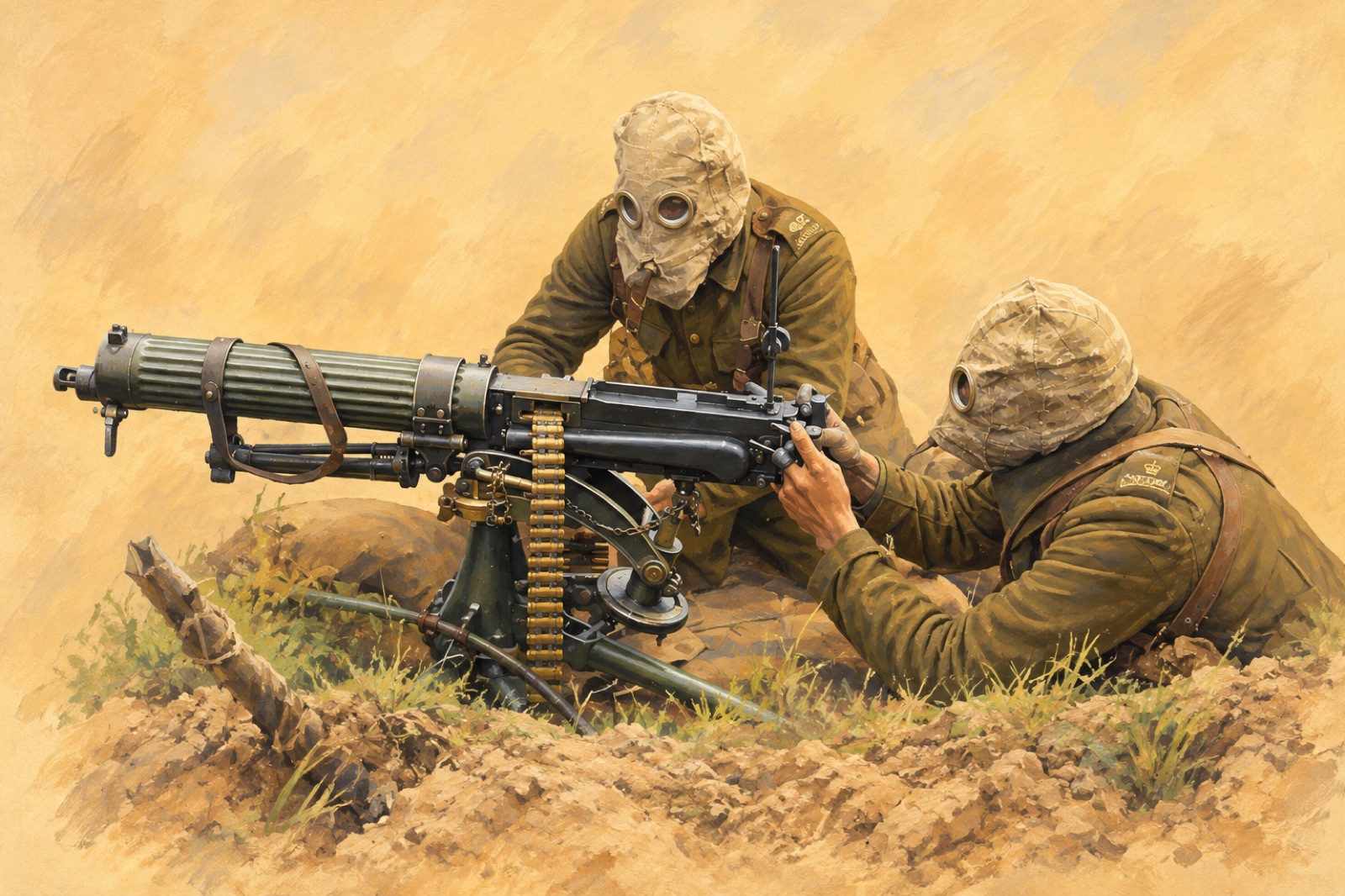
- Machine guns: the water-cooled Vickers gun could fire for long periods and made frontal assaults extremely costly.
- Heavy artillery: German 42 cm siege howitzers battered the forts at Liège and Namur into surrender, showing that old fortresses could not hold out against heavy guns.
- Tanks: the Mark IV was Britain's main tank of 1917 and was used in large numbers at Cambrai.
- Poison gas: chlorine and then mustard gas caused terrible injuries and pushed both sides to develop gas masks.
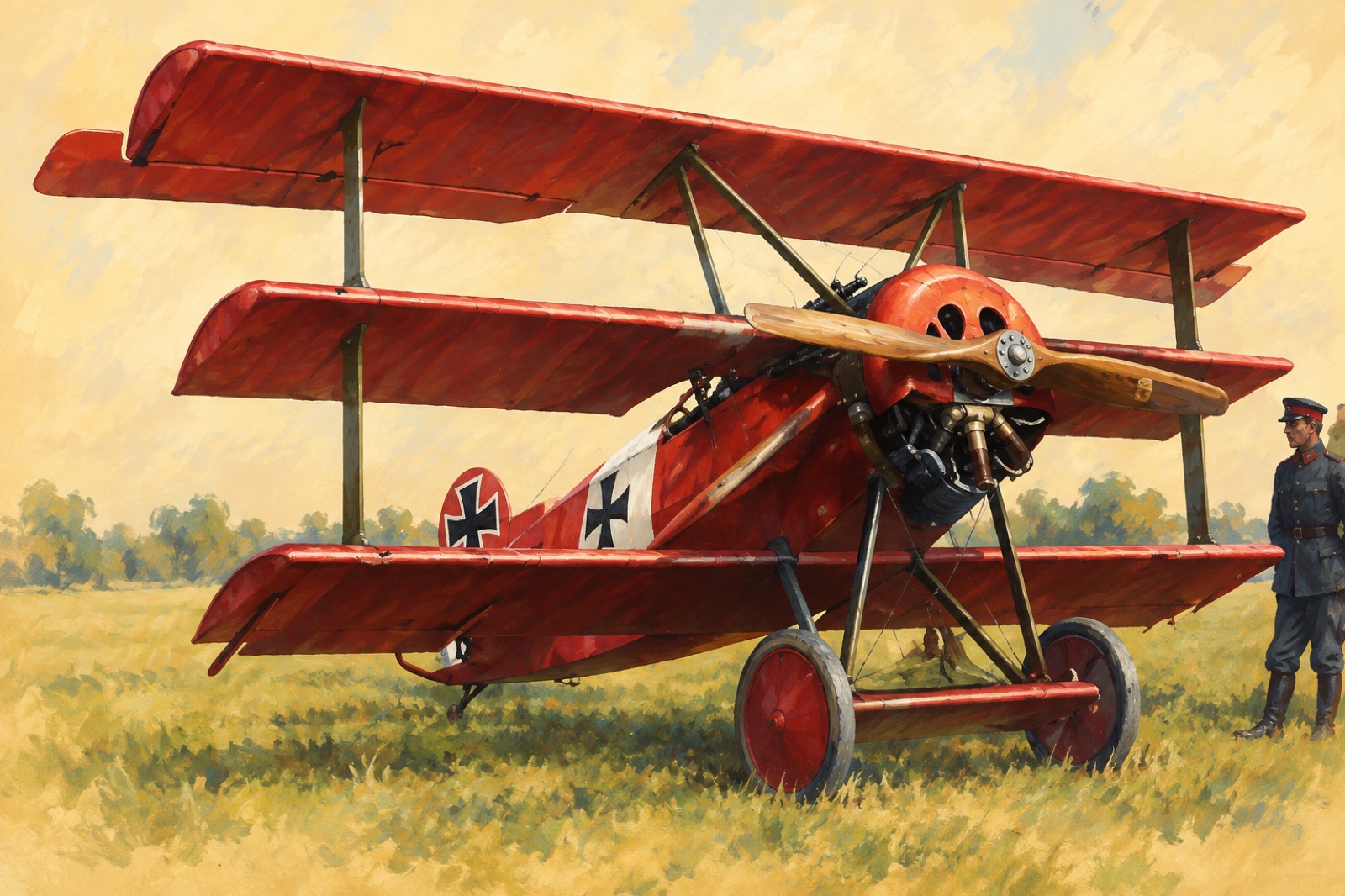
- Aircraft: the German Fokker Dr.I triplane, flown in 1917 and 1918, became closely linked with air fighting over the Western Front.
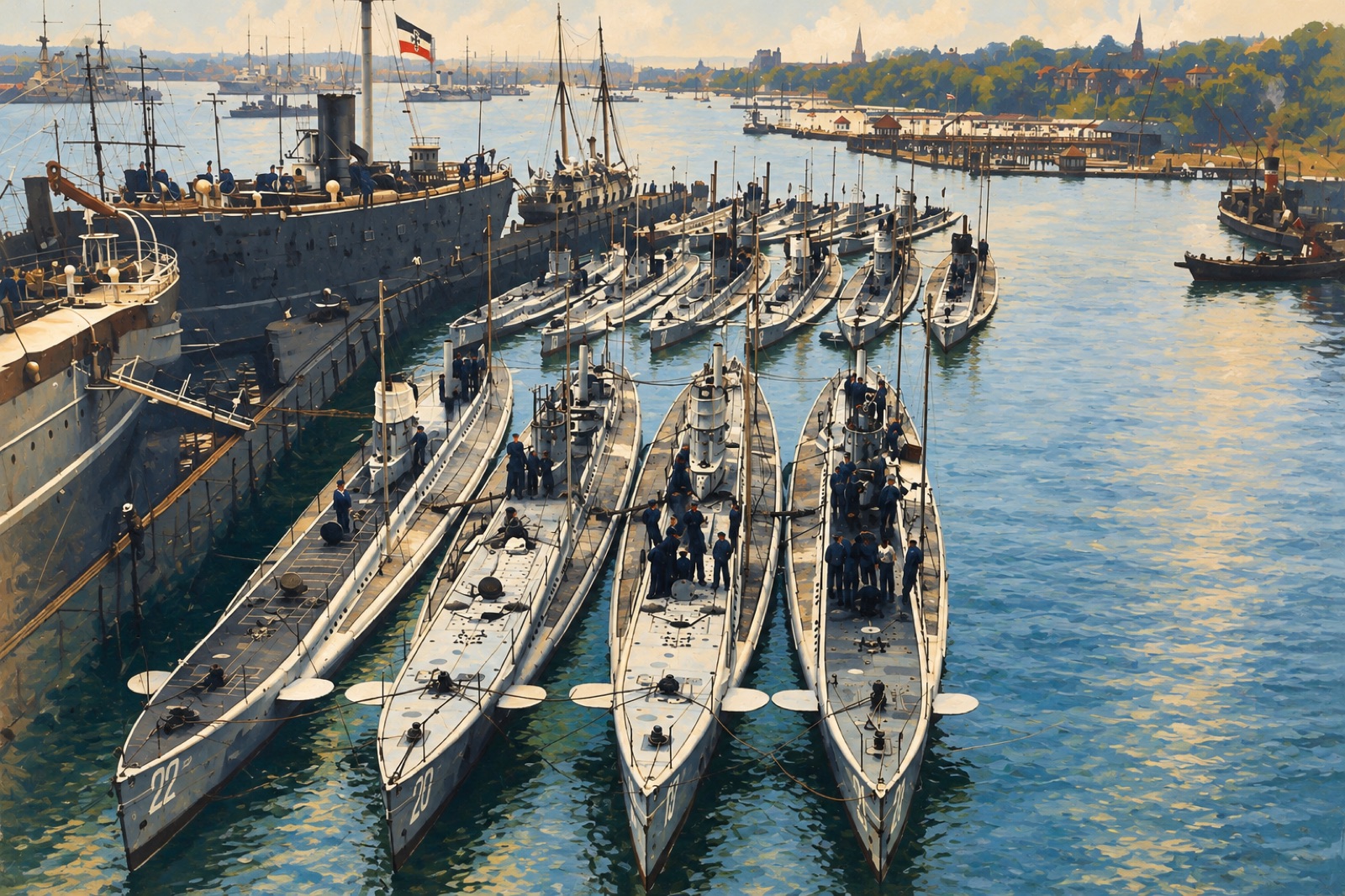
- Submarines: Germany's U-boats attacked Allied shipping, and unrestricted submarine warfare helped bring the United States into the war.
- Battleships: HMS Dreadnought set the pattern for the all-big-gun battleship, and the arms race that followed raised tensions before 1914.
The Eastern Front and the fall of Russia
The Eastern Front stretched from the Baltic to the Carpathians. In May 1915 the Austro-German Gorlice–Tarnów offensive, fought from 2 to 10 May, broke the Russian line and drove the Russian army back. Warsaw fell on 5 August 1915.
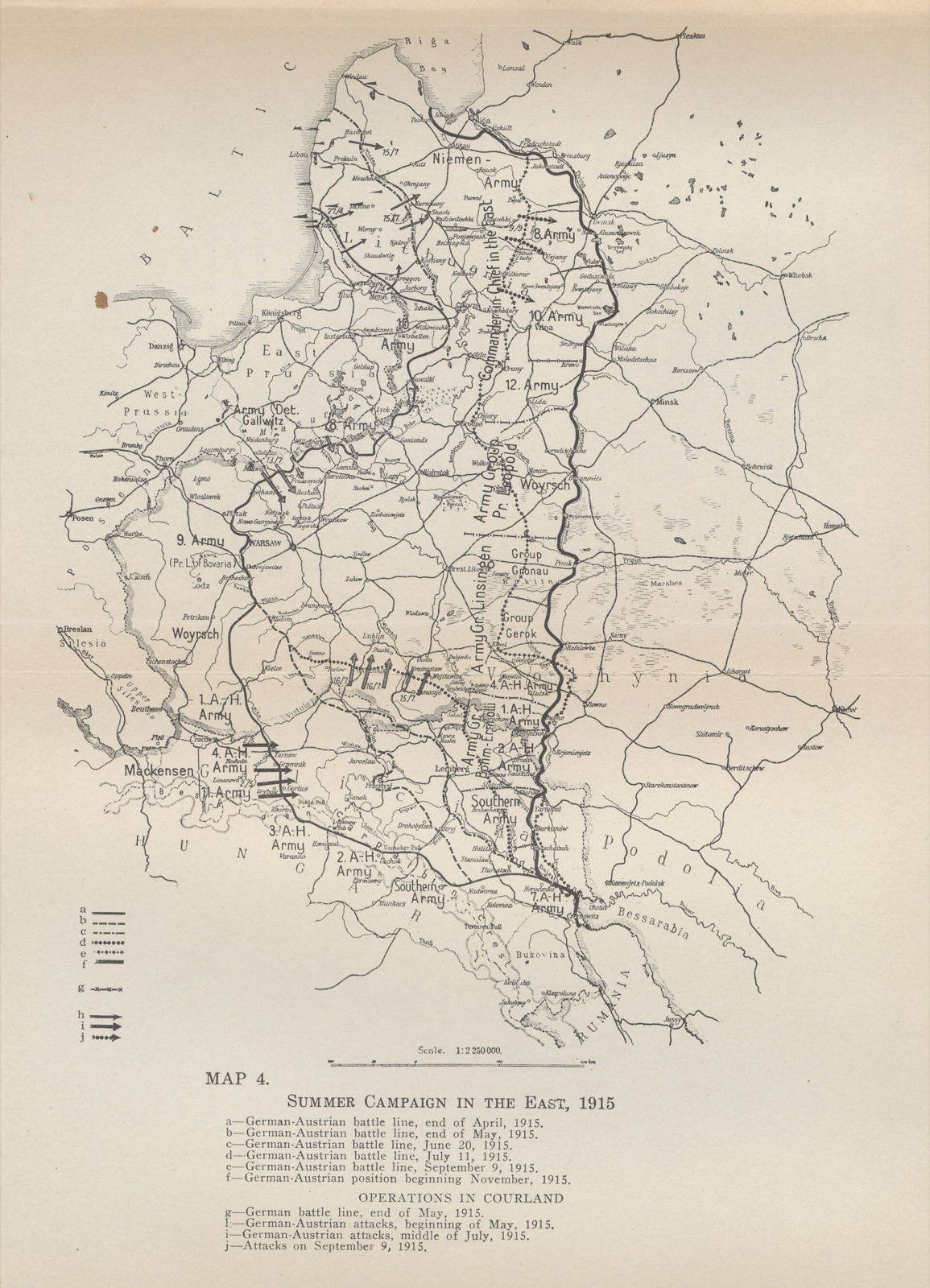
Russia's war effort was weakened by defeats, shortages and revolution. In 1917 revolutions removed the tsar, and the Bolsheviks took power in November. On 3 March 1918 Soviet Russia signed the Treaty of Brest-Litovsk with the Central Powers, which ended its part in the war. Russia gave up Ukraine, Poland and the Baltic lands, and Germany could move troops west.
Other fronts: Gallipoli, Italy, Qingdao and the colonies
The war was not confined to Europe. The Ottoman Empire joined the Central Powers in late 1914 and fought the Allies on several fronts. Australian, New Zealand and British troops landed at Gallipoli on 25 April 1915, but the campaign failed, and the last Allied troops left on 9 January 1916.
Italy had been a member of the Triple Alliance, but on 26 April 1915 it signed the secret Treaty of London, which won its promise of support for the Allies. On 23 May 1915 Italy declared war on Austria-Hungary, and Italian forces then fought along the Isonzo River.
Japan declared war on Germany on 23 August 1914 and attacked the German base at Qingdao in Shandong, China. The German garrison surrendered on 7 November 1914, which ended Germany's hold on its Chinese base. Allied forces also captured most of Germany's overseas colonies.
Total war at home
This was a total war, in which whole economies served the front. Governments took control of industry, rationed food and used propaganda to keep morale up. Britain's naval blockade cut Germany's imports, and the hard winter of 1916–17 brought severe food shortages there. Battles were won and lost in factories and on farms as well as in the trenches.
Why the United States joined in 1917
The United States stayed out of the fighting at first. Germany resumed unrestricted submarine warfare in January 1917, which put American ships and lives at risk. In early March the Zimmermann telegram, a German proposal for a military alliance with Mexico, was made public. President Woodrow Wilson asked Congress for a declaration of war on 2 April 1917, and Congress declared war on 6 April. The United States declared war on Austria-Hungary in December 1917.
The last year and the armistice, 1918
With Russia out of the war, Germany launched a series of spring offensives in 1918 but did not have the reserves to win. On 8 August 1918, Allied forces attacked at Amiens with tanks, aircraft and Canadian and Australian divisions. That opened the Hundred Days Offensive, a run of Allied victories that ended with the armistice. Many German soldiers surrendered in the first days, and German morale weakened sharply.
Germany agreed to an armistice. In a railway carriage in the Compiègne forest, Marshal Ferdinand Foch and the German envoy Matthias Erzberger signed it at about 5 a.m. on 11 November 1918. Fighting stopped at 11 a.m. that morning, the 11th hour of the 11th day of the 11th month.
Why the war lasted so long
Four factors kept the war going for more than four years. Machine guns and barbed wire favoured the defender, so breakthroughs were rare and expensive. Industrial production let each side keep up a supply of shells, rifles and guns. Alliances meant that a defeat did not automatically end a power's war, since its partners could keep fighting. Naval blockade and submarine warfare aimed to starve the enemy of food and materials. Because no side could win a quick victory, the fighting dragged on until the autumn of 1918.
Results: deaths, empires and the peace
Military deaths are estimated at about 8.5 million. Civilian deaths, from hunger, disease, exposure, fighting and massacres, are put at around 13 million. The war brought down four empires: the Russian, German, Austro-Hungarian and Ottoman.
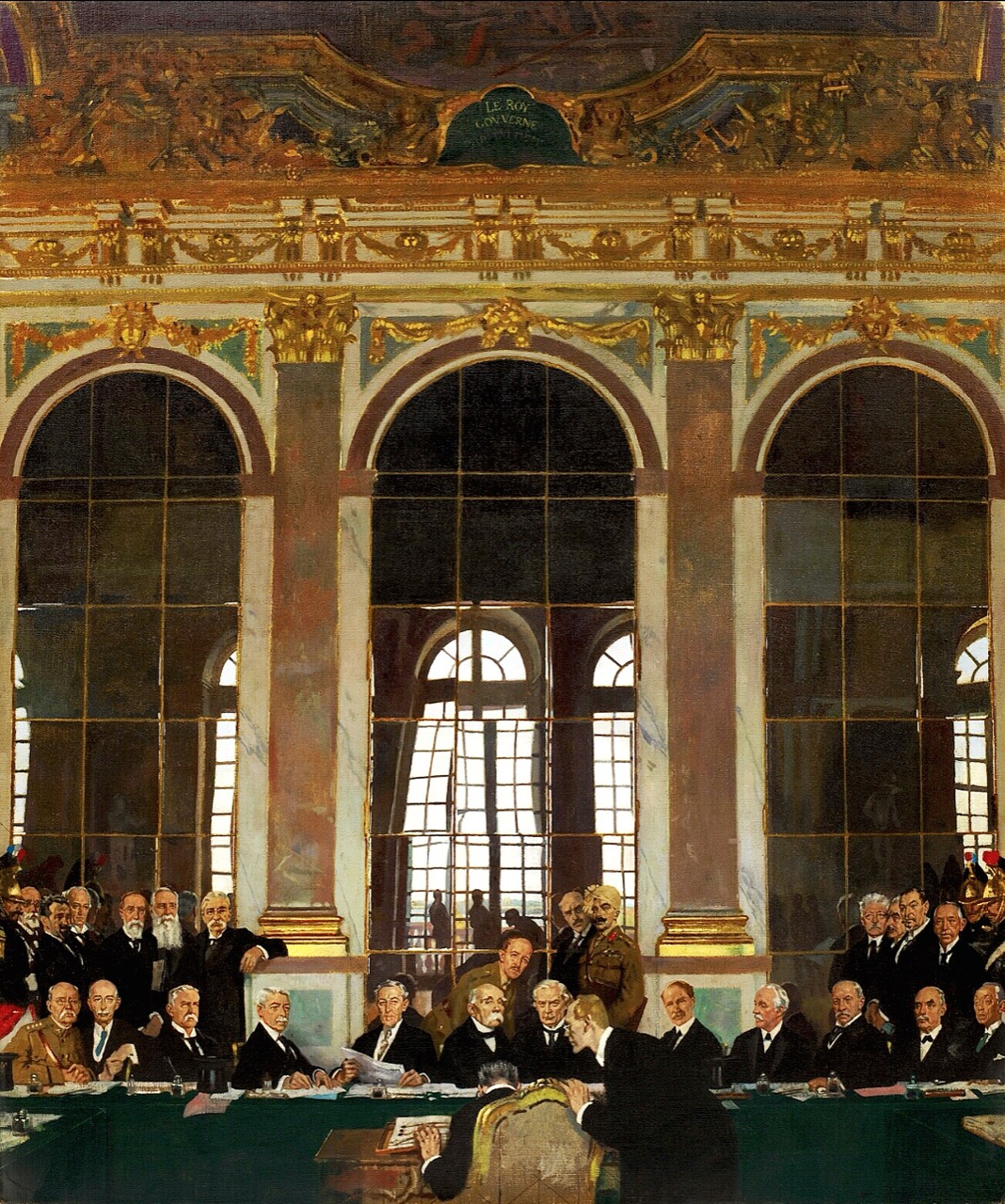
The Treaty of Versailles was signed on 28 June 1919 in the Hall of Mirrors at Versailles, exactly five years after the Sarajevo murders. Germany lost territory, accepted the war-guilt clause and had to pay reparations. The treaty came into force on 10 January 1920, and the League of Nations was set up under it. New states appeared where the old empires had stood, and the map of Europe changed.
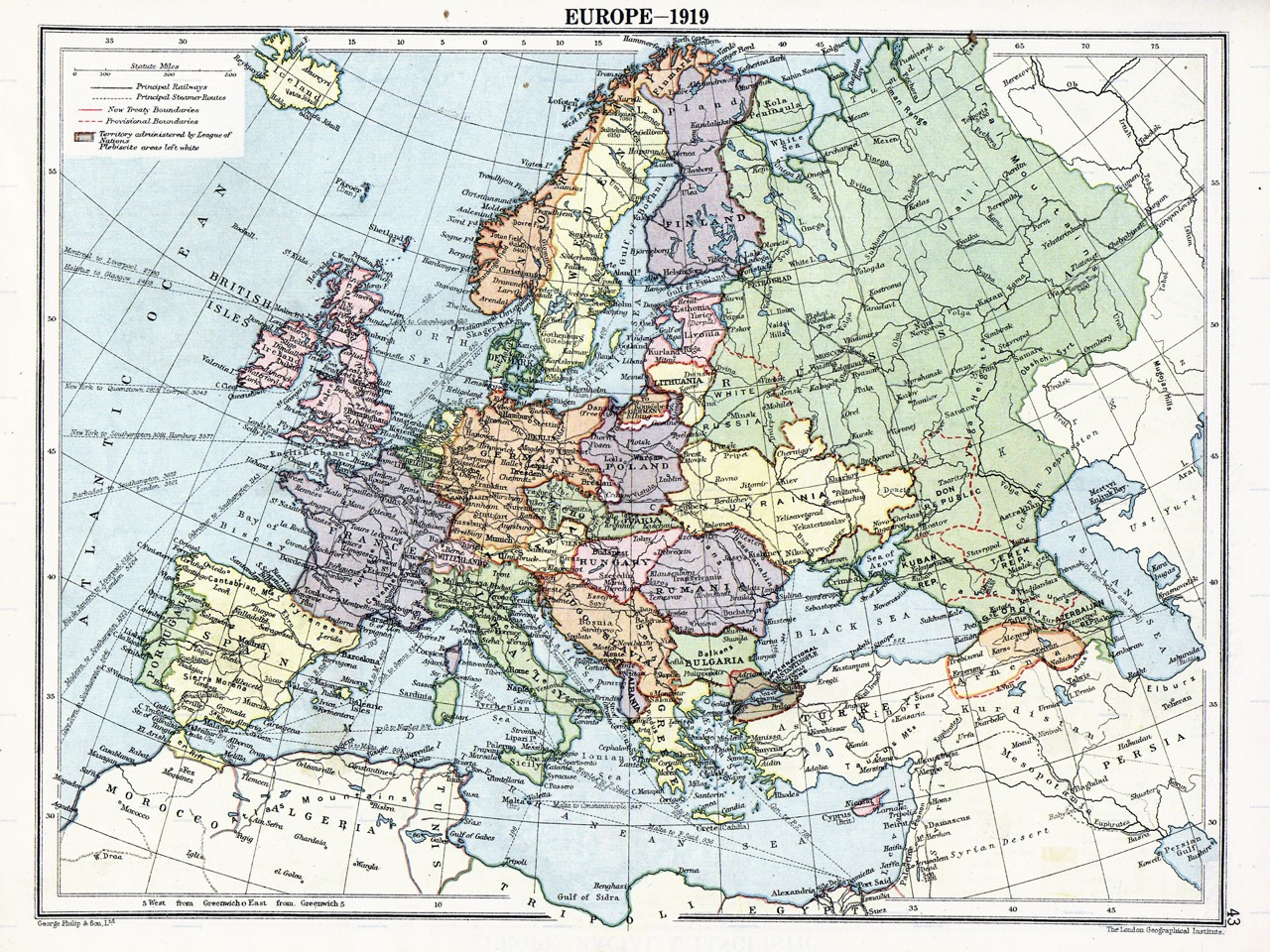
The war also changed who had a voice at home. Women's work in factories and offices strengthened the case for the vote. Britain's Representation of the People Act 1918 gave the vote to men over 21 and to women over 30 who met property rules. Germany's electoral law of 30 November 1918 gave the vote to men and women aged 20 and over on equal terms.
What exam questions ask
Exam questions often ask you to explain the causes using evidence from more than one category, such as alliances, militarism and nationalism. You may also be asked to compare trench warfare with earlier wars, to explain how total war changed civilian life, or to argue whether the Treaty of Versailles helped cause the Second World War. Keep four dates ready: 1914 for the outbreak, 1917 for the US entry and the Russian Revolution, 1918 for the armistice, and 1919 for Versailles. Support every claim with a specific example.
Read next
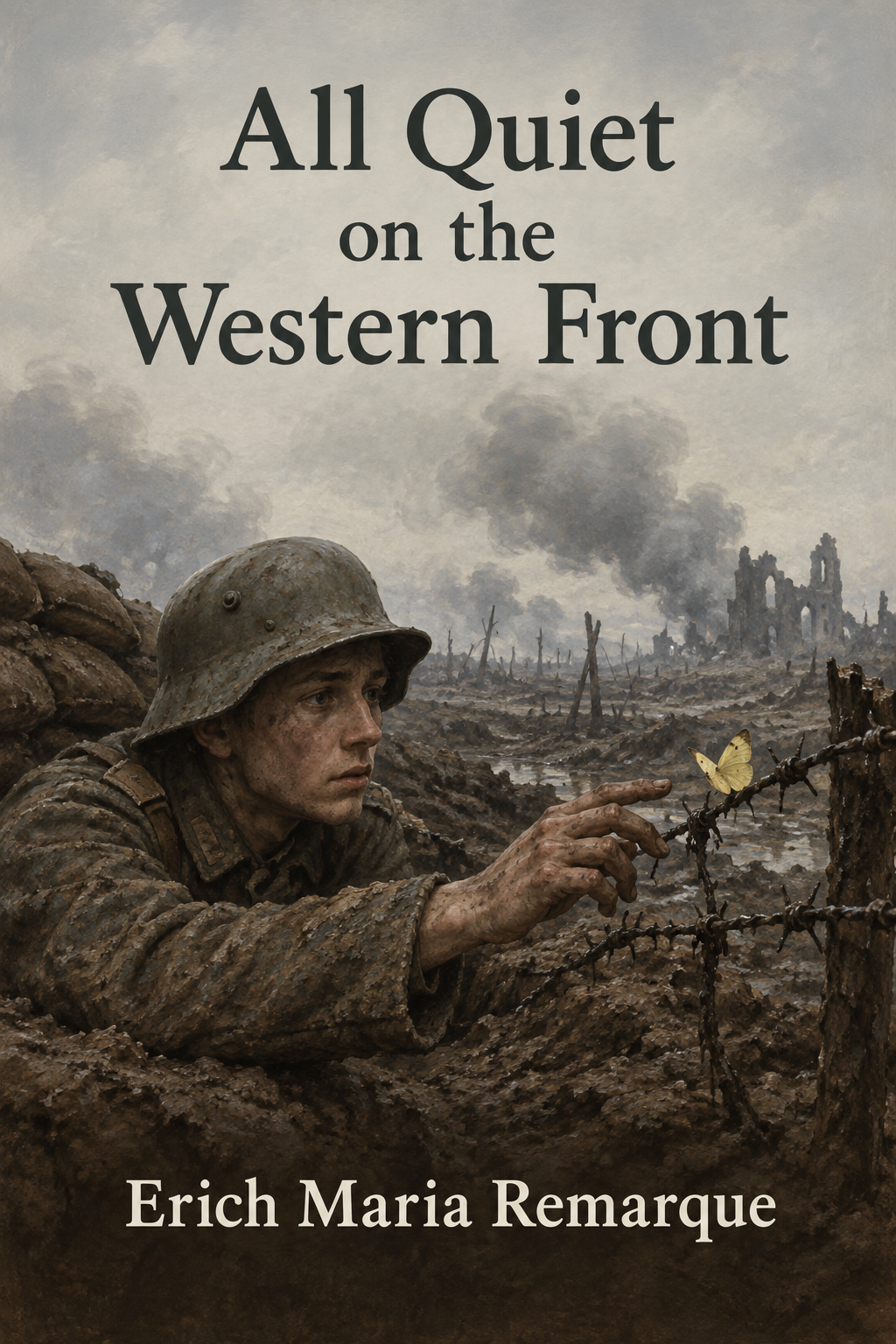
To see the culture of the years before 1914, read 19th-Century Art and Culture: From Romanticism to the Belle Époque. For exam practice across the whole period, use the Modern World History Study Guide. For the view from the trenches, read All Quiet on the Western Front, Erich Maria Remarque's novel about young German soldiers on the Western Front.