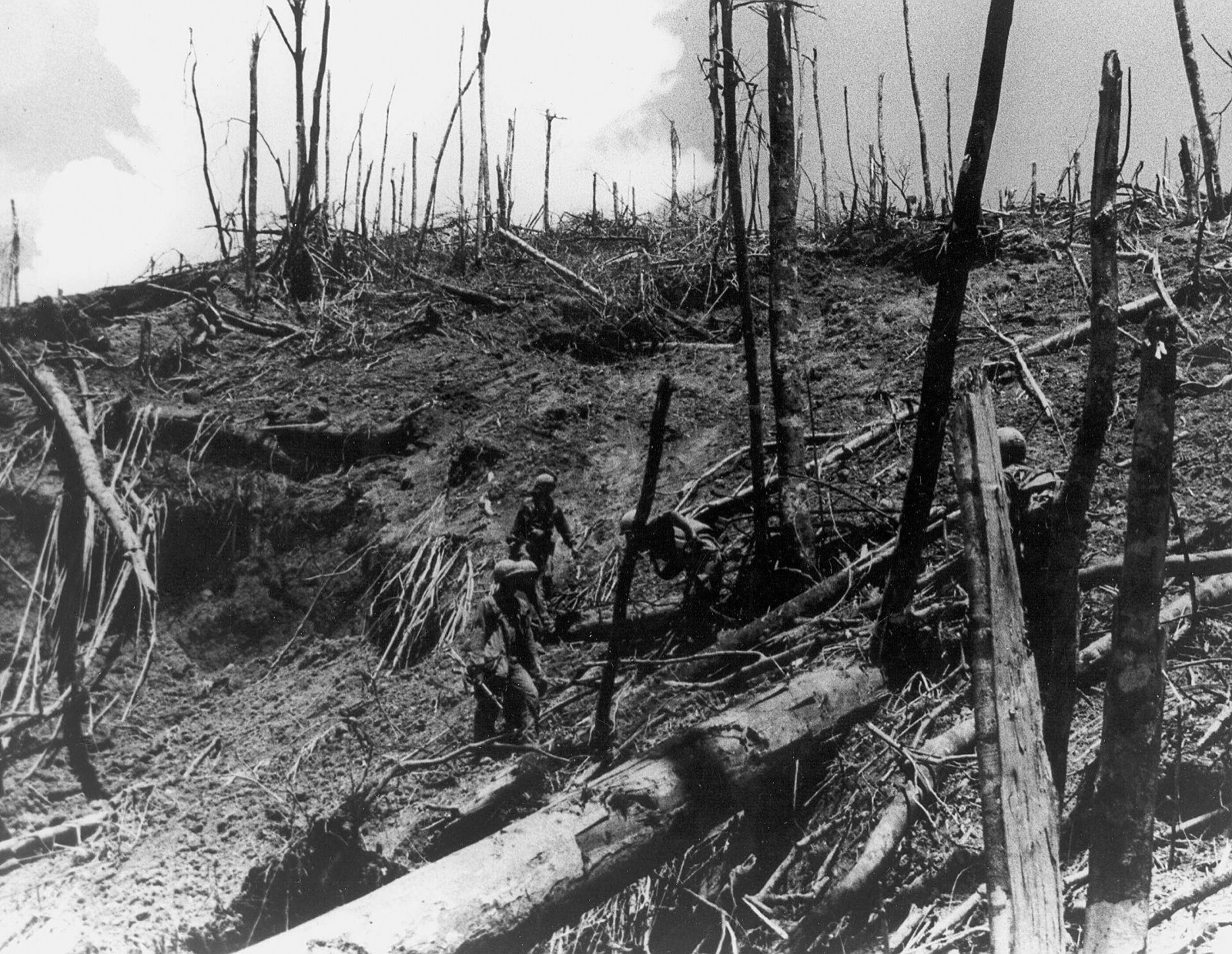
Hamburger Hill in five minutes
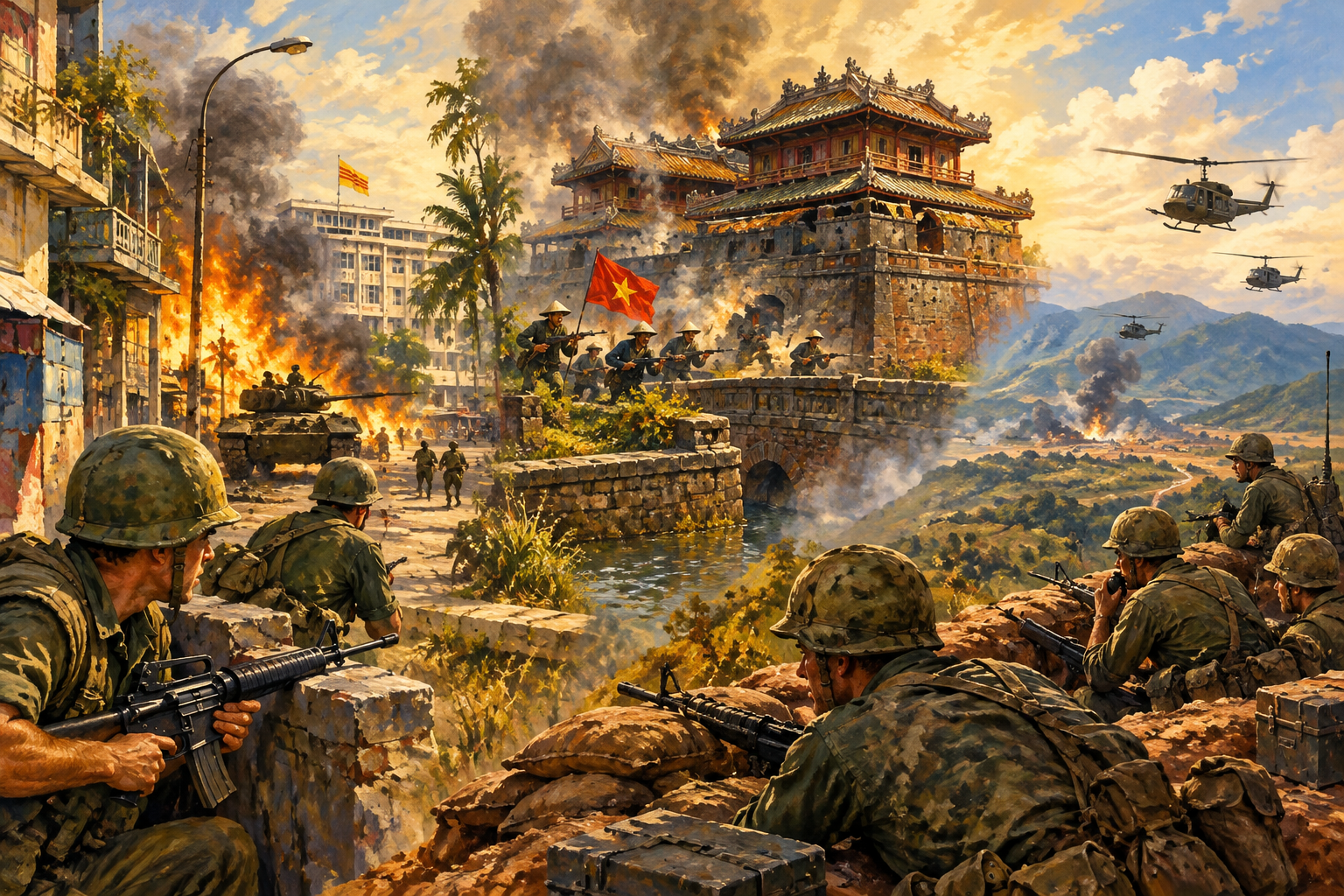
Hamburger Hill was the name American soldiers gave to a costly battle for Dong Ap Bia, a mountain in South Vietnam, in May 1969. American and South Vietnamese forces captured the summit from North Vietnamese defenders, but the losses and the later departure of US troops turned the battle into a public argument about the purpose and conduct of the war. The Vietnam War overview places that argument in the wider conflict.
The fight was part of Operation Apache Snow, an effort to find and disrupt North Vietnamese forces in the A Shau Valley region. It was not a campaign to make the summit a permanent American base. That distinction helps explain the withdrawal, but it does not settle the question that troubled critics: whether the cost of taking the hill was justified by the military result.
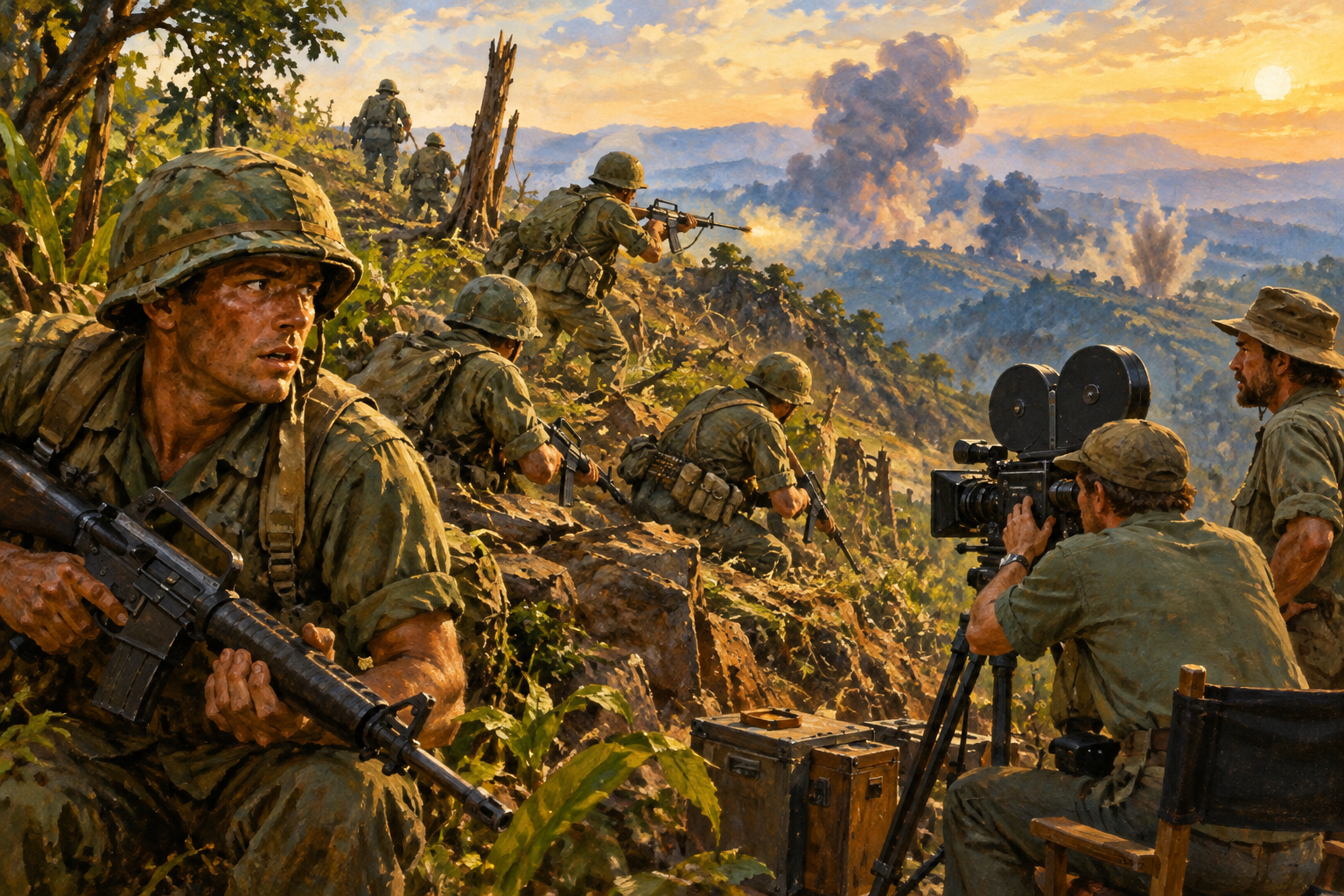
The name also belongs to a film. John Irvin's 1987 drama Hamburger Hill follows a group of American infantrymen through the fighting. It draws on a real battle and on its screenwriter's experience in Vietnam, while using dramatic characters and scenes. The movie is a way into the soldiers' perspective; the historical record is needed to understand the larger operation and the people beyond the film's frame.
Why armies fought in the A Shau Valley
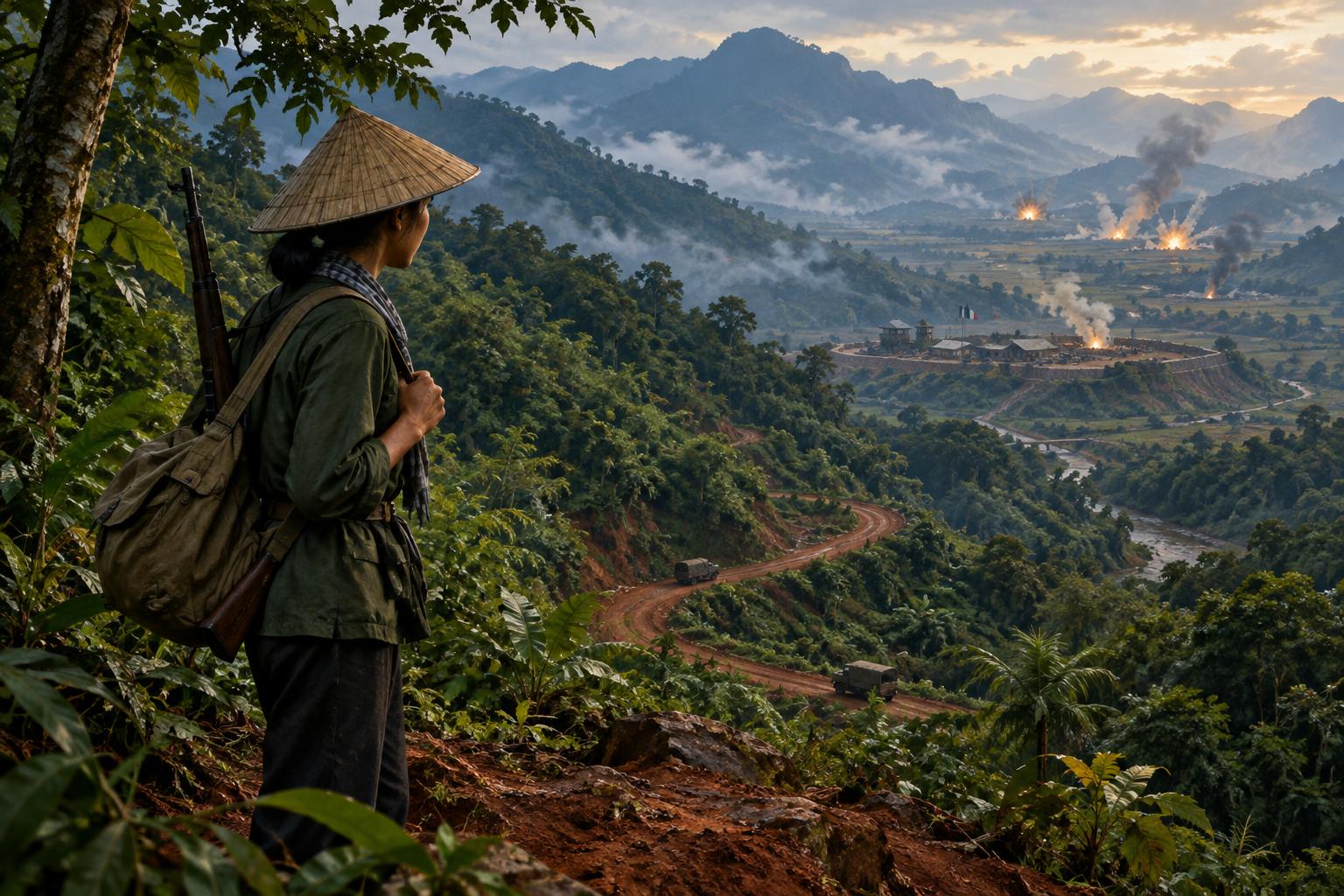
The A Shau Valley lies near the border with Laos, west of the South Vietnamese city of Hue. North Vietnamese forces used the area in connection with movement and supply. For American commanders, operations there promised an opportunity to interrupt that activity and engage enemy formations that could otherwise be difficult to locate and attack.
Terrain shaped the campaign. Steep ridges, dense vegetation and limited visibility made it hard for units to see one another or move in a straight line. A position that appeared close on a map could be a difficult climb through forest. Rain made slopes slippery and complicated both resupply and the removal of wounded soldiers. The same vegetation that concealed attackers also helped conceal defenders and their prepared positions.
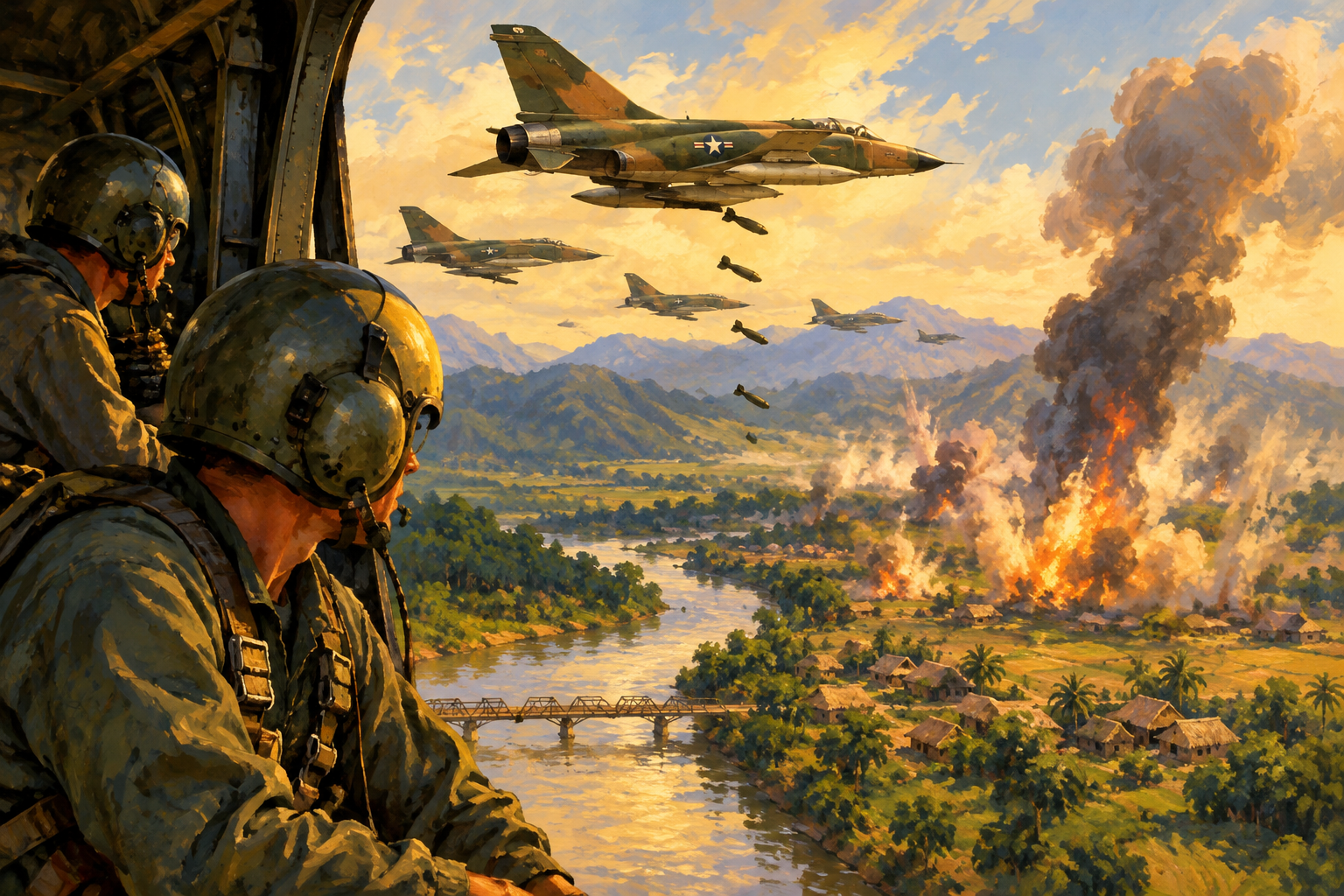
Apache Snow used helicopters to move troops into the region. Air mobility could put infantry near a target without requiring a long road march, but a helicopter landing did not automatically give soldiers control of the ground beyond the landing zone. Once on the mountain, infantry still had to find and overcome an enemy protected by bunkers and trenches. Air support, artillery and helicopters mattered greatly, yet none could replace the work of soldiers moving through difficult ground.
For North Vietnamese defenders, prepared positions offered protection and fields of fire against troops coming uphill. The US Army identifies the 29th North Vietnamese Regiment among the forces defending Dong Ap Bia. The battle was not a simple contest between an exposed hilltop and an unopposed assault: attackers had to approach through a network of defensive positions, while defenders faced heavy American firepower and an eventual attack from several directions.
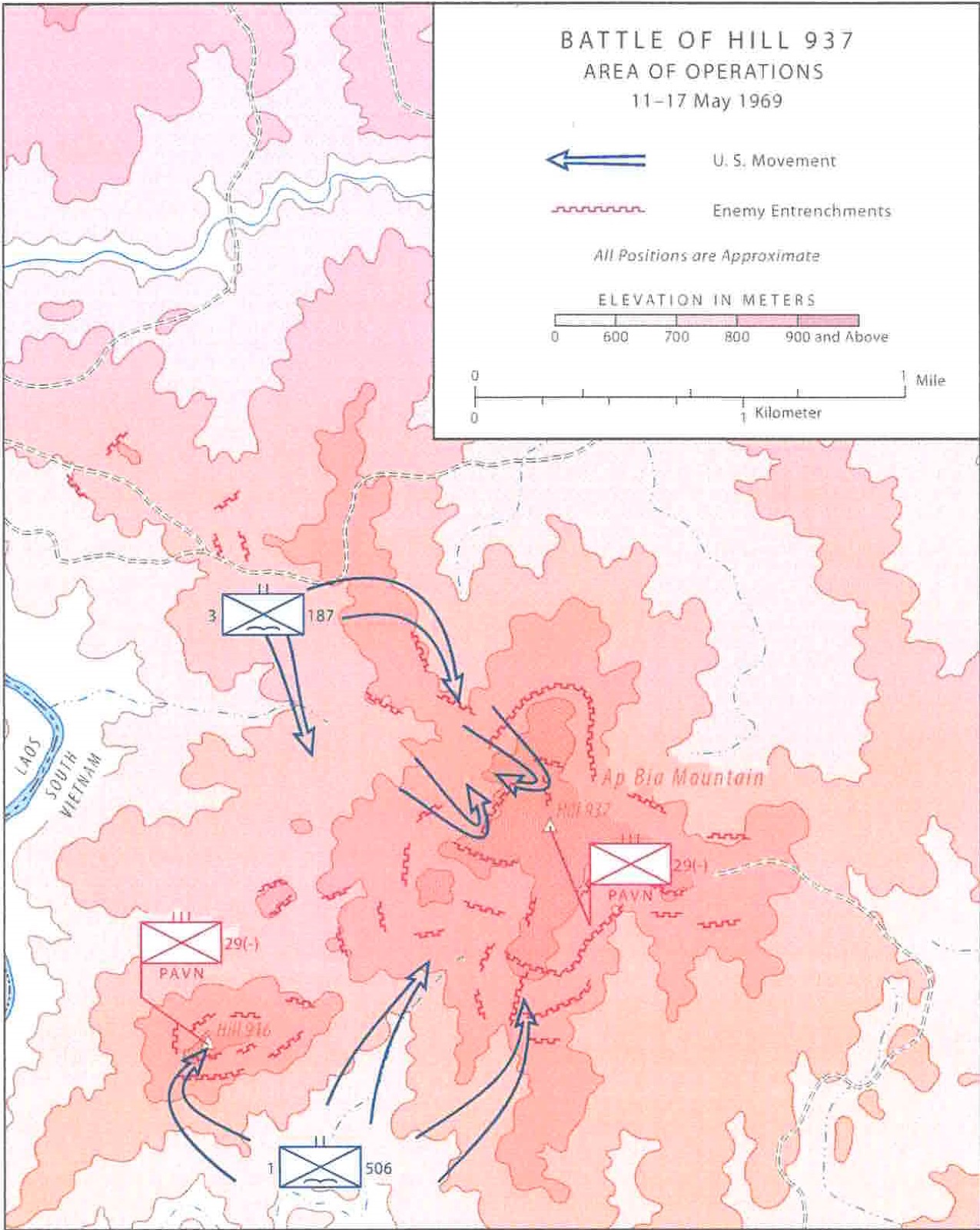
Read the first map as a guide to the problem rather than a picture of a single straight climb. Unit positions and approaches occupy different parts of the mountain. The lines suggest a coordinated operation, but soldiers on the ground had to deal with restricted sight, opposing fire and the time needed to move across the slopes.
How the battle unfolded
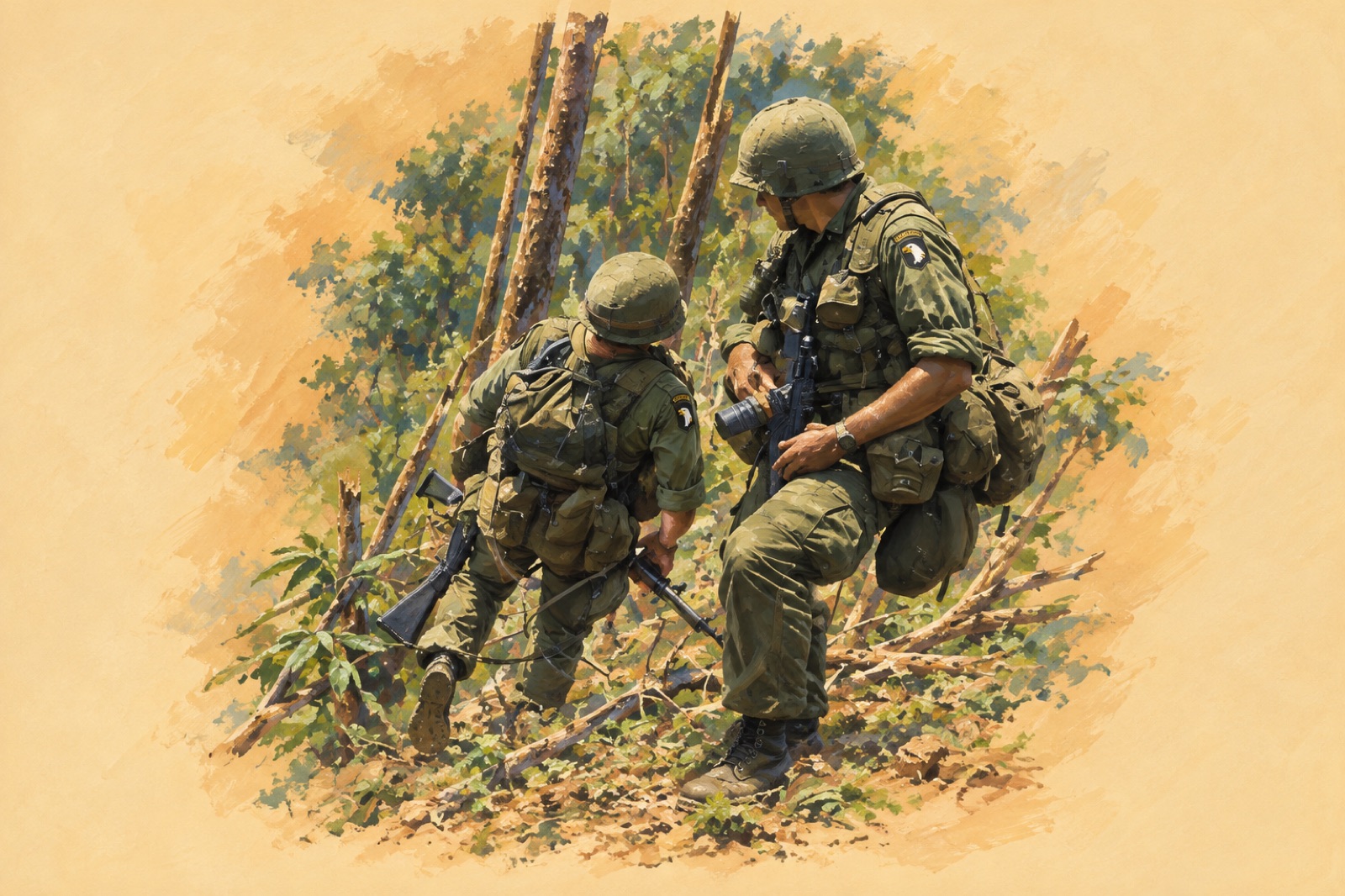
Operation Apache Snow began on 10 May 1969. The next day, soldiers of the 3rd Battalion, 187th Infantry, part of the 101st Airborne Division, encountered strong resistance on Dong Ap Bia. The battalion, known as the Rakkasans, found that the opposing force had prepared to fight from the mountain. What began as an attempt to locate and engage enemy troops developed into a prolonged struggle for the position.
American infantry attacked repeatedly with artillery and aircraft in support. Defensive bunkers made the advance slow and costly. Fire from the air and from guns could damage the positions and suppress defenders, but surviving soldiers in concealed bunkers could continue to resist when infantry came close. The attacking companies had to move forward, find individual positions and try to clear them while exposed to fire.
Coordination was also a practical problem. Troops approaching along separate ridges could not simply see where neighboring units were. Dense vegetation, bad weather and difficult routes made it harder to bring formations together. Commanders had to weigh further attacks against the condition of troops already engaged and the time needed to bring in reinforcements.
On 18 May, American companies reached the vicinity of the summit, but they could not hold their gains. Heavy rain added to the difficulties, and the soldiers withdrew to positions they could defend. The episode shows why reaching high ground and securing it were different achievements: an exposed group needed support, supplies and a position it could hold against resistance.
Reinforcements arrived for another assault. On 20 May, after preparatory air and artillery fire, American and South Vietnamese battalions attacked from several directions. The 3rd Battalion, 187th Infantry reached the summit, and the position was secured. Some North Vietnamese soldiers withdrew; others continued to fight from their positions. The capture ended the struggle for the summit, not the wider operation or the war.
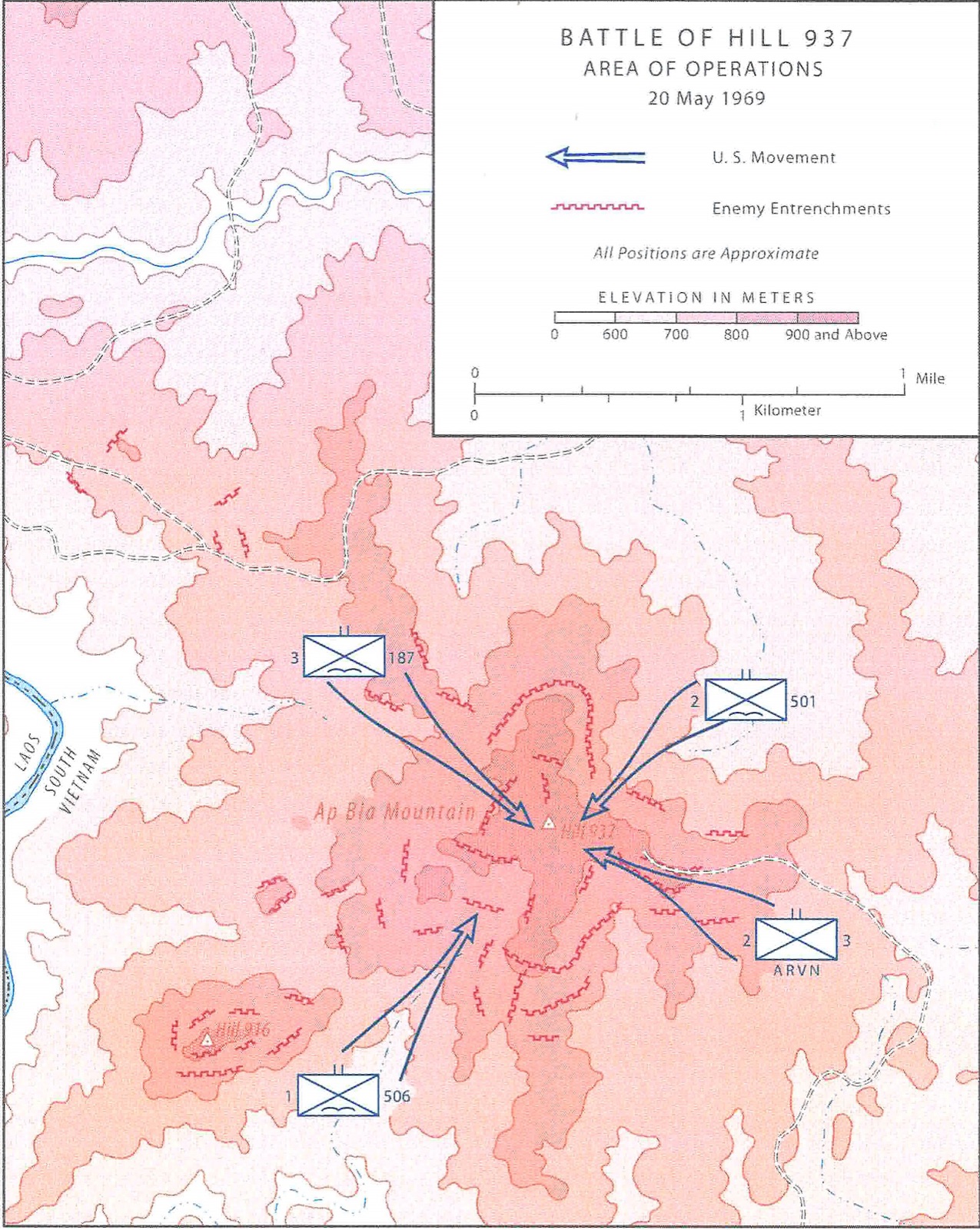
The second map makes the change in the final attack easier to see. Instead of following just one route uphill, the force brought additional battalions against the position from different sides. The map also identifies the South Vietnamese contribution. A film centered on an American squad can convey the strain of climbing and fighting, but it cannot by itself show the full arrangement of units on the mountain.
Losses, withdrawal and controversy
An Army Combat Studies Institute account gives the battle's American losses as 70 killed and 372 wounded. An Army commemoration gives the same combined figures for the participating units it describes. The figures are specific to the battle as counted in those accounts; totals for the larger Apache Snow operation cover a different period and set of activities. Casualty figures should therefore be read with their boundaries in mind.
Those numbers describe people killed or injured, not simply a measure of ground taken. Losses also affected the ability of companies to continue fighting, the need to bring in replacements and the work of evacuating the wounded. North Vietnamese defenders suffered severe losses too. An American account of their casualties is an estimate, and it should not be treated as a complete record of the experiences of the people on that side.
US troops left the hill on 5 June while operations in the region continued. Soldiers of the 1st Battalion, 506th Infantry, who had been securing Hill 937, were ordered to abandon the position. The summit was not held as a permanent American base.
To commanders pursuing enemy forces, leaving ground after a battle could be consistent with the operation's purpose. If the objective was to disrupt a formation rather than occupy a mountain indefinitely, continued possession of the summit was not the only measure of success. Yet the public could also see a hard-won position left behind after considerable loss of life. That contrast made it reasonable to ask what had been gained and whether the attack had been worth its cost.
The controversy was part of a wider debate about a war whose goals and likely end were already contested. A tactical victory is an outcome on a particular battlefield. Strategic success asks whether battlefield results contribute to a sustainable political and military objective. Capturing Dong Ap Bia answered the first question; it could not, by itself, answer the second.
The 1987 film and the historical battle
John Irvin directed Hamburger Hill, released in 1987. Jim Carabatsos wrote the screenplay and drew on his own Vietnam experience, although he was not a participant in the battle itself. The American Film Institute describes a story centered on an infantry squad, including new arrivals learning how to survive alongside more experienced men.
The film's strength is its close view. The men argue, wait, climb and try to look after one another under pressure. Their conversations include racial tensions as well as the ordinary frictions of living and fighting together. By staying near a small group, the drama can make exhaustion and uncertainty more immediate than a map of unit movements can.
That choice also has limits. The film's characters and dialogue are part of a constructed story, not transcripts that establish what particular soldiers said on Dong Ap Bia. A scene can express something about the pressures of war without documenting the exact event it depicts. The perspective is mainly American, so viewers should not assume that it represents the full experience of North Vietnamese defenders, South Vietnamese troops or Vietnamese civilians.
The production used the Philippines for the mountain scenes. The American Film Institute records that a hill there stood in for the battlefield and that actors trained before filming. Those details help explain how the film created a convincing setting, but the location and training do not turn it into documentary footage. Compare its narrative with operational histories, maps and accounts from participants, and ask what each kind of source can and cannot show.
The film also organizes events for an audience. A historical operation involved decisions at several levels, from a commander considering reinforcements to soldiers trying to identify a bunker. A screenplay must select and compress. Watching how it does so is useful: whose viewpoint guides a scene, which decisions remain offscreen, and what does the audience understand about the outcome? Those questions reveal the difference between a dramatic account and a complete military history.
What exams ask
For an exam, connect the battle to the problem of measuring progress in the Vietnam War. Identify the immediate result, the capture of the summit, then distinguish it from the political debate over losses and the war's purpose. Explain that the American and South Vietnamese forces fought North Vietnamese troops during an operation aimed at disrupting enemy activity, rather than describing the battle as an isolated race to acquire a permanent base.
The debate also belongs alongside Vietnamization, the policy of shifting more responsibility for the war to South Vietnamese forces while the United States withdrew troops. Hamburger Hill did not create that policy on its own. It illustrates the pressures and questions surrounding American participation at the time.
Read next
Vietnam War films and the history behind them compares cinematic choices with the historical events that inspired them.
Vietnamization explains the policy of transferring more responsibility for the fighting to South Vietnam.
The Vietnam War explained follows the conflict's wider course and outcome.