In five minutes: the Haitian Revolution
The Haitian Revolution (1791–1804) was the uprising in which enslaved people in the French colony of Saint-Domingue ended slavery, defeated a French army sent by Napoleon, and founded the independent state of Haiti on 1 January 1804. It is the only slave revolt in history that produced a lasting nation, and it is one of the central events of the age of revolutions. This page is part of the topic Latin American Independence (1791–1826), where Haiti comes first because its example and its help shaped what followed.
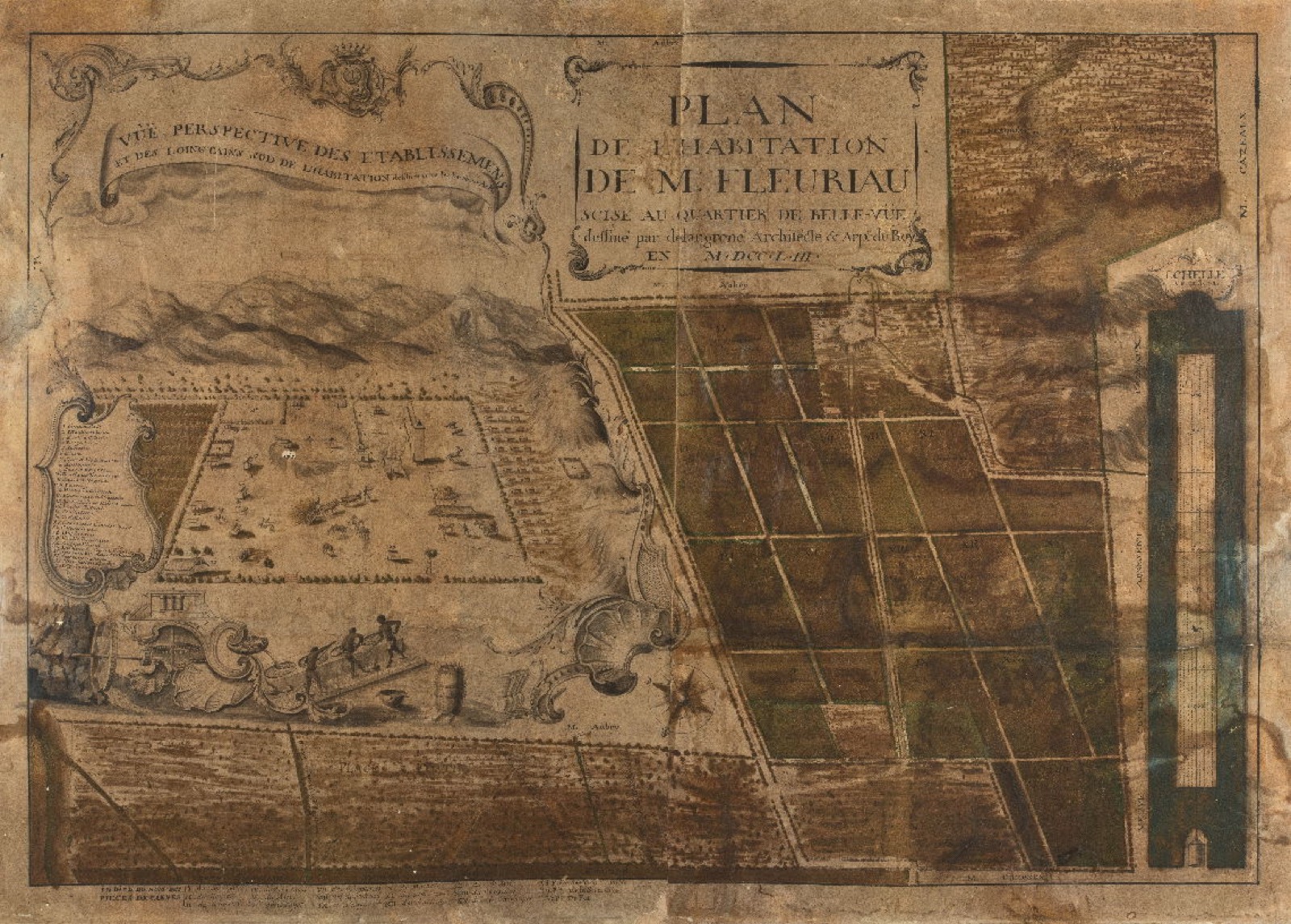
Saint-Domingue, the western third of the island of Hispaniola, was the richest colony in the French empire. Sugar and coffee made its planters wealthy, and the work was done by roughly 450,000–500,000 enslaved people. When the French Revolution of 1789 divided the colony's white settlers and raised the question of who counted as a citizen, the enslaved majority acted. A rising began in the north in August 1791. By February 1794 France itself had abolished slavery. Under Toussaint Louverture the formerly enslaved ran the colony, and when Napoleon tried to restore the old order in 1802, they fought on under Jean-Jacques Dessalines and won.
Why it happened: the world of Saint-Domingue
By the 1780s Saint-Domingue was a machine for producing sugar, coffee, indigo and cotton for European markets. Estimates for 1789 usually give about 450,000–500,000 enslaved people, some 30,000–40,000 whites and about 28,000 free people of colour. A large part of the enslaved population had been born in Africa and brought across the Atlantic, because the harsh conditions on plantations meant the numbers had to be constantly replaced by new arrivals. This is the background that the page on the causes of the Haitian Revolution explores in more detail.
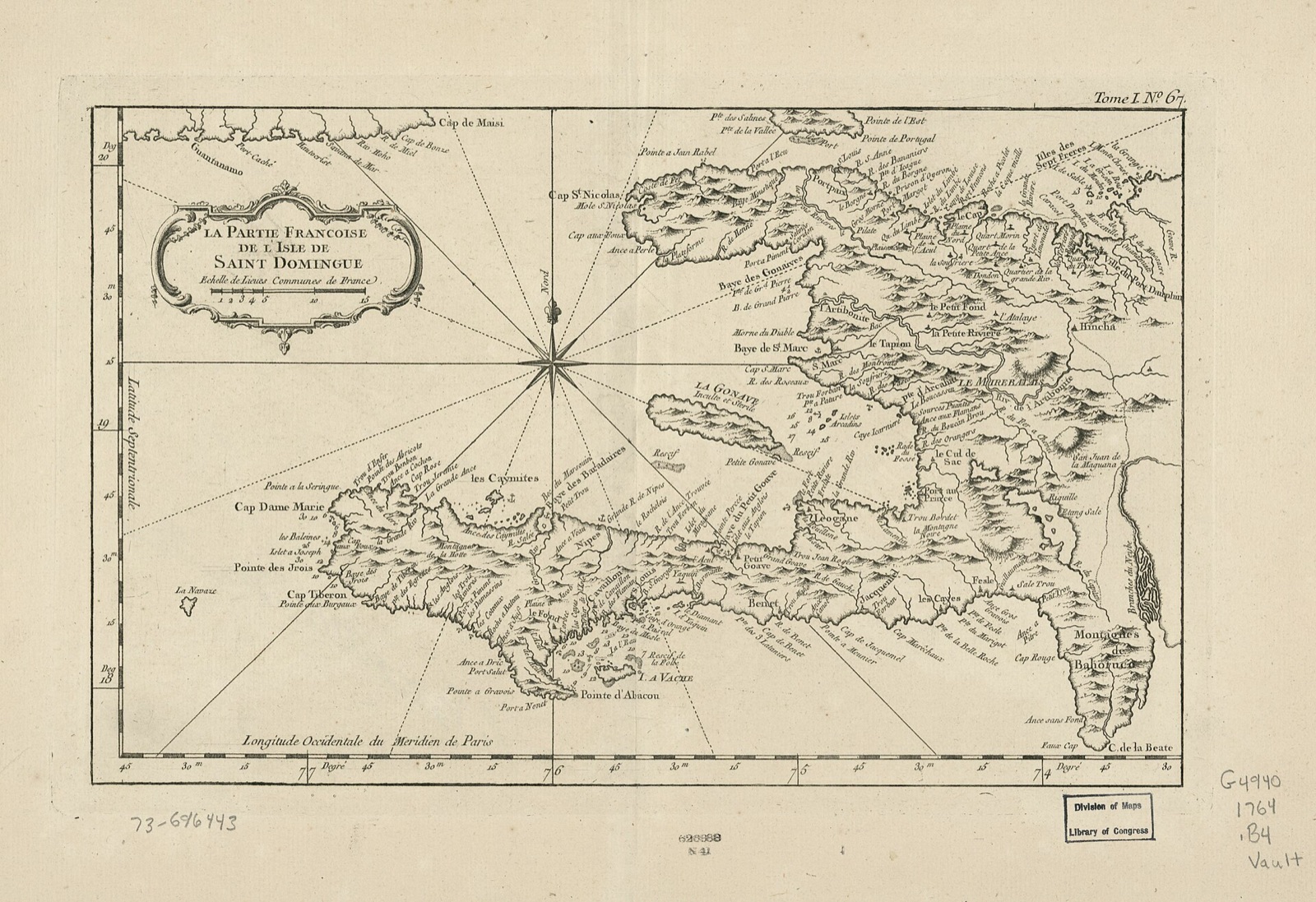
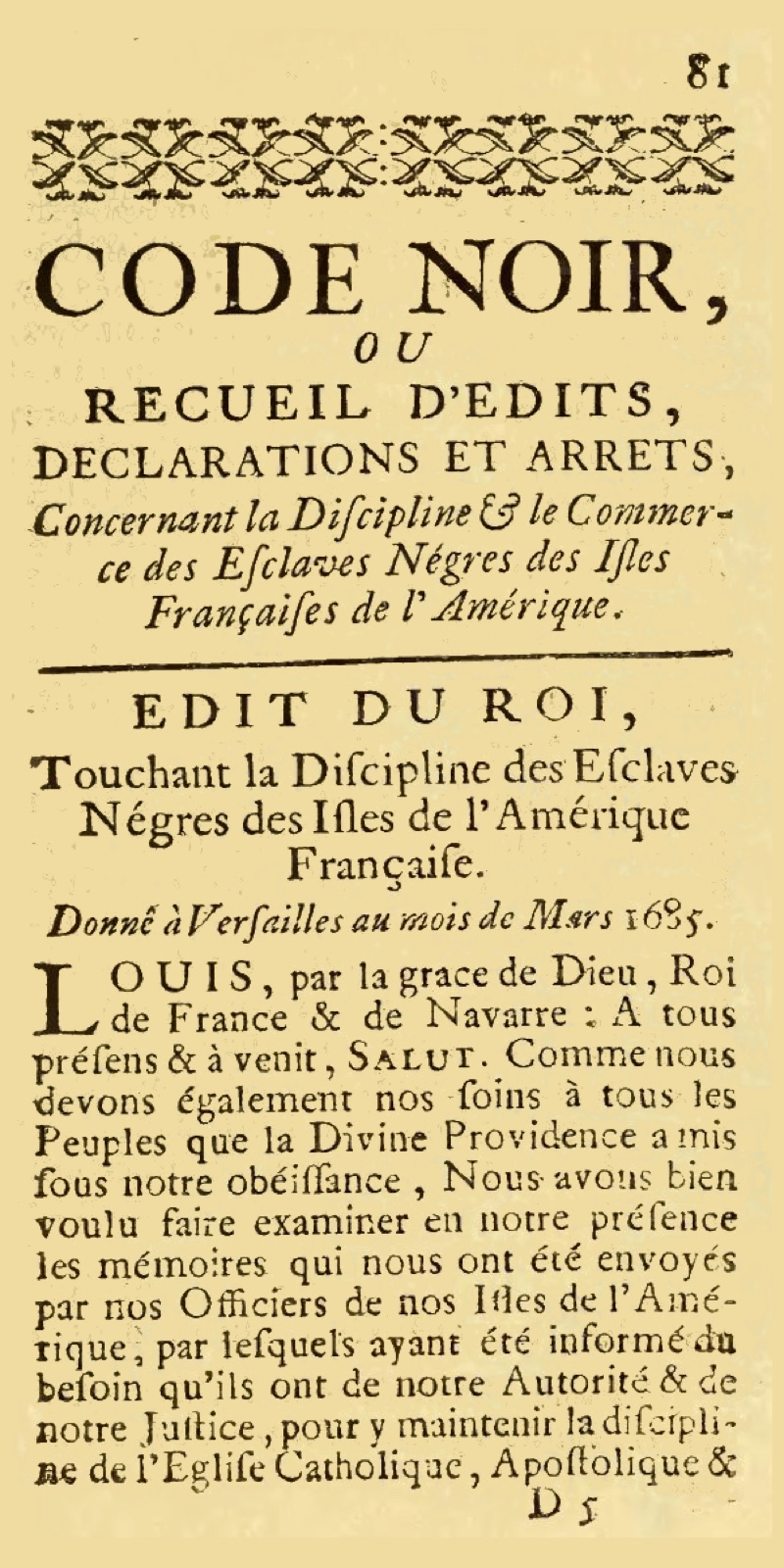
Slavery in the French empire was governed by the Code Noir, a royal edict of 1685. It set out the legal status of enslaved people, including rules on punishment, religion and the status of children, and it treated them as property. Free people of colour, many of them landowners and some slave owners themselves, faced growing racial restrictions in the later eighteenth century, even though they paid taxes and served in the militia. Poor and middling whites, the so-called petits blancs, resented rich planters. Planters resented the control of the French crown over their trade. The colony was full of overlapping grievances, and the enslaved had the most to gain from any crack in the system.
The spark came from Paris. The Declaration of the Rights of Man and of the Citizen (August 1789) proclaimed that men are born free and equal. In Saint-Domingue, planters wanted self-rule while keeping slavery, and free men of colour asked for the equal rights the Declaration seemed to promise. In October 1790 Vincent Ogé, a free man of colour, led a small armed protest in the north to demand those rights. He was captured and executed in February 1791. The authorities had shown that even the free would not be given equality peacefully, and the white elite was visibly split. The enslaved were watching.
What happened
1791: the northern uprising
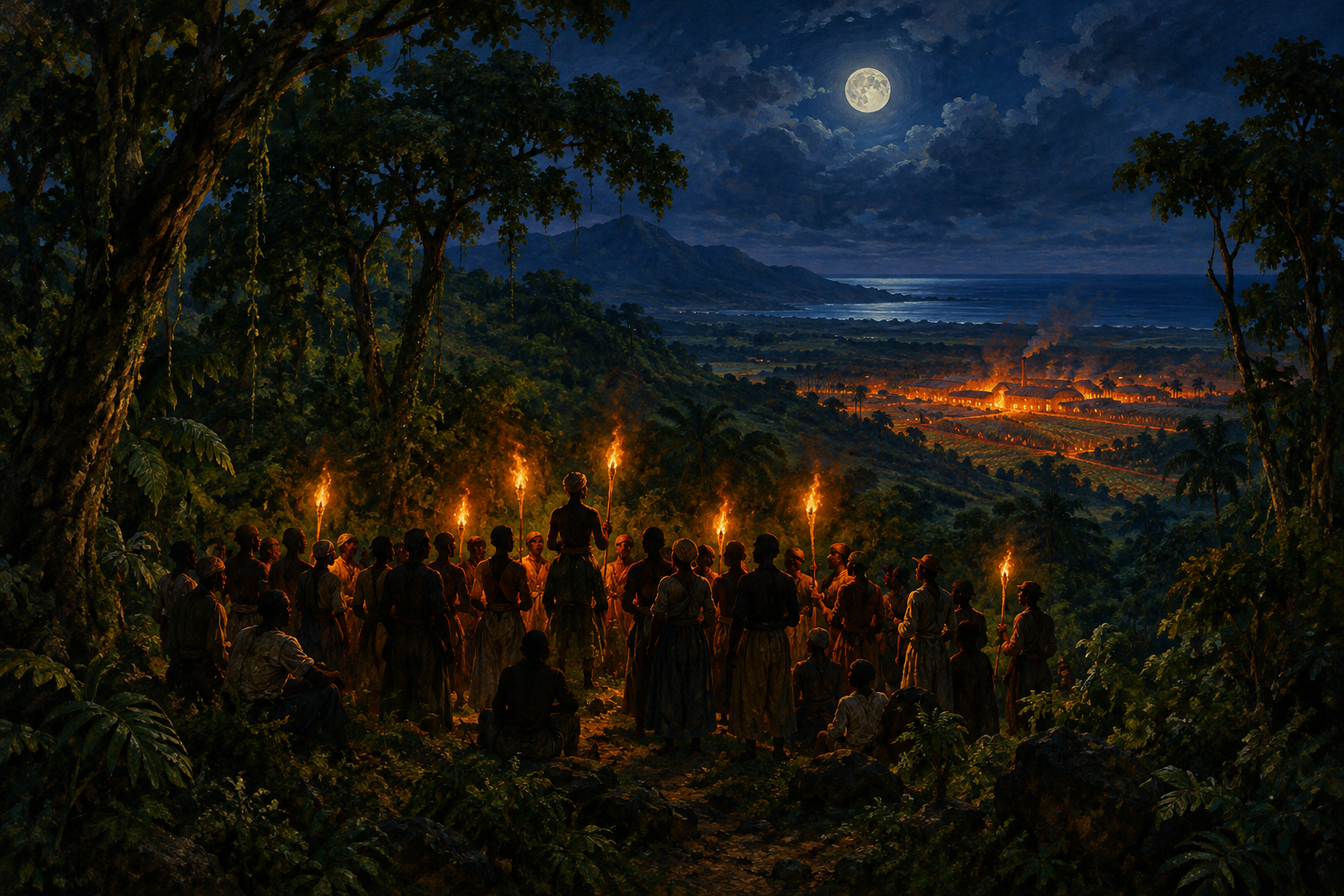
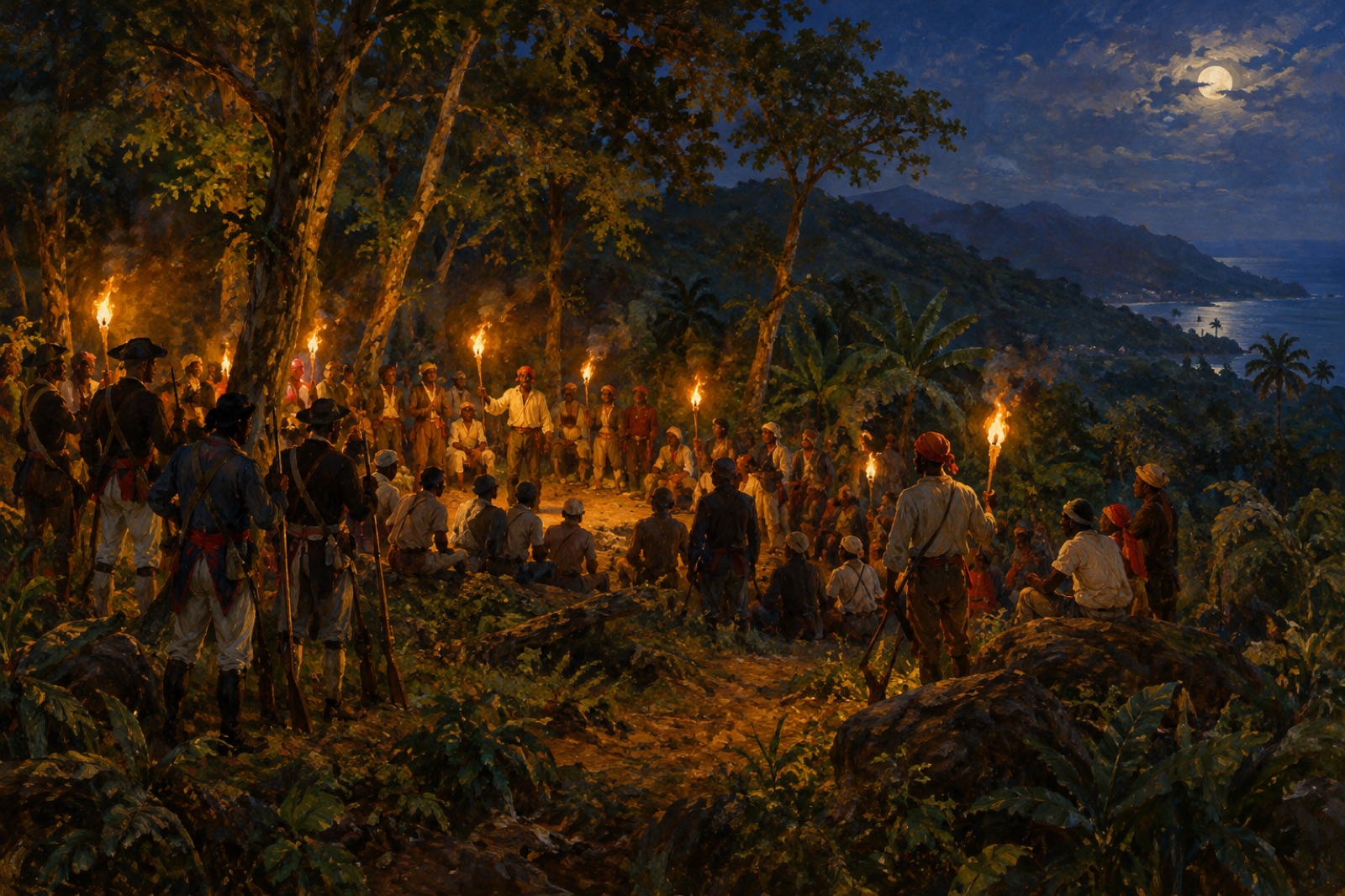
On the night of 22 August 1791, enslaved people on plantations in the Plaine du Nord, near Cap-Français, rose in revolt. The rising had been organised in the preceding days. A ceremony at Bois Caïman, traditionally dated to the night of 14 August and associated with the Vodou priest Dutty Boukman, is remembered as the moment of commitment. Historians debate its details, but the planning of a coordinated rising across many plantations is well documented.
Within weeks, rebels had burned many plantations and controlled much of the north, with tens of thousands joining. Boukman was killed in November 1791. The colonial militia and French troops could not crush the movement, and new leaders emerged from the ranks, among them Georges Biassou, Jean-François and a former enslaved coachman and healer named Toussaint, later known as Louverture.
1792–1794: from civil rights to emancipation
The revolution moved quickly at the level of politics. On 4 April 1792 the French Legislative Assembly granted equal political rights to free men of colour. In September 1792 two commissioners, Léger-Félicité Sonthonax and Étienne Polverel, arrived with troops to enforce the decree. After France declared war on Britain and Spain in early 1793, the colony became a battlefield of European rivalries. Spain, which held the eastern part of the island, backed the rebel leaders. Britain invaded in September 1793, hoping to seize the rich colony.
Facing threats on every side, Sonthonax proclaimed freedom for the enslaved of the north on 29 August 1793, and Polverel followed in the west and south. On 4 February 1794 the National Convention in Paris abolished slavery in all French colonies. In May 1794 Toussaint Louverture, who had been serving with the Spanish, switched to the French side. His army, disciplined and well led, then drove the Spanish and British back. The British withdrew in 1798.
1794–1801: Toussaint Louverture in command
By 1800 Toussaint had become the real ruler of the colony. He worked to restart the plantation economy using paid labour, with workers tied to estates under strict rules, which many of the newly freed resented as slavery by another name. In January 1801 he occupied the Spanish eastern part of the island and, in July 1801, issued a constitution that named him governor for life, while still declaring Saint-Domingue part of the French empire. The constitution forbade slavery forever. Napoleon Bonaparte, who had taken power in France in 1799, saw this as a challenge to his authority.
1802–1803: Napoleon's expedition
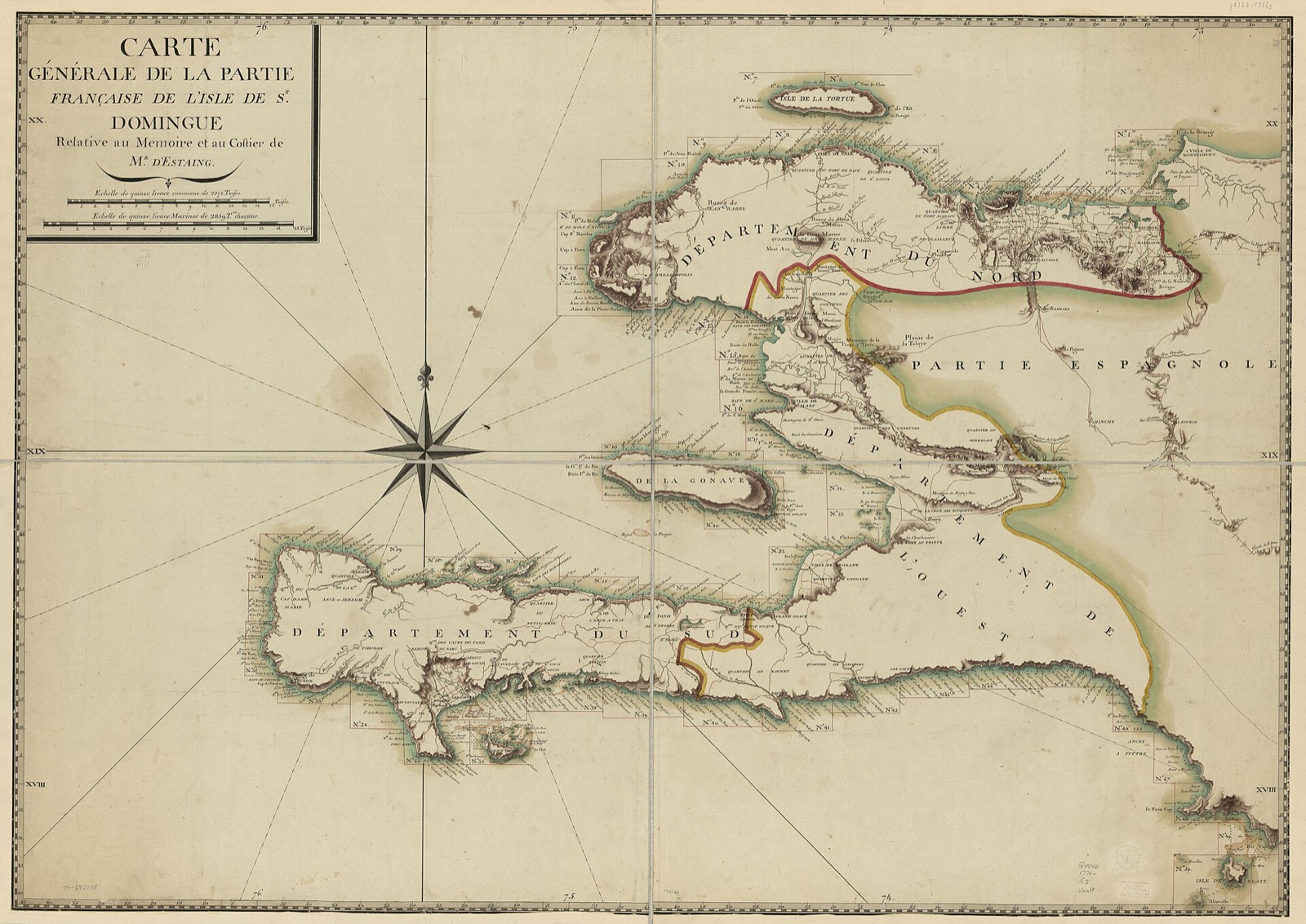
In early 1802 Napoleon sent an expedition under his brother-in-law, General Charles Victoire Emmanuel Leclerc, with orders to restore French authority and, in practice, probably to bring back slavery. The first wave numbered more than 20,000 soldiers, with reinforcements arriving through 1802. In February 1802 the fleet reached Cap-Français, where Henri Christophe burned the town rather than hand it over.
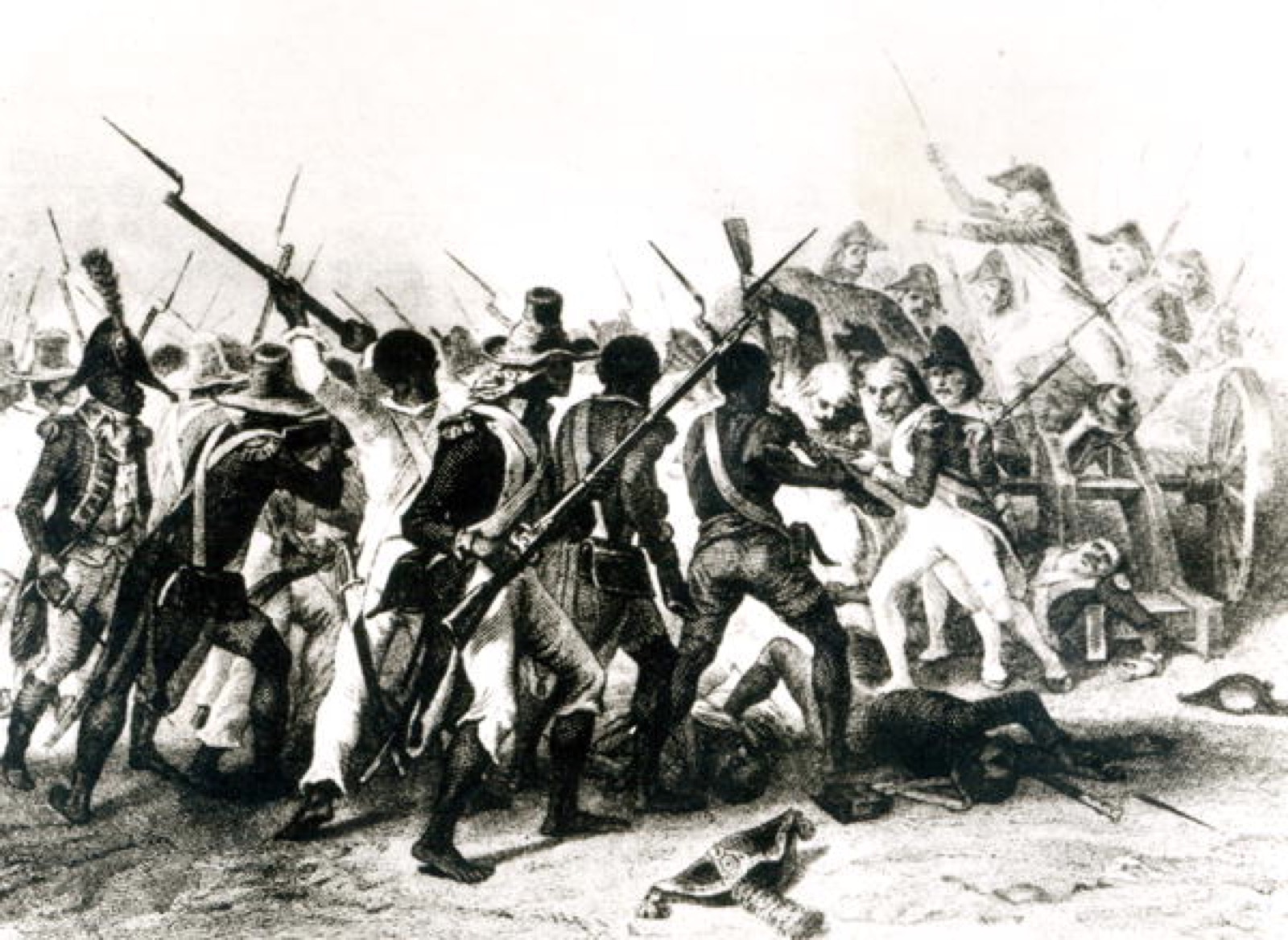
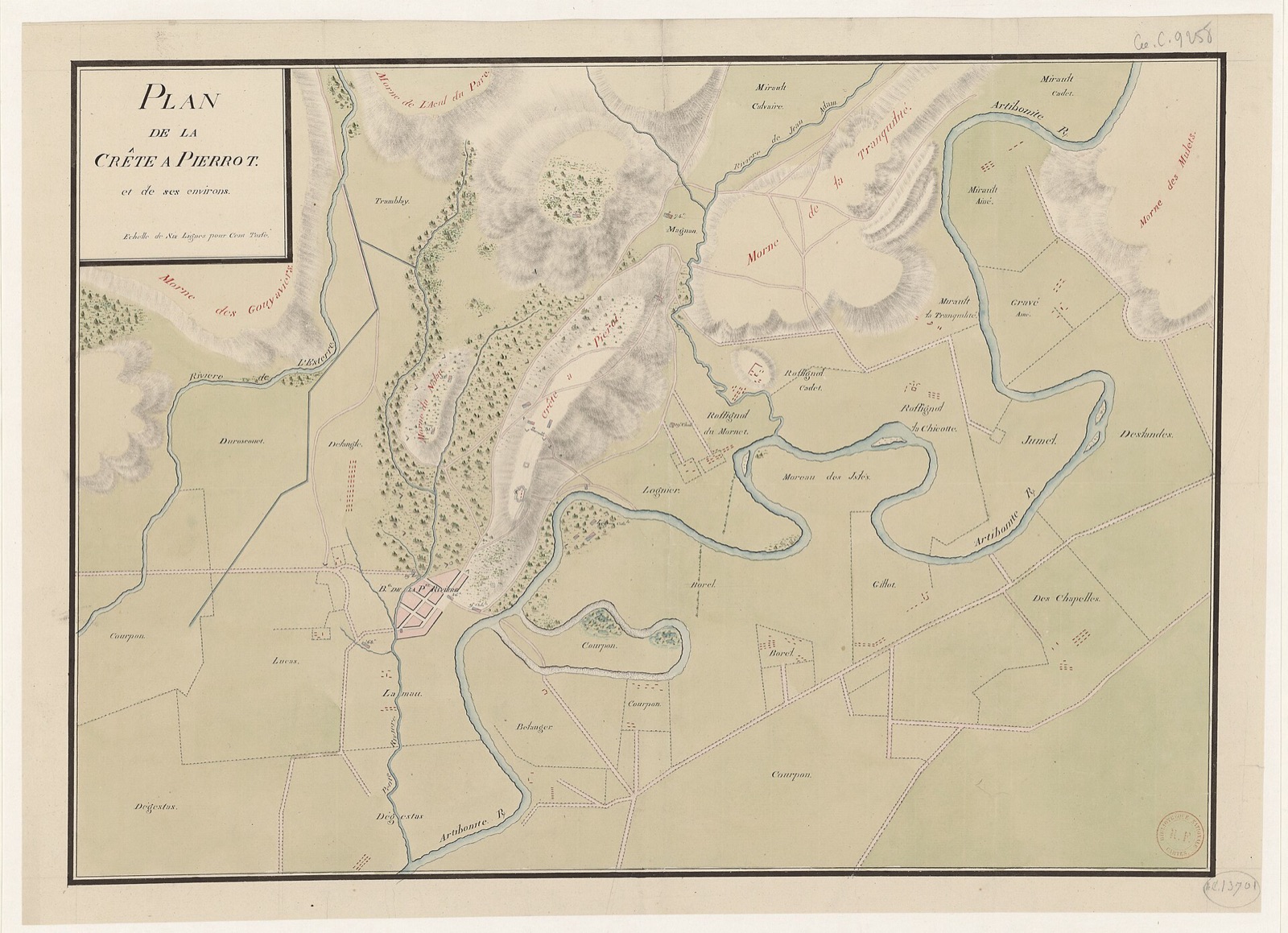
The fiercest fighting took place in the Artibonite valley. From 4 to 24 March 1802 French forces besieged the Crête-à-Pierrot fort, defended by troops under Louis Lamartinière and Jean-Jacques Dessalines. The garrison finally broke out at night after heavy losses on both sides. The siege showed that the Haitian army could inflict serious damage, but the French forces were also strong, and Toussaint agreed to a settlement in early May 1802. Within weeks, on 7 June, French officers seized him by trickery and shipped him to France. He died in the cold Fort de Joux in the Jura mountains on 7 April 1803.
The arrest did not end the war; it ended the hope of compromise. News arrived that France had restored slavery on the island of Guadeloupe and that a law of 20 May 1802 kept slavery in colonies returned to France. Fighting resumed in the autumn of 1802. Former rivals joined forces under Dessalines, and yellow fever swept the French ranks. Leclerc died of the disease on 2 November 1802. His successor, the Vicomte de Rochambeau, ran a brutal campaign that drove many more people into the revolt. French losses from disease and combat are usually estimated at around 50,000 or more over the whole expedition.
1803–1804: Vertières and independence
War between Britain and France resumed in May 1803 and British ships blockaded the coast, cutting off French reinforcements. In May 1803 the rebel army adopted a new flag at Arcahaie, made by tearing the white band out of the French tricolour. On 18 November 1803 Haitian forces attacked the French positions at Vertières, just outside Cap-Français, in the last major battle of the war. Rochambeau, with his forces beaten and trapped between the Haitian army and the British fleet, agreed to evacuate the next day, 19 November.
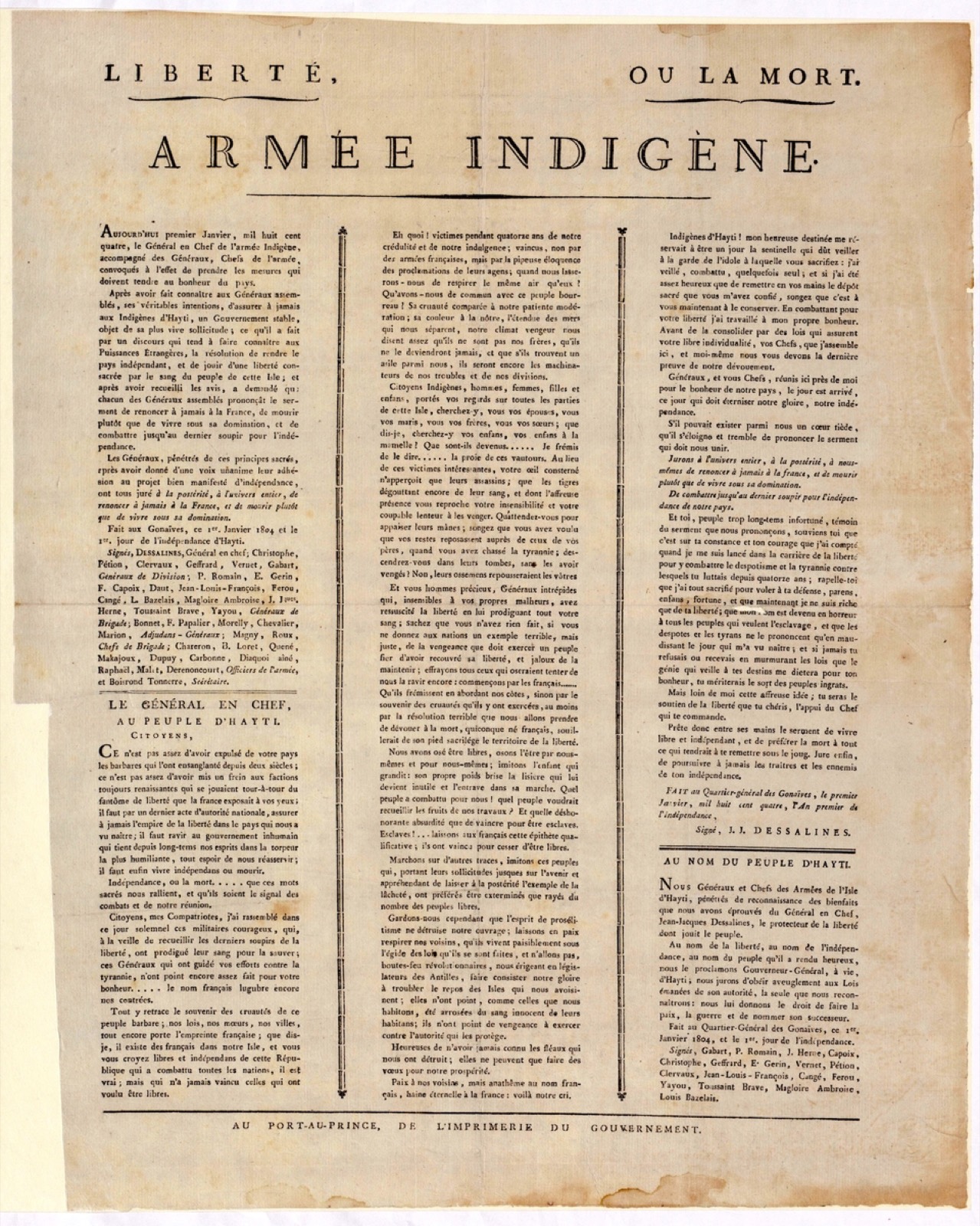
On 1 January 1804, at Gonaïves, Dessalines proclaimed independence. The new state took the name Haiti, from Ayiti, a Taíno name for the island. The declaration, written with the help of his secretary Boisrond-Tonnerre, announced that the people had broken with France for good. In October 1804 Dessalines had himself proclaimed emperor, and in the early months of 1804 his forces killed many of the French who remained in the country, an episode that haunted relations with the outside world for decades.
Consequences
Haiti became the first independent country in Latin America and the Caribbean, the second republic in the Americas after the United States, and the first state founded by people who had been enslaved. Slavery was abolished for good in the new country. For slaveholding powers, Haiti was a warning, and for the enslaved elsewhere it was proof that emancipation was possible. The US and most European states refused to recognise Haiti for decades; the US did so only in 1862.
The effects on France and North America were large. The failure of the Saint-Domingue expedition helped persuade Napoleon to give up his plans for an American empire and to sell Louisiana to the United States in 1803. In 1816 the Haitian president Alexandre Pétion gave Simón Bolívar shelter and help, on the condition that Bolívar free the enslaved in the lands he liberated. The story continues in Mexican independence and across the continent.
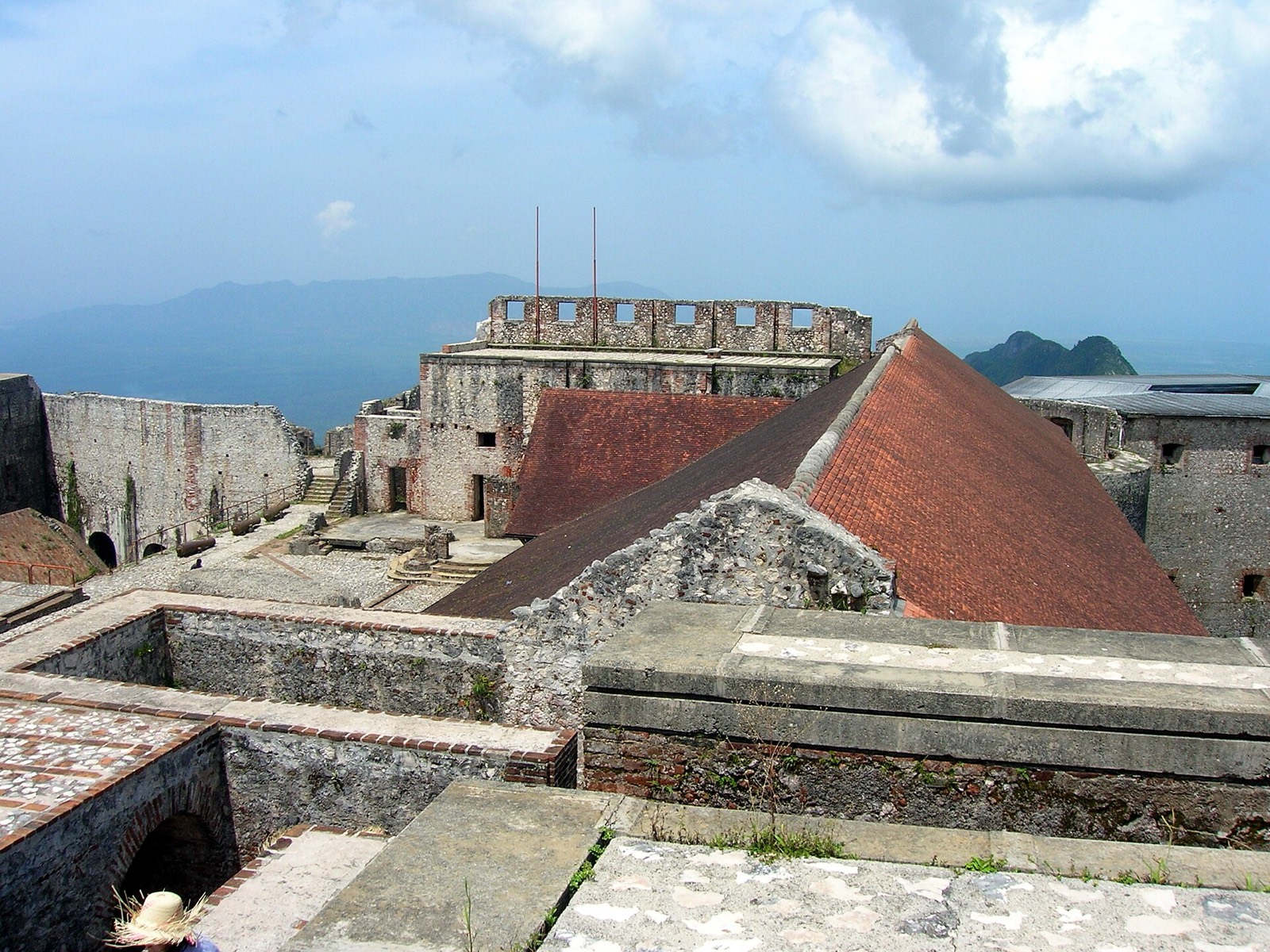
Haiti itself paid a heavy price. The country was ruined by war. After Dessalines was killed in 1806, the country divided into a northern state under Henri Christophe, who became King Henri I in 1811, and a southern republic under Pétion. Christophe's Sans-Souci Palace and the huge Citadelle Laferrière, built in the northern mountains to deter a French return, stand today as monuments of that period. In 1825 France, backed by a naval force, recognised Haiti only in return for an indemnity of 150 million francs for lost property, later reduced to 90 million in 1838. The debt burdened Haiti's finances for generations.
What exams ask
- Dates: uprising 22 August 1791; abolition of slavery by the French Convention 4 February 1794; independence 1 January 1804. Know the order: northern revolt, abolition, Toussaint's rise, Napoleon's expedition, independence.
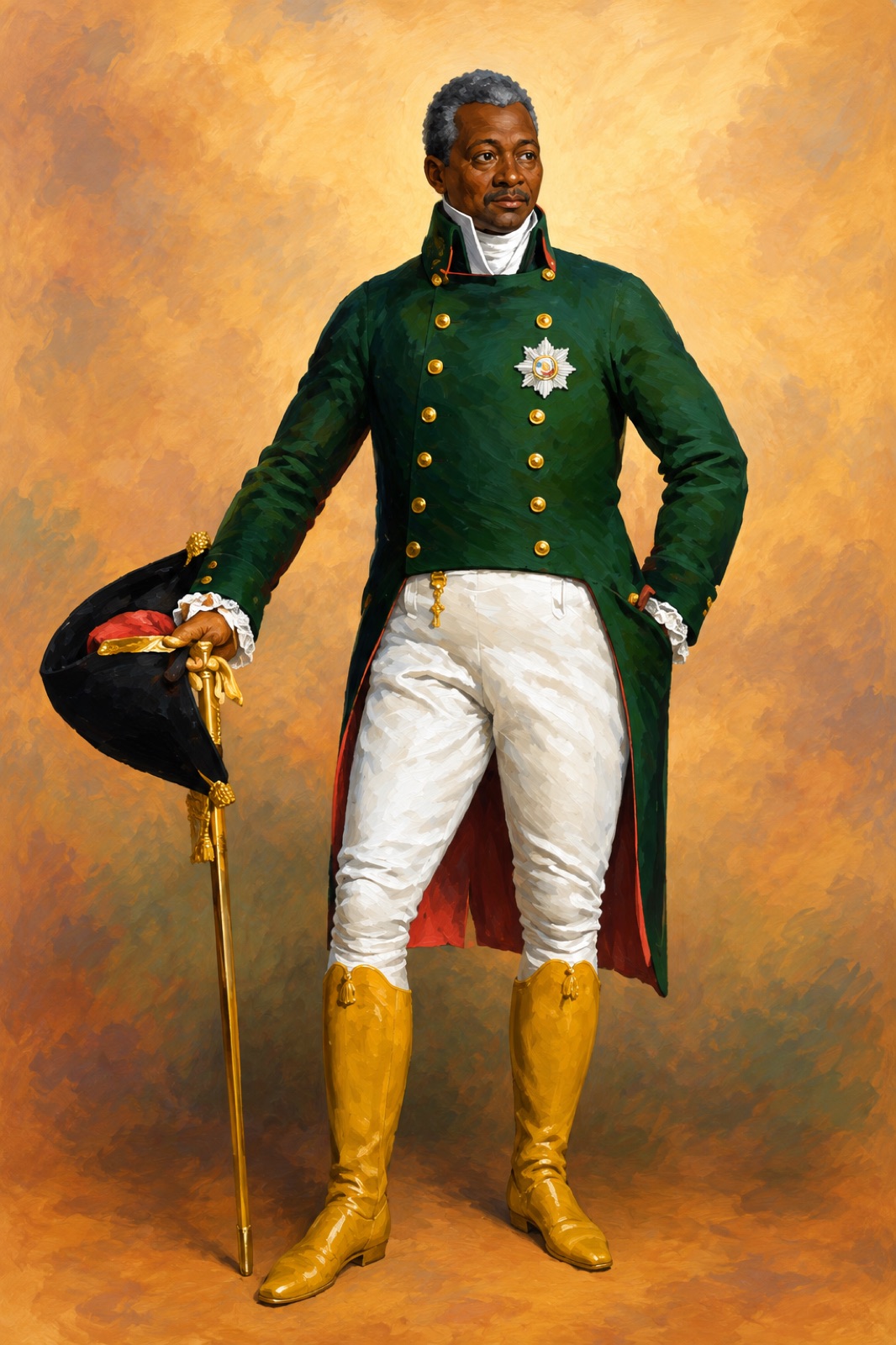
- People: Toussaint Louverture (leader to 1802), Jean-Jacques Dessalines (first ruler of independent Haiti), Henri Christophe (king of northern Haiti), Napoleon Bonaparte and General Leclerc.
- Significance (AP-style): the Haitian Revolution shows how Enlightenment ideas of rights were pushed beyond what their authors intended; it is the only successful slave revolt that created a state; it connects to Atlantic slavery, the French Revolution, the Louisiana Purchase and Latin American independence.
- Common question: compare the Haitian Revolution with the American and French revolutions. Haiti's was the only one that abolished slavery and challenged racial hierarchy at its core.
Read next
- Causes of the Haitian Revolution: the economy, law and ideas that made 1791 possible.
- Colonial Latin America: Peninsulares, Creoles and Castas: how racial hierarchies worked across the Spanish empire.
- Mexican Independence Day (16 September): another independence movement that began with an uprising of the poor.
- Latin American Independence (1791–1826): the full topic hub.