Japan in World War I in five minutes
Japan in World War I was a limited but profitable war. Japan declared war on Germany on 23 August 1914, citing the Anglo-Japanese Alliance, and fought almost no one but Germany's small outposts in Asia and the Pacific. Yet it came out of the war richer, larger and more confident. It held Germany's old base at Qingdao, ruled the former German islands north of the equator, had turned from a debtor into a creditor nation, and sat among the five great powers at the Paris Peace Conference.
The price was trust. The Twenty-One Demands of 1915 convinced many Chinese that Japan was a rival, not a partner, and the Shandong decision of 1919 set off the May Fourth Movement. Britain and the United States began to watch Japan more warily. This article is part of our World War I hub; here we follow the war from Tokyo's side.
Why Japan joined the war
Since 1902 Japan had been tied to Britain by the Anglo-Japanese Alliance, renewed in 1905 and 1911. When war broke out in Europe, Britain asked Japan on 7 August 1914 for limited help against German armed merchant ships in East Asian waters. London soon regretted opening the door wider. But the cabinet of Prime Minister Ōkuma Shigenobu, with Foreign Minister Katō Takaaki steering foreign policy, saw a rare chance. Europe's great powers were busy, and Germany held territory that Japan wanted.
On 15 August Japan sent Germany an ultimatum. It demanded that German warships leave Chinese and Japanese waters, and that Germany hand over its leased territory around Jiaozhou (Kiautschou) Bay, which includes the port of Qingdao, with a view to returning it to China one day. Germany did not answer, and Japan declared war on 23 August. The elder statesman Inoue Kaoru called the war a gift of heaven for Japan's new era. Whatever the language of duty to an ally, the decision was mostly about Japan's place in Asia.
Qingdao and the Pacific islands
Most of Japan's fighting happened at Qingdao. Japanese troops landed on the Shandong peninsula in early September 1914, and a small British contingent joined them. Together they besieged the German fortress. After roughly two months of bombardment and trench digging, the German garrison surrendered on 7 November.
In October the Japanese navy took Germany's islands north of the equator, the Marshalls, Carolines and Marianas, almost without a fight. Australia and New Zealand took the German territories south of the line. In 1917 Britain secretly agreed to support Japan's claim to the northern islands.
Japan stood on the Allied side (see Allied Powers vs Central Powers). Its military losses were small beside Europe's; for the scale elsewhere, see How Many People Died in WWI?
The Twenty-One Demands, 1915
On 18 January 1915 Japan presented the government of Chinese president Yuan Shikai with a list of twenty-one demands, in five groups. The aim was to lock in Japan's gains while the European powers were looking elsewhere.
- Group 1: China must accept whatever Japan and Germany agree about German rights in Shandong.
- Group 2: the leases on Port Arthur and Dalian and the South Manchuria Railway are extended to 99 years, and Japanese rights in South Manchuria and eastern Inner Mongolia grow.
- Group 3: the Hanyeping iron and coal company becomes a joint Sino-Japanese venture.
- Group 4: China will not lease or give any part of its coast to a third power.
- Group 5: Japanese advisers in political, financial and military affairs, joint policing and more. Japan called these 'wishes'.
Yuan Shikai dragged out the talks and let the foreign press learn of them. Group 5 looked like a step toward making China a protectorate, and Britain and the United States objected. On 7 May Japan issued an ultimatum with most of Group 5 set aside. China accepted on 9 May, and the treaties were signed on 25 May. In China, 9 May became a day of national humiliation. Japan had widened its rights, but at a heavy cost to its reputation.
Boom, convoys and prisoners
While Europe's factories made weapons, orders for Asian and American markets flowed to Japan. Shipbuilding, steel, textiles and chemicals grew fast, exports passed imports, and Japan went from debtor to creditor nation. Japanese call this the Taisho wartime boom. Some people grew suddenly rich, but prices rose faster than wages.
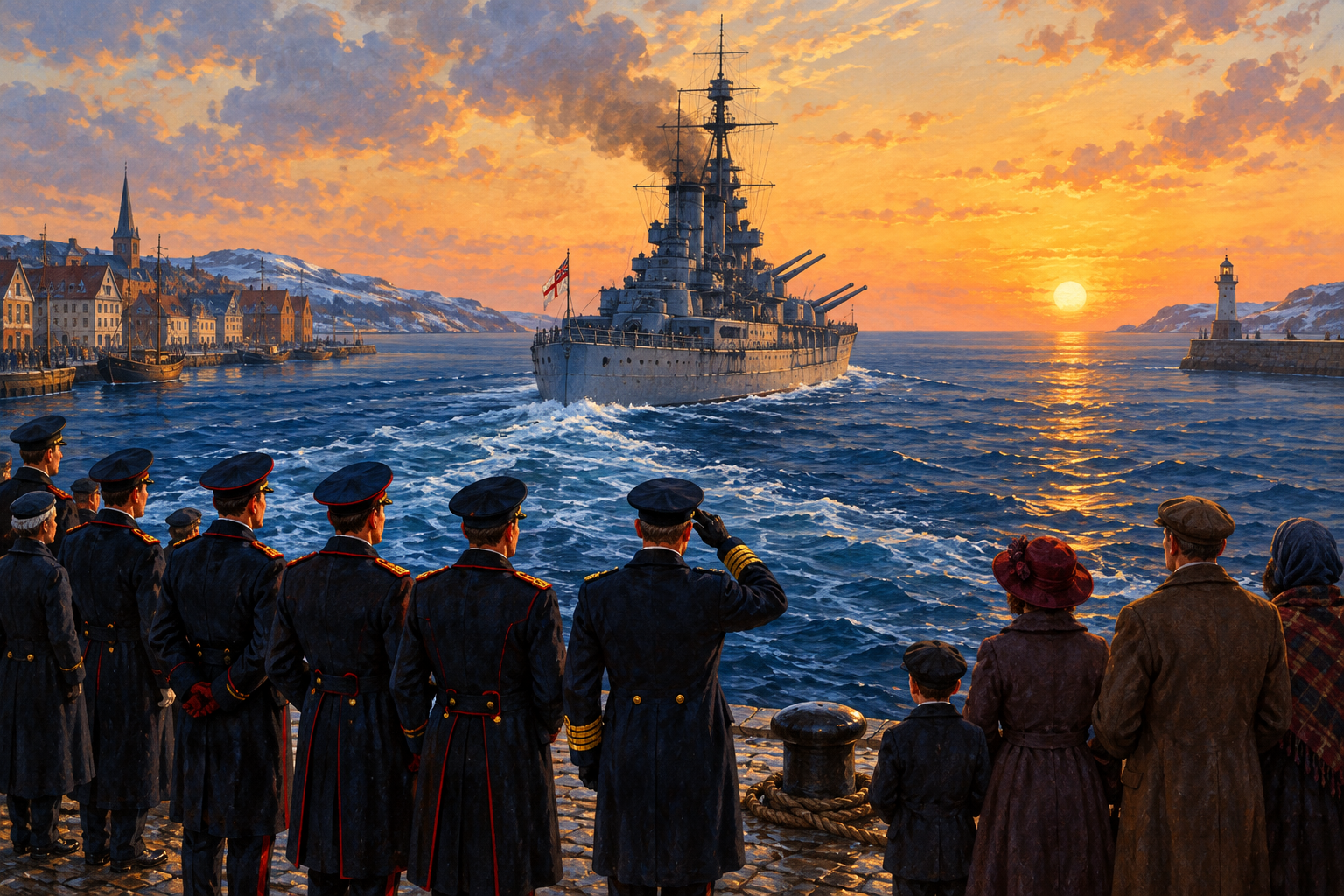
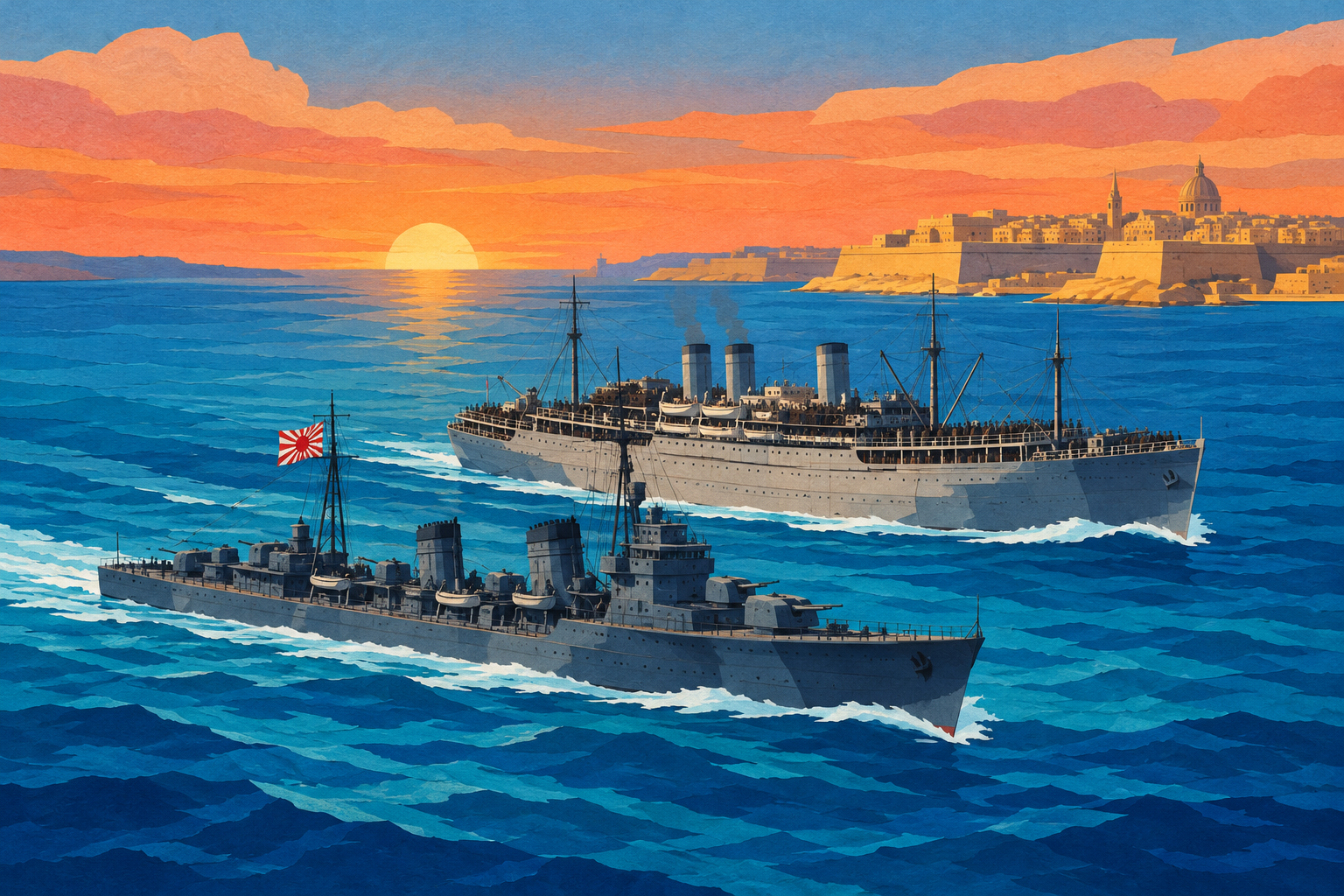
Japan also helped at sea. After Germany began unrestricted submarine warfare, Japan sent a destroyer squadron to the Mediterranean in 1917. Based at Malta, it escorted troop and supply ships. The destroyer Sakaki was torpedoed in June 1917, and 59 Japanese sailors died. Japan sent no army to the Western Front, and it was the Mediterranean convoys that earned Allied thanks.
Siberia and the rice riots
After the Russian Revolution, the Allies decided in 1918 to send troops to Siberia. Japan sent tens of thousands of soldiers, far above the agreed level, and stayed after the other powers left in 1920. The last troops came home in 1922, with nothing solid gained and many lives and funds lost. In November 1917 Japan and the United States had also signed the Lansing–Ishii Agreement, in which Washington recognised Japan's 'special interests' in China.
At home, the summer of 1918 brought rice riots across the country as prices jumped. The Terauchi cabinet resigned, and in September Hara Takashi, a commoner and party leader, formed Japan's first full party cabinet.
Paris and Washington: gains and costs
At the Paris Peace Conference in 1919, Japan sent Saionji Kinmochi and Makino Nobuaki and was counted among the five great powers. Japan came away with:
- Germany's rights in Shandong, confirmed in the Treaty of Versailles.
- A League of Nations mandate over the former German islands north of the equator.
- A place on the League Council.
- The new strength of a creditor economy.
Japan also proposed a racial equality clause for the League covenant. It won a majority in the commission vote, but chairman Woodrow Wilson ruled that a unanimous vote was needed, and it failed.
The Shandong decision caused anger in China. On 4 May 1919 students in Beijing protested, which began the May Fourth Movement, and the Chinese delegation refused to sign the treaty. At the Washington Conference of 1921–22, Japan agreed to return the former German leased territory, with a treaty in February 1922, and the Anglo-Japanese Alliance gave way to the Four-Power Treaty. The influence Japan built in the war was now judged inside a system of international agreements.
Key people
- Ōkuma Shigenobu: prime minister when Japan entered the war and presented the demands.
- Katō Takaaki: foreign minister who drove the ultimatum and the Twenty-One Demands.
- Yuan Shikai: Chinese president who received the demands.
- Saionji Kinmochi: head of Japan's delegation in Paris.
- Woodrow Wilson: US president who chaired the commission that rejected the racial equality clause.
What exams ask
In AP World History and similar courses, Japan in World War I is a standard example of a late-industrialising power using war to expand its influence. Be ready to explain the alliance basis for entry, the Twenty-One Demands and Chinese reactions, the wartime economic boom, the Paris outcomes (Shandong, mandates, the racial equality proposal) and the link to the May Fourth Movement. A common essay point is that Japan gained territory and status but lost goodwill, and that the Washington Conference partly reversed the gains.
Read next
- World War I (1914–1918): Causes, Course and Consequences: the full story of the war that Japan joined at the edges.
- Allied Powers vs Central Powers: shows which side each country took and why.
- How Many People Died in WWI?: puts Japan's small losses in global scale.
- What Is Militarism? How It Led to WWI: explains how armies and navies shaped politics before 1914.