In five minutes: what is the Schlieffen Plan?
The Schlieffen Plan was the German army's plan for a war on two fronts. Its aim was to defeat France quickly, in about six weeks, and then turn east to meet Russia before the Russian army was fully mobilised. To avoid France's strongest defences on the German border, the main German force would sweep through neutral Belgium. The plan is best known for how it ended: the German advance stalled at the Marne in September 1914, and the war turned into years of trench fighting.
For the wider story, read World War I: Causes, Course and Consequences. This page explains where the plan came from, what it asked for, and why it failed.
Why Germany feared a two-front war
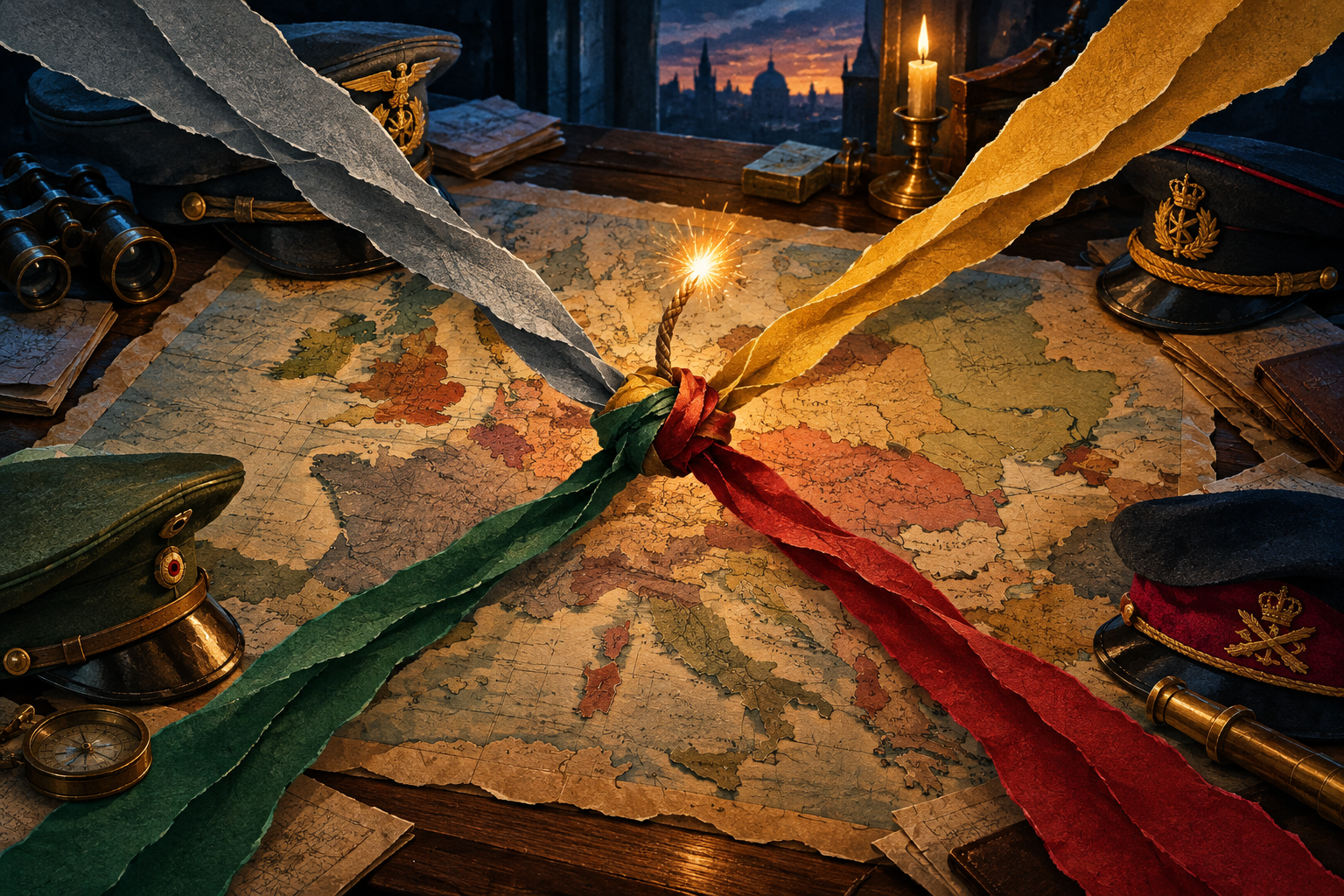
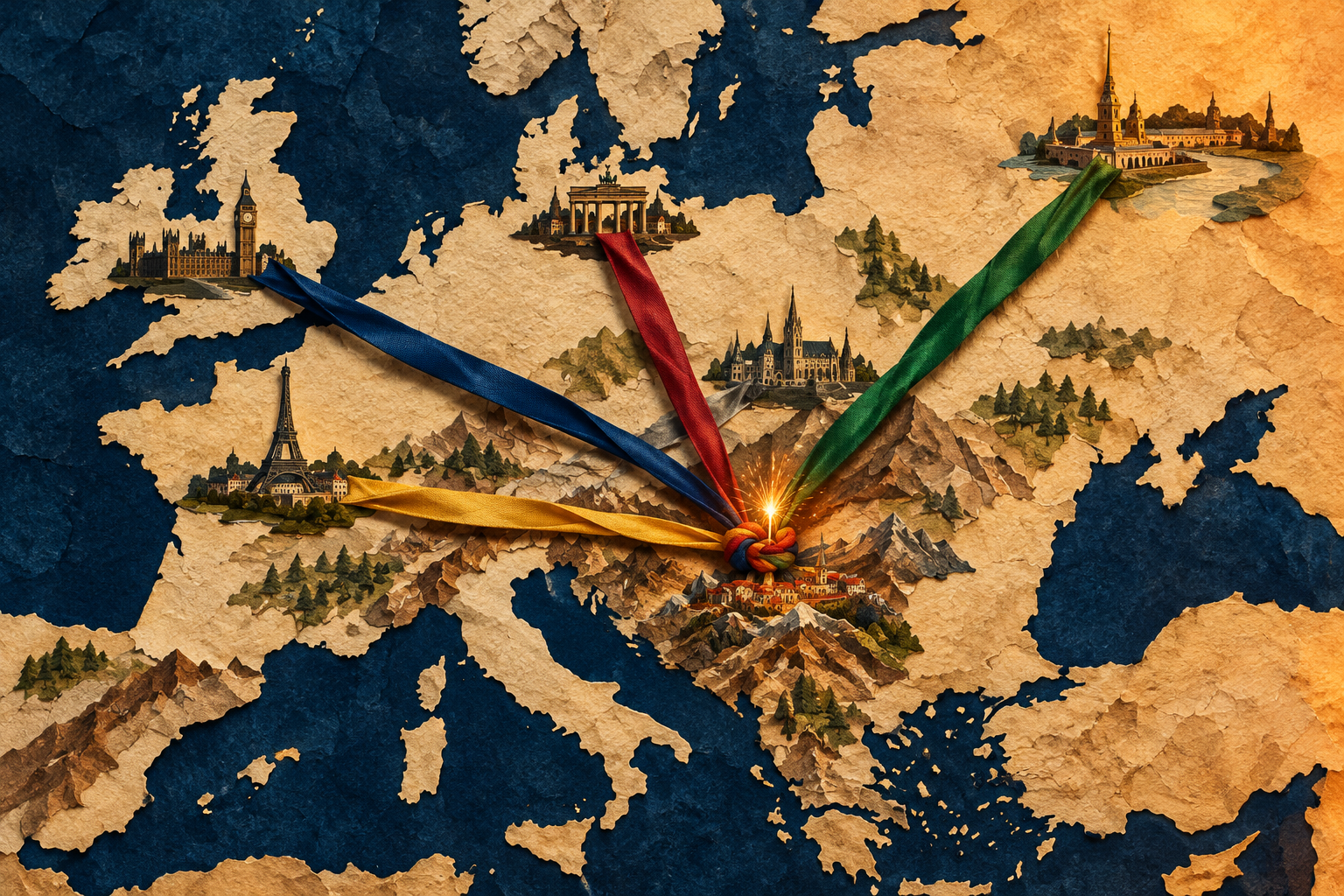
By the 1890s, Germany had two large neighbours that could threaten it at the same time. In 1892, France and Russia agreed a military convention, so that an attack on either could bring both into the fight. Germany fighting both at once would be far harder to win.
Russia had a vast army, but moving millions of men to the front took a long time, and its railways were sparse. German planners saw a window: win in the west first, while Russia was still gathering its forces.
Who was Alfred von Schlieffen?
Alfred von Schlieffen (1833–1913) was a German army officer who led the General Staff, the army's planning body, from 1891 until he retired at the start of 1906. He was a strong believer in encirclement. He studied the battle of Cannae (216 BC), where Hannibal's smaller army surrounded and destroyed a larger Roman force, and he wanted to repeat that kind of double envelopment on a modern scale.
The name Schlieffen Plan comes from his memorandum of 1905, even though the version used in 1914 was changed by his successor.
What the 1905 memorandum asked for
In December 1905, shortly before he left office, Schlieffen wrote a memorandum that set out the core of the idea. The right wing of the German army would be made strong and would sweep wide: through Belgium, across northern France, and round the west of Paris. Then it would turn and press the French armies back against their own eastern frontier, trapping them. The left wing, in Alsace-Lorraine, would hold the French in place while this happened.
Everything depended on speed. France had to be beaten in about six weeks, before Russia could finish mobilising. The memorandum gave the broad direction of the campaign; it did not set out every order of march.
Why Belgium mattered
Belgium was a neutral kingdom. The Treaty of London in 1839 guaranteed its neutrality, and Britain was one of the guarantors. French border defences made a direct attack on France expensive, so the route through Belgium looked like the shortest way round.
Crossing Belgium broke the treaty. That gave Britain a clear reason to enter the war. On 4 August 1914, German troops crossed into Belgium, and Britain declared war on Germany the same day. The plan had counted on speed, but the violation brought a new enemy into the fight.
What happened in 1914
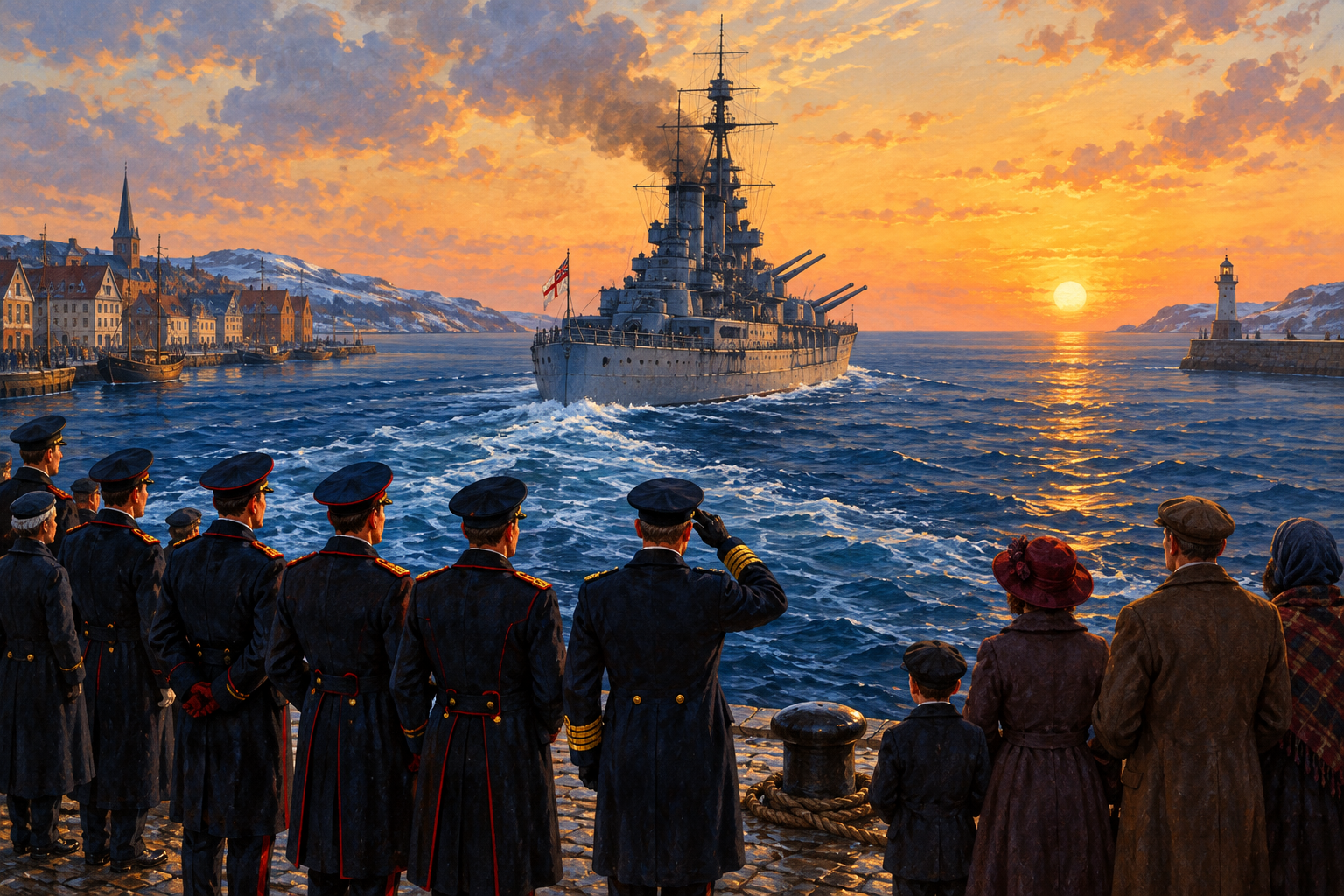
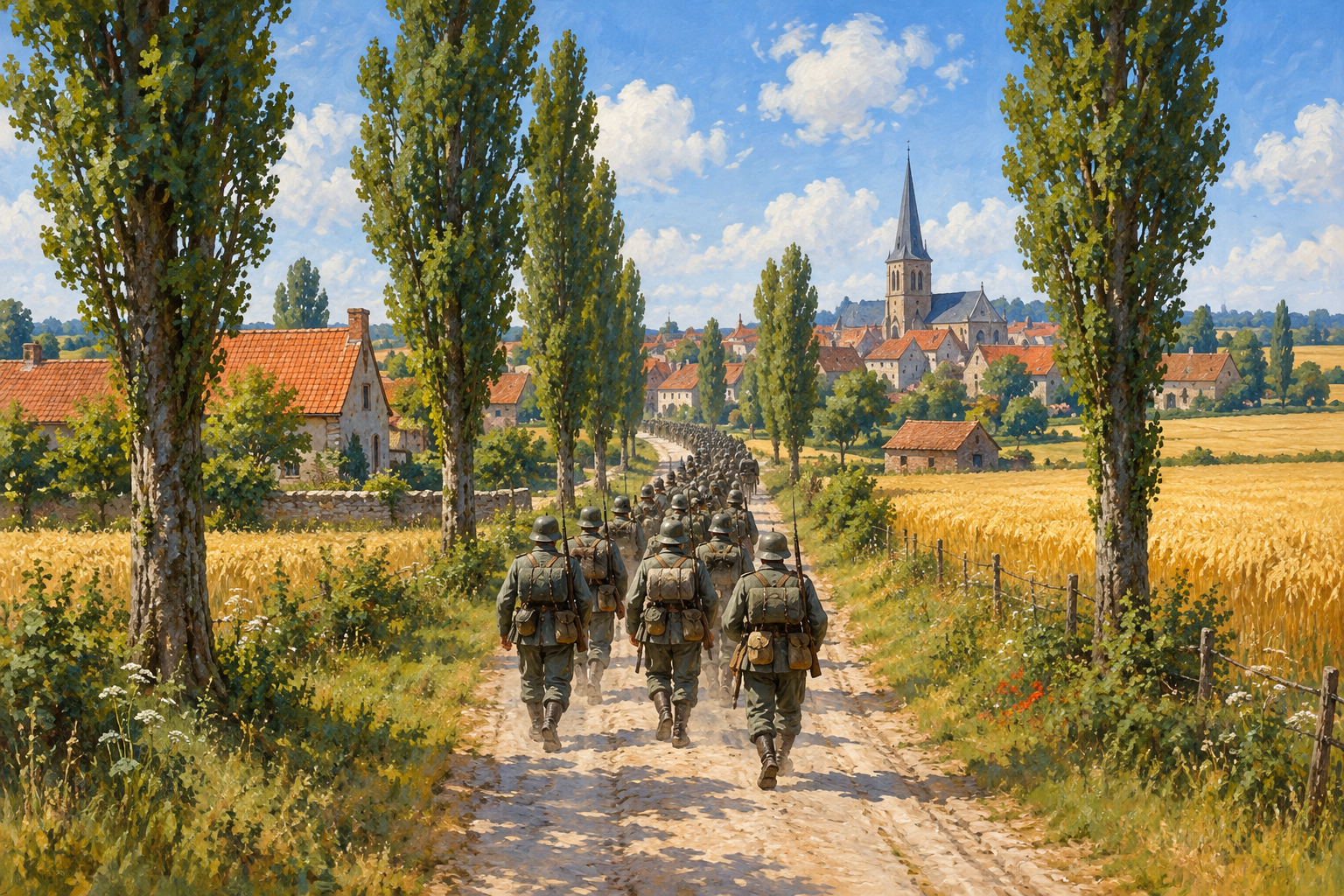
Germany declared war on Russia on 1 August and on France on 3 August. On 4 August, German troops entered Belgium. The Belgian army fell back to the fortress city of Liège, which held out for about ten days and slowed the German timetable. The last forts there fell around 16 August. Belgian towns and villages also suffered German reprisals, including executions and the burning of buildings, and those events shaped opinion in Britain.
On 23 August, British troops of the British Expeditionary Force met German forces at Mons. The British were pushed back and the German advance kept moving, but the timetable kept slipping. In early September, German armies came close to Paris, yet a gap had opened between the German First and Second Armies. French and British forces struck into that gap at the Marne. The German army pulled back to the Aisne river, and Paris did not fall.
On 14 September, Kaiser Wilhelm II removed Moltke as chief of the General Staff and appointed Erich von Falkenhayn in his place. Both sides then tried to outflank each other to the north. By late 1914, a line of trenches ran from the North Sea coast to the Swiss border.
How Moltke changed the plan
Schlieffen retired at the start of 1906, and Helmuth von Moltke the Younger took over. He was the nephew of the older Moltke, who led Prussia's armies to victory in 1866 and 1870–71. Moltke kept the idea of a strong right wing, but he changed the plan in several ways. He pulled troops out of the right wing to strengthen the forces in Alsace-Lorraine and to protect East Prussia against Russia, which made the sweep weaker. He also decided not to violate the Netherlands, keeping that neutral country out of the war.
The plan used in 1914 was therefore not the one Schlieffen had written. Its name, however, has stayed with Schlieffen's memorandum.
Why the plan failed
Several problems came together. Belgian resistance slowed the advance. The British Expeditionary Force arrived in France and fought at Mons. Russia mobilised faster than the plan had expected and invaded East Prussia in August 1914. Germany sent corps from the west to the east to meet that threat, which further weakened the right wing.
Communication was another problem. Orders travelled by telegraph, telephone and dispatch rider, and commanders often did not know exactly where their units were. Long marches and stretched supply lines wore the German troops down. The speed the plan needed was never achieved, so the war did not end in six weeks. Instead, the Western Front settled into four years of stalemate.
Why it matters
The plan explains why Germany aimed for a fast victory in 1914 and why Belgium became such a big issue. It also shows the fear that shaped German strategy before the war: enemies on two sides, and no easy way to beat both. When the plan failed, neither side had a quick route to victory. The result was trench warfare, covered in Trench Warfare in WWI. For the leaders who made the decisions in 1914, see Germany in WWI and Kaiser Wilhelm II.
What exams ask
Exam questions often ask why the plan failed, why violating Belgian neutrality brought Britain into the war, or how Moltke changed the original idea. A strong answer links three points: the fear of a two-front war, the Franco-Russian military convention of 1892, and the Marne as the turning point. Keep the key dates straight: the memorandum in 1905, Belgium on 4 August 1914 and the Marne in early September 1914.
Read next
- Germany in WWI and Kaiser Wilhelm II: the leaders who made the decisions in 1914.
- Trench Warfare in WWI: what the stalemate looked like on the ground.
- What Is Militarism? How It Led to WWI: the military culture behind plans like this one.