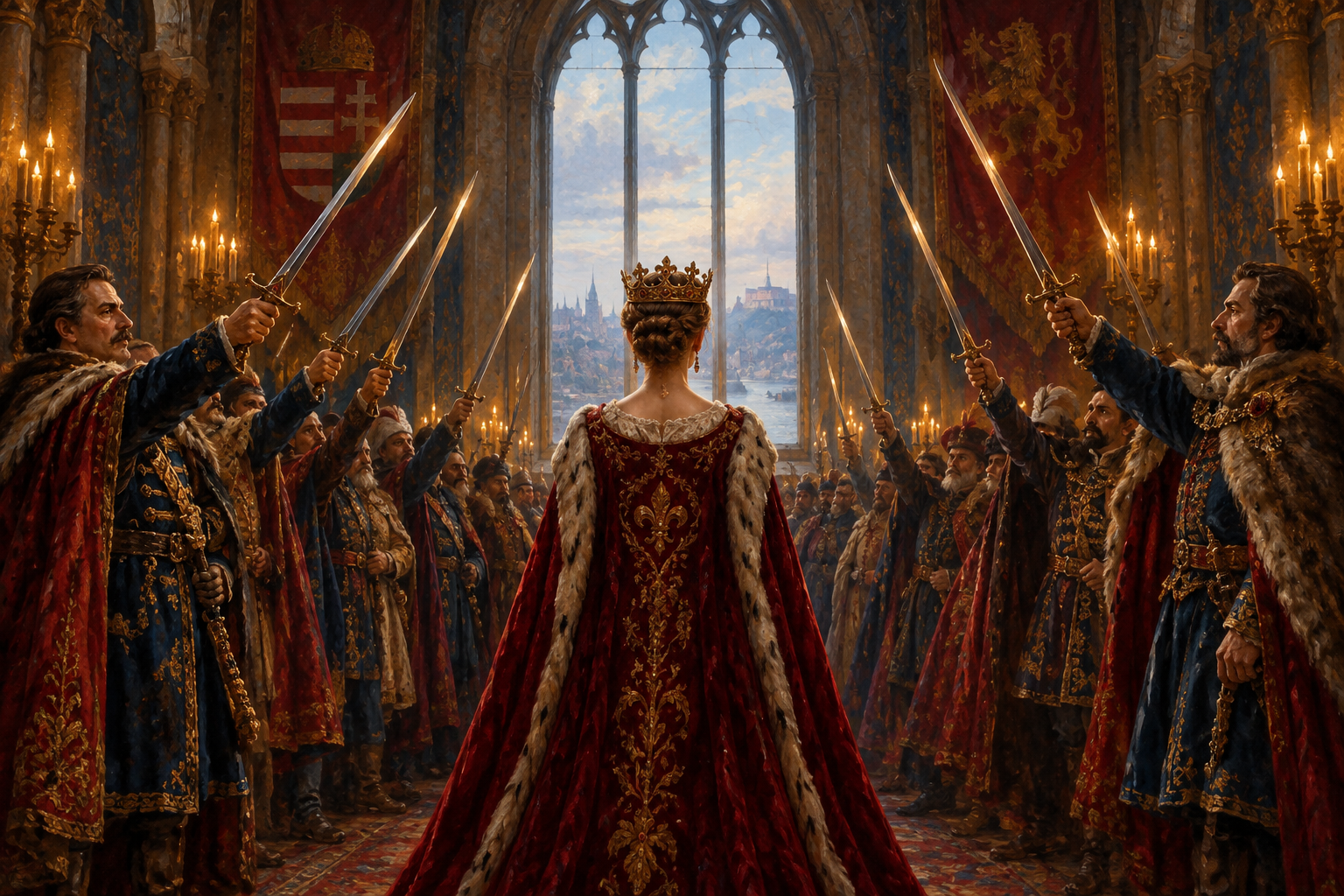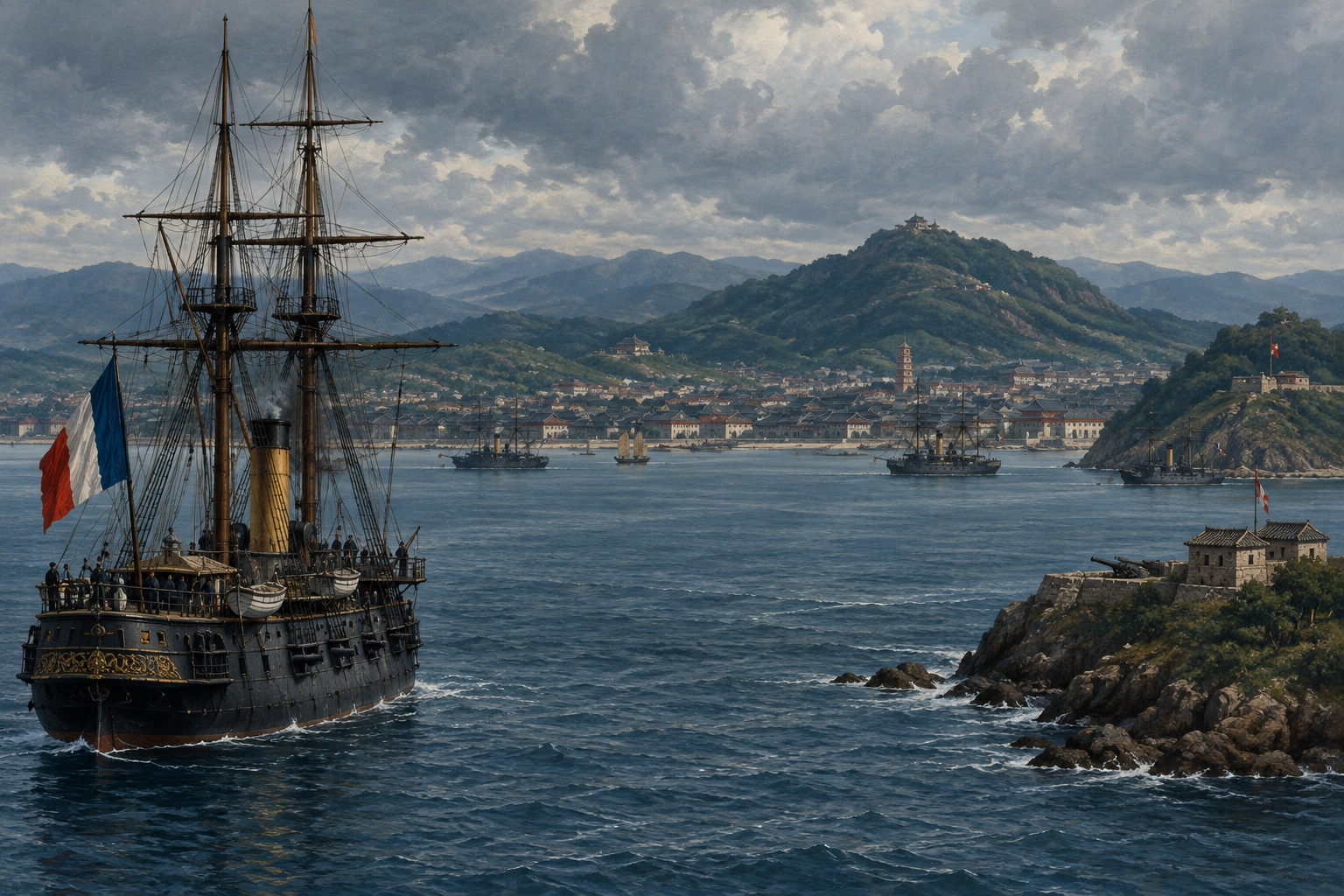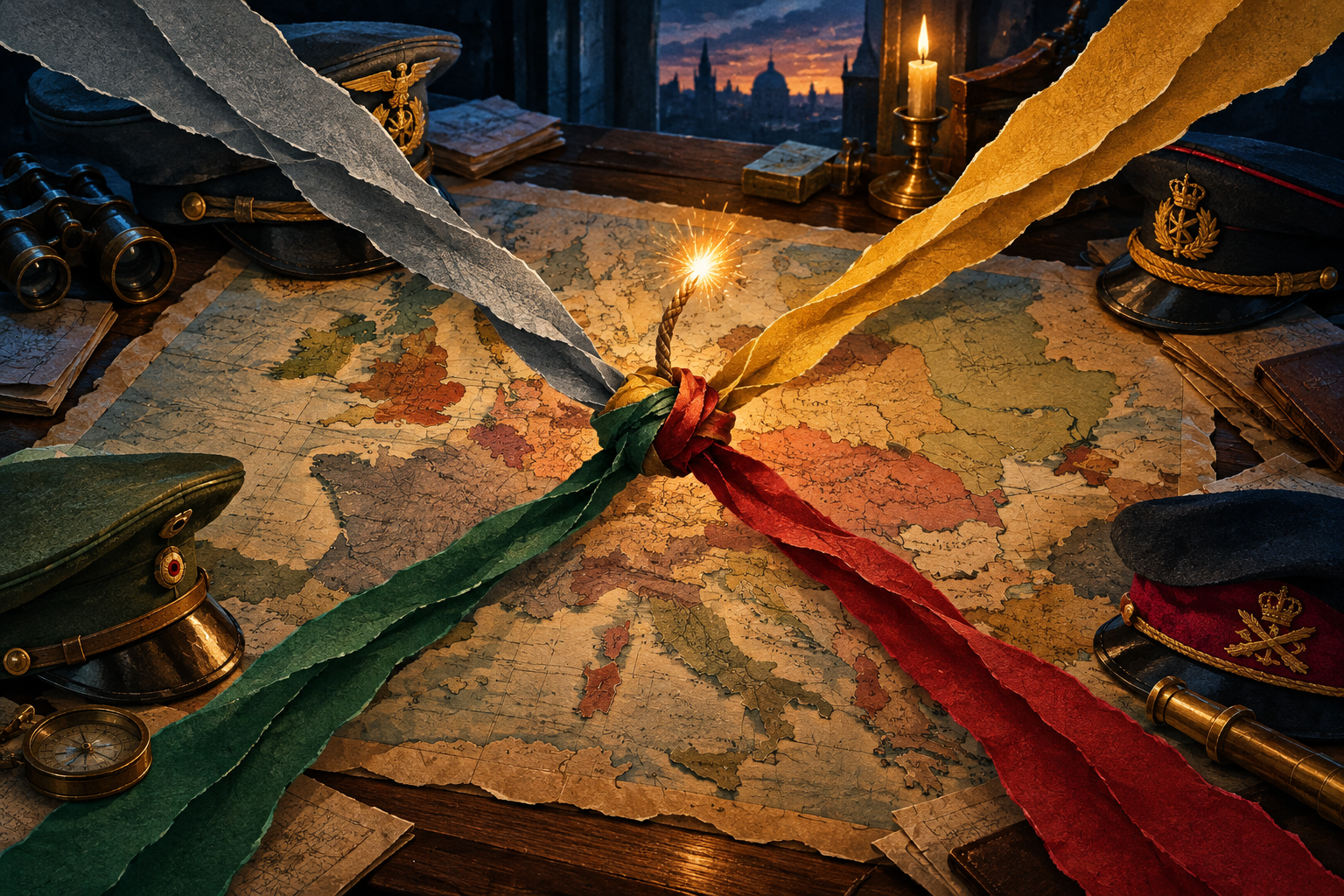
World War I broke out in 1914 because four long-running pressures came together in Europe: militarism, alliances, imperialism and nationalism. Teachers remember them as MAIN, and this page explains how each one built up tension. The assassination of Archduke Franz Ferdinand in Sarajevo on 28 June 1914 was the spark, but the four causes explain why a single shooting could set off a continental war. This page is also part of our World War I guide.
In five minutes
Each of the four causes made Europe more fragile before 1914. Armies and navies grew, the great powers grouped into two rival blocs, colonial rivalry spilled into diplomacy, and nationalist movements in the Balkans pushed against empires. None of these forces was enough on its own to start a world war. Together, they meant that a crisis in one region could quickly draw in everyone else.
A useful way to revise is to keep two questions apart. The four causes explain why Europe was close to war by 1914. The Sarajevo assassination explains why the war began in the summer of that year. Keeping both in view helps you write clear answers to essay questions.
The MAIN causes of WWI
MAIN is a memory aid used in many classrooms. Historians do not treat the four causes as separate boxes; they feed into one another.
Militarism
Militarism means that the army and navy shaped national policy and that military thinking came to seem normal. In the decade before 1914, Germany, France, Russia and Britain all increased their spending on armies and fleets. The clearest example is the naval race between Britain and Germany. Britain launched HMS Dreadnought in 1906, a powerful new battleship that made older ships outdated, and Germany answered with its own building programme. Each side saw the other's fleet as a threat, so spending rose on both sides.
Military planning also became rigid. Germany's Schlieffen Plan, drafted for a war on two fronts, relied on moving quickly through Belgium to defeat France before turning east against Russia. Plans like this made leaders feel that early mobilisation was necessary, and that waiting could be fatal. This narrowed their room to back down in 1914.
Alliances
By 1914 Europe was divided into two loose blocs. The Triple Alliance linked Germany, Austria-Hungary and Italy from 1882. France and Russia signed a military alliance in 1894. Britain moved closer to France with the Entente Cordiale of 1904, and closer to Russia with an agreement in 1907. Together these arrangements are usually called the Triple Entente.
Alliances were meant to deter war, because a strong partner made an attack less likely. In practice they meant that a quarrel between two countries could draw in the great powers. This is why a conflict between Austria-Hungary and Serbia quickly became a war between the major states. Germany's promise of support to Austria-Hungary, often called a “blank cheque”, gave Vienna confidence to act. Italy, one member of the Triple Alliance, stayed out of the fighting in 1914.
Imperialism
Imperialism here means the race for colonies, trade routes and spheres of influence. After the Berlin Conference of 1884 and 1885, European powers had divided most of Africa among themselves. Germany arrived late and wanted a larger share. Britain and France already held large empires, and Russia pushed into Central Asia and the Balkans.
Colonial rivalry also spilled into European diplomacy. Germany's Baghdad railway project deepened its ties with the Ottoman Empire and worried Britain and Russia. In 1905 and again in 1911, Germany challenged France's position in Morocco. Each time the crisis brought the powers closer to war without a shot being fired. The Moroccan crises pushed France and Britain into closer cooperation.
Nationalism
Nationalism is the belief that a people who share a language or identity deserves its own state, or that a nation's power and pride matter above everything else. In south-eastern Europe it was especially intense. The Ottoman Empire was losing territory in the Balkans, and Slavic peoples were divided among several empires. Serbia hoped to unite South Slavs under its leadership, and Russia presented itself as the protector of Slavs.
The Bosnian Crisis of 1908 showed how dangerous this could be. Austria-Hungary formally annexed Bosnia and Herzegovina, a territory many Serbs wanted for their own state. Serbia had to back down under pressure from Germany, and the humiliation fed anger in Belgrade and among nationalists across the region. The Balkan Wars of 1912 and 1913 added to the tension.
From Sarajevo to war: July 1914
The spark came on 28 June 1914, when Archduke Franz Ferdinand, heir to the Austro-Hungarian throne, and his wife Sophie were shot in Sarajevo by Gavrilo Princip, a young Bosnian Serb nationalist. Vienna blamed the Serbian government for the attack, and Germany gave Austria-Hungary its backing. On 23 July Austria-Hungary sent Serbia an ultimatum with harsh demands. Serbia accepted most of them but not all, and Austria-Hungary declared war on 28 July.
From there the alliance network and war plans ran faster than diplomacy. Russia began mobilising to support Serbia. Germany declared war on Russia on 1 August and on France on 3 August. When German troops marched into neutral Belgium on 4 August, Britain declared war on Germany. Italy, Germany's ally, declared neutrality.
What the war changed
The fighting lasted until the armistice of 11 November 1918. About 9 million soldiers died, and millions of civilians suffered from hunger, disease and occupation. By the end of the war the Russian Empire had collapsed in revolution in 1917, and the German, Austro-Hungarian and Ottoman states were all transformed or broken up.
The peace treaties that followed, most famously the Treaty of Versailles in 1919, redrew the map of Europe and placed war guilt on Germany. How much each power was responsible for the outbreak of war has been debated ever since. Christopher Clark's book The Sleepwalkers argues that the major powers each made choices that raised the danger, which is why no single chain of decisions can be pinned on one country.
Common misunderstandings
- “One country caused the war.” Several powers made choices that raised the danger, so blaming one government explains very little.
- “Everyone wanted a world war.” Most leaders expected a short, limited conflict. Fast mobilisation plans, however, made it harder to back down once the crisis moved.
- “MAIN is an official theory.” It is a classroom memory aid. The four causes overlap, and each depends on specific events.
What exams ask
- Explain each of the four MAIN causes with one concrete example, such as the naval race, the Triple Alliance or the Moroccan crises.
- Separate the long-term causes from the immediate trigger in the Sarajevo assassination.
- Show how the alliance system turned a regional quarrel into a general war, naming the countries involved.
- For “which cause was most important” questions, choose one cause, give reasons, and explain why the others mattered less.
Read next
For the wider background, read What Caused World War I?. For a closer look at the first cause, What Is Militarism? How It Led to WWI covers the military side in more depth. To see how the blocs were built, read Triple Alliance vs Triple Entente.