0% • 9 min left

The Sarajevo Assassination (28 June 1914)

October 30, 2026
On 28 June 1914, Gavrilo Princip shot Archduke Franz Ferdinand and his wife Sophie in Sarajevo. The killing did not cause World War I on its own. Austria-Hungary used it to confront Serbia, and by early August alliances and mobilisations had turned a regional crisis into a European war.

Part of: World War I (1914–1918): Causes, Course and Consequences

The Sarajevo Assassination (28 June 1914)

Key facts

Date
Sunday, 28 June 1914
Place
Sarajevo, the capital of Bosnia (under Austro-Hungarian rule)
Victims
Archduke Franz Ferdinand and his wife Sophie, Duchess of Hohenberg
Attacker
Gavrilo Princip, 19, a Bosnian Serb student
Weapon
Browning FN Model 1910 pistol
Outcome
Austria-Hungary's ultimatum to Serbia (23 July), then general war by 4 August 1914

Timeline

Tap a step for details. Arrow keys move between steps.

  1. 1914, 28 June, morning

    The couple arrive in Sarajevo

    Franz Ferdinand and Sophie travelled into the Bosnian capital for an official visit. Governor Potiorek had already vetoed a plan to put troops along the streets. The open car ran with its top folded down.

    Also in 1914:More from 1914

  2. 1914, 28 June, about 10:10 a.m.

    A bomb is thrown at the motorcade

    Nedeljko Čabrinović threw a bomb at the car as it approached. It hit the folded-back top, bounced off and exploded under the car behind, wounding between 16 and 20 people. Čabrinović swallowed poison and jumped into the Miljacka, but he was pulled out and arrested.

  3. 1914, 28 June, between about 10:15 and 10:45 a.m.

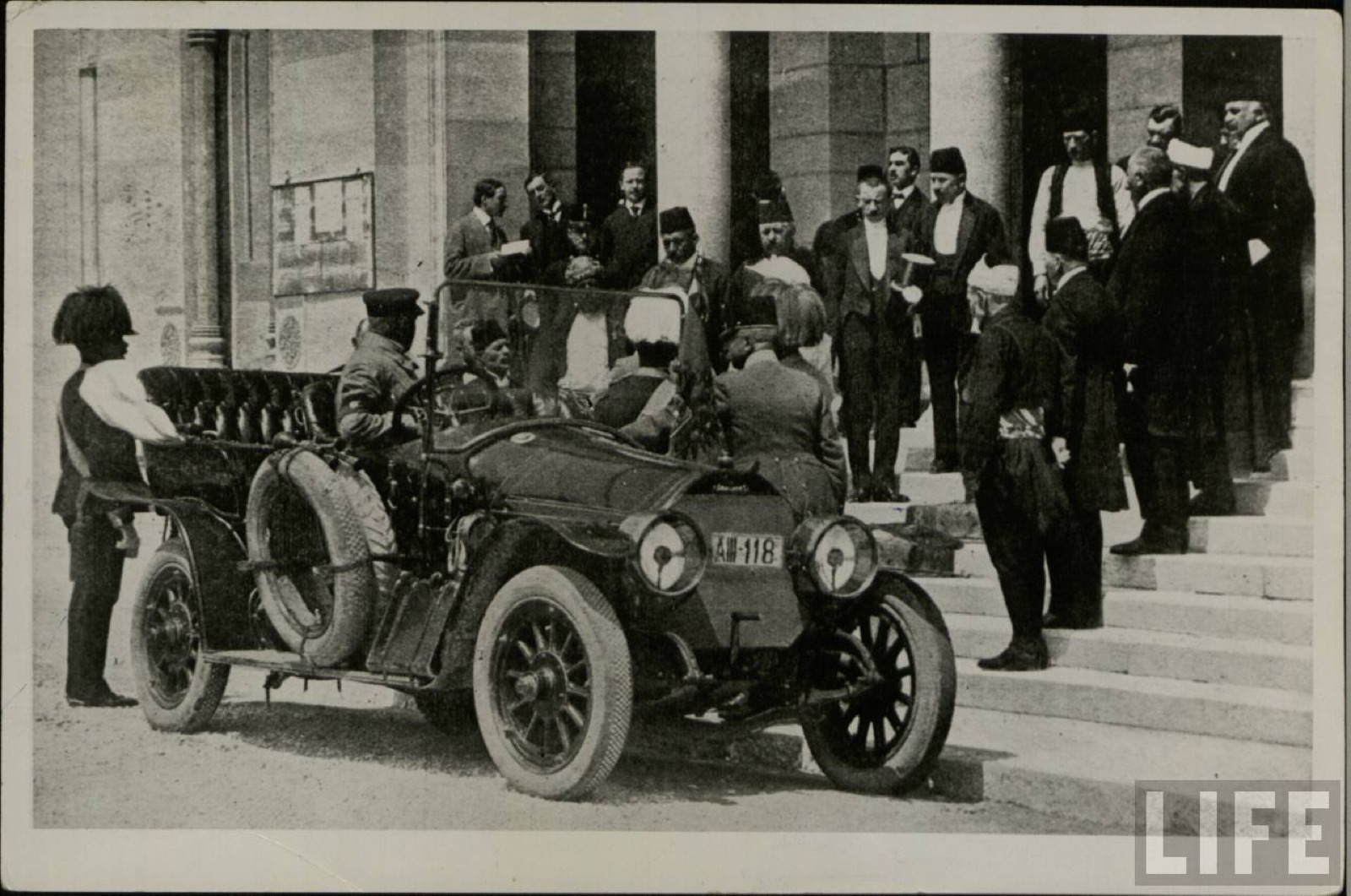
    The reception at the town hall

    People waiting on the stairs of the Sarajevo town hall for the Archduke and Sophie
    Unknown photographer, 1910s, CC0, via Wikimedia Commons

    The couple went to the Sarajevo town hall for a reception. Franz Ferdinand then decided to visit the officers hurt by the bomb in hospital.

  4. 1914, 28 June, about 10:45 a.m.

    The couple get back into the motorcade

    The couple got back into the motorcade, once again in the third car. The new route to the hospital had not been passed to the drivers of the first two cars. Those cars went on along the original route.

  5. 1914, 28 June, shortly before 11:00 a.m.

    The car takes the wrong turn and stalls

    The first two cars turned into a side street, and the Archduke's car followed them. When the driver tried to reverse, the engine stalled, and the car stopped close to where Princip was standing beside a delicatessen.

  6. 1914, 28 June, about 11:00 a.m.

    Princip fires two shots

    Princip stepped up to the car and fired at close range with an FN Model 1910 pistol. One bullet hit the Archduke in the neck, and the other hit Sophie in the abdomen.

  7. 1914, 28 June, just after the shots

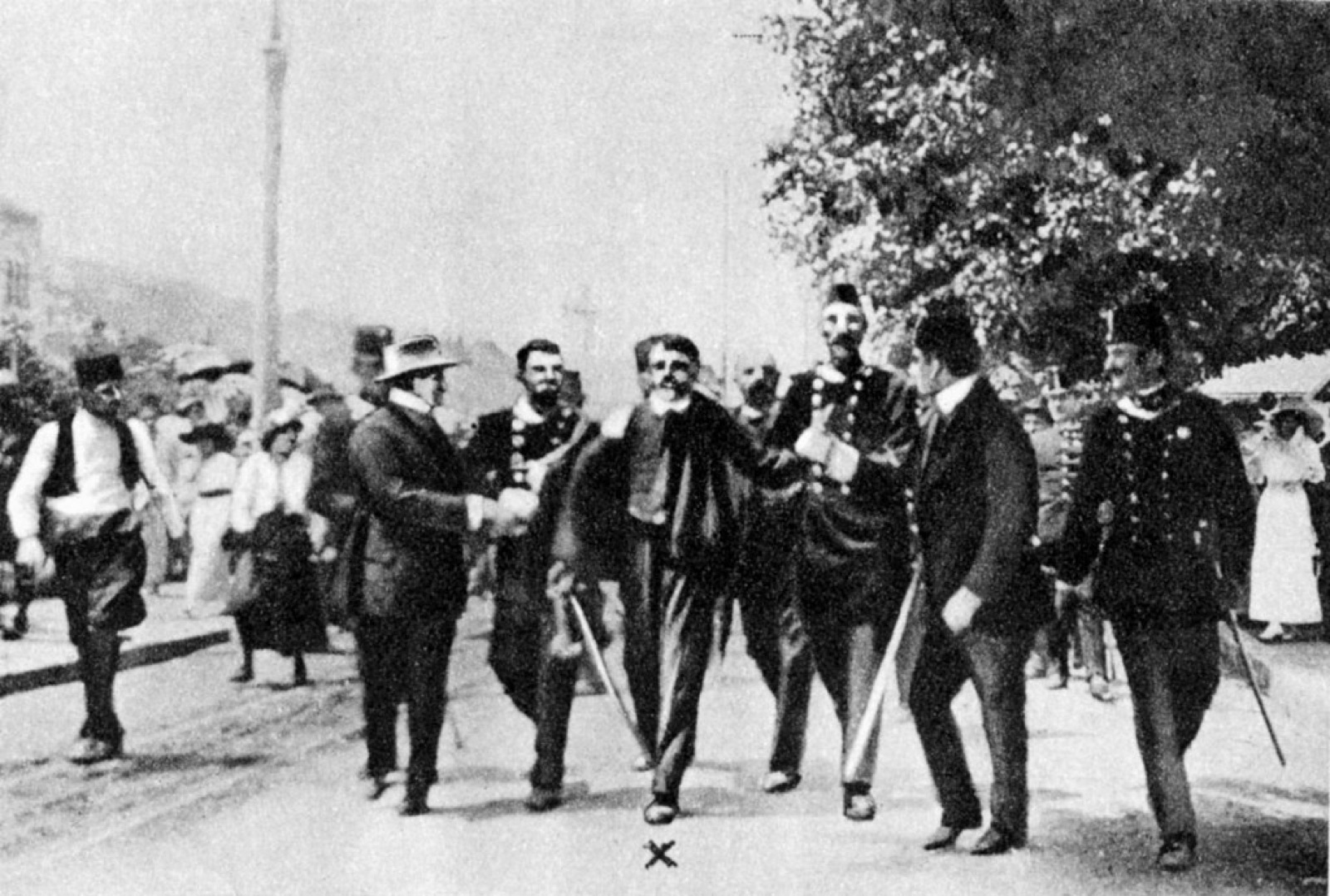
    Princip is arrested

    Photograph of the arrest after the Sarajevo shooting
    Unknown photographer, 1910s, CC0, via Wikimedia Commons

    Princip was seized and arrested on the spot. The photograph shows an arrest after the shooting.

  8. 1914, 28 June, by about 11:30 a.m.

    Both victims die

    Sophie was dead on arrival at the governor's residence. The Archduke died about ten minutes later. Both deaths had been recorded by about 11:30 a.m.

  9. 1914, 5–6 July

    Germany's blank cheque

    On 5 July Kaiser Wilhelm II assured Austria-Hungary's ambassador in Berlin of full German support. A formal commitment followed on 6 July, which gave Vienna confidence to plan a firm response.

  10. 1914, 23 July

    The ultimatum is delivered

    Austria-Hungary's minister in Belgrade presented demands that included suppressing anti-Austrian propaganda, dissolving the Narodna Odbrana society and letting Austro-Hungarian officials join the inquiry. Serbia had 48 hours to reply.

  11. 1914, 25 July

    Serbia replies and relations are broken off

    Serbia accepted most demands in full or in part, but rejected the clause on Austro-Hungarian officials joining the inquiry. Austria-Hungary judged the reply inadequate and broke off diplomatic relations that evening.

  12. 1914, 28 July

    Austria-Hungary declares war on Serbia

    The declaration turned a diplomatic crisis into a military one. Austria-Hungary's war on Serbia was now open.

  13. 1914, 30 July

    Russia orders general mobilisation

    Russia had begun partial mobilisation in late July, and on 30 July it ordered general mobilisation. Because Russia saw itself as Serbia's protector, this step sharply raised the risk of a clash with Germany and Austria-Hungary.

  14. 1914, 1–4 August

    The war spreads across Europe

    Germany declared war on Russia on 1 August and on France on 3 August, and it attacked Belgium on 4 August. Britain declared war on Germany on 4 August, and the crisis had become a general European war.

Maps

Tap a map to zoom

  • Map of Bosnia and Serbia with the assassins' route to Sarajevo marked in May–June 1914

    The conspirators' route from Serbia to Sarajevo, May–June 1914, drawn over a Century Atlas base map.

    The Century Dictionary and Cyclopedia, Vol X, Map No. 89, Copyright 1897 and 1902 Drawings added by Wikipedia user en:User:Werchovsky, public domain, via Wikimedia Commons

  • Map showing the route the pistols and bombs took from Serbia into Bosnia in 1914

    The route by which the weapons reached Sarajevo, May–June 1914.

    The Century Dictionary and Cyclopedia, Vol X, Map No. 89, Copyright 1897 and 1902; Cyclopedia itself, Copyright 1889, 1890, 1891...1904, The Century Co., New Yo, public domain, via Wikimedia Commons

  • Map of Europe showing the Triple Alliance and Triple Entente blocs in 1914

    Europe's alliance blocs on the eve of the war, 1914.

    No machine-readable author provided. Knutux assumed (based on copyright claims), public domain, via Wikimedia Commons

In five minutes

On Sunday, 28 June 1914, Gavrilo Princip, a 19-year-old Bosnian Serb student, shot Archduke Franz Ferdinand of Austria and his wife, Sophie, Duchess of Hohenberg, in the streets of Sarajevo. Franz Ferdinand was heir presumptive to the Austro-Hungarian throne. Both were dead by about 11:30 a.m.

The shooting did not start World War I on its own. Austria-Hungary used it as a reason to confront Serbia, and the alliances that linked the great powers pulled them into the conflict one after another. By 4 August 1914 Germany had attacked Belgium and Britain had declared war on Germany. The shots were the spark. The fuel was rival alliances, an arms race and the long dispute over Bosnia.

  • A small group of young conspirators, armed with weapons supplied by Serbian army officers, waited along the Archduke's route.
  • A bomb exploded under the car behind the Archduke's. Later his car followed the wrong turn, the engine stalled and it stopped close to Princip.
  • Austria-Hungary's ultimatum of 23 July set off a chain of declarations that turned a regional crisis into a general war within twelve days.

Why Bosnia was a flashpoint

Austria-Hungary had run Bosnia and Herzegovina since 1878 and formally annexed it in 1908. Many of its people were South Slavs. Serbian nationalists hoped the province would one day join a wider South Slav state, so the annexation was a blow to those hopes. Bosnia became the most sensitive point of friction between Vienna and Belgrade.

Students and young radicals in Bosnia and Belgrade formed secret groups. One of the networks was tied to the Black Hand, a secret society founded in 1911 by Serbian army officers under the name Unification or Death. Its most powerful figure was Dragutin Dimitrijević, known as Apis, who had been chief of intelligence in the Serbian General Staff since 1913. The Black Hand's links to military intelligence gave Vienna a reason to hold Belgrade responsible for the plot.

The Archduke was a natural symbol for the nationalists. As heir presumptive he stood for Habsburg rule, and his official visit to Sarajevo put him in an open car on public streets, where a small group could reach him. The wider background is in our World War I overview.

Who planned the attack and how the weapons arrived

The plot was organised in Sarajevo by Danilo Ilić, who recruited the young men and armed them. Six assassins were involved. Five were under twenty. The exception, Mehmedbašić, was 26 or 27. Ilić placed bombs with three of them along the route the motorcade would take.
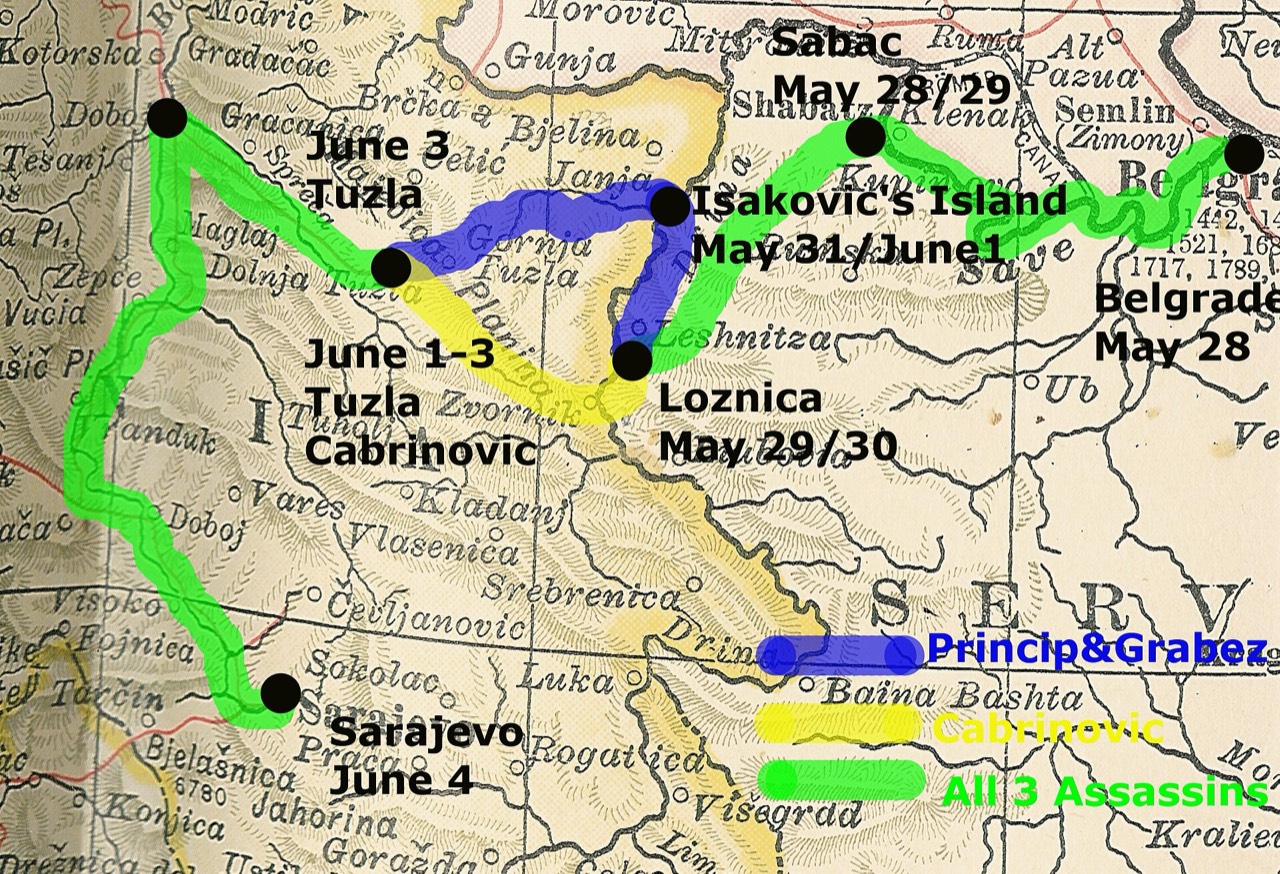
Map of Bosnia and Serbia with the assassins' route to Sarajevo marked in May–June 1914
The conspirators' route from Serbia to Sarajevo, May–June 1914, drawn over a Century Atlas base map. The Century Dictionary and Cyclopedia, Vol X, Map No. 89, Copyright 1897 and 1902 Drawings added by Wikipedia user en:User:Werchovsky, public domain, via Wikimedia Commons

In the weeks before the visit, Major Vojislav Tankosić, a Serbian army officer, supplied six hand grenades and four new Browning FN Model 1910 pistols. The weapons were smuggled across the border into Bosnia by the route shown below.
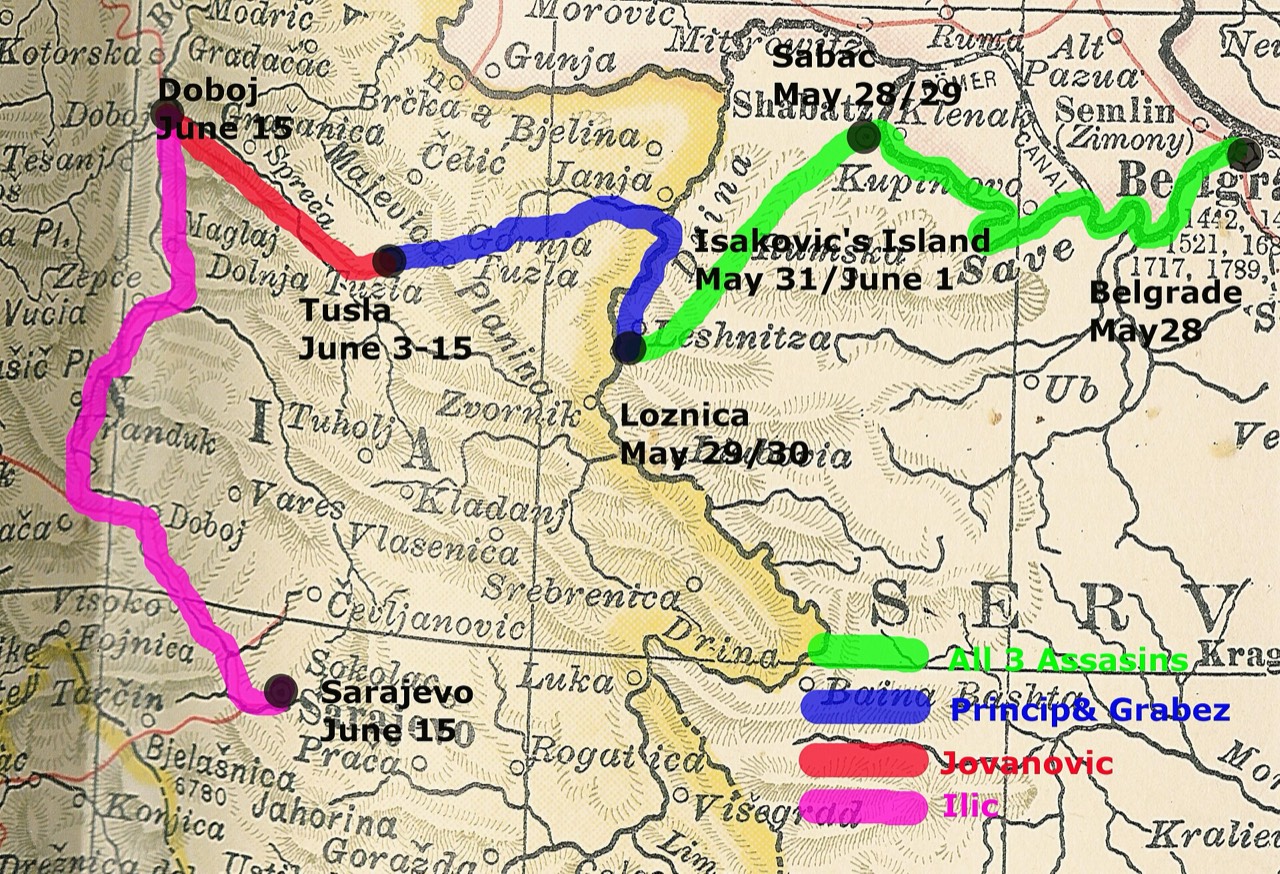
Map showing the route the pistols and bombs took from Serbia into Bosnia in 1914
The route by which the weapons reached Sarajevo, May–June 1914. The Century Dictionary and Cyclopedia, Vol X, Map No. 89, Copyright 1897 and 1902; Cyclopedia itself, Copyright 1889, 1890, 1891...1904, The Century Co., New Yo, public domain, via Wikimedia Commons

28 June 1914, hour by hour

On the morning of Sunday, 28 June, the couple travelled into Sarajevo for an official visit. Governor Oskar Potiorek had turned down a plan to line the streets with troops. The open car ran with its top folded down, and the police on duty that day numbered only about 60.

About 10:10 a.m.: the first bomb

As the car approached, Nedeljko Čabrinović threw a bomb at it. The bomb hit the folded-back top, bounced off and exploded under the car behind. Between 16 and 20 people were wounded. Čabrinović swallowed a cyanide capsule and jumped into the Miljacka river, but the water was only about 13 cm deep after a hot, dry summer, and he was pulled out and arrested.

Between about 10:15 and 10:45 a.m.: the town hall and the change of plan

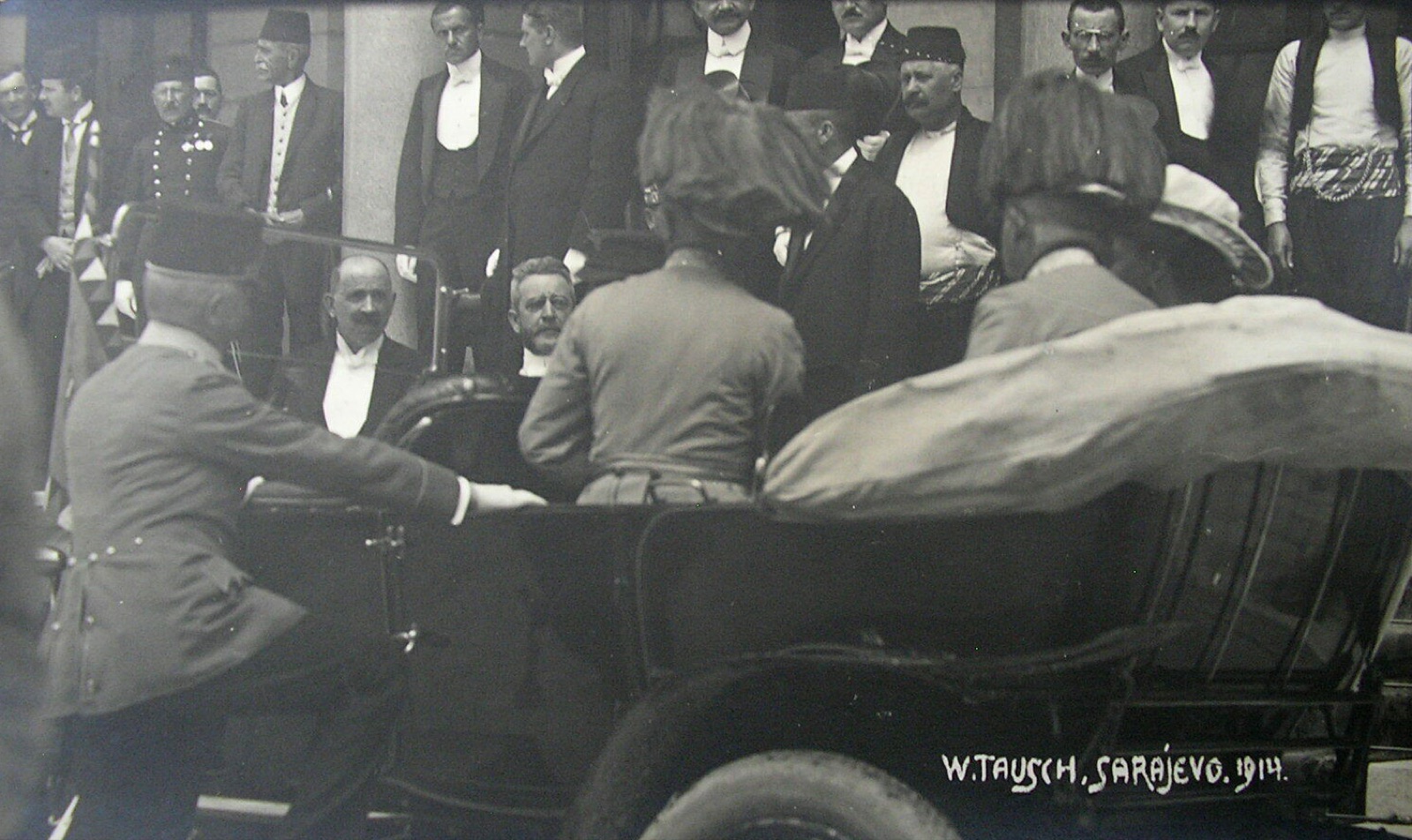
The couple went to the Sarajevo town hall for a reception. Franz Ferdinand then decided to visit officers hurt in the blast at the hospital. Potiorek had chosen a different route for that visit, but the drivers of the first two cars had not been told. At about 10:45 a.m. the couple got back into the motorcade, once again in the third car.

Shortly before 11:00 a.m.: the wrong turn

The first two cars turned right into a side street, as the original plan required, and the Archduke's car followed them. When the driver tried to reverse out, the engine stalled, and the car stopped close to where Princip was standing.

About 11:00 a.m.: the shots

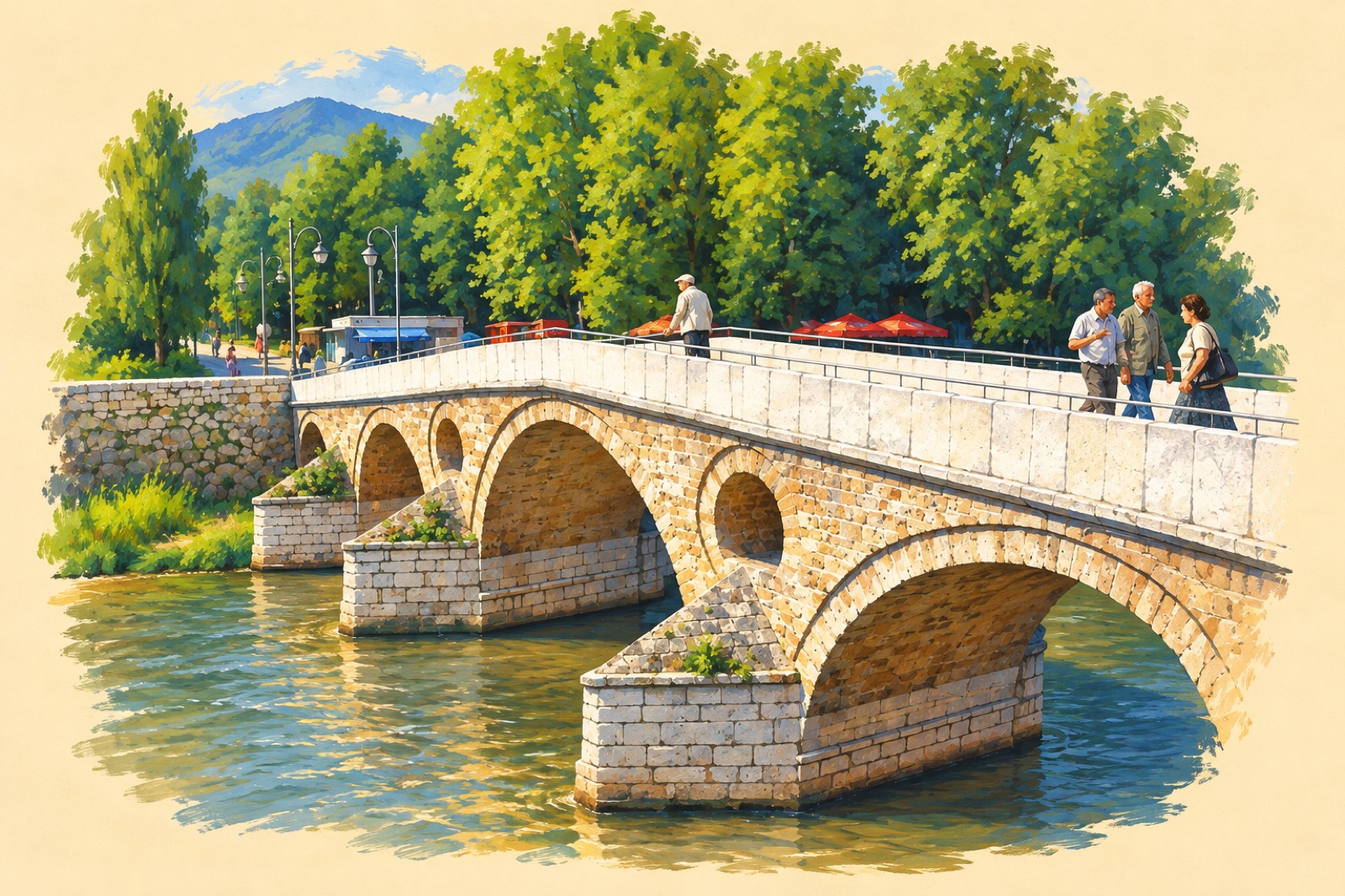
Princip, standing beside a delicatessen at the corner of the quay and the side street, stepped up to the car and fired at close range with an FN Model 1910 pistol. One bullet hit the Archduke in the neck, and the other hit Sophie in the abdomen. Princip was seized and arrested on the spot. The Latin Bridge, an Ottoman-era stone bridge over the Miljacka, is a short distance away.

By about 11:30 a.m.: both dead

The couple were taken to the governor's residence. Sophie was dead on arrival. The Archduke died about ten minutes later, and both deaths had been recorded by about 11:30 a.m.

From the shots to war: the July Crisis

Vienna wanted to act against Serbia but first needed to know whether Berlin would stand by it. On 5 July 1914 Kaiser Wilhelm II assured Austria-Hungary's ambassador in Berlin of full German support. A formal commitment followed on 6 July. Historians call this promise the “blank cheque”, meaning Berlin would back whatever Vienna chose to do.

On 23 July Austria-Hungary's minister in Belgrade delivered an ultimatum. It demanded that Serbia stop anti-Austrian propaganda, dissolve the nationalist society Narodna Odbrana, arrest people involved in the plot, stop arms smuggling and let Austro-Hungarian officials take part in the inquiry. Serbia had 48 hours to reply, and the deadline was 6 p.m. on 25 July.

Serbia replied on 25 July. It accepted most of the demands, some in full and some in part, but it rejected the clause that let Austro-Hungarian officials join the inquiry on Serbian soil. Austria-Hungary judged the reply inadequate and broke off diplomatic relations that evening.

On 28 July Austria-Hungary declared war on Serbia. Russia saw itself as Serbia's protector. It began partial mobilisation in late July and ordered general mobilisation on 30 July.

Between 1 and 4 August the war spread. Germany declared war on Russia on 1 August and on France on 3 August, and it attacked Belgium on 4 August. Britain, bound by its guarantee of Belgian neutrality, declared war on Germany that same day. A crisis that had begun with a shooting in a Sarajevo street had become a general European war.

Why one shooting became a world war

Alliances were the multiplier. Germany and Austria-Hungary were bound together, and Italy was part of the Triple Alliance with them, although Italy did not join the war on that side in 1914. France, Russia and Britain were linked in the Triple Entente. A quarrel between two countries could therefore pull in the partners on each side. For the details, see Triple Alliance vs Triple Entente.
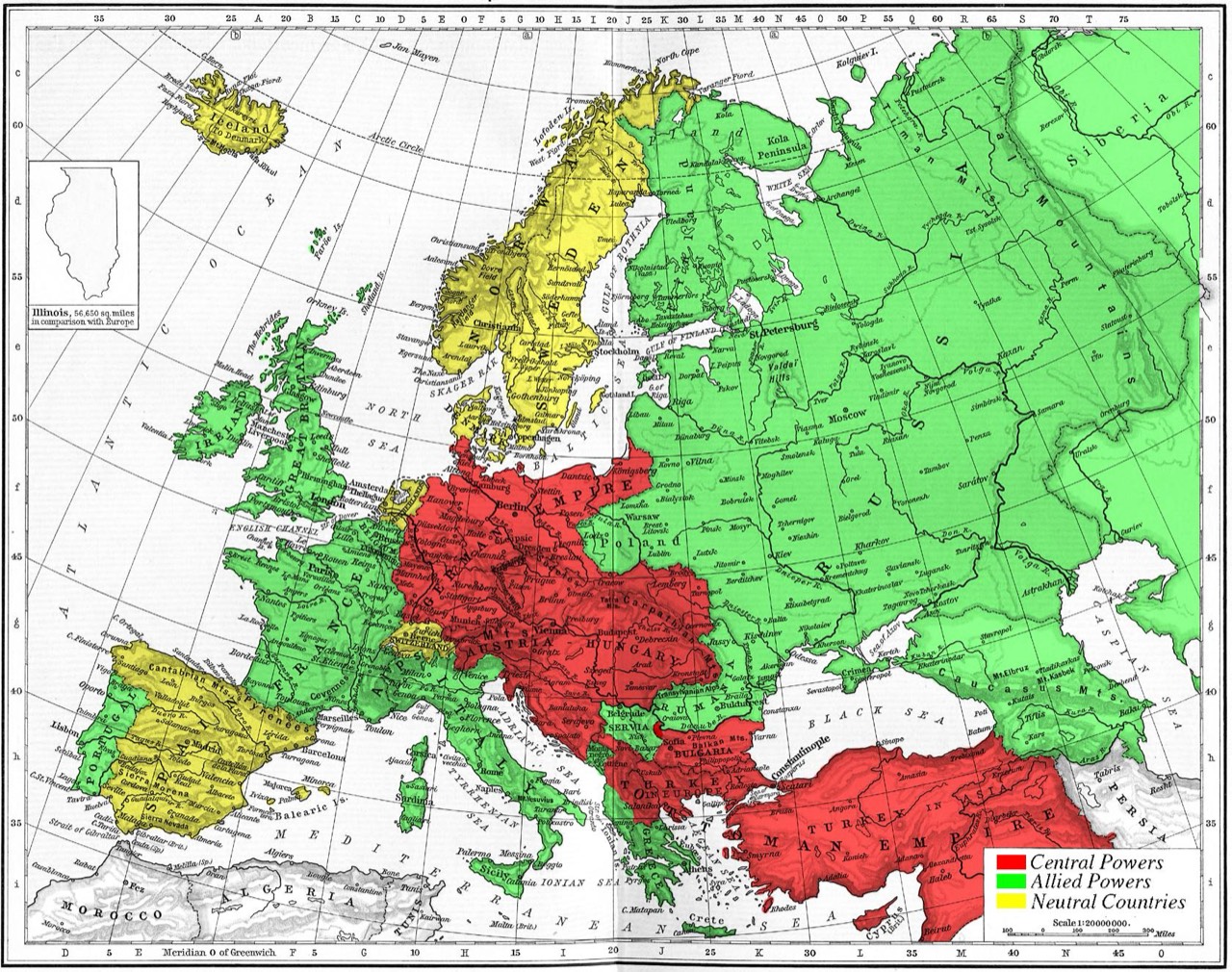
Map of Europe showing the Triple Alliance and Triple Entente blocs in 1914
Europe's alliance blocs on the eve of the war, 1914. No machine-readable author provided. Knutux assumed (based on copyright claims), public domain, via Wikimedia Commons

Militarism also set the pace. Armies had detailed mobilisation plans, and once mobilisation began, leaders found it hard to stop without losing ground. For the wider story, see What Is Militarism? How It Led to WWI.

Vienna saw Serbian nationalism as a threat to an empire with many South Slav subjects. Russia saw itself as Serbia's protector, and Germany backed its ally. Each side read the other's moves as threats.

Would the war have happened without the shots?

No one can rerun 1914, so there is no proof either way. The rivalries and alliances were already strong, and some leaders in Vienna wanted to crush Serbia. But the shooting gave Austria-Hungary a reason to act at that moment, and the timing made a large difference. That is why historians usually describe it as the trigger rather than the only cause.

How the press showed the shooting

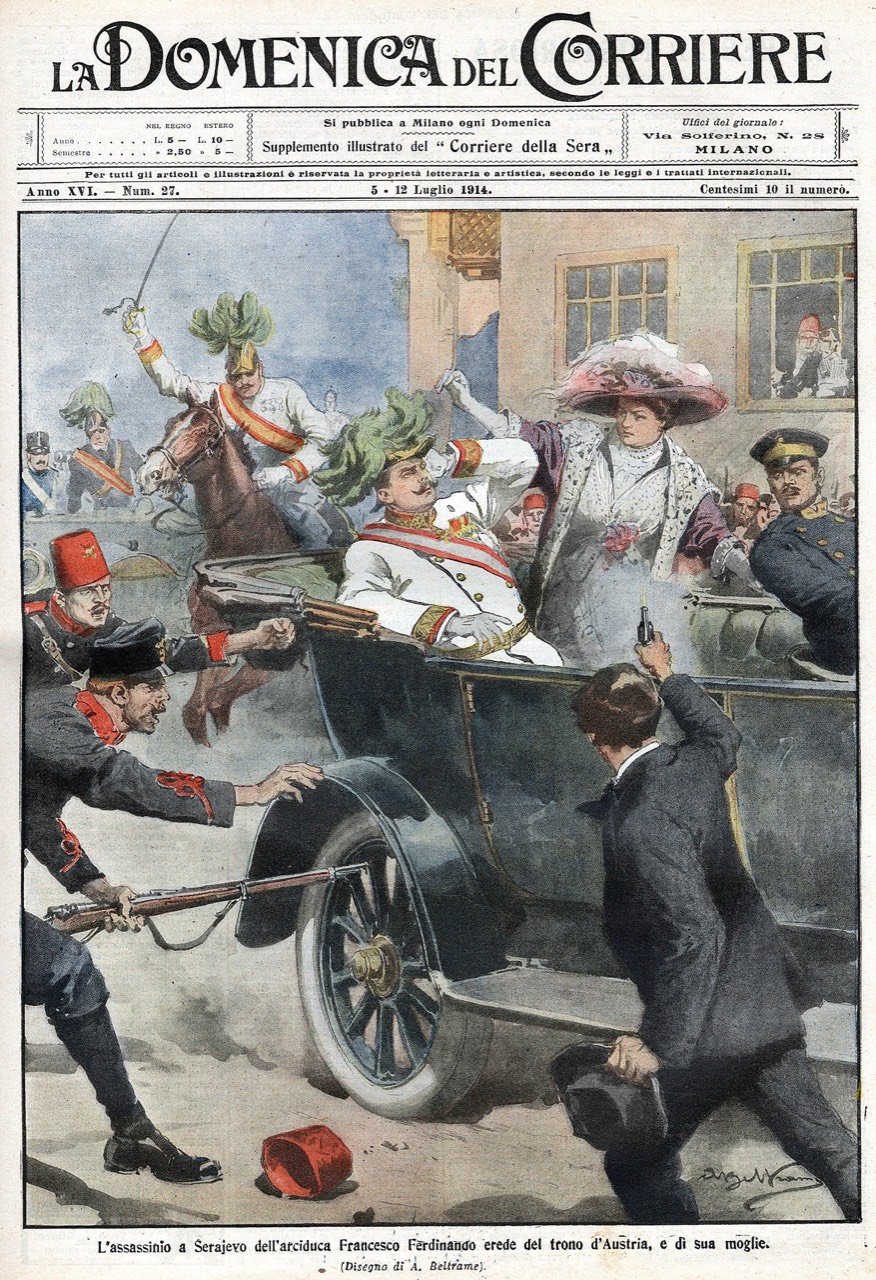
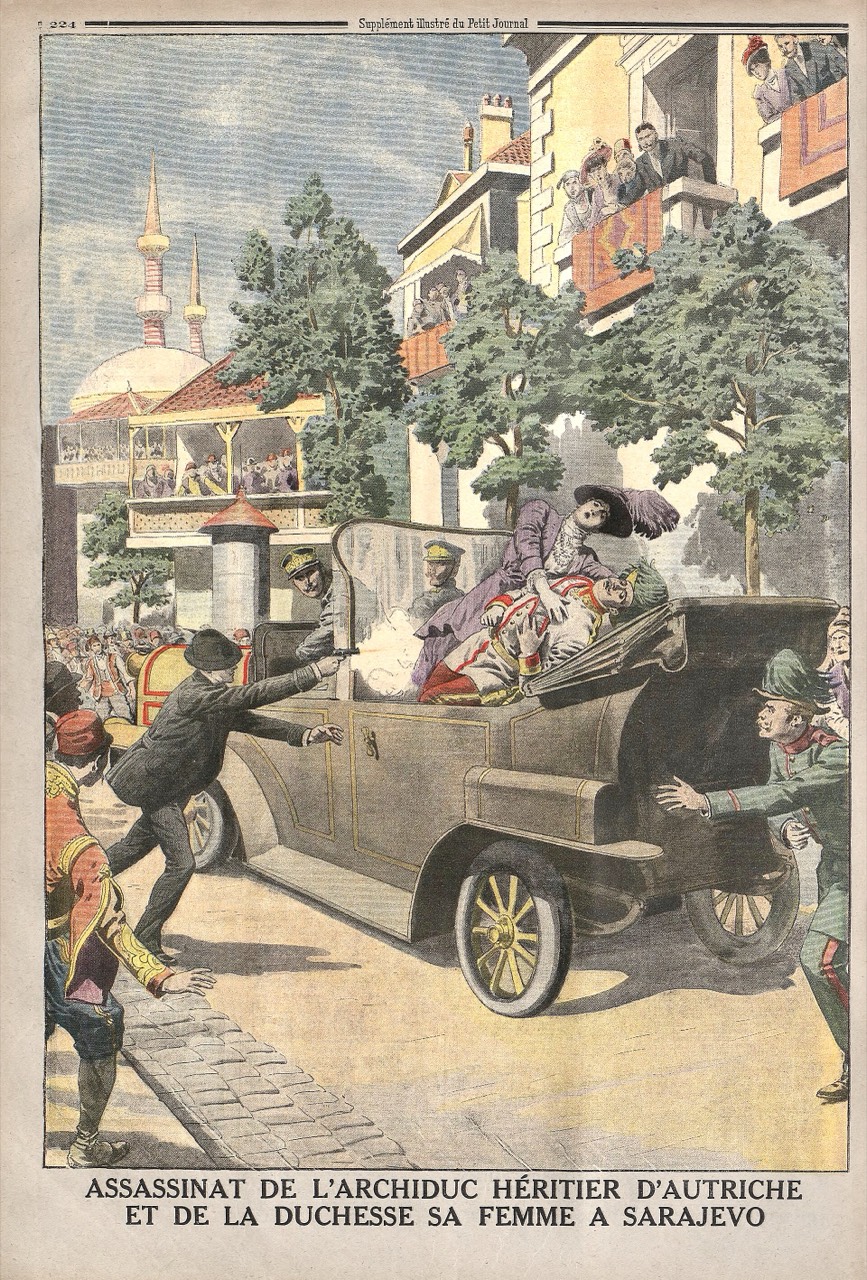
Illustrated papers carried the story across Europe. Italy's weekly Domenica del Corriere printed a cover by Achille Beltrame in issue 27 of 1914. France's Le Petit Journal published an illustrated supplement dated 12 July 1914 that showed the shooting. Pictures like these brought the shock to readers far from Sarajevo.

What happened to the people involved

Twenty-five people were indicted in the Sarajevo trial, which ran from 12 to 23 October 1914. The verdicts and sentences were announced on 28 October.

  • Gavrilo Princip was 27 days short of 20, the minimum age for execution under the law, so he was sentenced to twenty years in prison. He died of tuberculosis at the Theresienstadt fortress prison on 28 April 1918.
  • Nedeljko Čabrinović also received twenty years and died of tuberculosis in prison in January 1916.
  • Danilo Ilić was hanged on 3 February 1915.
  • Dragutin Dimitrijević (Apis) was tried at Salonika in 1917 and executed by firing squad on 26 June 1917.
  • Oskar Potiorek was in the car that day and died in Klagenfurt in 1933.

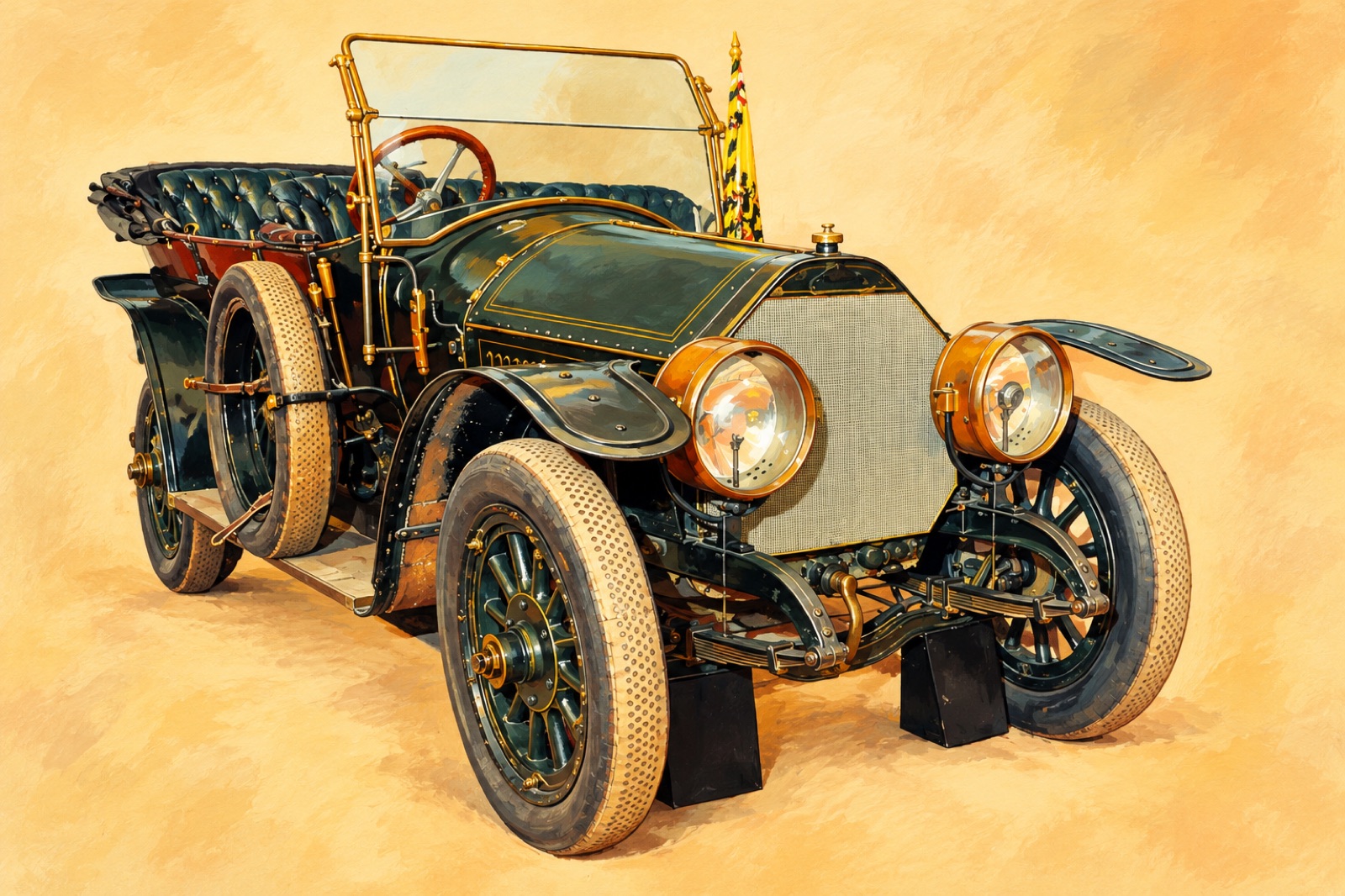
The open car, a 1911 Gräf & Stift double phaeton, is displayed at the Museum of Military History in Vienna.

What exam questions ask

  • Separate the trigger from the causes. The shooting was the trigger. The deeper causes were alliances, militarism, nationalism and imperial rivalry in the Balkans.
  • Know the sequence. Keep the order straight: the shooting, the blank cheque, the ultimatum, the declarations of war, then mobilisation.
  • Argue both sides. A common essay question asks whether the war was inevitable. Strong answers use the alliance system and the July decisions as evidence for both views.

Read next

Armies and units

  • Person

    Austria-Hungary

    Archduke Franz Ferdinand

    Heir presumptive to the Austro-Hungarian throne, born in Graz in 1863. He was the main target of the plot and was shot in the neck at close range on 28 June 1914.

  • Person

    Austria-Hungary

    Sophie, Duchess of Hohenberg

    The Archduke's wife, born in 1868 and given the title Duchess of Hohenberg in 1909. She was shot in the abdomen and was dead on arrival at the governor's residence.

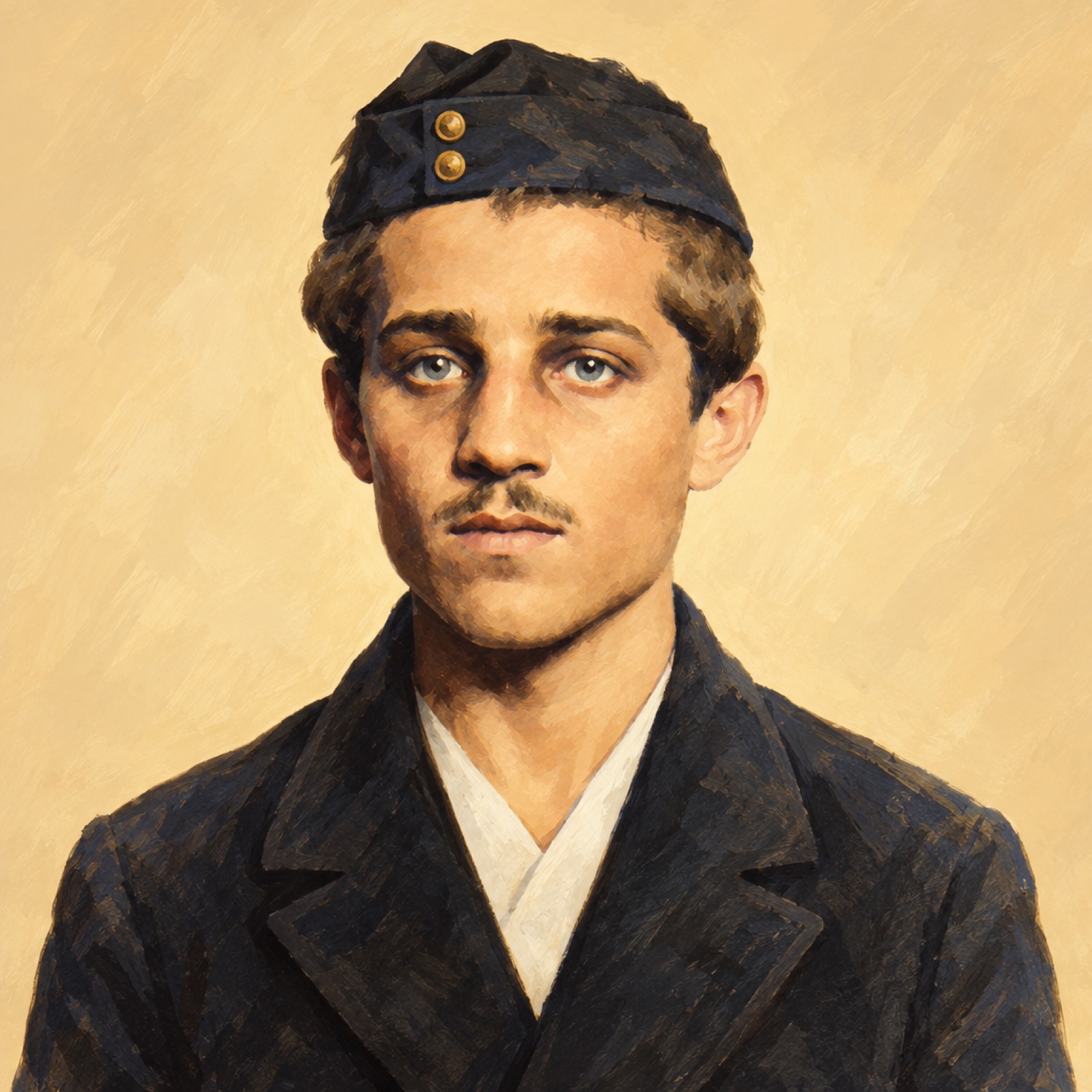
  • Head-and-shoulders photograph of Gavrilo Princip in prison, 1914 (illustration) Person Illustration

    Young Bosnia

    Gavrilo Princip

    A 19-year-old Bosnian Serb student who fired the two shots at close range. He was 27 days short of 20 and died of tuberculosis in prison in 1918.

    Illustration after Unknown photographer, public domain · Original

  • Person

    Young Bosnia

    Nedeljko Čabrinović

    Threw the first bomb at about 10:10 a.m. He swallowed poison and jumped into the river, was pulled out and arrested, and died of tuberculosis in prison in January 1916.

  • Person

    Young Bosnia

    Danilo Ilić

    The organiser who recruited the young men, armed them and placed bombs along the route. He was hanged on 3 February 1915.

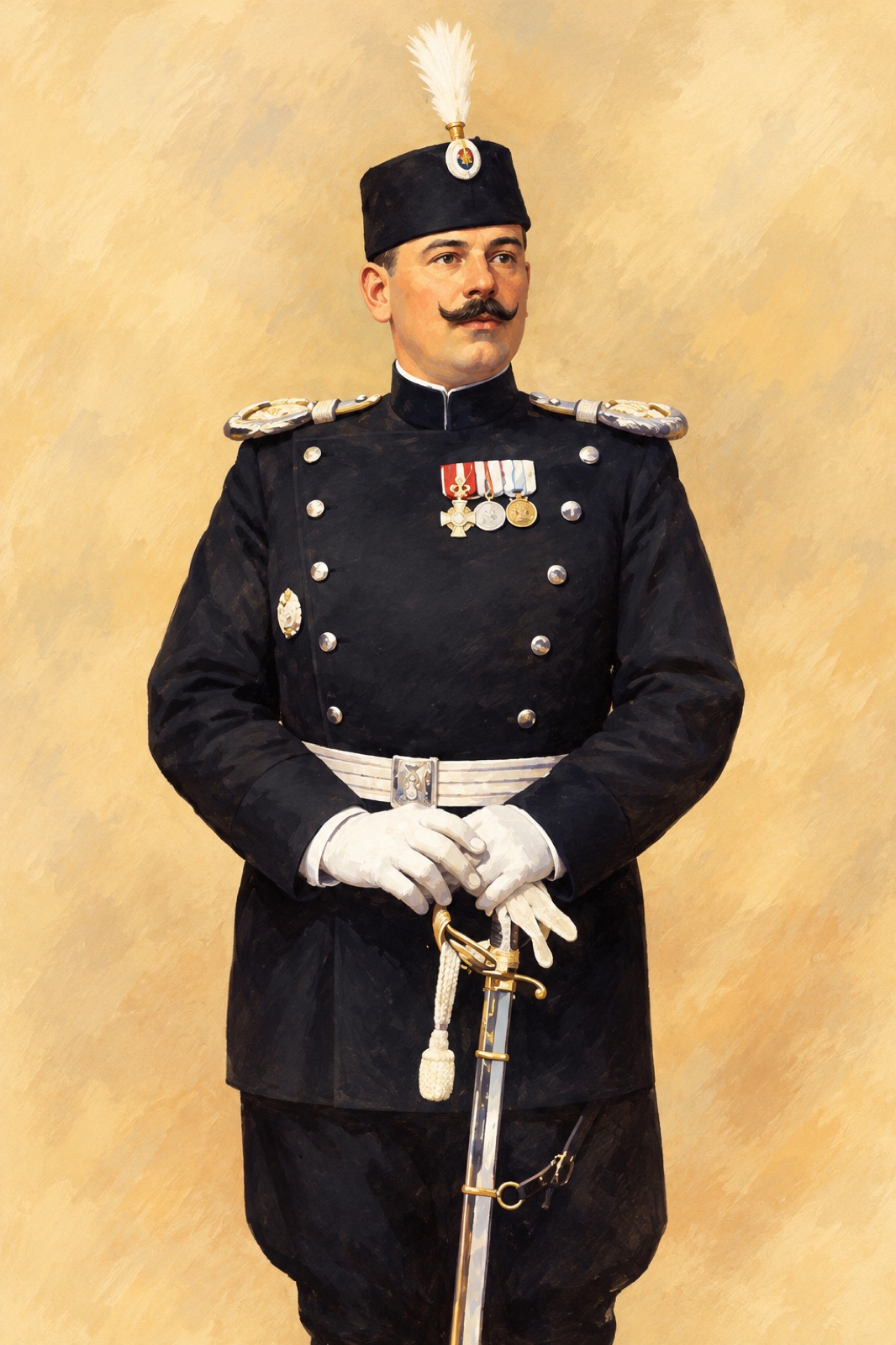
  • Portrait of the Serbian officer Dragutin Dimitrijević, known as Apis, around 1900 (illustration) Person Illustration

    Serbia (Black Hand)

    Dragutin Dimitrijević 'Apis'

    Chief of intelligence in the Serbian General Staff from 1913 and a leading figure in the Black Hand. He was tried at Salonika in 1917 and shot by firing squad on 26 June 1917.

    Illustration after Unknown author, public domain · Original

  • Person

    Austria-Hungary

    Oskar Potiorek

    Governor of Bosnia and Herzegovina, who rode in the Archduke's car that day. He survived the attack and died in Klagenfurt in 1933.

  • The Gräf & Stift open touring car from the Sarajevo assassination, displayed in a Vienna museum (illustration) Object Illustration

    Austria-Hungary

    Gräf & Stift double phaeton of 28 June 1914

    The 1911 open touring car in which the couple were shot. It is displayed at the Museum of Military History in Vienna.

    Illustration after Pappenheim, public domain · Original

  • The Latin Bridge over the Miljacka river in Sarajevo, photographed in 2011 (illustration) Building Illustration

    Bosnia

    The Latin Bridge, Sarajevo

    An Ottoman-era stone bridge over the Miljacka, a short distance from where Princip stood when he fired.

    Illustration after Jennifer Boyer, CC BY 2.0 · Original

  • Illustrated Italian newspaper cover showing the assassination of Franz Ferdinand and Sophie Work

    Italy (press)

    Domenica del Corriere cover by Achille Beltrame, July 1914

    Achille Beltrame's cover illustration in issue 27 of the Italian weekly, published in 1914, showing the shooting.

    Achille Beltrame, public domain, via Wikimedia Commons

  • French illustrated supplement cover showing the shooting of the Archduke and his wife in Sarajevo Work

    France (press)

    Le Petit Journal supplement, 12 July 1914

    A French illustrated supplement dated 12 July 1914 that shows the shooting.

    Le Petit Journal, public domain, via Wikimedia Commons

  • Franz Ferdinand and Sophie entering a car outside the Sarajevo town hall, 28 June 1914 Work

    Austria-Hungary

    Franz Ferdinand and Sophie leaving the Sarajevo town hall

    A photograph of the couple getting into a car outside the town hall on 28 June 1914. They were shot shortly afterwards.

    Walter Tausch (1914), public domain, via Wikimedia Commons

Frequently Asked Questions

Why was Archduke Franz Ferdinand assassinated?

Gavrilo Princip and his group opposed Austria-Hungary's rule over Bosnia, which the empire had formally annexed in 1908. As heir presumptive, the Archduke stood for that rule, and his official visit to Sarajevo gave the group a chance to reach him in an open car. The weapons came from Serbian army officers, including Major Vojislav Tankosić.

When and where did the Sarajevo assassination happen?

It happened on Sunday, 28 June 1914, in Sarajevo, the capital of Bosnia. The first bomb was thrown at about 10:10 a.m. and exploded under the car behind the Archduke's. The shots came at about 11:00 a.m., after the car took a wrong turn into a side street and stalled close to where Princip stood.

Did the assassination start World War I?

It was the trigger, but not the only cause. Austria-Hungary used the killing as a reason to confront Serbia, and alliances then drew Russia, France, Germany and Britain into the conflict. By 4 August 1914 Britain had declared war on Germany, and the crisis had become a general European war.

What happened to Gavrilo Princip?

He was 19 when he fired, and he was 27 days short of 20, the minimum age for execution under the law. He was tried in October 1914 with 24 others, sentenced to twenty years in prison, and died of tuberculosis at the Theresienstadt fortress prison on 28 April 1918.

Why did Austria-Hungary issue an ultimatum instead of going straight to war?

Vienna wanted to act against Serbia but first secured German backing, through the blank cheque of 5 and 6 July. The ultimatum of 23 July set demands and a 48-hour deadline. When Serbia accepted most but not all of them, Austria-Hungary broke off relations and declared war on 28 July.

Check Your Understanding

Pick an answer for each question to see if you were right.

  1. Who fired the shots that killed Archduke Franz Ferdinand and Sophie?

  2. Which country sent the ultimatum to Serbia on 23 July 1914?

  3. Which alliance included Germany, Austria-Hungary and Italy?

  4. What was the 'blank cheque'?

  5. Which country did Austria-Hungary declare war on first in July 1914?

More in The Road to World War I

See the full topic guide →
Share:

About the Writer

Alex Ng
Alex Ng

Software Engineer & Writer

Software engineer with a passion for distilling complex ideas into actionable insights. Writes about finance, investment, entrepreneurship, and technology.

Read more →

Keep reading

Explore the topic: The Road to World War I

Articles

Summaries