Phan Bội Châu in five minutes
Phan Bội Châu was born in 1867 and became one of the most prominent Vietnamese opponents of French colonial rule in the early twentieth century. He sought independence through political organizing, writing and connections with people beyond Vietnam. His work belongs to the wider story of Vietnam’s dynasties and French rule, when foreign conquest reshaped the country’s government and inspired several forms of resistance.
Japan seemed to offer both an example and a possible source of help. Phan traveled there in 1905, and the Đông Du, or “Go East,” movement helped young Vietnamese study in Japan. Yet Japan’s government ultimately cooperated with France, and the students and their organizers faced pressure to leave. A private Japanese supporter, the doctor Asaba Sakitaro, helped Phan during this difficult period. In 1918, Phan and local residents erected a memorial to Asaba in what is now Fukuroi, Shizuoka.
Why Phan looked abroad
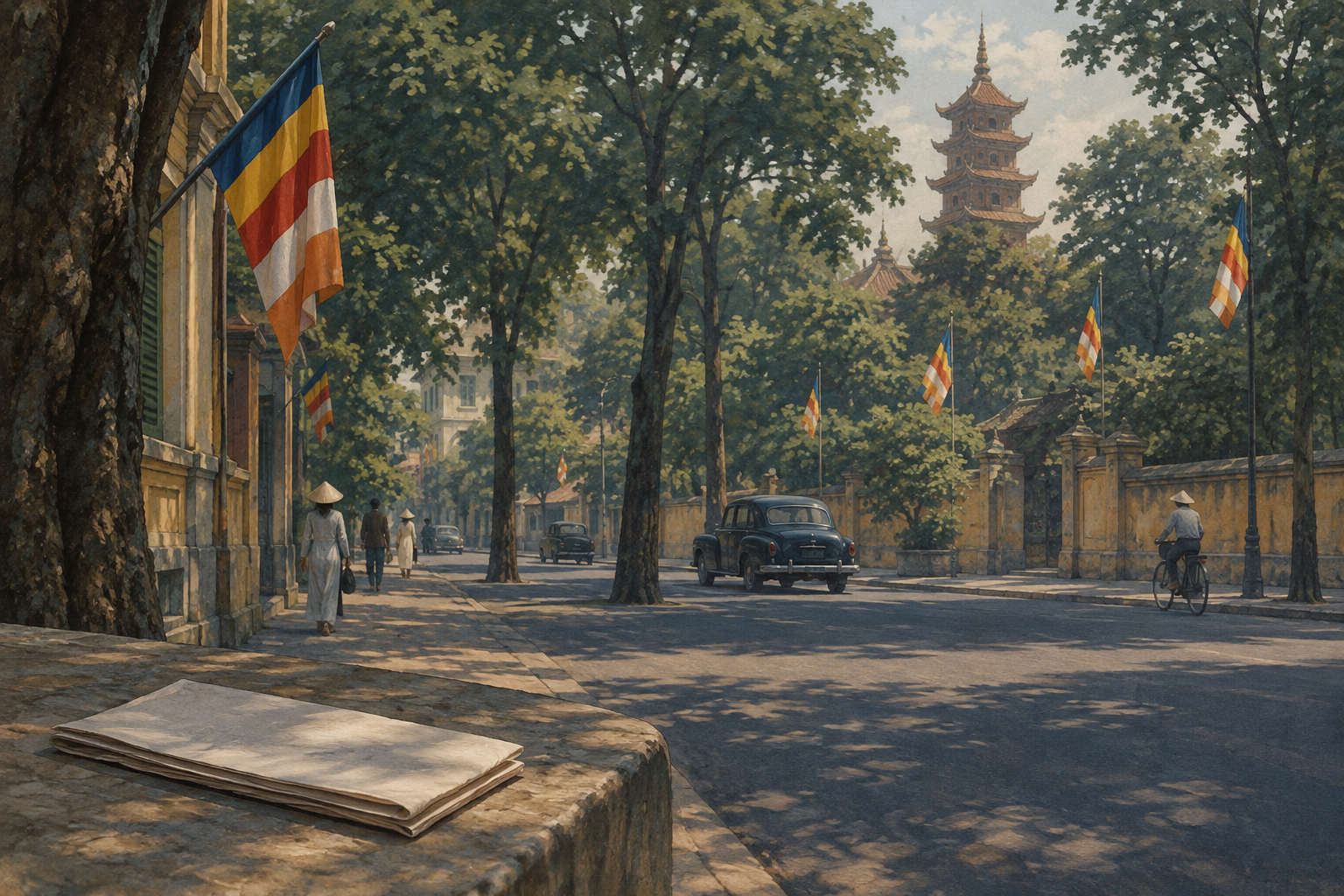
French power expanded over Vietnam during the nineteenth century. By the early twentieth century, Vietnamese people lived under a colonial system that limited their political independence. Resistance did not take a single form: activists disagreed about the value of armed action, education, reform and foreign alliances. Phan’s career shows how one nationalist tried to combine political action at home with support from abroad.
Japan attracted attention because it had modernized rapidly and had defeated Russia in the Russo-Japanese War of 1904–1905. For some Asian observers, that victory suggested that an Asian country could resist a European power. Phan hoped that Japan might help Vietnamese independence, but admiration for Japan did not mean that the Japanese government shared his aims.
Phan and his associates formed the Duy Tân Society, an organization seeking to restore Vietnamese independence. They worked with Prince Cường Để, a member of the Nguyễn royal lineage, whose status could help bring supporters together. Their early plans linked independence to a restored monarchy. The Duy Tân Society and Cường Để page follows that political alliance in more detail.
Phan’s choice of Japan joined two ambitions that could pull in different directions. He wanted outside assistance against a colonial power, but he also needed Vietnamese supporters to shape their own future. Sending students abroad offered a way to prepare people for that future, even when immediate diplomatic or military help proved elusive. The journey itself was demanding: families and organizers had to sustain young people far from home. Their education depended on a network, not simply on a single leader’s appeal.
Đông Du: learning in Japan
Phan’s search for Japanese support developed into an effort to send Vietnamese young people overseas for education. Đông Du means traveling east: in this case, eastward to Japan. Students could acquire knowledge and skills that organizers hoped would eventually serve an independent Vietnam. Education was therefore part of a political project, not simply a private opportunity to study abroad.
The movement relied on networks across borders. Organizers needed money, contacts, travel arrangements and people willing to receive students. Vietnamese families and supporters contributed, while Japanese individuals and institutions offered assistance. These connections made the movement possible, but they also made it vulnerable when governments acted against it.
France wanted to curb anti-colonial organizing, and Japan had reasons to maintain relations with France. Japanese authorities placed pressure on Vietnamese students and activists, and the movement in Japan came to an end. Phan left Japan in 1909. The experience exposed a central difficulty of relying on another state: a government’s diplomatic interests could outweigh its people’s sympathy for a foreign independence movement. Read more about the students and their journey in the Đông Du movement.
Asaba Sakitaro and the memorial
As the movement faced pressure, Phan sought help from Asaba Sakitaro, a doctor from the area now part of Fukuroi who practiced medicine in Kanagawa. Through a mutual acquaintance, Phan sent a letter asking for financial assistance. Asaba sent money in response. Phan later visited him before leaving Japan.
Their connection is often remembered as a story of friendship across borders, but the surviving account is more specific. Fukuroi City explains that Phan’s own memoir records one visit to Asaba’s home. The help was significant precisely because it came from an individual when official Japanese policy was moving against the Vietnamese activists. It should not be mistaken for a promise of support from the Japanese government.
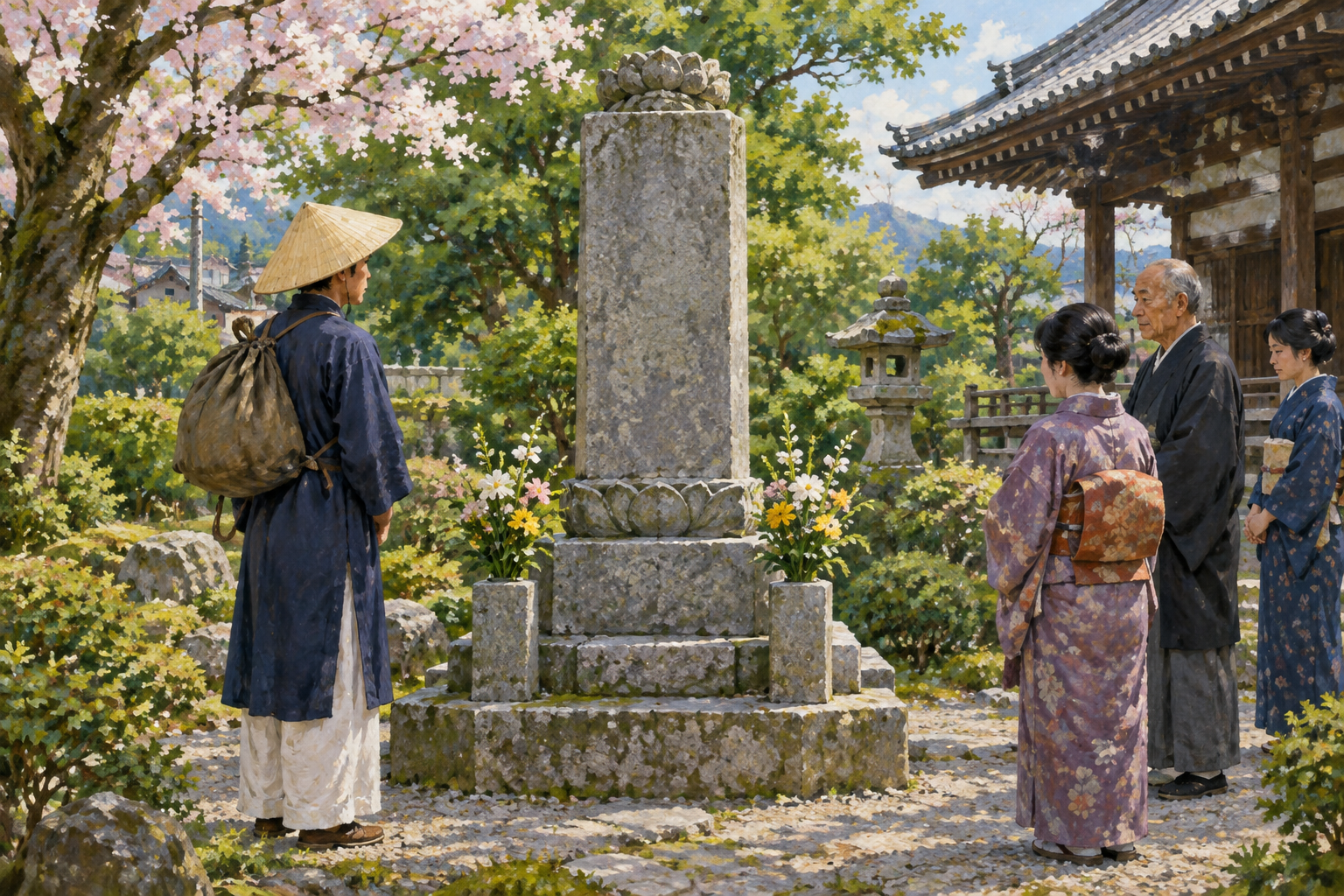
Asaba died in 1910. Phan later returned to Japan, and in 1918 he and local residents erected a memorial in Asaba’s home area. The stone stands at Jōrinji in present-day Fukuroi. It records gratitude to a particular person while also giving later generations a place to remember the wider connections made during the independence movement.
The memorial offers a useful way to read this history at two scales. At the personal scale, it marks Phan’s gratitude to someone who answered a request for help. At the political scale, it recalls a movement whose participants crossed borders because colonial rule restricted the choices available to them at home. The two scales should not be collapsed: Asaba’s help mattered to Phan, but it did not reverse the policy that forced the activists to leave Japan.
After Japan
Leaving Japan did not end Phan’s opposition to French rule. He continued his political work abroad, including in China. His ideas and organizations changed over time, reflecting both the obstacles faced by Vietnamese nationalists and political changes elsewhere in Asia.
In 1925 French agents seized Phan in Shanghai and brought him back to French-controlled Vietnam. He spent the remainder of his life under restriction in Huế and died in 1940. He did not live to see the declaration of Vietnamese independence in 1945. His career nevertheless illustrates an earlier generation of anti-colonial politics, before the later movements that reshaped Vietnam in the mid-twentieth century.
A timeline also helps avoid treating the encounter as the end of Phan’s story. The departure from Japan came in 1909, the memorial was erected in 1918, and the seizure in Shanghai followed in 1925. These are separate moments in a longer career. The intervening years remind us that exile involved repeated adjustments, as activists sought places to work and new ways to organize while remaining vulnerable to powerful governments.
For the colonial setting that Phan sought to change, see French Indochina. Reading the two histories together helps distinguish a colonial administration from the many Vietnamese responses to it.
What world-history exams ask
For a world-history question, connect the person, movement and goal: Phan Bội Châu organized opposition to French rule; Đông Du sent Vietnamese students to Japan; the aim was to build support and capacity for independence. Connect the movement to Japan’s rise after modernization and the Russo-Japanese War, while remembering that popular sympathy did not determine Japanese foreign policy.
Also distinguish the Duy Tân Society from Đông Du. The former was a political organization associated with the independence cause; the latter was a movement to study in Japan. Cường Để’s royal background mattered to the society’s early political plans. Asaba’s contribution is a useful example of private cross-border support, while the pressure that ended Đông Du shows the limits imposed by relations between states.
Read next
The Đông Du movement follows the Vietnamese students who went to Japan and the pressures they encountered.
The Duy Tân Society and Cường Để explains the organization and royal figure behind an early independence strategy.
French Indochina sets Phan’s activism within the history of colonial rule.