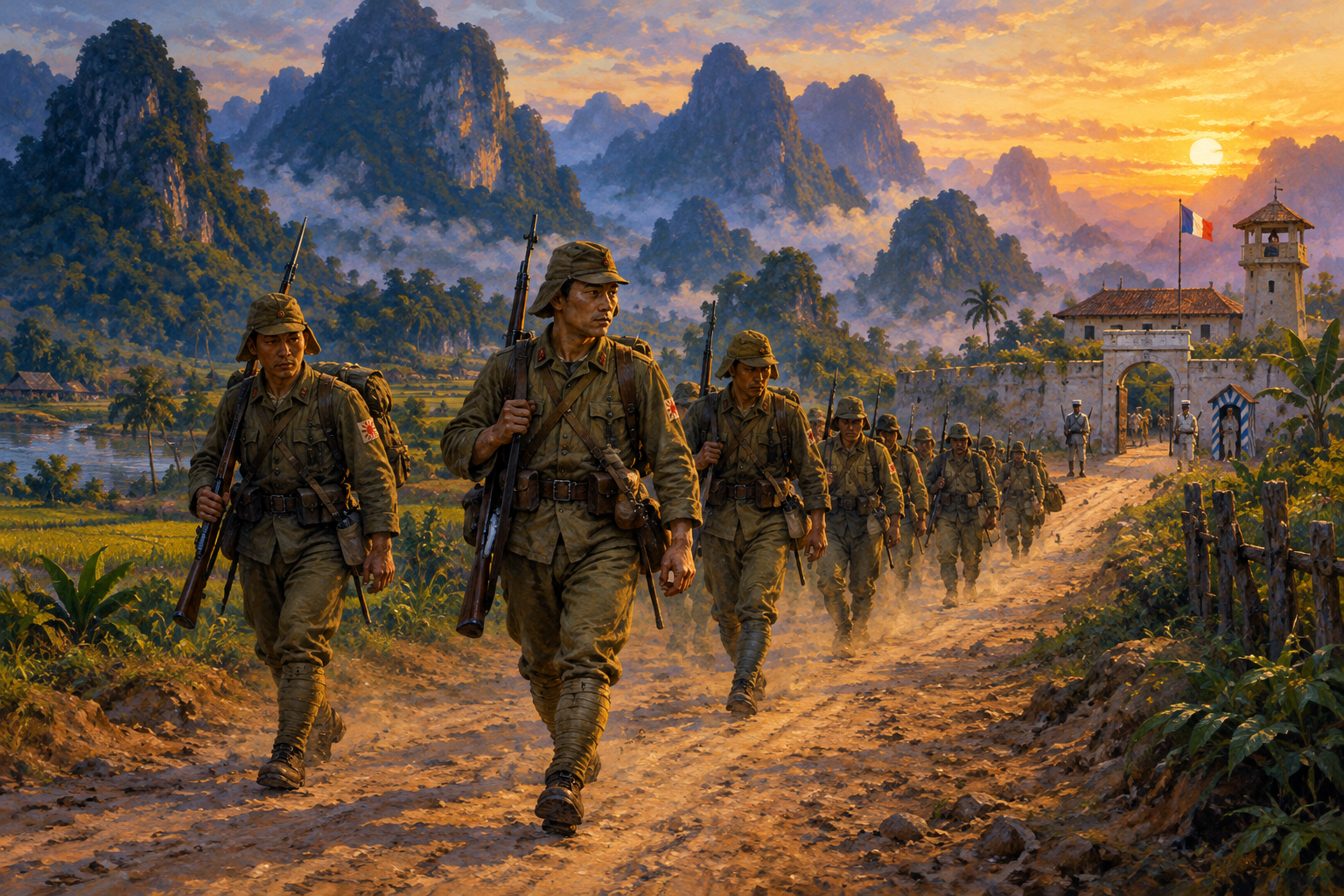
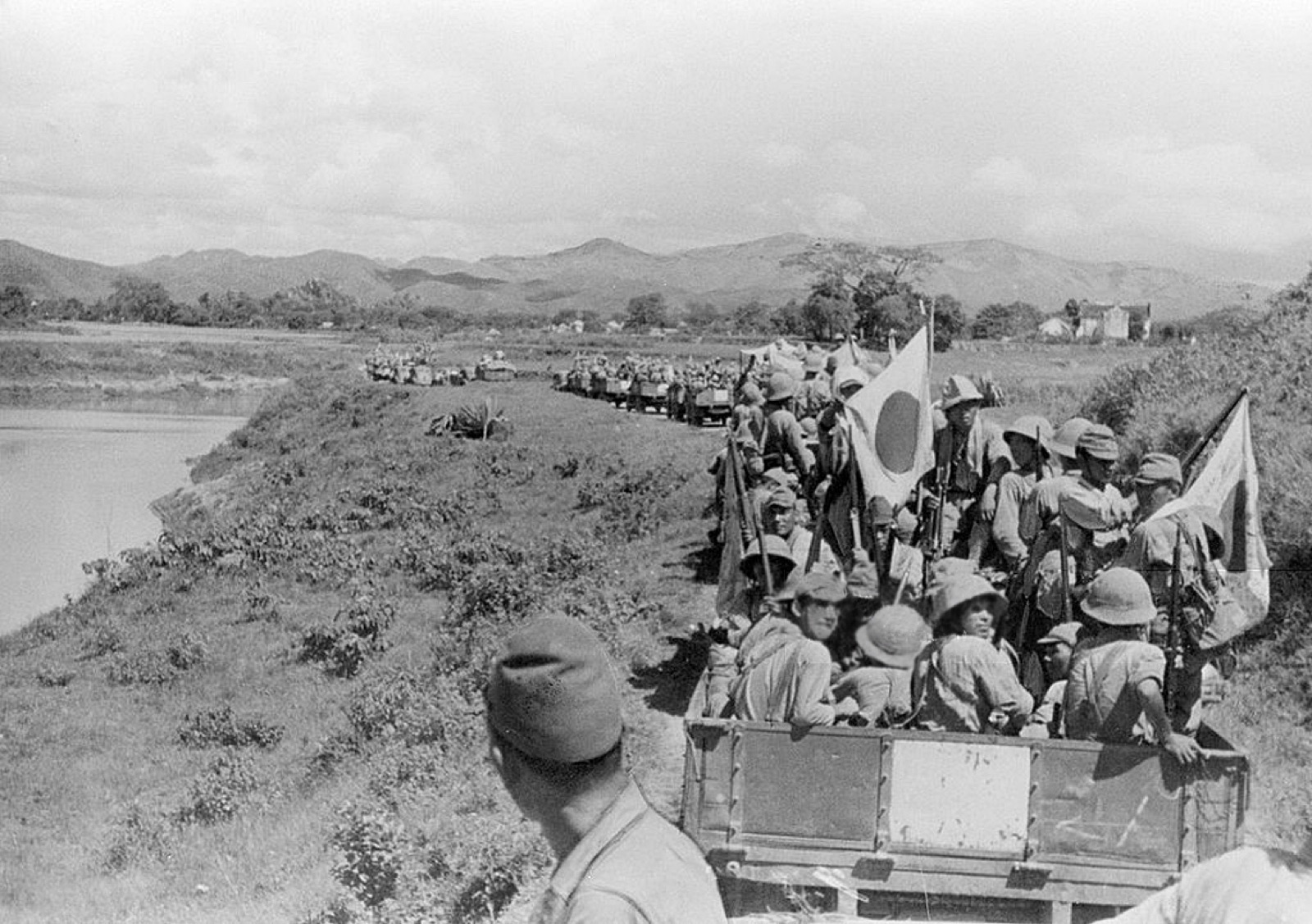
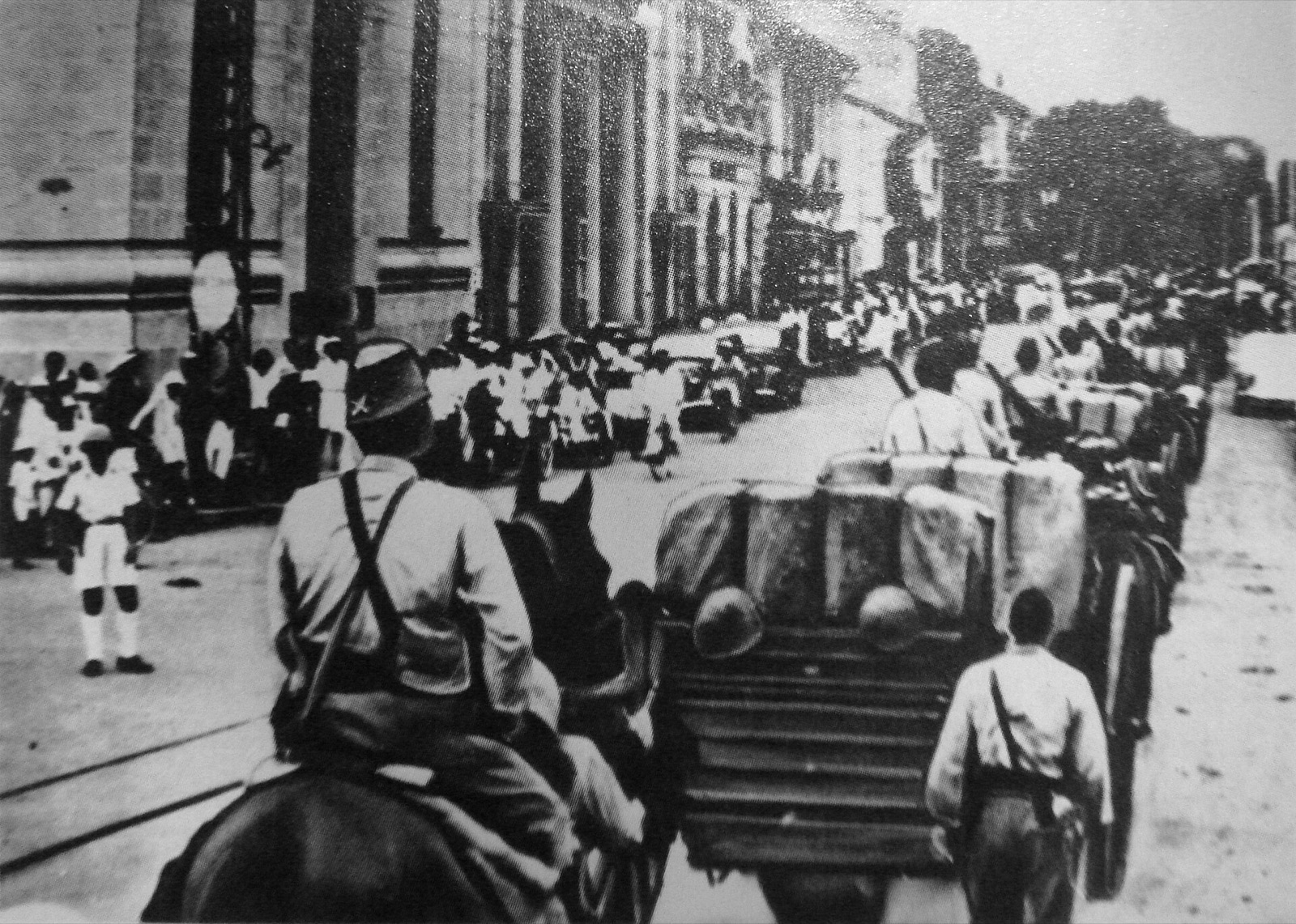
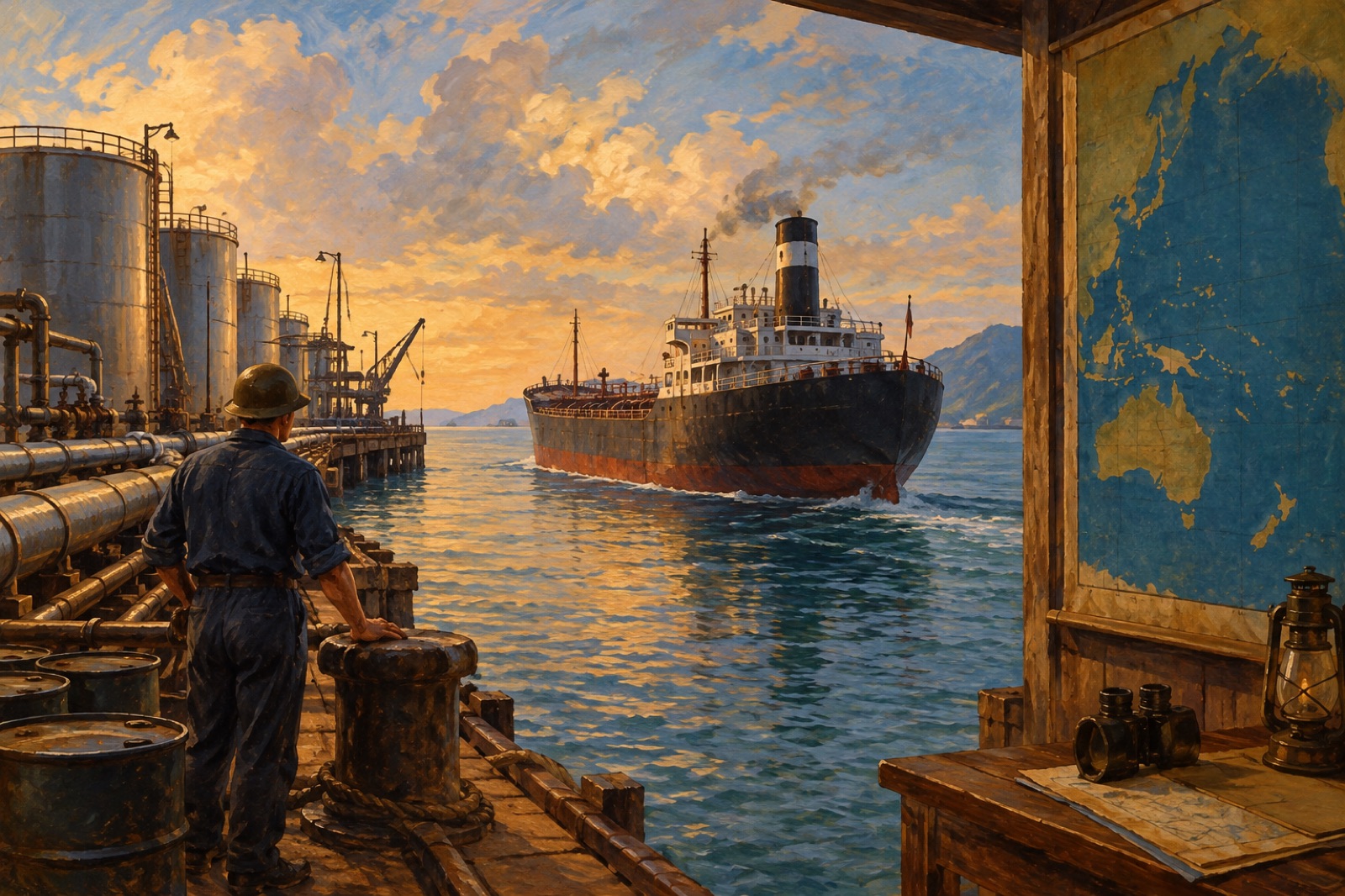
The Japanese invasion of French Indochina came in two stages. In September 1940 Japanese forces crossed into northern Tonkin on the same day an agreement with the French was signed, and fought French troops at the border that night. In July 1941 Japanese forces moved into southern Indochina after the colonial authorities had accepted Japan's demands, and the occupation of southern bases began on 24 July. The southern move helped bring on the US oil embargo of 1 August 1941, and that embargo pushed Japan closer to the war it began in December.
This page sits under Vietnam's Dynasties and French Rule (1428–1945). French Indochina covered what is now Vietnam, Laos and Cambodia. Its colonial administration, based in Hanoi, stayed formally in charge for most of the period described here, even as Japan set the terms.
In five minutes: why Japan moved into Indochina
Japan had been at war with China since 1937. Much of the Western aid that reached Chiang Kai-shek's government came through French Indochina, including the railway from Haiphong into Yunnan. Tokyo wanted that route closed. It also wanted bases closer to Southeast Asia, where Britain, the Netherlands and the United States held colonies rich in oil and rubber.
France's defeat by Germany in June 1940 weakened the colony's position. On 19 June Tokyo began pressing Governor-General Georges Catroux to close the supply route to China, and he accepted. Vichy then replaced him in the summer with Jean Decoux, a French naval officer, who held the post until Japan removed the French administration in March 1945. Decoux had little room to refuse Tokyo.
The two moves differed in character. The northern move was a forced entry that ended in a short armed clash. The southern move followed an arrangement the Vichy side had accepted, and it went almost without fighting. That difference is why exam papers usually treat the two episodes separately.
Tokyo's planners saw the Indochina route as a way to press China without a direct war with France, and that logic shaped both moves. The north used the threat of force against a weakened colony. The south rested on an arrangement with a Vichy government that had little power to resist. Both aimed to cut China's supply and secure a base for the wider war.
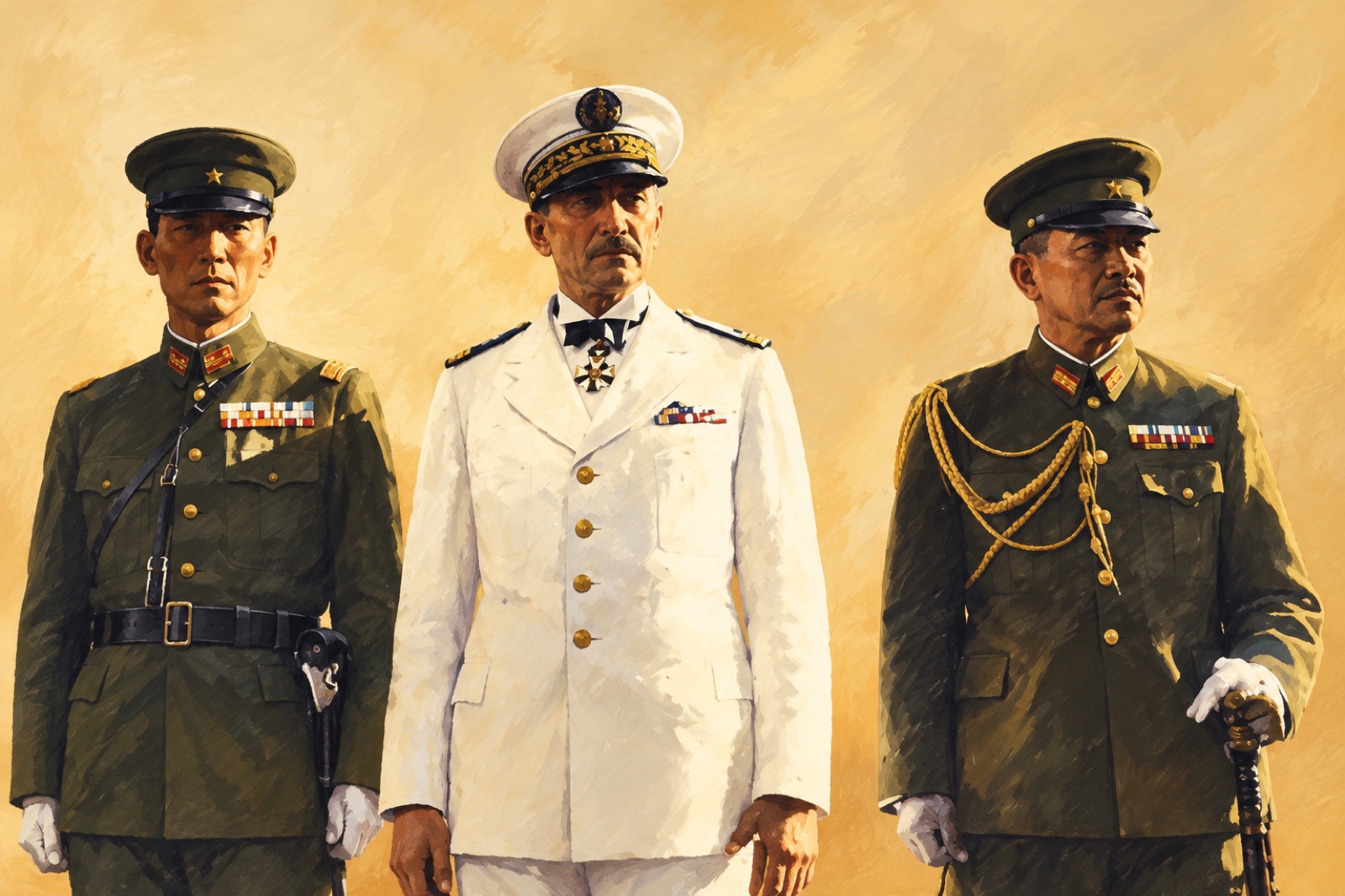
Key people
- Georges Catroux, governor-general until the summer of 1940, who accepted the demand to close the supply route.
- Jean Decoux, a French naval officer who governed the colony for Vichy France from the summer of 1940 until March 1945.
- General Maurice Martin, who signed the agreement with Nishihara Issaku on 22 September 1940.
- Nishihara Issaku, the Japanese negotiator who issued the ultimatum of 18 September 1940.
- Matsuoka Yōsuke, Japan's foreign minister, who approved a French draft in August 1940 and left the foreign ministry in a mid-July 1941 cabinet reshuffle.
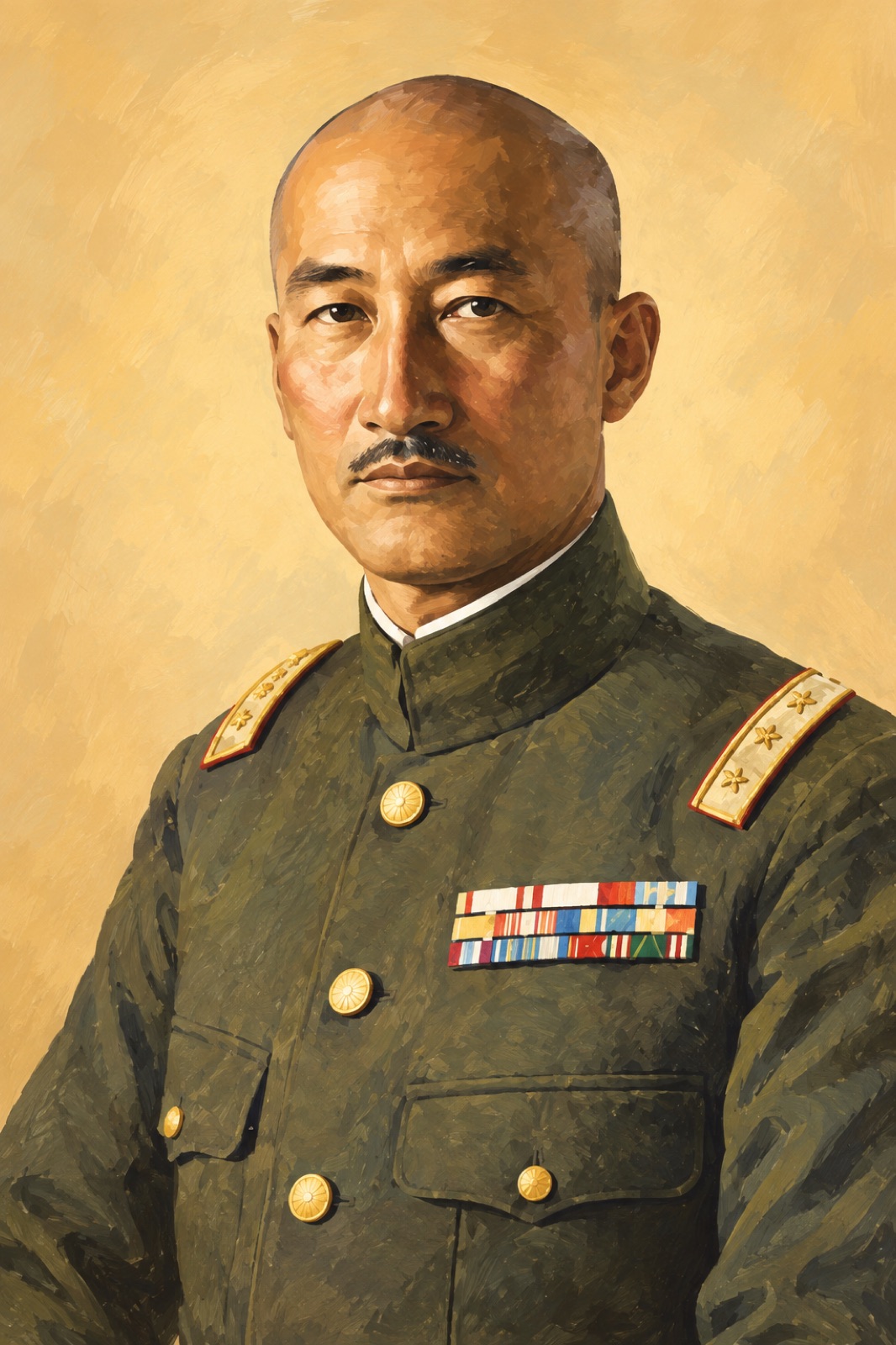
- Tominaga Kyōji, a Japanese army officer shown in a 1940 photograph of talks with Decoux.
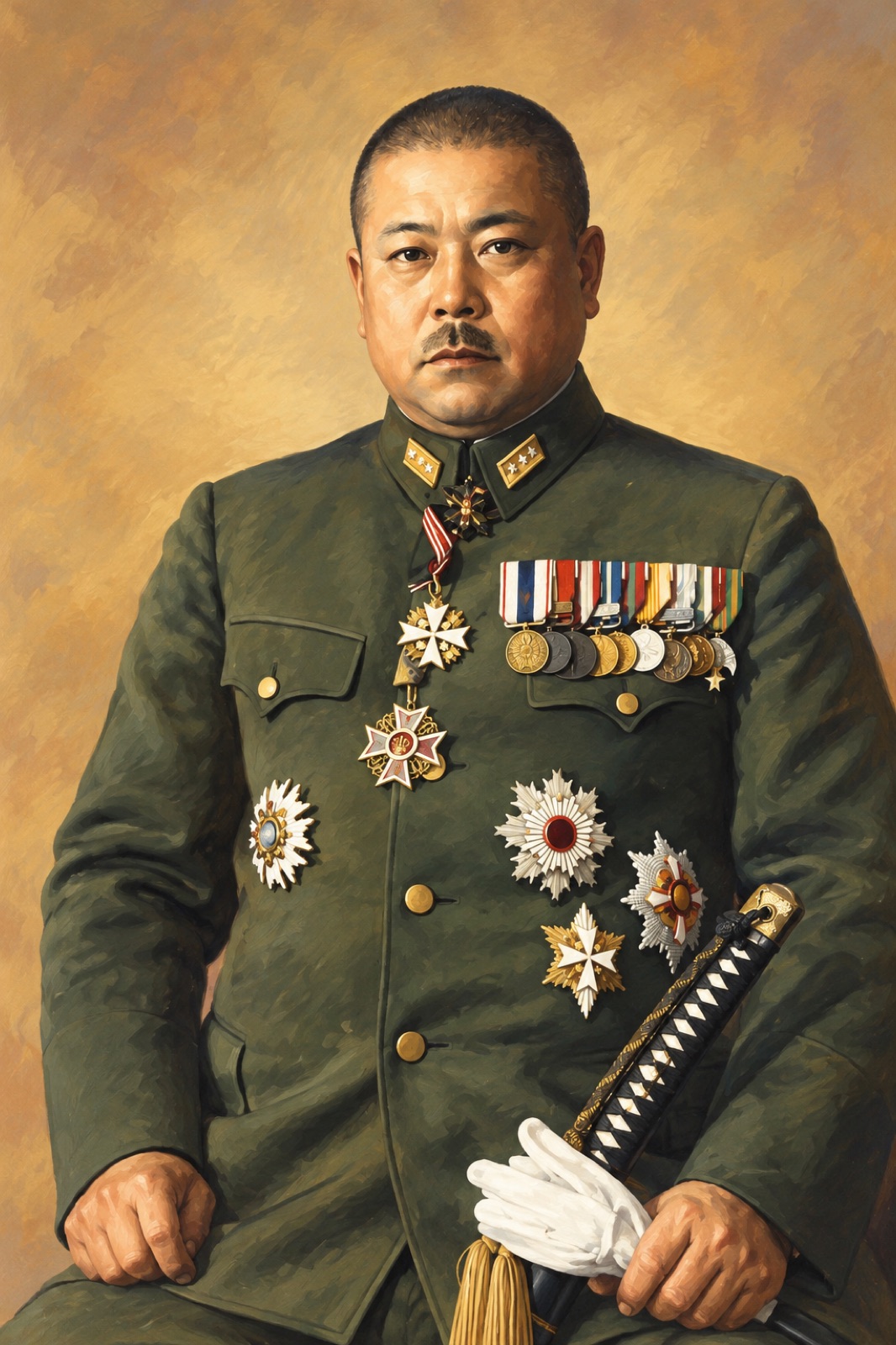
- Yamashita Tomoyuki, who led the 25th Army in the Malaya campaign that began on 8 December 1941.
- Terauchi Hisaichi, who commanded the Southern Expeditionary Army, formed in Tokyo in November 1941.
Stage one: the north, September 1940
Northern talks took shape in Tokyo in late August 1940. On 30 August Foreign Minister Matsuoka Yōsuke approved a French draft, but the military arrangements in Hanoi were still unsettled in early September. The Japanese army wanted large numbers of troops and airfields, and asked for 25,000 men.
Talks then stalled. On 18 September Nishihara Issaku issued an ultimatum: Japanese troops would enter Indochina at 10 p.m. on 22 September, whatever the French decided. On 21 September the army's request was cut from 25,000 to 6,000 men.
The French gave way with hours to spare. On 22 September General Maurice Martin signed an agreement with Nishihara about seven and a half hours before the deadline. It provided for about 6,000 Japanese troops to be stationed in Tonkin, north of the Red River, and allowed Japanese forces to pass through Indochina. The French account of the terms that reached Washington gave Japan the occupation and use of three air bases, and a first contingent of about 1,000 men was to land at Haiphong.
The pattern is worth noticing. Japan kept the deadline fixed while the troop request fell, so the French had to decide within a few hours. The first demand for 25,000 men shows how far the planners wanted to go, and the cut to 6,000 shows how much the threat of force could win in a single week.
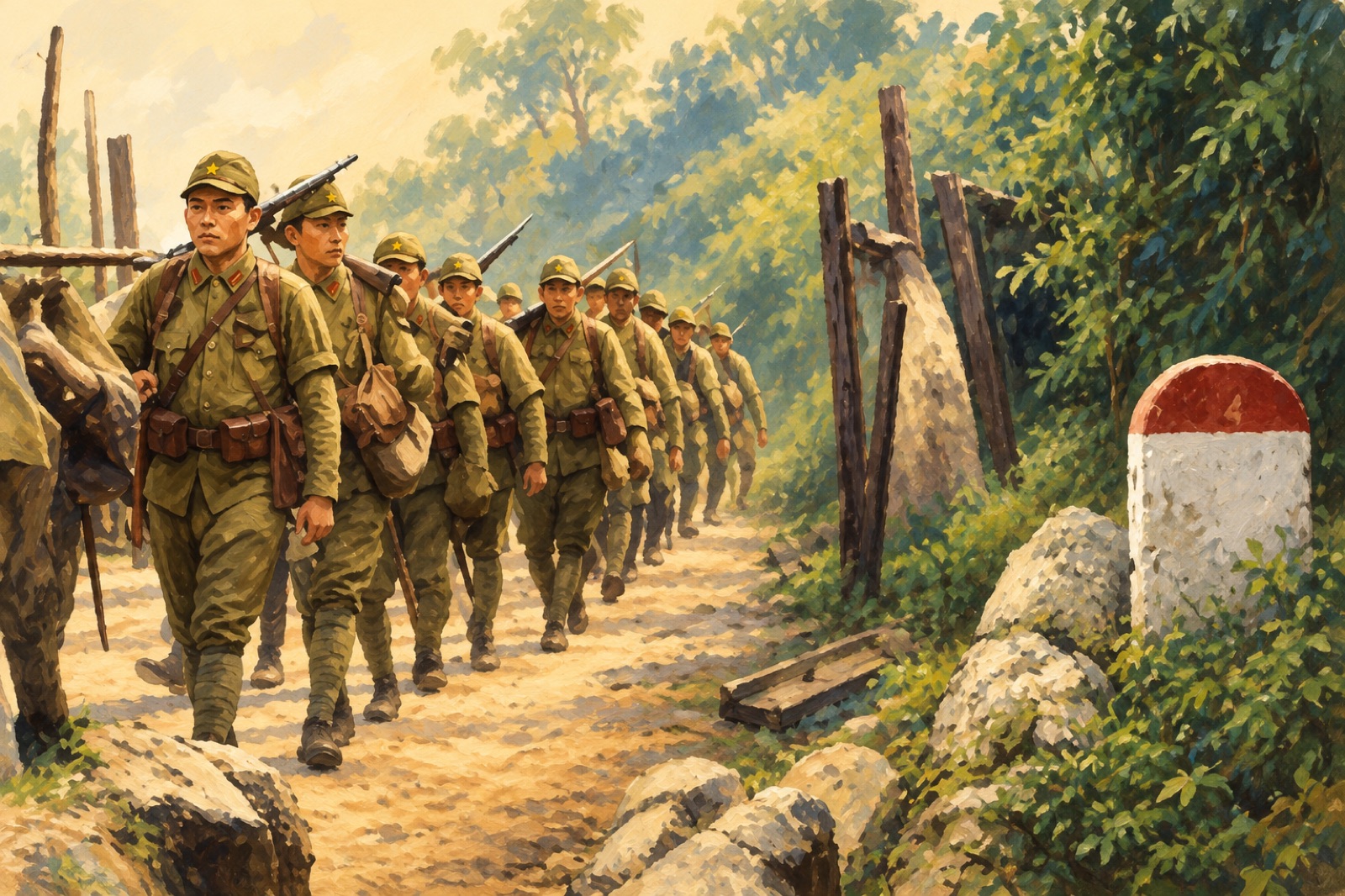
The agreement did not settle the matter on the ground. The 5th Division did not wait for its arrangements to take effect. Its units crossed the border near Đồng Đăng on the night of 22 September and fought French forces there, and the fighting spread to other border posts. Crossing and fighting before the agreed terms were in place broke the agreement signed that day, and it turned a negotiated entry into an armed one.
The units advanced on Lạng Sơn, the French garrison town on the rail line to China. Aircraft from the carrier Hiryu attacked French coastal positions on 24 September. The Lạng Sơn garrison surrendered on 25 September after about three days of fighting, and both sides suffered losses.
On 25 and 26 September Japanese troops came ashore at Đông Tác, south of Haiphong. By early afternoon about 4,500 men and about a dozen tanks were ashore near the colony's main port. The northern entry was largely complete by the end of September, and the larger problem lay in the south.
Stage two: the south, July 1941
By mid-1941 Tokyo was looking south. Talks with the Dutch East Indies over oil had broken down in June, and Germany invaded the Soviet Union the same month. On 2 July an Imperial Conference adopted a revised national policy that pressed the southward advance, with Indochina as the first step. In mid-July a cabinet reshuffle removed Matsuoka from the foreign ministry.
The order of events in July matters most for exam answers. By 23 July the French authorities in Indochina had reached an understanding with Japan on the use of airfields and harbours in the south. The French side had therefore accepted the arrangement before any occupation began.
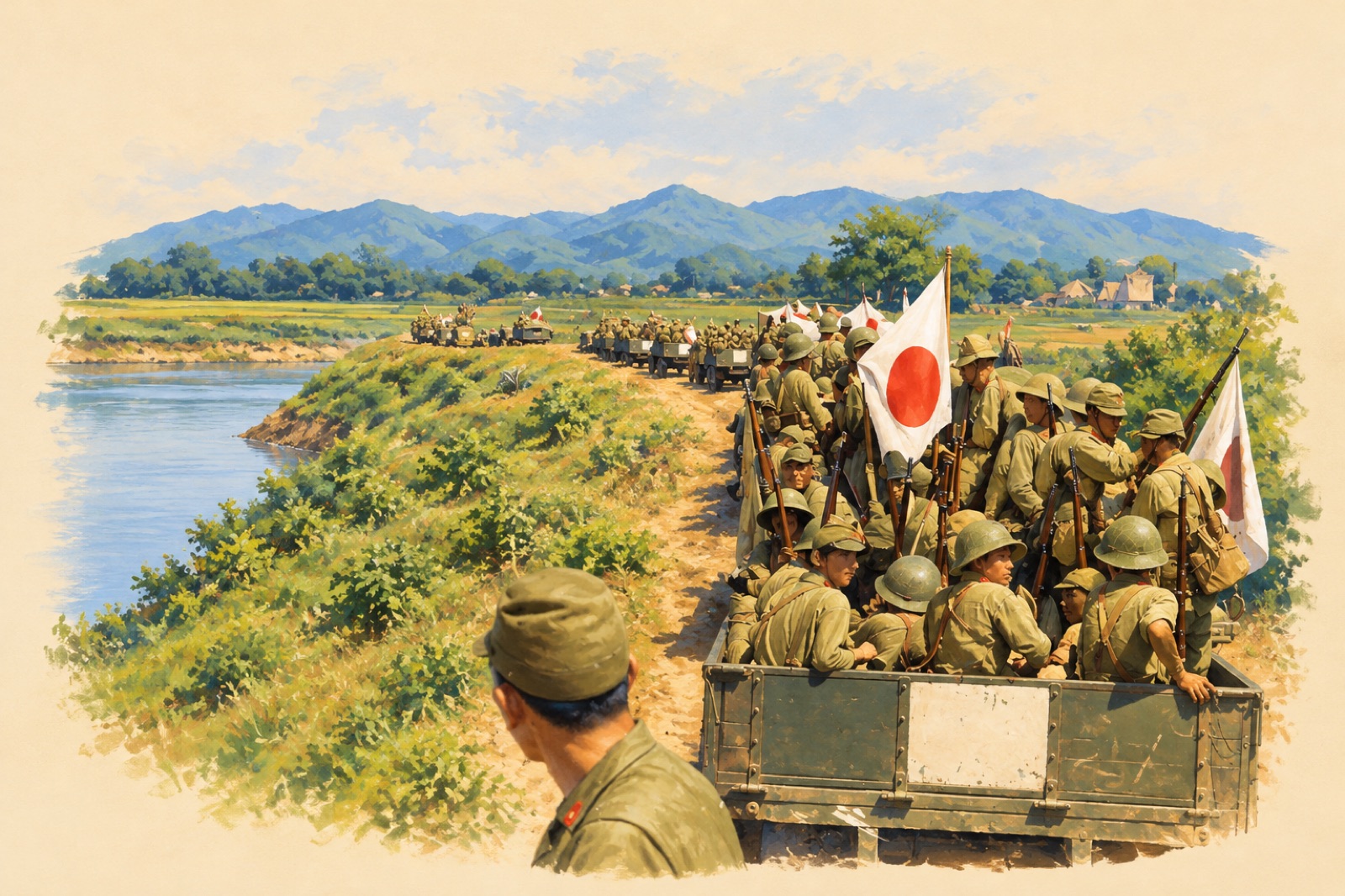
Japanese forces began occupying airfields and bases in the south on 24 July, including airfields around Saigon, according to a detailed chronology of Japanese naval operations. The main landings followed in the last days of the month.
The Franco-Japanese protocol on the common defence of Indochina was signed at Vichy on 29 July and took effect the same day. It formalised a move that had already begun, rather than starting it. Under the protocol the French administration stayed in place, while Japanese forces garrisoned the southern bases.
For readers, the southern move is easiest to remember as four dates: an understanding reached by 23 July, the first occupation on 24 July, the protocol on 29 July, and the American response on 1 August. Each step built on the one before.
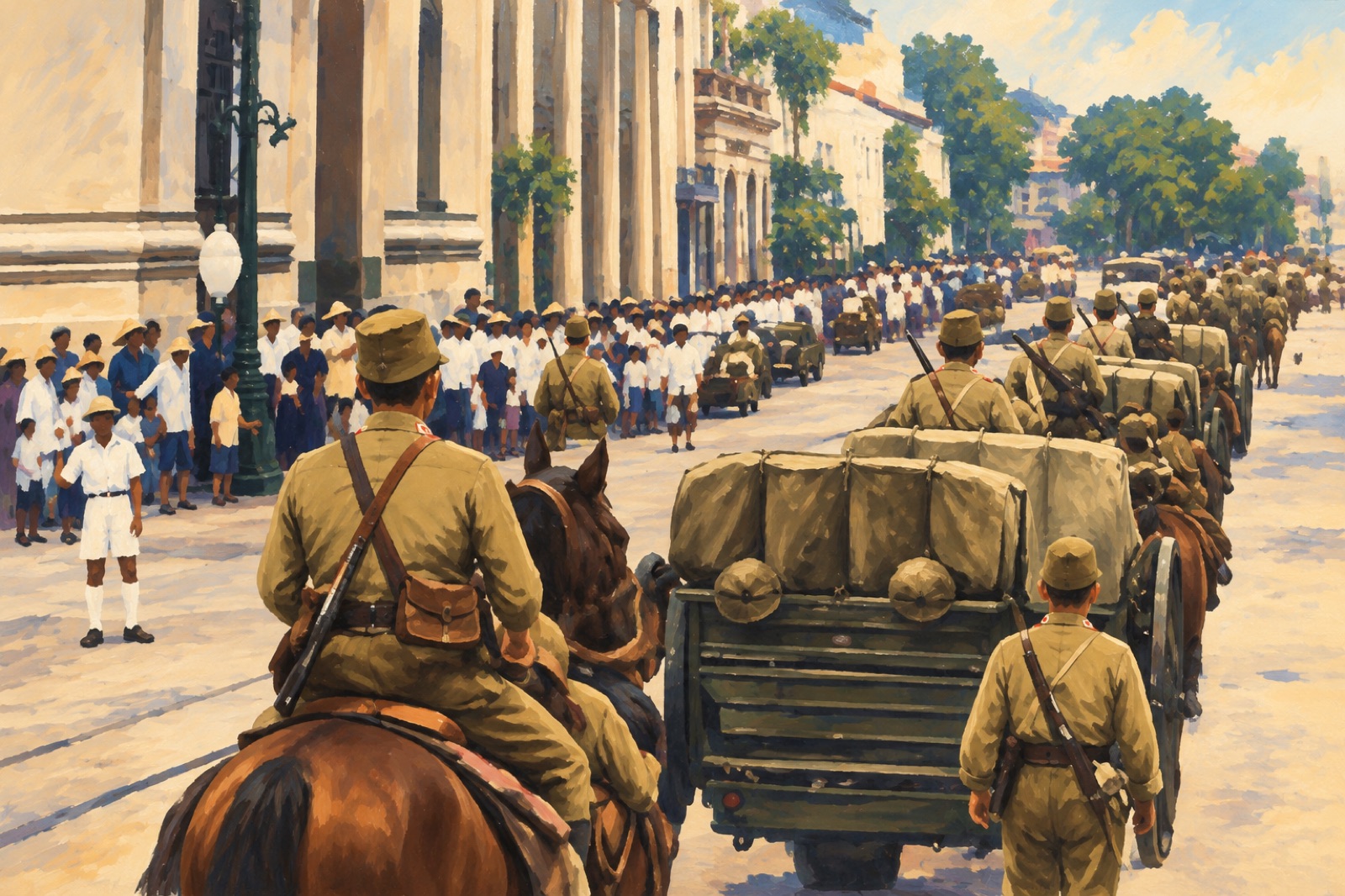
In early August, the American consul in Saigon, Peter Flood, reported that Japanese forces numbered 40,000 or more and were garrisoning the military, naval and air bases in the south. He judged French sovereignty to be largely nominal. Because the entry went almost without fighting, it is often called a peaceful occupation.
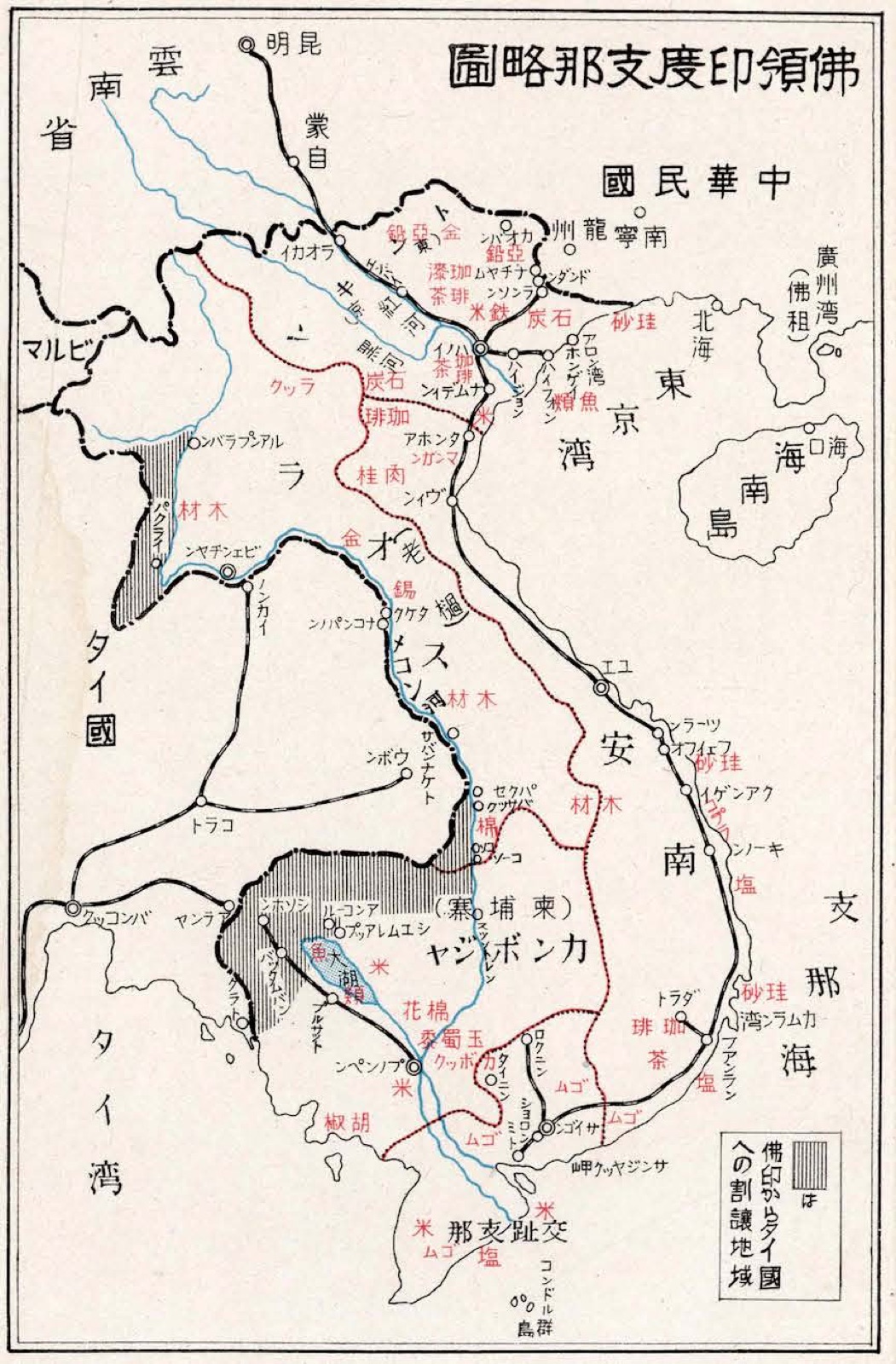
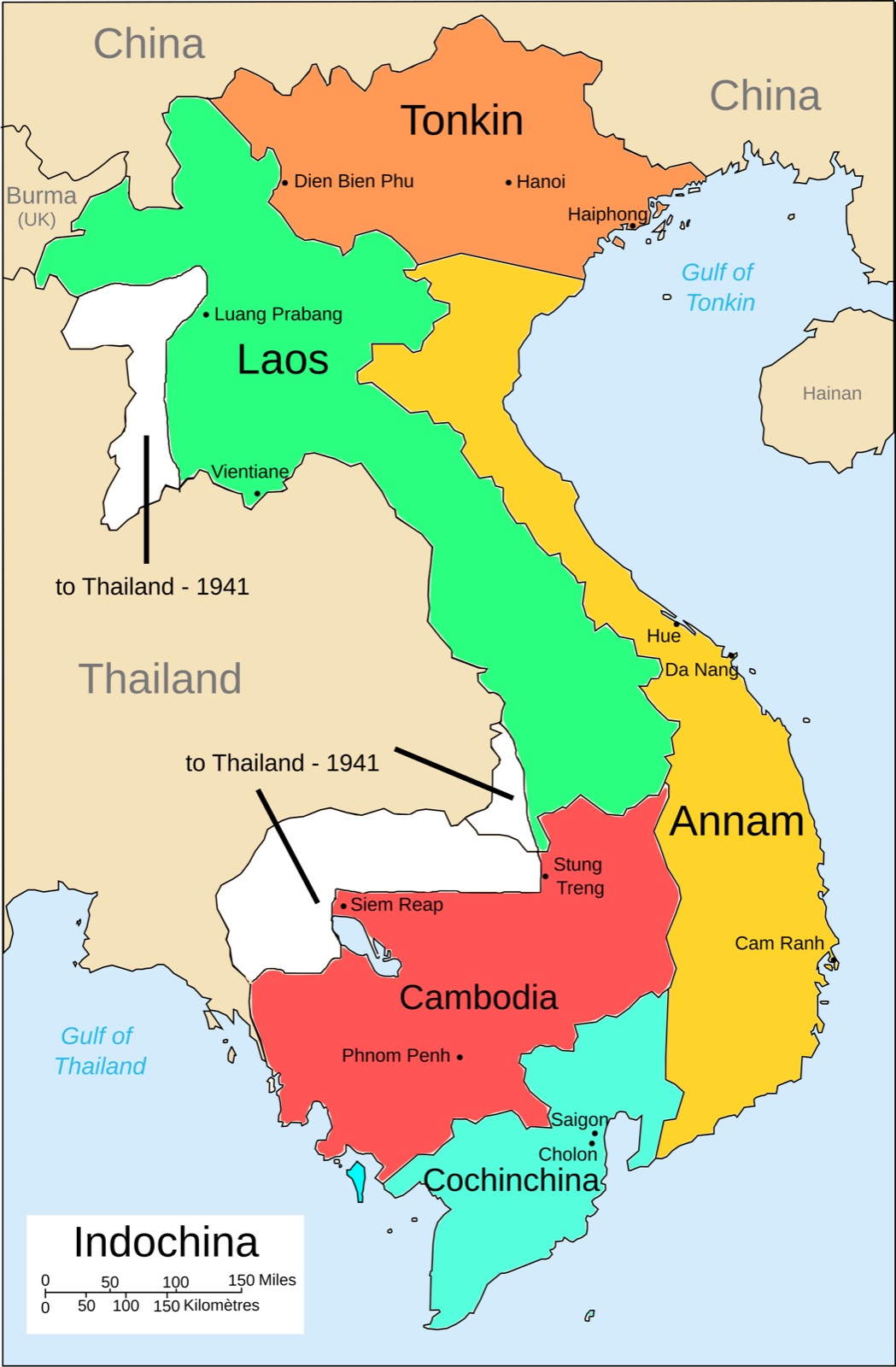
Read the map from north to south. Tonkin is the northern region where the 1940 entry took place. Annam lies in the centre, and Cochinchina, around Saigon, is the southern region where the 1941 landings came. Cambodia and Laos completed the colony.
Yamashita Tomoyuki is best known for leading the 25th Army in the Malaya campaign, which began on 8 December 1941. That campaign came after the southern move, and the two belong to separate stages. Keep them apart in exam answers.
Why the oil embargo followed
On 26 July 1941 President Roosevelt signed Executive Order 8832, which froze Japanese assets in the United States and brought Japanese financial and trade transactions under government control. It came in the same week that Japanese forces entered the south.
On 1 August the US government revoked all valid licences for petroleum exports, except to a short list of exempt destinations. Japan was not on that list, so shipments under existing licences to Japan had to stop, and any later shipments needed separate licences.
Japan imported much of its oil, and the United States was its largest supplier. The August step therefore widened a pressure that was already building. For the navy, the question became how long its fuel stocks would last, and for the army the southern plans depended on the same supply.
Washington presented these steps as a reply to the move into the south. In Japan, the American, British, Chinese and Dutch measures were described as an ABCD encirclement, a ring closing around the country. The phrase made the embargo look like part of a wider containment.
On 26 November the US Hull note asked Japan to withdraw its forces from China and French Indochina. Japan's leaders decided on war. The imperial declaration of war, dated 8 December Tokyo time, followed the attack on Pearl Harbor, which took place on 7 December in Hawaii.
What the move changed
The Southern Expeditionary Army was formed in Tokyo on 5–6 November 1941, under Terauchi Hisaichi. It was set up to direct the coming campaigns across Southeast Asia. Its headquarters moved to Singapore in September 1942 and, after a spell in Manila, to Saigon in May 1944.
The oil question sharpened the southern plan. Talks with the Dutch East Indies had failed over oil supplies in June, and the August step made that need more urgent. Japan's leaders faced a choice between giving up the southern plan and securing supplies by force.
For the French, the arrangement meant less control and more oversight from Tokyo. For Vietnamese people, it meant living under two layers of foreign power. In March 1945 Japan removed the French administration and took direct control. That coup is covered in our article on Operation Meigō.
Key numbers
- 18 September 1940: Nishihara's ultimatum sets a 10 p.m. deadline on 22 September.
- 21 September 1940: the request for Japanese troops is cut from 25,000 to 6,000.
- 22 September 1940: the Martin–Nishihara agreement allows about 6,000 troops north of the Red River and use of three air bases.
- Night of 22 September 1940: Japanese units cross the border before the agreement's arrangements take effect.
- 25 September 1940: the Lạng Sơn garrison surrenders after about three days of fighting.
- 25–26 September 1940: about 4,500 men and about a dozen tanks land at Đông Tác.
- 26 July 1941: Executive Order 8832 is signed, freezing Japanese assets in the United States.
- 29 July 1941: the Franco-Japanese protocol is signed at Vichy and takes effect.
- 1 August 1941: the US revokes valid petroleum export licences, and Japan is not exempt.
- Early August 1941: the US consul in Saigon reports 40,000 or more Japanese troops in the south.
- 5–6 November 1941: the Southern Expeditionary Army is formed in Tokyo.
What exams ask
Exams usually test cause and effect. A strong answer runs as a chain: the war with China and the aid routes shaped the northern move; France's defeat weakened Vichy's hold on the colony; the southern move brought Japanese forces deeper into Indochina; and the American response made war more likely. Papers often use a timeline or a document excerpt, so know which move came first and which arrangement it rested on.
- Keep 1940 and 1941 separate. The first was a forced entry with a short fight; the second was a larger move under an arrangement the French side had accepted.
- Name the agreements and their dates: 22 September 1940 for the north and 29 July 1941 for the protocol in the south.
- Put the southern sequence in order: understanding by 23 July, occupation from 24 July, protocol on 29 July.
- Treat the oil embargo as a response to the southern move, not as its cause.
- Use the ABCD encirclement to show how Japanese leaders read Western pressure.
For AP-style essays, Indochina is a good case study of how a dispute over one region can widen into a war across the Pacific. Name the dates, the agreements and the economic pressure, then judge how far the embargo, rather than Japan's own earlier decisions, pushed Japan toward war.
Read next
Operation Meigō (1945), the Famine and the Japanese Soldiers Who Stayed picks up the story when Japan removed the French authorities. Read it to see how the colony's fate was settled in the final months of the war.
French Indochina (1887–1945) explains the colonial system that these two Japanese moves ran through, and why the French stayed in charge on paper.
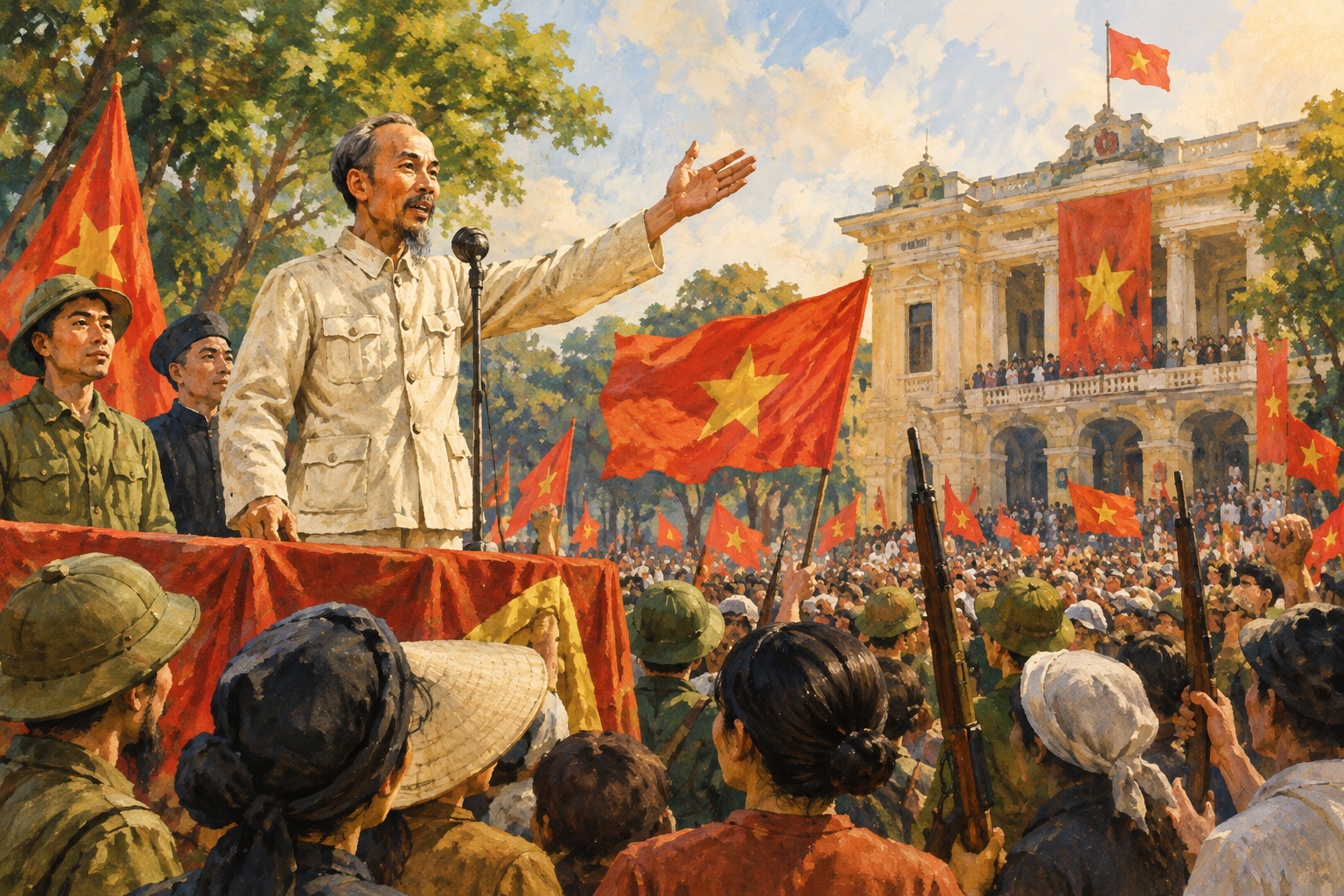
The Viet Minh and the August Revolution (1945) follows the independence movement that moved into the power gap after Japan's surrender.