In five minutes: what Common Sense was
Common Sense by Thomas Paine is the most influential pamphlet of the American Revolution. It appeared in Philadelphia on 10 January 1776, at a moment when colonists had been fighting British troops for nine months but still mostly called themselves loyal subjects of the king. Paine told them the quarrel could not be patched up. America, he argued, should declare itself independent, and it should do so as a republic with no king. It is a key text in the story told in The American Revolution: Causes, War and Independence.
What made it unusual was the voice. Paine was not a lawyer or a landowner. He was an English-born former corset maker and tax officer who had reached Philadelphia only in November 1774. He wrote for shopkeepers, farmers and sailors, using short sentences, blunt images and arguments from the Bible and everyday life instead of legal Latin. The first edition carried no name; the title page said only that it was written by an Englishman.
Background: why 1776 was ready for it
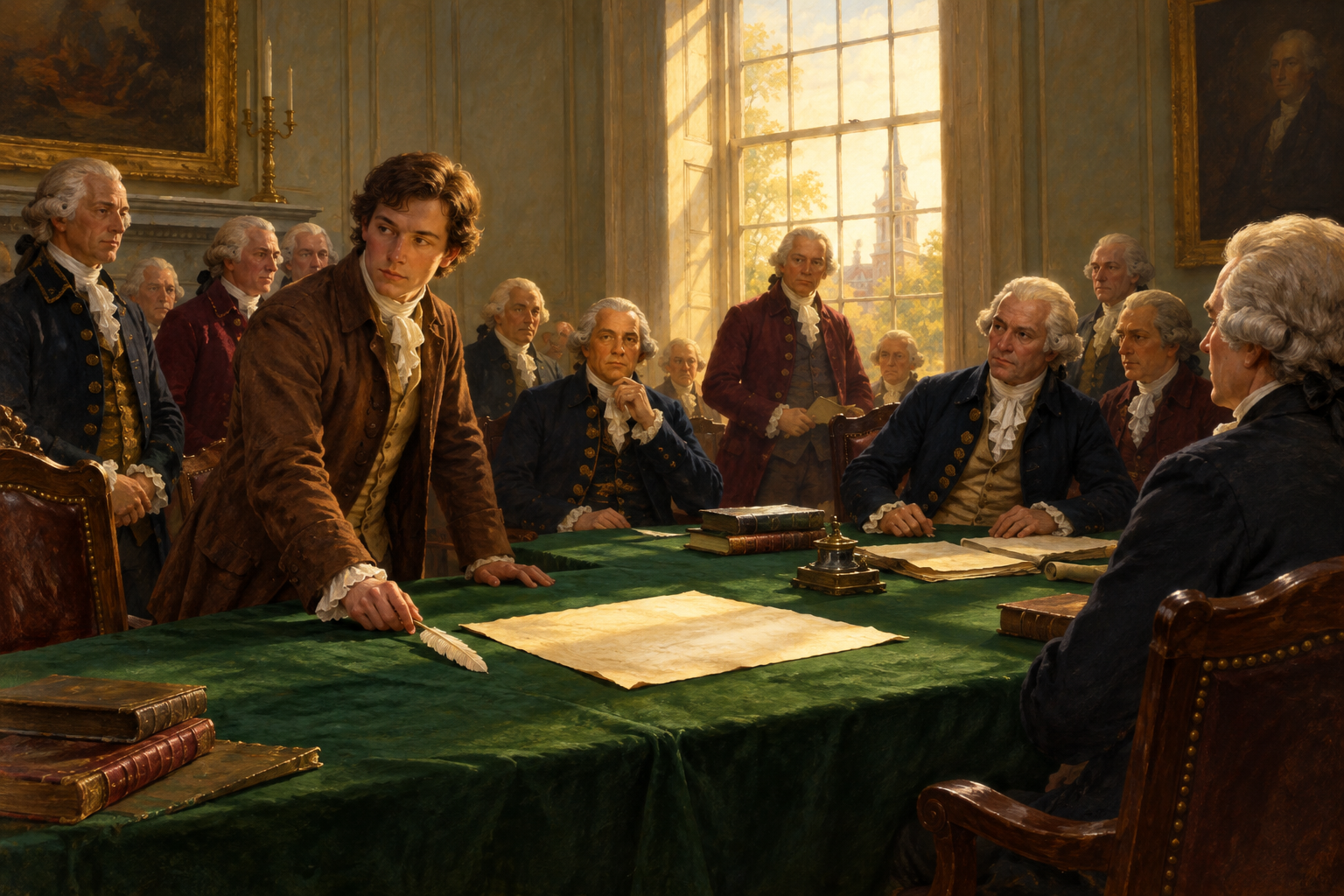
The war had started at Lexington and Concord in April 1775, and the Continental Army was already besieging Boston. Yet the aim of most colonial leaders was still to win their rights inside the empire. The Second Continental Congress had sent the Olive Branch Petition to George III in the summer of 1775, appealing to the king over the heads of Parliament. He refused to receive it, and in August he declared the colonies to be in open rebellion.
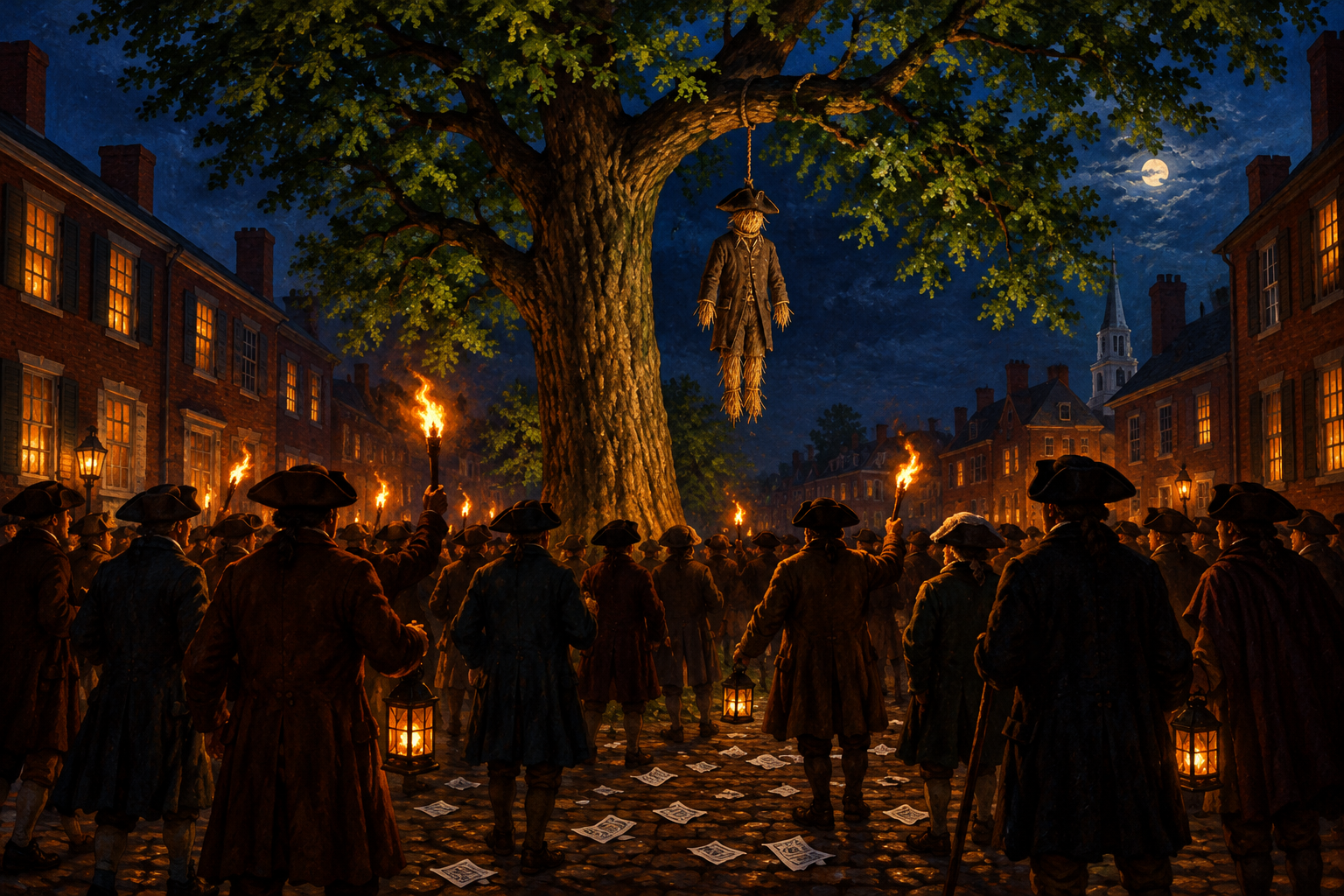
By the winter, news arrived that the king had called the colonists rebels in his speech to Parliament and that Parliament had passed a law cutting off American trade by naval blockade. Many colonists felt both loyal and betrayed. Paine gave that feeling a direction. His message was that the king himself, not just his ministers, was the problem, and that a king was a bad idea in the first place.
What Paine argued
The pamphlet has an introduction and four parts. Each builds on the one before.
Government and the English constitution
The first part, on the origin and design of government, separates society from government. Society, Paine said, comes from people's needs and is a blessing. Government comes from human failings and is, at best, a necessary evil, so it should be as simple as possible. He then examined the English system, which many colonists admired. He argued that it mixed a few republican parts with the leftovers of monarchy and aristocracy, and that its praised balance in practice let the crown dominate.
Monarchy and hereditary rule
The second part attacks kings directly. Paine said that no one is born with a natural right to rule others, and that inheriting power is absurd because heirs may be fools or tyrants. He also used scripture: the Old Testament, he argued, shows the Israelites asking for a king as a kind of sin, which was a strong point for a very religious audience. He described the English royal line as beginning with a conquest by force, not with any divine plan.
The present state of American affairs
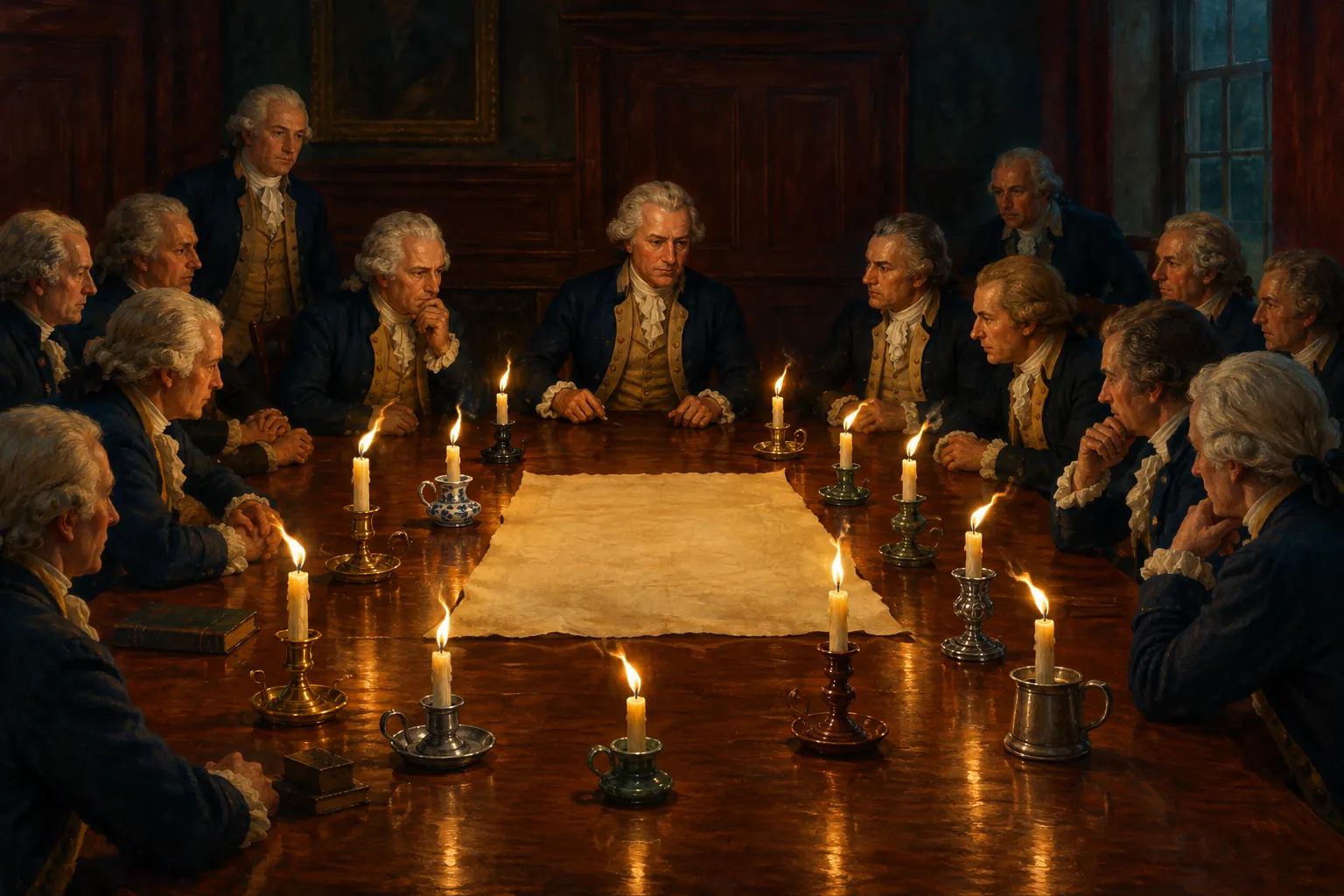
The third part is the emotional centre. Paine said the colonists had already crossed the line: blood had been shed, so talk of reconciliation was an illusion. He gave practical reasons for separation. Britain protected America for its own interest, not out of kindness. Trade with Europe would continue after independence. A small island could not sensibly govern a whole continent from three thousand miles away. He warned that delay would only deepen the conflict. The part also holds the pamphlet's best-remembered idea: that the cause of America was in great measure the cause of all mankind. Paine then suggested calling a continental conference to write a charter of the colonies with fair representation and a clear division of powers. In a famous image he said that in America the law is king, so there would be no need for one.
America's ability
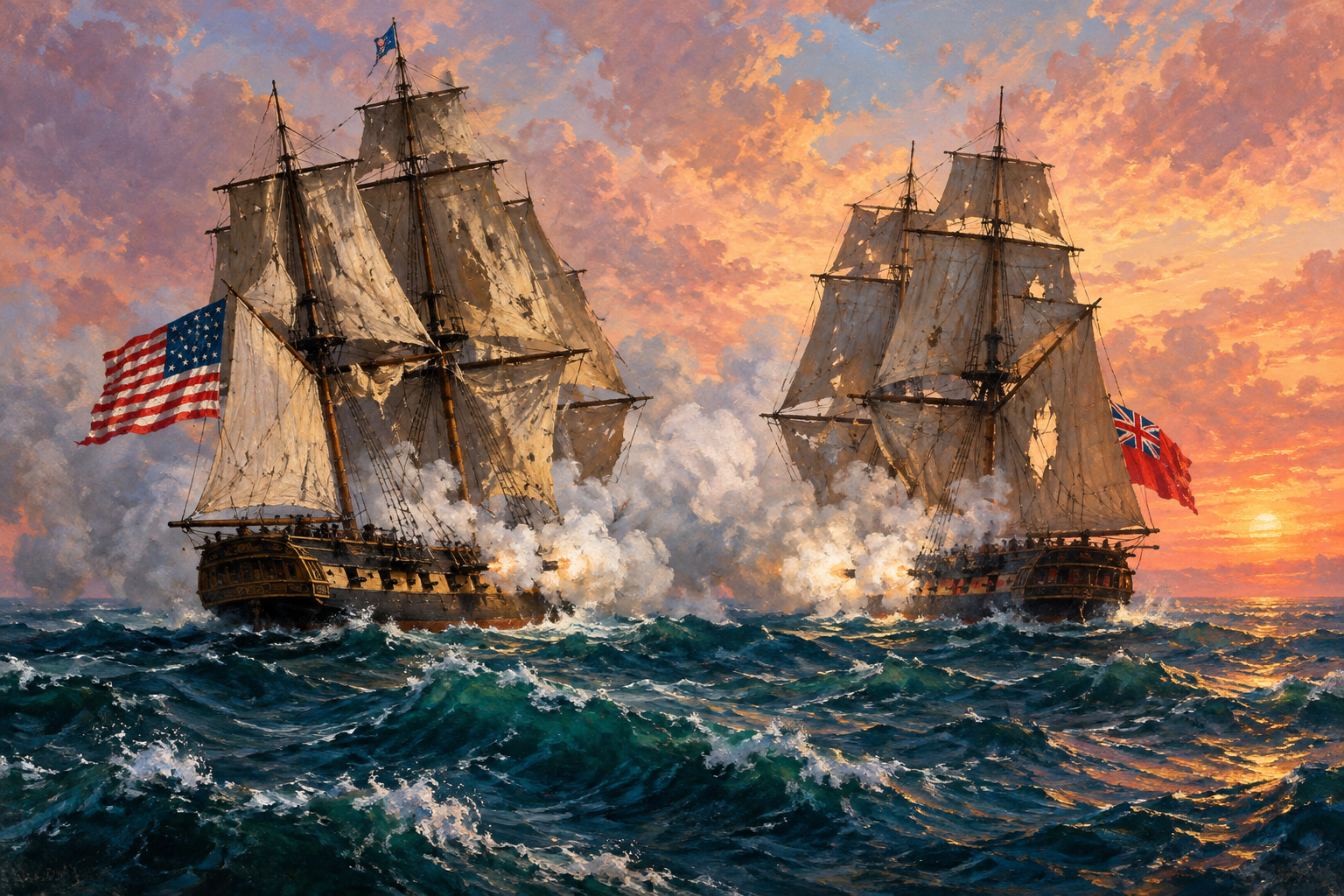
The last part answers the question of whether the colonies could win. Paine counted population, timber, iron and shipbuilding capacity, and argued that the colonies had the means to build a navy and raise an army. His point was that America was strong enough to act now and would not grow more ready by waiting.
What happened next
Common Sense was reprinted in colony after colony and was read aloud in taverns and army camps. Exact sales figures are uncertain, and estimates for 1776 run from about 100,000 to several hundred thousand copies, a huge number for a population of about two and a half million. Paine said he wanted no profit from it, and he quarrelled with his first publisher, Robert Bell, over a second edition. Soon it was clear who the "Englishman" was.
Reactions were mixed. George Washington wrote at the end of January that its reasoning was having a strong effect on opinion. John Adams admired its call for independence but thought Paine's ideas about government too democratic, and wrote his own plan for state governments in response. Loyalists replied with pamphlets such as James Chalmers' Plain Truth, which warned that independence would bring chaos.
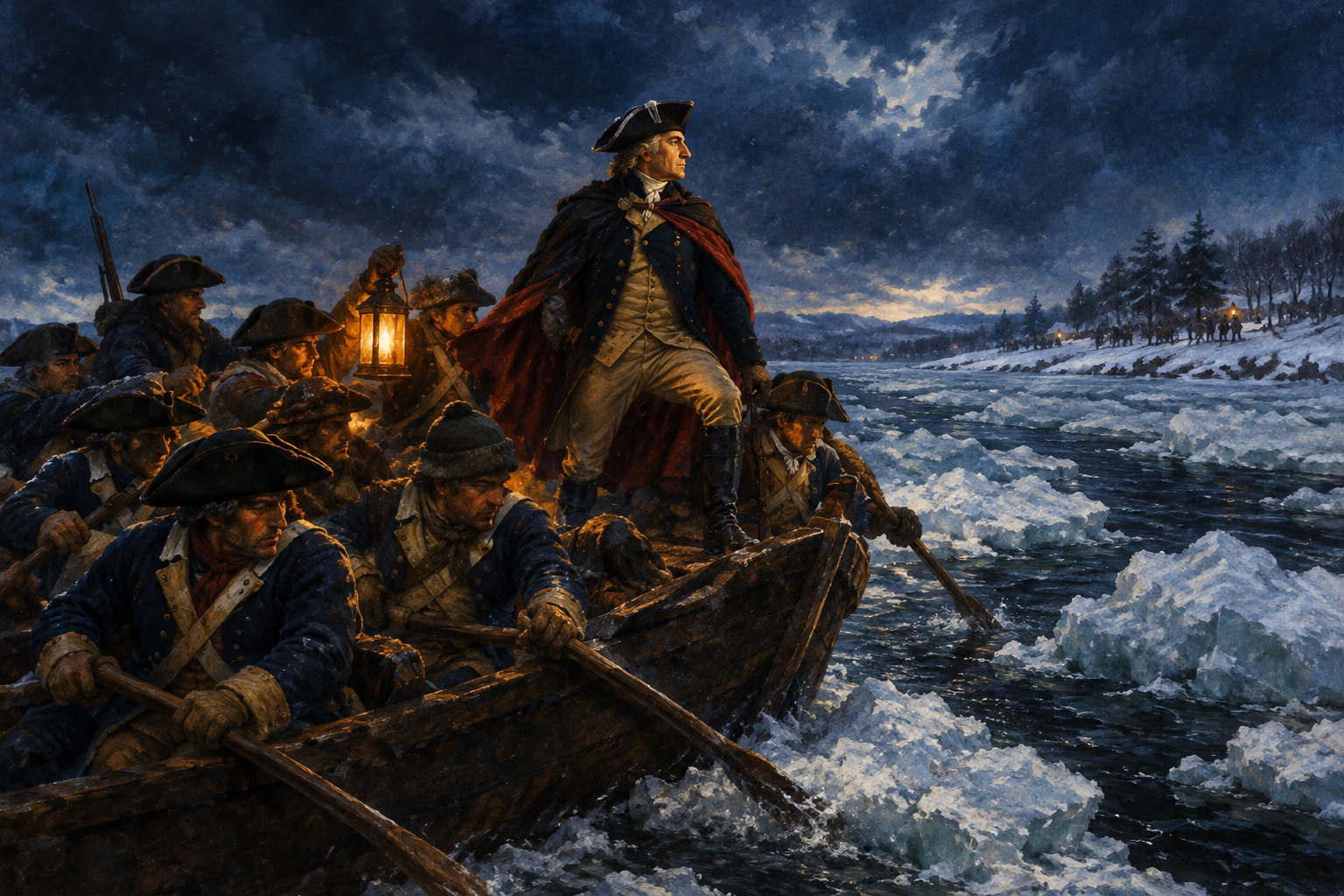
The pamphlet did not by itself cause independence, but it changed what could be said in public. Within a few months, several colonies instructed their delegates to support separation. Congress opened American ports to world trade in April, Virginia called for independence in May, and on 2 July Congress voted for it. The text of the Declaration of Independence was adopted on 4 July 1776. Paine himself joined the army and, in December 1776, began The American Crisis, whose opening line about the times that try men's souls Washington had read to his troops before the crossing of the Delaware.
Why it still matters
Common Sense is a lesson in how ideas travel. It took arguments from Enlightenment political thought, such as natural rights, government by consent and suspicion of inherited power, and put them in a form ordinary people could repeat. Many historians treat it as the first American best-seller. It also helped make the war an argument about the kind of country America would become, rather than only about taxes. The story of the fighting is in The American Revolutionary War (1775–1783).
What exams ask
- Who and when: Thomas Paine, published in January 1776 in Philadelphia, first without his name.
- Main claim: reconciliation with Britain was no longer realistic; America should be independent and a republic, not a monarchy.
- Audience and style: plain language aimed at ordinary colonists, which is why it spread so widely.
- Significance (AP-style): it shifted public opinion toward independence between the fighting of 1775 and the Declaration of July 1776, drawing on Enlightenment ideas.
- Common trap: it is not the Declaration of Independence, and the famous line about the times that try men's souls belongs to The American Crisis, not to Common Sense.
Read next
- The American Revolution: Causes, War and Independence: the full story from the Stamp Act to the peace treaty, with Common Sense in context.
- The Declaration of Independence Explained: the document that put Paine's conclusion into official words.
- The American Revolutionary War (1775–1783): what the army was fighting for once the goal was independence.