In five minutes: the Revolutions of 1848
The Revolutions of 1848, often called the Springtime of Peoples, were a chain of uprisings across Europe between January 1848 and the summer of 1849. So many groups rose at once that the name stuck: liberals who wanted constitutions, workers who wanted bread and jobs, and nationalists who wanted a country of their own. The spark came in Paris in February, but the fuel had been piling up since 1815.
The story fits in three steps. First, rulers panicked and gave way in March 1848: Metternich fled Vienna, the Prussian king promised reforms, and Milan drove out the Austrian army. Second, the revolutionaries split over how far to go and over who counted as “the people”. Third, armies loyal to the old rulers regained control, and by August 1849 the last strongholds had fallen. The movement lost on the battlefield, yet many of its goals were reached later, often under conservative governments.
It is one chapter in the larger story told in our guide to 19th-century Europe: revolutions, nationalism and unification.
Why 1848? The causes
A political order people had outgrown
After Napoleon fell, the great powers met at the Congress of Vienna in 1815 and tried to restore stable monarchies. Prince Klemens von Metternich, the Austrian chancellor, became the symbol of this order. Many states had censorship, informers and no real parliament. But the ideas of 1789, equality before the law and a nation made of citizens rather than subjects, had not gone away. The revolutions of 1830 had already shown cracks in the system.
Nations without nation-states
Germans lived in 39 states loosely tied together in the German Confederation. Italy was split into several states, and Austria ruled Lombardy and Venetia directly. The Habsburg Empire itself held Germans, Hungarians, Czechs, Poles, Croats, Italians, Romanians and others. Each group had its own hopes, and those hopes often clashed with each other.
Hunger and hard times
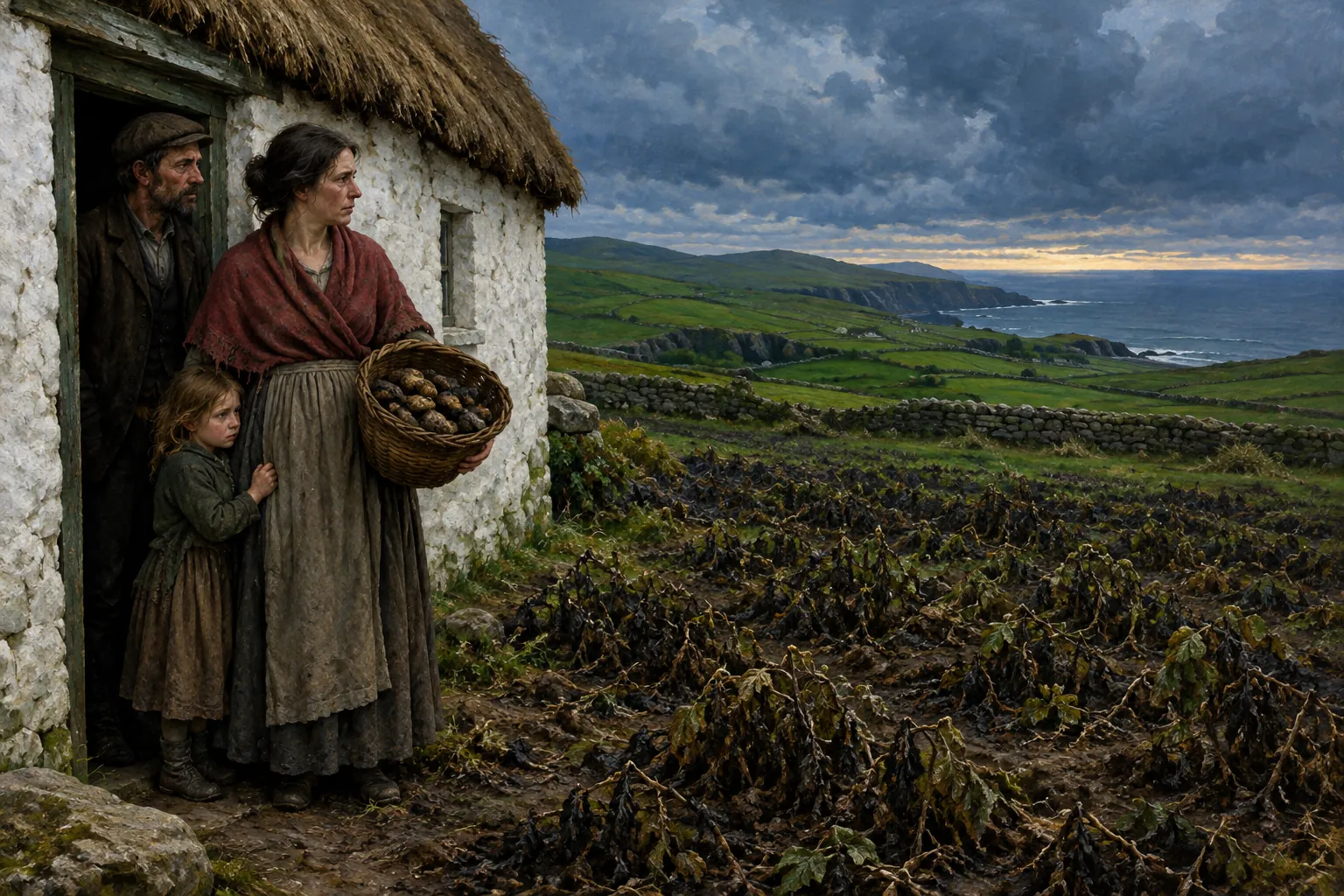
Potato blight and poor harvests in 1845–1847 pushed food prices up. A financial and industrial slump in 1847 left many workers without jobs, while craftsmen felt threatened by factories. In much of central and eastern Europe, peasants still owed labour and dues to landlords. In February 1848, Karl Marx and Friedrich Engels published the Communist Manifesto in London. Few people read it at the time, but it shows how quickly socialism was turning into a political idea.
What happened, country by country
France: the February Revolution
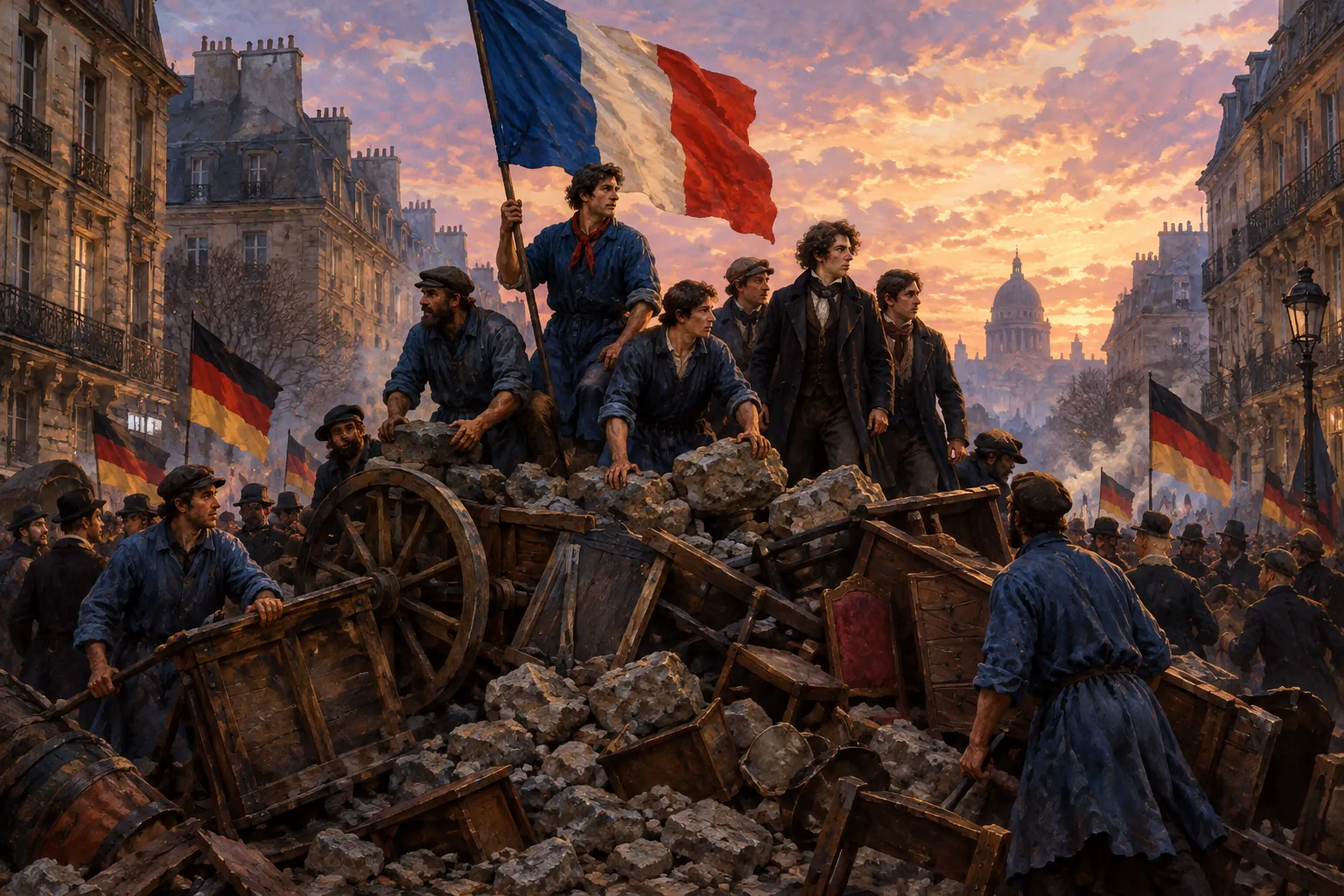
The trigger was a ban on political banquets, which reformers used to campaign for a wider vote. Street fighting broke out in Paris on 22 February, and on 24 February King Louis-Philippe abdicated and fled. A provisional government declared the Second Republic and introduced voting for all adult men, which created an electorate of roughly nine million. Slavery in the French colonies was abolished by decree in April. Our article on the French February Revolution of 1848 covers these days in detail, and July Revolution vs February Revolution compares them with 1830.
Hope soured quickly. The new National Assembly was dominated by moderate republicans, and when it closed the state-funded workshops for the unemployed, Paris workers rose in the June Days (23–26 June). General Cavaignac crushed them after bitter street fighting. In December 1848, voters elected Louis-Napoleon Bonaparte, nephew of Napoleon I, as president with a large majority. In December 1851 he seized power, and a year later he became Emperor Napoleon III.
The Habsburg lands: Vienna, Budapest and Prague
News from Paris reached Vienna in early March. On 13 March, students and citizens marched, troops fired, and Metternich resigned and left for England. The weak Emperor Ferdinand I promised a constitution. In Budapest, Lajos Kossuth and other Hungarian leaders pushed through the April Laws, which created a Hungarian government responsible to parliament and ended serfdom. In June, Czech leaders such as František Palacký held a Slavic Congress in Prague, but the army under Prince Windisch-Grätz put down a Prague uprising in the same month.
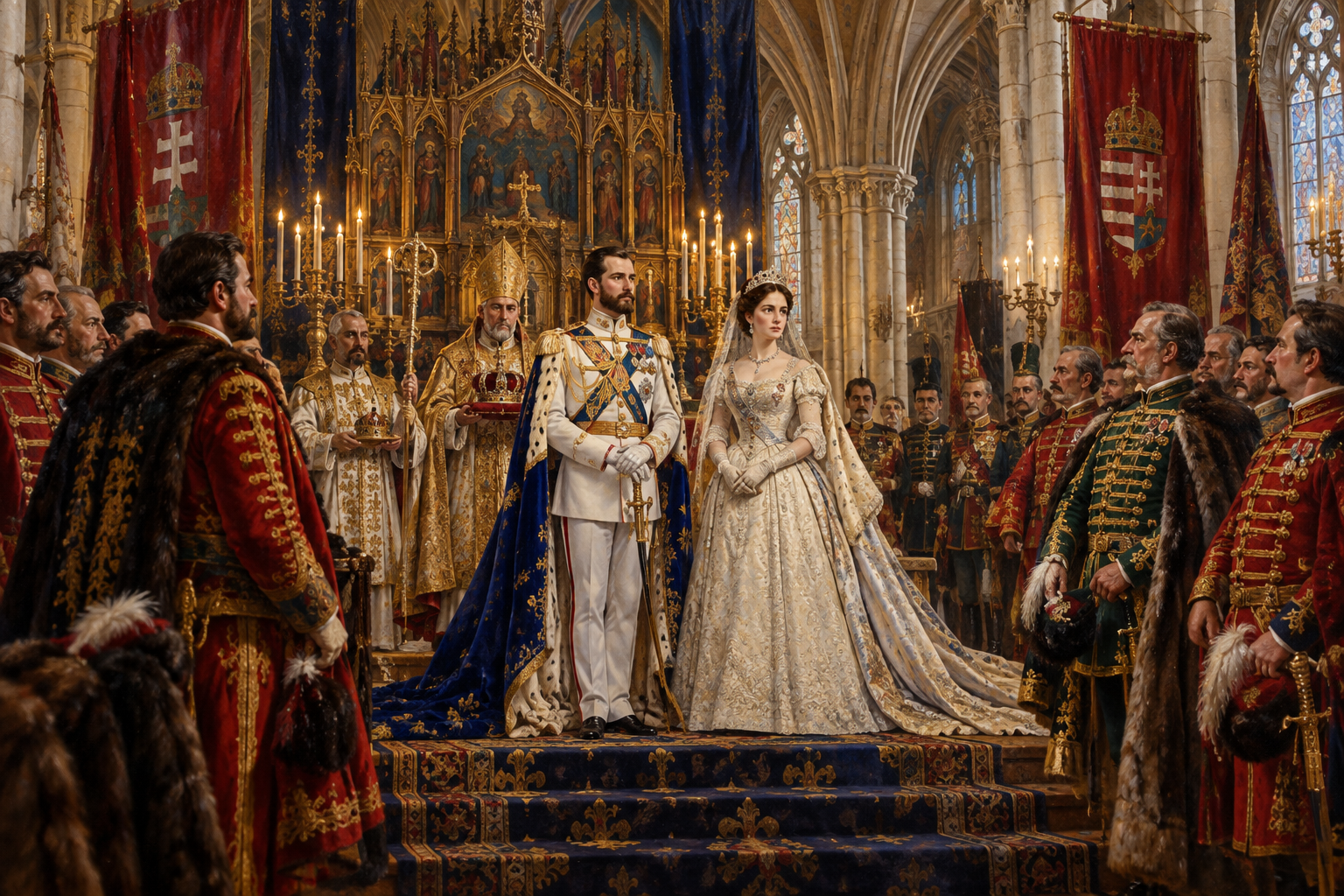
The empire then hit back. Austrian forces and Croatian troops under Josip Jelačić moved against Hungary in the autumn. A second uprising in Vienna in October was crushed by the end of the month, and the radical delegate Robert Blum was shot in November. In December, Ferdinand abdicated in favour of his young nephew Franz Joseph, who would rule until 1916. Hungary declared full independence in April 1849, but a large Russian army sent by Tsar Nicholas I helped defeat it, and the Hungarian army surrendered at Világos on 13 August 1849.
The German states: Berlin and Frankfurt
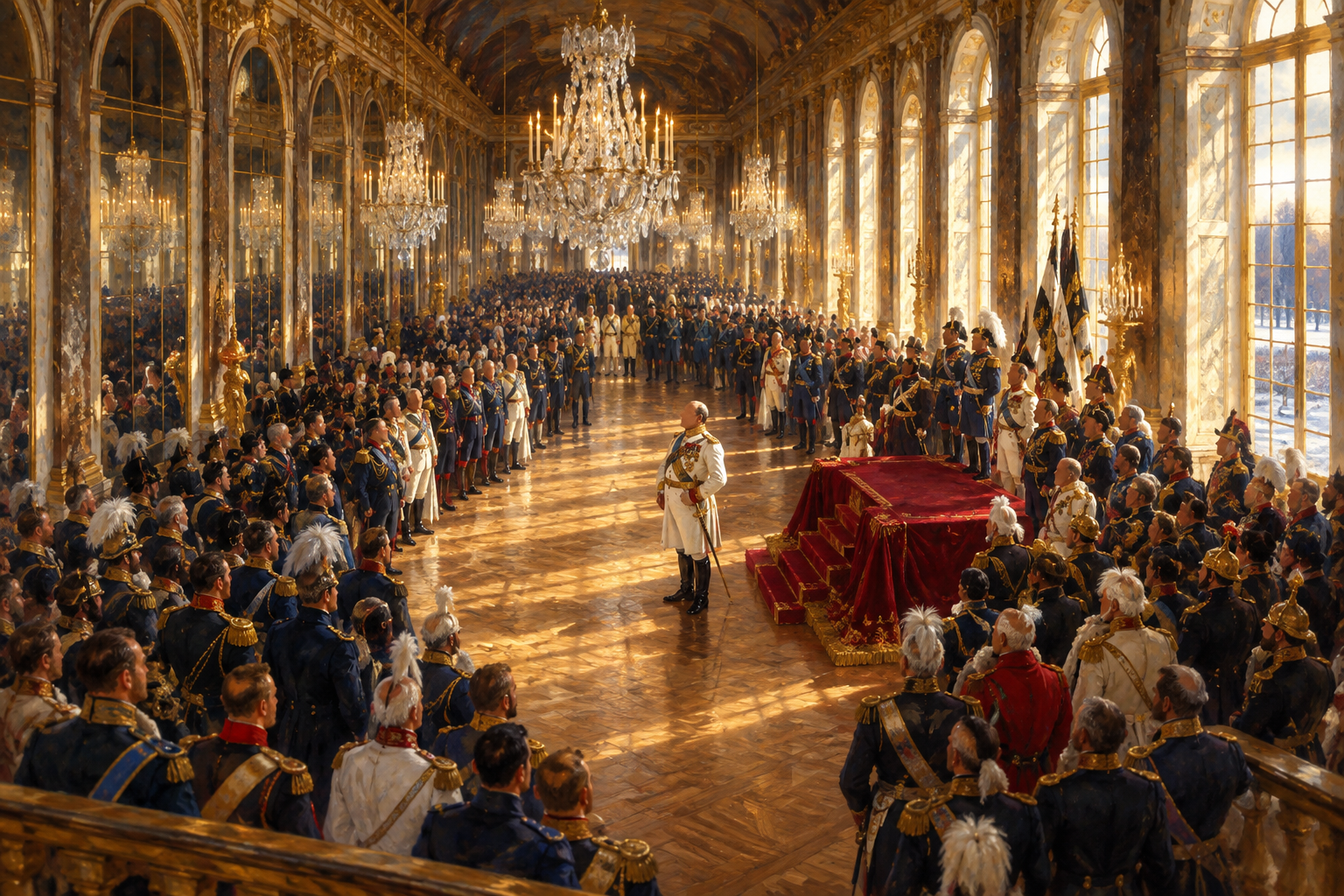
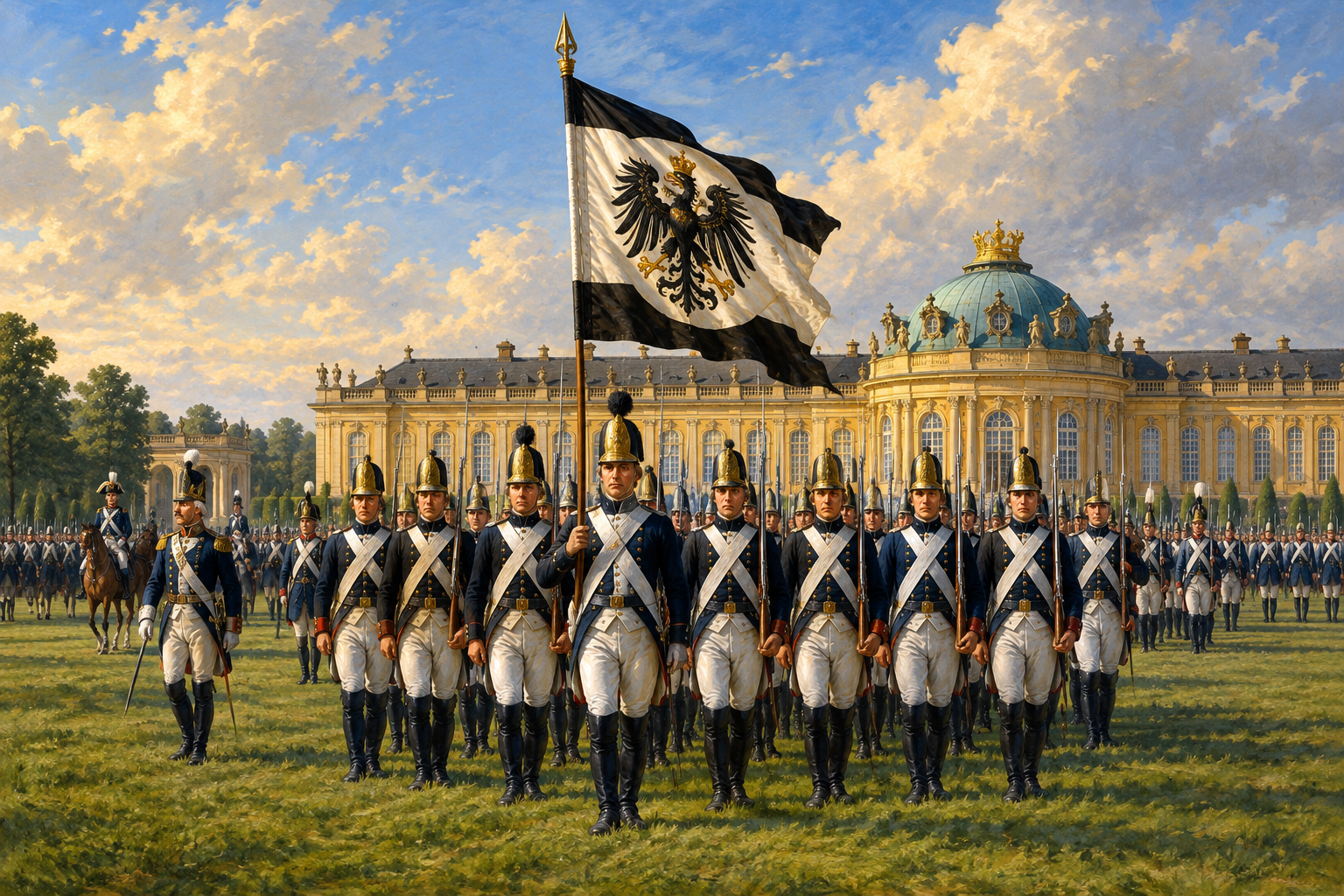
On 18 March, street fighting broke out in Berlin. King Frederick William IV pulled his troops out of the city, honoured the dead and promised a constitution and a united Germany. Elections across the German states sent several hundred delegates to the Frankfurt Parliament, which opened in St Paul’s Church on 18 May 1848. It argued for months over what “Germany” should mean. The “Greater German” plan included Austria. The “Little German” plan left it out and gave Prussia the lead.
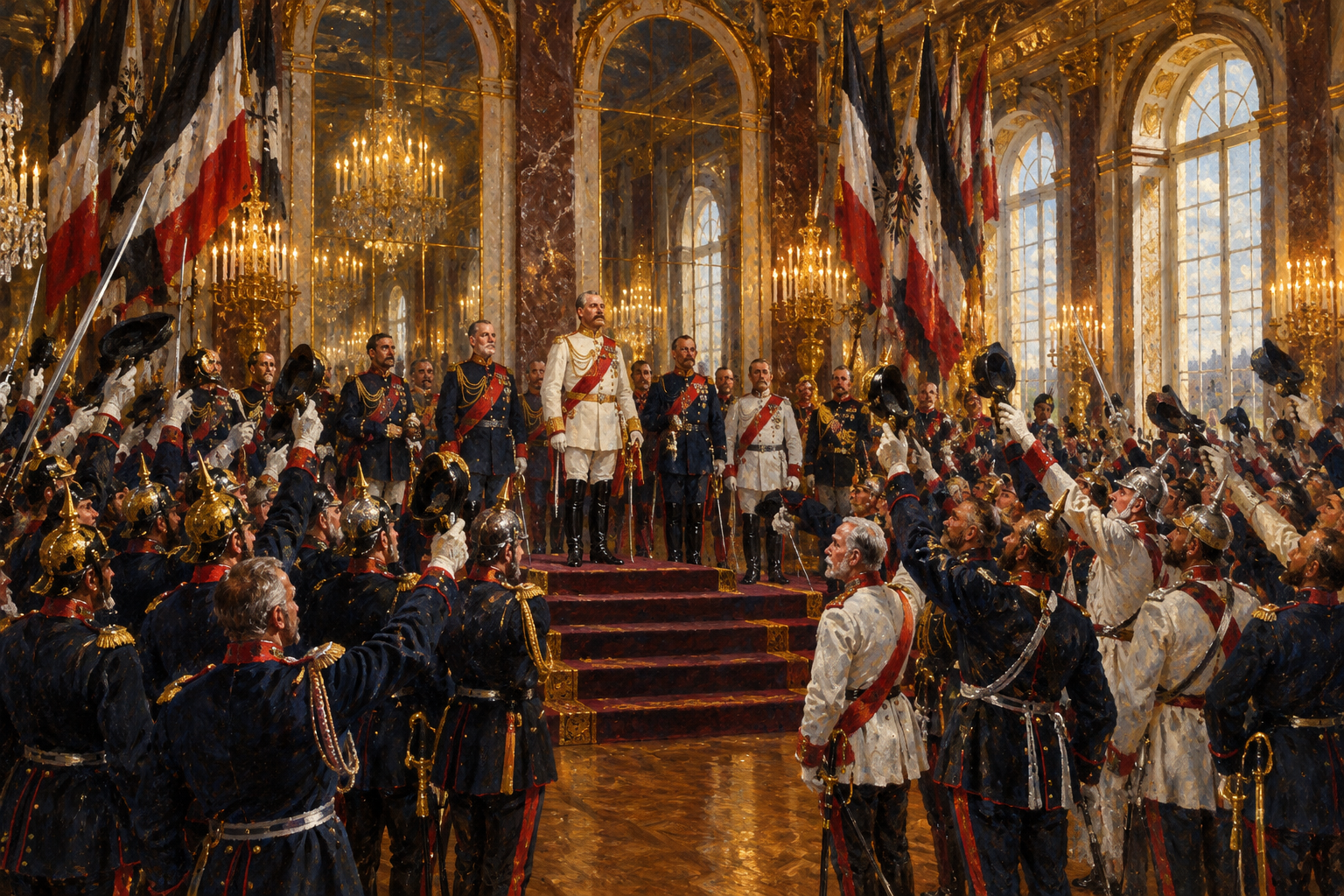
In March 1849, the parliament passed a constitution and offered the imperial crown to Frederick William IV. He refused on 3 April, in part because he would not accept a crown offered by an elected assembly rather than by fellow princes. Without a ruler to back it, the parliament fell apart, and Prussian troops put down the last risings in the spring and summer of 1849. For the man who later finished the job, see Otto von Bismarck: The Iron Chancellor.
The Italian states
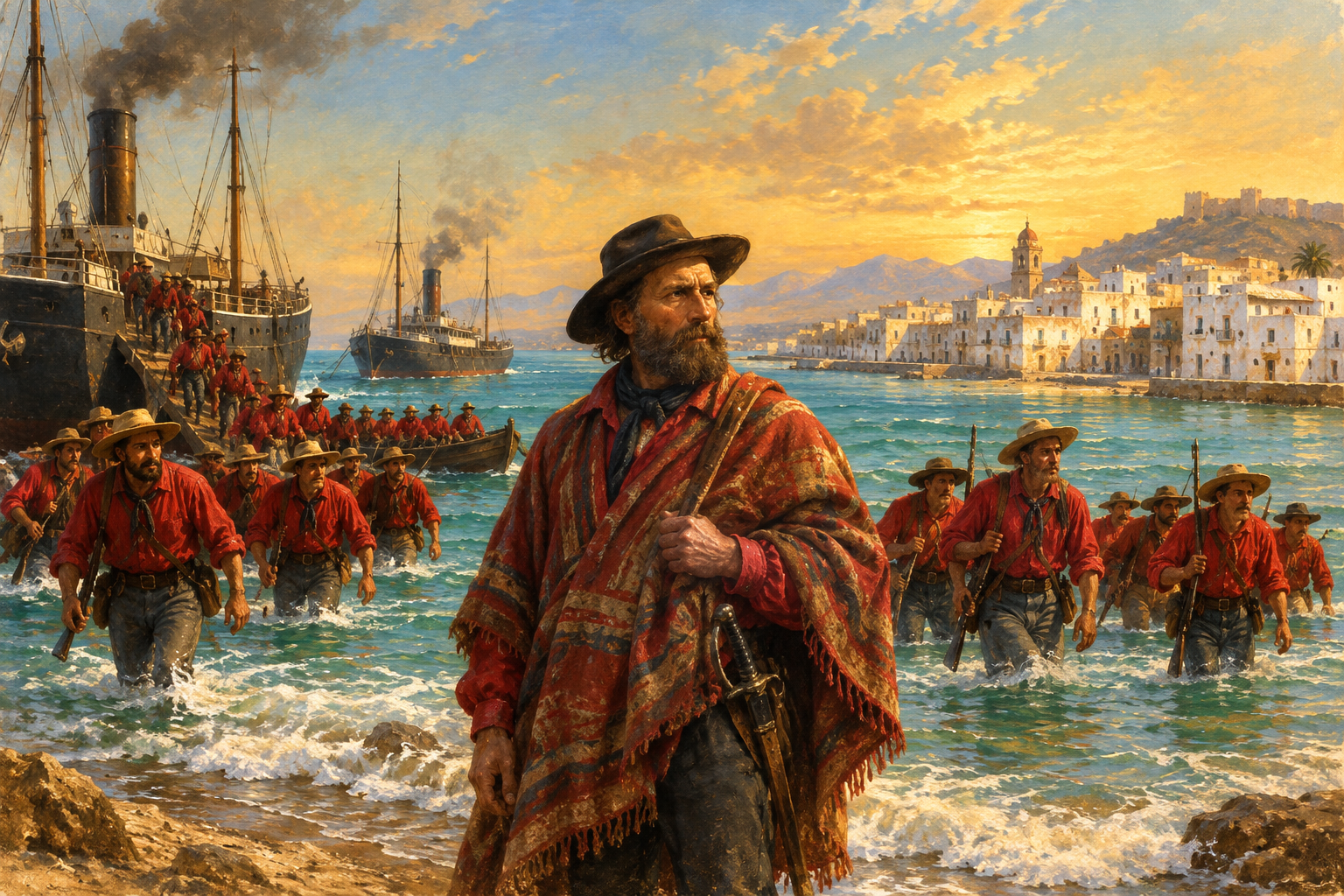
The first shot came in Palermo, Sicily, on 12 January 1848. In March, Milan rose in the “Five Days” (18–22 March) and forced Field Marshal Radetzky to withdraw, and Venice proclaimed a republic under Daniele Manin. King Charles Albert of Piedmont-Sardinia declared war on Austria. Radetzky won at Custoza in July 1848 and again at Novara in March 1849, after which Charles Albert abdicated in favour of Victor Emmanuel II. In Rome, a republic led by Giuseppe Mazzini, with Garibaldi defending the city, was proclaimed in February 1849 and overthrown by French troops in July. Venice surrendered in August 1849.
Why the revolutions failed
- Divided revolutionaries. Middle-class liberals wanted order and a constitution. Radicals and workers wanted social change. After the June Days, many property owners feared the left more than the king.
- Clashing nationalisms. Hungarians, Croats, Czechs, Germans and Italians each claimed rights that cut across the others. Vienna was able to play one against another.
- The armies stayed loyal. Officers in Austria and Prussia kept their troops together, and once the shock faded, they could retake cities.
- Outside help. Russian intervention was decisive in Hungary, and French troops ended the Roman Republic.
What changed anyway
The old order came back, but not unchanged. In the Habsburg lands, the labour dues of peasants were abolished in 1848, and that reform lasted. Prussia received a constitution in December 1848, revised in 1850, with a parliament elected under an unequal three-class voting system. Piedmont kept its constitution, which later became the basis of the Italian kingdom. The Netherlands and Switzerland adopted new constitutions in 1848, and Denmark followed in 1849. France kept male suffrage, and the question of unification in Germany and Italy was now at the top of the agenda. The next steps came from governments, not crowds, in the wars of the 1850s and 1860s.
What exams ask
- Key terms. Springtime of Peoples; February Revolution (France); March Revolution (Vienna, Berlin); Frankfurt Parliament; Greater German versus Little German solutions; June Days; Kossuth; the fall of the Metternich system.
- Order of events. Paris in February, Vienna and Berlin in March, Frankfurt Parliament in May, June Days in June, the counter-revolution from autumn 1848 to August 1849.
- Typical significance question (AP style). Explain why liberal and nationalist movements failed in 1848–1849 yet shaped later developments: cite divisions inside the movement, the loyalty of armies, conflicts between nationalities, and long-term reforms such as ending serfdom and wider suffrage.
- Link to the 1850s. Louis-Napoleon’s rise from president to emperor is the usual example of revolution ending in authoritarian rule.
Read next
- 19th-century Europe: Revolutions, Nationalism and Unification: the hub that places 1848 between 1815 and 1871.
- The French February Revolution of 1848: the three days in Paris that started the wave.
- July Revolution vs February Revolution: a side-by-side comparison of France’s two revolutions.
- Otto von Bismarck: The Iron Chancellor: the conservative who achieved German unity after liberals failed.