In five minutes: the Franco-Prussian War
The Franco-Prussian War (1870–1871) was a war between France and Prussia, which led a group of German states. Prussia and its allies won. At Sedan on 1 September 1870 the French army was trapped and Emperor Napoleon III surrendered the next day. Paris declared a republic, held out through a four-month siege, and finally gave in. In January 1871, in the Palace of Versailles, King Wilhelm I of Prussia was proclaimed German Emperor.
It matters because it finished the unification of Germany and ended France's position as the leading power on the European continent. It also gave Germany the provinces of Alsace and part of Lorraine, a loss that French politics could not forget. If you are following the bigger story, this war is the last step of the road described in 19th-Century Europe: Revolutions, Nationalism and Unification.
Why did the Franco-Prussian War start?
Prussia's rise and French worry
After Prussia beat Denmark in 1864 and Austria in 1866 (see The Austro-Prussian War (1866)), it led the North German Confederation, a union of the German states north of the River Main. The southern states, Bavaria, Württemberg, Baden and part of Hesse, stayed outside but signed defence agreements with Prussia. For Napoleon III this was uncomfortable: a strong Prussian-led state was appearing on France's eastern border, and his government had gained nothing from it. French opinion wanted a success to restore the prestige of the empire, which was losing support at home.
Bismarck's plan
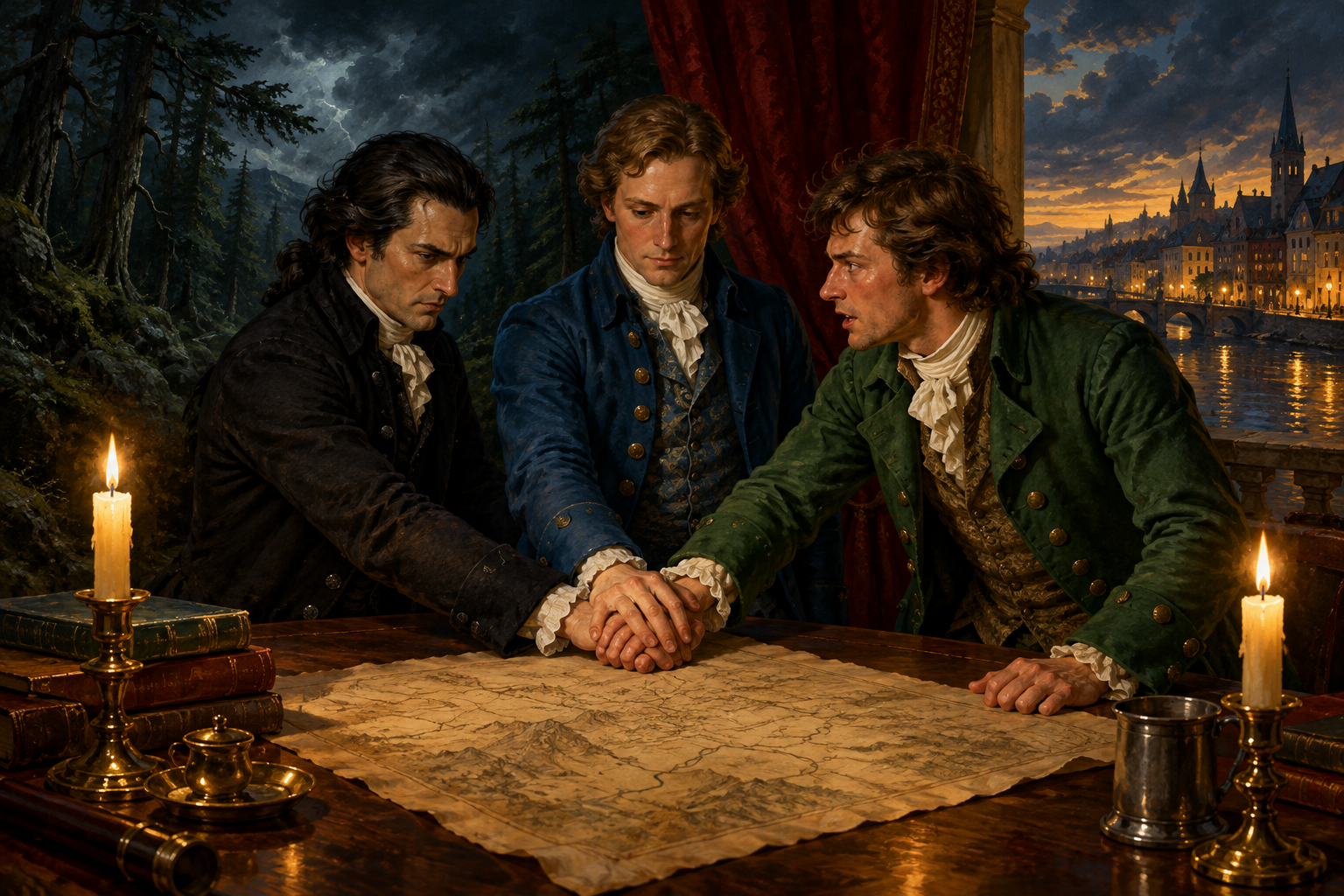
Prussia's chief minister, Otto von Bismarck, believed that the southern German states would only join a united Germany if they felt threatened from outside. A war in which France looked like the attacker would do exactly that. Historians still argue about how far Bismarck planned the war and how far he simply used the chance when it came. Both sides, in other words, were willing to accept a fight. For Bismarck's career, see Otto von Bismarck: The Iron Chancellor.
The Spanish throne and the Ems Dispatch
The immediate cause was the Spanish throne. Spain had been without a king since a revolution in 1868, and in 1870 the crown was offered to Prince Leopold of Hohenzollern-Sigmaringen, a relative of the Prussian king. France feared being surrounded by Hohenzollern rulers on two sides, and protested. Leopold's family withdrew his candidacy on 12 July 1870, which should have ended the crisis.
France pushed further. Its ambassador, Vincent Benedetti, asked King Wilhelm I at the spa town of Bad Ems to promise that no Hohenzollern would ever accept the Spanish crown. The king politely refused and sent word of the meeting to Bismarck by telegram. Bismarck shortened the message so that it sounded like a sharp rejection and released it to the press on 13 July. The Ems Dispatch angered the French public and German public alike. France declared war on 19 July 1870.
What happened: the war in four stages
1. Prussian speed (August 1870)
German armies mobilised quickly by railway under the planning of Helmuth von Moltke, the chief of the Prussian general staff, and crossed into France in early August. They won at Wissembourg on 4 August and at Spicheren and Wörth on 6 August. Prussian artillery, made of steel and loaded from the breech, outranged French guns. The French Chassepot rifle was better than the Prussian needle gun, but it could not make up for slower mobilisation and divided command. After the battles of Mars-la-Tour (16 August) and Gravelotte–St Privat (18 August), Marshal Bazaine's main army was pushed back into the fortress of Metz and surrounded.
2. Sedan (1–2 September 1870)
A second French army, led by Marshal MacMahon with Napoleon III present, marched to rescue Metz and was caught near the small town of Sedan, close to the Belgian border. On 1 September German guns on the surrounding hills pounded the French, and their cavalry charges failed. The next day Napoleon III surrendered with more than 100,000 soldiers. The emperor was a prisoner; the French government in Paris had lost its head.
3. A republic and the siege of Paris
On 4 September 1870 crowds in Paris proclaimed a republic, and a Government of National Defence took over. Many French hoped the war would now become a defence of the nation rather than of an emperor. German armies reached Paris and began the siege on 19 September. The government sent Léon Gambetta out of the city by balloon in October to raise new armies in the provinces. Metz surrendered at the end of October with about 170,000 men. Gambetta's new forces fought hard along the Loire and in the north, but they were short of training and equipment and could not break the ring around the capital. Inside Paris, people suffered cold and hunger in the winter and ate horses, dogs, rats and even zoo animals before bombardment began in January.
4. The empire proclaimed and the peace
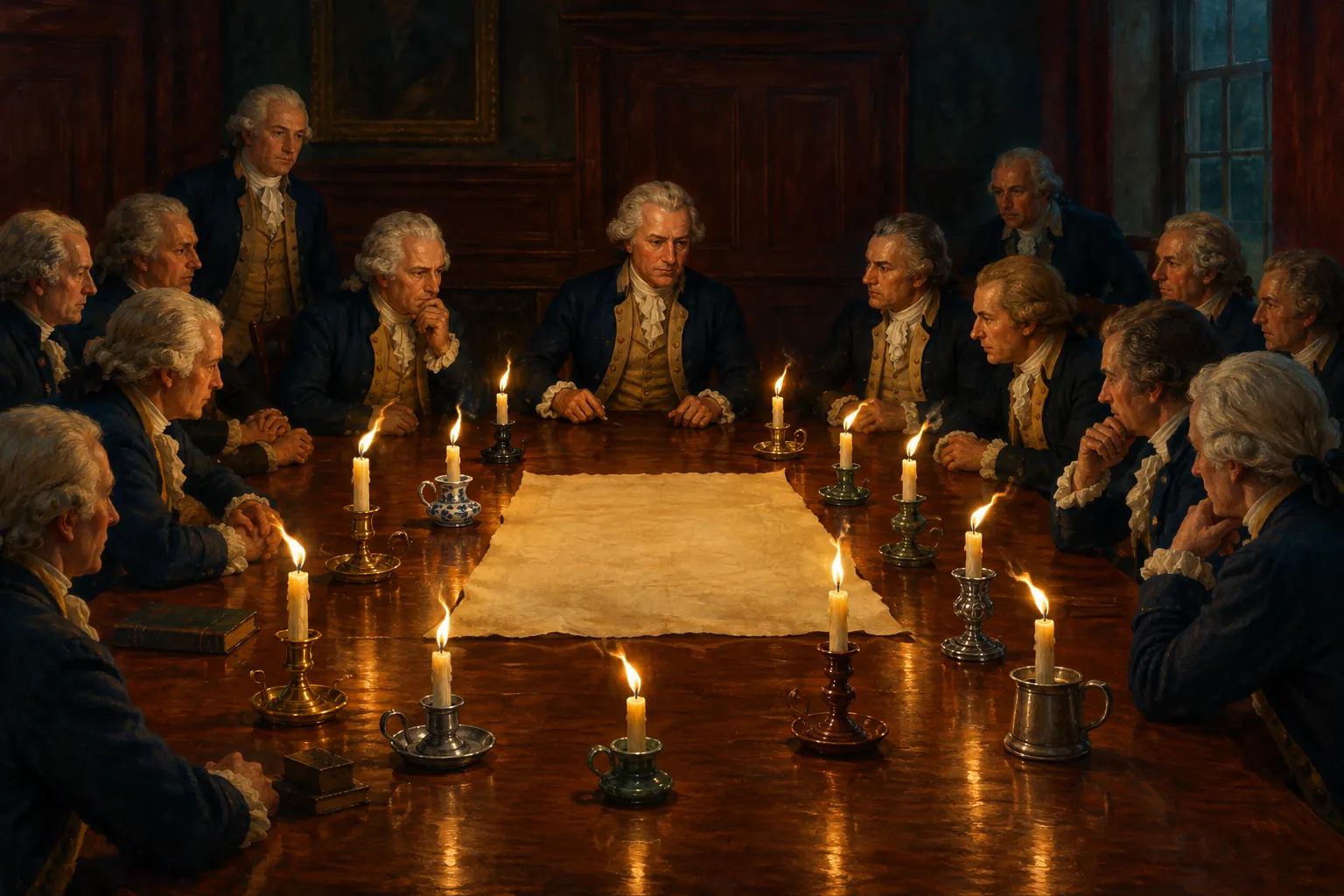
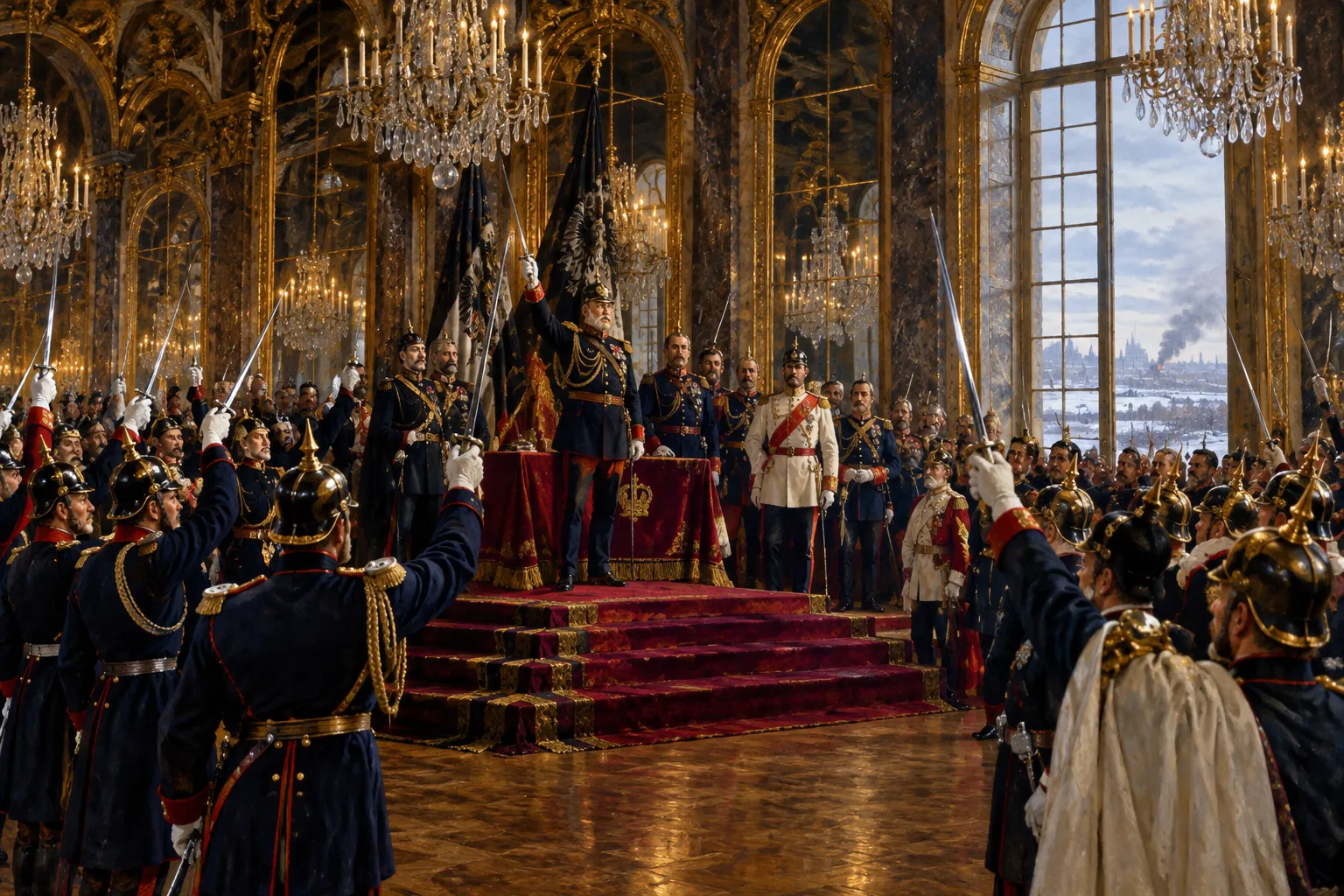
While Paris was still under siege, negotiations brought the southern German states into the new union. On 18 January 1871, in the Hall of Mirrors at Versailles, Wilhelm I was proclaimed German Emperor. Paris agreed to an armistice on 28 January. A preliminary peace followed at Versailles on 26 February, and the final Treaty of Frankfurt was signed on 10 May 1871.
Results and consequences
- The German Empire. The states of the North German Confederation and the southern states formed a single empire under the Prussian king, with Bismarck as chancellor. German unification, which had been in progress since the 1860s, was complete.
- The end of Napoleon III. The Second French Empire fell. Napoleon III went into exile in England and died in 1873. France became the Third Republic, which lasted until 1940.
- Alsace-Lorraine. By the Treaty of Frankfurt France gave up Alsace (except Belfort) and part of Lorraine, including Metz. The German side wanted the area for strategic reasons, and many people there spoke German dialects, but many residents felt French. The loss led to a long French demand for revenge, called revanchism.
- Indemnity. France had to pay five billion francs, and German troops stayed in parts of the country until it was paid. France finished paying in 1873, earlier than expected, and the occupation ended.
- The Paris Commune. After the armistice, Parisians who resented the national government and the surrender set up a radical city government, the Commune, in March 1871. The French army crushed it in the “Bloody Week” of late May.
- Italy and Rome. French troops, who had protected the Pope in Rome, were withdrawn for the war. Italian forces took the city in September 1870, and Rome became the capital of unified Italy.
- A changed Europe. Germany became the strongest military power on the continent. Bismarck then spent years building alliances to keep France isolated, and the web of alliances and resentment grew into the rival blocs of 1914. In 1919 the peace treaty ending the First World War was signed in the same Hall of Mirrors.
Outside Europe, observers took note too. Japan's Meiji government, building a modern army, sent officers such as Ōyama Iwao to watch the war, and Prussian methods became an important model for the army.
What exams ask
- Cause: the Spanish succession problem and the Ems Dispatch (13 July 1870), and Bismarck's aim of uniting the German states against a common enemy.
- Turning point: Sedan, where Napoleon III surrendered (September 1870), followed by the republic proclaimed in Paris.
- Result: the German Empire proclaimed at Versailles (18 January 1871); the Treaty of Frankfurt (10 May 1871) with Alsace and part of Lorraine ceded and five billion francs paid.
- Link: the war leads to French revanchism and the Bismarckian alliance system; in AP-style questions, explain how it completed nationalism-driven unification and shifted the balance of power.
- Order of unification wars: Denmark (1864), Austria (1866), France (1870–1871).
Read next
- The Austro-Prussian War (1866): the earlier war that made Prussia the leader of the German states.
- German Unification (1871): how the empire was built and what it looked like afterwards.
- Otto von Bismarck: The Iron Chancellor: the statesman behind the Ems Dispatch and the new empire.
- 19th-Century Europe: Revolutions, Nationalism and Unification: the full topic overview.