Napoleon & the Napoleonic Era, Modern World History
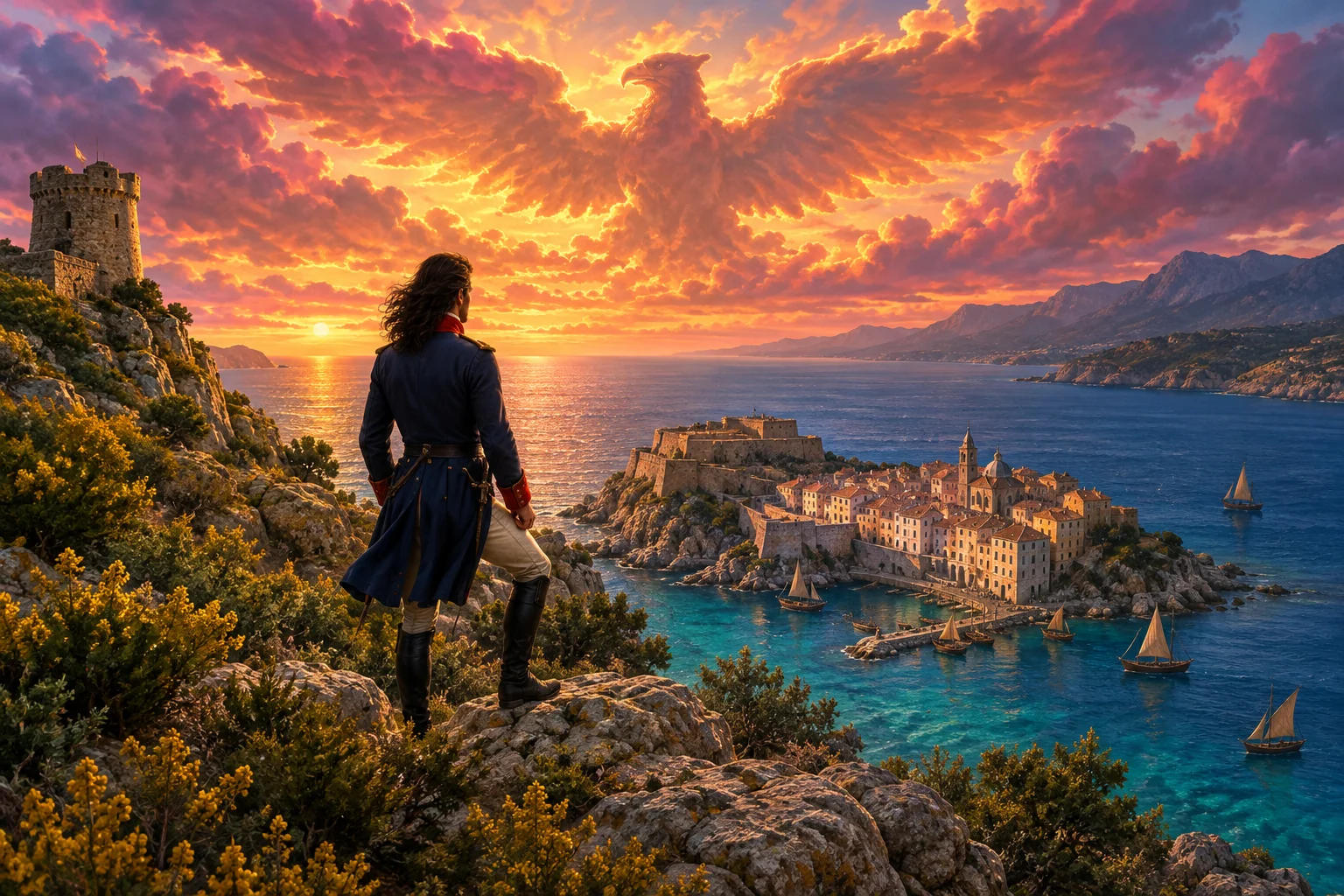
Who Was Napoleon Bonaparte: A Journey from Corsica to Immortal Legacy
<p>Napoleon Bonaparte was a Corsican-born officer who rose through the French Revolution and crowned himself Emperor of the French in 1804. His wars reshaped Europe, and after defeat at Waterloo he died in exile on Saint Helena in 1821. His Civil Code still shapes civil law in many countries.</p>
Jan 19, 2026
Napoleon & the Napoleonic Era, Modern World History
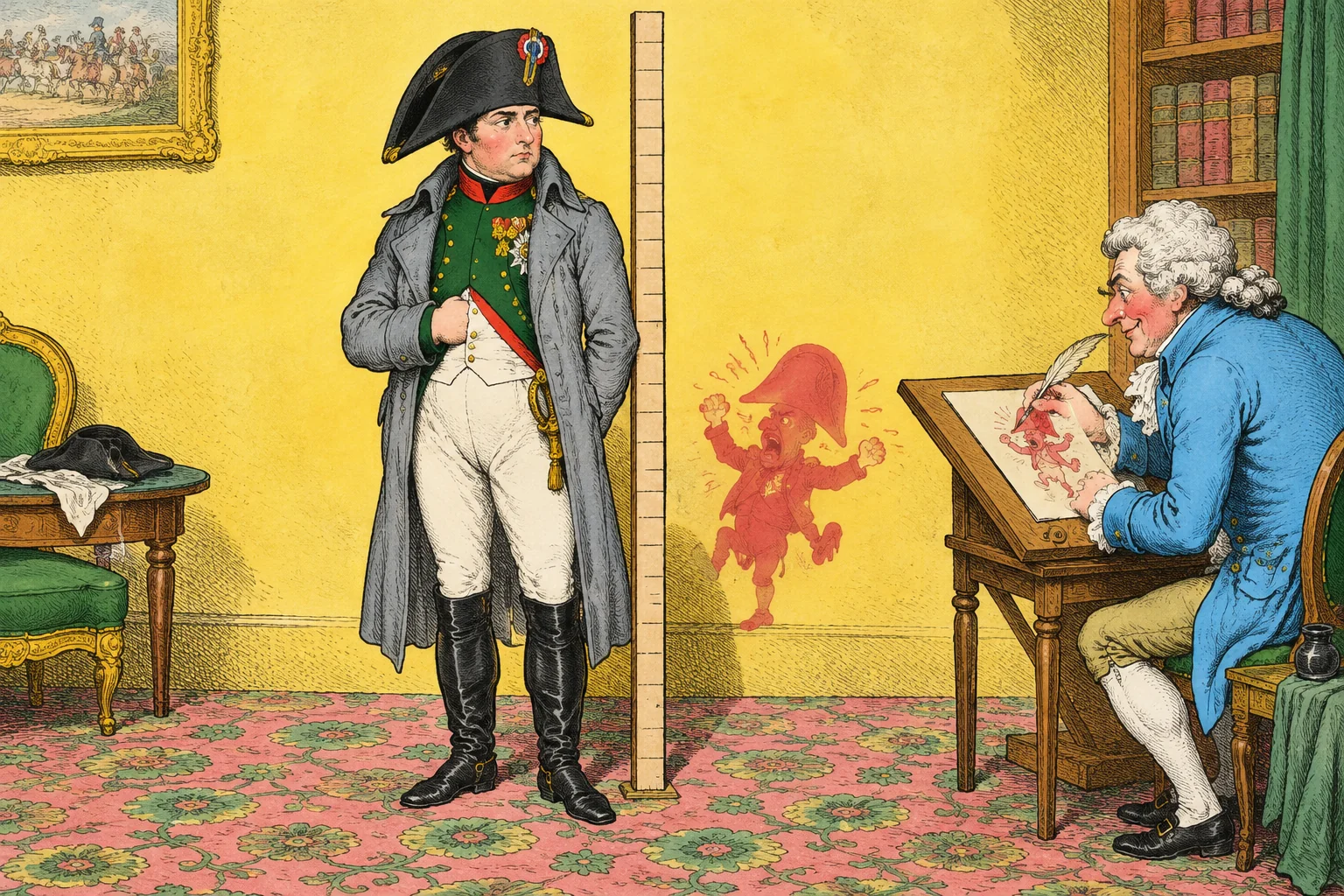
Napoleon Bonaparte Height: Unraveling the Myth
<p>Napoleon Bonaparte was about 1.69 metres tall, within the range of French infantry conscripts of his time. The myth of the tiny emperor grew from British caricature and from a mix-up between French and English units. Once the units are sorted out, the records describe an ordinary height.</p>
Jan 19, 2026
Napoleon & the Napoleonic Era, Modern World History
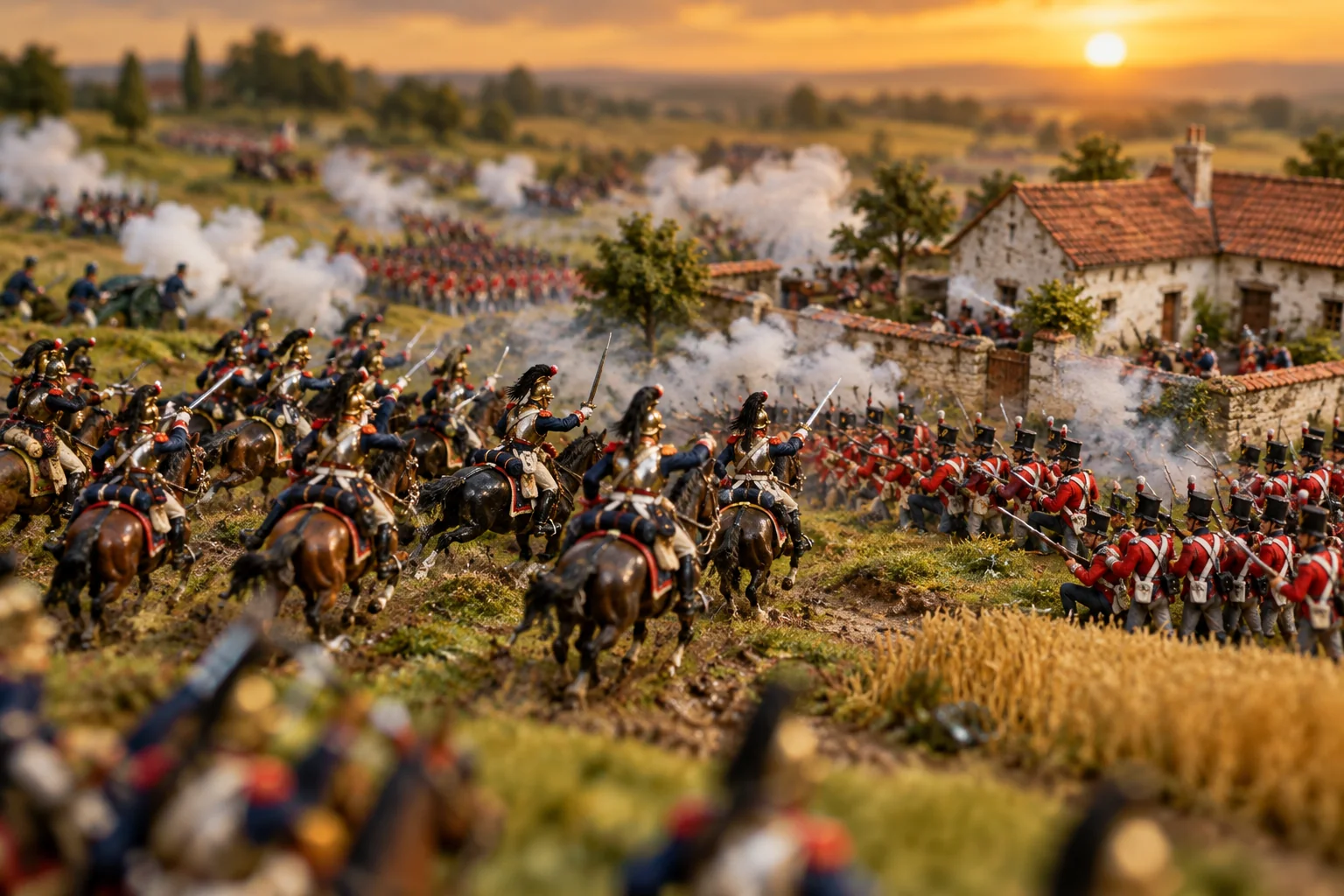
Battle of Waterloo: A Turning Point in European History
The Battle of Waterloo, fought on 18 June 1815 in present-day Belgium, ended Napoleon's last bid to rule France. Wellington's Anglo-allied army and Blücher's Prussians together defeated him, closing the Hundred Days and the Napoleonic Wars, and paving the way for the settlement that followed at the Congress of Vienna.
Jan 19, 2026
Napoleon & the Napoleonic Era, Modern World History
Napoleon Bonaparte Quotes: Words of a Military Genius
Most Napoleon quotes circulate on posters and social feeds without a source. This page looks at two that can be traced to documents from 1805 and 1814, explains what each one says and who it was for, and shows how to check a quote before you repeat it.
Jan 19, 2026
The Industrial Revolution, Modern World History
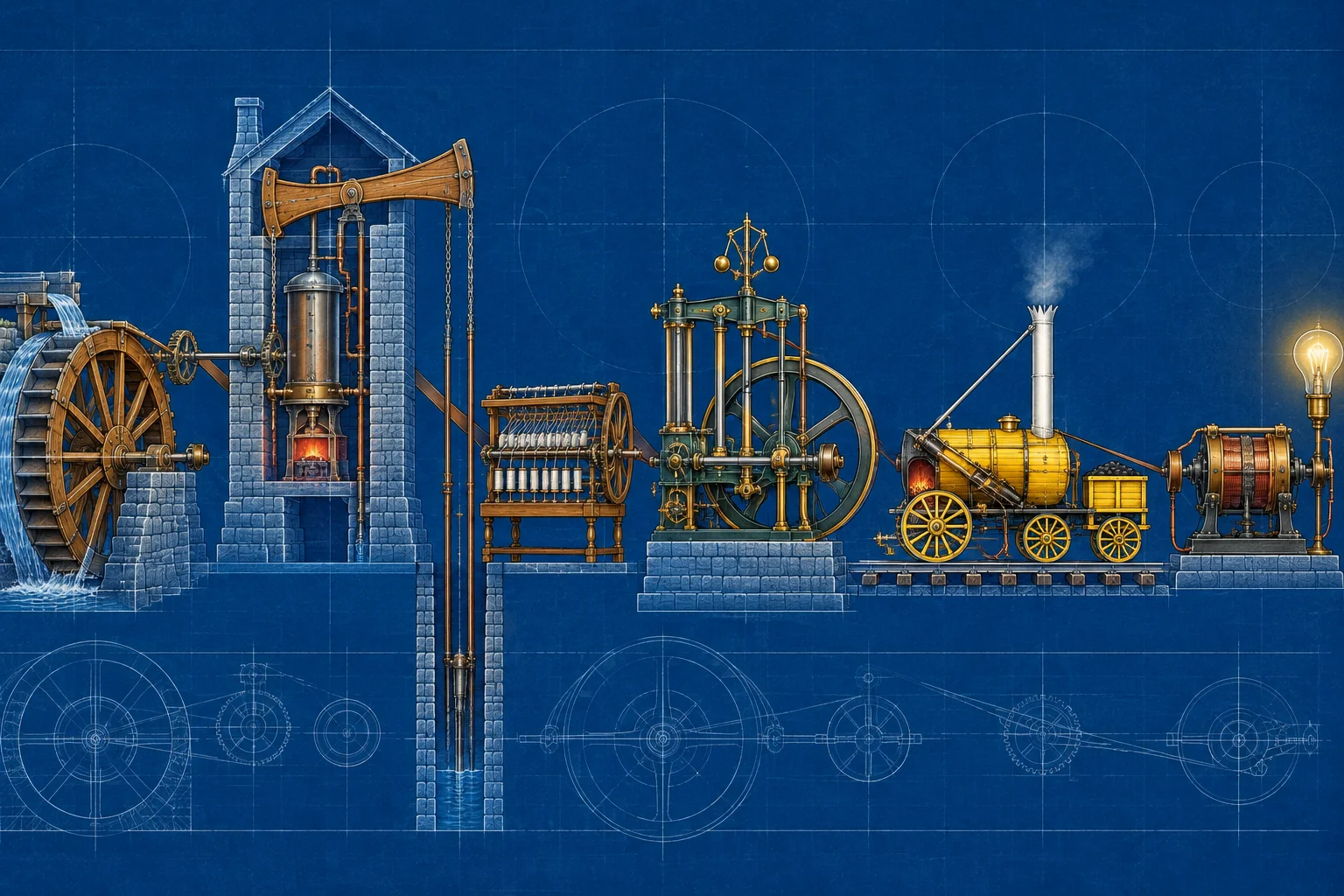
The Industrial Revolution Timeline
<p>The Industrial Revolution began in Britain around 1760 and, in its first phase, ran to roughly 1830–1840. This timeline follows the key steps from Newcomen's 1712 steam engine to railways, the 1833 Factory Act and the steel, electric and car age of 1850–1914.</p>
Jan 19, 2026
The Industrial Revolution, Modern World History
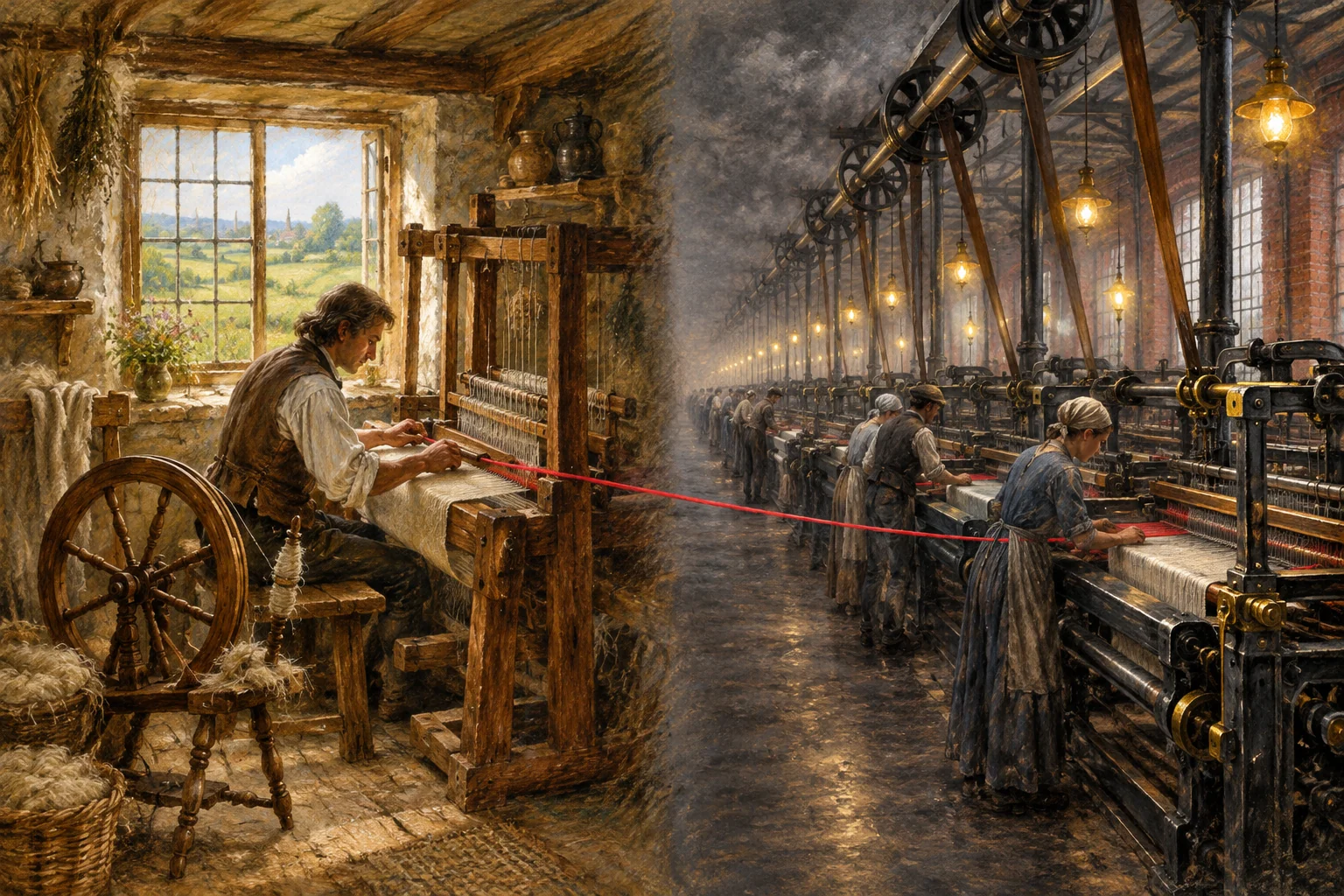
The Industrial Revolution Definition: An In-depth Look
<p>The Industrial Revolution was the shift from hand tools and muscle power to machines, steam engines and factories. It began in Britain around 1760, spread to Europe, the United States and Japan by about 1900, and changed where people lived, how they worked and how fast economies could grow.</p>
Jan 19, 2026
The Industrial Revolution, Modern World History
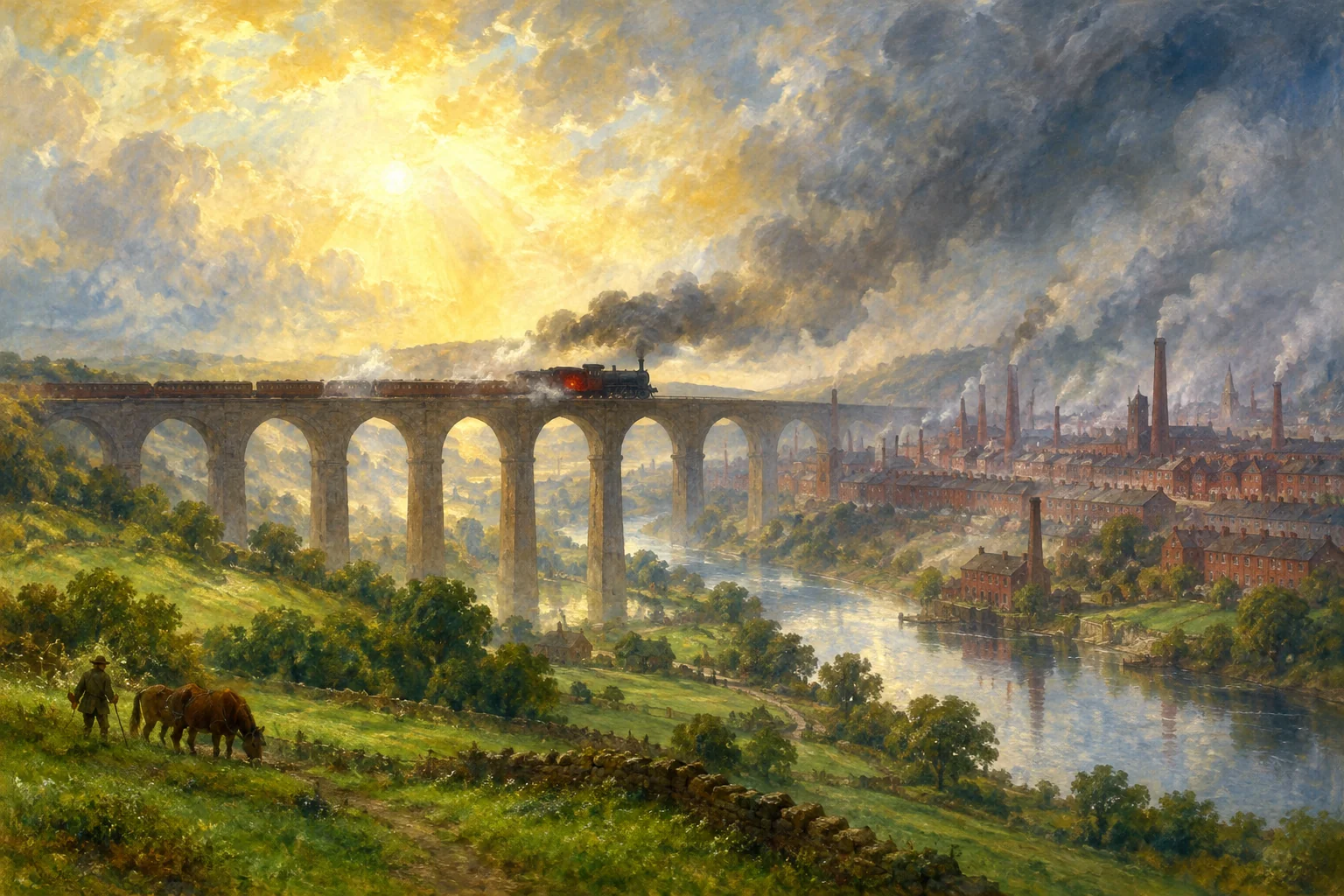
Unleashing Progress: The Far-Reaching Effects of the Industrial Revolution
<p>The Industrial Revolution's biggest effect was to move Britain, and later much of the world, from farm work to factory work. It raised output and living standards in the long run, pushed millions into crowded cities, created new classes and labour laws, and began the rise in carbon emissions that still shapes our climate.</p>
Jan 19, 2026

The Industrial Revolution, Modern World History
Struggles and Sacrifices: The Story of Industrial Revolution Working Conditions
<p>In Britain's early factories, adults and children often worked 12 to 14 hours a day, six days a week, beside unguarded machines. Low wages, a crowded labor market and a ban on unions explain why. Protest and investigation led to a series of Factory Acts between 1802 and 1847 that limited hours and child labor.</p>
Jan 19, 2026
The Industrial Revolution, Modern World History
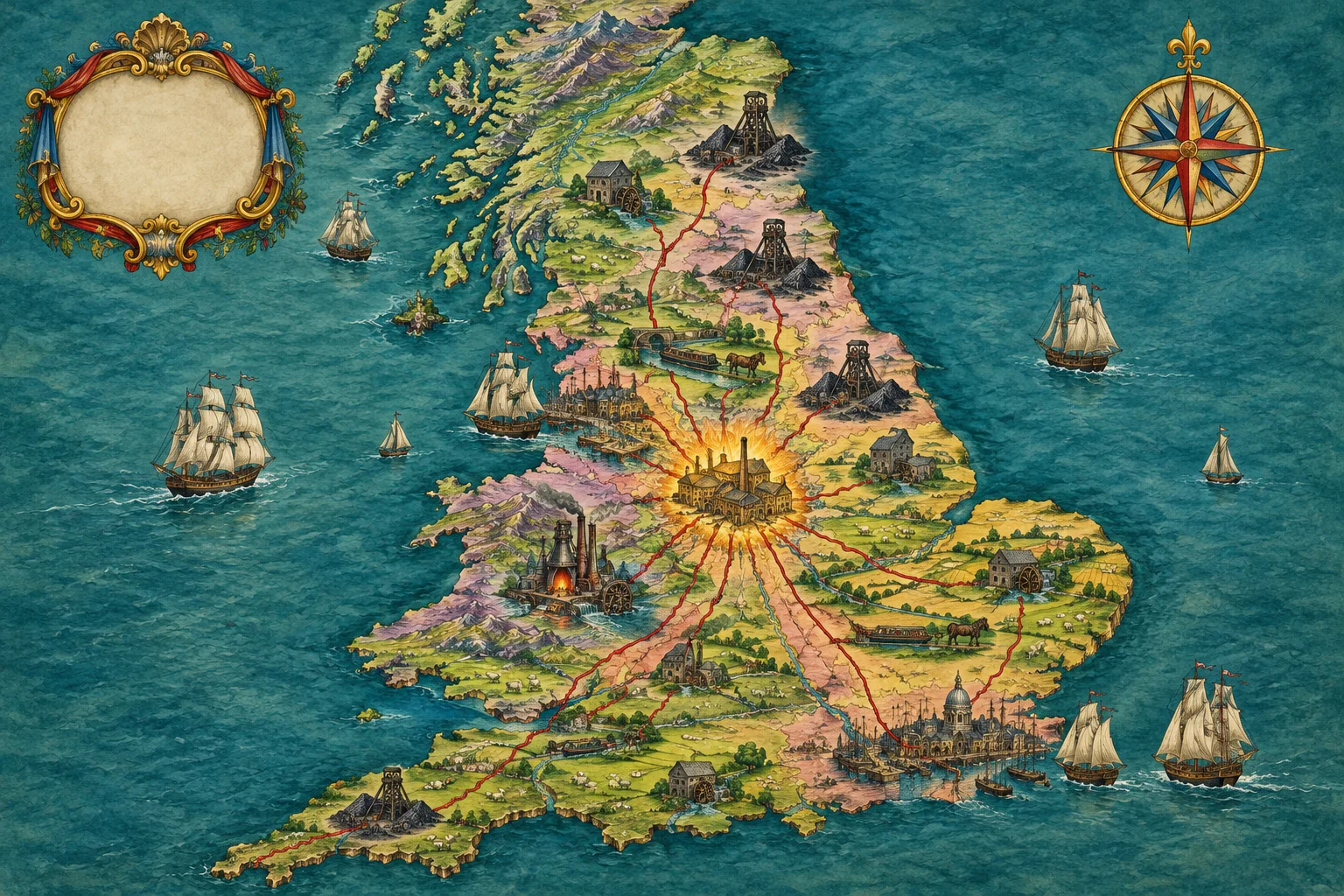
Shaping Astounding History: Uncovering the 10 Causes of the Industrial Revolution
<p>The Industrial Revolution began in Britain because ten conditions overlapped: farms that freed workers, a growing population, cheap coal and iron, high wages, easy credit, stable law, overseas trade, canals and roads, skilled craftsmen and a hungry consumer market. No single cause explains it, and historians still debate their weight.</p>
Jan 19, 2026
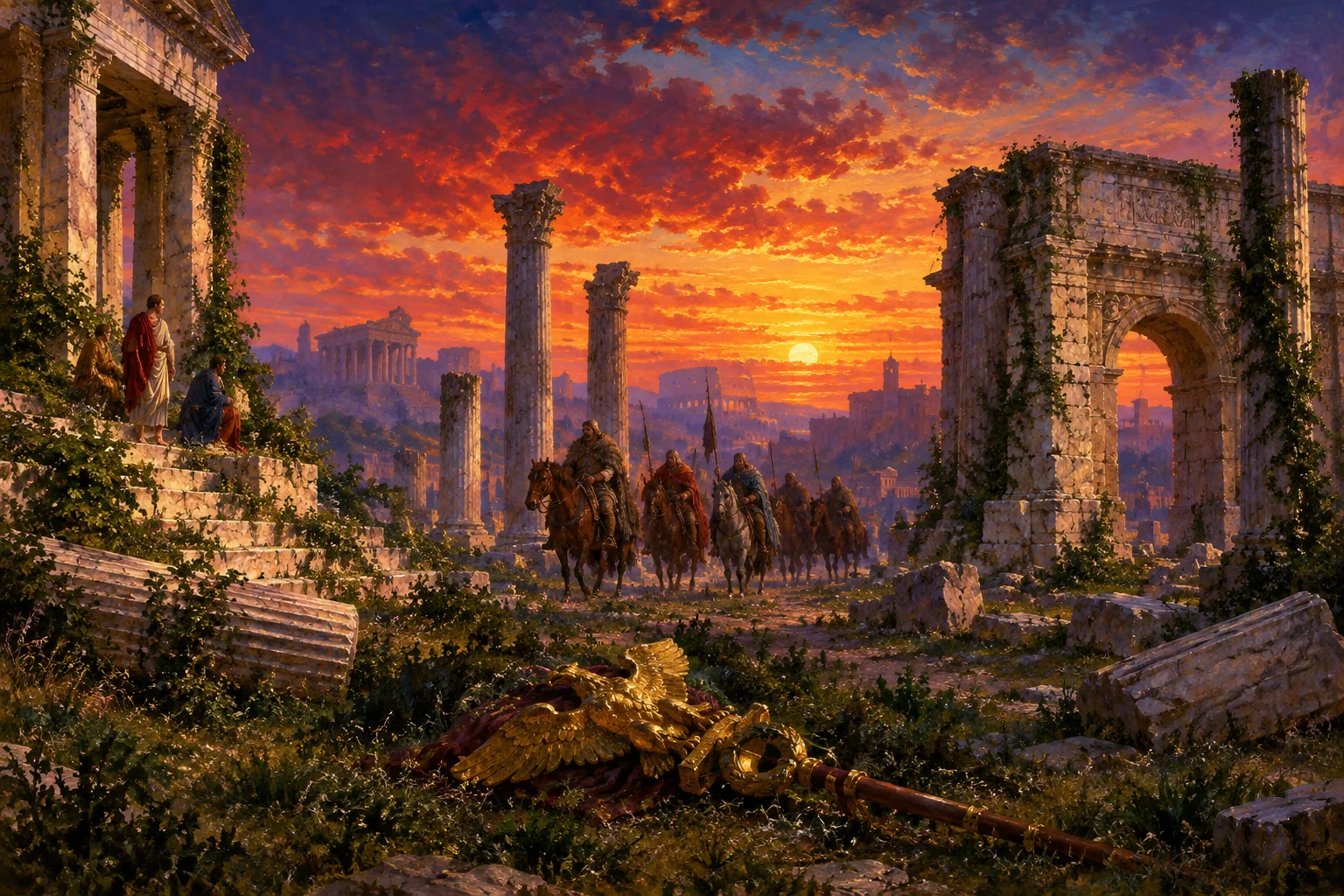
Roman Empire
The Fall of the Roman Empire: How the Greatest Power in History Collapsed
<p>For a thousand years, Rome ruled the known world. Then it didn't. Discover the real reasons behind the most dramatic collapse in history — political chaos, economic ruin, and why the barbarians were just the final push.</p>
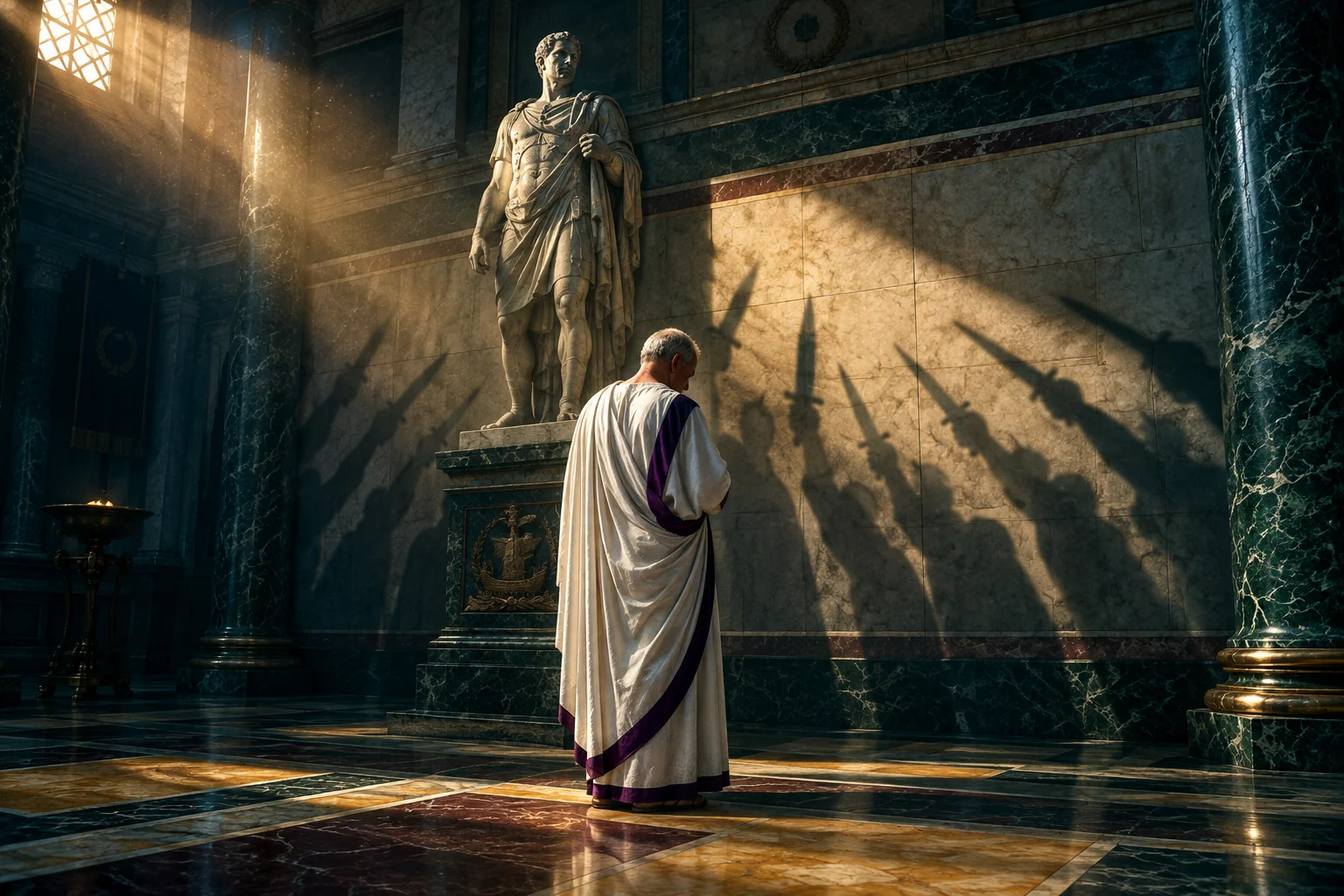
Roman Empire
The Assassination of Julius Caesar: The Ides of March Explained
<p>On March 15, 44 BC, the most powerful man in the world walked into a meeting room and was stabbed 23 times by men he trusted. Discover why they did it, how it unfolded — and why the assassination achieved the exact opposite of what the conspirators intended.</p>
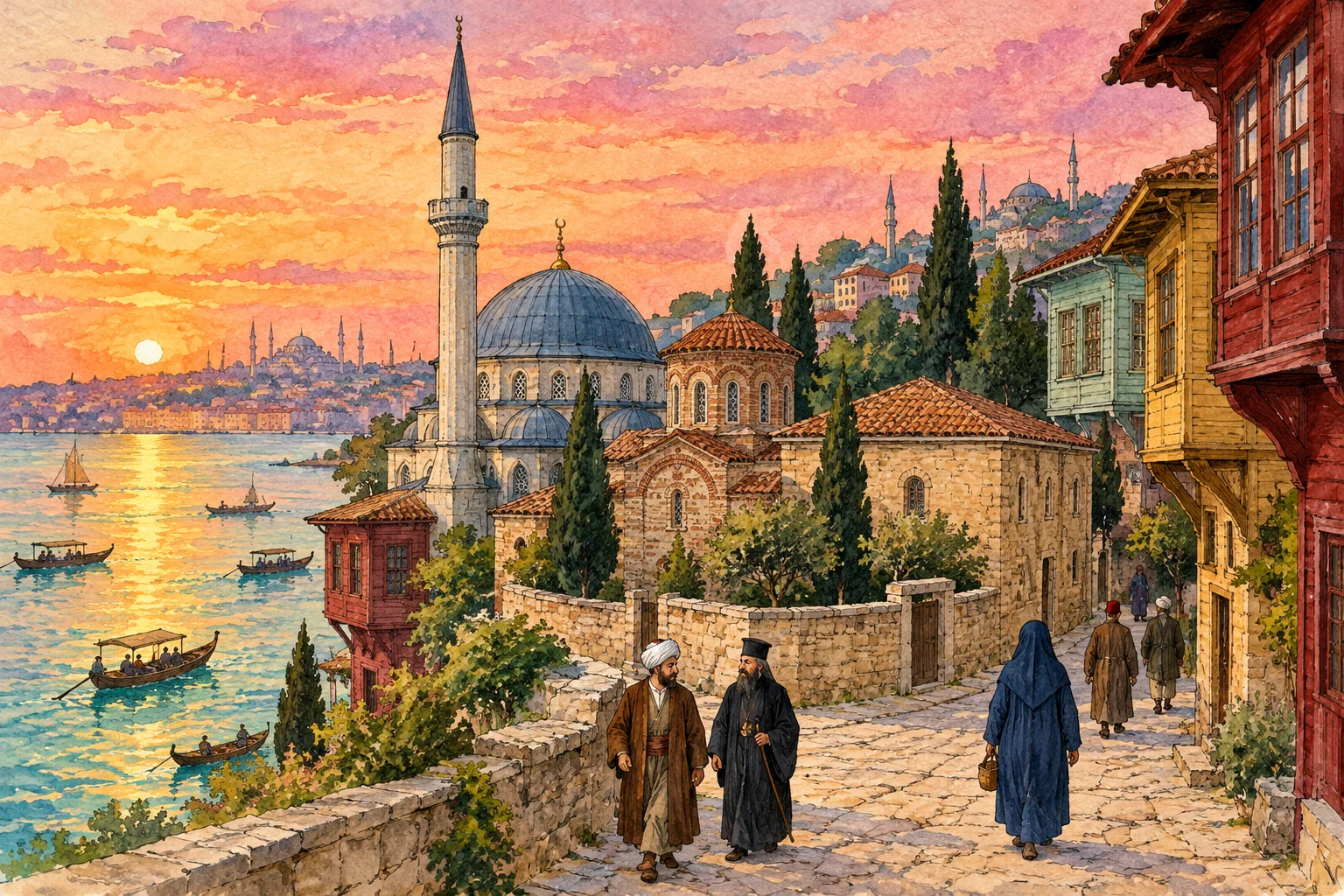
Modern World History
Religion in the Ottoman Empire: Islam, Christianity, and the Millet System
The Ottoman Empire was home to remarkable religious diversity. Discover how the Millet system allowed Christians, Jews, and Muslims to coexist under Ottoman rule for six centuries.