Classic Literature
50 books
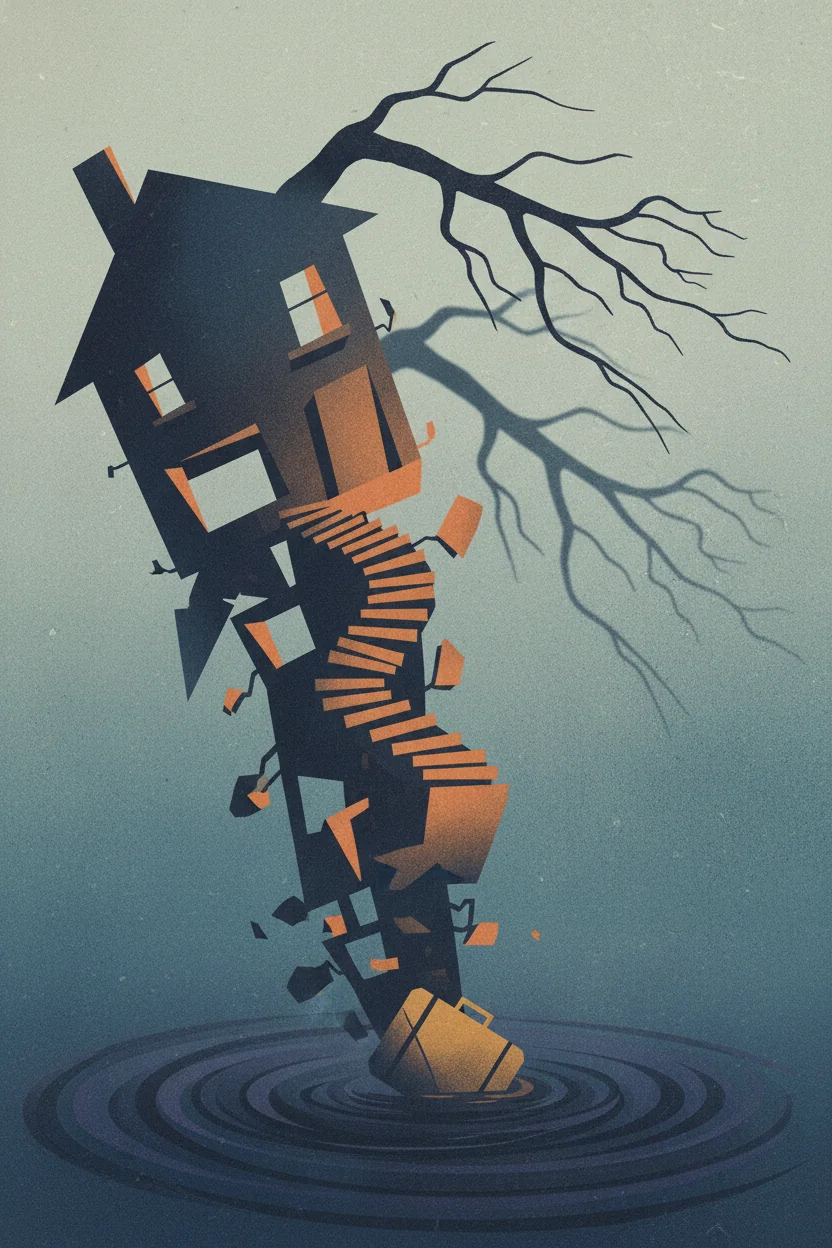
Death of a Salesman by Arthur Miller
by Arthur Miller
A tragic portrait of Willy Loman, an aging salesman who collapses under the weight of his own failed ambitions and the false promise of the American Dream. The story explores the dysfunctional relationship between a father and his sons as they struggle to reconcile their identities with societal expectations.
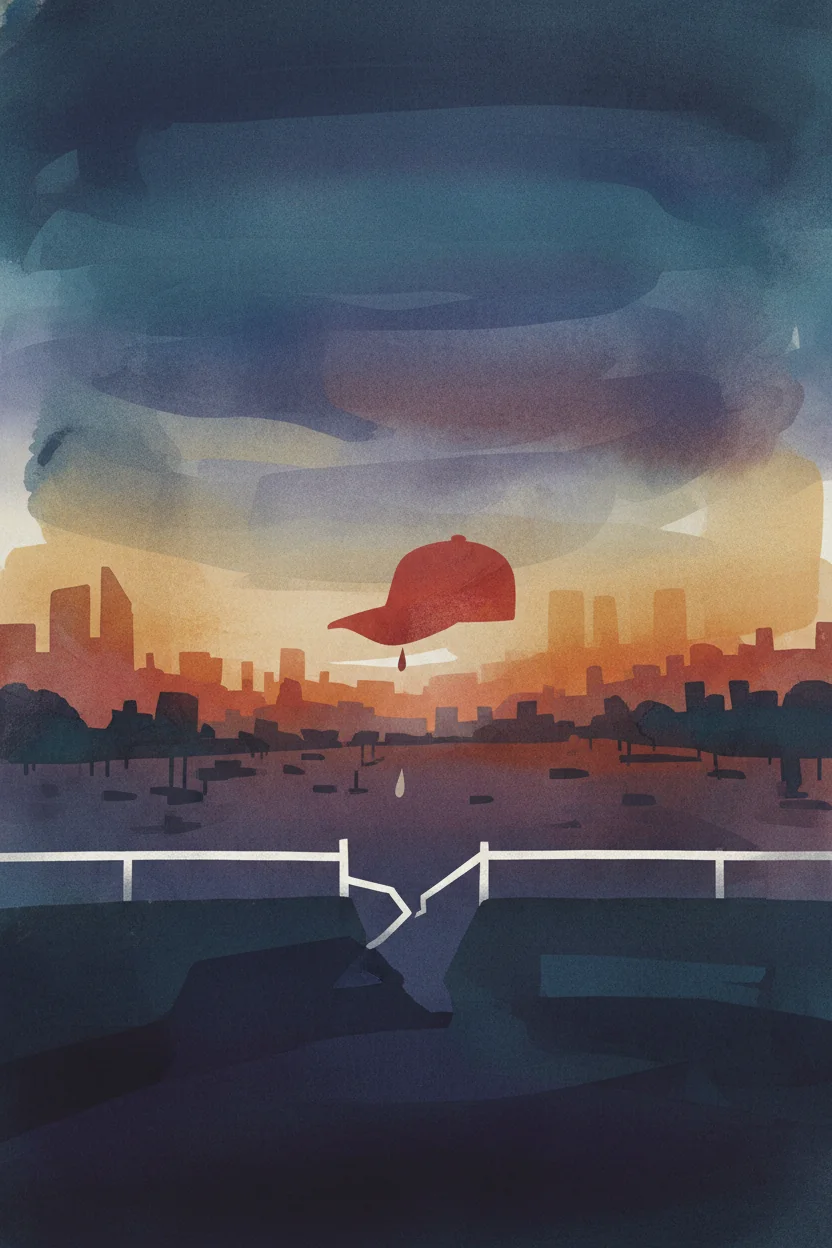
The Catcher in the Rye by J.D. Salinger
by J.D. Salinger
Holden Caulfield, a disillusioned teenager expelled from school, wanders New York City in a state of mental crisis. He grapples with the loss of his brother and the 'phoniness' of adult society, ultimately seeking a way to protect the innocence of children.
The Outsiders by S.E. Hinton
by S.E. Hinton
Ponyboy Curtis and his gang of Greasers clash with the wealthy Socs in a cycle of violence. After a tragic accident and a heroic rescue, Ponyboy learns that empathy and innocence are more valuable than social status.
Of Mice and Men by John Steinbeck
by John Steinbeck
George and Lennie, two migrant workers during the Great Depression, dream of owning their own land to escape a life of loneliness. However, Lennie's intellectual disability and unintentional violence lead to a tragic end, forcing George to make a heartbreaking decision to protect his friend.
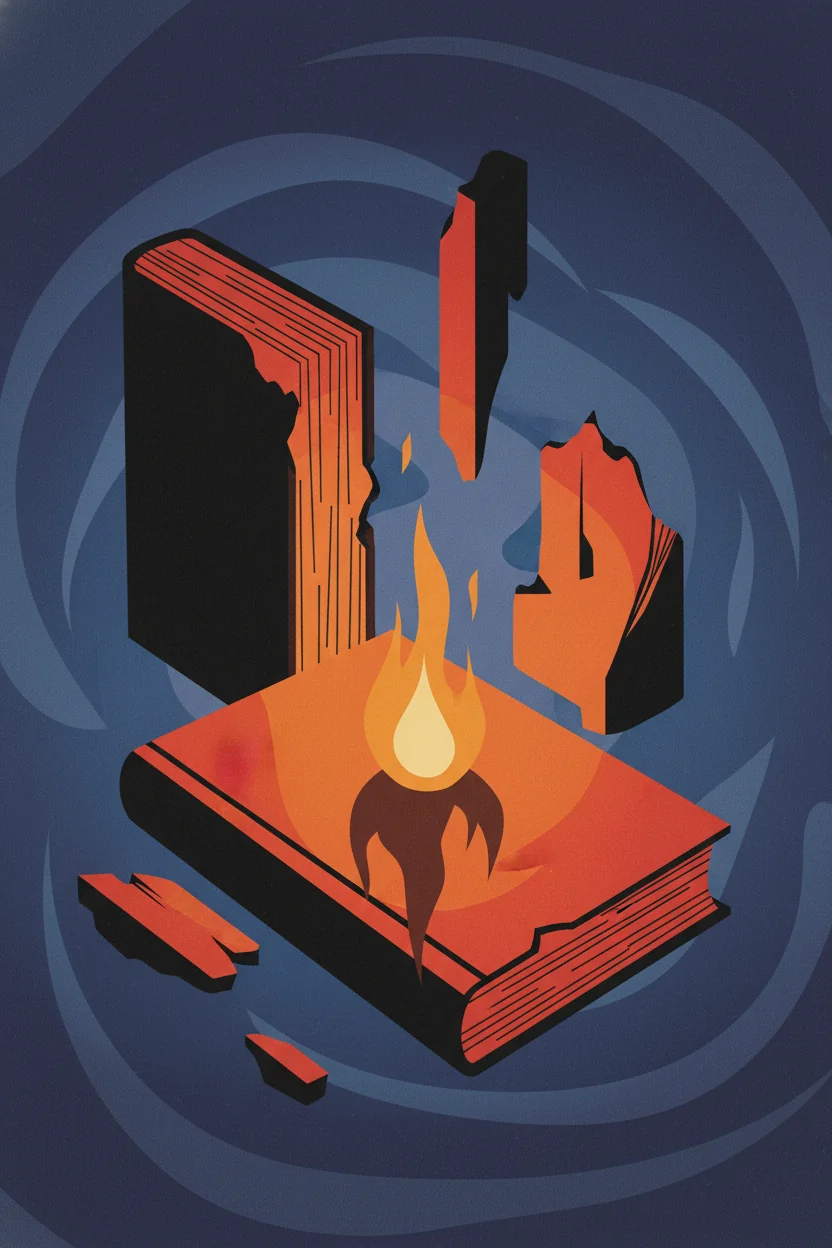
Fahrenheit 451 by Ray Bradbury
by Ray Bradbury
A fireman in a futuristic society where books are banned and burned discovers the emptiness of his life and rebels against the state. After meeting a free-thinking girl and a retired professor, he flees the city to join a secret community dedicated to memorizing literature to save human history.
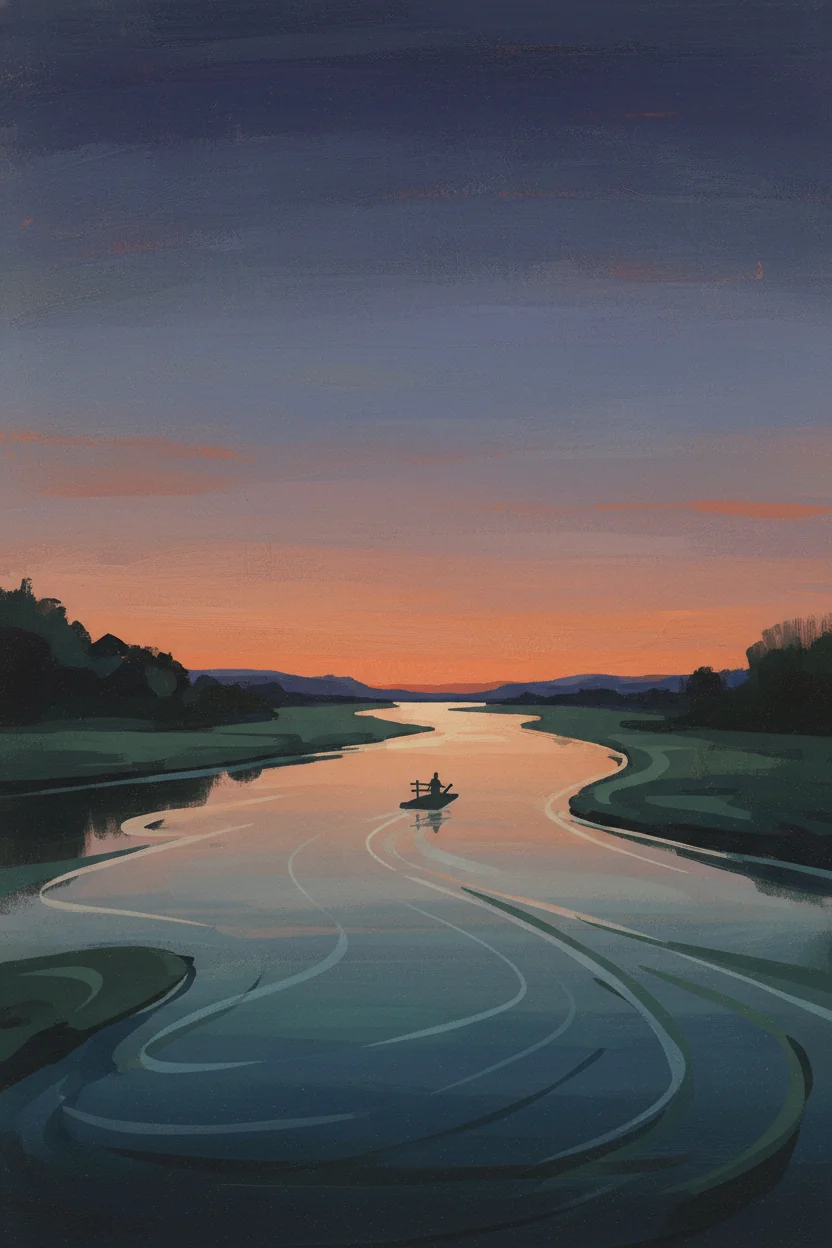
Adventures of Huckleberry Finn by Mark Twain
by Mark Twain
A young boy named Huck Finn and an escaped slave named Jim travel down the Mississippi River on a raft. Along the way, Huck overcomes his societal prejudices to form a deep bond with Jim, ultimately choosing friendship over the laws of a slave-holding society.

Brave New World by Aldous Huxley
by Aldous Huxley
In a future where humans are genetically engineered and conditioned into castes, a 'Savage' from a reservation is brought into a sterile society. He finds their painless existence abhorrent, leading to a tragic clash between authentic human suffering and synthetic contentment.
To Kill a Mockingbird by Harper Lee
by Harper Lee
A young girl named Scout Finch grows up in the racially divided town of Maycomb, Alabama. Through her father Atticus's defense of a Black man falsely accused of a crime and her evolving relationship with a reclusive neighbor, she learns the painful reality of human prejudice and the importance of compassion.
Pride and Prejudice by Jane Austen
by Jane Austen
Elizabeth Bennet and Mr. Darcy initially clash due to their respective pride and prejudices. Through a series of social trials and personal growth, they eventually overcome their misconceptions to find genuine love.

The Great Gatsby by F. Scott Fitzgerald
by F. Scott Fitzgerald
Nick Carraway enters the orbit of Jay Gatsby, a mysterious millionaire obsessed with reclaiming his past love, Daisy Buchanan. Amidst the decadence of the Jazz Age, Gatsby's pursuit of an impossible dream leads to a tragic collision of class, love, and betrayal.
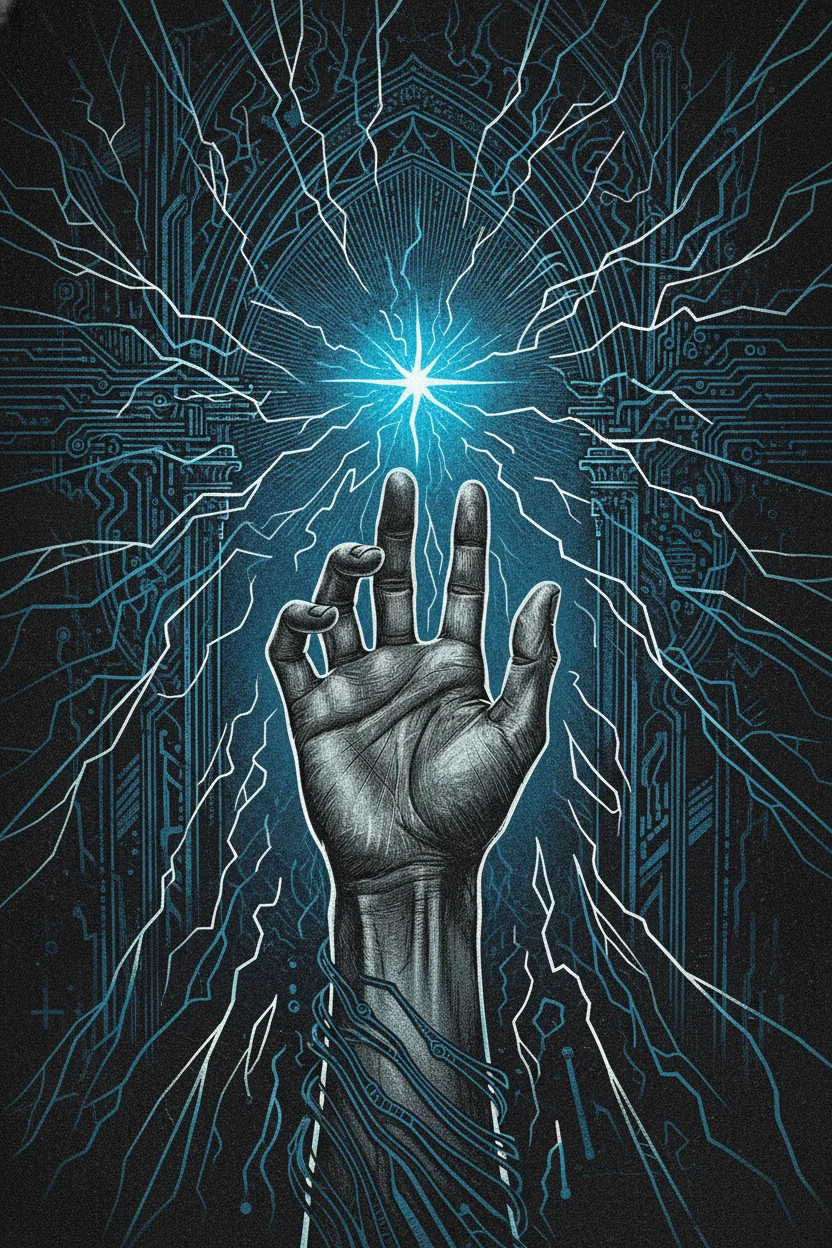
Frankenstein by Mary Shelley
by Mary Shelley
Victor Frankenstein creates a sentient being from dead matter but abandons it in horror. Rejected by society and heartbroken by his creator's betrayal, the creature turns to violence and revenge. The novel explores the ethics of science and the devastating impact of isolation and abandonment.
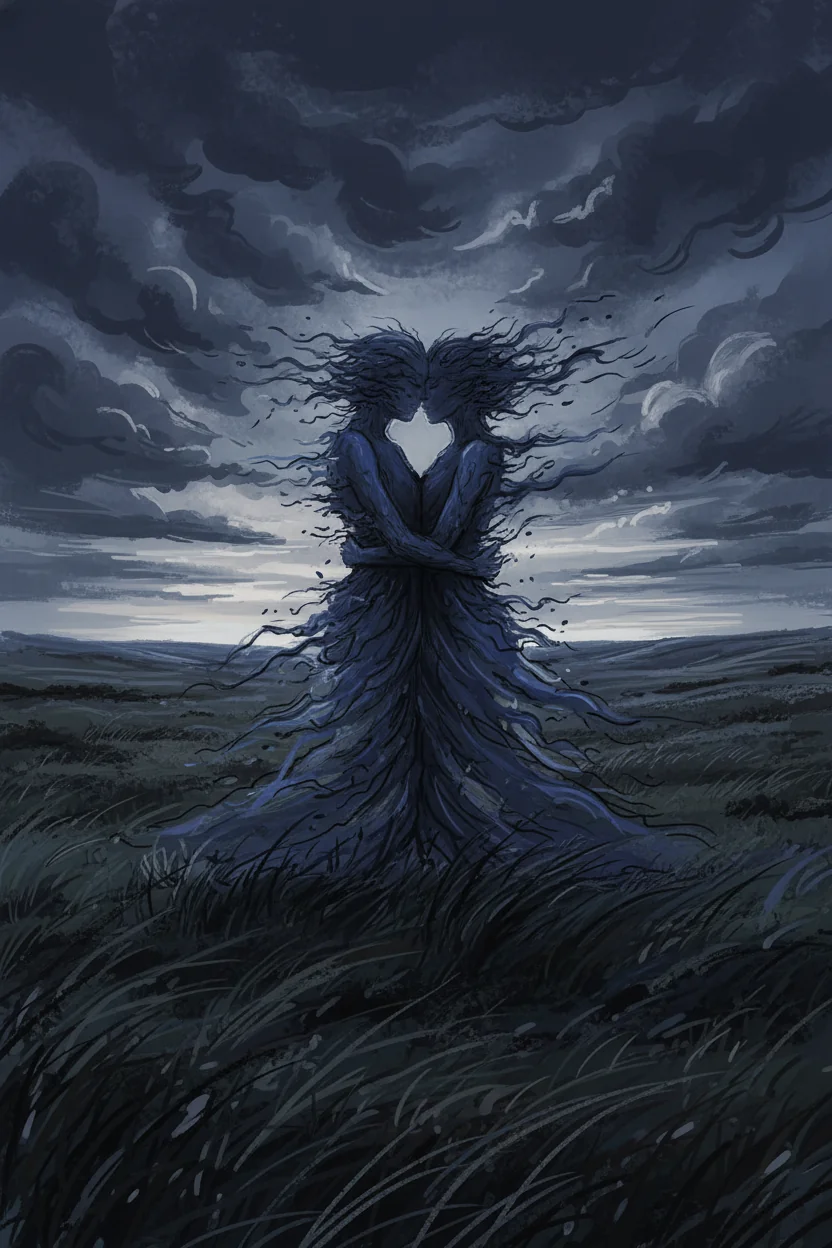
Wuthering Heights by Emily Brontë
by Emily Brontë
Narrated by Nelly Dean, the novel follows the destructive bond between Catherine Earnshaw and the foundling Heathcliff. After Catherine chooses social status over Heathcliff by marrying Edgar Linton, Heathcliff returns years later to systematically destroy both the Earnshaw and Linton families through manipulation and revenge.