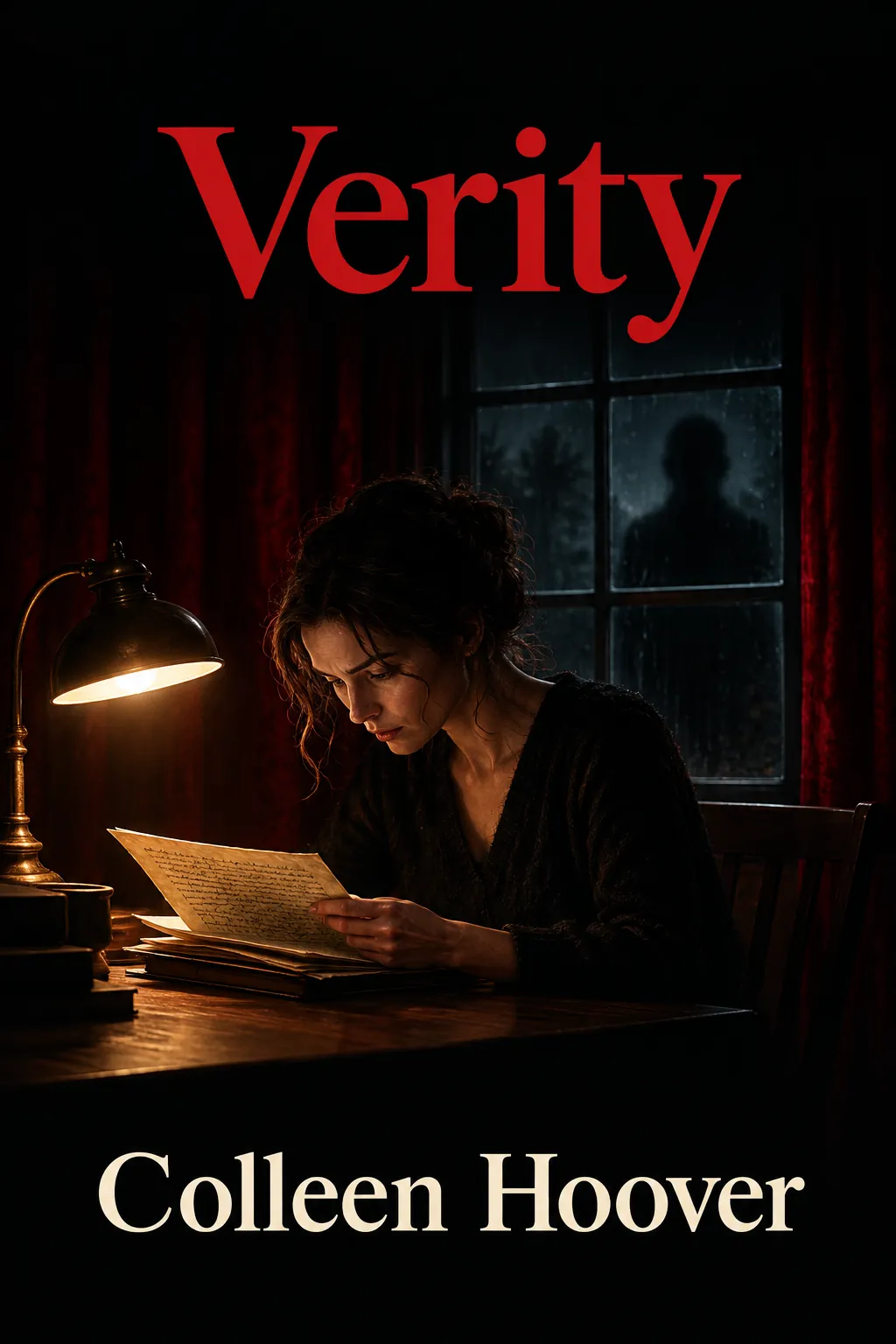
『ヴェリティー』
Colleen Hoover 著
コリーン・フーヴァー著『ヴェリティー』は、不慮の事故で筆を折った作家の代筆を引き受けた新進作家が、恐ろしい秘密を暴いていく様子を描いた、衝撃的で中毒性のあるサイコリスリラーです。
Audibleを試す · Amazonアソシエイトとして、FiveMinReadは適格販売により収入を得ています。 詳細
核心的なアイデア
"真実とは、自分が信じると決めた物語に過ぎない。時に最も危険な嘘とは、愛する人々について、あるいは日常に潜む悪の正体について、自分自身に言い聞かせる嘘である。"
重要な洞察
Manuscripts Can Be Weapons
Written words carry power beyond their truth. Whether fiction or autobiography, Verity's manuscript functions as a weapon that destroys relationships and sanity. The act of reading becomes an act of destruction.
Lowen discovers Verity's manuscript and is forever changed by it. Whether the manuscript reveals truth or constructs lies, its effect is the same: it rewrites reality for everyone who encounters it.
Love Can Be Indistinguishable from Obsession
Intense love and destructive obsession can look identical from the outside—and sometimes from the inside too. The line between devotion and possession blurs when emotions run strong enough.
Verity's manuscript reveals (or claims) a love for Jeremy so consuming that it encompasses horror. Her devotion—if real—is inseparable from a willingness to destroy. Love becomes the justification for the unthinkable.
Unreliable Narrators Reflect Real Life
We never really know what others are thinking. Every person presents a curated version of themselves. The novel's central ambiguity mirrors our daily reality: we trust narratives that might be fiction.
By the end, readers don't know whether to believe Verity's manuscript or her letter. Both could be true; both could be lies. We must choose what to believe—just as we do with everyone in our lives.
Victims Can Become Villains
The roles of victim and perpetrator aren't fixed. Circumstances can transform victims into villains and villains into victims. Sympathy shifts as information changes, questioning our ability to judge.
Throughout the novel, our sympathy shifts repeatedly. Jeremy seems victimized by Verity; Verity seems victimized by circumstance; Lowen makes choices that compromise her own innocence. No one remains purely victim or villain.
Truth Matters Less Than Consequences
The novel suggests that what actually happened may be less important than what people believe happened—and what they do as a result. Truth is secondary to the stories that drive action.
The final scenes show characters making decisions based on their interpretation of truth. Whether their interpretation is correct becomes irrelevant; the consequences of their beliefs become the new reality.
章ごとの解説
The Setup
Lowen Ashleigh, a struggling writer, accepts a lucrative job: complete the remaining books in a successful series written by Verity Crawford, who is now incapacitated after an accident. Lowen moves into the Crawford home to review Verity's notes and outlines, where she lives with Verity's husband Jeremy and observes Verity, who appears unresponsive in her bedroom.
The Manuscript
While searching for Verity's notes, Lowen discovers a manuscript—Verity's autobiography, written in secret. The manuscript contains horrifying confessions about Verity's marriage, her relationship with her children, and dark truths she's kept hidden from everyone.
As Lowen reads, she becomes consumed by the manuscript's revelations. She develops feelings for Jeremy and faces an impossible choice: reveal what she's found, or hide it to protect her growing relationship with him.
Escalating Horror
The manuscript's confessions grow increasingly disturbing. Verity's account of her marriage and motherhood suggests a person capable of unspeakable acts—but also someone deeply damaged, whose truth we can't verify.
Meanwhile, Lowen and Jeremy grow closer, and Lowen begins to question Verity's current state. Is she truly incapacitated?
Are they being watched? The domestic setting becomes increasingly sinister.
The Twist(s)
Hoover delivers multiple twists that force readers to reconsider everything they thought they knew. A hidden letter contradicts the manuscript.
Characters reveal hidden depths. The truth—if it can be called truth—shifts repeatedly.
The ending deliberately leaves readers unable to determine what actually happened. This ambiguity is the point: we must choose what to believe, just as the characters do, with incomplete and contradictory information.
The Final Question
The novel ends without clear resolution, asking readers to decide: Which version of events do you believe? Which narrator is trustworthy?
And perhaps most disturbing: does the truth even matter if the consequences are the same?
アクション
今日から実践できるステップ:
-
Question narratives—especially compelling ones—because the most persuasive stories aren't necessarily the truest
-
Recognize that the line between intense love and destructive obsession can be blurry; passion isn't always healthy
-
Accept that you can never fully know another person's inner life; everyone is an unreliable narrator of themselves
-
Be aware that sympathy and moral judgment can shift dramatically with new information; hold conclusions loosely
-
Consider that what you believe shapes your reality more than what actually happened
要約作成者

Software Engineer & Writer
Software engineer with a passion for distilling complex ideas into actionable insights. Writes about finance, investment, entrepreneurship, and technology.
すべての要約を見る →レビュー
レビューはまだありません。最初のレビューを書きましょう!
レビューを書く
続けて読む
このテーマを探る: フィクション要約

アウト・オブ・マイ・マインド
Sharon M. Draper
シャロン・M・ドレイパー著『アウト・オブ・マイ・マインド』は、脳性麻痺を持つ少女メロディ・ブルックスの人生を描いた胸を打つ物語です。身体的…

エンダーのゲーム
Orson Scott Card
オーソン・スコット・カードによる『エンダーのゲーム』は、人類が絶滅の危機に瀕した未来を描いた、極めて没入感の高いSF小説です。本要約では、…

パチンコ
Min Jin Lee
ミン・ジン・リーによる壮大な世代交代の物語『パチンコ』は、歴史の激動の中で、愛、運命、犠牲、そして生存をかけて道を切り拓こうとするある在日…

ウォールフラワー
Stephen Chbosky
スティーヴン・チョボスキー著『ウォールフラワー』は、繊細で内省的な少年チャーリーが綴る手紙形式の、心揺さぶる成長物語。メンタルヘルスの問題…
記事

『クリスマス・キャロル』のテーマ:寛大さ、孤立、責任
ディケンズの中編小説は、考えを改める男の物語として読まれることが多い。しかし、そのテーマはもっと鋭い。寛大さは実践であり、孤立は害であり、…
中国語の部屋(Chinese room argument)
中国語の部屋とは、哲学者ジョン・サールが1980年に発表した思考実験です。中国語がまったくわからない人が、規則集に従って記号を並べ替えるだ…

『ハンガー・ゲーム』に似たディストピア小説(Dystopian books like The Hunger Games)
『ハンガー・ゲーム』が好きな人には、理不尽な社会で戦う十代を描くヤングアダルト・ディストピアがよく合います。『バトル・ロワイアル』『ギヴァ…