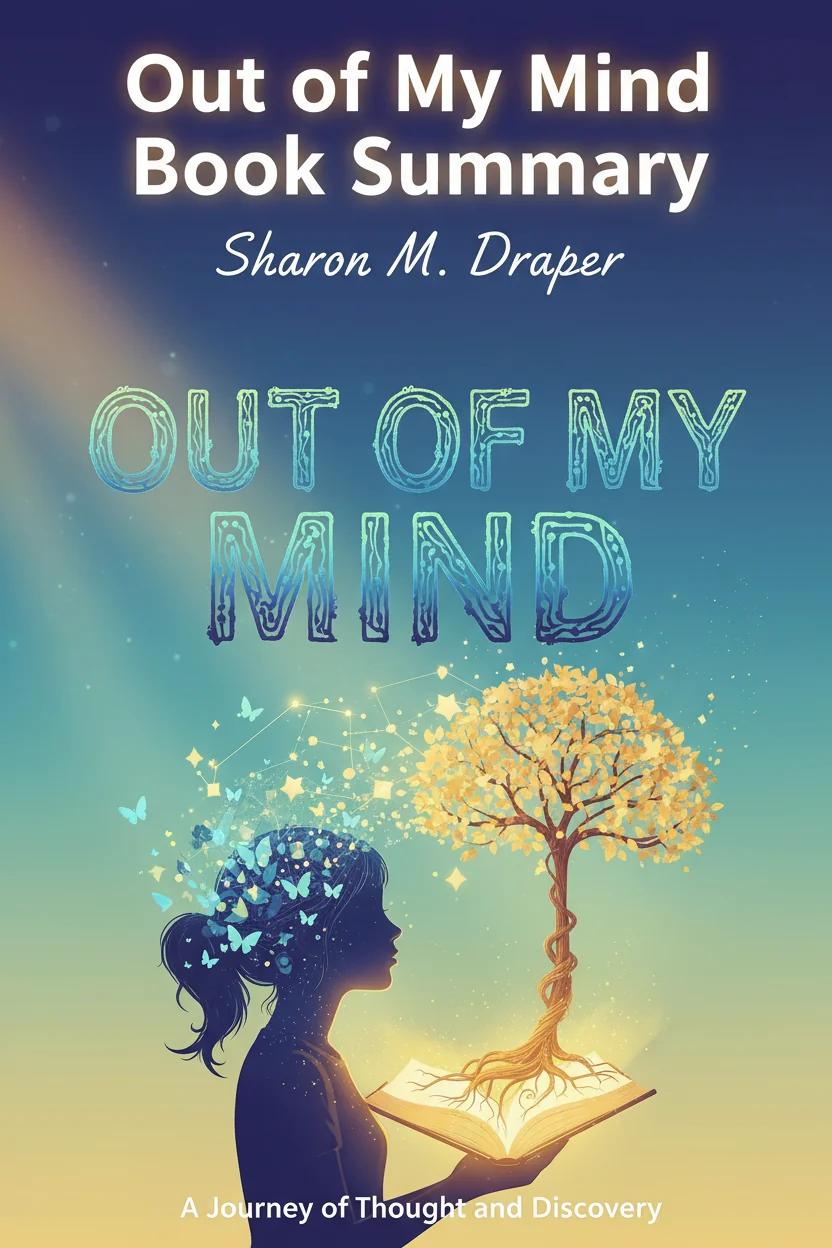
アウト・オブ・マイ・マインド
Sharon M. Draper 著
シャロン・M・ドレイパー著『アウト・オブ・マイ・マインド』は、脳性麻痺を持つ少女メロディ・ブルックスの人生を描いた胸を打つ物語です。身体的な制約があり言葉を発することはできませんが、メロディの類まれなる知性と強い意志は、社会が抱く「障害」への固定観念を打ち砕いていきます。
Audibleを試す · Amazonアソシエイトとして、FiveMinReadは適格販売により収入を得ています。 詳細
核心的なアイデア
"「話せないこと」は「伝えることがないこと」と同義ではない。最大の障害とは、周囲から過小評価されることであり、知性というものは、従来の測定方法や表現手段を遥かに超えたところに存在する。"
重要な洞察
The Mind Behind the Body
Melody has cerebral palsy and cannot speak, walk, or control her movements. But inside her uncooperative body lives a brilliant, observant, witty mind that absorbs and remembers everything.
Melody remembers every conversation she's ever heard, every fact from every TV show. She understands complex emotions and wordplay. She just can't show it.
The Cruelty of Assumptions
People consistently assume that because Melody can't communicate normally, she can't understand normally either. They talk about her in front of her, exclude her from opportunities, and underestimate her at every turn.
Teachers send Melody to a separate room for 'special' education that teaches her colors she learned before age two. Her intelligence is wasted because no one thinks to look for it.
Technology as Liberation
When Melody gets a communication device (Medi-Talker), her world opens up. Technology becomes the bridge between her internal world and the external world that has excluded her.
With her Medi-Talker, Melody can finally answer questions in class, make jokes, and show her knowledge. She qualifies for the quiz team - shocking everyone who underestimated her.
Partial Acceptance is Not Acceptance
Even when Melody proves herself, true inclusion remains elusive. Her teammates tolerate her presence but abandon her when she becomes inconvenient - revealing the shallowness of their acceptance.
When the quiz team's flight is rescheduled, they leave for the competition without Melody, not even telling her about the change. Her success doesn't guarantee belonging.
章ごとの解説
Part One: Trapped
Melody Brooks has cerebral palsy. She cannot walk, talk, feed herself, or control her body.
But she is brilliant - she remembers everything she hears or reads. The tragedy is that no one knows.
She watches life from her wheelchair, absorbing information from TV, conversations, and her environment. She understands everything but cannot respond.
People assume she's intellectually disabled because she can't communicate.
Part Two: Special Education
Melody spends years in special education classes that teach her almost nothing. While she could handle algebra, teachers review colors and shapes.
The system has no way to discover what she's capable of.
Her parents and Mrs. V (a neighbor who believes in her) try to find ways for her to communicate. Picture boards help, but they're slow and limiting.
Melody can only point to predetermined images, not express her full thoughts.
Part Three: The Medi-Talker
Everything changes when Melody gets a Medi-Talker - a computerized communication device she can operate with her thumb. Suddenly she can form sentences, tell jokes, and show her intelligence.
The school is forced to include her in regular classes. She qualifies for the quiz team, stunning everyone by knowing more answers than her teammates.
For the first time, people see her real self.
Part Four: The Betrayal
The quiz team makes it to nationals in Washington, D.C. But when the flight is rescheduled due to weather, Melody's teammates don't tell her. They fly to the competition without her.
They claim it was a misunderstanding, but the message is clear: when including Melody became inconvenient, they excluded her without a second thought. Their acceptance was conditional all along.
Part Five: Moving Forward
Melody is devastated but resilient. She realizes that her value doesn't depend on others' recognition.
She has family who love her, a voice (through her device), and a future that's more open than ever before. The world may not be ready for her, but she's ready for the world.
アクション
今日から実践できるステップ:
-
Never assume that someone's inability to communicate reflects their ability to understand
-
Consider what accommodations might help people in your life participate more fully
-
Examine whether your 'inclusion' of different people is genuine or just tolerance
-
Recognize that every person has a rich inner life, regardless of how they can express it
要約作成者

Software Engineer & Writer
Software engineer with a passion for distilling complex ideas into actionable insights. Writes about finance, investment, entrepreneurship, and technology.
すべての要約を見る →レビュー
レビューはまだありません。最初のレビューを書きましょう!
レビューを書く
続けて読む
このテーマを探る: フィクション要約
エンダーのゲーム
Orson Scott Card
オーソン・スコット・カードによる『エンダーのゲーム』は、人類が絶滅の危機に瀕した未来を描いた、極めて没入感の高いSF小説です。本要約では、…

パチンコ
Min Jin Lee
ミン・ジン・リーによる壮大な世代交代の物語『パチンコ』は、歴史の激動の中で、愛、運命、犠牲、そして生存をかけて道を切り拓こうとするある在日…

ウォールフラワー
Stephen Chbosky
スティーヴン・チョボスキー著『ウォールフラワー』は、繊細で内省的な少年チャーリーが綴る手紙形式の、心揺さぶる成長物語。メンタルヘルスの問題…
Holes あらすじ:スタンリー、ゼロと過去のつながり
Louis Sachar
Holesは、無実の罪で少年矯正施設へ送られたスタンリーが、ゼロと協力して穴掘りの目的を探る小説。現在のキャンプ、ラトビアの先祖、かつての…
記事

『クリスマス・キャロル』のテーマ:寛大さ、孤立、責任
ディケンズの中編小説は、考えを改める男の物語として読まれることが多い。しかし、そのテーマはもっと鋭い。寛大さは実践であり、孤立は害であり、…
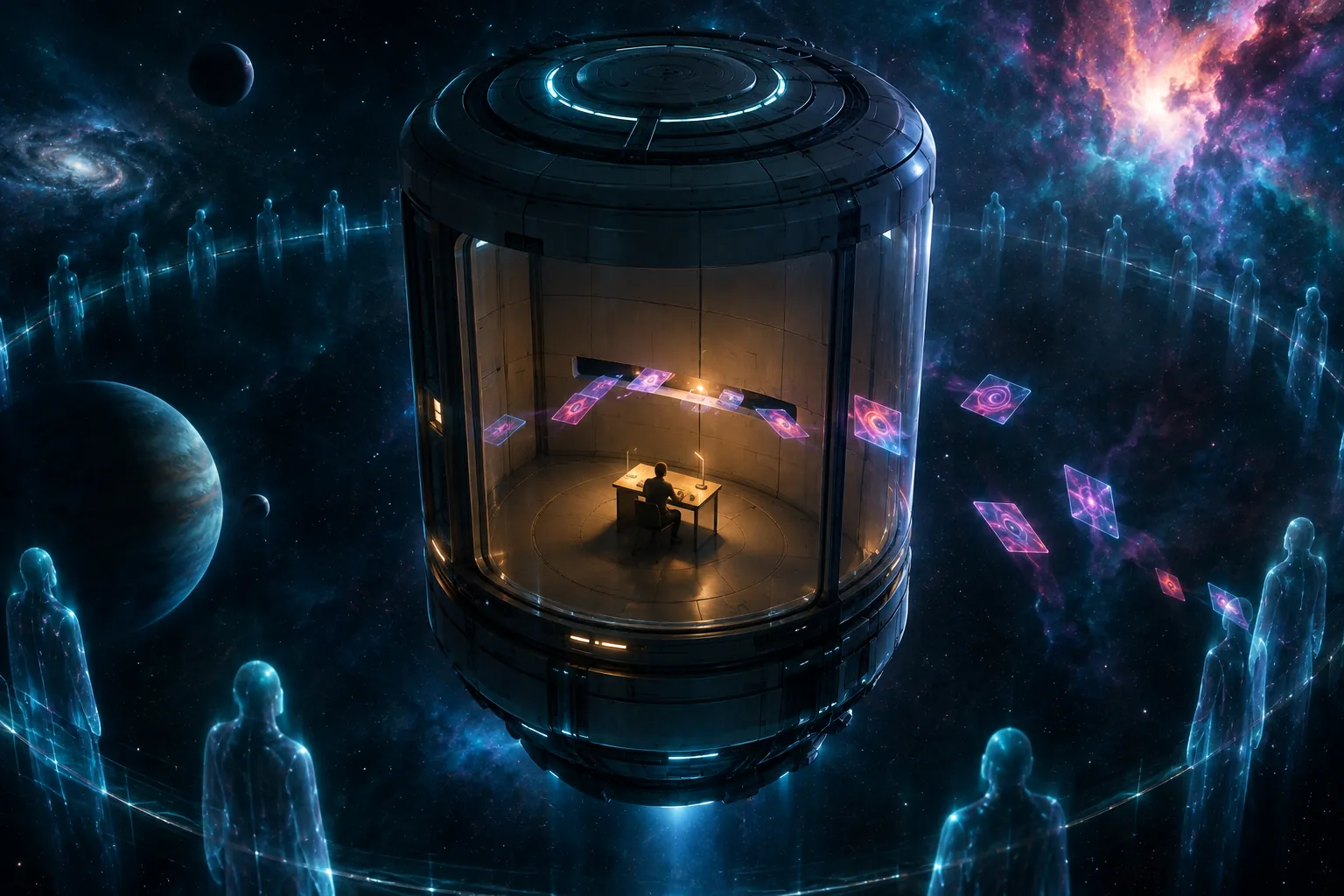
中国語の部屋(Chinese room argument)
中国語の部屋とは、哲学者ジョン・サールが1980年に発表した思考実験です。中国語がまったくわからない人が、規則集に従って記号を並べ替えるだ…

『ハンガー・ゲーム』に似たディストピア小説(Dystopian books like The Hunger Games)
『ハンガー・ゲーム』が好きな人には、理不尽な社会で戦う十代を描くヤングアダルト・ディストピアがよく合います。『バトル・ロワイアル』『ギヴァ…