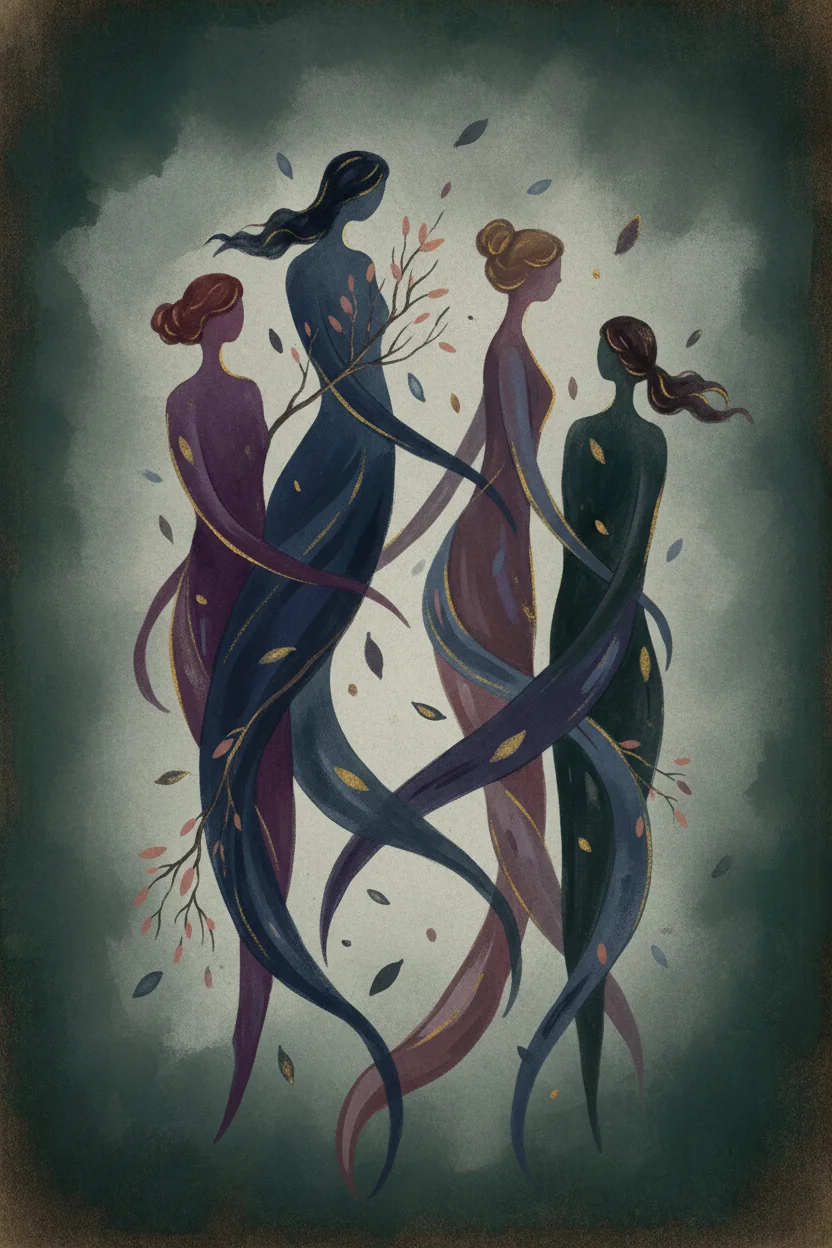
Little Women by Louisa May Alcott
by Louisa May Alcott
The novel follows the four March sisters—Meg, Jo, Beth, and Amy—as they navigate the challenges of growing up during the American Civil War. Through their struggles with poverty, loss, and societal expectations, they learn the value of virtue, family, and authenticity.
The Big Idea
"True maturity is found in balancing personal ambition and individuality with selfless love and devotion to one's family."
Key Insights
The Power of Agency
Jo's character proves that women can possess intellectual curiosity and professional ambition without losing their humanity.
Jo writes plays and stories in her attic, refusing to conform to the 'ladylike' behavior expected of her.
Moral Wealth
Material poverty can be a catalyst for spiritual and moral growth.
The sisters' joy comes from their shared creativity and kindness rather than expensive possessions.
The Complexity of Sisterhood
Sibling dynamics are a mixture of conflict and unconditional support that shapes one's identity.
Despite frequent quarrels between Jo and Amy, they remain each other's most honest critics and fiercest protectors.
Grief as a Teacher
The experience of loss can lead to a deeper understanding of life's fragility and the importance of the present.
Beth's death forces the other sisters to mature and appreciate the lasting impact of a gentle spirit.
Redefining Femininity
Being a 'little woman' is about strength of character and moral courage, not just domestic skill.
Marmee encourages her daughters to be useful and kind, prioritizing character over social status.
Chapter Breakdown
Context and Background
Published in 1868, Little Women is a semi-autobiographical masterpiece by Louisa May Alcott. The novel is set against the backdrop of the American Civil War, reflecting the societal norms and gender expectations of the mid-19th century. Alcott drew heavily from her own childhood in Concord, Massachusetts, transforming her family dynamics into a timeless narrative about sisterhood and growth. At its core, the story serves as a bildungsroman, tracing the transition of the four March sisters from childhood innocence to the complexities of adult womanhood. During an era when women were largely confined to the domestic sphere, Alcott used the March family to explore the tension between traditional feminine duties and the pursuit of individual ambition and artistic expression.
Plot Overview
The story follows the lives of Meg, Jo, Beth, and Amy March, four sisters living in modest circumstances with their mother, Marmee, while their father serves as a chaplain in the Union Army. Each sister possesses a distinct personality: Meg is the traditional beauty, Jo is the rebellious tomboy and aspiring writer, Beth is the shy, musical soul, and Amy is the artistic and occasionally vain youngest daughter. The plot unfolds through a series of domestic vignettes, focusing on their efforts to improve themselves and help others despite their poverty.
The sisters form a deep bond with their neighbor, Laurie Lawrence, a wealthy orphan living under the strict but loving guidance of his grandfather. As the years pass, the girls face various trials: Jo struggles with her temper and the frustration of being underestimated; Amy travels to Europe to refine her art; and Beth battles a chronic illness that eventually claims her life. The emotional climax of the novel revolves around the sisters' evolving relationships and their ultimate realization that true fulfillment comes from a balance of personal ambition and selfless love for one's family.
Major Themes
The Struggle Between Independence and Tradition: Jo March embodies the fight for female autonomy. Her resistance to the 'domestic ideal' of the 19th century is central to the book. Through Jo, Alcott questions whether a woman can be both independent and loved, and whether artistic passion can coexist with societal expectations.
The Definition of True Wealth: The March family is 'poor' in financial terms but 'rich' in spirit. The novel emphasizes that virtue, kindness, and family loyalty are far more valuable than the material luxuries enjoyed by characters like Laurie. This theme is reinforced through the sisters' willingness to give up their Christmas breakfast for a needy family.
Growth and Maturity: Each sister undergoes a process of refinement. Meg learns to find contentment in a simple home, Jo learns to temper her anger and embrace vulnerability, and Amy matures from a spoiled child into a sophisticated woman who understands the responsibility of guiding others.
Key Scenes and Quotes
One of the most poignant scenes is Beth's gradual decline and eventual death. Her passing serves as the catalyst for the remaining sisters to evaluate their lives and prioritize their bonds. Another pivotal moment is Jo's refusal of Laurie's marriage proposal. In a daring move for the time, Jo chooses her independence and her friendship over a romantic union that she knows would stifle her spirit.
The scene where the girls create the 'Pickwick Club' highlights their imaginative spirits and their desire to create a world of their own. The guidance provided by Marmee, particularly during her letters from their father, provides the moral compass for the narrative, urging the girls to be 'little women'—not in the sense of conforming to stereotypes, but in the sense of possessing strength of character and moral integrity.
Legacy and Why It Matters
Little Women remains a cornerstone of American literature because it provides a nuanced look at the female experience. It was one of the first novels to present girls as complex individuals with internal conflicts, intellectual desires, and distinct personalities. Its legacy lies in its celebration of the domestic sphere not as a prison, but as a place of profound emotional growth and support.
The book continues to resonate today because the struggle to balance individual identity with family loyalty is universal. By championing the 'unconventional' woman in Jo, Alcott paved the way for future generations of female writers and protagonists. The novel's enduring popularity across multiple film and stage adaptations proves that the themes of love, loss, and the pursuit of one's dreams are timeless.
Take Action
Practical steps you can implement today:
-
Cultivate a personal passion or hobby that provides a sense of identity and purpose.
-
Prioritize meaningful relationships and family bonds over the pursuit of material wealth.
-
Practice emotional regulation and patience when dealing with loved ones to avoid lasting conflict.
-
Embrace your unique traits rather than trying to fit into a predefined societal mold.
-
Find ways to contribute to your community through small, selfless acts of kindness.
Notable Quotes
"I want to do something scrapable for my country!"
— Louisa May Alcott
"I've got art to make, and I shall make it!"
— Louisa May Alcott
"I am not afraid of people; it is the loneliness that frightens me."
— Louisa May Alcott
"Love is the only thing that we can carry with us when we go."
— Louisa May Alcott
Who Should Read This
This book is ideal for anyone who enjoys heartwarming stories of family dynamics, coming-of-age narratives, and feminist themes. It is particularly recommended for young adults exploring their identity and adults seeking a nostalgic, moral-driven story about the enduring power of love and sisterhood.
Summary Written By

Software Engineer & Writer
Software engineer with a passion for distilling complex ideas into actionable insights. Writes about finance, investment, entrepreneurship, and technology.
View all summaries →Reviews
No reviews yet. Be the first to share your thoughts!