Great Expectations by Charles Dickens
by Charles Dickens
The story follows Pip, an orphan who rises from poverty to become a gentleman through a mysterious benefactor. Along the way, he learns that social class is a facade and that genuine human connection is the only true measure of success.
The Big Idea
"True nobility is defined by moral integrity and unconditional love rather than social status or financial wealth."
Key Insights
The Fallacy of Class
Social standing does not equate to moral superiority.
Pip views Joe as inferior because he is a blacksmith, yet Joe is the only character who offers selfless, unwavering love.
The Danger of Revenge
Holding onto past trauma can freeze a person's emotional growth and destroy others.
Miss Havisham's lifelong obsession with her betrayal leads her to raise Estella as a weapon to hurt men.
The Nature of Benefaction
Wealth often comes from unexpected and sometimes 'unclean' sources, challenging the recipient's ego.
Pip is horrified to learn his lifestyle was funded by Magwitch, a convict, rather than the aristocratic Miss Havisham.
The Cost of Ambition
Pursuing a curated image of success often leads to the alienation of those who truly care for us.
Pip becomes ashamed of his home and Joe in his pursuit of becoming a gentleman for Estella.
Redemption through Suffering
True character is forged through the acceptance of failure and the act of making amends.
Pip only finds peace after losing his fortune and recognizing the value of Joe's kindness.
Chapter Breakdown
The Setting and Social Context of Victorian England
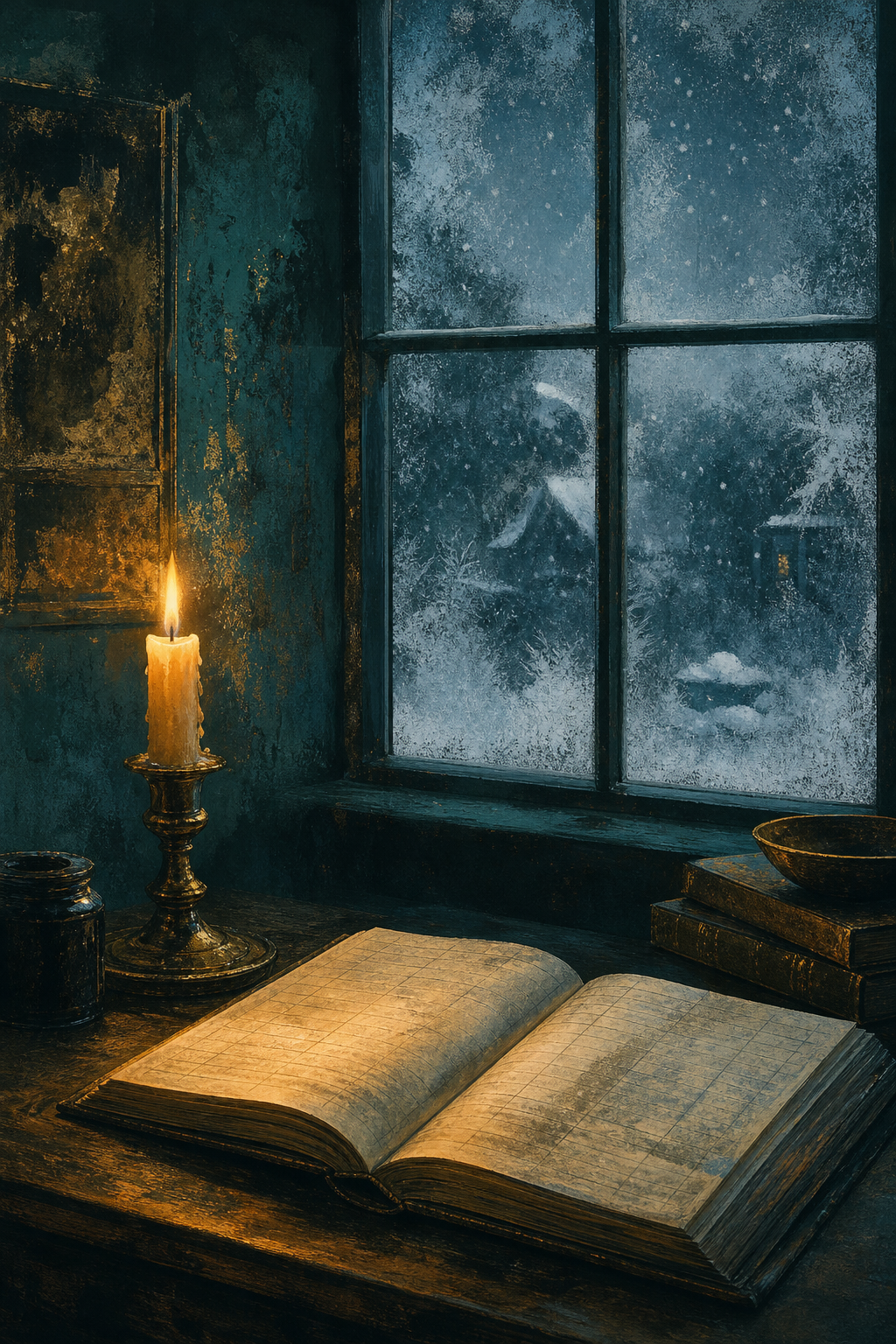
Charles Dickens' Great Expectations is a masterful exploration of class, ambition, and moral growth set against the backdrop of 19th-century England. The story begins in the bleak, misty marshes of Kent, where the protagonist, Pip, lives a modest and often difficult life with his sister and her husband, Joe Gargery. The societal structure of the era is rigid; wealth and breeding are seen as the primary markers of worth, while those in the laboring class are often dismissed or dehumanized. Pip's early life is defined by this disparity, as he is an orphan caught between the honest, simple love of Joe and the oppressive expectations of the society around him. The atmospheric descriptions of the marshes and the decaying grandeur of Satis House serve as metaphors for the emotional states of the characters: one representing raw, untamed survival and the other representing the stagnant, rotting nature of inherited wealth.
A Journey of Ambition and Disappointment
The plot follows Pip's transformation from a young boy into a gentleman. His life changes trajectory after two pivotal encounters: one with an escaped convict, Abel Magwitch, whom Pip helps in secret, and another with the wealthy, eccentric Miss Havisham. Miss Havisham, having been jilted at the altar decades prior, lives in a state of frozen grief, wearing her wedding dress in a house where all clocks have stopped. She uses Pip as a plaything to entertain her adopted daughter, Estella, who is raised to be cold and heartless to break men's spirits. Pip falls deeply in love with Estella, and this longing fuels his desire to rise above his station. When an anonymous benefactor provides Pip with a massive fortune to move to London and become a 'gentleman,' Pip assumes it is Miss Havisham. He spends his youth chasing a social status he believes will win Estella's heart, only to discover that his wealth comes from the very source he spent years trying to forget: Magwitch, the convict.
Major Themes: Class, Guilt, and Moral Redemption
At its core, the novel is a critique of the Victorian class system. Dickens argues that true nobility is not found in wealth or social standing, but in the purity of one's heart and the loyalty they show to others. Pip's journey is one of 'moral education.' Initially, he views his humble origins and his relationship with Joe as something to be ashamed of once he achieves status. However, the climax of the novel reveals the irony of his 'expectations.' The money that made him a gentleman was earned through the criminal labor of a social outcast. This realization forces Pip to confront his own arrogance and vanity. The theme of guilt also permeates the story, as Pip is haunted by his treatment of Joe and his initial fear of Magwitch. Redemption is achieved only when Pip accepts his past, acknowledges the intrinsic value of Joe's unconditional love, and realizes that Estella's cruelty was a product of her own trauma.
Key Scenes and Pivotal Moments
One of the most haunting scenes is Pip's first visit to Satis House, where he encounters the skeletal figure of Miss Havisham. This scene establishes the theme of arrested development and the destructive power of revenge. Another critical moment is the revelation of Magwitch's identity. The scene where Magwitch returns to England and confronts Pip is a turning point, shifting the novel from a story of social climbing to one of human connection and sacrifice. Pip's eventual reconciliation with Joe is equally poignant, representing the triumph of genuine affection over artificial social prestige. The final meeting between Pip and Estella, years later, suggests a bittersweet resolution; while they cannot return to the innocence of childhood, they have both been 'bent and broken' into a state of maturity and mutual understanding.
The Legacy and Enduring Relevance of the Novel
Great Expectations remains one of Dickens' most beloved works because it speaks to a universal human experience: the desire to be 'more' than what we are and the subsequent realization that we may have lost ourselves in the process. It serves as a timeless warning against the pursuit of superficial success at the cost of integrity and love. By weaving together elements of a gothic mystery and a coming-of-age story, Dickens creates a narrative that is both entertaining and profoundly philosophical. The novel's legacy lies in its insistence that human worth is measured by kindness and loyalty rather than bank accounts or titles. In a modern world still obsessed with status and image, Pip's journey from blind ambition to humble wisdom continues to resonate with readers across the globe.
Take Action
Practical steps you can implement today:
-
Prioritize authentic relationships over social climbing and superficial status.
-
Avoid letting past grievances dictate your future actions or how you treat others.
-
Recognize that a person's value is found in their character and loyalty, not their profession.
-
Be wary of 'shortcuts' to success that require you to compromise your identity.
-
Practice gratitude for those who support you during your lowest points, regardless of their social standing.
Notable Quotes
"I have been bent and broken, but - I hope - into a better shape."
— Charles Dickens
"Pause you who read this, and think for a moment of the lapped-up, pampered, and polished world."
— Charles Dickens
"I wanted to be a gentleman, and I wanted to be a gentleman for Estella."
— Charles Dickens
"That was a tedious time in my early life, when I was always chased and frightened."
— Charles Dickens
Who Should Read This
This book is ideal for anyone who enjoys classic literature, coming-of-age stories, or social critiques. It is particularly resonant for those who have ever felt the pressure to conform to societal expectations or who are navigating the complexities of ambition, class, and identity.
Summary Written By

Software Engineer & Writer
Software engineer with a passion for distilling complex ideas into actionable insights. Writes about finance, investment, entrepreneurship, and technology.
View all summaries →Reviews
No reviews yet. Be the first to share your thoughts!