Understanding the Causes of the Industrial Revolution
To grasp the significance and impact of the Industrial Revolution, it is essential to gain an understanding of its definition, overview, and historical context.
Definition and Overview
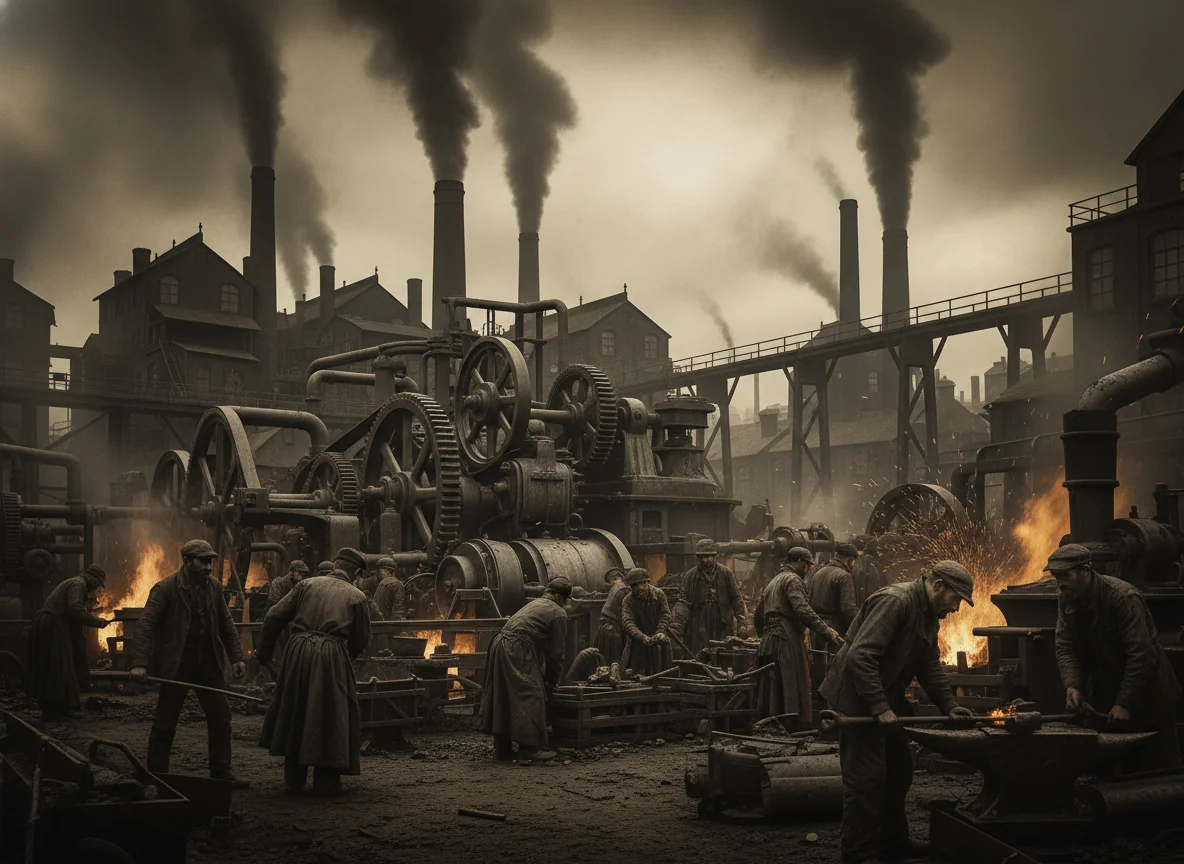
The Industrial Revolution refers to a period of profound transformation that occurred in Britain in the late 18th century and subsequently spread across the world. It marked a significant shift in the way goods were produced, leading to a rapid transition from manual labor to machine-based manufacturing processes. This revolution brought about a series of technological, economic, and social changes that reshaped societies and laid the foundation for modern industrialized nations.
The term "industrial revolution" is often used to describe the transition from agrarian societies to industrialized ones. It involved advancements in various industries, such as textiles, iron production, transportation, and agriculture. The industrialization process led to a significant increase in production efficiency, the development of new technologies, and the emergence of new economic systems.
Historical Context
The Industrial Revolution emerged in Britain, and its causes are multifaceted and complex. Several factors contributed to its onset and rapid growth. These factors include advancements in agriculture, population growth, technological innovations, access to capital, and the accumulation of wealth from trade.
Britain possessed abundant natural resources, including coal and iron ore, which were crucial for industrialization. Additionally, the country experienced a period of rapid population growth, which created a large labor force and a growing market for goods. Technological advancements, such as the invention of the steam engine and the development of textile machinery, played a pivotal role in driving industrialization forward.
Causes of the Industrial Revolution
The Industrial Revolution, a period of significant economic and social change, was driven by various factors. These causes laid the foundation for the rapid industrialization that transformed societies and economies during this time.
Technological Advancements
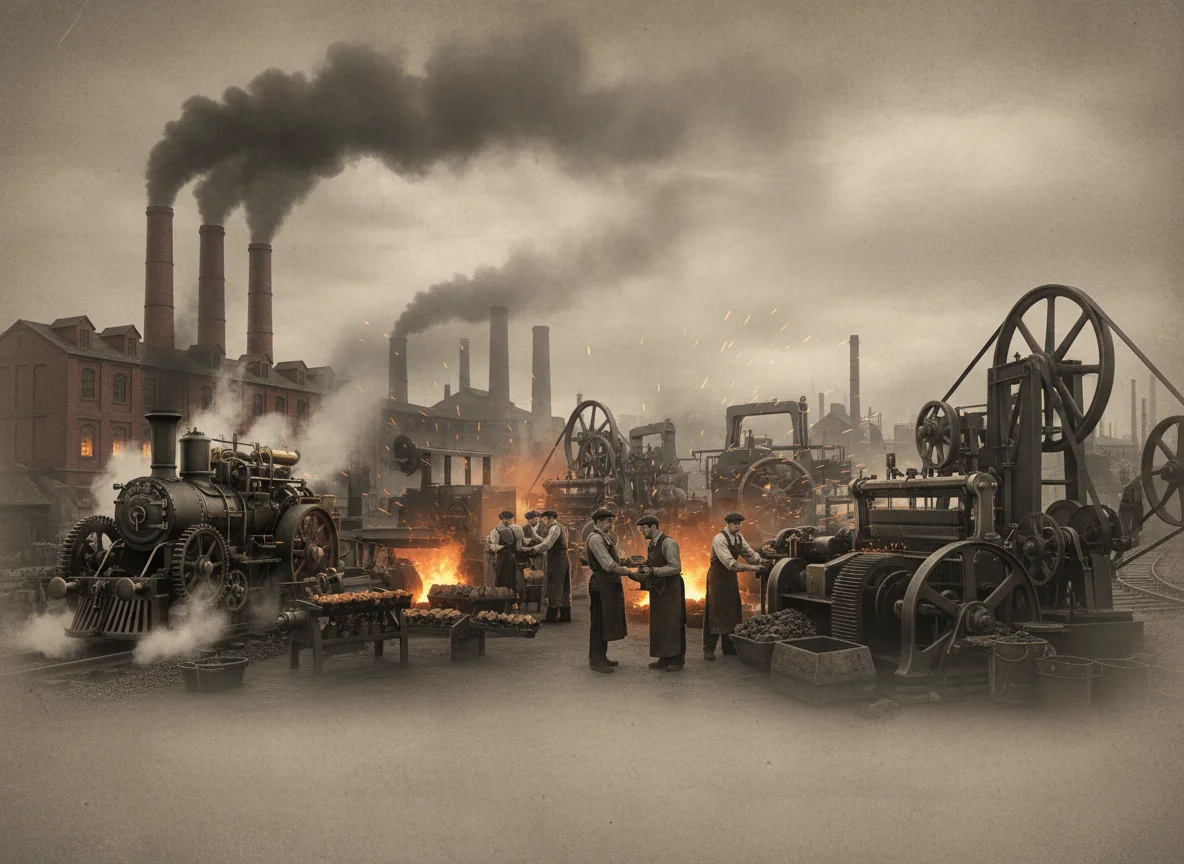
Technological advancements played a crucial role in propelling the Industrial Revolution forward. Innovations such as the steam engine, textile machinery, and iron production revolutionized manufacturing processes, leading to increased productivity and efficiency. The steam engine, in particular, powered factories, enabled the mechanization of various industries, and facilitated the development of transportation systems.
Population Growth
The increase in population during the Industrial Revolution was a significant catalyst for change. The shift from rural living to cities resulted in a greater demand for goods and services. This surge in population created a labor force that fueled the expansion of industries and the growth of urban centers.
Access to Capital
Access to capital was another critical factor in driving the Industrial Revolution. The availability of financial resources allowed entrepreneurs to invest in new technologies, build factories, and finance infrastructure development. Capital accumulation and the emergence of early forms of capitalism played a pivotal role in facilitating industrial growth.
Agricultural Innovations
Advancements in agricultural practices and technology also contributed to the Causes of the Industrial Revolution. Innovations such as the enclosure movement and crop rotation improved agricultural productivity, leading to increased food production and surplus labor. This surplus workforce, freed from agricultural labor, could then be absorbed by the expanding industrial sector.
Trade and Colonization
Global trade and colonization played a significant role in driving the Causes of the Industrial Revolution. The growth of international trade, facilitated by colonial expansion and the discovery of new resources, created new markets and sources of raw materials. This, in turn, stimulated industrial growth and provided the necessary resources for manufacturing and production.
Impact of the Industrial Revolution
Economic Transformation
One of the most significant impacts of the Industrial Revolution was the economic transformation it brought about. The introduction of new technologies and the mechanization of production processes led to increased efficiency and productivity in various industries. This resulted in a significant expansion of industrial output, leading to economic growth and the accumulation of wealth.
Social Changes
The Industrial Revolution had far-reaching social impacts, reshaping societies across the globe. One of the significant social changes was the rise of urbanization. As industrial centers developed, people migrated from rural areas to cities in search of employment opportunities in factories.
Urbanization and Factory System
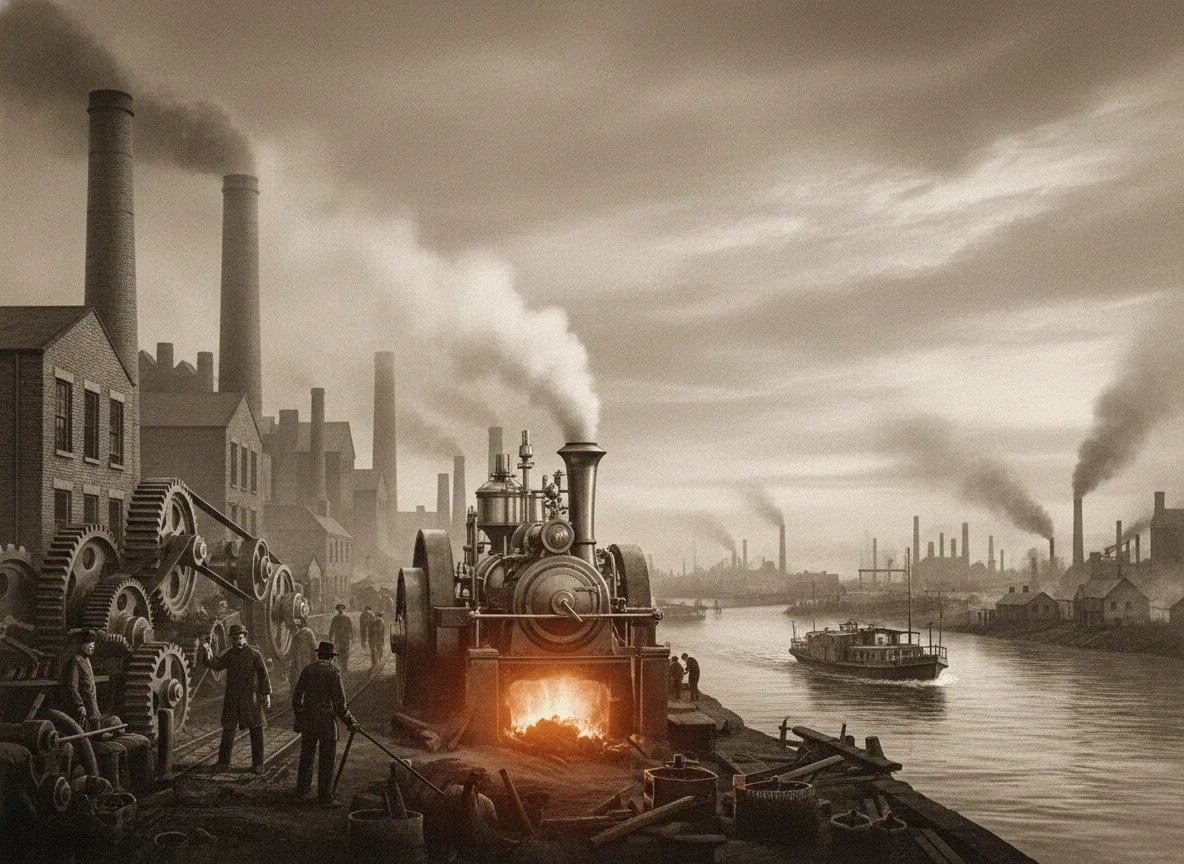
The Industrial Revolution brought about a shift from rural agrarian societies to urban industrial societies. The growth of factories and industries in urban areas attracted people from rural areas, leading to rapid urbanization. This urban migration resulted in overcrowded cities, inadequate housing, and poor sanitation conditions.
Labor Conditions
The working conditions during the Industrial Revolution were often harsh and dangerous, particularly for factory workers. Long working hours, ranging from 12 to 16 hours per day, were common. Workers, including women and children, often faced dangerous working conditions, with little to no safety regulations in place.
Key Innovations of the Industrial Revolution
Steam Engine
The invention of the steam engine, particularly James Watt's improvements to its efficiency, stands as one of the most critical innovations of the Industrial Revolution. The steam engine played a crucial role in powering various industries across Britain, such as flour mills, cotton mills, iron works, distilleries, waterworks, and canals.
Textile Machinery
The textile industry experienced a revolution with the introduction of various innovative machines. Inventions like the spinning jenny, the flying shuttle, the water frame, and the power loom transformed the British textile industry in the mid-18th century. These machines mechanized the production of cloth, significantly increasing efficiency and reducing the reliance on manual labor.
Iron Production
The British iron industry also witnessed significant advancements during the Industrial Revolution. Innovations in iron production, such as smelting iron ore with coke instead of charcoal, transformed the industry's capabilities. This technique, which was cheaper and produced higher-quality iron, facilitated the expansion of Britain's iron and steel production.
Transportation Infrastructure
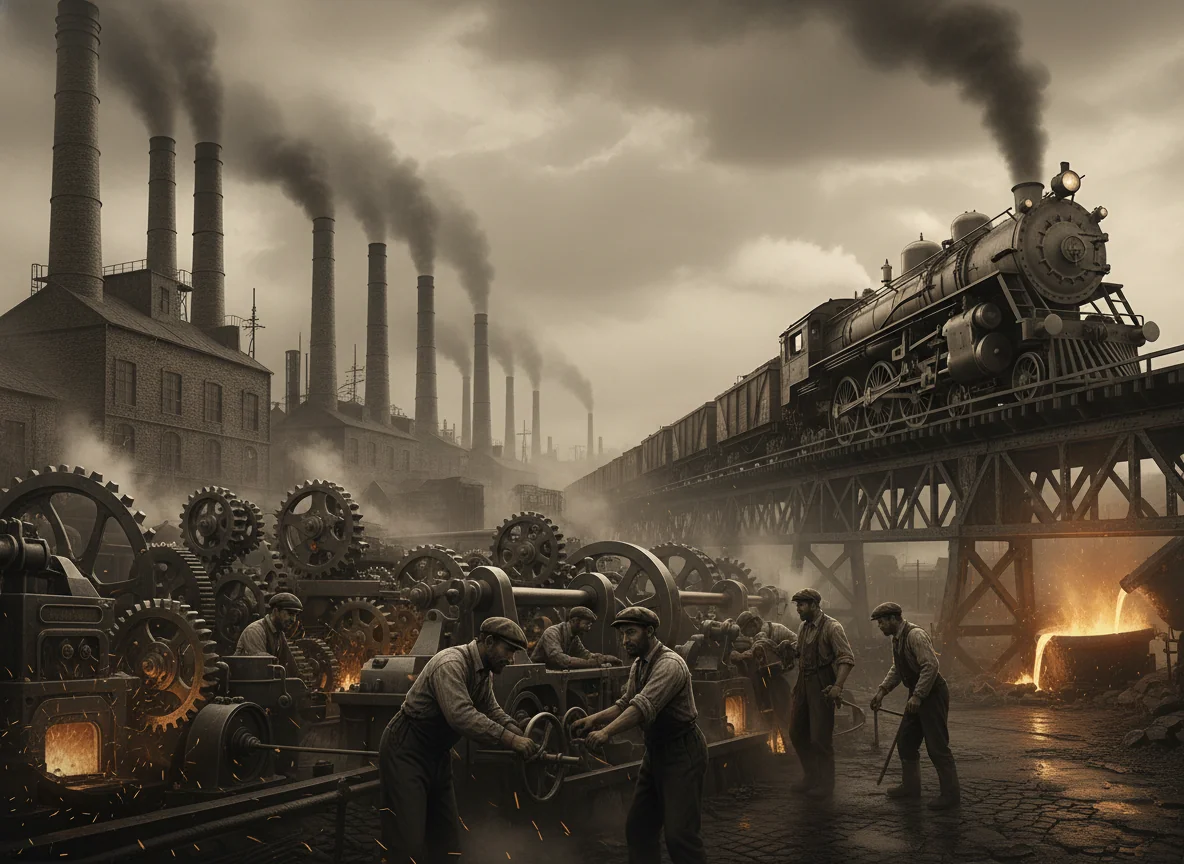
The Industrial Revolution brought about a revolution in transportation as well. In the early 19th century, the introduction of steam-powered locomotives and steamboats revolutionized the movement of goods and people. Steam locomotives started transporting freight and passengers between industrial hubs in Britain.
Global Spread of the Industrial Revolution
The Industrial Revolution, which began in Britain in the late 18th century, soon spread to other countries, transforming societies and economies across the globe. After its emergence in Britain, the Industrial Revolution gradually spread to other parts of Europe and North America.
Industrialization in the United States began in the early 19th century and was influenced by the advancements and innovations of the Industrial Revolution in Britain. The United States had abundant natural resources, such as coal, iron ore, and vast expanses of land, which provided the foundations for industrial growth.